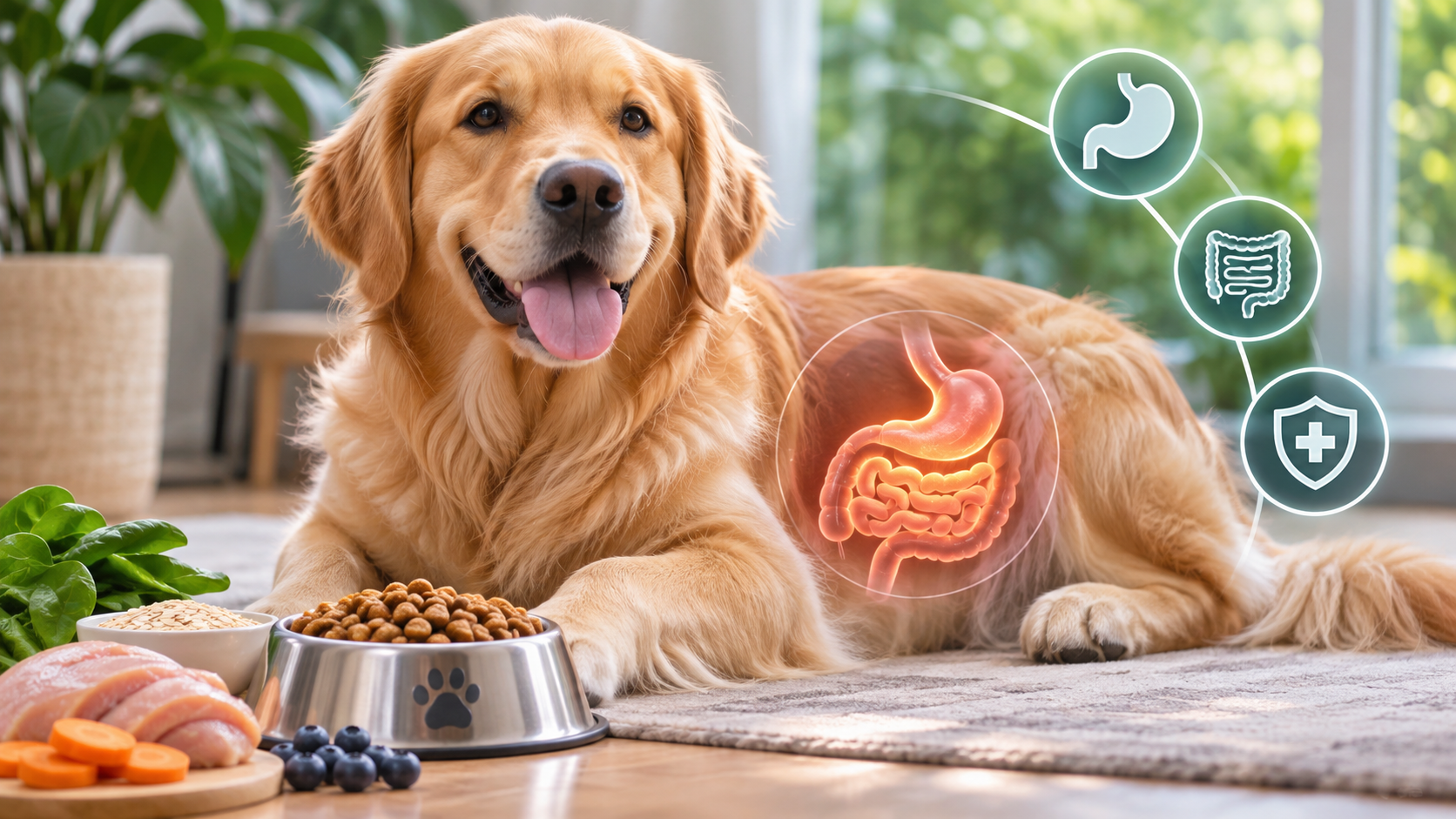
Canine Digestive Health is not just a buzzword; it’s a crucial aspect of your dog’s overall well-being. Just like us, dogs rely on a healthy digestive system to absorb nutrients and maintain energy levels. Understanding how their unique digestive anatomy functions, coupled with knowing common digestive issues, can empower pet owners to make informed decisions about their furry friends’ diets and health.
From the way food passes through various organs to how certain ingredients can affect their gut health, this exploration of canine digestion reveals the intricate balance that keeps our pets thriving. You’ll learn about the essential nutrients that promote digestive wellness, the role of hydration, and the impact of stress on digestion, all aimed at ensuring your dog leads a happy and healthy life.
Canine Digestive System Overview
The canine digestive system is a remarkable and complex network of organs designed to process food efficiently. While dogs are classified as carnivores, they have evolved to consume a more omnivorous diet, which requires a unique digestive setup. Understanding the anatomy and functioning of a dog’s digestive system is essential for pet owners to ensure their furry friends maintain optimal health.
The canine digestive system comprises a series of organs that work in harmony to break down food, absorb nutrients, and eliminate waste. Starting from the mouth, food is mechanically broken down by the teeth and mixed with saliva, which contains enzymes that initiate the digestion of carbohydrates. The food then travels down the esophagus into the stomach, where it is mixed with gastric juices, primarily hydrochloric acid and pepsin, to further break down proteins.
- Stomach: The stomach serves as a storage organ and is crucial for the initial breakdown of proteins. Its highly acidic environment also helps kill bacteria.
- Small Intestine: This is where most digestion and nutrient absorption occur. It is divided into three parts: the duodenum, jejunum, and ileum, each playing a role in breaking down food into usable nutrients.
- Pancreas: The pancreas produces digestive enzymes and bicarbonate to neutralize stomach acid, helping to break down fats, proteins, and carbohydrates in the small intestine.
- Liver: The liver produces bile, which is essential for the digestion and absorption of fats. It also processes nutrients and detoxifies harmful substances.
- Large Intestine: The large intestine absorbs water and electrolytes, forming solid waste. It also houses beneficial bacteria that aid in the fermentation of undigested material.
- Rectum and Anus: These structures are responsible for storing and expelling waste from the body.
The differences between canine and human digestive systems are significant. Dogs have a shorter gastrointestinal tract compared to humans, which enables them to process meat more efficiently. Furthermore, dogs have a higher pH level in their stomachs, allowing for the digestion of raw meat and bones that humans cannot properly digest. This evolutionary adaptation highlights the specialized nature of a dog’s digestive system, tailored for their dietary needs.
Common Digestive Issues in Dogs
Dogs can experience a variety of digestive issues that can be distressing for both them and their owners. Understanding these common problems is crucial for ensuring your pet’s health and well-being. Digestive troubles can manifest in different ways, but the most prevalent symptoms include diarrhea and vomiting. Recognizing these signs early can help in seeking prompt veterinary care and implementing effective solutions.
Common digestive issues in dogs can stem from a range of causes, including dietary indiscretions, food intolerances, infections, or even underlying health conditions. It is essential for pet owners to be vigilant and knowledgeable about the symptoms their dogs may exhibit when facing digestive distress. Noticing changes in your dog’s behavior or bowel habits can be the first step toward addressing these problems.
Symptoms of Digestive Problems
It’s vital to monitor your dog for specific symptoms that may indicate digestive issues. Recognizing these symptoms early can aid in timely intervention. The following are key indicators to watch for:
- Diarrhea: Frequent, loose, or watery stools can be a sign that your dog is experiencing digestive upset.
- Vomiting: Repeated vomiting, whether it occurs once or multiple times, should be taken seriously.
- Lethargy: A sudden decrease in energy or enthusiasm for activities can signal distress.
- Loss of Appetite: If your dog refuses to eat or shows disinterest in food, it can be an indicator of digestive trouble.
- Abdominal Pain: Signs like whining, restlessness, or a hunched posture may suggest discomfort in the abdomen.
Potential Causes of Digestive Issues
Numerous factors can contribute to digestive issues in dogs, with both dietary and environmental elements playing significant roles. Understanding these causes can help pet owners make informed decisions.
Some common causes include:
- Dietary Changes: Sudden shifts in diet can upset a dog’s stomach. Gradually introducing new foods is recommended.
- Food Allergies and Intolerances: Certain ingredients may not sit well with your dog, leading to digestive symptoms.
- Ingestion of Foreign Objects: Dogs are known for chewing on and swallowing non-food items, which can cause blockages or irritation.
- Infections: Bacterial, viral, or parasitic infections can disrupt the normal digestive process.
- Environmental Stressors: Changes in surroundings, such as moving homes or new pets in the household, can induce anxiety and digestive upset.
“A dog’s digestive health is critical, as it influences their overall well-being and energy levels.”
Monitoring your dog’s digestive health and promptly addressing any symptoms can lead to better outcomes and a happier, healthier pet.
Importance of a Balanced Diet for Digestive Health
A balanced diet is essential for maintaining a healthy digestive system in dogs. Just like in humans, the food dogs consume has a direct impact on their overall health, particularly their digestive tract. Proper nutrition plays a fundamental role in ensuring that all bodily functions operate smoothly, including digestion. The right balance of nutrients can help prevent issues such as diarrhea, constipation, and gastrointestinal discomfort, leading to a happier and healthier dog.
Nutrition not only fuels your dog’s body but also supports the intricate systems within it. A well-rounded diet promotes a thriving gut microbiome, which is crucial for nutrient absorption and immune function. Moreover, the digestive system is sensitive and can be easily influenced by dietary changes or poor food choices. By focusing on a balanced diet, pet owners can help their dogs maintain optimal digestive health. Key nutrients that support this essential function include fiber, protein, healthy fats, and probiotics.
Key Nutrients for Digestive Health
Understanding the specific nutrients that contribute to digestive wellness is vital for any dog owner. Here are some essential nutrients and their natural sources:
- Fiber: This nutrient helps regulate bowel movements and prevent constipation. Sources include pumpkin, sweet potatoes, and green beans.
- Protein: Vital for tissue repair and muscle maintenance, easily digestible protein sources like chicken, turkey, and fish are beneficial.
- Healthy Fats: Essential fatty acids support skin health and improve nutrient absorption. Good sources include fish oil and flaxseed.
- Probiotics: These beneficial bacteria promote a balanced gut flora, enhancing digestion. Natural sources are yogurt and fermented vegetables.
Incorporating these nutrients into daily meal plans can effectively promote digestive wellness for dogs. Here is an ideal meal plan example designed with digestive health in mind:
| Meal | Ingredients |
|---|---|
| Breakfast | 1/2 cup of oatmeal, 1/4 cup of pumpkin puree, and 1/4 cup of plain yogurt. |
| Lunch | 1/2 cup of brown rice, 1/2 cup of boiled chicken, and steamed carrots. |
| Dinner | 1/2 cup of sweet potato, 1/4 cup of green beans, and 1/4 cup of fish. |
| Snacks | Carrot sticks or apple slices (without seeds) for treats. |
By thoughtfully structuring your dog’s meals with these ingredients, you can significantly enhance their digestive health and overall well-being.
Probiotics and Their Benefits for Dogs
Probiotics play a significant role in maintaining the digestive health of our canine companions. These beneficial microorganisms, primarily bacteria, contribute positively to gut health and overall well-being in dogs. By supporting the balance of the gut microbiome, probiotics can help alleviate various digestive issues, enhance nutrient absorption, and boost the immune system.
Probiotics are live bacteria and yeasts that, when administered in adequate amounts, confer health benefits on the host. They promote a healthy balance of gut flora, effectively crowding out harmful bacteria that can lead to gastrointestinal disturbances. Probiotics can alleviate symptoms of diarrhea, constipation, and irritable bowel syndrome while also reducing the severity of conditions like allergies or infections. Furthermore, they play a crucial role in synthesizing essential vitamins and absorbing nutrients effectively.
Sources of Probiotics for Dogs
When considering probiotics for your dog, both natural food sources and supplements are available. Natural sources provide a wholesome way to introduce probiotics into your pet’s diet, while supplements offer a more concentrated dose.
Natural sources of probiotics include:
- Yogurt: Plain, unsweetened yogurt contains live cultures that can benefit canine digestion. Choose yogurt with no added sugars or artificial sweeteners, as some can be harmful to dogs.
- Kefir: This fermented dairy product is rich in probiotics and can be a great addition to your dog’s diet, offering a wider range of beneficial bacteria.
- Pumpkin: While primarily known for its fiber content, pumpkin can help regulate digestion. It can also serve as a base for mixing probiotics.
- Fermented vegetables: Options like sauerkraut or pickles (without additives) can provide beneficial bacteria, but be sure to introduce them in small amounts to avoid digestive upset.
In addition to natural sources, dog-specific probiotic supplements are widely available. They come in various forms, such as powders, capsules, and chews, and are formulated to meet the specific needs of your pet.
Incorporating probiotics into your dog’s diet should be done gradually to avoid any gastrointestinal upset. Start with small amounts, especially when introducing new foods or supplements. Monitor your dog for any changes in behavior or digestion, and consult your veterinarian for the best probiotic options tailored to your dog’s health needs. Aim to maintain consistency in dosage, and consider using probiotics during times of stress, such as after a course of antibiotics, to help restore balance in the gut.
Probiotics can significantly enhance gut health, which is crucial for overall canine wellness.
Signs of Healthy Digestion in Dogs
Healthy digestion in dogs is essential for their overall well-being. Observing certain signs can help pet owners determine if their furry friends are thriving or if they may be experiencing digestive issues. By recognizing these indicators, owners can take proactive steps to maintain their dog’s digestive health and seek veterinary assistance when necessary. Good digestive health often manifests through a combination of physical signs, stool characteristics, and behavior patterns.
Indicators of Good Digestive Health
Several key indicators can help owners assess their dog’s digestive health. These include consistent energy levels, a shiny coat, and regular appetite. Dogs that digest food well typically show enthusiasm for mealtime and maintain a healthy weight. They also produce normal stool, which can be a significant gauge of their digestive status. Normal stool characteristics include the following:
- Color: Healthy dog stool ranges from light to dark brown. A consistent color indicates proper digestion and that the food is being appropriately broken down.
- Consistency: Ideal stool should be firm yet pliable, not too hard or too soft. The right consistency signifies that the digestive system is functioning correctly, absorbing nutrients effectively.
- Shape: Stool should be log-shaped, reflecting the proper functioning of the intestines. Irregular shapes may suggest digestive blockages or issues.
- Frequency: Regular bowel movements—typically one to three times a day—indicate a healthy digestive process. Any significant changes in frequency may warrant evaluation.
- Odor: While all dog stool has a smell, extremely foul odors can indicate digestive problems or food intolerances.
Regular vet check-ups play a crucial role in monitoring a dog’s digestive health. These visits allow for professional assessments, including fecal exams that can identify parasites or other underlying issues that may not be visible externally. Routine check-ups ensure that any potential digestive problems are addressed promptly, helping prevent serious health concerns. Additionally, veterinarians can provide tailored dietary recommendations to support digestive health, offering advice on the best food choices based on the dog’s age, size, and activity level.
Home Remedies for Digestive Upset
When it comes to our furry companions, digestive upsets can be quite common, resulting in symptoms like vomiting, diarrhea, or bloating. Fortunately, several home remedies can help alleviate these issues effectively. While dietary adjustments and herbal remedies are popular choices, understanding how to implement them safely can ensure your dog’s comfort and well-being.
Dietary adjustments often include simple changes to your dog’s food routine. A bland diet is frequently recommended, which typically consists of boiled chicken (without skin) and white rice. This combination is easier on the stomach and can help firm up loose stools. Additionally, incorporating plain canned pumpkin (not the spiced pie filling) can be beneficial due to its high fiber content, helping regulate digestion. It’s essential to introduce any dietary changes gradually to avoid further upset.
Herbal Remedies and Their Implementation
Herbal remedies can also provide relief from digestive issues in dogs. These natural options can be effective, but they should be used cautiously and with prior knowledge of your dog’s health conditions. Some common herbal remedies include:
- Ginger: Known for its anti-nausea properties, ginger can be given in small amounts as a powder or in fresh form. A pinch of ginger powder mixed with food can soothe an upset stomach.
- Peppermint: This herb can help alleviate bloating and gas. A few drops of peppermint oil can be added to your dog’s water, but it should be used sparingly.
- Chamomile: Chamomile tea can be brewed and cooled, then given to dogs in small quantities. It has calming effects that can help reduce digestive distress.
While home remedies can be helpful, there are key considerations to keep in mind. Always monitor your dog’s response to any new remedy, as individual reactions can vary. Additionally, it is crucial to consult a veterinarian if symptoms persist for more than a day or if your dog shows signs of severe distress, such as lethargy, blood in stool, or severe vomiting.
Using these remedies safely involves starting with small doses and gradually increasing them if necessary. This approach helps identify any adverse reactions without overwhelming your dog’s system. By combining knowledge of dietary changes and herbal remedies, you can take proactive steps to support your dog’s digestive health effectively.
The Role of Hydration in Canine Digestion
Water is an essential component of every living organism, and for dogs, it plays a pivotal role in maintaining a healthy digestive system. Just like humans, dogs require adequate hydration to ensure that their bodies function optimally. Water aids in the breakdown of food, nutrient absorption, and the elimination of waste, making it crucial for overall digestive health. Insufficient water intake can lead to various health issues, including problems related to digestion.
Proper hydration is vital for the production of saliva, which helps in the initial stages of digestion. Saliva contains enzymes that begin breaking down food, making it easier for the body to process nutrients. Additionally, water is necessary for the movement of food through the intestines. It helps to soften stools, preventing constipation and promoting regular bowel movements. Without enough water, dogs can experience digestive discomfort, leading to more severe health consequences.
Signs of Dehydration and Its Impact on Digestion
Recognizing the signs of dehydration in dogs is essential for maintaining their health. Key indicators include:
- Dry gums and tongue: A lack of moisture can cause the mouth to feel sticky or dry.
- Loss of skin elasticity: When you pinch the skin, it should quickly return to its normal position. If it stays tented, your dog may be dehydrated.
- Reduced appetite: Dehydrated dogs often show less interest in food.
- Fatigue and lethargy: A lack of hydration can lead to decreased energy levels.
- Dark yellow urine: Concentrated urine indicates dehydration, as well-hydrated dogs typically produce lighter-colored urine.
Dehydration can severely affect digestion by slowing down gastrointestinal motility, leading to constipation and a buildup of toxins in the body. This can result in discomfort and even more serious health issues if not addressed promptly.
To encourage proper water consumption in dogs, consider the following guidelines:
- Provide fresh water daily: Ensure that your dog has access to clean water at all times, replacing it frequently to keep it appealing.
- Use a water bowl that suits your dog: Some dogs prefer specific types of bowls, such as stainless steel or ceramic, which can encourage them to drink more.
- Monitor water intake: Keep track of how much water your dog is drinking, especially during hot weather or after exercise.
- Add water to food: Mixing water with dry kibble can make mealtime more enticing and increase hydration.
- Incorporate wet food: Feeding wet food can significantly contribute to your dog’s overall water intake.
By following these guidelines, you can ensure that your dog stays adequately hydrated, supporting their digestive health and overall well-being.
The Impact of Stress on Digestive Health
Stress can have a profound effect on a dog’s overall health, particularly impacting their digestive system. Just like humans, dogs experience stress in various forms, and their bodies react to it in ways that can disrupt normal digestive functions. Stress can lead to issues such as decreased appetite, gastrointestinal upset, and even long-term health conditions if not managed properly. Recognizing the signs of stress in dogs is crucial to ensuring their digestive health remains optimal.
Several common stressors can negatively influence a dog’s digestive system. For instance, changes in their environment, such as moving to a new home or the arrival of a new family member, can cause anxiety and upset. Other stressors may include loud noises like thunderstorms or fireworks, prolonged periods of separation from their owners, or encounters with unfamiliar animals. These stressors can lead to symptoms like excessive drooling, diarrhea, or vomiting, manifesting in various forms of digestive distress.
Managing stress is key to promoting better digestion in dogs. Implementing strategies that help alleviate stress can significantly improve their well-being. Here are some effective methods to consider:
Strategies for Managing Stress
Creating a calming environment for dogs is essential. Maintaining a consistent routine can help provide a sense of security. Additionally, introducing calming aids such as pheromone diffusers or anxiety wraps can make a significant difference. Providing a safe space where dogs can retreat when feeling overwhelmed is also beneficial.
Engaging in regular physical activity is crucial; walks, playtime, and interactive toys can help reduce stress levels. Furthermore, mental stimulation through training sessions or puzzle toys can keep dogs occupied and less anxious. Nutrition plays a role too; a balanced diet rich in probiotics can support digestive health and mitigate stress-related issues.
“An ounce of prevention is worth a pound of cure.”
Lastly, consulting with a veterinarian can provide tailored advice or necessary treatments to address any underlying health concerns tied to stress. By identifying stressors and implementing effective strategies, dog owners can greatly enhance their pets’ digestive health and overall quality of life.
Age-Related Digestive Changes in Dogs
As dogs age, their digestive systems undergo several changes that can affect their overall health and wellbeing. Just like humans, older dogs can experience a decline in digestive efficiency, leading to issues such as constipation, diarrhea, and weight fluctuations. Understanding these changes is crucial for pet owners to provide the best care and dietary support for their furry companions.
In senior dogs, the production of digestive enzymes decreases, resulting in less efficient breakdown of food. This can lead to a reduction in nutrient absorption, requiring adjustments in their diet to ensure they receive adequate nutrition. The gut motility—the movement of food through the digestive tract—may also be slower in older dogs, which can contribute to constipation. Moreover, age-related oral health issues, such as periodontal disease, can affect a dog’s ability to chew and swallow food properly, complicating the digestion process. As a result, many senior dogs may benefit from softer, more easily digestible foods to support their changing needs.
Dietary Needs for Senior Dogs
Providing the right diet for senior dogs is essential to maintain their digestive health and overall wellbeing. The following dietary adjustments can be highly beneficial:
- High-Quality Protein: Senior dogs require easily digestible protein sources to help maintain muscle mass. Options include chicken, fish, and eggs.
- Increased Fiber: A diet higher in fiber can aid digestion and promote regular bowel movements, reducing the risk of constipation. Ingredients like pumpkin and brown rice are excellent sources.
- Lower Fat Content: As dogs age, they may become less active, leading to potential weight gain. A moderate fat content in their diet can help manage weight while providing necessary energy.
- Hydration: Senior dogs often struggle with hydration, so incorporating wet food or ensuring ample water intake is vital for proper digestion.
- Joint Health Supplements: Adding omega-3 fatty acids and glucosamine can support joint health, which is often a concern in older dogs.
Regular feeding schedules also play a crucial role in managing digestive health. Here’s a comparison of feeding schedules for different age groups:
| Age Group | Feeding Frequency | Dietary Considerations |
|---|---|---|
| Puppies (0-1 year) | 3-4 times a day | High in protein and calories to support growth. |
| Adults (1-7 years) | 2 times a day | Balanced diet with moderate protein and fat. |
| Seniors (7+ years) | 2-3 times a day | Easily digestible food with tailored nutrients for aging. |
Veterinary Treatments for Digestive Disorders
Digestive disorders in dogs can manifest in various ways, including vomiting, diarrhea, constipation, and abdominal pain. Identifying these symptoms early can lead to effective treatment and a quicker recovery. Engaging with veterinary professionals is crucial to accurately diagnose and treat these conditions, ensuring your furry friend regains their health.
Veterinary treatments for digestive disorders can range from dietary adjustments to medications and, in some cases, surgical interventions. A veterinarian will typically begin with a thorough examination and may recommend diagnostic tests such as blood work or imaging to pinpoint the underlying issue. Based on the diagnosis, treatment options can vary widely.
Common Medications for Digestive Disorders
The following are examples of medications that veterinarians may prescribe for dogs suffering from digestive disorders, each serving a specific purpose:
- Antacids: Medications like famotidine or omeprazole help reduce stomach acidity, providing relief from conditions like gastritis or ulcers.
- Antidiarrheals: Products such as loperamide can help minimize diarrhea, providing a balance in the digestive system.
- Probiotics: Supplements like FortiFlora support gut health by restoring beneficial bacteria, particularly after antibiotic treatment.
- Anti-nausea Medications: Drugs such as maropitant can effectively combat nausea and vomiting, improving a dog’s ability to keep food down.
- Dietary Modifiers: Prescription diets tailored for sensitive stomachs can aid in managing digestive issues, allowing for easier digestion and nutrient absorption.
When digestive issues persist or worsen, seeking veterinary care is crucial. Signs that warrant immediate attention include:
- Severe or prolonged vomiting
- Persistent diarrhea, especially if accompanied by blood
- Signs of pain or discomfort, such as whining or reluctance to move
- Loss of appetite lasting more than 24 hours
- Abdominal swelling or bloating
Prompt veterinary intervention can be lifesaving, particularly in cases of acute gastrointestinal upset or underlying serious conditions.
In summary, addressing digestive disorders in dogs early on through proper veterinary care not only alleviates discomfort but also helps prevent complications arising from untreated conditions. A combination of accurate diagnosis and tailored treatments ensures that your dog’s digestive health is back on track.
Final Summary
In conclusion, prioritizing Canine Digestive Health is fundamental for every dog owner. By understanding the complexities of their digestive systems and being aware of potential issues, you can take proactive steps to ensure your pet’s health. Whether it’s through diet adjustments, incorporating probiotics, or simply monitoring their hydration and stress levels, each decision contributes to a happier, healthier pup.
FAQ Overview
What are some signs that my dog has digestive issues?
Common signs include diarrhea, vomiting, lack of appetite, and unusual stool consistency or frequency.
How often should I check my dog’s stool?
Regularly checking your dog’s stool can help identify any digestive issues early; daily observation is ideal.
Can changes in my dog’s diet affect their digestion?
Yes, abrupt changes in diet can lead to digestive upset, so it’s best to transition gradually over several days.
Are human foods safe for my dog’s digestion?
Some human foods are safe but many can be harmful; always check with your vet before introducing new foods.
How can I improve my dog’s hydration?
Encourage hydration by providing fresh water at all times and consider adding water or broth to their meals.