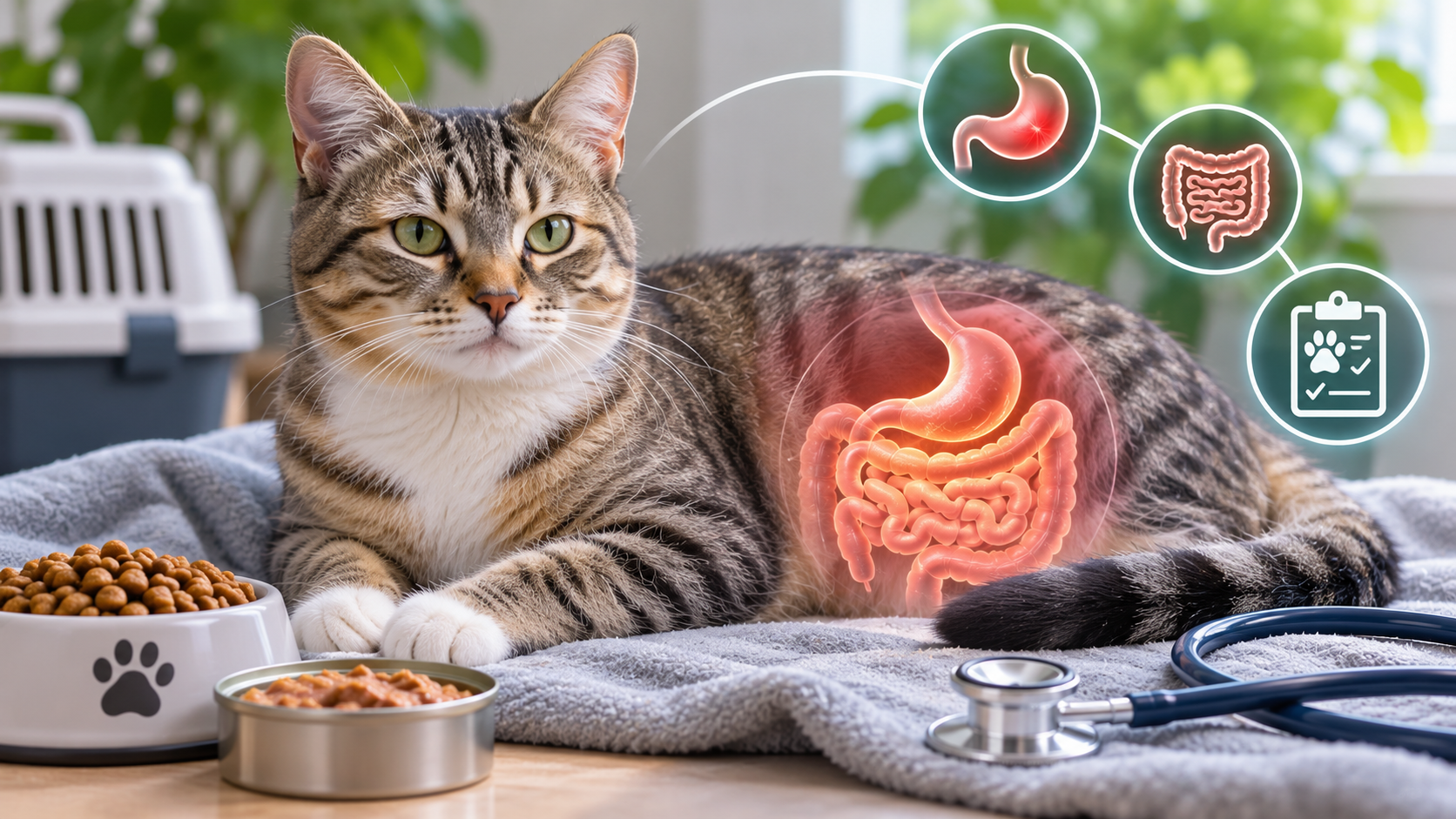
Feline Gastrointestinal Disorders are not just common health issues; they can significantly impact the quality of life for our beloved cats. Understanding the symptoms and causes is crucial for any cat owner who wants to ensure their pet’s well-being. From dietary influences to stress factors, these disorders can arise from various sources, making it essential to recognize the signs early on.
When a cat exhibits gastrointestinal troubles, it may display a range of symptoms, including vomiting, diarrhea, or changes in appetite. These indicators can vary widely across different breeds and life stages, making it important to tailor approaches to each unique feline. Engaging with these topics allows us to better understand how to help our furry friends live happier, healthier lives.
Understanding the Symptoms of Feline Gastrointestinal Disorders
Feline gastrointestinal disorders can present a myriad of symptoms that may sometimes be subtle or easily overlooked. Recognizing these signs early is crucial for effective treatment and maintaining your cat’s overall health. Common symptoms include vomiting, diarrhea, decreased appetite, and weight loss, among others. Understanding these symptoms can help cat owners detect gastrointestinal issues promptly, ensuring their furry companions receive the care they need.
The symptoms of gastrointestinal disorders can manifest differently depending on various factors such as the cat’s breed, age, and overall health. For instance, certain breeds like the Siamese may exhibit more noticeable weight loss and vomiting due to their sensitive digestive systems. On the other hand, older cats may display a more subdued presentation of symptoms, such as a gradual decrease in activity levels or appetite, which can be misleading. It’s essential for cat owners to observe their pets closely and recognize that changes in behavior often accompany gastrointestinal issues.
Common Symptoms of Gastrointestinal Disorders
Several key symptoms can indicate that a cat is experiencing gastrointestinal distress. Understanding these signs can help in identifying potential issues early on.
- Vomiting: Frequent vomiting can indicate a range of gastrointestinal problems, from dietary indiscretion to more severe issues like infections or obstructions.
- Diarrhea: This can be acute or chronic and may vary in consistency and color, often suggesting dietary issues or parasites.
- Decreased Appetite: A sudden loss of interest in food can be one of the first signs of gastrointestinal distress, which may lead to significant weight loss.
- Weight Loss: Unexplained weight loss often accompanies other gastrointestinal symptoms and can indicate serious health concerns.
- Lethargy: A noticeable decrease in energy levels may indicate that a cat is not feeling well, possibly due to gastrointestinal pain or discomfort.
Behavioral changes can also provide important clues regarding a cat’s gastrointestinal health. Cats may become more withdrawn or irritable when they are experiencing discomfort. Increased grooming behavior may also occur, as cats instinctively try to soothe themselves or may be reacting to nausea. For example, a cat that typically enjoys playtime may suddenly show disinterest or seek solitude, which can be a telltale sign that something is amiss.
Recognizing early signs and behavioral changes in your cat can lead to timely veterinary intervention, significantly improving their prognosis.
Understanding the various symptoms and behavioral changes associated with feline gastrointestinal disorders is essential for any cat owner. Awareness of these signs can lead to early detection and treatment, helping to maintain not only your cat’s health but also their quality of life.
Identifying the Causes of Feline Gastrointestinal Disorders
Feline gastrointestinal disorders encompass a range of conditions that can significantly impact a cat’s health and quality of life. Understanding the underlying causes is essential for effective management and prevention. Various factors contribute to these disorders, including dietary changes, stressors, and other health issues that may directly affect a cat’s digestive system.
One of the primary factors contributing to gastrointestinal disorders in cats is their diet. Cats are obligate carnivores, meaning their digestive systems are designed to process animal protein. Any sudden or inappropriate dietary changes can lead to gastrointestinal upset, including vomiting or diarrhea. For instance, switching from one type of food to another without a gradual transition can overwhelm a cat’s digestive system, resulting in adverse reactions. Additionally, low-quality ingredients or food that contains fillers rather than adequate nutrients can also contribute to gastrointestinal issues.
Dietary Changes and Their Impact
Dietary modifications can significantly affect a cat’s gastrointestinal health. When considering how diet influences these disorders, it’s important to note the following factors:
- Sudden Food Changes: A quick transition from one diet to another can disrupt a cat’s digestive balance.
- Low-Quality Ingredients: Diets with poor-quality protein sources or artificial additives may not provide the necessary nutrients, leading to digestive issues.
- Food Allergies or Intolerances: Some cats may develop sensitivities to certain ingredients, such as grains, dairy, or specific proteins, causing gastrointestinal upset.
- Inadequate Hydration: Cats may not drink enough water, especially when eating dry food, which can lead to dehydration and constipation.
Stress and anxiety also play a crucial role in feline gastrointestinal health. Cats are sensitive creatures, and changes in their environment or routine can lead to stress. This stress can trigger gastrointestinal disorders, often manifesting as diarrhea or vomiting. Factors that can induce stress include:
Impact of Stress and Anxiety
Understanding the impact of stress on a cat’s gastrointestinal system highlights the need for a stable and calm environment.
- Environmental Changes: Moving to a new home, introducing new pets, or changes in the household can elevate stress levels.
- Routine Disruptions: Cats thrive on routine; changes in feeding times or litter box locations can lead to anxiety.
- Lack of Stimulation: Boredom and insufficient mental or physical stimulation can contribute to anxiety, impacting digestion.
- Health Issues: Underlying medical conditions can cause stress, further exacerbating gastrointestinal problems.
“Stress can trigger a cascade of physiological responses in cats, often leading to gastrointestinal issues that require careful management.”
Recognizing and addressing these underlying factors can significantly improve the gastrointestinal health of cats and enhance their overall well-being.
Diagnostic Procedures for Feline Gastrointestinal Disorders
Diagnosing gastrointestinal disorders in cats is a crucial step in providing effective treatment and ensuring the overall health of your feline friend. A variety of diagnostic procedures are utilized by veterinarians to pinpoint the underlying issues and select the appropriate course of action. Understanding these methods can help pet owners navigate the often-complex medical landscape associated with their cats’ health.
Veterinary examinations play a vital role in diagnosing gastrointestinal disorders in cats. During a consultation, the veterinarian will conduct a thorough physical examination, which includes observing the cat’s weight, coat condition, and demeanor. They will also palpate the abdomen to detect any abnormalities, such as tenderness or distension. Additionally, a detailed history of the cat’s symptoms, diet, and behavior will be collected, aiding in identifying potential gastrointestinal issues.
Typical Diagnostic Tests for Feline Gastrointestinal Disorders
A variety of diagnostic tests are commonly employed to identify gastrointestinal disorders in cats. Each test offers unique insights into the cat’s health and helps narrow down the potential causes of gastrointestinal distress. The following tests are typically performed:
- Blood Tests: These tests, including blood counts and biochemical profiles, help assess organ function and detect infections or systemic diseases that may affect the gastrointestinal tract.
- Fecal Analysis: Stool samples are examined for parasites, bacteria, or other abnormalities that might indicate gastrointestinal issues.
- Radiographs (X-rays): X-rays help visualize the internal structures of the abdomen, allowing veterinarians to identify blockages, foreign objects, or organ enlargement.
- Ultrasound: This non-invasive imaging technique provides detailed images of internal organs, helping in the identification of fluid accumulations, masses, or structural abnormalities.
- Endoscopy: A minimally invasive procedure where a camera-equipped tube is inserted into the gastrointestinal tract, allowing for direct visualization and potential biopsy of tissues.
- Biopsy: Tissue samples taken during endoscopy or surgery can provide definitive diagnoses for conditions such as inflammatory bowel disease or cancers.
The choice of diagnostic test often depends on the cat’s specific symptoms and the veterinarian’s clinical judgment. Each test not only helps in diagnosing the condition but also plays a critical role in monitoring the effectiveness of prescribed treatments.
Comparison of Non-Invasive and Invasive Techniques
In veterinary medicine, diagnostic techniques for gastrointestinal disorders can be categorized into non-invasive and invasive procedures, each with its benefits and limitations.
Non-invasive techniques are generally preferred as they involve less risk and discomfort for the cat. Methods such as blood tests, fecal analyses, and imaging techniques like X-rays and ultrasounds can yield essential diagnostic information without the need for surgical intervention. For instance, an ultrasound might reveal abnormalities in the gastrointestinal tract without the stress associated with anesthesia.
On the other hand, invasive techniques, such as endoscopy and surgical biopsies, may be necessary when non-invasive methods yield inconclusive results. While these procedures can provide definitive diagnoses, they come with higher risks, including anesthesia-related complications and the potential for infection.
The choice between non-invasive and invasive diagnostic techniques will depend on the severity of the symptoms, the suspected underlying condition, and the veterinary team’s recommendations.
In summary, a well-structured approach involving both non-invasive and invasive diagnostic techniques allows veterinarians to accurately diagnose and effectively treat gastrointestinal disorders in cats, paving the way for better health outcomes. Understanding these procedures can ease the process for pet owners and ensure their beloved companions receive the best possible care.
Treatment Options for Feline Gastrointestinal Disorders
Feline gastrointestinal disorders can significantly affect a cat’s quality of life, making effective treatment options essential for their recovery and well-being. The management of these disorders often involves a multifaceted approach that includes dietary management, medication, and the use of supplements tailored to the specific needs of the cat. Understanding the various treatment methodologies is crucial for pet owners and veterinarians alike.
Dietary Management
Diet plays a pivotal role in managing gastrointestinal disorders in cats. Tailoring a cat’s diet according to their specific condition can aid in alleviating symptoms and promoting healing. Various dietary strategies may include:
- Prescription Diets: Many veterinarians recommend specialized prescription diets formulated to address specific gastrointestinal issues such as inflammatory bowel disease (IBD) or food allergies. These diets are typically low in certain allergens and rich in easily digestible ingredients.
- Hydration: Ensuring that the cat remains well-hydrated is critical, particularly for those with conditions like constipation or diarrhea. Wet food can be advantageous as it contains higher moisture content.
- Fiber Content: Adjusting the fiber content in the diet can help manage motility issues. Higher fiber diets may be beneficial for cats with constipation, while lower fiber options may be better for those with diarrhea.
- Frequent, Small Meals: Feeding smaller meals more frequently rather than large meals can help reduce the strain on the gastrointestinal system and improve digestion.
The importance of consulting with a veterinarian before making dietary changes cannot be overstated. A well-structured dietary plan can significantly enhance a cat’s recovery.
Medication and Supplements
Medications can play a crucial role in the treatment of feline gastrointestinal disorders, addressing underlying issues and alleviating symptoms. Common types of medications and their uses include:
- Anti-inflammatory Drugs: Medications such as corticosteroids are often prescribed to reduce inflammation in cases of IBD or other inflammatory conditions.
- Antibiotics: In cases of bacterial overgrowth or infection, antibiotics can help restore a healthy balance of gut flora.
- Probiotics: These supplements can aid in maintaining a healthy gut microbiome, especially after antibiotic treatment, promoting better digestion and overall gut health.
- Anti-emetics: Medications to control vomiting can be vital for cats experiencing severe gastrointestinal distress, helping to improve their appetite and overall comfort.
Additionally, supplements such as omega-3 fatty acids may also be beneficial in reducing inflammation and promoting healing within the gastrointestinal tract. It is essential for pet owners to work closely with their veterinarians to determine the appropriate medications and supplements, ensuring that they are tailored to the specifics of their cat’s condition.
Preventive Measures for Feline Gastrointestinal Disorders
Maintaining the gastrointestinal health of our feline friends is crucial in preventing disorders that can lead to discomfort and serious health issues. By making simple lifestyle changes and ensuring a balanced diet, cat owners can significantly lower the risk of gastrointestinal problems in their pets. This section delves into practical steps that can be taken for prevention, emphasizing the importance of diet, hydration, and regular veterinary visits.
Lifestyle Changes to Prevent Gastrointestinal Issues
Implementing specific lifestyle modifications can have a positive impact on your cat’s gastrointestinal health. These changes not only help prevent disorders but also contribute to overall well-being. Consider the following strategies:
- Stress Reduction: Cats are sensitive creatures, and stress can trigger gastrointestinal issues. Create a calm environment with cozy spots for your cat to retreat to and avoid sudden changes in their routine.
- Regular Exercise: Encourage playtime to keep your cat active. Physical activity promotes healthy digestion and can help prevent obesity, which is linked to gastrointestinal issues.
- Environmental Enrichment: Provide various toys and scratching posts to keep your cat mentally stimulated. Boredom can lead to stress-related digestive problems.
Maintaining a Balanced Diet and Hydration
A well-balanced diet and proper hydration are foundational aspects of feline health. The right nutrition will not only support digestion but also enhance your cat’s quality of life. Here are some tips for ensuring your cat receives the best dietary care:
- High-Quality Food: Choose high-quality cat food that contains essential nutrients and is appropriate for your cat’s age and health needs. Look for options that list real meat as the first ingredient.
- Consistent Feeding Schedule: Establish a regular feeding routine to regulate digestion. Cats thrive on predictability, so maintaining a schedule can help avoid gastrointestinal upset.
- Hydration is Key: Ensure your cat has access to fresh, clean water at all times. Cats are prone to urinary tract issues, and adequate hydration supports both kidney and gastrointestinal health.
Significance of Regular Veterinary Check-ups
Routine veterinary visits are essential for early detection and prevention of gastrointestinal disorders in cats. Regular check-ups allow for monitoring of your cat’s health and provide opportunities for vaccinations and parasite control. Here are some key reasons why these visits are crucial:
- Early Detection: Regular check-ups can catch potential health issues before they escalate into serious problems. This includes gastrointestinal disorders, which can often be subtle in their early stages.
- Dietary Guidance: Your veterinarian can provide personalized dietary recommendations based on your cat’s specific needs, lifestyle, and any pre-existing conditions.
- Preventive Care: Vaccinations and parasite control measures can be discussed during visits, ensuring your cat remains healthy and free from infections that could impact their digestive system.
“Prevention is always better than cure when it comes to your cat’s health; a proactive approach can save them from a world of discomfort.”
The Role of Probiotics in Feline Gastrointestinal Health
Probiotics are live microorganisms that provide health benefits to the host when administered in adequate amounts. In feline gastrointestinal health, probiotics play a significant role in maintaining gut balance and enhancing overall health. Given the sensitive nature of feline digestive systems, understanding the benefits of probiotics is crucial for any cat owner who aims to support their furry friend’s well-being.
The introduction of probiotics can be particularly advantageous for cats suffering from gastrointestinal disorders such as diarrhea, constipation, and inflammatory bowel disease. These beneficial bacteria help to restore the natural balance of gut flora, which can be disrupted due to factors such as stress, poor diet, or antibiotic use. By re-establishing a healthy microbiome, probiotics can assist in improving digestion, nutrient absorption, and immune function in cats.
Benefits of Probiotics for Gut Health
Probiotics offer several key benefits that directly contribute to the gastrointestinal health of cats. These benefits include:
- Restoration of Gut Flora: Probiotics help replenish the beneficial bacteria in the gut that may have been lost due to illness or medication.
- Enhanced Digestive Function: By promoting the breakdown of food and absorption of nutrients, probiotics aid in efficient digestion.
- Reduction of Diarrhea Episodes: Probiotics can shorten the duration and severity of diarrhea by regulating gut motility and combating pathogenic bacteria.
- Support for Immune System: A healthy gut microbiome plays a critical role in immune function, helping cats to fend off infections.
- Improvement in Overall Well-being: Many cat owners report enhanced energy and vitality in their pets after incorporating probiotics into their diet.
Probiotics in Recovery from Gastrointestinal Disorders
When cats experience gastrointestinal disorders, the introduction of probiotics can significantly facilitate their recovery. Probiotics contribute to healing in several ways:
- Restoration of Microbial Balance: Following an upset in the gut, probiotics work to restore the microbial community, which is essential for normal digestive operations.
- Alleviation of Inflammation: Certain probiotic strains have anti-inflammatory properties that can reduce gut inflammation, often seen in conditions like inflammatory bowel disease.
- Improved Stool Consistency: Regular use of probiotics has been shown to help normalize stool quality and frequency, mitigating issues related to both diarrhea and constipation.
- Enhanced Nutrient Absorption: By optimizing gut health, probiotics improve the absorption of vital nutrients, aiding the overall health recovery process.
Types of Probiotics Available for Feline Use
Feline probiotics vary widely in strain, formulation, and delivery method. Each type can have unique attributes that may be more suitable for different needs. Understanding these options can help cat owners make informed choices:
- Live Bacterial Cultures: These include specific strains like Lactobacillus and Bifidobacterium, which are commonly used for feline health.
- Prebiotic-Enriched Probiotics: This type incorporates prebiotics like inulin, which help feed the beneficial bacteria, enhancing their efficacy.
- Probiotic Supplements: Available as powders, capsules, or chews, these are designed for easy administration, catering to cats’ preferences.
- Functional Foods: Some commercial cat foods are formulated with added probiotics, integrating gut health support directly into the diet.
In summary, probiotics represent an essential component in the management of feline gastrointestinal health. By restoring balance to the gut microbiome and supporting recovery from disorders, they can significantly improve the quality of life for our feline companions.
Understanding the Long-term Management of Feline Gastrointestinal Disorders
Managing chronic gastrointestinal disorders in cats requires a dedicated approach that prioritizes long-term care. These conditions often necessitate ongoing treatment and monitoring to ensure a good quality of life for the affected feline. By understanding the intricacies of these disorders and their management, cat owners can better support their pets’ health over time.
Long-term care is critical for cats with chronic gastrointestinal issues as these conditions can significantly impact their overall well-being and comfort. Regular veterinary check-ups are essential, as they help track the progression of the disorder and adjust treatments as needed. Moreover, stable and consistent management can prevent flare-ups and complications, allowing cats to live fuller, healthier lives.
Monitoring and Adjusting Treatment Plans
Monitoring a cat’s health and adjusting treatment plans is fundamental for effective long-term management of gastrointestinal disorders. Owners should keep detailed records of their cat’s symptoms, dietary habits, and responses to treatments. This information assists veterinarians in making informed decisions about adjustments to the treatment plan.
Key strategies for monitoring and adjusting treatment plans include:
- Regular Veterinary Visits: Ensure follow-up appointments with the veterinarian to assess the effectiveness of the current treatment and make necessary changes.
- Symptom Journaling: Maintain a diary documenting changes in appetite, bowel movements, and overall behavior, which can indicate how well the condition is managed.
- Dietary Adjustments: Pay attention to how your cat responds to different foods and be prepared to modify their diet in consultation with the veterinarian, as specific dietary changes can greatly influence gastrointestinal health.
- Medication Management: Monitor medication effects closely. Any side effects or changes should be reported to the veterinarian to explore alternative medications or dosages.
Lifestyle Adjustments for Ongoing Management
Implementing lifestyle changes is a practical approach to managing feline gastrointestinal disorders. Such adjustments can enhance the cat’s comfort and health.
Examples of lifestyle adjustments that can support ongoing management include:
- Feeding Schedule: Establish a consistent feeding routine that aligns with your cat’s needs, which can help regulate digestion.
- Hydration: Ensure your cat has constant access to fresh water, as hydration is key to gastrointestinal health.
- Stress Reduction: Create a calm environment, as stress can exacerbate gastrointestinal issues in cats. Consider providing cozy resting spots and interactive toys to keep them engaged.
- Weight Management: Maintain a healthy weight through proper diet and exercise, as obesity can worsen gastrointestinal disorders.
Last Word
In summary, addressing Feline Gastrointestinal Disorders requires a multifaceted approach that encompasses understanding, prevention, and ongoing management. By recognizing symptoms early, exploring dietary changes, and consulting with veterinarians, cat owners can significantly improve their pet’s health and comfort. Remember, proactive care and attention are key to ensuring your feline companion continues to thrive.
Q&A
What are common symptoms of gastrointestinal disorders in cats?
Common symptoms include vomiting, diarrhea, loss of appetite, and behavioral changes such as lethargy or hiding.
Can stress affect my cat’s gastrointestinal health?
Yes, stress can contribute to gastrointestinal issues in cats, leading to symptoms like upset stomach or changes in eating habits.
How can I help my cat maintain a healthy gut?
Providing a balanced diet, ensuring hydration, and considering probiotics can all support your cat’s gastrointestinal health.
Are certain cat breeds more prone to gastrointestinal disorders?
While all cats can experience gastrointestinal issues, some breeds may have genetic predispositions to specific conditions.
How often should I take my cat to the vet for check-ups?
Regular veterinary check-ups are recommended at least once a year, or more often for cats with known gastrointestinal issues.