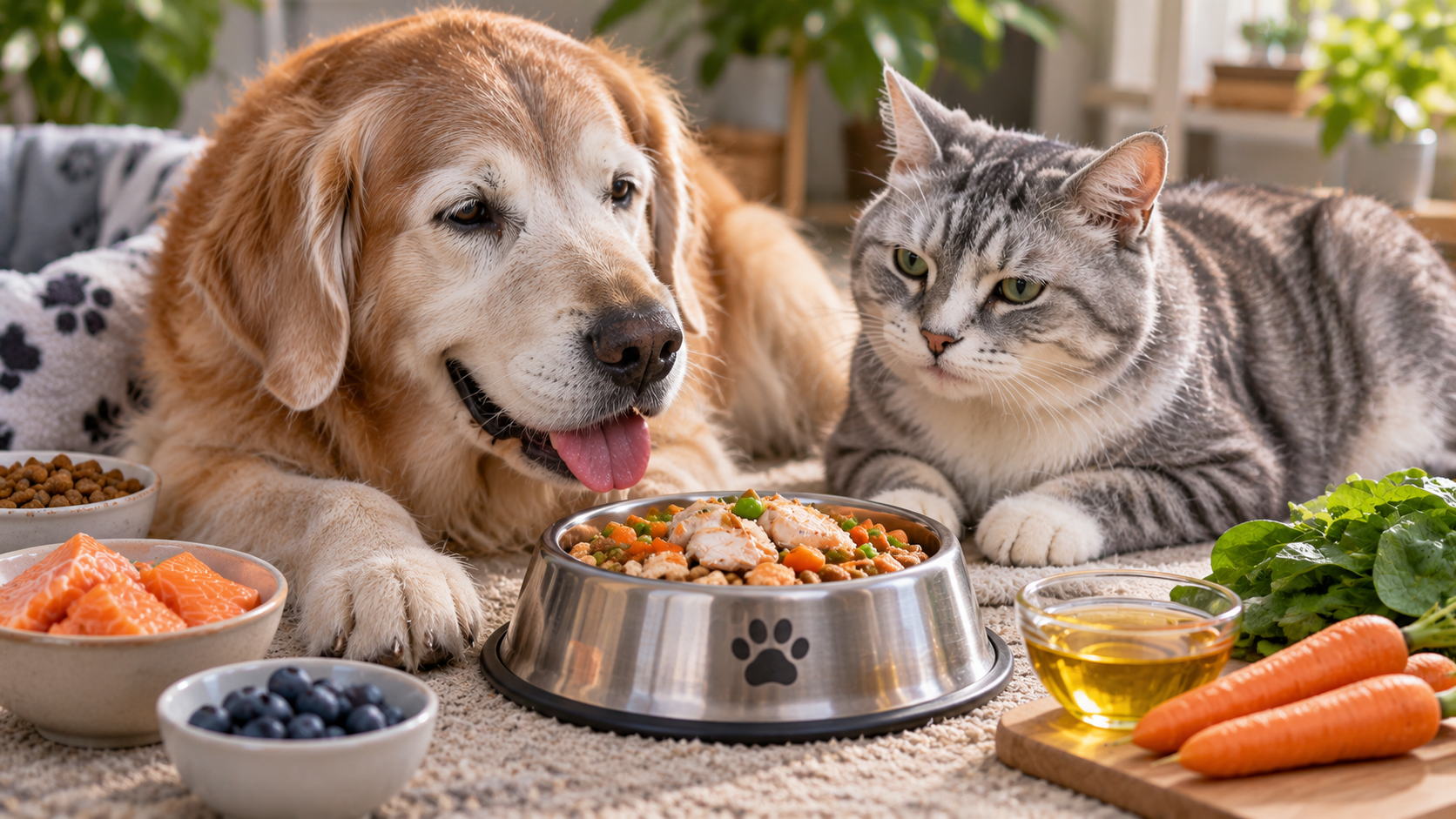
As Senior Pet Dietary Requirements take center stage, this topic invites pet owners to explore the essential nutritional needs of their aging companions. Just like humans, senior pets face unique dietary challenges that can greatly impact their health and well-being as they grow older.
From understanding how aging affects digestion to recognizing common dietary deficiencies, ensuring that senior pets receive the right nutrients is crucial. This guide covers everything from tailored diets for senior dogs and cats to the role of supplements and hydration, equipping pet owners with the knowledge they need to support their furry friends in their golden years.
Understanding the Unique Nutritional Needs of Senior Pets
As pets age, their dietary needs evolve significantly. The transition from an active, youthful pet to a senior companion involves various physiological changes that influence their nutritional requirements. Understanding these changes is crucial for providing the best care and ensuring the health and well-being of our beloved senior pets.
Several factors contribute to the changing dietary needs of senior pets. The aging process often leads to a decrease in metabolic rate and physical activity, which can affect weight management. Additionally, senior pets may experience dental issues that make chewing difficult, further impacting their ability to consume a balanced diet. Aging also affects digestion and nutrient absorption. The gastrointestinal tract may become less efficient, leading to a need for diets that are easier to digest and formulated with higher nutrient density to compensate for any potential deficiencies.
Impact of Aging on Digestion and Nutrient Absorption
Aging can significantly influence how pets digest food and absorb vital nutrients. The following are key points to consider regarding these changes:
- Decreased Enzyme Production: As pets age, the production of digestive enzymes may decline, leading to reduced effectiveness in breaking down food.
- Altered Gut Microbiome: The balance of gut bacteria can shift in older pets, potentially leading to digestive irregularities.
- Slower Gastrointestinal Transit Time: An increase in gastrointestinal transit time can lead to constipation, requiring diets with higher fiber content.
- Increased Risk of Food Sensitivities: Senior pets may develop sensitivities to certain ingredients, necessitating more specialized dietary formulations.
Essential Nutrients for Senior Pets’ Health
Ensuring senior pets receive the right nutrients is vital for maintaining their health and vitality. Here are some essential nutrients that play a crucial role in supporting their overall well-being:
- High-Quality Protein: Older pets require adequate protein for muscle maintenance and repair, ideally from easily digestible sources.
- Omega-3 Fatty Acids: These fatty acids support joint health and may have anti-inflammatory properties, contributing to overall comfort and mobility.
- Antioxidants: Nutrients like vitamins C and E help combat oxidative stress, which can be heightened in aging pets, promoting cellular health.
- Fiber: A diet rich in fiber supports digestive health and can help manage weight by promoting satiety.
“Providing a well-balanced diet tailored to the unique needs of senior pets is essential for prolonging their quality of life and enhancing their overall health.”
Common Dietary Deficiencies in Senior Pets
As pets age, their nutritional needs change. Senior pets often face dietary deficiencies due to various factors such as reduced appetite, changes in metabolism, and the body’s decreased ability to absorb nutrients. Understanding these deficiencies can help pet owners make informed decisions to keep their furry companions healthy and vibrant.
Common nutrient deficiencies seen in senior pets include essential fatty acids, vitamins, minerals, and proteins. These deficiencies can arise from a diet that doesn’t meet the altered nutritional requirements of aging animals. It is crucial to recognize the signs of these deficiencies to address them effectively and ensure that senior pets receive balanced nutrition.
Identifying Common Nutritional Deficiencies
Recognizing the signs of nutritional deficiencies in senior pets is vital for their overall well-being. Below are prevalent deficiencies and their associated signs:
- Omega-3 Fatty Acids: These essential fatty acids are crucial for maintaining skin and coat health. A lack of omega-3s can lead to dry, flaky skin and a dull coat.
- Vitamin E: This vitamin plays a vital role in immune function and skin health. Deficiency can manifest as weakened immune response and increased susceptibility to infections.
- Calcium: Important for bone health, calcium deficiency may cause weakened bones, leading to an increased risk of fractures.
- Vitamin B12: Essential for nervous system function, a lack of B12 can result in neurological issues, lethargy, and decreased appetite.
- Protein: Senior pets often require higher protein levels for muscle maintenance. Deficiency can lead to muscle wasting and lethargy.
Signs of Nutritional Deficiencies
Identifying symptoms of nutritional deficiencies in senior pets is key for timely intervention. Common signs include:
- Change in appetite: A decrease or increase in food intake can indicate nutritional imbalances.
- Weight loss or gain: Unexplained changes in weight can be a sign of poor nutrient absorption.
- Dental issues: Poor dental health can be linked to deficiencies in calcium and vitamins.
- Grooming challenges: Difficulty grooming or excessive shedding often points to dietary issues.
- Behavioral changes: Increased lethargy or unusual behavior can indicate underlying nutritional deficiencies.
Adjusting Diets for Senior Pets
Adjusting a senior pet’s diet requires careful consideration of their specific needs. Here are effective strategies to correct identified deficiencies:
- Incorporate Supplementation: Adding omega-3 supplements, vitamin E, or B-complex vitamins can enhance the nutritional profile of their diet.
- Choose Quality Food: Select a high-quality commercial pet food formulated for senior pets, ensuring it meets the recommended nutrient levels.
- Increase Protein Sources: Incorporate more lean meats or pet food with higher protein content to support muscle maintenance.
- Consult a Veterinarian: Regular veterinary check-ups can help tailor a diet plan to address specific deficiencies and monitor overall health.
- Provide Hydration: Ensure access to fresh water; dehydration can exacerbate nutritional deficiencies.
Proper dietary management in senior pets plays a crucial role in maintaining their health and quality of life.
Tailoring Diets for Senior Cats versus Senior Dogs
As pets age, their dietary needs evolve significantly, necessitating tailored nutrition to maintain health and vitality. Senior cats and dogs have distinct physiological requirements due to differences in metabolism, digestive systems, and activity levels. Understanding these variations is crucial for pet owners aiming to provide optimal care for their cherished companions.
The dietary requirements for senior cats and dogs differ primarily due to their unique biological make-up. Cats are obligate carnivores, meaning their bodies are designed to thrive on a high-protein diet with specific amino acids like taurine. Dogs, on the other hand, are omnivores and can digest a wider variety of foods, including plant-based ingredients. This fundamental difference influences the types of nutrients required by each species, affecting their overall health and well-being.
Nutritional Components for Senior Cats
Senior cats benefit from diets rich in high-quality proteins to support muscle maintenance and overall energy levels. Additionally, the inclusion of specific fatty acids, vitamins, and minerals can significantly enhance their health. Key ingredients for senior cat diets include:
- High-quality animal proteins: Essential for muscle maintenance and overall health; examples include chicken, turkey, and fish.
- Taurine: An essential amino acid that supports heart health, vision, and reproductive functions.
- Omega-3 fatty acids: Found in fish oil, these fatty acids can help reduce inflammation and support joint health.
- Antioxidants: Vitamins E and C help combat oxidative stress, thus promoting healthier aging.
- Low phosphorus levels: Important for kidney function, especially in predisposed breeds.
Nutritional Components for Senior Dogs
Similar to cats, senior dogs also require a diet that supports their aging bodies, but the focus shifts slightly due to their omnivorous nature. Their diet should be balanced and include a variety of nutrients for holistic health. Important components for senior dog diets include:
- High-quality protein sources: Essential for maintaining muscle mass; sources include lean meats such as beef, chicken, and lamb.
- Fiber: Promotes healthy digestion, especially important as older dogs may experience digestive issues; ingredients like pumpkin and sweet potatoes are beneficial.
- Glucosamine and chondroitin: Support joint health and mobility, reducing arthritis pain and enhancing overall movement.
- Vitamins and minerals: A well-rounded mix of vitamins A, B, C, and D, as well as calcium and phosphorus, is critical for bone health and metabolic function.
- Lower calories: Adjusting caloric intake helps manage weight effectively, reducing stress on joints and organs.
“Tailoring the diet of senior pets is not merely a choice; it’s a responsibility that reflects the love and care we provide to our furry family members.”
By acknowledging the distinct dietary needs of senior cats and dogs, pet owners can enhance their pets’ quality of life, ensuring they remain healthy and active as they age. Careful consideration of nutritional components tailored to each species can make a significant difference in their overall well-being.
The Role of Supplements in Senior Pet Nutrition
As pets age, their nutritional needs change, making it essential to provide them with the right dietary support. Supplements can play a vital role in enhancing the overall well-being of senior pets by filling nutritional gaps, supporting joint health, and boosting their immune systems. Understanding the types of supplements available, how to incorporate them into daily routines, and any potential risks can help pet owners make informed decisions for their furry friends.
Various types of supplements are beneficial for senior pets, targeting specific health concerns that arise with age. These include:
Types of Beneficial Supplements
It’s important to choose supplements that align with your pet’s health needs. Below are common types of supplements that can be particularly advantageous for senior pets:
- Glucosamine and Chondroitin: These are often used to support joint health, helping to alleviate arthritis pain and improve mobility.
- Omega-3 Fatty Acids: Found in fish oil, these supplements can promote skin and coat health, reduce inflammation, and support heart function.
- Probiotics: These beneficial bacteria aid digestive health, enhancing gut flora and improving nutrient absorption.
- Antioxidants: Vitamins E and C, as well as other antioxidant compounds, can help combat oxidative stress, protecting cells and supporting overall vitality.
- B Vitamins: Essential for energy metabolism, B vitamins can aid in maintaining cognitive function and supporting the nervous system.
Incorporating supplements into a senior pet’s daily routine requires careful planning and consideration. Establishing a consistent regimen maximizes the benefits of these supplements.
Incorporating Supplements into Daily Routine
Creating a routine for administering supplements is key in ensuring that your pet receives their intended benefits. Here are some steps to follow:
- Consult with Your Veterinarian: Before introducing any supplements, discuss them with your veterinarian to ensure they are appropriate for your pet’s specific health conditions.
- Use High-Quality Products: Opt for reputable brands that are tested for purity and potency. Look for products that have been certified by organizations such as the National Animal Supplement Council.
- Follow Dosage Guidelines: Adhere strictly to the recommended dosages provided on the product labels or as advised by your veterinarian.
- Mix with Food: Many supplements can be mixed into your pet’s food, making it easier for them to consume. Ensure that it’s palatable and well-mixed.
- Monitor Response: Keep an eye on your pet’s response to the supplements. If any adverse reactions occur, consult your veterinarian immediately.
While supplements can be beneficial, there are potential risks and considerations that pet owners should be aware of when administering them.
Potential Risks and Considerations
When integrating supplements into your senior pet’s diet, certain factors must be considered to avoid adverse effects.
- Over-supplementation: Excessive doses of certain vitamins and minerals can lead to toxicity, particularly fat-soluble vitamins like A, D, E, and K.
- Interactions with Medications: Supplements may interact with medications your pet is already taking, potentially diminishing their effectiveness or causing side effects.
- Quality Control: Not all supplements are created equal. Subpar products may contain fillers or harmful substances. Always choose reputable brands.
- Underlying Health Issues: Certain conditions may be exacerbated by specific supplements. Continuous veterinary oversight is crucial to ensure that the chosen supplements are appropriate.
“Supplements can significantly enhance the quality of life for senior pets when used correctly and under the guidance of a veterinarian.”
Selecting High-Quality Pet Foods for Senior Animals
As pets age, their nutritional needs change significantly. Selecting high-quality pet food specifically formulated for senior animals can greatly enhance their health and well-being. Understanding how to evaluate these foods and knowing which brands to trust is essential for pet owners who want to provide the best care for their aging companions.
When evaluating the quality of senior pet foods, it is important to consider several key criteria. These include the ingredients used, the nutritional profile, and the absence of harmful additives. High-quality pet foods should feature real meat as the primary ingredient, along with a balanced mix of carbohydrates, fats, vitamins, and minerals tailored to the needs of older pets. Additionally, look for foods that contain joint support supplements like glucosamine and chondroitin, which are beneficial for maintaining mobility in senior animals.
Criteria for Evaluating Senior Pet Foods
Understanding the specific requirements that senior pets have will help you choose the right food. Here are some important criteria to consider:
- Protein Source: Look for specific animal proteins (like chicken, beef, or fish) rather than generic terms. This ensures your pet is receiving high-quality protein necessary for muscle maintenance.
- Fat Content: Senior pets typically require lower fat content, but healthy fats such as omega-3 fatty acids are beneficial for skin and coat health, and for reducing inflammation.
- Fiber Levels: Increased fiber can aid digestion and help prevent obesity, which is a common concern in older pets.
- Essential Vitamins and Minerals: Look for antioxidants (like vitamins C and E) that support the immune system, along with calcium and phosphorus for bone health.
- Additives and Preservatives: Avoid foods that contain artificial colors, flavors, or preservatives. Opt for natural ingredients whenever possible.
Tips for Reading Pet Food Labels
Reading pet food labels can be daunting, but knowing what to look for can simplify the process. Here are some tips to help you decipher the information effectively:
- Ingredient List: Ingredients are listed by weight. The first few should always include high-quality protein sources.
- Nutritional Adequacy Statement: Look for a statement indicating that the food meets the nutritional levels established by the AAFCO Dog Food Nutrient Profiles for senior pets.
- Guaranteed Analysis: This section provides the percentages of protein, fat, fiber, and moisture. Ensure these levels align with the needs of senior pets.
- Feeding Guidelines: These guidelines should offer a range based on your pet’s weight and activity level, allowing for adjustments based on individual needs.
Reputable Brands for Senior Pet Formulations
Choosing from reputable brands is crucial in ensuring the quality of the food you provide. Here’s a list of brands known for their exceptional senior pet formulations:
- Hill’s Science Diet: Known for its research-backed formulations specifically designed for senior pets.
- Royal Canin: Offers breed-specific and age-specific diets tailored to the unique needs of senior pets.
- Blue Buffalo: Features natural ingredients with a focus on high-quality protein and essential nutrients.
- Purina Pro Plan: Developed with veterinary nutritionists for optimal health in senior pets.
- Wellness: Provides holistic options with a variety of flavors and formulations rich in proteins and antioxidants.
Choosing the right food for senior pets is not just about filling their bowls; it’s about nourishing their health and enhancing their quality of life.
The Impact of Weight Management on Senior Pet Health
Maintaining a healthy weight is critical for the overall health and well-being of senior pets. As pets age, their metabolism slows down, and their activity levels often decrease, making it easier for them to gain weight. Weight management plays a significant role in preventing various health issues and ensuring a better quality of life for older pets.
Obesity in senior pets can lead to a multitude of health problems, including joint issues, diabetes, and heart disease. Maintaining a healthy weight not only enhances mobility but also supports the immune system and reduces the risk of chronic diseases. To effectively manage weight, a combination of a balanced diet and regular exercise is essential.
Strategies for Weight Management Through Diet and Exercise
Implementing effective strategies for managing weight in senior pets involves a thoughtful approach to both diet and exercise. Here are some important points to consider:
- Portion Control: Measuring food portions helps to prevent overeating. Consult your veterinarian for specific calorie recommendations based on your pet’s ideal weight.
- Quality of Food: Choose high-quality, age-appropriate pet food that meets your senior pet’s dietary needs. Look for options with lower calories but high nutritional value.
- Consistent Feeding Schedule: Establish a set feeding routine to help regulate your pet’s appetite and prevent begging or scavenging behavior.
- Healthy Treats: Limit treats and opt for low-calorie options, or use fruits and vegetables like carrots or green beans as snacks.
- Regular Exercise: Engage your pet in daily activities suitable for their age and physical condition, such as short walks or gentle play to promote movement without overexertion.
It is essential to monitor your senior pet’s weight regularly and make adjustments as necessary. Over time, even small changes can have a significant impact on their health.
Studies show that maintaining a healthy weight can extend a pet’s life by two years or more.
Health issues that can arise from obesity in senior pets include but are not limited to:
- Arthritis: Excess weight puts additional stress on joints, leading to pain and mobility issues.
- Diabetes: Obesity increases the risk of insulin resistance, which can lead to diabetes.
- Heart Disease: Overweight pets are at higher risk of developing cardiovascular problems, which can significantly affect their quality of life.
- Respiratory Problems: Extra weight can hinder breathing, especially in brachycephalic breeds.
- Liver Disease: Fat accumulation in the liver can lead to serious health complications.
Regular visits to the veterinarian can help manage your senior pet’s weight effectively. These check-ups allow for professional guidance tailored to your pet’s specific needs and conditions, ensuring a longer and healthier life.
Meal Planning for Senior Pets
Meal planning for senior pets is crucial to ensure they maintain optimal health and vitality. As pets age, their dietary needs change, requiring more attention to the nutritional content of their meals. A carefully structured meal plan addresses these unique requirements, helping to enhance their quality of life and longevity.
Sample Meal Plan for Senior Dogs and Cats
Creating a balanced meal plan for senior pets involves considering their specific needs based on age, breed, weight, and any medical conditions. Below is a sample meal plan tailored for a senior dog weighing around 50 pounds and a senior cat weighing about 10 pounds.
Sample Meal Plan:
For Senior Dog:
– Breakfast:
– 1.5 cups of high-quality senior dog kibble (approximately 450 calories)
– 1/2 cup of cooked carrots (about 25 calories)
– 1/4 cup of plain yogurt (about 50 calories)
– Dinner:
– 1.5 cups of homemade chicken stew (chicken, brown rice, peas) (approximately 500 calories)
– 1/4 cup of steamed green beans (about 10 calories)
Nutrient Breakdown:
– Protein: 30% (from chicken, yogurt, kibble)
– Carbohydrates: 40% (from rice, beans, and vegetables)
– Fats: 30% (from kibble and chicken)
For Senior Cat:
– Breakfast:
– 1/4 cup of high-quality senior cat food (approximately 100 calories)
– 1 tablespoon of canned pumpkin (about 15 calories)
– Dinner:
– 1/4 cup of cooked fish (salmon or tuna) (approximately 200 calories)
– 1 tablespoon of olive oil (about 120 calories)
Nutrient Breakdown:
– Protein: 40% (from fish and kibble)
– Carbohydrates: 20% (from pumpkin)
– Fats: 40% (from oil and fish)
Benefits of Home-Cooked Meals versus Commercial Pet Food
Choosing between home-cooked meals and commercial pet food can significantly impact your senior pet’s health. Home-cooked meals provide several advantages:
– Control Over Ingredients: Preparing meals at home allows pet owners to select high-quality, fresh ingredients tailored to their pet’s specific dietary needs. This is particularly beneficial for addressing food sensitivities or allergies.
– Avoidance of Fillers: Many commercial pet foods contain fillers and artificial ingredients that can lead to digestive issues and other health concerns. Home cooking eliminates these additives, promoting better digestion.
– Customization: With home cooking, you can easily adjust portion sizes and nutrient content based on your pet’s health status, ensuring they receive the right balance of nutrients.
However, it’s important to ensure that homemade meals are balanced and meet nutritional requirements. Consulting with a veterinary nutritionist is advisable.
Meal Prepping Tips for Consistency in Feeding Senior Pets
Meal prepping can greatly simplify feeding routines for senior pets and ensure they receive consistent nutrition. Here are essential tips to consider:
– Batch Cooking: Prepare meals in bulk to save time. Cooking large quantities allows you to portion out meals for several days, reducing daily preparation time.
– Storage Solutions: Use airtight containers to store prepped meals in the refrigerator or freezer. Label the containers with dates and ingredients to keep track of freshness.
– Daily Portions: Divide meals into daily portions to maintain portion control and prevent overfeeding. This is particularly important for senior pets that may be prone to obesity.
– Nutritional Balance: Make sure to include protein, carbohydrates, and fats in every meal. Use a variety of ingredients to ensure a well-rounded diet.
– Regularly Monitor Health: Keep a close eye on your pet’s weight and health status. Adjust meal plans as needed, and consult your veterinarian if you notice any significant changes.
Incorporating these practices into your meal planning routine can help enhance your senior pet’s health and well-being.
Hydration and Its Importance in Senior Pet Diets
Maintaining proper hydration is a vital aspect of a senior pet’s overall health and well-being. As pets age, their bodies undergo various changes that can affect their ability to drink adequate amounts of water. This can lead to dehydration and a host of health issues, making it imperative for pet owners to pay close attention to their senior pets’ hydration needs.
Hydration is crucial for senior pets, as it supports kidney function, digestion, and the overall maintenance of bodily functions. Older animals are often more prone to conditions such as kidney disease and urinary tract infections, both of which can be exacerbated by inadequate water intake. Additionally, proper hydration helps to regulate body temperature, aids in nutrient absorption, and facilitates joint lubrication, all of which are essential for an aging pet’s quality of life.
Encouraging Water Intake
To ensure that senior pets are getting enough water, there are several effective methods that can be employed. These strategies not only promote hydration but also cater to the unique preferences of older animals.
– Use of Fresh Water: Always provide fresh, clean water in easily accessible bowls. Regularly change the water to keep it appealing, as older pets may be more sensitive to odors or tastes.
– Water Fountains: Many pets are attracted to running water. Pet water fountains encourage drinking by providing a continuous flow, which can entice senior pets to hydrate more frequently.
– Broth and Soups: Offering low-sodium chicken or beef broth can boost hydration levels. Ensure that the broth does not contain any harmful ingredients like onions or garlic, which are toxic to pets.
– Ice Cubes: Many pets enjoy chewing on ice cubes, especially in hot weather. You can freeze treats or pureed fruits in ice cubes to create a refreshing snack that also hydrates.
– Hydration Reminders: Incorporate water breaks into playtime or feeding schedules to remind pets to drink.
Hydrating Foods for Senior Pets
Incorporating hydrating foods into a senior pet’s diet can significantly help in maintaining their hydration levels. These foods not only provide essential nutrients but also increase their overall water intake.
– Wet Dog or Cat Food: Canned food typically contains a higher moisture content compared to dry kibble, making it an excellent choice for hydration.
– Watermelon: This fruit is over 90% water and can be a delightful treat for pets. However, ensure to remove seeds and rind before offering it.
– Cucumbers: Low in calories and high in water content, cucumbers can be sliced and given as refreshing treats for pets.
– Broccoli: This vegetable is not only hydrating but also packed with vitamins. It can be steamed or offered raw in small, manageable pieces.
– Pumpkin Puree: Unsweetened canned pumpkin is moist and can be mixed into food or given as a topping. It is also beneficial for digestive health.
By focusing on both water intake and the incorporation of hydrating foods, pet owners can greatly enhance the health and comfort of their senior companions, ensuring that they live their golden years to the fullest.
Ultimate Conclusion
In conclusion, addressing Senior Pet Dietary Requirements is vital for maintaining the health and happiness of aging pets. By understanding their unique needs and making informed dietary choices, pet owners can help their companions thrive in their later years. The insights shared here will empower you to create a balanced diet that caters specifically to your senior pet, ensuring they enjoy a fulfilling life.
FAQ Section
What are the most important nutrients for senior pets?
Senior pets require higher levels of antioxidants, omega fatty acids, and easily digestible proteins to support their immune system, joint health, and overall vitality.
How often should I feed my senior pet?
It’s generally recommended to feed senior pets smaller, more frequent meals throughout the day to aid digestion and maintain energy levels.
Are there specific foods to avoid for senior pets?
Senior pets should avoid foods high in fillers, artificial additives, and excessive fat to prevent obesity and other health issues.
How do I know if my senior pet is gaining weight?
Regularly monitor your pet’s weight, and look for changes in their body shape and energy levels. A vet can help assess if your pet is at a healthy weight.
Can senior pets be transitioned to a new diet?
Yes, but transitions should be gradual to avoid digestive upset. Mix the new food with the old over a week or more, increasing the new food ratio gradually.