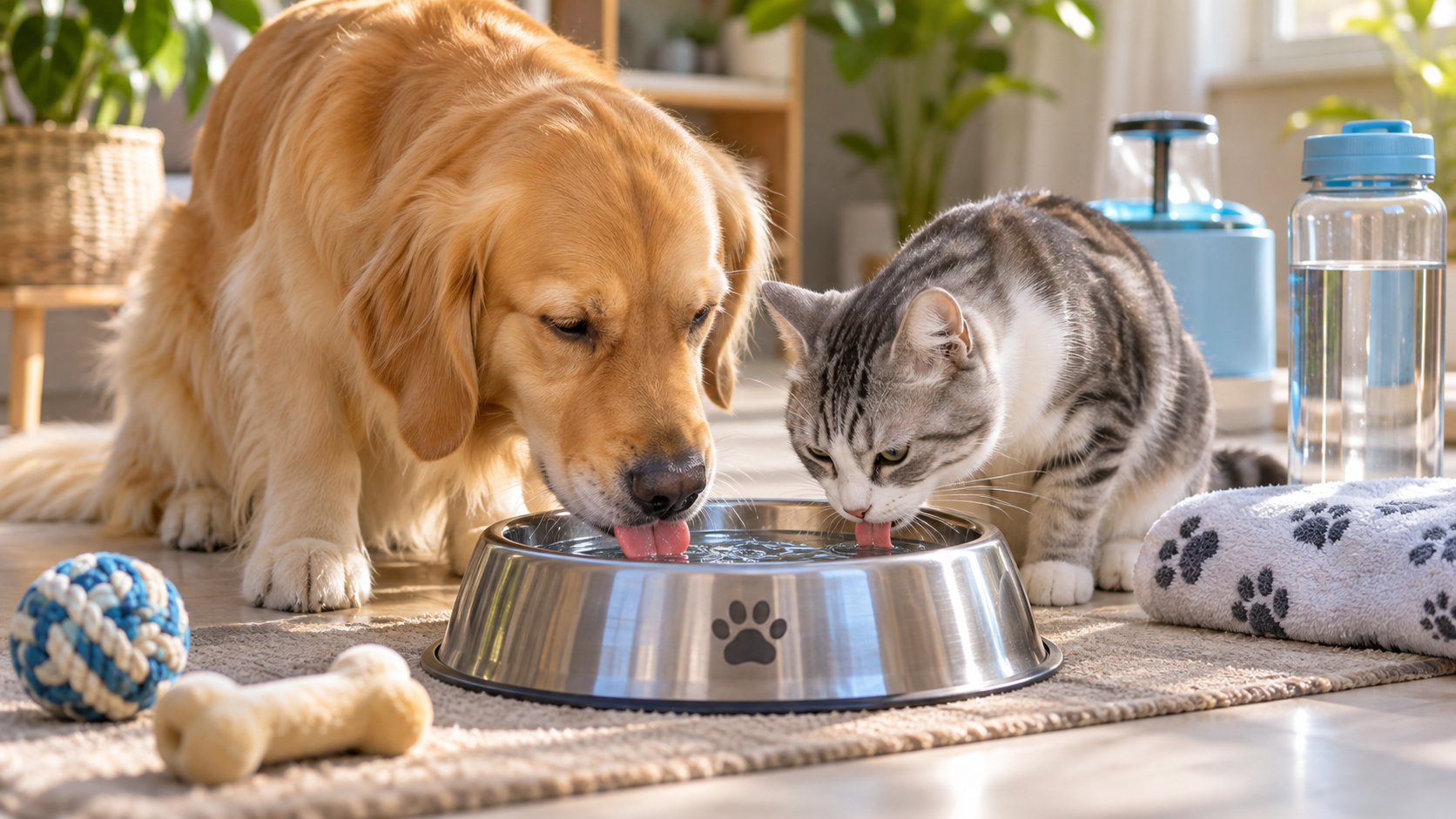
Pet Hydration Management is crucial for ensuring our furry and scaly companions stay healthy and happy. Hydration plays a pivotal role in the overall well-being of pets, affecting everything from their energy levels to their ability to recover from illness. Whether you own a dog, cat, or even an exotic pet, understanding the unique hydration needs specific to each species can help prevent dehydration and promote a longer, healthier life.
As pet owners, it’s essential to recognize the signs of dehydration and understand the various factors that influence your pet’s hydration needs. From age and activity level to environmental conditions, each pet is different, and so are their drinking habits. This guide will explore innovative solutions and effective strategies for ensuring your pet is drinking enough water, tailored to their specific needs.
Understanding the Importance of Hydration for Pets
Proper hydration plays a crucial role in the health and well-being of our pets, whether they are dogs, cats, or even exotic animals. Just like humans, pets rely on water to maintain their bodily functions, regulate temperature, and support overall health. Understanding the significance of hydration not only ensures their longevity but also enhances their quality of life.
Hydration is vital for numerous physiological processes in pets, including digestion, circulation, and waste elimination. Without adequate water intake, pets can suffer from a range of health issues, including kidney disease, urinary tract infections, and lethargy. The water content in a pet’s body affects their metabolism, energy levels, and even their coat condition. It is essential to recognize the varying hydration needs for different species, as their requirements can differ significantly.
Signs of Dehydration in Pets
Recognizing the signs of dehydration is critical for timely intervention and treatment. Dehydration symptoms can manifest differently across various species, so familiarity with these signs can aid pet owners in monitoring their pets’ hydration levels effectively. Below are some common signs of dehydration in pets, along with species-specific examples:
- Dry gums and tongue: A noticeable sign in both dogs and cats; dry oral mucosa indicates inadequate hydration.
- Skin elasticity: In dogs, pinch the skin at the back of the neck; if it doesn’t retract quickly, it’s a sign of dehydration. In cats, a similar test can be performed on the scruff.
- Urination frequency: Decreased urination or concentrated urine color can indicate dehydration in both dogs and cats.
- Lethargy: Any unusual lack of energy or enthusiasm for activities can suggest dehydration across all pet species.
- Sunken eyes: Particularly noticeable in cats, sunken eyes can be a strong indicator of severe dehydration.
- Excessive panting: While common in dogs during hot weather or after exercise, excessive panting can also lead to dehydration.
Pets like rabbits, guinea pigs, and other small mammals can exhibit unique signs of dehydration, such as a lack of appetite, constipation, or even a rough, dry coat. Understanding these indicators allows pet owners to act swiftly to ensure their pets receive the hydration they need.
“Prevention is always better than cure; maintaining adequate hydration is key to your pet’s health.”
Factors Influencing Pet Hydration Needs
Understanding the various factors that influence a pet’s hydration needs is essential for their overall health and well-being. Like humans, pets require adequate water intake to maintain proper bodily functions, and numerous variables can affect how much water they need daily. Recognizing these factors can help pet owners make informed decisions regarding their companions’ hydration management.
Several key factors impact a pet’s hydration requirements, including age, breed, size, and activity level. For instance, puppies and kittens generally require more water than adult pets due to their rapid growth and high energy levels. Larger breeds, such as Great Danes and St. Bernards, generally need more water than smaller breeds like Chihuahuas or Yorkshire Terriers. Active pets that engage in regular exercise or play outdoors tend to have higher hydration needs compared to sedentary pets, as they lose more fluids through panting and increased metabolism.
Influence of Environmental Conditions
Environmental conditions play a significant role in a pet’s hydration needs. Factors like temperature and humidity levels can drastically affect how much water a pet should consume. For example, during hot weather, pets are more prone to dehydration due to increased panting and sweating, particularly in breeds with thick coats. It is crucial for pet owners to be aware of these changes and ensure their pets have constant access to fresh water, especially when the temperature rises.
– Pets in warmer climates tend to require more water than those in cooler environments.
– High humidity can also increase a pet’s need for water, as it may affect their ability to cool down through panting.
– During colder months, pets may need adequate hydration as well, especially if they are active outside; dry air can lead to dehydration.
Effect of Diet on Water Intake
The type of diet a pet consumes significantly influences their hydration levels. For instance, there is a notable difference in water intake between pets fed wet versus dry food. Wet food typically contains around 70-80% moisture, which can help supplement a pet’s daily hydration needs. In contrast, dry kibble usually comprises only about 10-12% moisture, necessitating increased water consumption to meet hydration requirements.
– A pet on a dry food diet may need to drink more water to compensate for the lack of moisture in their food.
– Conversely, pets consuming wet food may drink less water since their dietary moisture content fulfills some of their hydration needs.
– It is also important to note that pets that consume a high-protein diet may require more water, as protein metabolism demands additional fluid to process waste efficiently.
By considering these factors, pet owners can better manage their pets’ hydration needs, ensuring their furry friends remain healthy and happy.
Innovative Solutions for Ensuring Adequate Hydration
In the quest to keep our pets well-hydrated, innovative products and technologies have emerged that can significantly enhance water intake. Traditional methods of providing water, such as standard bowls, may not be sufficient for encouraging pets to drink enough fluids. Thankfully, several modern hydration solutions are available that not only make drinking more appealing for pets but also provide a more efficient way to ensure they get the hydration they need.
One notable advancement in pet hydration is the introduction of water fountains. Unlike traditional water bowls, which can become stagnant and unappealing, pet water fountains continuously circulate water, keeping it fresh and oxygenated. This movement often entices pets to drink more, as many animals are instinctively drawn to flowing water. Additionally, many models come with filters that remove impurities, ensuring clean and safe drinking water. Compared to bowls, water fountains can significantly increase a pet’s water intake, which is crucial for their overall health.
Modern Hydration Solutions
Numerous innovative products have been designed to encourage pets to drink more water effectively. These solutions cater to different pet needs and preferences, ensuring that every pet can stay hydrated.
- Pet Water Fountains: These devices encourage drinking by mimicking a natural water source. They often come with adjustable flow settings, allowing owners to customize the flow rate to suit their pet’s preferences.
- Water-Infused Pet Foods: Some brands offer pet foods with higher moisture content, which can contribute to overall hydration. These foods can be especially beneficial for pets that are reluctant to drink water.
- Flavor Enhancers: Products like water flavor enhancers can make plain water more enticing. Many pets may drink more if their water is flavored with chicken or beef broth.
- Smart Hydration Systems: Some advanced devices monitor water levels and usage, sending alerts to owners when a refill is needed. These systems can integrate with smartphone apps for convenience.
To further support hydration, pet owners can adopt various DIY methods that enhance their pet’s water intake without the need for expensive gadgets. Creative solutions can be as effective as commercial products, often using items readily available at home.
DIY Methods to Enhance Pet Water Intake
Here are some simple yet effective DIY methods that pet owners can implement to encourage their furry friends to drink more water. Each method utilizes common ingredients or household items.
- Add Ice Cubes: Many pets enjoy chewing on ice cubes. Adding them to their water bowl can make drinking more fun and help keep the water cool.
- Mix in Broth: Homemade or low-sodium broth is an excellent way to entice pets to drink. Mixing a small amount into their water can improve the flavor and encourage consumption.
- Use a Water Bottle: For pets that prefer a different drinking style, using a water bottle with a nozzle can help them drink more easily, especially during outdoor activities.
- Regular Bowl Changes: Frequently changing the water and cleaning the bowl can prevent stagnation and keep the water fresh, which may encourage pets to drink more.
By employing these innovative solutions and DIY methods, pet owners can take proactive steps to ensure their beloved animals stay well-hydrated, enhancing their overall health and well-being.
Hydration Management Strategies for Active Pets
For active pets, proper hydration is crucial to maintaining their health and performance. Pets that engage in high levels of physical activity, such as running, playing fetch, or participating in agility training, require specific attention to their hydration needs. Understanding when and how to provide water to these energetic companions is essential for their overall well-being.
There are several effective hydration management techniques that can be implemented to ensure that active pets stay hydrated before, during, and after exercise. These strategies help to maintain optimal performance and prevent dehydration-related complications.
Pre and Post-Exercise Hydration Practices
Establishing a hydration routine around your pet’s exercise schedule is vital. Before exercise, ensure that your pet drinks adequate water to prevent dehydration. Here are some strategies:
- Pre-Exercise Water Intake: Offer fresh water about 30 minutes before exercise. This allows proper absorption and helps maintain hydration levels.
- Hydration Supplements: Consider using electrolyte supplements designed for pets, especially during hot weather or intense activities, to replenish lost minerals.
After exercise, it’s equally important to encourage your pet to drink water to aid recovery.
- Post-Exercise Rehydration: Provide water immediately after play or exercise. It can help replace fluids lost through sweating and panting.
- Cool Water Temperature: Offering cool (not ice-cold) water can be more appealing and encourage pets to drink more after physical activity.
Monitoring water intake during strenuous activities is essential for preventing dehydration.
Monitoring Water Intake During Strenuous Activities
Pet owners should keep track of how much water their active pets consume, especially during recreational or competitive events. Below are useful methods to monitor hydration:
- Water Bowls with Measurements: Use bowls that have measurement markings to track how much water is consumed.
- Portable Water Bottles: For outdoor activities, carry a pet-friendly water bottle, which can often dispense measured amounts of water.
- Behavioral Signs of Dehydration: Pay attention to signs like excessive panting, lethargy, or dry gums, which indicate your pet may need more water.
By incorporating these hydration management strategies, pet owners can help ensure their active pets remain healthy and hydrated, enabling them to enjoy their physical activities to the fullest.
Special Considerations for Hydration in Senior and Ill Pets
As pets age or face health challenges, their hydration needs become increasingly complex. Senior and ill pets often encounter unique hydration challenges that require special attention and care. Addressing these needs is crucial to maintaining their overall health and well-being, ensuring they receive the adequate fluids necessary for proper body function.
One of the primary challenges faced by elderly or sick pets is a decreased thirst drive. Conditions such as kidney disease, diabetes, or certain medications can alter their water consumption habits. Additionally, older pets may suffer from dental issues, making it uncomfortable for them to drink. To tackle these challenges, it’s essential to create an inviting hydration environment. Simple solutions include providing fresh, clean water multiple times throughout the day, using shallow water bowls for easy access, and placing the bowls in quiet, comfortable areas.
Role of Veterinary Advice in Managing Hydration
Consulting with a veterinarian is vital when managing hydration for pets with existing health conditions. A veterinary professional can offer tailored advice based on the specific medical needs of the pet. In many cases, they can recommend appropriate hydration strategies, including fluid therapy, which may involve administering fluids subcutaneously or through an IV if the pet is severely dehydrated.
Veterinarians may also suggest regular monitoring of hydration levels through check-ups and blood tests, helping to identify any early signs of dehydration or worsening health. They can recommend specific dietary adjustments that encourage fluid intake, such as wet food or specialized hydration formulas.
Techniques to Encourage Hydration in Senior and Ill Pets
Enticing sick or elderly pets to drink can often require creative strategies. Here are several techniques that pet owners can implement to promote hydration:
- Flavoring Water: Adding low-sodium broth or a splash of tuna juice to water can make it more enticing. Experimenting with different flavors can help you find one that your pet prefers.
- Using Ice Cubes: Offering ice cubes can be a fun way to encourage drinking. Many pets enjoy chewing on ice, and you can even freeze broth in ice cube trays for an extra treat.
- Hydration Fountains: Consider investing in a pet water fountain. The sound of running water can attract pets to drink more frequently, as they often prefer fresh, flowing water over stagnant bowls.
- Wet Food Options: Incorporating wet food into your pet’s diet can significantly increase their overall fluid intake. Many cats and dogs find wet food more palatable and hydrating compared to dry kibble.
Ensuring proper hydration in senior and ill pets is a critical component of their care. By recognizing the unique challenges these pets face and employing effective strategies, pet owners can help maintain their health and happiness.
The Role of Veterinary Guidance in Hydration Management
Veterinarians play a crucial role in ensuring that pets maintain optimal hydration levels, tailored specifically to their individual needs. Their expertise can help pet owners understand the nuances of hydration, considering factors such as age, breed, weight, activity level, and underlying health conditions. With veterinary guidance, pet owners can develop a comprehensive hydration plan that supports their furry companions’ overall health and well-being.
Veterinarians can assist pet owners in creating a hydration plan by conducting thorough assessments and providing tailored recommendations. This might include advising on the appropriate type and amount of fluid intake, suggesting specific hydration products, and monitoring the pet’s response over time. Additionally, they can offer insights into signs of dehydration and the best practices for managing hydration during various activities and environmental conditions.
Key Questions for Veterinary Consultation on Hydration
When discussing hydration management with a veterinarian, pet owners should come prepared with specific questions to ensure a thorough understanding of their pets’ hydration needs. Here are essential inquiries to consider:
- Understanding the pet’s specific hydration requirements based on their individual health profile.
- Knowing how much water the pet should consume daily, and how it varies with activity level and climate.
- Identifying signs of dehydration and how to monitor hydration status effectively.
- Learning about dietary choices that can impact hydration, such as wet vs. dry food.
- Exploring recommended hydration products, including electrolyte solutions for pets.
Examples of Successful Hydration Strategies
Case studies illustrate the effectiveness of veterinary input in developing successful hydration strategies for pets. One notable example involved a senior dog diagnosed with kidney disease, which required careful management of hydration levels. The veterinarian formulated a plan that included a combination of specially formulated wet food and frequent water intake, alongside regular veterinary check-ups to monitor kidney function. This individualized approach resulted in improved hydration and overall health for the dog.
Another instance involved a cat exhibiting signs of dehydration due to a recent move to a warmer climate. The veterinarian recommended a hydration plan that integrated a pet fountain to encourage drinking and introduced wet food into the cat’s diet. Over a few weeks, the cat showed significant improvement in hydration levels, as evidenced by increased energy and improved coat condition.
These examples underscore the importance of collaboration between pet owners and veterinarians in managing hydration effectively. With professional guidance, pet owners can ensure that their pets remain healthy and well-hydrated.
Educating Pet Owners about Hydration Best Practices
Maintaining proper hydration for pets is essential for their overall health and well-being. As pet owners, understanding the best practices for tracking and encouraging hydration can significantly impact your furry friend’s life. This guide Artikels effective strategies to ensure your pet stays well-hydrated, establishing a routine that promotes healthy habits.
Establishing a Hydration Routine
Creating a consistent hydration routine is vital for encouraging pets to drink water. Pets thrive on routine, and incorporating designated times for hydration can help normalize water consumption. By establishing specific water breaks throughout the day, pet owners can make hydration a natural part of their pet’s daily activities.
Some effective steps to establish a hydration routine include:
- Regular Water Refills: Ensure that your pet’s water bowl is filled with fresh water at least twice a day. This encourages them to drink more regularly.
- Scheduled Drink Breaks: Incorporate drink breaks during playtime or walks. When pets associate these activities with access to water, they are more likely to drink.
- Meal Timing: Offer water before and after meals. This can stimulate thirst, especially if your pet eats dry kibble.
Conducting Regular Hydration Checks
Regular hydration checks are an essential practice for pet owners to monitor their pet’s water intake and overall hydration status. Knowing the signs of dehydration and having the tools to assess hydration can prevent health issues.
Key methods for conducting hydration checks include:
- Skin Elasticity Test: Gently pinch the skin on the back of your pet’s neck. If it doesn’t return to normal quickly, your pet may be dehydrated.
- Mouth Check: Examine your pet’s gums. They should be moist and pink. Dry or sticky gums can indicate dehydration.
- Water Intake Tracking: Keep a log of how much water your pet consumes daily. This can help identify patterns and alert you to potential hydration issues.
Tools to Assist Pet Owners
Several tools can assist pet owners in ensuring that their pets stay hydrated. Utilizing these products can facilitate the monitoring and encouragement of adequate water intake.
– Water Fountains: Many pets are more inclined to drink from flowing water sources. Pet water fountains provide fresh, filtered water that is appealing to animals.
– Measuring Cups: Use measuring cups to track how much water you give your pet. This can help you maintain a consistent routine.
– Hydration Monitors: Some smart pet devices can track water consumption, sending alerts if your pet’s intake drops below normal levels.
Implementing these best practices can help foster a culture of hydration in your home, ensuring your pets remain healthy and happy. Remember, your pet’s hydration habits are a reflection of their overall health, so staying vigilant and proactive is key to their well-being.
Leveraging Technology for Hydration Monitoring
In today’s digital era, pet owners have access to an array of technological tools that assist in monitoring and managing their furry friends’ hydration levels. These advancements not only simplify the process but also provide insights that can significantly impact a pet’s health and well-being. With the right devices and applications, tracking hydration becomes an effortless part of daily care routines.
Various apps and devices have emerged, designed specifically to help pet owners keep an eye on their pets’ drinking habits. These technologies often employ a combination of sensors and mobile applications to provide real-time data on hydration levels.
Technology Solutions for Hydration Monitoring
The integration of technology in pet care facilitates better management of hydration through several innovative solutions. Below are some noteworthy examples of devices and applications that can enhance hydration monitoring:
- Smart Water Bowls: These bowls come equipped with sensors that measure the amount of water consumed by a pet. They often connect to a mobile app that provides updates on drinking patterns, allowing owners to identify any changes over time.
- Wearable Devices: Similar to fitness trackers for humans, some wearables for pets can monitor hydration levels along with other health metrics. These devices can alert owners if their pet’s hydration deviates from the norm.
- Mobile Apps: Applications such as PetHydrate and Pawtrack can track a pet’s daily water intake and send reminders to ensure they are drinking enough. These apps often allow owners to log data and observe trends over time.
- Automated Water Dispensers: Some models come with built-in filters and can dispense water on demand based on the pet’s drinking habits. When integrated with an app, they can notify owners about significant changes in drinking frequency or volume.
Utilizing data collected from these technologies can significantly improve hydration practices. By analyzing patterns in drinking behavior, pet owners can identify potential health issues early on. For instance, if a pet suddenly decreases its water intake, this could indicate illness or stress. By leveraging this data, decisions regarding veterinary consultations or adjustments to hydration strategies can be made swiftly.
Real-time monitoring and data analysis can empower pet owners to make informed decisions, ensuring their pets maintain optimal hydration levels.
In summary, the availability of technology tailored to hydration monitoring is transforming how pet owners manage their pets’ health. From smart bowls to advanced mobile applications, these tools provide invaluable support for ensuring pets stay hydrated and healthy.
Closing Summary
In summary, managing your pet’s hydration is a vital aspect of their health that should not be overlooked. By implementing the strategies and tips discussed, pet owners can actively contribute to their beloved companions’ well-being. Whether it’s leveraging technology for monitoring or seeking veterinary advice, the steps we take today can lead to happier, healthier pets tomorrow.
FAQ Section
How much water should my pet drink daily?
On average, pets should drink about 1 ounce of water per pound of body weight each day, but this can vary based on factors like activity level and diet.
What are the signs that my pet is dehydrated?
Common signs include dry gums, excessive panting, lethargy, and loss of skin elasticity. Always consult a vet if you suspect dehydration.
Can I give my pet flavored water?
Yes, adding low-sodium broth or specific pet-safe flavor enhancers can encourage pets to drink more, especially those who are ill or elderly.
Should I use a water fountain or a bowl?
Water fountains can encourage pets to drink more due to flowing water, but some pets may prefer traditional bowls. It often depends on individual preference.
How can I monitor my pet’s water intake?
Keep track by measuring the water you provide and noting how much is left at the end of the day. There are also apps designed for tracking pet health, including hydration.