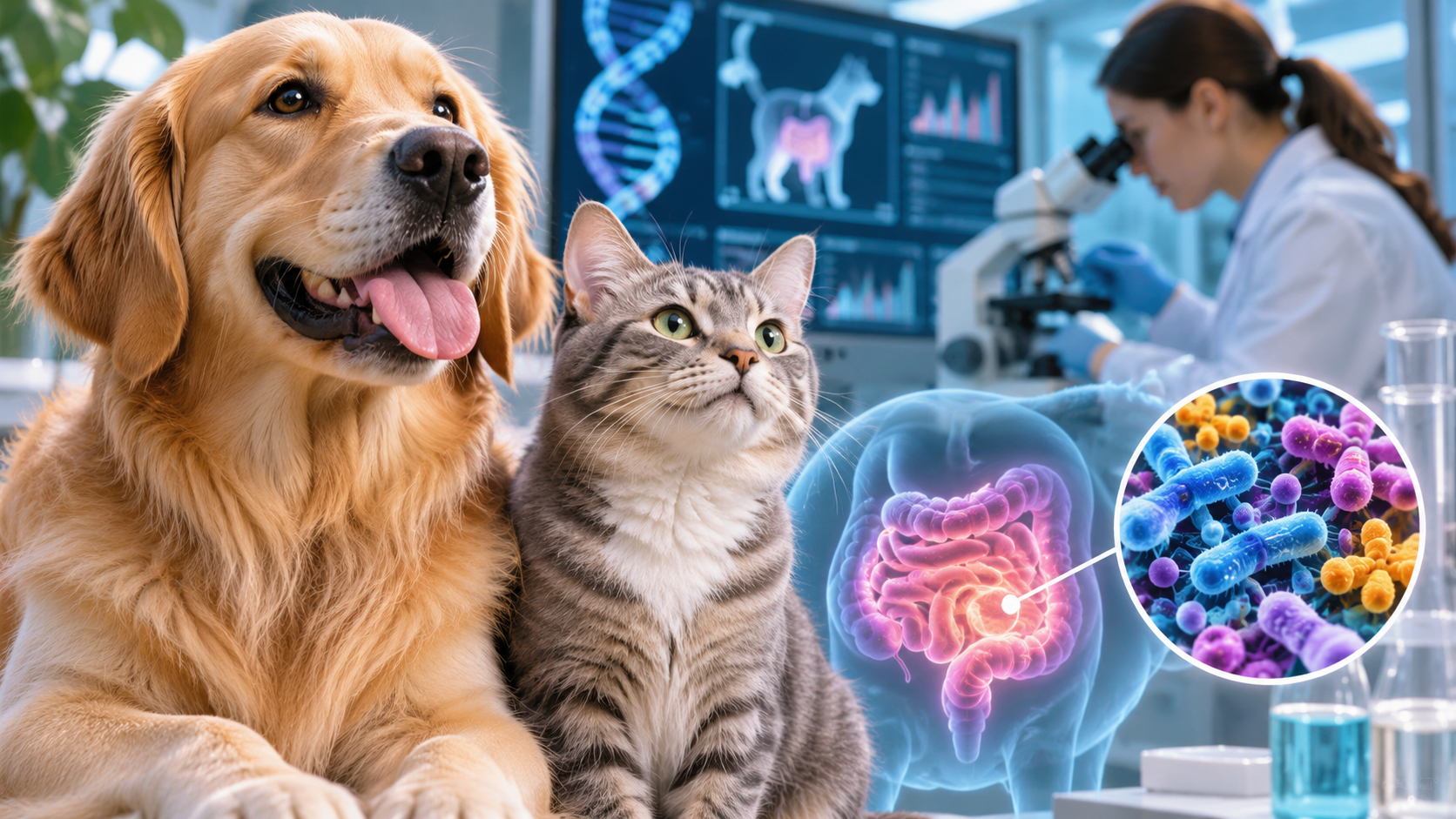
Pet Gut Microbiome Research is an exciting field uncovering the intricate world of microorganisms living in our pets. These tiny creatures play a crucial role in their health, behavior, and overall well-being. By understanding the gut microbiome, pet owners and veterinarians can make informed decisions about diet and care, leading to happier, healthier companions.
The gut microbiome influences everything from digestion to immune function, acting as a complex ecosystem that responds to dietary habits and lifestyle factors. Recent studies have shown that the right balance of gut bacteria can improve health outcomes, reduce the risk of diseases, and enhance the quality of life for pets. This exploration dives into the diverse methodologies, dietary impacts, and species-specific considerations that shape our understanding of this essential aspect of pet care.
The significance of gut microbiome research in pets
Understanding the gut microbiome in pets is a rapidly evolving field that plays a crucial role in enhancing the overall health and well-being of companion animals. The gut microbiome, consisting of trillions of microorganisms living in the gastrointestinal tract, influences various physiological processes, including digestion, immune response, and even behavior. Research into the gut microbiome of pets can provide insights into health issues that affect not only the gastrointestinal system but also systemic health, leading to better veterinary care and improved quality of life for pets.
The significance of studying the gut microbiome in pets cannot be overstated. A well-balanced gut microbiome is pivotal for optimal nutrient absorption, energy metabolism, and immune system development. A healthy gut flora can prevent gastrointestinal diseases, reduce inflammation, and enhance mental well-being. Conversely, an imbalanced gut microbiome, often referred to as dysbiosis, can lead to a range of health problems, including obesity, allergies, inflammatory bowel disease, and behavioral issues such as anxiety and aggression.
Influence of gut health on overall wellness
The health of the gut microbiome is directly related to the overall wellness of companion animals. A balanced gut microbiome supports proper digestion and nutrient absorption, which are essential for maintaining energy levels and a healthy weight. Disruptions in gut health may result in nutrient deficiencies that can manifest as poor coat condition, lethargy, and susceptibility to infections.
Furthermore, the gut-brain axis—an intricate communication network between the gut and the brain—highlights the profound impact of gut health on behavior and emotional health. For instance, studies show that pets with healthy gut microbiomes are less likely to exhibit anxiety-related behaviors. In contrast, pets suffering from gastrointestinal disturbances may display signs of distress, such as excessive barking or withdrawal.
The relationship between diet, gut microbiome composition, and pet health outcomes is also significant. The type and quality of food offered to pets can directly influence the diversity and composition of their gut microbiota. A diet rich in fiber, probiotics, and prebiotics supports a diverse microbiome, while highly processed foods may lead to microbial imbalances. For example, a study found that dogs fed a diet high in fiber had a more diverse gut microbiome, which is associated with a lower risk of obesity and related diseases.
In summary, the gut microbiome serves as a foundational element of pet health, influencing not only physical well-being but also behavioral health. By fostering a healthy gut microbiome through appropriate diet and care, pet owners can significantly enhance their companion animals’ overall wellness.
Current methodologies used in pet gut microbiome research
The exploration of pet gut microbiomes has become an exciting frontier in veterinary science, as researchers strive to uncover the complex relationships between these microbial communities and the health of pets. Understanding how these microorganisms affect digestion, immunity, and overall well-being has led to the development of various methodologies aimed at studying gut microbiomes in pets. The advancement of technology has transformed traditional approaches, providing more precise insights into microbial diversity and function.
One of the leading methodologies in studying pet gut microbiomes is metagenomic sequencing. This technique involves extracting genetic material directly from the gut microbiome, allowing researchers to analyze the entire community of microorganisms present, including bacteria, archaea, fungi, and viruses. Unlike traditional culture methods, which can only identify a fraction of microbial species based on their growth in specific media, metagenomic sequencing captures a comprehensive snapshot of microbial diversity, even those that are not easily cultivable in a lab setting. Through bioinformatics tools, researchers can then analyze the sequenced data to identify species composition, functional potential, and interactions within the gut ecosystem.
Another modern method gaining traction in pet microbiome research is 16S ribosomal RNA (rRNA) gene sequencing. This targeted approach focuses specifically on the 16S rRNA gene, which is present in all bacteria and varies in sequence among different species. This technique allows for accurate identification and classification of bacterial communities, providing insights into shifts in microbial populations related to diet, health conditions, or interventions.
When comparing traditional culture methods with modern molecular techniques, significant differences emerge. Traditional culture methods rely on the growth of bacteria in controlled laboratory environments, which can be time-consuming and may miss many non-culturable species. In contrast, molecular techniques such as metagenomic sequencing and 16S rRNA sequencing provide a more comprehensive and rapid overview of the microbial community, highlighting the presence of previously unrecognized microbes. This shift has been pivotal in advancing our understanding of the pet gut microbiome, as it allows for the exploration of intricate relationships between microbial communities and their hosts.
The following table summarizes common methodologies used in pet gut microbiome studies, highlighting their applications and inherent strengths:
| Methodology | Application | Strengths |
|---|---|---|
| Metagenomic Sequencing | Comprehensive analysis of microbial communities | Captures all microorganisms, cultivable and non-cultivable |
| 16S rRNA Gene Sequencing | Identification and classification of bacteria | High specificity and resolution of bacterial diversity |
| Shotgun Metagenomics | Functional analysis of microbial genes | Provides insights into metabolic capabilities of the microbiome |
| Culture-Based Techniques | Isolation and characterization of specific bacteria | Useful for studying pathogenic microbes and their behavior |
| Metabolomics | Analysis of metabolic products produced by gut microbes | Connects microbial activity with pet health outcomes |
Through these innovative methodologies, researchers continue to unravel the complexities of the pet gut microbiome, paving the way for improved dietary guidelines, health interventions, and a deeper understanding of the symbiotic relationships that exist between pets and their microbial inhabitants.
The impact of diet on the gut microbiome of pets
The diet of pets plays a crucial role in shaping their gut microbiome, which in turn influences their overall health, digestion, and immune function. The composition of the gut microbiome can vary significantly based on dietary choices, including raw diets, grain-free options, and commercial pet foods, each contributing differently to the microbial ecosystem within a pet’s digestive system. Understanding these differences is essential for pet owners seeking to optimize their pets’ health through diet.
Effects of Different Diets on Gut Microbiome
Various pet diets can lead to distinct microbial communities within the gut. For instance, raw diets often promote a higher abundance of certain beneficial bacteria compared to processed commercial foods. Raw diets typically include meat, organs, and bones, which can enhance microbial diversity. Conversely, grain-free diets, while popular among many pet owners, may not always provide the necessary nutrients that support a healthy microbiome. Some studies have suggested that these diets could lead to shifts in microbial composition, potentially impacting gut health.
Commercial pet foods, which often contain fillers and preservatives, can result in lower microbial diversity and a higher prevalence of pathogenic bacteria due to their processed nature. This lack of diversity can weaken the gut barrier and impair the immune response. Overall, each dietary approach has its implications, and careful consideration is necessary when choosing the ideal diet for pets.
Role of Probiotics and Prebiotics
Probiotics and prebiotics are essential components that can significantly influence the gut microbiome in pets. Probiotics are live beneficial bacteria that can help restore balance to the gut microbiome, especially following antibiotic treatments or digestive disturbances. Incorporating probiotics into a pet’s diet can enhance microbial diversity and improve gut health.
Prebiotics, on the other hand, are non-digestible food components that promote the growth of beneficial bacteria. These compounds can be found in foods like chicory root, garlic, and certain fibers. By providing a food source for good bacteria, prebiotics can foster a more robust and diverse microbial population, allowing for better digestion and nutrient absorption.
Importance of Dietary Fiber
Dietary fiber plays a pivotal role in maintaining microbial diversity within a pet’s gut. It helps regulate digestion and serves as a substrate for fermentation by gut bacteria. High-fiber diets can increase the production of short-chain fatty acids (SCFAs), which have anti-inflammatory effects and support gut health.
Fiber-rich diets often lead to a more diverse gut microbiome by promoting the growth of beneficial bacteria while inhibiting harmful ones. This diversity is crucial for protecting against diseases and enhancing overall well-being. Examples of fiber sources include fruits, vegetables, and whole grains, all of which can contribute positively to a pet’s gut microbiome.
In conclusion, the dietary choices made for pets significantly impact their gut microbiome, influencing their health and well-being.
Gut microbiome variations across different pet species
The gut microbiome is a complex ecosystem of microorganisms that play a crucial role in the health and well-being of pets. Variations in gut microbiome compositions can be observed across different species, such as dogs, cats, and other common pets like rabbits and guinea pigs. Understanding these differences not only sheds light on the unique biological needs of each species but also informs species-specific dietary recommendations that can enhance their health.
Research has shown that dogs and cats exhibit significant differences in their gut microbiome compositions. Dogs typically have a more diverse microbiome, characterized by a higher abundance of certain beneficial bacteria, such as Firmicutes and Bacteroidetes. These bacteria are known to aid in fiber digestion and energy extraction from food. In contrast, cats, being obligate carnivores, have a gut microbiome dominated by species that are more efficient in processing proteins and fats, such as Lactobacillus and Enterococcus. This variation reflects their different dietary needs and metabolic requirements.
Factors influencing gut microbiome variations
Several factors contribute to the variations in gut microbiome compositions across different pet species, including species, age, and lifestyle. Each of these factors plays a pivotal role in shaping the microbiome:
- Species: As highlighted earlier, the inherent dietary preferences and digestive physiology of each species dictate the composition of their gut microbiota. Dogs and cats, for example, have evolved differently, leading to distinct microbial communities.
- Age: The gut microbiome matures as pets age. Puppies and kittens tend to have more diverse microbiomes, which gradually stabilize as they transition to adult diets. This maturation process can impact their immune responses and overall health.
- Lifestyle: Factors such as diet, environment, and interactions with other animals can influence the gut microbiome. Pets raised in multi-pet households may have different microbial exposures compared to those in single-pet environments, affecting their microbiome composition.
Understanding these factors allows pet owners and veterinarians to tailor dietary recommendations more effectively. For example, a high-fiber diet may benefit dogs by promoting a diverse microbiome, while a protein-rich diet is essential for maintaining the health of cats’ unique gut microbiota. By considering these differences and their implications, we can better support the health and longevity of our beloved pets.
The role of gut microbiome in addressing pet diseases
The gut microbiome plays a crucial role in the overall health and well-being of pets. A balanced gut microbiome is essential for maintaining a healthy immune system, aiding digestion, and preventing various diseases. However, imbalances in the gut microbiome can lead to serious health issues. This section explores how such imbalances contribute to common diseases in pets, including obesity, allergies, and gastrointestinal disorders.
Imbalances in the gut microbiome can significantly influence the development of certain diseases in pets. For instance, obesity is often linked to alterations in gut bacteria. Research indicates that pets with a diverse and balanced microbiome are less likely to become obese compared to those with a reduced microbiome diversity. Specific bacteria, like those from the Firmicutes phylum, have been associated with increased energy harvest from food, leading to greater fat deposition. A study published in the journal “Obesity” demonstrated that dogs with obesity had a different gut microbial composition compared to their lean counterparts, suggesting a direct link between gut health and body weight.
Allergies in pets are similarly influenced by gut health. The gut microbiome plays a vital role in immune system development and function. An imbalance in gut bacteria can lead to an overactive immune response, resulting in allergic reactions. A study found that dogs with atopic dermatitis had a decreased abundance of certain beneficial bacteria, indicating that restoring gut microbiome balance could be key in managing allergic conditions.
Gastrointestinal disorders, such as inflammatory bowel disease (IBD), are also closely tied to gut microbiome health. Pets suffering from IBD often display an altered gut microbiota composition, with reduced diversity and an increase in potentially harmful bacteria. Research has shown that improving gut health through dietary changes and probiotics can alleviate symptoms, demonstrating the importance of microbiome management in treating these conditions.
Specific diseases linked to gut microbiome alterations in pets include:
- Obesity
- Allergic dermatitis
- Inflammatory bowel disease (IBD)
- Diabetes mellitus
- Chronic gastrointestinal issues
- Metabolic disorders
Understanding the relationship between gut microbiome imbalances and these diseases underscores the importance of maintaining gut health in pets. The management of these conditions through dietary interventions and probiotics has shown promising results, highlighting the potential for gut microbiome research to revolutionize pet healthcare.
Future directions in pet gut microbiome research
The exploration of the pet gut microbiome is an exciting frontier in veterinary science that holds vast potential for improving animal health and well-being. As we deepen our understanding of how the gut microbiome influences various physiological processes, it becomes essential to identify future research directions that can enrich our knowledge and application of this field. Continued exploration is crucial not only for enhancing veterinary practices but also for ensuring the long-term health of our beloved pets.
Emerging technologies are poised to revolutionize pet gut microbiome research. Advanced sequencing techniques such as metagenomics allow for comprehensive profiling of the gut microbiota, enabling researchers to identify microbial communities and their functional capabilities in greater detail. Furthermore, machine learning and artificial intelligence are beginning to play a role in analyzing complex microbiome data, which can lead to the discovery of new biomarkers for health or disease in pets. The application of these technologies may lead to significant advancements in veterinary diagnostics and personalized treatments.
Personalized nutrition based on microbiome analysis
The integration of microbiome analysis into pet nutrition offers exciting possibilities for enhancing pet health. Personalized nutrition can be designed to cater specifically to the unique microbial composition of an individual pet’s gut. This tailored approach can lead to various benefits, including:
- Improved digestion and nutrient absorption, as diets can be formulated to support beneficial microbes.
- Enhanced immune function through the provision of prebiotics and probiotics that foster a healthy microbiome.
- Potential reduction in gastrointestinal issues by identifying and avoiding food components that may disrupt the gut flora.
- Support for weight management by adjusting macronutrient ratios based on microbial metabolism insights.
- Improved skin and coat health through targeted nutrient delivery based on microbiome interactions.
By embracing a microbiome-centered approach to nutrition, veterinarians and pet owners can optimize dietary regimens and promote overall wellness. This approach not only encourages a healthier lifestyle for pets but also opens avenues for future research into the intricate relationships between diet, microbiome, and health outcomes. As we further investigate these connections, the potential for advancements in pet care continues to expand, highlighting the importance of ongoing research in the field of microbiome science.
Concluding Remarks
In summary, the significance of Pet Gut Microbiome Research cannot be overstated. As we continue to explore this fascinating area, the potential for personalized nutrition and innovative treatment options expands. By prioritizing gut health, pet owners can ensure their furry friends lead vibrant lives, free from the burdens of disease and discomfort, making this research vital for the future of veterinary medicine.
FAQ Explained
Why is gut microbiome research important for pets?
Gut microbiome research is crucial as it directly impacts pet health, behavior, and disease prevention, allowing for tailored dietary and medical interventions.
How can diet influence my pet’s gut microbiome?
Diet plays a significant role in shaping the gut microbiome, affecting its composition and function, which in turn influences overall health and wellness.
Are all pets’ gut microbiomes the same?
No, gut microbiomes vary significantly across species such as dogs, cats, and other animals, influenced by diet, age, and lifestyle factors.
What are probiotics and prebiotics in pet nutrition?
Probiotics are live beneficial bacteria, while prebiotics are dietary fibers that feed these bacteria, both playing vital roles in gut health.
How can I improve my pet’s gut health?
You can improve your pet’s gut health by providing a balanced diet rich in fiber, including prebiotics and probiotics, and consulting with a veterinarian.