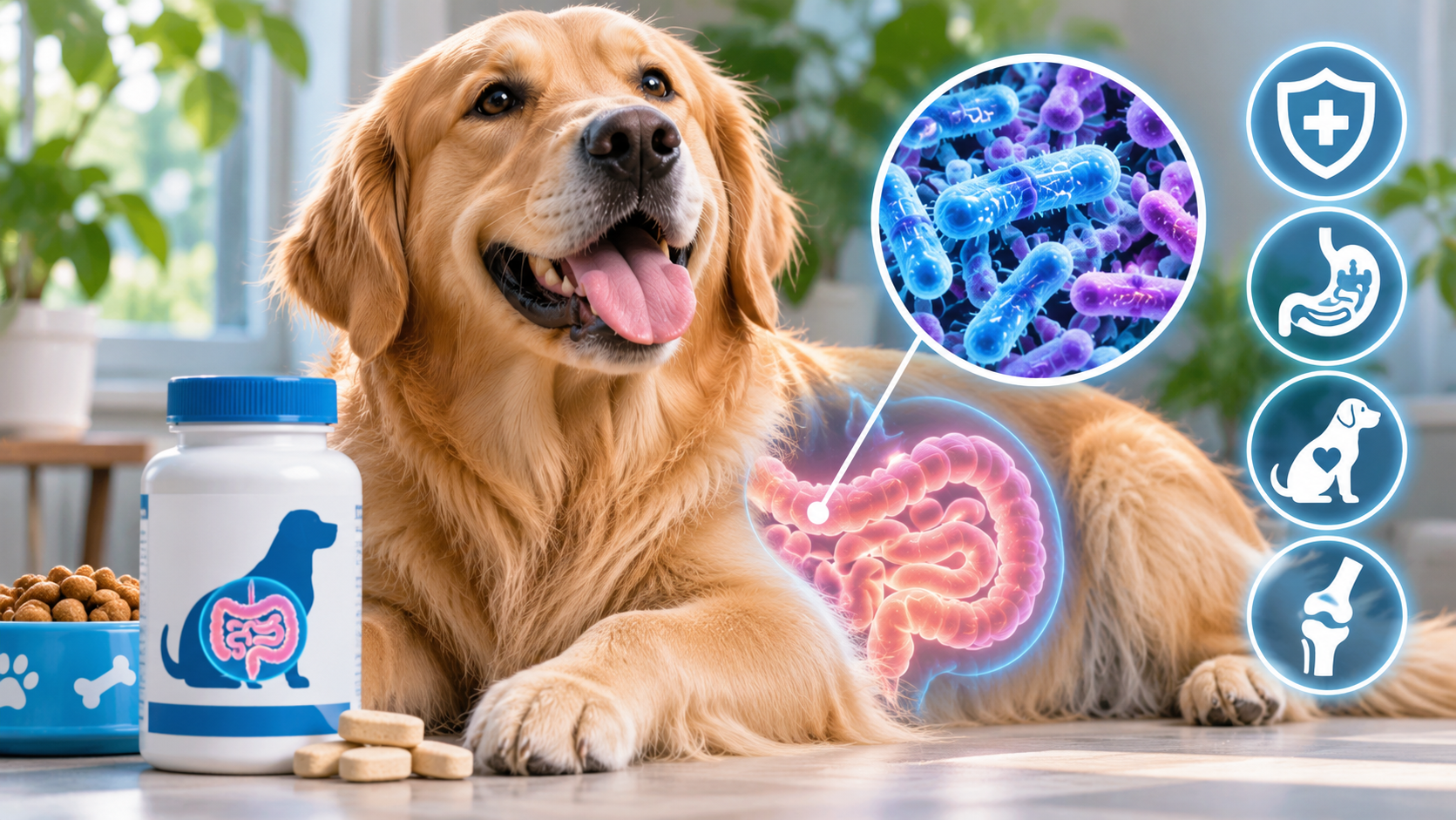
Probiotic Supplements for Dogs are gaining popularity among pet owners who want to boost their furry friends’ health. These supplements are not just a trend; they play a crucial role in maintaining and enhancing your dog’s gut health, which is foundational to their overall well-being. With a better understanding of probiotics, you can help ensure your dog thrives both physically and emotionally.
From immune support to improved nutrient absorption, probiotics have been shown to offer a range of benefits that contribute positively to a dog’s health. Various studies suggest that incorporating these beneficial bacteria can lead to noticeable improvements in digestive issues and overall vitality in dogs.
Probiotic Supplements for Dogs
Probiotic supplements for dogs play a pivotal role in promoting gut health, which is foundational for the overall well-being of our furry companions. These beneficial microorganisms contribute significantly to a balanced digestive system, helping to maintain optimal health and vitality.
The essential benefits of probiotics extend beyond just digestive support. They enhance the gut flora, aiding in the digestion and absorption of nutrients, while also strengthening the immune system. A healthy gut microbiome is crucial for dogs, as it influences everything from their energy levels to their susceptibility to illnesses. Research indicates that dogs with a balanced microbiome tend to experience fewer gastrointestinal issues, leading to a more active and happier life.
Benefits of Probiotics for Canine Health
Probiotics offer a myriad of health benefits that are crucial for maintaining the overall health of dogs. Here are some of the key advantages:
- Improved Digestive Health: Probiotics can help alleviate digestive issues such as diarrhea, constipation, and bloating by promoting a healthy balance of gut bacteria.
- Enhanced Immune Function: A robust gut microbiome supports the immune system, helping dogs better resist infections and diseases.
- Optimized Nutrient Absorption: With improved digestion, dogs can better absorb essential nutrients, leading to enhanced energy levels and overall vitality.
- Reduced Allergies and Inflammation: Probiotics can modulate the immune response, reducing the severity of skin allergies and inflammatory conditions in dogs.
The positive effects of probiotics on canine health are supported by various studies. For instance, a study published in the Journal of Animal Science noted that dogs receiving probiotic supplements demonstrated a 50% reduction in the incidence of diarrhea compared to those that did not receive these supplements. Another research highlighted that probiotics can significantly enhance the immune response in dogs, leading to improved health outcomes.
“A balanced gut microbiome is key to enhancing both digestive health and immune function in dogs, underscoring the importance of probiotics in their daily diet.”
By integrating probiotic supplements into their diet, pet owners can significantly boost their dogs’ health and quality of life, ensuring they lead energetic and fulfilling lives.
Different Types of Probiotic Supplements Available for Dogs
Probiotic supplements for dogs have gained popularity as pet owners become more aware of the benefits these products can offer. Probiotics help maintain a healthy gut flora, support digestion, and boost the immune system. Various forms of these supplements are available on the market, each with unique features, advantages, and disadvantages. Understanding the different types can help you choose the right option for your furry friend.
There are several forms of probiotic supplements, including powders, chews, and capsules. Each form has its own characteristics, making some more suitable for certain dogs than others. Here’s a closer look at these delivery methods.
Forms of Probiotic Supplements
Probiotics come in various forms, each catering to different preferences and needs of dogs and their owners. Here are some common types:
- Powders: Probiotic powders are a versatile option that can be easily mixed into your dog’s food. This form allows for precise dosing and is often preferred for dogs with specific dietary needs. However, some dogs might be reluctant to eat food with added powder.
- Chews: Probiotic chews are a popular choice for pet owners looking for a palatable, treat-like option. These chews often contain added flavors that appeal to dogs, making them an enjoyable way for dogs to receive their probiotics. However, they may contain added sugars or fillers that could be a concern for some dog owners.
- Capsules: Probiotic capsules can be an effective option, especially for dogs that are picky eaters. These capsules allow for easy dosing and typically have a longer shelf life. However, some dogs may have difficulty swallowing capsules, which could limit their use.
Each of these forms has its benefits and drawbacks, and the effectiveness can vary depending on the delivery method. For instance, powders may provide a higher concentration of probiotics but may not be as palatable for all dogs. Chews can be more enjoyable, but they may contain fewer active cultures. Capsules offer convenience but require dogs to be able to ingest them easily.
Popular Probiotic Brands and Formulations
When considering probiotic supplements for dogs, several brands stand out for their quality and effectiveness. Here’s a brief overview of some popular options:
- Purina Pro Plan Veterinary Diets Probiotic: This brand offers a highly digestible powder that is well-regarded by veterinarians. It helps support digestive health and immune function. Pros include high quality and veterinary recommendation; cons include a higher price point compared to other brands.
- Barkworthies Probiotic Chews: These chews are designed to support gut health while also being an enjoyable treat for dogs. They combine probiotics with other beneficial ingredients like pumpkin. Pros include palatability and dual benefits; cons may involve added sugars that some owners wish to avoid.
- Vet’s Best Probiotic Soft Chews: These soft chews are formulated with natural ingredients and probiotics, making them a favored choice among pet owners. They are easy to administer and well-tolerated by most dogs. Pros include ease of use and natural ingredients; cons may include lower probiotic concentration compared to powders.
Choosing the right probiotic supplement for your dog involves considering their individual preferences, dietary needs, and any specific health concerns. Understanding the forms and popular brands allows pet owners to make informed decisions tailored to their dog’s needs.
How to Choose the Right Probiotic Supplement for Your Dog
Selecting the right probiotic supplement for your dog can significantly enhance their digestive health and overall well-being. With a variety of options available on the market, it’s crucial to understand how to choose the most suitable product for your furry friend. This guide provides essential steps and considerations to help you make an informed decision.
When selecting a probiotic supplement, it’s important to know what specific qualities to look for. A good probiotic should contain strains that are beneficial for dogs, and it should also be backed by research. Below are steps to help you make the right choice:
Selecting a Quality Probiotic
Understanding what to look for in a probiotic supplement is essential. Here are key factors to consider:
- Consultation with a Veterinarian: Before introducing any supplement into your dog’s diet, it’s crucial to consult with your veterinarian. They can provide personalized recommendations based on your dog’s health history, diet, and specific needs.
- Research the Probiotic Strains: Not all probiotic strains are created equal. Look for products that contain strains such as Lactobacillus acidophilus, Bifidobacterium animalis, and Enterococcus faecium, as these have been shown to be effective for canine health.
- Check CFU Count: CFU stands for ‘colony-forming units’ and indicates the number of live microorganisms in the probiotic. A good supplement should contain at least 1 billion CFUs per serving to be effective.
- Look for Veterinary Approval: Choose products that have been approved or recommended by veterinarians. This ensures that the supplement has been tested for safety and efficacy.
- Expiration Date: Always check the expiration date on the packaging. Probiotics are live bacteria, and they can lose potency over time, so it’s important to select a product that is within its shelf life.
Reading labels carefully is crucial for ensuring the quality of the probiotic supplement. Here’s what to look for:
Understanding Supplement Labels
Analyzing labels can help you make an informed choice. Focus on the following components:
- Active Ingredients: Ensure that the label lists specific strains of probiotics and their CFU count at the time of expiration.
- Inactive Ingredients: Be aware of any fillers, preservatives, or artificial additives that could potentially upset your dog’s stomach. Opt for products with minimal and natural ingredients.
- Serving Size: Verify the recommended serving size to ensure it aligns with your dog’s weight and needs. This information is often tailored to different sizes and breeds.
- Source of Probiotics: Understanding whether the probiotics are derived from human or animal sources can also be beneficial, as dog-specific strains might perform better for canine digestion.
Establishing a healthy gut flora through the right probiotic can enhance your dog’s immune system and improve their quality of life.
By following these steps and paying attention to these details, you can confidently select a probiotic supplement that supports your dog’s health and vitality.
The Role of Probiotics in Treating Digestive Issues in Dogs
Probiotics, often referred to as “good bacteria,” play a crucial role in maintaining a healthy gut environment for dogs. These beneficial microorganisms can significantly help in managing various digestive issues, such as diarrhea and constipation, which are commonly encountered by pet owners. By incorporating probiotics into a dog’s diet, pet owners can effectively support their furry friends’ digestive health and overall well-being.
Probiotics work by restoring balance to the gut flora, which is essential for the proper functioning of the digestive system. When the natural balance of bacteria in a dog’s gut is disrupted due to factors like stress, poor diet, or illness, digestive problems can arise. Probiotics help by introducing live beneficial bacteria that compete with harmful pathogens, thereby promoting a healthy gut environment. They stimulate the production of mucins, which protect the intestinal lining, and enhance the immune response in the gastrointestinal tract.
Probiotics in Managing Digestive Issues
Understanding the direct impact of probiotics on digestive health can be illustrated through common digestive issues faced by dogs and how probiotics serve as a solution. The following points highlight how probiotics help in managing these conditions:
– Diarrhea Management: Probiotics can reduce the duration and severity of diarrhea by restoring gut flora balance. They help in the quick recolonization of beneficial bacteria after disturbances caused by infections or antibiotic treatments.
– Constipation Relief: In cases of constipation, probiotics enhance gut motility and facilitate smoother bowel movements. They assist in breaking down food more efficiently, allowing for easier passage through the intestines.
– Enhanced Nutrient Absorption: With a balanced gut flora, probiotics improve the absorption of nutrients, which is vital for a dog’s overall health and energy levels.
– Reduction of Inflammation: Probiotics possess anti-inflammatory properties that can soothe the gastrointestinal tract, making them an essential component in treating inflammatory bowel disease in dogs.
Real-life examples demonstrate the effectiveness of probiotics in managing digestive health. One notable case involved a Golden Retriever named Max, who experienced recurrent diarrhea due to a sensitive stomach. After incorporating a high-quality probiotic supplement into his diet, his symptoms significantly improved within a few weeks, leading to more regular bowel movements and increased energy. Another case focused on Bella, a Beagle suffering from constipation. After using a probiotic specifically formulated for dogs, Bella’s bowel regularity improved, allowing her to return to her playful self. These instances underscore the powerful role probiotics play in alleviating digestive issues and enhancing the quality of life for dogs.
Potential Side Effects of Probiotic Supplements for Dogs
Introducing probiotic supplements to your dog’s diet can offer numerous benefits for their overall health, particularly in supporting digestive function and enhancing their immune response. However, just like any supplement, probiotics can have side effects that may warrant attention from pet owners. Understanding these potential adverse reactions is crucial to ensuring your furry friend remains healthy and happy.
While most dogs tolerate probiotics well, some may experience side effects. The adverse reactions can vary based on factors such as the type of probiotic, dosage, and the individual dog’s health status. Common side effects include gastrointestinal disturbances, such as gas, bloating, diarrhea, or constipation. These reactions often occur as the dog’s digestive system adjusts to the new bacteria introduced by the supplement.
Monitoring Your Dog After Introducing Probiotics
It’s essential to keep a close eye on your dog after you begin giving them probiotic supplements. Monitoring helps identify any negative reactions early, allowing for timely intervention. Look out for changes in your dog’s behavior, appetite, and stool consistency. Here are some key points to consider when observing your dog:
- Watch for gastrointestinal upset: Signs include excessive gas, diarrhea, or changes in bowel movements.
- Monitor overall behavior: A sudden lethargy or a decrease in energy levels may indicate discomfort or an adverse reaction.
- Assess eating habits: Changes in appetite, such as refusing food or drinking less water, are important signals to note.
If you notice any concerning symptoms, it is advisable to consult with your veterinarian. They can help determine whether the probiotic is suitable for your dog or if an adjustment in dosage or type is necessary.
Steps to Take If Your Dog Experiences Negative Reactions
In the event your dog does experience negative reactions to a probiotic supplement, there are several steps to follow to ensure their well-being. Acting promptly can help resolve issues quickly.
- Discontinue the supplement: Stop giving the probiotic immediately to see if the symptoms improve.
- Consult with your veterinarian: Professional guidance is crucial, especially if symptoms persist or worsen.
- Consider alternative probiotics: Discuss with your vet about different strains or formulations that may be better suited for your dog’s digestive system.
- Ease back into supplementation: If your vet approves, try reintroducing the probiotic gradually and at a lower dose to gauge tolerance.
Being proactive about your dog’s health and understanding the potential side effects of probiotics can significantly enhance their quality of life.
Incorporating Probiotic Supplements into Your Dog’s Diet
Integrating probiotic supplements into your dog’s daily diet can significantly enhance their overall health and well-being. With various methods available, pet owners can easily find ways to ensure their furry friends receive the necessary gut-friendly bacteria. Whether your dog enjoys their food or is a picky eater, there are creative ways to make probiotics a tasty addition to their meals.
One effective method for incorporating probiotics into your dog’s diet is by mixing them into their regular food. Be sure to choose a high-quality probiotic supplement specifically formulated for dogs, as human probiotics may not be suitable. Additionally, consider the following techniques to seamlessly include probiotics in their meals:
Methods for Integration
Adding probiotics to your dog’s diet can be done through several simple approaches. Here are some ideas to consider:
- Mixed with Wet Food: Combine the probiotic powder with wet dog food. The moisture helps to mask the taste and ensures that the probiotic is well incorporated.
- In Homemade Treats: Create homemade dog treats that include probiotics. This not only makes the probiotics more appealing but also allows you to control the ingredients.
- Probiotic-Infused Broth: Make a flavorful broth using low-sodium chicken or beef stock, and stir in the probiotic. Pour this over your dog’s kibble to add flavor and nutrition.
- Frozen Treats: Mix probiotics into a dog-safe yogurt or pureed fruit and freeze them in ice cube trays. These frozen treats can be a refreshing snack on warm days.
Including probiotics in homemade dog treats not only promotes gut health but also offers a fun way to bond with your pet through baking. Here are a couple of recipes that use probiotics:
Homemade Dog Treat Recipes
Creating homemade dog treats that are both delicious and nutritious can be rewarding. Below are two simple recipes that incorporate probiotics:
- Peanut Butter Probiotic Treats:
- 1 cup whole wheat flour
- 1/2 cup peanut butter (unsweetened)
- 1/4 cup water
- 1/2 tsp probiotic powder
Mix all ingredients, roll the dough out, and cut into shapes. Bake at 350°F (175°C) for 15 minutes until golden. Let cool before serving.
- Banana and Oat Probiotic Bites:
- 1 ripe banana, mashed
- 1 cup rolled oats
- 1/4 cup yogurt (plain, unsweetened)
- 1/2 tsp probiotic powder
Combine ingredients, form into small balls, and freeze. These make a great refreshing snack!
Encouraging a dog, especially a picky eater, to take their probiotics can be challenging, but there are strategies to make it easier. Here are some tips to help:
Encouragement Tips
Getting your dog to accept probiotics can be done with a bit of creativity. Consider the following tactics:
- Use Flavor Enhancers: Mix in broth, canned pumpkin, or a small amount of low-fat cheese to the probiotic supplement to make it more appealing.
- Gradual Introduction: Start by offering smaller amounts of the probiotic mixed with their favorite food, gradually increasing the quantity as they acclimate to the taste.
- Positive Reinforcement: Pair the administration of probiotics with praise, treats, or playtime to create a positive association with the supplement.
- Consult with a Vet: If your dog continues to refuse probiotics, consult your veterinarian for additional recommendations and alternatives.
Each of these methods can help ensure that your dog receives the important probiotics they need for good digestive health and overall wellness.
Understanding the Science Behind Probiotics for Dogs
Probiotics have gained significant attention in recent years, especially regarding canine health. These beneficial bacteria play a crucial role in the overall well-being of dogs, particularly in maintaining a balanced gut microbiome. With a growing body of research dedicated to their effects, it is essential to delve into the science behind probiotics and how they can positively influence dogs’ health and vitality.
Research surrounding probiotics for dogs has revealed promising insights into their impact on gastrointestinal health, immune function, and even behavioral issues. Studies have shown that probiotics can help alleviate digestive disorders such as diarrhea, constipation, and inflammatory bowel disease. The ability of these supplements to restore balance in the gut microbiome is vital, especially after antibiotic treatments that can disrupt the natural flora. A notable study published in the *Journal of Veterinary Internal Medicine* highlighted that dogs receiving probiotics post-antibiotic treatment demonstrated a quicker recovery of gut health compared to those that did not.
Specific Strains of Probiotics Beneficial for Dogs
Different strains of probiotics exhibit unique properties that can benefit dogs in various ways. The specific strains commonly utilized in canine probiotic supplements include:
- Enterococcus faecium: Known for promoting overall gut health and enhancing immune function, this strain can help reduce the incidence of diarrhea in dogs.
- Lactobacillus acidophilus: This strain aids in lactose digestion and helps maintain a healthy balance of gut bacteria, making it particularly useful for dogs with lactose intolerance.
- Bifidobacterium animalis: With its ability to improve gut barrier function and reduce inflammation, this strain is beneficial for dogs suffering from gastrointestinal distress.
- Lactobacillus rhamnosus: Often studied for its potential in enhancing immune responses, this strain can provide additional protection against infections and diseases.
- Saccharomyces boulardii: A beneficial yeast that helps manage diarrhea and support the gut during antibiotic treatments.
Understanding the role of each strain can help pet owners make informed decisions about which probiotic supplements may be most effective for their dogs’ specific needs.
The Gut Microbiome in Dogs
The gut microbiome in dogs comprises a complex community of microorganisms that play a critical role in digestion, nutrient absorption, and immune health. This bacterial ecosystem is not just a passive entity; it actively influences various physiological processes within the body. Probiotics contribute to the maintenance of a healthy gut microbiome by introducing beneficial bacteria and inhibiting the growth of harmful pathogens.
Maintaining a balanced gut microbiome is essential for dogs as it can affect overall health, including emotional well-being. Research has indicated a link between gut health and behavior, suggesting that probiotics may help manage anxiety and stress-related behaviors in dogs. A well-functioning microbiome can also enhance nutrient absorption, supporting optimal energy levels and a healthy coat.
In conclusion, the science behind probiotics for dogs reveals a wealth of information about their benefits and functionality. With specific strains targeting various health issues and a deeper understanding of the gut microbiome’s role in canine health, pet owners are better equipped to support their furry friends’ well-being with appropriate probiotic supplementation.
Common Misconceptions About Probiotics for Dogs
Probiotics have gained popularity among dog owners looking to enhance their pets’ health. However, misconceptions often cloud the understanding of these supplements. It’s essential to clarify what probiotics are, how they function, and their differences from prebiotics to make informed decisions about your dog’s health.
Probiotics are live microorganisms, primarily bacteria, which provide health benefits when consumed in adequate amounts. They help maintain a healthy balance of gut microbiota, supporting digestion and overall immunity. On the other hand, prebiotics are non-digestible food components that nourish the beneficial bacteria already present in the gut. Both play unique roles in canine nutrition, but they are not interchangeable. Understanding these differences is vital for selecting the right supplement for your dog.
Debunking Myths Surrounding Probiotics
Despite their benefits, several myths about probiotics for dogs can mislead pet owners. Below are common misconceptions and factual clarifications that can aid in understanding their true value:
- Myth: All probiotics are the same. In reality, there are various strains of probiotics, each offering different benefits. For instance, Lactobacillus can aid in digestion, while Bifidobacterium supports immune health.
- Myth: Probiotics are just for dogs with digestive issues. While they are well-known for aiding digestive problems, probiotics can also support general health and prevent issues before they arise, promoting overall wellness.
- Myth: If one type works, all will work. Each dog’s gut microbiome is unique, and a strain that works for one dog may not be effective for another. It’s crucial to choose the right strain based on your dog’s specific needs.
- Myth: Probiotics can replace veterinary care. Probiotics are a supplement, not a substitute for professional veterinary advice. Regular check-ups and appropriate medical treatments are still necessary for maintaining your dog’s health.
Understanding Probiotics Versus Prebiotics
While both probiotics and prebiotics contribute to gut health, they serve distinct functions that complement each other. Recognizing these differences can enhance the effectiveness of your pet’s dietary regimen:
- Probiotics: These are live microbes that introduce beneficial bacteria into your dog’s digestive system. They help restore balance and improve gut function.
- Prebiotics: These are typically soluble fibers that promote the growth and activity of beneficial bacteria. They act as food for probiotics, enhancing their effectiveness.
It’s important to incorporate both into your dog’s diet to ensure a well-rounded approach to gut health. By understanding the complementary roles of probiotics and prebiotics, pet owners can better tailor their dog’s nutritional needs.
Combining probiotics and prebiotics can lead to a synergistic effect, improving your dog’s overall gut health.
The Future of Probiotic Research in Canine Health
As the field of veterinary medicine continues to advance, the importance of probiotics in canine health is becoming increasingly evident. Researchers are exploring new avenues to enhance the benefits of probiotics, aiming to improve the overall well-being of dogs. The future of this research holds exciting possibilities that could revolutionize how we approach canine health care.
Emerging trends in probiotic research for dogs indicate a shift towards personalized formulations and targeted applications. Scientists are investigating specific strains of probiotics that not only support digestive health but also bolster immunity, enhance skin health, and even improve mental well-being in dogs. Ongoing studies are focusing on the gut-brain axis, highlighting the intricate connection between gut health and behavior in canines.
Innovations in Probiotic Formulations
The landscape of probiotic formulations is expected to evolve significantly in the coming years, driven by advancements in biotechnology and a deeper understanding of canine microbiomes. Here are some potential innovations that may shape future probiotic products:
- Strain-Specific Probiotics: Research is increasingly identifying specific probiotic strains that provide targeted health benefits for various canine conditions. For instance, some strains may be particularly effective in managing allergies, while others might support weight management in overweight dogs.
- Prebiotics and Synbiotics: The combination of probiotics with prebiotics—substances that nourish beneficial gut bacteria—will likely see increased popularity. Synbiotics, which combine both, may offer synergistic effects that enhance gut health and overall well-being.
- Customizable Formulations: Advances in genetic testing may allow for personalized probiotic formulations based on an individual dog’s microbiome. This tailored approach could optimize health benefits and improve treatment outcomes.
- Functional Treats and Chews: The development of probiotics in the form of tasty treats or chews will cater to the preferences of dogs, making supplementation easier and more enjoyable.
Veterinary experts predict that in the next decade, probiotics will become a standard aspect of preventative care in veterinary practice. As more evidence emerges regarding the positive impact of probiotics on various aspects of canine health, practitioners are likely to incorporate them into routine care protocols.
The integration of probiotics into veterinary medicine is not merely an enhancement; it represents a fundamental shift toward holistic care for dogs.
Research institutions are also collaborating with pet food manufacturers to create diets enriched with specific probiotics, aiming to harness the benefits of these microorganisms right from a dog’s puppyhood. Such innovations could lead to healthier, longer-lived pets by addressing health issues before they arise rather than treating them post-factum.
In summary, the future of probiotic research in canine health promises to unveil novel approaches and formulations that will profoundly impact veterinary care. With ongoing studies and innovations, the potential applications of probiotics are set to expand, paving the way for healthier dogs and a more integrated understanding of canine wellness.
Final Conclusion
In summary, Probiotic Supplements for Dogs offer essential benefits that can greatly improve your pet’s quality of life. By ensuring a healthy gut microbiome, these supplements help manage digestive health and boost the immune system. As we continue to learn more about the science behind probiotics, it’s clear that investing in your dog’s gut health is a step towards a happier, healthier life for your furry companion.
Question & Answer Hub
Can all dogs benefit from probiotic supplements?
Yes, most dogs can benefit from probiotics, especially those with digestive issues, but it’s important to consult a veterinarian first.
How often should I give probiotics to my dog?
The frequency depends on the specific product and your dog’s needs; follow the label instructions or your vet’s advice.
Are there any age restrictions for giving probiotics to dogs?
Generally, probiotics can be given to dogs of all ages, but puppies and senior dogs may have specific needs that should be discussed with a vet.
Can probiotics help with allergies in dogs?
Some studies suggest that probiotics may help manage allergies by supporting the immune system, but results can vary.
What’s the difference between probiotics and prebiotics?
Probiotics are live beneficial bacteria, while prebiotics are non-digestible fibers that feed these bacteria and help them thrive.