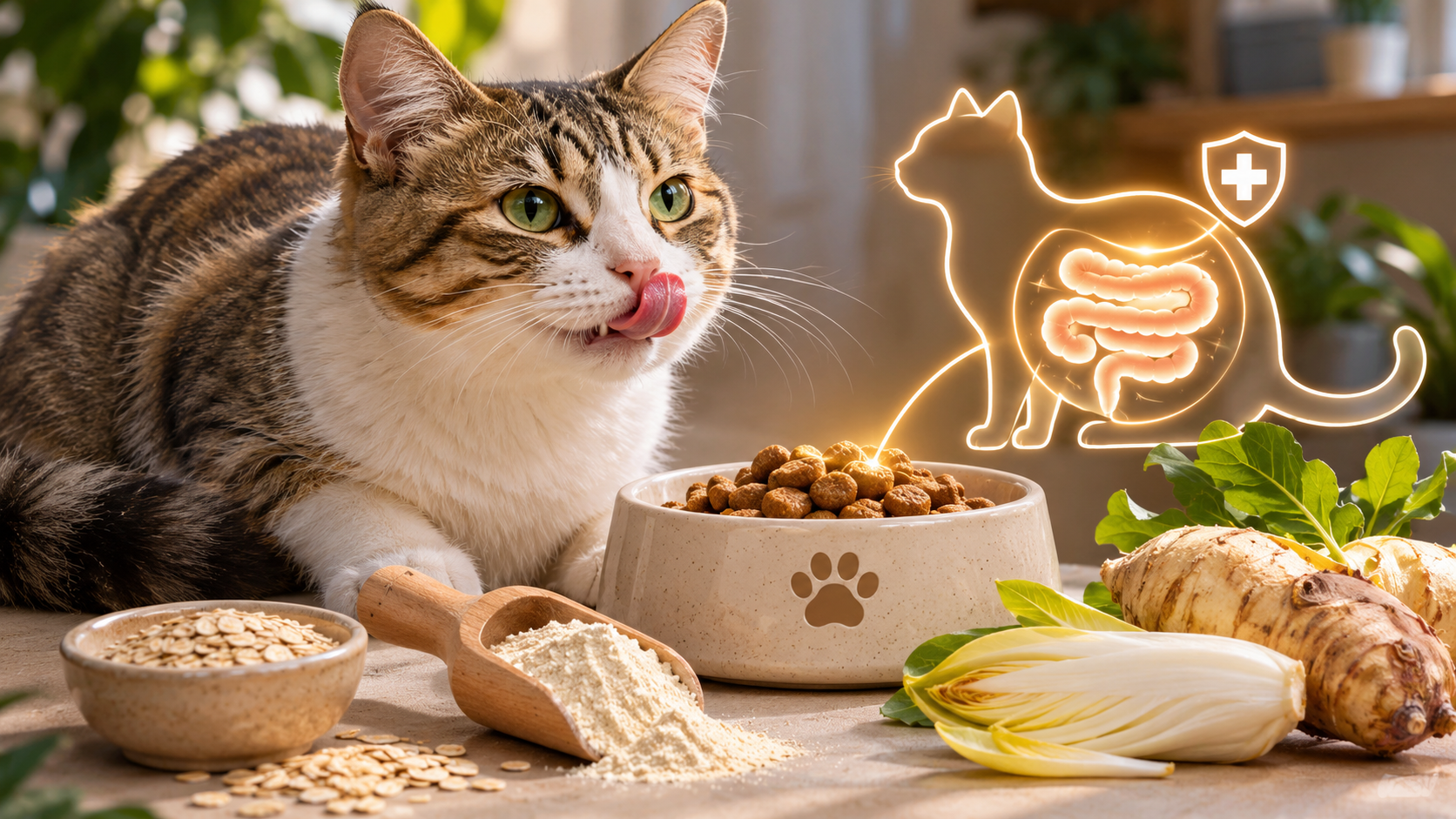
Kicking off with Prebiotic Nutrition for Cats, it’s essential to recognize how this nutritional approach can significantly impact your feline friend’s overall health. Prebiotics serve as the building blocks for a robust digestive system, promoting beneficial gut bacteria and enhancing nutrient absorption. As pet owners, understanding prebiotic nutrition can empower us to make informed decisions for our cats’ diets, leading to happier and healthier lives.
Incorporating prebiotics into your cat’s meals not only supports digestion but also addresses various health issues, making it a key consideration for any cat owner. With the right information, you can seamlessly integrate prebiotic sources into your pet’s diet, ensuring they enjoy optimal health and well-being.
Understanding the Concept of Prebiotic Nutrition for Cats
Prebiotic nutrition represents a progressive approach to enhancing the overall health of cats through dietary modifications. Unlike simple nutritional supplements, prebiotics serve as food for beneficial gut bacteria, thereby promoting their growth and activity. This process is instrumental in maintaining a balanced gut microbiome, which plays a critical role in a cat’s immune function, digestion, and overall well-being. The impact of prebiotic nutrition on feline health is profound, as it not only supports digestive health but also contributes to improved nutrient absorption and reduced gastrointestinal issues.
Prebiotics differ significantly from probiotics, another key player in gut health. While probiotics are live microorganisms that confer health benefits when consumed in adequate amounts, prebiotics are non-digestible food components that selectively stimulate the growth and activity of beneficial bacteria already present in the gut. This distinction is crucial for pet owners to understand, as both prebiotics and probiotics offer unique benefits that can be complementary when included in a cat’s diet. For instance, a diet rich in prebiotics can enhance the effectiveness of probiotics, leading to a more comprehensive approach to gut health.
Common sources of prebiotics suitable for feline consumption include ingredients that are high in fiber and resistant starch. These sources can effectively support the growth of healthy gut bacteria. Notable examples include:
- Inulin: Found in chicory root and Jerusalem artichoke, inulin is a soluble fiber that promotes beneficial bacterial growth.
- Fructooligosaccharides (FOS): Derived from various plants, FOS helps improve digestive health by increasing the proliferation of good bacteria.
- Beet pulp: A byproduct of sugar beet processing, beet pulp is a source of soluble fiber that aids in digestion and stool quality.
- Oat fiber: This fiber not only helps regulate blood sugar but also supports gut health by acting as a prebiotic.
- Apple pomace: The byproduct of apple juice production, apple pomace provides both fiber and beneficial nutrients for gut health.
Incorporating these prebiotic sources into a cat’s diet can lead to enhanced health outcomes, including improved digestion, better nutrient absorption, and a stronger immune system. The use of prebiotics in feline nutrition is not just a trend; it is a scientifically supported approach to ensuring that our feline friends lead healthier, happier lives.
The Role of Prebiotics in Enhancing Digestive Health in Cats
Prebiotics play a crucial role in promoting digestive health in cats by supporting the growth of beneficial gut bacteria. Unlike probiotics, which are live microorganisms, prebiotics are non-digestible food components that stimulate the activity of these healthy bacteria. This support is essential for maintaining a balanced gut microbiome, which is vital for a cat’s overall health and well-being.
Prebiotics enhance a cat’s digestive system by serving as a food source for beneficial bacteria, promoting their growth and activity. This is particularly important for the fermentation process in the gut, which helps produce short-chain fatty acids (SCFAs). These SCFAs are crucial for colon health and provide energy for colon cells. Furthermore, prebiotics can help reinforce the gut barrier, preventing harmful bacteria from entering the bloodstream and reducing inflammation in the digestive tract.
Examples of Digestive Issues Alleviated by Prebiotic Nutrition
Prebiotic nutrition can significantly alleviate several common digestive issues in cats. Understanding these issues is important for cat owners looking to enhance their pets’ well-being. Some of the key digestive problems that can benefit from prebiotic inclusion are:
- Diarrhea: Prebiotics can help reduce the frequency and severity of diarrhea by enhancing gut flora balance and promoting more solid stool formation.
- Constipation: By improving the fermentation process and increasing water absorption in the colon, prebiotics can help alleviate constipation in cats.
- Food Sensitivities: Prebiotics aid in managing food sensitivities and intolerances, helping to stabilize the digestive process and minimizing gastrointestinal upset.
- Infections: By promoting healthy gut flora, prebiotics can help combat harmful bacteria, reducing the risk of infections that can disrupt digestion.
Monitoring the digestive health of cats on a prebiotic diet involves observing changes in their stool consistency, overall energy levels, and general demeanor. Cat owners should take note of the following aspects:
- Stool Quality: Regularly assess the firmness and consistency of your cat’s stool. Healthy stools should be well-formed and brown in color. Any significant changes may indicate a need for dietary adjustments.
- Appetite and Weight: A healthy appetite and stable weight are indicators of good digestive health. Changes in either can signal digestive issues that may require further investigation.
- Behavioral Changes: Increased lethargy or signs of discomfort can indicate underlying digestive problems. It’s important to observe your cat’s behavior closely for any noticeable changes.
“Monitoring these factors will empower cat owners to make informed decisions about their pet’s dietary needs and overall health.”
Formulating a Balanced Diet Incorporating Prebiotics for Cats
Integrating prebiotics into a cat’s diet is essential for promoting digestive health and overall well-being. Prebiotics serve as food for beneficial gut bacteria, helping to maintain a healthy balance in the digestive system. This guide will provide insights into effectively incorporating prebiotics while ensuring a nutritionally balanced diet for your feline friend.
When formulating a balanced diet that includes prebiotics for cats, it is crucial to consider their unique nutritional needs. Cats are obligate carnivores, meaning their diet must primarily consist of animal protein. However, incorporating prebiotic foods can enhance their gut health without compromising their dietary requirements. A balanced diet typically includes proteins, fats, carbohydrates, vitamins, and minerals, all of which contribute to a cat’s health.
Incorporating Prebiotics into Daily Meals
Adding prebiotics to your cat’s meals can be both simple and effective. Prebiotics such as inulin, fructooligosaccharides (FOS), and beet pulp can be found in various food sources. Here are some tips to include these beneficial ingredients:
1. Commercial Cat Foods: Many high-quality commercial cat foods now include prebiotics. Look for labels that mention inulin or other prebiotic fibers. These foods are designed to provide a balanced diet while supporting gut health.
2. Homemade Meals: If you prefer homemade diets, consider adding prebiotic-rich ingredients such as:
– Pumpkin: Not only is it a great source of fiber, but it also contains prebiotics that can aid digestion.
– Sweet Potatoes: Cooked and mashed, sweet potatoes are a nutritious source of carbohydrates and fiber.
– Cooked Apples: Without seeds, cooked apples can serve as a sweet treat and source of prebiotics.
3. Supplementation: If necessary, prebiotic supplements can be added to your cat’s food. Always consult your veterinarian for appropriate brands and dosage.
Maintaining nutritional balance while incorporating prebiotic ingredients is vital. It is essential to ensure that the primary protein source remains the focus of their diet. Here’s a quick overview of how to maintain balance:
– Protein Sources: Focus on high-quality animal proteins like chicken, turkey, and fish which should comprise the majority of their diet.
– Healthy Fats: Include sources of omega-3 and omega-6 fatty acids, like fish oil or flaxseed oil, to support skin and coat health.
– Carbohydrates: Limit the carbohydrate content, but include small amounts of prebiotic-rich vegetables for their fiber content.
Meal Ideas Featuring Prebiotic Ingredients
Creating balanced meals that include prebiotics can be fun and rewarding. Here are a few recipes to consider:
– Pumpkin & Chicken Stew:
– Ingredients: Diced chicken breast, canned pumpkin (unsweetened), carrots, and water.
– Preparation: Cook the chicken until browned, add diced carrots, and cover with water. Let it simmer until the chicken is fully cooked, then stir in the pumpkin and mix well.
– Sweet Potato & Fish Mash:
– Ingredients: Canned fish (like salmon or tuna), cooked sweet potatoes, and a spoonful of olive oil.
– Preparation: Mash the sweet potatoes and mix with the fish and olive oil for added healthy fats.
– Apple & Beef Medley:
– Ingredients: Ground beef, cooked apples (without seeds), and peas.
– Preparation: Brown the beef in a pan, then mix in the cooked apples and peas for a nutritious meal.
Including prebiotics in your cat’s diet is achievable with a well-balanced approach. By ensuring that their primary protein needs are met while adding beneficial prebiotic foods, you can help promote a healthy digestive system and overall vitality in your furry companion.
Evaluating Commercial Cat Foods With Prebiotic Ingredients
When it comes to selecting the right commercial cat food that includes prebiotic ingredients, it is essential to understand the criteria that define quality. Prebiotics have gained popularity for their potential benefits in promoting gut health, but not all cat foods containing prebiotics are created equal. A thorough evaluation is necessary to ensure that your feline friend receives the best nutrition possible.
Assessing commercial cat foods involves examining multiple factors, including ingredient quality, prebiotic types, and overall formulation. These aspects not only affect the health of your cat but also determine the effectiveness of the prebiotics included. Below are some key criteria to consider when evaluating these products.
Criteria for Assessing Quality
Understanding how to assess the quality of commercial cat foods with prebiotic ingredients is vital for making informed choices. The following criteria can help guide your evaluation:
- Ingredient Transparency: Look for brands that clearly list their ingredients, highlighting the type and source of prebiotics used.
- Prebiotic Types: Common prebiotics include inulin and fructooligosaccharides (FOS). Research the specific types used and their proven benefits for gut health.
- Nutrition Profile: Evaluate the overall nutritional profile of the food, including protein levels, fat content, and the presence of essential vitamins and minerals.
- Brand Reputation: Consider brands with a solid reputation for quality and safety standards. Research customer reviews and any recalls related to the brand.
- Research and Development: Brands that invest in research and development often provide more innovative and effective formulations.
Comparing Brands and Formulations
When it comes to comparing various commercial cat food brands, several formulations stand out in terms of prebiotic content and overall effectiveness. Each brand may use different sources of prebiotics and additional ingredients that can impact overall health.
For instance, a popular brand like Royal Canin offers a specialized formula enriched with prebiotics that has been clinically tested to support digestive health. Another brand, Hill’s Science Diet, includes a combination of prebiotics and probiotics which can enhance the gut flora and improve digestion.
“Not all prebiotics are the same. The source and formulation significantly influence their benefits.”
In contrast, some budget-friendly brands may include prebiotics in their formulations but might compromise on other nutrient quality or ingredient transparency. Therefore, it’s essential to compare not only the prebiotic content but also the overall ingredients used in these formulations.
Concerns Related to Over-Reliance on Commercial Prebiotic Diets
While commercial prebiotic diets can be beneficial, there are potential concerns regarding over-reliance on these products. One major issue is that cats require a balanced diet that includes a variety of nutrients, and solely depending on commercial prebiotic foods may lead to nutritional imbalances.
Over-reliance could also foster a lack of dietary diversity, which is vital for enriching gut microbiota. Additionally, excessive intake of prebiotics can lead to gastrointestinal upset, resulting in issues like diarrhea or bloating.
Thus, while incorporating prebiotic-rich commercial cat foods can be part of a healthy diet, it is important to maintain a well-rounded approach that includes fresh, whole food options, regular veterinary check-ups, and monitoring of your cat’s health and well-being.
The Impact of Prebiotic Nutrition on Cat Behavior and Well-being
Prebiotic nutrition is rapidly gaining recognition as a crucial factor in promoting the health and well-being of cats. As pet owners become more aware of the connection between diet and behavior, the focus on prebiotics is intensifying. Prebiotics are non-digestible fibers that stimulate the growth of beneficial bacteria in the gut, which can lead to significant behavioral changes in felines.
Research indicates that prebiotic nutrition can positively influence a cat’s behavior by improving gut health, which in turn affects mood and overall demeanor. For instance, a study published in the journal “Applied Animal Behaviour Science” highlighted that cats receiving a diet supplemented with prebiotics exhibited a reduction in stress-related behaviors, such as excessive grooming and hiding. These changes were attributed to improved gut microbiota, which is essential for the production of neurotransmitters that regulate mood and stress responses.
Correlation Between Gut Health and Overall Well-being in Cats
The gut-brain axis is a well-established concept that underscores the connection between gut health and mental well-being. A balanced gut microbiome can lead to enhanced serotonin production, a neurotransmitter that plays a vital role in mood regulation. Consequently, a cat with a healthier digestive system is more likely to display sociable and calm behaviors.
Evidence supporting this correlation includes anecdotal reports from cat owners who noticed a marked improvement in their pets’ behaviors after switching to prebiotic-rich diets. For example, one owner observed that their previously skittish cat became more playful and interactive after a few weeks on a prebiotic diet. This transformation illustrates how nourishing the gut can translate to a happier and more engaging feline companion.
Furthermore, a well-balanced diet rich in prebiotics can help mitigate anxiety, reduce aggression, and enhance curiosity, promoting overall feline well-being. Investing in prebiotic nutrition is not only beneficial for digestive health but also plays a pivotal role in shaping a cat’s behavior and overall happiness.
Addressing Myths and Misconceptions About Prebiotic Nutrition for Cats
Prebiotic nutrition for cats is a topic often mired in myths and misunderstandings. Many pet owners may have preconceived notions about what prebiotics are and their effects on feline health. This section aims to clarify these misconceptions and provide factual information that empowers pet owners to make informed choices about their cats’ diets.
Misconceptions about prebiotic sources and their effects on cats are common. Many people assume that all fibers are prebiotics, but that’s not the case. While some fibers can enhance gut health, prebiotics are specific non-digestible fibers that promote the growth of beneficial bacteria in the intestines. These fibers, such as inulin and fructooligosaccharides, can be found in foods like chicory root, garlic, and certain fruits and vegetables. It’s essential to understand that not all fibers have the same properties or effects on a cat’s digestive system.
Common Myths About Prebiotic Nutrition
Several myths surrounding prebiotic nutrition can lead to confusion. Clarifying these misconceptions can help pet owners appreciate the actual benefits of including prebiotics in their cats’ diets. Here are some of the most prevalent myths:
-
Myth: All fibers are the same and can act as prebiotics.
In reality, only specific types of soluble fibers function as prebiotics, fostering the growth of beneficial gut bacteria.
-
Myth: Prebiotics are unnecessary for cats.
While cats can digest certain foods without prebiotics, including them can enhance their gut health, boost immunity, and improve overall well-being.
-
Myth: Prebiotics can replace probiotics.
Prebiotics and probiotics serve different functions; prebiotics support the growth of beneficial bacteria, while probiotics introduce them directly into the gut.
-
Myth: Prebiotics only benefit cats with digestive issues.
All cats can benefit from prebiotics, as they promote a balanced gut microbiome, which is crucial for optimal health.
Educating pet owners about the benefits of prebiotics involves providing clear and factual information. It’s essential to communicate how prebiotics can support a cat’s digestive health and overall wellness. Sharing credible studies and testimonials from veterinarians can also reinforce the importance of incorporating prebiotics. For instance, research shows that cats on diets enhanced with prebiotics exhibit improved stool quality and reduced gastrointestinal disturbances.
To further assist pet owners in understanding the significance of prebiotics, it’s beneficial to highlight the impact of a well-balanced diet that includes these dietary fibers. By illustrating how prebiotics can lead to healthier, happier cats, owners may be more inclined to consider these nutritional additions for their pets.
Future Trends in Prebiotic Nutrition for Cats
As the pet food industry continues to evolve, prebiotic nutrition for cats is gaining significant attention. Pet owners are increasingly aware of the importance of gut health in their feline companions, leading to a demand for products rich in prebiotics that support digestion and overall well-being. This shift reflects a broader trend in pet nutrition that emphasizes the value of functional ingredients in enhancing health and preventing diseases.
Emerging research is paving the way for innovative approaches in feline diets, with growing evidence supporting the benefits of prebiotics in enhancing gut microbiota. Studies indicate that a balanced gut flora can lead to improved immune function and reduced gastrointestinal issues. As this research gains traction, it is likely to influence product development, leading to the creation of specialized diets that cater to specific health needs of cats.
Emerging Trends in Prebiotic Pet Foods
The pet food industry is witnessing several noteworthy trends in prebiotic nutrition. These trends not only highlight the industry’s focus on health but also reflect changing consumer preferences.
- Increased Use of Novel Prebiotics: Ingredients like inulin, fructooligosaccharides (FOS), and galactooligosaccharides (GOS) are increasingly being incorporated into cat food formulations due to their proven benefits in promoting gut health.
- Tailored Nutrition: Brands are beginning to offer customized diets that address specific health issues such as obesity, allergies, and chronic gastrointestinal disorders, leveraging prebiotics to support these targeted health outcomes.
- Transparency in Ingredient Sourcing: Consumers are demanding more transparency regarding ingredient sourcing and the health benefits they provide, prompting companies to offer clear information about the prebiotic sources in their products.
- Focus on Sustainable Ingredients: There is a rising interest in sustainable, plant-based prebiotic sources that minimize environmental impact while delivering essential health benefits.
- Integration of Technology: Advances in technology allow for better formulation and testing of prebiotic-rich products, ensuring efficacy and safety for feline consumption.
Innovative Prebiotic Supplements
The development of innovative prebiotic supplements specifically designed for cats is on the rise. These supplements are formulated to enhance the existing diet and provide additional health benefits.
The market is seeing products like powders, chewables, and liquid formulations that can be easily added to a cat’s food. Many of these supplements feature unique blends of prebiotics and probiotics, known as synbiotics, which work synergistically to promote digestive health. For instance, products containing both FOS and live probiotics can help restore the natural balance of gut bacteria after antibiotic treatments.
A notable example is the emergence of prebiotic supplements that contain ingredients derived from fermented foods, such as kefir and sauerkraut, which are rich in beneficial bacteria and prebiotic fibers. These innovative products not only support gut health but also improve nutrient absorption, enhance immune function, and promote overall vitality in cats.
In summary, the future of prebiotic nutrition for cats looks promising, with emerging trends and innovative products set to redefine how we approach feline health and nutrition. As research continues to evolve, it is expected that prebiotic-rich diets will become a staple in cat care, fostering healthier and happier companions.
Outcome Summary
In conclusion, Prebiotic Nutrition for Cats offers an exciting pathway to enhance your pet’s health and well-being. By understanding the vital role of prebiotics, you can effectively address digestive issues while also contributing to your cat’s overall happiness. As the pet food industry evolves, staying informed about prebiotic options will allow you to provide the best care for your furry friend, ensuring they thrive for years to come.
FAQ Summary
What are prebiotics, and how do they differ from probiotics?
Prebiotics are non-digestible fibers that feed beneficial gut bacteria, while probiotics are live bacteria that provide health benefits when consumed. Both contribute to gut health but work in different ways.
Can all cats benefit from a prebiotic diet?
Yes, most cats can benefit from a prebiotic diet, particularly those with digestive issues or those recovering from illness.
How can I tell if my cat is responding well to prebiotics?
Signs of improvement may include better digestion, firmer stools, increased energy levels, and an overall happier demeanor.
Are there any side effects of introducing prebiotics to my cat’s diet?
While prebiotics are generally safe, introducing them too rapidly can cause gas or digestive upset. It’s best to start with small amounts and gradually increase.
How do I choose the right prebiotic supplement for my cat?
Look for products with high-quality ingredients, a clear concentration of prebiotics, and positive reviews from other pet owners. It’s also a good idea to consult your veterinarian.