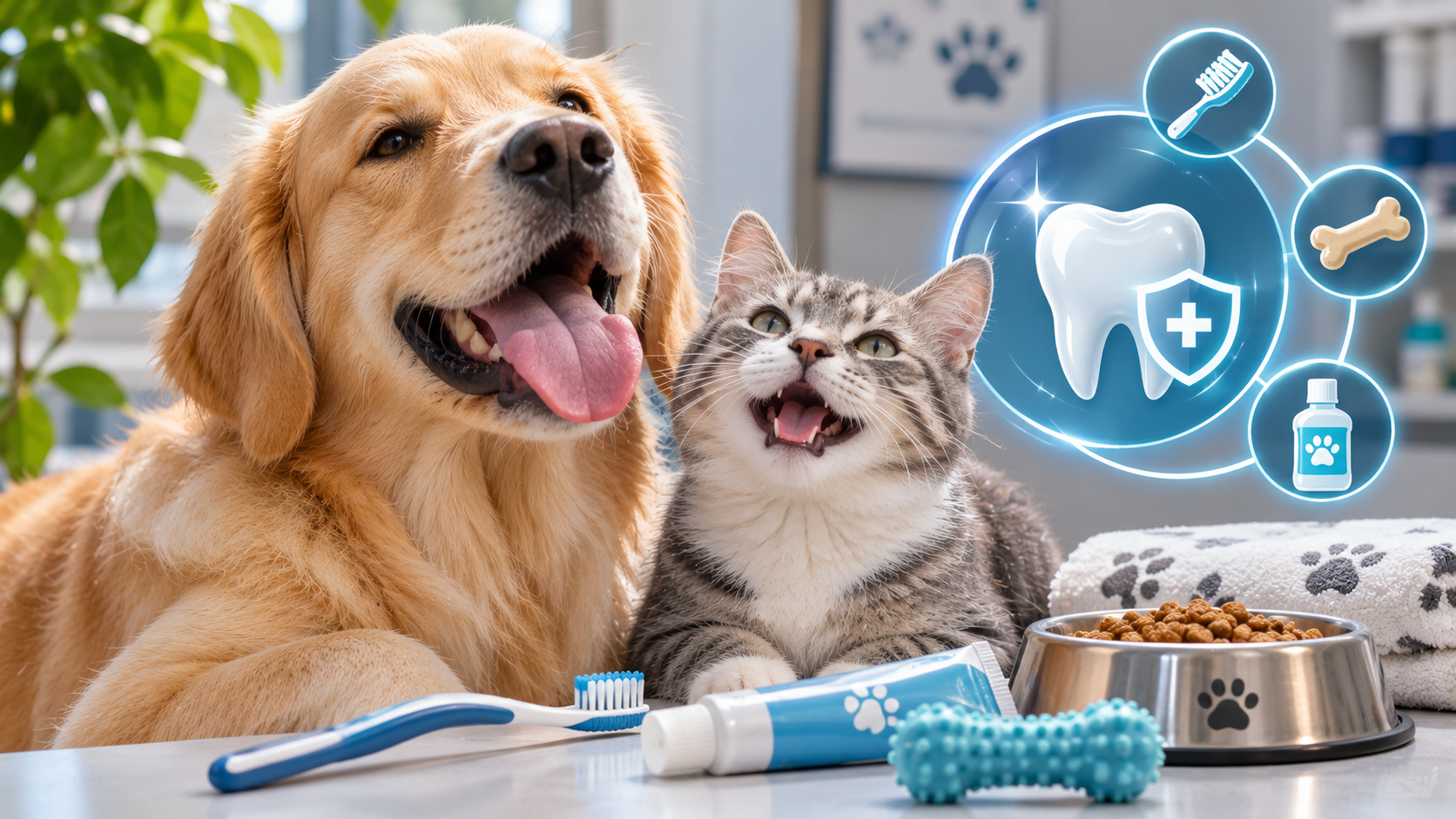
Pet Dental Health Management is crucial for ensuring your furry friends lead happy and healthy lives. Just like humans, pets require regular dental care to prevent a variety of health issues that can arise from poor oral hygiene. Neglecting your pet’s dental health can lead to painful conditions, affecting not just their teeth and gums but their overall well-being too. Understanding the importance of dental care can help every pet owner make informed decisions that benefit their beloved companions.
From the most common dental problems like periodontal disease and gingivitis to effective prevention strategies, a comprehensive approach to dental health can significantly enhance your pet’s quality of life. Regular check-ups, a balanced diet, and proper home care routines are essential components that every pet owner should embrace. By prioritizing dental health, you are investing in your pet’s long-term happiness and vitality.
Understanding the Importance of Pet Dental Health Management
Maintaining dental health is a crucial aspect of pet care that often goes overlooked. Just like humans, pets can suffer from dental issues that not only affect their mouths but also their overall health. Effective dental health management can prevent painful conditions and serious health complications, ensuring that our furry companions lead happy and healthy lives.
Dental health in pets is significant for several reasons. First, poor dental hygiene can lead to periodontal disease, which is the most common dental problem in dogs and cats. This condition begins with the buildup of plaque and tartar on the teeth, leading to inflammation of the gums (gingivitis). If left untreated, it can progress to periodontal disease, which can cause tooth loss and infections. Additionally, the bacteria from periodontal disease can enter the bloodstream, potentially affecting vital organs like the heart, liver, and kidneys. The overarching impact of maintaining proper dental health extends beyond the mouth, linking it to the general well-being of our pets.
Common Dental Problems in Pets
Various dental issues can arise in pets, each presenting different challenges and consequences. Understanding these problems is vital for effective management and prevention. Below are some of the most common dental problems seen in pets:
- Periodontal Disease: The most prevalent dental issue, affecting nearly 80% of dogs and 70% of cats by the age of three. It can lead to severe health complications if not addressed.
- Tooth Fractures: Common in pets that chew on hard objects. Fractured teeth can lead to pain and infections if the pulp is exposed.
- Gingivitis: An early stage of periodontal disease characterized by swollen, inflamed gums. It can be reversed with appropriate dental care.
- Oral Tumors: While less common, tumors can develop in the mouth and may require surgical intervention.
- Bad Breath: Often a sign of underlying dental issues. Halitosis can indicate that your pet has dental disease or other health issues.
Statistics reveal that dental diseases are shockingly prevalent among pets. The American Veterinary Dental College estimates that dental disease affects approximately 80% of dogs and 70% of cats by the age of three. Furthermore, certain breeds are at a higher risk for dental problems. For instance, smaller breeds like Chihuahuas and Dachshunds tend to have more dental issues due to their crowded teeth. In contrast, larger breeds like Great Danes may experience fewer dental problems but can still suffer from tooth fractures related to their chewing habits.
Regular dental check-ups are essential in catching problems early and ensuring the overall health of your pet.
Common Dental Issues Found in Pets
Dental health is a crucial aspect of overall pet care that is often overlooked by pet owners. Just like humans, pets can suffer from various dental issues that can lead to discomfort, pain, and even serious health complications. Understanding the common dental problems that affect pets can help owners take proactive steps to ensure their furry friends maintain a healthy smile. Among the most prevalent conditions are periodontal disease and gingivitis, both of which can have significant impacts on a pet’s quality of life.
Periodontal disease is a severe infection of the gums that can affect the bones supporting the teeth. It typically begins with the accumulation of plaque, which hardens into tartar if not removed. Over time, this buildup can lead to inflammation of the gums, known as gingivitis. Signs of periodontal disease include bad breath, swollen or bleeding gums, and difficulty eating. Pet owners should be vigilant for any changes in their pet’s oral hygiene and seek veterinary care promptly.
Signs and Health Risks of Dental Issues
Monitoring the health of your pet’s mouth can help catch issues early. The following signs may indicate the presence of dental problems:
- Bad Breath: Persistent bad breath can be a sign of underlying dental issues, particularly periodontal disease.
- Red or Swollen Gums: Healthy gums should be pink. Red or swollen gums can indicate gingivitis or periodontal disease.
- Loss of Appetite: If your pet is eating less or showing reluctance to chew their food, dental pain may be the culprit.
- Visible Tartar Buildup: Tartar appears as yellow or brown deposits on the teeth, indicating poor dental hygiene.
- Pawing at the Mouth: Pets may paw at their mouths or exhibit other signs of discomfort when experiencing dental issues.
Neglecting dental health can lead to severe health risks for pets. Infections from untreated dental conditions can spread to other parts of the body, potentially affecting organs such as the heart, liver, and kidneys. Chronic dental problems may also lead to systemic infections, causing additional health issues and increasing veterinary costs. Maintaining regular dental check-ups and at-home oral care can help prevent these serious complications and ensure a long, healthy life for your pet.
“Prevention is better than cure; regular dental care can save your pet from pain and serious health risks.”
Effective Strategies for Preventing Dental Problems in Pets
Maintaining dental health in pets is vital for their overall well-being, and pet owners play a crucial role in establishing effective preventative measures. By integrating good dental practices into your pet’s routine, you can significantly reduce the risk of oral diseases and ensure a healthier, happier life for your furry companion.
Preventative Measures for Dental Health
A proactive approach to dental care involves multiple strategies that can be easily incorporated into daily routines. One of the most effective measures is regular tooth brushing. Using a pet-specific toothbrush and toothpaste, aim to brush your pet’s teeth at least two to three times a week. This helps to remove plaque and prevent the formation of tartar, which can lead to gum disease.
Additionally, offering dental chews and toys can significantly aid in maintaining oral hygiene. These products are designed to help reduce plaque and tartar build-up while also satisfying your pet’s natural need to chew. Look for items approved by veterinary dental organizations to ensure they are effective and safe.
Diet plays a crucial role in oral health, with certain foods specifically formulated to support dental care. High-quality pet foods that contain dental health benefits can help minimize plaque and tartar. For example, foods such as Hill’s Science Diet Oral Care, Royal Canin Dental, and Purina Pro Plan Dental Health offer kibble designed to clean teeth as pets chew. It’s also beneficial to incorporate raw fruits and vegetables like carrots and apples, which can serve as natural toothbrushes while providing essential nutrients.
Regular veterinary check-ups and professional cleanings are essential components in preventing dental issues. Vets can perform thorough examinations to identify early signs of dental disease that may not be visible to pet owners. During these visits, your vet may recommend professional cleanings, which are vital for removing tartar that brushing might miss.
In summary, a combination of consistent brushing, appropriate diet, dental treats, and regular veterinary visits forms a comprehensive dental health strategy. These strategies not only help prevent dental problems but also promote better overall health for your beloved pets.
Home Care Practices for Optimal Pet Dental Hygiene
Maintaining optimal dental hygiene for pets is essential for their overall health and well-being. Just like humans, pets can suffer from dental diseases that can lead to serious health issues if left untreated. Establishing a consistent home care routine can significantly reduce the risk of dental problems and contribute to your furry friend’s happiness.
One of the cornerstones of effective dental hygiene is a regular daily routine that incorporates brushing, diet management, and dental care products. Brushing your pet’s teeth should ideally happen daily, or at least several times a week, using products specifically designed for pets. This routine helps remove plaque buildup that can contribute to gum disease and tooth decay. Additionally, employing dental treats and toys can be beneficial, as they promote chewing and can help keep teeth clean.
Recommended Dental Care Products
Using the right dental care products is crucial for effective home care practices. Here are some recommended items that can improve your pet’s dental health:
- Toothbrushes: Use a toothbrush designed specifically for pets, which typically has softer bristles and is shaped to accommodate various pet mouth sizes.
- Toothpaste: Choose toothpaste formulated for pets, as human toothpaste can be toxic to them. Look for flavors like poultry or beef to encourage your pet to enjoy brushing.
- Dental Chews: Incorporate dental chews into your pet’s diet. These help reduce plaque and tartar while providing a tasty treat.
- Water Additives: These products can be added to your pet’s drinking water to help control plaque and freshen breath.
- Dental Wipes: An excellent alternative for pets that resist brushing, dental wipes can help reduce plaque and tartar buildup without the need for a toothbrush.
Regular dental checks are a vital part of maintaining your pet’s oral health. It’s essential to perform at-home dental checks routinely to monitor their teeth and gums for any changes. Look out for signs of dental problems, such as bad breath, swollen gums, or difficulty eating.
Regular dental checks can catch issues early, preventing more severe health problems.
To perform an at-home dental check, gently lift your pet’s lips and inspect their teeth and gums. Look for discoloration, swelling, or any signs of discomfort. If you notice any abnormalities, consult your veterinarian for further evaluation. Building a positive association with these checks can help your pet become more comfortable with dental care over time, leading to better health outcomes in the long run.
Professional Dental Care and Treatments for Pets
Regular dental care is essential for maintaining the health and well-being of pets, similar to how humans require dental check-ups and cleanings. Professional dental care for pets encompasses a variety of services aimed at preventing, diagnosing, and treating dental diseases. Veterinarians offer a range of treatments that address oral health issues, ensuring that your furry companions lead healthier lives. Understanding these services can help pet owners make informed decisions about their pets’ dental care.
Veterinary dental services typically include routine cleanings, extractions, and advanced surgical procedures. Routine dental cleanings involve a thorough examination of the pet’s mouth, teeth, and gums, followed by scaling to remove tartar and plaque. This process usually requires anesthesia to ensure the pet remains still and comfortable. In addition to cleanings, veterinarians may perform dental radiographs to assess the health of the teeth below the gum line, which is essential for detecting issues like root infections or bone loss.
For more severe dental problems, such as fractured teeth or periodontal disease, surgical intervention may be necessary. These procedures can include tooth extractions or even advanced surgeries like gingival flap surgery for severe gum disease. Each of these treatments is designed to alleviate pain, prevent further complications, and improve the overall quality of life for pets.
Expectations During a Veterinary Dental Visit
During a veterinary dental visit, pet owners can expect a comprehensive evaluation of their pet’s oral health. The process typically begins with the veterinarian discussing any concerns or symptoms observed by the owner, including bad breath, difficulty eating, or excessive drooling. Following this, the veterinarian will perform a thorough examination, which includes checking for signs of gum disease, broken teeth, or other oral issues.
Once the examination is complete, the veterinarian will recommend appropriate dental treatments based on the findings. Routine cleanings usually involve administering anesthesia, allowing for a detailed cleaning of the teeth and gums at a comfortable level for the pet. After the cleaning, the veterinarian will provide guidance on at-home dental care, including brushing techniques and dietary recommendations.
Cost of Dental Procedures and Influencing Factors
The costs of dental procedures for pets can vary significantly based on several factors, including the type of procedure, the region where the veterinary practice is located, and the individual veterinary clinic’s pricing policies. On average, a routine dental cleaning can range from $300 to $800, while more complicated procedures like extractions or surgeries could range from $800 to $2,500 or more.
Several factors contribute to these cost variations:
- Procedure Complexity: More complex dental surgeries or treatments will typically cost more due to the skill and time required.
- Anesthesia Fees: Anesthesia is often a necessary component of dental procedures, and its cost can significantly affect the overall price.
- Geographic Location: Veterinary services in urban areas may be more expensive compared to rural regions.
- Veterinary Clinic: Established clinics with advanced technology and experienced staff may charge higher fees.
- Post-Operative Care: Some procedures may require follow-up visits or medications, adding to the total cost.
By being aware of these aspects, pet owners can better prepare for the costs associated with their pets’ dental health management, ensuring that their beloved companions receive the care they need.
The Role of Pet Owners in Maintaining Dental Health
Pet owners play a crucial role in the overall health and well-being of their furry companions, and dental health is no exception. The responsibility of managing a pet’s dental health goes beyond occasional vet visits; it requires a proactive approach that includes daily care, education, and routine monitoring. Understanding the significance of dental hygiene not only ensures a happier pet but also contributes to their longevity.
Effective dental care starts with daily routines that pet owners must adopt. Brushing your pet’s teeth regularly is one of the most important tasks. Just like us, pets can suffer from plaque buildup, leading to tartar, gum disease, and even tooth loss if left unchecked. Daily brushing helps to prevent these issues and promotes healthier gums and fresher breath. Using pet-specific toothpaste is essential, as human toothpaste can be harmful to pets.
Methods for Educating Yourself on Pet Dental Care
Being an informed pet owner enhances your ability to maintain your pet’s oral hygiene effectively. Here are several ways to educate yourself about pet dental care:
- Veterinary Resources: Regular visits to the veterinarian provide a wealth of information. Vets can offer personalized advice and demonstrate proper brushing techniques specific to your pet’s needs.
- Online Courses and Webinars: Many organizations offer online courses that cover pet dental health topics, allowing you to learn at your own pace.
- Books and Articles: There are numerous books and articles dedicated to pet care, including detailed sections on dental health that can offer great insights.
- Join Pet Owner Groups: Engaging with communities—whether online or offline—where pet owners share experiences can lead to valuable advice and tips.
In addition to routine education, personal experiences shared by fellow pet owners can provide real-life insights into managing dental health. One pet owner shared that after implementing a consistent tooth-brushing schedule for their dog, they noticed a significant improvement in their pet’s breath and overall attitude. Regular vet check-ups revealed no signs of gingivitis, a condition that the owner was initially worried about.
Another pet owner spoke about the challenges they faced when first introducing dental chews into their cat’s diet. Initially resistant, the cat eventually enjoyed the chews, which not only made dental care easier but also provided a fun treat. This particular owner found it beneficial to experiment with different types of dental products, noting that persistence and patience paid off in the end.
“Prevention is always better than cure, especially when it comes to your pet’s dental health.”
By sharing stories, pet owners can learn from each other’s successes and setbacks, creating a supportive environment that fosters better care. Ultimately, the role of a pet owner in maintaining dental health is a vital commitment that pays off with a happy and healthy pet.
Innovations in Pet Dental Care
Recent advancements in pet dental care have led to significant improvements in oral health management for our furry companions. The integration of technology and innovative practices aims to reduce dental issues, enhance preventive care, and promote overall well-being in pets. With a growing awareness of the importance of dental hygiene, these innovations are not just beneficial but essential for ensuring that pets live longer, healthier lives.
One of the most notable advancements in pet dental care is the development of non-invasive diagnostic tools that allow veterinarians to assess dental health with greater accuracy. These tools include digital dental X-rays, which provide a clear view of the pet’s oral structures, enabling early detection of issues like periodontal disease or tooth decay that might not be visible during a standard veterinary exam. Additionally, the use of optical coherence tomography (OCT) is becoming more prevalent, offering real-time imaging of the teeth and gums without the need for sedation. This technology provides a detailed assessment of soft tissue health and can significantly reduce the need for more invasive procedures.
Innovative Products and Treatments
The market for pet dental care has seen a surge of new products designed to make dental hygiene more effective and convenient. One such innovation is enzymatic dental chews, which not only help to clean the teeth but also contain ingredients that actively combat plaque and tartar buildup. These chews provide a dual benefit of satisfying a pet’s natural chewing instinct while promoting oral health.
Another recent product gaining popularity is water additives formulated to reduce plaque and freshen breath. These easy-to-use solutions can be added to a pet’s drinking water, making oral care a seamless part of their daily routine. Additionally, pet owners are also seeing the introduction of ultrasonic toothbrushes designed specifically for pets. These devices use sound waves to help break down plaque and tartar without requiring the pet to endure the traditional brushing process.
There are also new treatments available, such as laser therapy for dental issues. This non-invasive treatment accelerates healing and reduces pain for pets suffering from dental disease. Furthermore, regenerative therapies utilizing stem cells are being explored to promote the healing of damaged gums and teeth.
The benefits of these innovations extend beyond just oral hygiene; they significantly improve the quality of life for pets. By reducing the risk of dental diseases, pet owners can help prevent pain and discomfort in their companions, leading to a happier, more active lifestyle. Regular dental care has also been linked to improved heart and kidney health, underscoring the holistic importance of maintaining oral health in pets.
Myths and Misconceptions about Pet Dental Health
Many pet owners harbor misconceptions about dental health, which can lead to inadequate care and serious health issues for their furry companions. Understanding these myths is critical for ensuring that pets receive the best possible care. Misconceptions can stem from outdated practices, anecdotal experiences, or a lack of awareness regarding the importance of dental hygiene in pets. By addressing these myths, we can better equip pet owners with the knowledge to maintain their pets’ oral health.
One common myth is that bad breath in pets is normal and to be expected. In reality, persistent foul breath can signify dental disease or other underlying health issues. Regular dental check-ups and cleaning can help identify and treat such problems early on, preventing more severe conditions. Another misconception is that cats do not need dental care as much as dogs. However, both species are equally susceptible to dental diseases, and neglecting their dental health can lead to pain and other serious health complications.
To combat misinformation about pet dental health, it’s essential to educate pet owners on the importance of routine dental care. Here are effective strategies to debunk common myths:
- Provide clear information about the signs of dental disease, such as bad breath, difficulty eating, and swollen gums.
- Encourage regular veterinary dental check-ups and cleanings, emphasizing their role in overall health.
- Share facts and statistics demonstrating the prevalence of dental diseases in pets, highlighting the need for preventive care.
- Engage with pet owners through workshops or informational sessions that focus on dental hygiene practices.
“Prevention is always better than cure; maintaining your pet’s dental health can save you from painful and expensive procedures in the future.”
By addressing these myths head-on and providing pet owners with accurate information, we can foster a better understanding of the significance of dental care. Encouraging awareness and proactive approaches can lead to healthier, happier pets overall.
Conclusion
In conclusion, maintaining proper dental health for pets is not just about keeping their teeth clean; it’s about safeguarding their overall health and happiness. With the right knowledge and tools, pet owners can effectively manage their pets’ dental care, preventing serious health issues down the line. By staying informed about the best practices and innovations in pet dental health management, you can ensure that your furry companions enjoy a life full of joy and vitality.
FAQs
How often should I brush my pet’s teeth?
Ideally, you should brush your pet’s teeth daily. If daily brushing is not possible, aim for at least two to three times a week.
Are dental treats effective for my pet’s dental health?
Yes, dental treats can help reduce plaque and tartar buildup, but they should complement regular brushing and professional cleanings.
What are the signs of dental problems in pets?
Common signs include bad breath, difficulty eating, swollen gums, and excessive drooling. If you notice any of these, consult your veterinarian.
How much does a professional dental cleaning cost?
The cost can vary widely depending on your location and the specific services provided, typically ranging from $300 to $800.
Can I use human toothpaste for my pet?
No, human toothpaste can be harmful to pets. Always use toothpaste specifically formulated for pets.