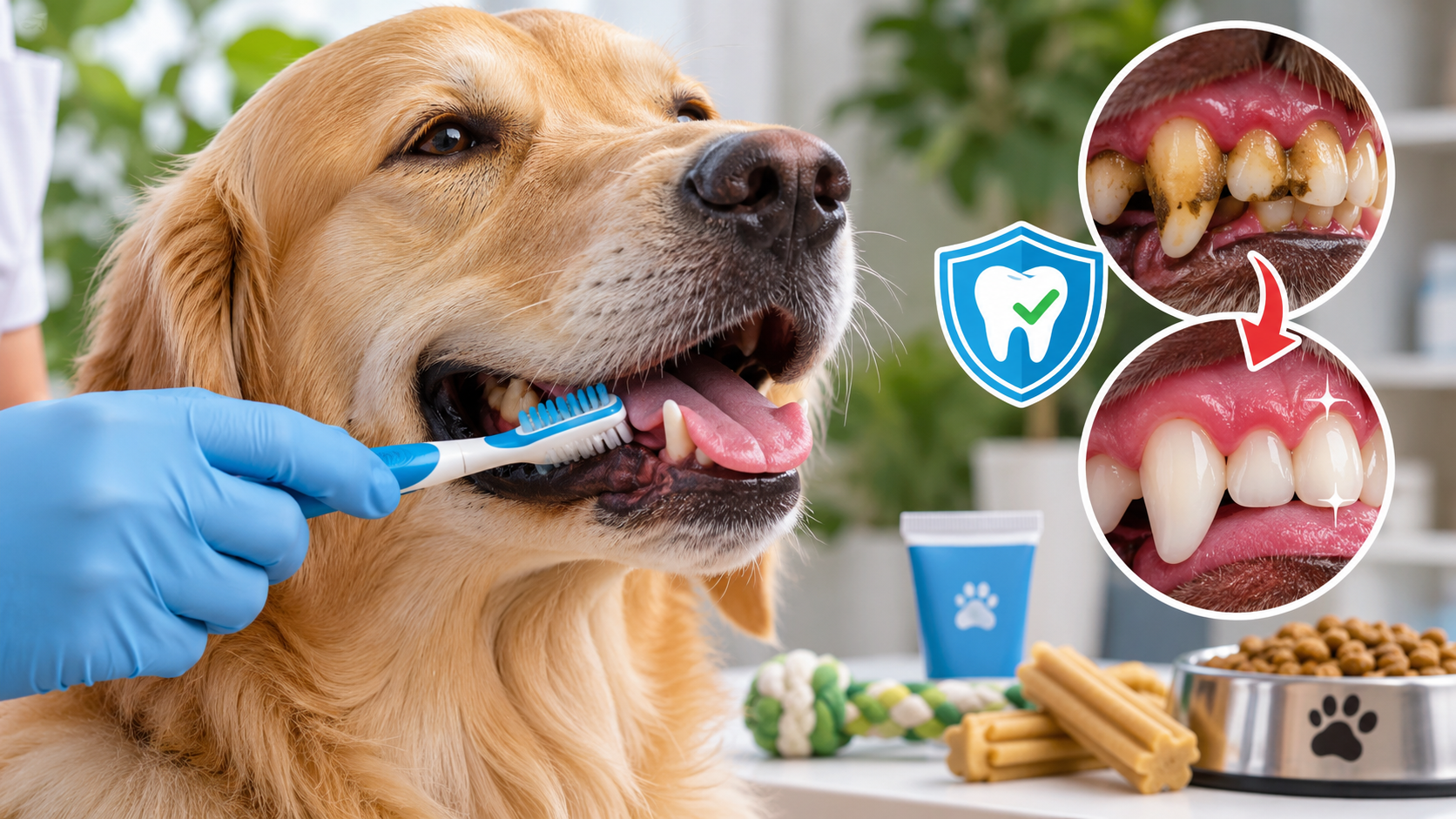
Periodontal Disease Prevention in Dogs is an essential topic for dog owners who want to keep their furry companions healthy and happy. Just like humans, dogs can suffer from oral health issues that can lead to serious health complications if left unchecked. This discussion explores the significance of maintaining good dental hygiene for dogs, the common signs of periodontal disease, and practical steps to ensure your dog’s mouth stays in tip-top shape.
From understanding the stages of this disease to implementing effective home care practices and recognizing risk factors, the journey toward better oral health for your dog is filled with actionable insights. Not only does this information empower dog owners to take proactive measures, but it also highlights the critical connection between oral health and overall well-being in our canine friends.
Understanding Periodontal Disease in Dogs
Periodontal disease is a serious dental condition that affects a significant number of dogs, making it crucial for pet owners to be aware of its implications on canine health. This condition, which originates from the accumulation of plaque and tartar on the teeth, can lead to severe health issues if not addressed properly. Understanding the nuances of periodontal disease can help in preventing it and ensuring a better quality of life for our furry friends.
Periodontal disease begins with the formation of plaque, a sticky film of bacteria that forms on the teeth. If not removed, this plaque can harden into tartar and eventually lead to inflammation of the gums, known as gingivitis. As the disease progresses, it can result in the destruction of the supporting structures of the teeth, including the bone, which can lead to tooth loss and other systemic health issues.
Common Symptoms of Periodontal Disease in Dogs
Recognizing the symptoms of periodontal disease is vital for early intervention. Dog owners should be vigilant about the following signs that may indicate dental health issues:
- Bad breath (halitosis) is often one of the first noticeable signs of periodontal disease.
- Red or swollen gums can signal inflammation and irritation.
- Pawing at the mouth or face indicates discomfort or pain.
- Difficulty eating or chewing, often leading to weight loss.
- Presence of loose teeth or tooth loss, especially in advanced cases.
Stages of Periodontal Disease and Their Progression
Understanding the stages of periodontal disease is essential for prevention and treatment. This condition progresses through several stages, each with increasing severity:
- Stage 1: Gingivitis – Characterized by redness and swelling of the gums, this initial stage can often be reversed with proper dental hygiene.
- Stage 2: Early Periodontitis – At this stage, the supporting structures of the teeth begin to be affected, and the disease becomes irreversible. Professional cleaning is often necessary.
- Stage 3: Moderate Periodontitis – More significant attachment loss occurs, and deeper pockets form between the teeth and gums. This stage may require more intensive treatment.
- Stage 4: Advanced Periodontitis – This is the most severe stage, where substantial tooth loss and significant bone loss can occur. Dogs may experience severe pain and may require extractions or surgical intervention.
Understanding these stages can empower dog owners to take proactive measures in maintaining their pet’s oral health, including regular dental check-ups and at-home dental care.
Importance of Regular Dental Check-ups
Regular dental check-ups for dogs play a crucial role in preventing periodontal disease. Just like humans, dogs require routine oral care to maintain their dental health. A veterinarian can identify early signs of gum disease and other dental issues that pet owners may overlook. These check-ups not only help in diagnosing potential problems but also allow for professional cleaning that removes tartar and plaque build-up, which are major contributors to dental diseases.
Veterinary dental check-ups should ideally take place at least once a year, although some dogs may require more frequent visits, especially if they have a history of dental problems. During these visits, the veterinarian will conduct a thorough examination of the dog’s mouth, including the gums, teeth, and overall oral hygiene. Consequently, this proactive approach to dental care can prevent the progression of periodontal disease and other serious health issues that can arise from poor dental hygiene.
Signs Indicating Need for Immediate Dental Care
Recognizing the signs that your dog may require immediate dental care is essential for their health. Some of the common indicators that warrant a trip to the veterinarian include:
- Bad breath that persists even after routine teeth brushing.
- Visible tartar build-up on the teeth or noticeable discoloration.
- Swollen or bleeding gums, particularly when the dog eats or plays.
- Changes in eating habits, such as difficulty chewing or reluctance to eat.
- Excessive drooling or changes in the consistency of saliva.
- Facial swelling, which can indicate an abscess or serious infection.
Timely intervention can make a significant difference in your dog’s dental health. Regular dental care not only helps in maintaining a healthy mouth but also contributes to overall well-being, as dental issues can lead to other systemic health problems if left untreated. As a responsible pet owner, staying vigilant for these signs and adhering to a regular dental care schedule will greatly benefit your dog’s quality of life.
Home Care Practices for Oral Health
Maintaining your dog’s oral hygiene is essential for their overall health and well-being. Regular home care practices can significantly reduce the risk of periodontal disease and other dental issues. Here, we focus on effective methods for brushing your dog’s teeth, the use of dental chews and toys, and how diet plays a crucial role in promoting healthy teeth and gums.
Brushing a Dog’s Teeth Effectively
Brushing your dog’s teeth is one of the most effective ways to prevent dental problems. The process can be made easier with a few simple steps and proper tools.
First, choose a toothbrush designed for dogs, which typically features softer bristles and a shape that fits comfortably in their mouth. Additionally, opt for toothpaste specifically formulated for dogs, as human toothpaste can be harmful due to its fluoride content.
Here’s a step-by-step guide to brushing your dog’s teeth:
- Start by letting your dog taste the toothpaste to get them accustomed to the flavor.
- Begin with their front teeth, gently lifting their lips to expose the teeth.
- Use a circular motion to brush the outer surfaces of the teeth.
- Gradually work your way to the back teeth, ensuring to cover the molars where plaque typically builds up.
- Brush for about 30 seconds to one minute, aiming to do this at least two to three times a week.
Regular brushing can reduce plaque and tartar buildup and improve your dog’s breath.
Using Dental Chews and Toys
Dental chews and toys play a significant role in maintaining your dog’s oral health. They help in mechanically cleaning the teeth as your dog chews, thus reducing plaque and tartar buildup. Choosing the right products is key to maximizing their effectiveness.
When selecting dental chews, look for options that are approved by veterinary dental organizations to ensure they are safe and effective. Some popular types include:
- Rawhide chews, which can help scrape off plaque.
- Rubber toys designed with nubs or grooves that facilitate cleaning while chewing.
- Dental sticks that are formulated with specific ingredients to promote oral health.
Incorporating dental chews into your dog’s routine can significantly enhance their dental hygiene.
Dietary Influence on Dental Health
A dog’s diet has a profound impact on their oral health. Certain foods can contribute to the development of plaque and tartar, while others can help in maintaining clean teeth.
When selecting dog food, it’s advisable to choose options that are formulated specifically for dental health. These often contain ingredients that assist in reducing tartar buildup and promoting fresh breath. Here are some dietary options to consider:
- Dry kibble, which can help remove plaque due to its abrasive texture.
- Specific dental formulas available from various pet food brands designed to promote oral health.
- Fresh fruits and vegetables, such as carrots and apples, which can serve as natural dental treats when given in moderation.
A well-balanced diet not only provides essential nutrients but also supports strong teeth and healthy gums.
Recognizing Risk Factors for Periodontal Disease
Periodontal disease is a common yet often overlooked issue in dogs, significantly impacting their overall health. Understanding the risk factors associated with this condition can help pet owners take proactive steps in preventing it. Certain breeds, age, health conditions, and environmental influences play pivotal roles in a dog’s susceptibility to dental problems.
Susceptible Breeds
Certain dog breeds are genetically predisposed to periodontal disease. This susceptibility often stems from the structure of their mouths and teeth, which can create environments conducive to plaque buildup. Breeds that are more prone to dental issues include:
- Small Breeds: Breeds such as Chihuahuas, Dachshunds, and Pomeranians tend to have crowded teeth, making it easier for plaque to accumulate.
- Brachycephalic Breeds: Flat-faced breeds, like Bulldogs and Pugs, often have misaligned teeth, which can lead to gum disease.
- Yorkshire Terriers: This breed is known for having dental problems due to their small size and tendency to retain baby teeth longer than usual.
Age and Health Conditions
Age plays a significant role in a dog’s risk for periodontal disease. As dogs grow older, they become more susceptible due to the cumulative effects of plaque and tartar buildup. Additionally, certain health conditions can exacerbate dental issues:
- Older Dogs: Dogs aged seven years and older commonly experience periodontal disease, often leading to tooth loss if not managed properly.
- Underlying Health Issues: Conditions such as diabetes can weaken the immune system, making it harder for dogs to fight off infections, including those in the mouth.
- Obesity: Overweight dogs are at a higher risk due to potential difficulties in maintaining oral hygiene, often leading to neglected dental care.
Environmental Factors
Environmental influences can also contribute to the development of periodontal disease. Several factors may create an environment where dental problems flourish:
- Diet: A diet high in carbohydrates and sugars can promote plaque buildup, while a balanced diet can help maintain oral health.
- Lack of Dental Care: Regular brushing and veterinary dental cleanings are essential. Dogs that do not receive regular dental care are more likely to develop periodontal disease.
- Living Conditions: Dogs that are often confined to small spaces may have limited opportunities to chew on appropriate dental chews that can help clean teeth and gums.
Regular dental check-ups and maintaining a proper oral hygiene routine are critical for preventing periodontal disease in dogs.
Preventative Treatments and Procedures
Preventative dental care is crucial for maintaining a dog’s overall health and well-being. By implementing various treatments and procedures, pet owners can help reduce the risk of periodontal disease and promote better dental hygiene. Understanding the options available can empower owners to make informed decisions about their dog’s dental care.
Various preventative dental treatments are available for dogs, each playing a vital role in maintaining oral health. Regular veterinary check-ups often include dental assessments and professional cleanings, which are essential in removing tartar and plaque that accumulate over time. Home care also contributes significantly to dental hygiene, as it allows owners to manage their pet’s oral health daily.
Professional Dental Cleanings Versus At-Home Care
Both professional dental cleanings and at-home care are important for a dog’s dental health, but they serve different purposes. Professional dental cleanings performed by veterinarians involve scaling and polishing the teeth to remove tartar and plaque, while at-home care focuses on daily maintenance.
– Professional Dental Cleanings:
– Conducted under anesthesia to ensure thorough cleaning.
– Removes plaque and tartar that cannot be eliminated through at-home care.
– Helps in identifying early signs of dental disease.
– Recommended at least once a year depending on the dog’s breed, age, and dental health.
– At-Home Care:
– Daily brushing helps reduce plaque build-up.
– Dental chews and toys can assist in controlling tartar.
– Water additives can provide additional antibacterial benefits.
– Regular monitoring allows for early detection of potential dental issues.
The combination of both approaches leads to optimal dental health, significantly reducing the risk of periodontal disease.
Comparison of Different Dental Products and Treatments
A variety of dental products and treatments are available to support oral health in dogs. Understanding these options allows pet owners to select the most effective strategies for their pets.
| Product/Treatment | Description | Benefits | Considerations |
|———————-|—————-|—————|——————–|
| Toothbrush & Toothpaste | Specially designed for dogs, with flavors appealing to pets. | Prevents plaque buildup, maintains fresh breath. | Regular use is necessary for best results. |
| Dental Chews | Chewable treats designed to reduce tartar and plaque. | Convenient and enjoyable for dogs, promotes chewing action. | Ensure they’re appropriate for the dog’s size and health. |
| Water Additives | Liquids added to drinking water to help control bacteria. | Easy to use, helps maintain oral hygiene casually. | Should not replace traditional cleaning methods. |
| Dental Sprays | Sprays applied directly to teeth to reduce plaque formation. | Quick application, good for dogs resistant to brushing. | Effectiveness varies; best used alongside other methods. |
| Professional Cleanings | In-office procedures performed by veterinarians. | Comprehensive cleaning, identification of dental issues. | Requires anesthesia and may be costly; should be scheduled regularly. |
Understanding these options empowers pet owners to make educated choices regarding their dog’s dental care, contributing to long-term health benefits.
The Connection Between Overall Health and Oral Hygiene
Maintaining a dog’s oral hygiene is often overlooked, yet it plays a crucial role in their overall health. Just like in humans, a dog’s mouth can be a gateway to various health issues that may affect their entire body. Periodontal disease, which occurs when plaque builds up and infects the gums, can have far-reaching consequences beyond just bad breath or tooth loss. Understanding this connection is essential for any dog owner who wants to ensure their pet’s long-term wellness.
Poor dental hygiene can lead to serious systemic health issues in dogs. When bacteria from periodontal disease enter the bloodstream, they can affect vital organs, leading to complications that may compromise a dog’s overall health. For instance, the heart can be significantly impacted, as bacteria can settle in the heart valves, leading to endocarditis, a potentially life-threatening condition. Additionally, kidney problems can arise; the kidneys filter out toxins, and an overload of bacteria can hinder their function. This connection emphasizes the importance of regular dental care, as it is not just about maintaining a healthy mouth but also safeguarding the entire body.
Systemic Health Issues Linked to Periodontal Disease
The systemic effects of periodontal disease highlight how crucial it is to maintain oral health in dogs. Below are some of the key issues that can arise:
- Heart Disease: Bacteria can enter the bloodstream and reach the heart, increasing the risk of infections such as endocarditis.
- Kidney Disease: Ongoing infections can stress the kidneys, leading to chronic kidney disease or kidney failure.
- Liver Problems: The liver can become burdened as it works to filter out bacteria and toxins from the bloodstream.
- Respiratory Issues: Inhalation of bacteria from the mouth can lead to infections in the lungs, causing chronic respiratory conditions.
Taking preventive measures against periodontal disease not only helps maintain a dog’s oral health but also protects them from these serious health risks. Regular dental check-ups, professional cleanings, and a consistent at-home dental care routine are vital components in promoting a healthier, longer life for our furry companions. As the saying goes, “A healthy mouth leads to a healthy dog,” reinforcing the idea that oral hygiene should be a priority for pet owners.
Training Dogs for Dental Care
Establishing a dental care routine for dogs is essential for maintaining their overall health and preventing periodontal disease. However, many dogs are initially resistant to having their teeth brushed or examined. With the right training techniques, you can help your furry friend feel comfortable and relaxed during these important procedures.
Acclimating dogs to dental care routines involves a few strategic steps. The key is to introduce dental care gradually and positively, ensuring that your dog associates it with pleasant experiences rather than stress or discomfort. Below is a systematic approach to training your dog for dental care.
Step-by-Step Process for Training Dogs to Accept Tooth Brushing
It’s crucial to take a gradual approach when training dogs for tooth brushing. This method not only eases anxiety but also builds a strong habit over time. Here’s a step-by-step guide:
1. Familiarize with Oral Care Tools: Start by introducing your dog to a toothbrush and toothpaste designed for pets. Allow your dog to sniff and investigate the items, making it a fun exploration phase.
2. Introduce Tasting Toothpaste: Let your dog taste the pet-friendly toothpaste. This can make them more inclined to accept the toothbrush later on.
3. Touch the Teeth: Begin by gently lifting your dog’s lips and touching their teeth with your finger. Gradually get them used to the sensation of having their teeth touched while offering praise and treats.
4. Use the Toothbrush: Once your dog is comfortable with your finger on their teeth, introduce the toothbrush. Start by letting them lick the toothpaste off the brush, then move to brushing a few teeth at a time using gentle strokes.
5. Increase Duration and Coverage: Gradually increase the number of teeth you brush at each session, working up to brushing all the teeth. Keep sessions short and positive, ideally around 1-2 minutes.
6. Incorporate Regular Dental Exams: Along with brushing, schedule regular dental check-ups with your veterinarian. Make these visits positive by rewarding your dog with treats and praise afterward.
Rewards and Incentives for Positive Behavior During Dental Care
Positive reinforcement plays a significant role in training. Here are some effective rewards and incentives to encourage your dog during their dental care routine:
– Treats: Use small, soft treats that your dog enjoys. This creates a direct association between tooth brushing and a tasty reward.
– Praise and Affection: Verbal praise and petting can reinforce good behavior. Use a cheerful tone to build a positive experience.
– Playtime: After a successful brushing session, engage your dog in a fun game or short play session. This helps them look forward to dental care.
– Chew Toys: Provide dental chews that promote oral health. These can keep your dog occupied and reinforce the notion of dental care being fun.
– Routine Consistency: Establish a consistent routine around brushing time. Knowing what to expect can alleviate anxiety and help your dog feel more secure.
Training your dog for dental care is a gradual process that requires patience and consistency. With the right techniques and positive reinforcement, you can help your dog become comfortable with oral hygiene practices, ensuring a healthier mouth and overall well-being.
Myths and Misconceptions About Canine Dental Care
Many dog owners are unaware of the complexities surrounding their pets’ dental health. Misleading information can lead to poor dental care practices, which can harm a dog’s overall health. It’s essential to debunk common myths and replace them with accurate information to ensure that dogs receive the proper care they need for their teeth and gums.
One prevalent myth is the belief that dental care for dogs is unnecessary if their breath doesn’t smell bad. Contrary to this belief, bad breath is just one potential sign of dental issues, and many serious problems can exist without noticeable symptoms. Regular dental check-ups and at-home care are crucial for preventing periodontal disease, even in dogs with fresh breath.
Common Myths in Canine Dental Health
Understanding the most common misconceptions can empower dog owners to take better care of their furry friends. Here are some myths along with factual corrections:
- Myth: Dogs’ teeth are naturally self-cleaning.
Fact: Dogs need regular brushing just like humans to prevent plaque buildup and dental disease.
- Myth: Hard bones clean dogs’ teeth.
Fact: Chewing hard bones can lead to broken teeth and should be avoided; specific dental chews are safer alternatives.
- Myth: Only older dogs need dental care.
Fact: Dental issues can begin as early as three years of age, making early preventive care essential.
- Myth: Dog breath is normal.
Fact: Persistent bad breath often indicates dental disease and should be addressed promptly.
- Myth: All dog foods are good for dental health.
Fact: Some dog foods do promote dental health, but many do not, and it’s vital to choose the right type.
The impact of these misconceptions can be significant. Many dog owners may neglect their pets’ dental health due to a lack of understanding, which can lead to severe health complications. Inadequate dental care can result in periodontal disease, which not only affects the mouth but can also have systemic effects on the heart, liver, and kidneys. Educating dog owners about correct dental hygiene practices is crucial for their pets’ well-being.
Sharing accurate information is vital in combating misinformation. Here are some effective ways to educate fellow dog owners:
- Use social media platforms to share reliable resources about canine dental care.
- Host informational sessions at local pet stores or veterinary clinics to discuss the importance of dental health.
- Create or distribute pamphlets that highlight the significance of routine oral hygiene for dogs.
- Encourage discussions in community groups focused on pets, sharing personal experiences and professional advice.
By actively engaging in conversation and providing accurate information, dog owners can collectively improve the standard of dental care for their pets, ensuring healthier and happier lives for all furry companions.
End of Discussion
In conclusion, being informed about Periodontal Disease Prevention in Dogs equips pet owners with the knowledge needed to combat dental issues proactively. By understanding the importance of regular veterinary check-ups, adopting effective home care practices, and recognizing the risk factors, you can enhance your dog’s quality of life significantly. Remember, a healthy mouth is a gateway to a healthy dog, so let’s commit to making oral hygiene a priority for our beloved pets.
Helpful Answers
How often should I brush my dog’s teeth?
Ideally, you should brush your dog’s teeth daily, but at least a few times a week is recommended.
Are dental treats effective in preventing periodontal disease?
Yes, dental treats can help reduce plaque and tartar buildup as part of a comprehensive dental care routine.
Can periodontal disease affect my dog’s behavior?
Yes, dogs with dental pain may show changes in behavior, such as being less active or more irritable.
Is anesthesia required for professional dental cleanings?
Yes, most professional dental cleanings require anesthesia to ensure the safety and comfort of your dog during the procedure.
What are some symptoms that indicate my dog needs dental care?
Signs include bad breath, swollen gums, difficulty eating, and excessive drooling.