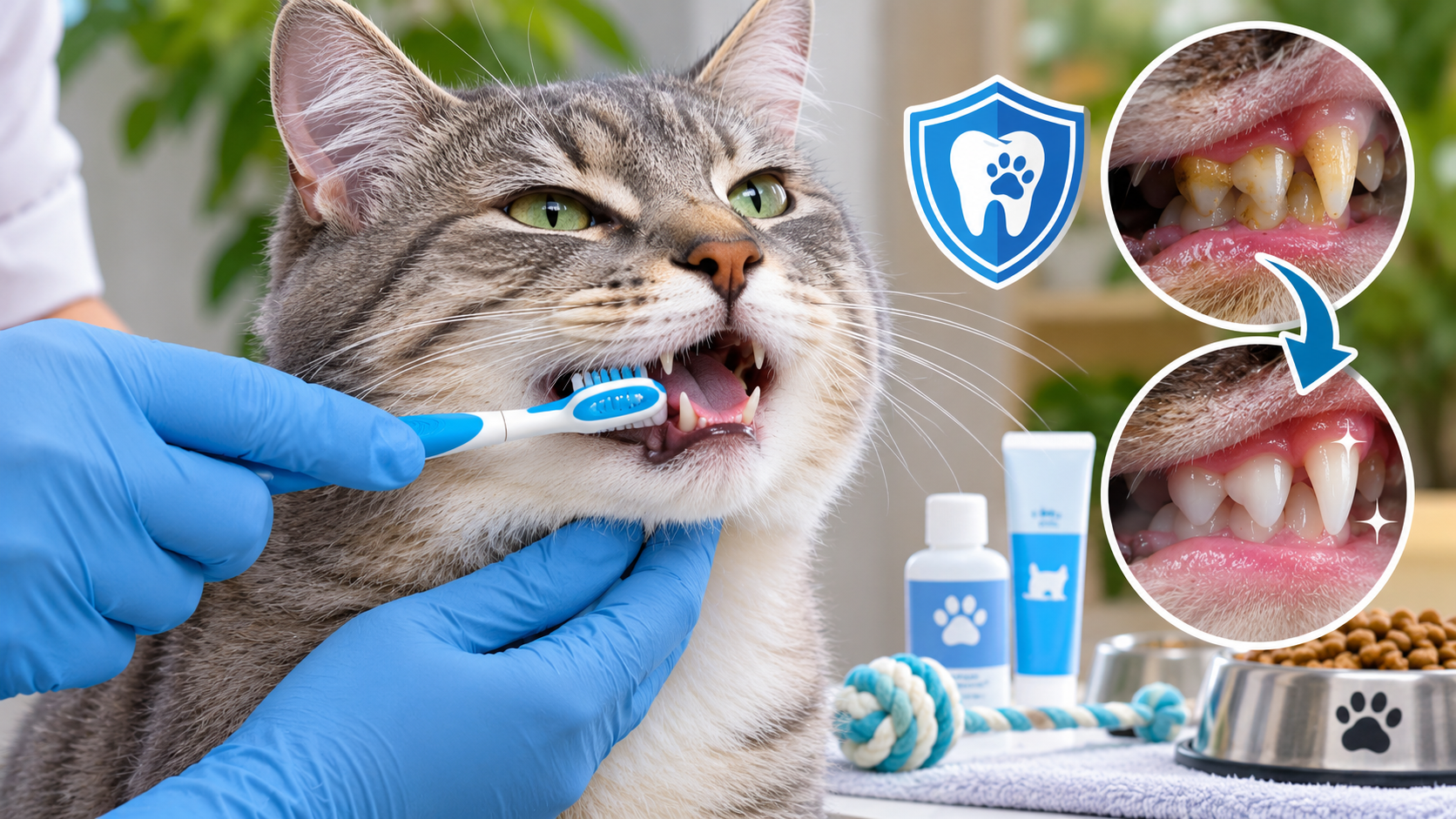
Feline Oral Hygiene Techniques are crucial for maintaining the overall health and happiness of your cat. Just like humans, cats can experience various dental problems if their oral care is neglected, leading to discomfort and serious health issues. Whether you’re a seasoned cat owner or a new pet parent, understanding the nuances of feline dental care can make a significant difference in your furry friend’s quality of life.
Good oral hygiene not only prevents dental diseases, but it also plays a pivotal role in the prevention of other health issues that can arise from poor dental care. Studies show that a large percentage of cats will experience dental problems by the age of three, emphasizing the importance of establishing a routine for oral hygiene early on. From choosing the right tools to recognizing signs of dental distress, getting informed about feline oral hygiene is essential for any cat lover.
Understanding the Importance of Feline Oral Hygiene
Maintaining good oral hygiene in cats is crucial for their overall health and well-being. Just like humans, cats can experience a range of oral health issues that can lead to serious health complications if not addressed. Regular dental care not only keeps their mouths healthy but also prevents other health problems that may arise from poor oral hygiene.
The significance of feline oral hygiene extends beyond fresh breath and clean teeth. Neglecting dental care can result in a plethora of dental issues that affect your cat’s quality of life. Common problems include periodontal disease, gingivitis, and tooth decay, all of which can lead to pain and discomfort. According to a study conducted by the American Veterinary Dental College, approximately 70-80% of cats show signs of periodontal disease by the age of three. This alarming statistic highlights the prevalence of dental diseases among felines, underscoring the need for routine dental care.
Common Dental Issues Resulting from Poor Oral Hygiene
Understanding the dental issues that arise from inadequate oral hygiene can help cat owners take preventive measures. Here are some common dental problems that cats may face:
- Periodontal Disease: A severe infection of the gums that can lead to tooth loss and systemic health issues if bacteria enter the bloodstream.
- Gingivitis: Inflammation of the gums characterized by redness and swelling, often a precursor to more serious periodontal disease.
- Tooth Resorption: A painful condition where the cat’s tooth structure breaks down, leading to loss of the tooth and discomfort.
- Oral Tumors: Abnormal growths in the mouth that can cause significant health complications and may require surgical intervention.
Regular dental check-ups and preventive care can significantly reduce the risk of these dental diseases. Studies show that cats receiving routine dental cleanings have much healthier mouths and fewer complications. Additionally, maintaining oral hygiene can help prevent bacteria from entering the bloodstream, which can affect the heart, liver, and kidneys.
As feline health awareness grows, understanding the critical link between oral hygiene and overall health becomes even more essential. Investing in your cat’s dental care is a proactive step toward ensuring a long and healthy life for your furry companion.
Essential Tools for Feline Oral Care
Maintaining your cat’s oral hygiene is crucial for their overall health and well-being. Just like humans, cats require regular dental care to prevent issues such as periodontal disease, tooth decay, and bad breath. To effectively care for your feline friend’s teeth and gums, several essential tools should be incorporated into their dental routine.
Essential Tools for Feline Oral Hygiene
To ensure a thorough oral care routine for your cat, it’s important to have the right tools at your disposal. Here are four essential items that every cat owner should consider:
- Cat Toothbrush: Designed specifically for the unique shape of a cat’s mouth, these toothbrushes often have softer bristles and smaller heads. Some models include dual-ended designs, allowing for versatility in cleaning.
- Cat Toothpaste: Unlike human toothpaste, which can be toxic to cats, cat-specific toothpaste is formulated to be safe and appealing to felines. Common flavors include chicken and seafood, making it easier to encourage your cat to cooperate during brushing.
- Finger Brush: This tool is ideal for beginners or cats who are apprehensive about traditional toothbrushes. A finger brush fits over your finger and allows for a gentler approach to cleaning your cat’s teeth.
- Dental Wipes: For cats that resist brushing, dental wipes can be a great alternative. They provide a way to remove plaque and food particles while freshening your cat’s breath without the need for a toothbrush.
Comparison of Cat Toothbrushes and Toothpaste
Selecting the right toothbrush and toothpaste can significantly impact your cat’s dental care routine. There are various types of toothbrushes and toothpaste on the market, each catering to different needs and preferences.
A comparison of toothbrush types includes:
| Type | Features | Best For |
|---|---|---|
| Standard Cat Toothbrush | Long handle, angled head, soft bristles | Experienced cats and owners |
| Finger Brush | Soft, rubber bristles, fits over finger | New cats or those resistant to brushing |
When it comes to toothpaste, consider these comparisons:
| Type | Ingredients | Flavor Options |
|---|---|---|
| Enzymatic Toothpaste | Contains enzymes that help reduce plaque | Chicken, beef, seafood |
| Non-Enzymatic Toothpaste | Basic cleaning agents without added enzymes | Various flavors |
Choosing Products Based on Cat’s Age and Dental Needs
Selecting the right dental care products should take into account your cat’s age and specific dental requirements. For kittens, it’s essential to use softer toothbrushes and flavored toothpaste that attract them. As cats mature into adults, they’ll benefit from more robust dental care products designed to combat tartar buildup and gum disease.
Senior cats often face different dental challenges, such as tooth sensitivity or loss. Products designed for sensitive teeth or those that promote gum health become essential during this stage. Additionally, dental treats and chews formulated for older cats can provide extra support in maintaining oral health.
“Regular dental care can prolong your cat’s life by preventing dental diseases that lead to systemic health problems.”
Step-by-Step Guide to Brushing Your Cat’s Teeth
Maintaining your cat’s oral hygiene is essential for their overall health, and brushing their teeth is a key component of this care routine. Regular brushing helps prevent dental diseases, reduces bad breath, and can even contribute to a longer, healthier life for your furry companion. This guide Artikels the steps needed to effectively brush your cat’s teeth, along with tips for acclimatizing them to the process and common mistakes to avoid.
Procedure for Brushing Your Cat’s Teeth
Before starting the brushing process, it’s important to gather the necessary tools, including a cat-specific toothbrush and toothpaste. Human toothpaste can be harmful to cats, so make sure to use products designed for feline use. The following steps will help you effectively brush your cat’s teeth:
- Choose the Right Time: Pick a time when your cat is calm and relaxed, such as after a meal or a play session.
- Get Your Cat Comfortable: Sit in a comfortable position with your cat in your lap. Gently pet them to help them relax.
- Introduce the Toothpaste: Let your cat lick a small amount of cat-friendly toothpaste from your finger. This helps to make them familiar with the taste.
- Start with Finger Brushing: Before introducing the toothbrush, use your finger to gently rub your cat’s gums and teeth to get them accustomed to having their mouth handled.
- Use the Toothbrush: After a few days of finger brushing, use the toothbrush with a small amount of toothpaste. Brush in a circular motion, focusing on the outer surfaces of the teeth.
- Be Gentle and Patient: Only brush for a few seconds at a time, gradually increasing the duration as your cat becomes more comfortable.
- Reward Your Cat: After brushing, give your cat a treat or some affection to create a positive association with the process.
Acclimating Your Cat to Teeth Brushing
Introducing your cat to tooth brushing may require some patience and strategy. It’s important to create a positive experience to ensure your cat accepts this routine without stress. Consider the following tips:
“A calm and patient approach can make all the difference in helping your cat accept brushing.”
- Start Slowly: Begin by gently handling your cat’s mouth and teeth without brushing to acclimate them to having their mouth touched.
- Use Positive Reinforcement: Encourage your cat with praise or treats after each successful brushing session, making it a rewarding experience.
- Be Consistent: Try to establish a regular brushing routine, ideally brushing your cat’s teeth several times a week to reinforce the habit.
- Keep Sessions Short: Limit brushing sessions to just a minute or two to avoid overwhelming your cat, gradually increasing the time as they adapt.
Common Mistakes to Avoid
While brushing your cat’s teeth may seem straightforward, there are common pitfalls that can hinder the process. Being aware of these mistakes can help you brush your cat’s teeth more effectively:
“Avoiding common mistakes can lead to a smoother and more successful teeth brushing routine.”
- Forcing the Process: Never force your cat to accept brushing. If they’re resistant, take a step back and try again later.
- Skipping Toothpaste: Using human toothpaste can be toxic to cats; always use toothpaste specifically formulated for pets.
- Neglecting the Gums: Focus on the gum line while brushing, as plaque tends to accumulate there.
- Brushing Too Hard: Be gentle when brushing; applying too much pressure can cause discomfort or injury to your cat’s gums.
The Role of Diet in Maintaining Feline Oral Health
A cat’s diet plays a crucial role in maintaining their overall health, including their oral hygiene. Just like in humans, what cats eat can significantly influence their dental condition. A balanced diet not only provides essential nutrients but also helps in preventing dental diseases, thereby promoting healthier gums and teeth.
The texture and composition of cat food can have a substantial impact on dental health. Certain types of food are specifically designed to support oral care by reducing plaque and tartar buildup. Understanding the differences between dry and wet cat food can aid pet owners in making informed choices for their feline friends.
Types of Cat Food that Promote Oral Care
Choosing the right cat food can play an essential role in maintaining dental hygiene. Both dry and wet food have their pros and cons, affecting oral health differently.
Dry food, also known as kibble, is often recommended for cats because its crunchy texture can help scrape plaque off the teeth. These foods typically have a higher carbohydrate content, but they can be specifically formulated to include dental benefits. Many brands offer “dental diets” that include larger kibble sizes or special shapes designed to encourage chewing and further reduce plaque formation.
Wet food, on the other hand, tends to be higher in moisture content and is often more palatable to cats. While it may not provide the same mechanical cleaning action as dry food, it can be beneficial for hydration and overall health. Some wet foods are formulated with ingredients that can help with oral health, such as added enzymes that break down plaque or dental-specific recipes.
Treats that Reduce Plaque and Tartar Buildup
In addition to a balanced diet, dental treats can be a great way to enhance your cat’s oral hygiene routine. These treats are specifically designed to help reduce plaque and tartar accumulation while providing a tasty reward for your cat.
When selecting dental treats, look for options that have the Veterinary Oral Health Council (VOHC) seal of approval, which indicates that they have been clinically proven to help reduce dental issues. Here are some examples of effective dental treats:
- Chewable Dental Treats: These are often crunchy and designed to scrub the teeth as your cat chews, reducing plaque buildup in the process.
- Rawhide Alternatives: These treats are made from natural ingredients and can provide a satisfying chewing experience while promoting dental health.
- Dental Sticks: Some brands offer specially formulated dental sticks that are designed to clean the teeth and freshen breath simultaneously.
Incorporating these types of food and treats into your cat’s diet can make a significant difference in their oral health. It is essential to combine dietary choices with regular veterinary check-ups and dental care practices to ensure your cat maintains a healthy mouth and a happy life.
Alternative Methods for Feline Oral Hygiene
Maintaining good oral hygiene in cats is crucial for their overall health. While regular brushing is the gold standard for preventing dental issues, alternative methods can also play a significant role in keeping your feline’s teeth and gums healthy. Here, we explore three effective alternatives: dental chews, water additives, and oral gels, along with their strengths and weaknesses compared to traditional brushing.
Dental Chews
Dental chews are specially formulated treats designed to help reduce plaque and tartar buildup as cats chew on them. These chews are typically made from ingredients that promote dental health, such as certain fibers and enzymes.
– Effectiveness: Research has shown that many dental chews can effectively reduce plaque and tartar when used regularly. The mechanical action of chewing scrubs the teeth, while the ingredients can help break down harmful bacteria.
– Pros:
– Easy and convenient; no special training required for your cat.
– Cats enjoy them as a treat, which can make dental care more enjoyable.
– Many chews are formulated to be palatable, encouraging regular use.
– Cons:
– Some chews may be high in calories, which can contribute to weight gain if given excessively.
– Not all products are equally effective; it’s important to choose those with veterinary approval.
Water Additives
Water additives are liquid solutions added to your cat’s drinking water to help maintain oral hygiene. These products often contain ingredients that target bacteria and promote dental health.
– Effectiveness: Continuous use of water additives can aid in reducing plaque and maintaining fresher breath. They work by dispersing active ingredients that target oral bacteria as the cat drinks.
– Pros:
– Simple to use; no need for special handling or training.
– Provides a consistent level of oral care, as the cat receives treatment with every drink.
– Can be a good option for cats that resist brushing or chewing.
– Cons:
– Effectiveness may vary; not a substitute for mechanical cleaning provided by brushing.
– Some cats may not like the taste, leading to reduced water intake.
Oral Gels
Oral gels are applied directly to a cat’s teeth and gums. They often contain enzymes or antimicrobial agents designed to target plaque and prevent gum disease.
– Effectiveness: These gels can be effective in breaking down plaque and reducing inflammation in the gums when used consistently. They can also help to freshen breath.
– Pros:
– Easy to apply, making them a good option for cats that dislike brushing.
– Many gels contain ingredients that can support overall dental health.
– Can be used as a supplement to other dental hygiene methods.
– Cons:
– Application may require some training and patience to get your cat accustomed to it.
– Effects can be less significant compared to regular brushing, depending on the product used.
Incorporating these alternative methods can significantly enhance your cat’s oral hygiene routine, especially when used alongside regular brushing.
Recognizing Signs of Dental Problems in Cats
Cats, like humans, can suffer from various dental issues that can impact their overall health. Recognizing the signs of dental problems early can prevent pain and more severe health complications. A proactive approach to monitoring your feline’s oral health is essential to ensure they maintain a happy and healthy life.
Examining a cat’s mouth can seem daunting, but it is a crucial skill for pet owners. Regular inspections can help detect dental issues before they escalate, allowing for timely veterinary intervention. When looking into your cat’s mouth, pay attention to their behavior and any physical signs that may indicate discomfort or dental problems.
Warning Signs of Dental Problems
Understanding the warning signs of dental issues in cats can help pet owners act promptly. Here are five key indicators that suggest your cat may be experiencing dental problems:
- Bad Breath: While cats have a unique scent, persistent foul odor from the mouth may indicate periodontal disease or other dental issues.
- Difficulty Eating: If your cat hesitates to eat, drops food, or shows signs of pain while chewing, it may be due to dental discomfort.
- Excessive Drooling: Increased saliva production can be a response to oral pain or discomfort, often linked to dental diseases.
- Swollen or Bleeding Gums: Healthy gums should be pink and firm. Red, swollen, or bleeding gums are signs of gingivitis or periodontal disease.
- Behavioral Changes: Cats experiencing dental pain may become irritable, withdrawn, or less active than usual, reflecting their discomfort.
When examining your cat’s mouth for potential dental problems, it is essential to do so gently and carefully. Start by getting your cat comfortable in a calm environment. You can hold the cat in your lap or on a stable surface. Gently lift their lips to inspect the gums and teeth. Look for any signs of discoloration, tartar buildup, or loose teeth. If your cat allows it, you can also use a flashlight to get a better view of their mouth.
Regular veterinary check-ups are vital for maintaining your cat’s dental health. During these visits, veterinarians can conduct thorough oral examinations and identify early signs of dental issues that may not be apparent to pet owners. Professional cleanings and assessments can significantly reduce the risk of severe dental problems, ensuring your cat enjoys a healthier and more comfortable life.
Creating a Regular Oral Hygiene Routine for Your Cat
Maintaining your cat’s dental health is crucial for their overall well-being. A regular oral hygiene routine can prevent serious dental issues, ensuring your feline friend stays healthy and happy. Establishing this routine requires consistency and patience, along with a few practical techniques that can be easily integrated into your cat’s daily life.
A comprehensive oral hygiene routine consists of several key components, including the frequency of brushing, the tools you will use, and supplementary dental care products. Regular brushing, complemented by dental treats or water additives, can significantly reduce plaque buildup and prevent periodontal disease. The following points Artikel the essential aspects of a cat’s oral hygiene regimen:
Frequency and Methods for Maintaining Cat Dental Health
Establishing a consistent brushing schedule is vital for effective dental care. Aim to brush your cat’s teeth at least two to three times a week, though daily brushing is ideal.
- Use the Right Tools: Invest in a soft-bristled toothbrush and toothpaste specifically designed for cats. Human toothpaste is toxic to cats and should never be used.
- Introduce Chewing Aids: Dental treats or toys designed to promote chewing can help reduce tartar buildup and maintain gum health.
- Implement Water Additives: Consider using dental water additives that help reduce plaque and freshen breath when added to your cat’s drinking water.
In addition to brushing, regular veterinary check-ups should also be a part of your cat’s dental health routine. This allows for professional cleanings and assessments to catch any issues early.
Gradually Introducing the Routine to Your Cat
Cats can be sensitive to new experiences, so it’s essential to introduce dental care techniques gradually and positively. Start by letting your cat get used to the toothbrush and toothpaste without brushing.
- Familiarization: Allow your cat to sniff and lick the toothpaste off your finger before introducing the toothbrush.
- Short Sessions: Begin with just a few seconds of brushing and gradually increase the time as your cat becomes more comfortable.
- Positive Reinforcement: Reward your cat with treats or affection after each brushing session to create a positive association.
Be patient and attentive to your cat’s reactions, adjusting your approach as needed to minimize stress and build a calm environment during dental care.
Tracking Your Cat’s Dental Health Progress
Monitoring your cat’s dental health is essential for spotting potential issues early. Keeping track of their progress can be made easier with the following strategies:
- Regular Checks: Inspect your cat’s mouth frequently for signs of plaque buildup, inflamed gums, or bad breath, which can indicate dental issues.
- Maintain a Dental Log: Create a calendar or logbook to record brushing dates, veterinary visits, and any notable changes in your cat’s oral health.
- Photographic Evidence: Take periodic photos of your cat’s teeth and gums to visually track any changes over time.
By keeping a close watch on your cat’s dental health, you can stay proactive and ensure their oral hygiene routine is effective and beneficial.
Myths and Misconceptions About Feline Oral Care
Many cat owners hold misconceptions about feline oral care that can lead to neglecting their pet’s dental health. Understanding the truth behind these myths is crucial for ensuring that cats receive the proper care they need. By debunking these myths, owners can adopt more effective oral hygiene practices for their feline friends.
Common Myths Surrounding Feline Oral Hygiene
There are several prevalent myths about feline oral care that can adversely affect a cat’s dental health. Recognizing these misconceptions helps cat owners make informed decisions regarding their pet’s hygiene.
- Myth 1: Cats do not need dental care. Many believe that cats can maintain their oral health without intervention. However, just like humans, cats can suffer from dental diseases, which can lead to pain, infection, and tooth loss. Regular veterinary check-ups and dental cleanings are essential for prevention.
- Myth 2: Dry food is sufficient for dental hygiene. While some dry cat foods claim to support dental health, they do not replace the need for regular brushing. The mechanical action of chewing dry food is not enough to prevent plaque buildup effectively.
- Myth 3: Bad breath is normal for cats. Foul-smelling breath is often a sign of dental disease or other health issues. It should not be dismissed as a normal occurrence; instead, it warrants a visit to the veterinarian for evaluation.
- Myth 4: All cats dislike having their teeth brushed. While it’s true that some cats may resist brushing, many can be trained to accept it with positive reinforcement. Starting early and using cat-friendly toothpaste can make the process more enjoyable for them.
The implications of these myths can lead to serious health issues for cats. Owners who believe that dental care is unnecessary may neglect their pets’ teeth, resulting in untreated dental disease. This neglect not only affects the cat’s health but can also lead to more significant veterinary expenses down the line.
To support proper feline oral hygiene, it is essential for cat owners to understand effective practices. Regularly scheduled dental check-ups with a veterinarian, daily tooth brushing, and providing dental treats or toys designed for oral health can greatly contribute to a cat’s well-being. By debunking these myths and embracing accurate information, cat owners can ensure their pets lead healthier lives with optimal dental care.
Closure
In conclusion, prioritizing feline oral hygiene techniques not only protects your cat’s teeth but also contributes significantly to their overall health and well-being. By integrating a consistent oral care routine, utilizing effective tools, and being aware of dietary impacts, you can ensure that your cat remains happy and healthy for years to come. Remember, a little effort in maintaining your cat’s dental health goes a long way in ensuring their happiness.
FAQs
How often should I brush my cat’s teeth?
It’s recommended to brush your cat’s teeth at least two to three times a week for optimal dental health.
Can I use human toothpaste for my cat?
No, human toothpaste contains ingredients that are toxic to cats. Always use toothpaste specifically designed for felines.
Are dental treats effective for oral hygiene?
Yes, dental treats can help reduce plaque and tartar buildup, but they should complement, not replace, regular brushing.
What are some signs my cat has dental problems?
Common signs include bad breath, difficulty eating, swollen gums, and excessive drooling.
Should I take my cat to the vet for dental cleanings?
Yes, regular veterinary check-ups are important for professional dental cleanings and to monitor your cat’s oral health.