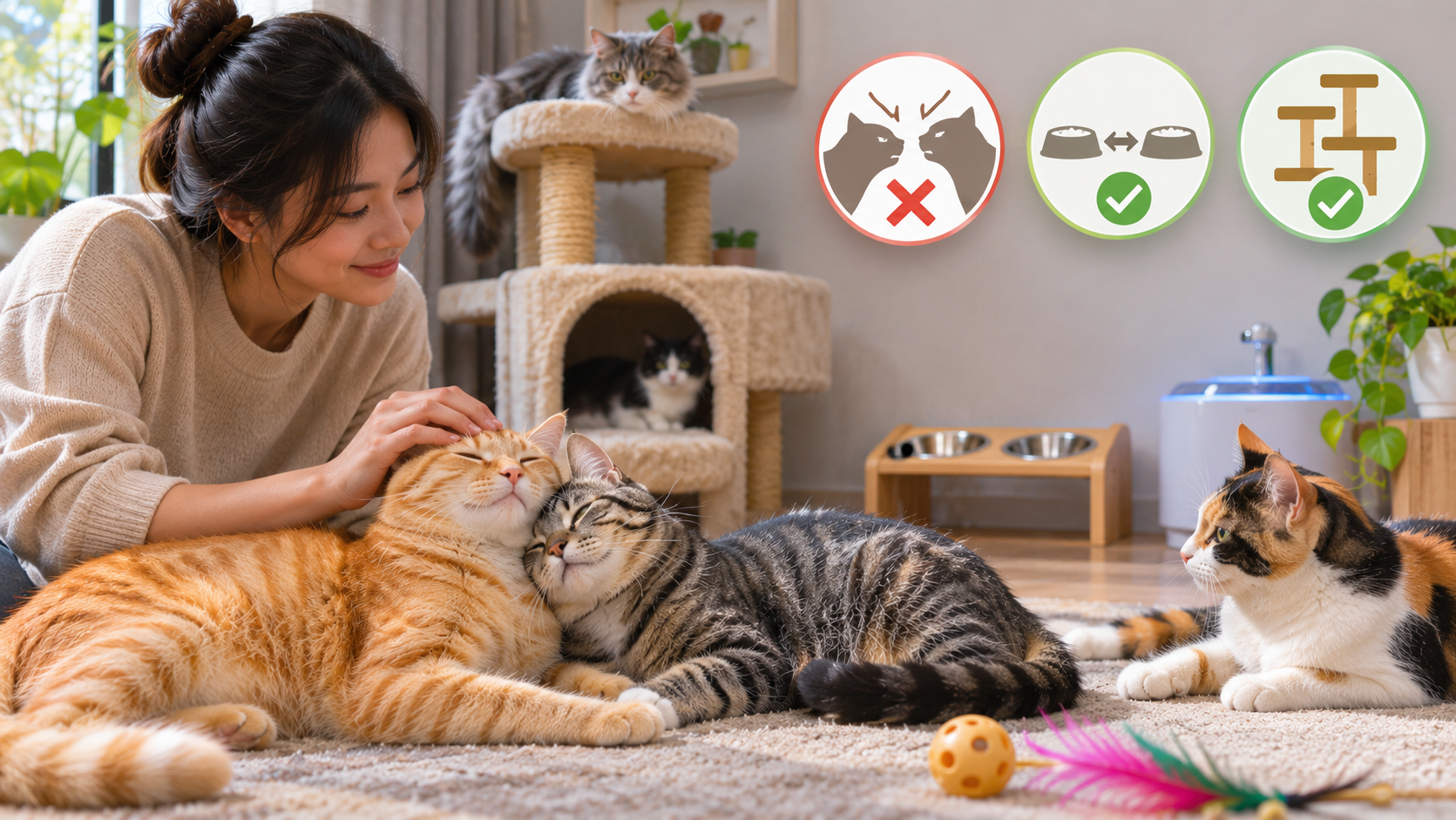
Multi Cat Household Conflict Management sets the stage for this enthralling narrative, offering readers a glimpse into a story that is rich in detail and brimming with originality from the outset. In homes where multiple feline companions reside, unique dynamics unfold, impacting how cats interact with one another. Understanding the social hierarchy, common behavioral issues, and the territorial instincts of cats is crucial to fostering a peaceful coexistence.
This guide delves into the signs of conflict, effective techniques for peaceful coexistence, and strategies for conflict resolution. By creating an environment that prioritizes each cat’s wellbeing, owners can minimize stress and promote harmony. With insights into when to seek professional help, readers will be well-equipped to navigate the complexities of multi cat households.
Understanding the Dynamics of Multi Cat Households
In a multi cat household, the complexity of feline relationships can create a fascinating yet challenging environment. Each cat brings its own personality, behaviors, and social needs that influence interactions with each other. Understanding these dynamics is crucial for maintaining harmony and addressing conflicts that may arise.
The unique social hierarchy that exists in multi cat households often reflects the cats’ natural instincts and personalities. In these settings, you may observe a clear pecking order, which can stem from factors like age, size, and temperament. This hierarchy plays a significant role in how cats interact; for example, a dominant cat may assert its authority through body language and vocalizations, while submissive cats may display avoidance behaviors. Recognizing this hierarchy can help caregivers manage interactions more effectively and reduce stress among the cats.
Common Behavioral Issues in Multi Cat Environments
In multi cat households, various behavioral issues can emerge due to stress and competition for resources. These problems can indicate underlying stress and may manifest in several ways. Understanding these behaviors can help owners recognize when their cats are feeling uneasy.
Cats often communicate their discomfort through body language and vocalizations. Signs of stress include:
- Hiding: A stressed cat may seek refuge in secluded areas, avoiding interaction with other cats.
- Increased aggression: Conflicts can arise when a cat feels threatened, leading to hissing, swatting, or fighting.
- Changes in litter box habits: Stress can result in inappropriate elimination, signaling underlying issues related to territorial disputes.
- Over-grooming: Cats may groom excessively when stressed, leading to bald patches or skin irritations.
Recognizing these stress indicators early can prevent escalation and promote a more peaceful living environment.
Role of Territoriality in Multi Cat Conflicts
Territoriality is a significant factor in multi cat households and can greatly impact overall household harmony. Each cat naturally claims its own space, which can lead to conflicts when these territories overlap. Understanding the implications of territorial behavior is essential for managing and preventing disputes.
Cats often exhibit territorial behaviors through:
- Marking: Cats may mark their territory by scratching or using scent glands, signaling ownership of their areas.
- Defensive behavior: A cat may become aggressive if it feels its territory is being encroached upon by others.
- Resource guarding: Competition for resources like food, litter boxes, and resting areas can escalate territorial disputes among cats.
Creating separate spaces and resources for each cat can help mitigate territorial conflicts, allowing each feline to feel secure and reducing tension within the household.
Understanding the social dynamics and behaviors of cats in a multi cat household is key to fostering a peaceful and harmonious living environment.
Signs of Conflict in a Multi Cat Environment
In a multi-cat household, recognizing the signs of conflict is crucial for maintaining harmony among your feline friends. Cats, being territorial by nature, often communicate their discomfort and dissatisfaction through various behaviors and vocalizations. By understanding these signs, you can intervene early and prevent potential escalations that could lead to serious altercations.
Cats exhibit a range of vocalizations and body language cues that can signal underlying tensions. Vocalizations may include hissing, growling, and yowling, which are often indicative of stress or aggression. Body language is equally telling; flattened ears, arched backs, and twitching tails can all indicate a cat feeling threatened or defensive. It’s essential to observe these signs closely, as they can vary significantly between individual cats.
Behavioral Changes Indicating Conflict
Changes in behavior can often be the first red flags in a multi-cat environment. When cats experience stress or conflict, they may alter their grooming habits, become more reclusive, or even change their litter box usage. These shifts might seem subtle at first, but they can provide critical insights into the dynamics at play in your household.
For instance, a previously fastidious cat may stop grooming itself, resulting in matted fur and a decline in overall health. Additionally, a cat that once shared a litter box amicably may begin to avoid it or urinate in inappropriate places, signaling a territorial dispute.
- Vocalizations: Look for a rise in aggressive sounds like growls or hisses when cats are near each other.
- Body Language: Observe signs such as dilated pupils or a puffed-up tail, indicating a cat feels threatened.
- Grooming Habits: Notice if a cat stops grooming or if two cats that previously groomed each other stop interacting.
- Litter Box Behavior: Watch for a cat refusing to use the litter box, which can indicate discomfort with another cat’s presence.
Recognizing these signs early can be pivotal in preventing conflicts from escalating. For example, if a cat frequently hisses when another approaches its favorite resting spot, it may be wise to create separate areas for each cat. Similarly, if you notice a cat beginning to avoid the litter box, it might be beneficial to assess the dynamics between the cats using that space.
In summary, being attentive to your cats’ vocalizations, body language, and behavioral changes can empower you to manage conflicts effectively in a multi-cat household.
Techniques for Peaceful Coexistence Among Cats
Creating a harmonious multi-cat household is essential for the well-being of both the cats and their human companions. With the right techniques and strategies, it is possible to minimize conflict and foster a peaceful environment where all felines can thrive. This section highlights effective methods for introducing new cats, utilizing vertical space, and incorporating enrichment activities to promote a serene household.
Introducing New Cats into a Multi-Cat Household
Introducing a new cat into an existing multi-cat environment requires patience and careful planning to ensure a smooth transition. It’s crucial to allow the new arrival to acclimate to their new surroundings gradually. One effective method is to use a separate room for the newcomer, providing them with their own food, water, litter box, and resting area. This isolation period can last from a few days to a few weeks, allowing the cats to become familiar with each other’s scents through the use of shared bedding or toys.
After the initial adjustment period, supervised introductions can begin. This can be facilitated by using a baby gate or keeping both cats in their respective carriers during the first face-to-face encounters. Always monitor their reactions, and keep sessions short to avoid overwhelming either party. Gradually increase the time spent together as they become more comfortable with one another.
Establishing a positive association through treats and play can significantly reduce stress during introductions.
Importance of Vertical Space and Enrichment Activities
Vertical space plays a vital role in reducing territorial disputes among cats. By providing shelves, cat trees, and window perches, cats have the opportunity to escape and observe their environment from above, which can help reduce anxiety and aggression. Cats are natural climbers, and harnessing their instinct to explore vertical spaces can create a more dynamic living area.
Enrichment activities are equally important for promoting harmony among cats. They stimulate mental engagement and physical exercise, which can mitigate boredom and aggression. Interactive toys, puzzle feeders, and regular play sessions can keep cats entertained and mentally stimulated. Furthermore, rotating toys and introducing new ones periodically can maintain interest and prevent conflicts over shared resources.
Resources and Products for Reducing Stress and Conflict
To further assist in creating a peaceful coexistence among cats, certain resources and products can be beneficial. Utilizing calming pheromone diffusers can promote relaxation and reduce tension in the household. Providing multiple litter boxes, food stations, and resting areas can also help minimize competition.
The following list includes recommended products and resources that can aid in creating a stress-free environment for cats:
- Calming Pheromone Diffusers: Products like Feliway can help create a sense of security.
- Cat Trees and Shelves: Options such as multi-level cat trees provide enrichment and vertical space.
- Interactive Toys: Puzzle feeders or laser pointers encourage play and mental stimulation.
- Separate Feeding Stations: Multiple food and water bowls can reduce food-related conflicts.
- Soft Bedding and Hiding Spots: Cozy areas allow cats to retreat when feeling overwhelmed.
Conflict Resolution Strategies for Cat Owners
In a multi-cat household, conflicts can arise due to territory disputes, resource competition, or personality clashes. Understanding effective resolution strategies is essential to maintaining harmony among feline companions. By implementing appropriate techniques and creating a supportive environment, cat owners can mitigate tensions and foster positive interactions.
Intervention Techniques for Resolving Disputes
Recognizing when a conflict occurs is vital for timely intervention. Here are several strategies to address disputes between cats:
- Separate the Cats Temporarily: If a fight breaks out, immediately separate the cats to prevent injury. Use a barrier, such as a door or gate, to create physical distance.
- Redirect Attention: Distract the cats with toys or treats to divert their focus. Engaging them in play can alleviate tension and encourage positive interaction.
- Calm the Environment: Lowering noise levels and reducing stimuli can help ease the cats’ anxiety. Consider playing soft music or using a pheromone diffuser to create a soothing atmosphere.
- Supervised Interactions: Gradually reintroduce the cats under supervision. Monitor their behavior closely and intervene if signs of aggression or stress appear.
Positive Reinforcement in Modifying Aggressive Behavior
Positive reinforcement plays a crucial role in modifying aggressive behavior among cats. It involves rewarding desired behaviors, thereby encouraging them to repeat those actions. Implementing this technique effectively includes:
- Reward Calm Behavior: When cats interact peacefully, provide treats or praise. This helps them associate each other with positive experiences.
- Clicker Training: Use a clicker to mark desired behaviors. When a cat displays calmness or playfulness, click and reward them, reinforcing the positive behavior.
- Gradual Exposure: Slowly increase the time cats spend together, rewarding them as they remain calm. This technique builds their confidence and helps reduce anxiety associated with the other cat.
Creating Safe Spaces for Each Cat
A safe space is essential for each cat in a multi-cat household, offering them a retreat when they feel threatened. This environment should meet the following criteria:
- Designated Areas: Allocate separate areas for each cat, which can include cozy beds, hiding spots, and personal food and water bowls. This delineation helps reduce competition.
- Vertical Spaces: Cats feel safer when they have the option to perch above ground. Install shelves, cat trees, or window perches to provide vertical escape routes.
- Enclosed Spaces: Provide enclosed hiding spots, such as boxes or tunnels, where cats can retreat and feel secure. Ensure these spots are quiet and away from high-traffic areas.
- Consistent Resources: Maintain multiple litter boxes, food bowls, and scratching posts throughout the home. This strategy minimizes resource guarding and fosters a sense of security.
Creating a haven for each cat is not just about physical space; it fosters emotional well-being, allowing cats to express themselves freely and reducing the likelihood of conflict.
The Impact of Environment on Cat Interactions
The layout of a home and the design of an environment play a crucial role in shaping how cats interact with one another. Conflicts can often arise from territorial disputes or resource scarcity, which can be mitigated through thoughtful environmental adjustments. Creating an environment that promotes harmony among multiple cats requires an understanding of their natural behaviors and social structures.
The physical layout of a home can significantly influence cat behavior and the level of conflict between them. Cats are territorial animals by nature. The arrangement of spaces, including the availability of vertical territories and hiding spots, can help reduce stress and aggression. Adequate space allows each cat the opportunity to establish their own territory, which is vital in preventing confrontations. For instance, providing shelves or cat trees can encourage climbing and exploration, allowing cats to feel secure in their own space while also observing their environment.
Significance of Resource Allocation
Proper allocation of resources is essential for maintaining peace in a multi-cat household. Resource scarcity can lead to competition and fighting among cats. Key resources include food and water bowls, litter boxes, and resting areas. Ensuring that there are enough of these resources can significantly reduce conflict levels.
To effectively allocate resources in a multi-cat environment, consider the following guidelines:
- Provide multiple feeding stations throughout the house, ideally in different rooms. This ensures that no single cat monopolizes food resources and allows shy cats to eat without fear of aggression.
- Establish a minimum of one litter box per cat, plus one extra. This helps prevent territorial disputes over bathroom areas, which can be a common source of tension.
- Create separate sleeping quarters for each cat, including cozy beds or private spaces, to give them the opportunity for undisturbed rest.
By proactively addressing resource allocation, a more harmonious living environment can be established, which in turn promotes positive interactions among the cats.
Guidelines for Adjusting Household Environments
To support positive multi-cat dynamics, thoughtful adjustments to the household environment are necessary. Implementing the following strategies can foster a peaceful coexistence among feline residents:
- Designate separate zones for each cat where they can retreat and feel safe. This could be accomplished through the use of baby gates or closed doors to create distinct areas.
- Incorporate vertical spaces, such as shelves or cat trees, to encourage climbing and exploration. Cats often feel more secure when they have the option to observe from above.
- Minimize the presence of stressors, such as loud noises or sudden movements, which can trigger anxiety and lead to conflicts.
- Rotate toys and scratching posts to keep the environment stimulating, which helps to distract and engage cats, reducing the likelihood of aggression.
By considering and implementing these strategies, cat owners can create a more harmonious environment that minimizes conflict and promotes healthy relationships among their feline companions.
Professional Help and When to Seek It
In a multi-cat household, conflicts can escalate, affecting not only the cats but also the owners and their living environment. While many situations can be resolved with patience and understanding, there are times when professional intervention becomes necessary. Recognizing these circumstances is key to ensuring the well-being of all pets involved.
A cat owner should consider consulting with a veterinarian or an animal behaviorist if they observe persistent aggression, anxiety, or destructive behaviors that do not improve over time. Other indicators may include sudden changes in behavior, litter box issues, or signs of stress such as excessive grooming or hiding. These professionals can offer valuable insights into the underlying causes of the conflicts and provide effective strategies to address them.
Types of Assessments and Interventions
When consulting with professionals, various assessments and interventions may be suggested. These typically fall into three categories:
1. Behavioral Assessment: Professionals often begin with a detailed behavioral assessment, observing the cats in their environment to identify triggers and patterns in their interactions. This may include:
– Analyzing body language and vocalizations during conflicts
– Assessing the cats’ social dynamics and hierarchies
2. Environmental Modifications: Recommendations may involve altering the living space to accommodate each cat’s needs. This can include:
– Providing separate feeding areas and litter boxes to reduce competition
– Creating vertical spaces, such as cat trees or shelves, to give each cat options to retreat and feel secure
3. Behavior Modification Plans: Professionals may develop tailored behavior modification plans that could include:
– Positive reinforcement training to encourage desired behaviors
– Gradual desensitization techniques to alter reactions to triggers
“Early intervention can prevent conflicts from escalating and promote a harmonious multi-cat household.”
Success stories highlight the effectiveness of professional intervention. For example, one family with three cats faced daily fights that left them stressed and their pets distressed. After consulting with an animal behaviorist, they learned effective strategies for managing the cats’ interactions, including structured play sessions and designated safe spaces for each cat. Within weeks, the family reported a significant reduction in conflicts and a more peaceful home environment. Another case involved a cat suffering from anxiety, which was alleviated through tailored environmental modifications and behavior training, allowing her to coexist happily with her feline siblings.
These examples underscore the importance of recognizing when professional help is needed and the positive outcomes that can arise from expert intervention.
Summary
In conclusion, managing conflicts in a multi cat household requires patience, understanding, and proactive strategies. By recognizing the signs of tension and implementing effective solutions, cat owners can create a serene environment where all felines thrive. Embracing these approaches not only enhances the quality of life for each cat but also strengthens the bond between them and their human companions.
Detailed FAQs
What are common indicators of conflict among cats?
Common indicators include hissing, growling, altered grooming habits, and changes in litter box usage.
How can I introduce a new cat to my existing ones?
Introduce new cats gradually, using separate spaces initially and allowing scent swapping before direct interactions.
What role does vertical space play in reducing conflicts?
Providing vertical spaces like cat trees helps cats establish their own territories and reduces competition for ground space.
When should I consider seeking professional help?
If conflicts escalate into aggressive behaviors or if you’re unable to manage the situation effectively, consult a veterinarian or animal behaviorist.
What are some effective stress-reducing products for cats?
Consider pheromone diffusers, calming collars, and interactive toys to help alleviate stress among cats.