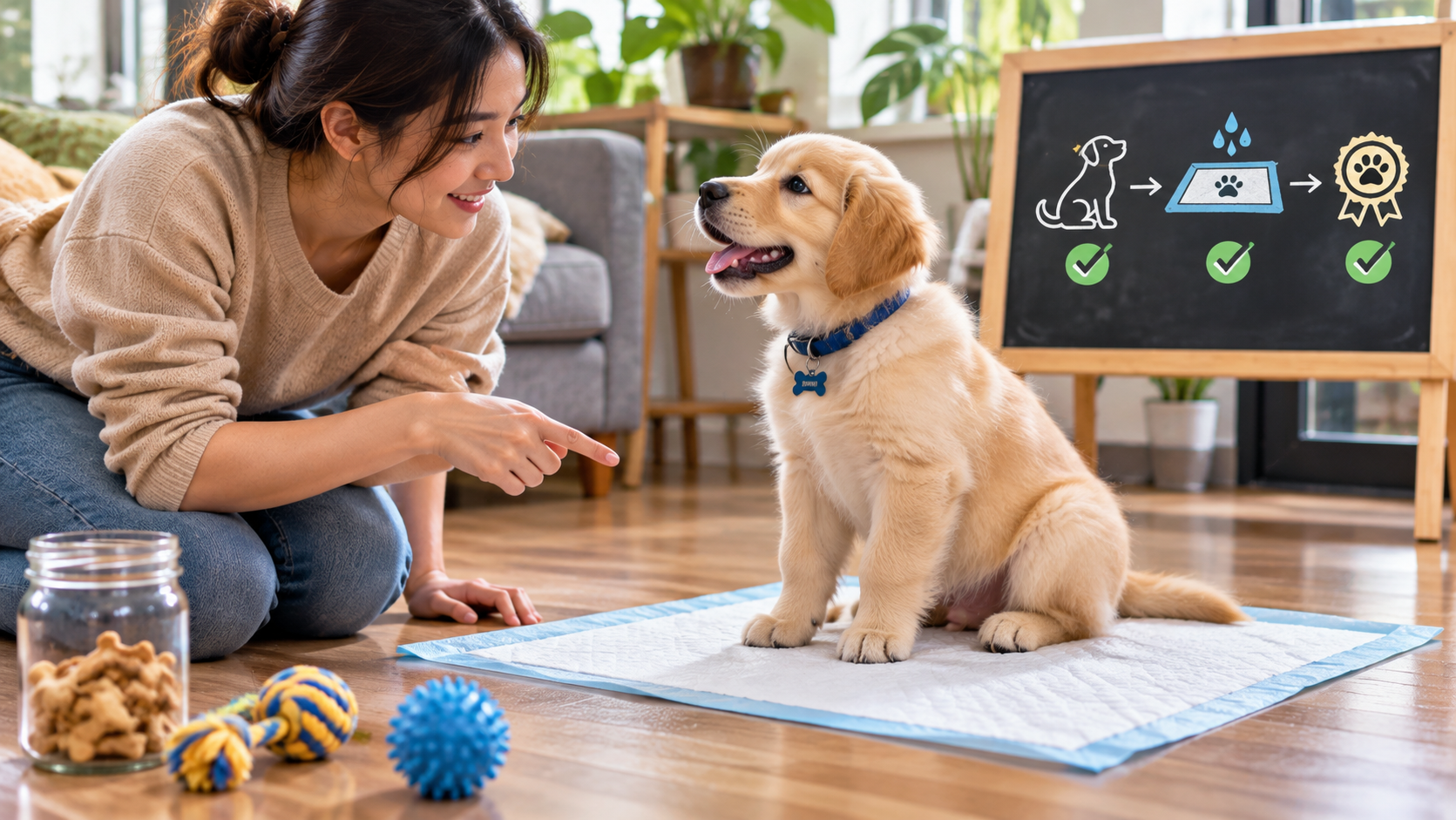
Potty Training Puppies Effectively is a crucial step in nurturing a well-behaved dog. Establishing a routine not only helps your puppy understand where and when to relieve themselves but also fosters a bond built on trust and communication between you and your furry friend.
In this guide, we will explore essential methods and techniques that can simplify the potty training process, ensuring a smoother experience for both you and your puppy. From understanding readiness signs to maintaining long-term habits, we’ve got you covered!
Understanding the Basics of Potty Training Puppies
Establishing a solid foundation for potty training is crucial for the successful integration of a puppy into any household. With a few key concepts in mind, new pet owners can navigate this often challenging yet rewarding process. Understanding the basics of potty training can significantly ease both the puppy’s and the owner’s journey towards achieving a well-trained furry friend.
Routine plays an essential role in the potty training process. Creating a schedule helps puppies anticipate their potty needs, making it easier for them to learn the appropriate times and places to relieve themselves. A consistent routine not only reinforces good behavior but also fosters a sense of security in the puppy.
Signs of Readiness in Puppies for Potty Training
Identifying when a puppy is ready for potty training can make a significant difference in the effectiveness of the process. Puppies generally show specific signs that indicate they are prepared to learn. These signs include:
- Increased awareness of surroundings: Puppies start to become more observant and may sniff or circle before they need to go.
- Age: Most puppies are ready to begin potty training between 12 weeks and 16 weeks old, as they gain more control over their bladder and bowels.
- Consistency in elimination: Regular timing of bathroom breaks can indicate that the puppy is developing a routine of their own.
- Interest in following you outside: A puppy eager to accompany you outdoors may be ready for training.
Role of Positive Reinforcement in Successful Potty Training
Positive reinforcement is a powerful tool when it comes to teaching puppies proper potty habits. By rewarding desired behaviors, pet owners can encourage their puppies to repeat those actions in the future. This technique builds a foundation of trust and motivation.
Using treats, praise, or playtime as rewards can significantly enhance the training experience. Each time a puppy successfully eliminates in the designated area, it is important to immediately offer praise or a treat. This creates a strong association between the action and the reward, reinforcing the behavior.
“The key to successful potty training lies in the consistency of rewards and the timely reinforcement of good behavior.”
In addition to verbal praise, offering a favorite toy or engaging in playtime can serve as effective reinforcements. This approach not only makes training more enjoyable for the puppy but also strengthens the bond between the pet and the owner. Maintaining a positive attitude throughout the process helps to create a rewarding environment, ensuring that both the puppy and the owner feel accomplished as progress is made.
Choosing the Right Location for Potty Training
Finding the right location for potty training your puppy is crucial for establishing good habits early on. Whether you opt for indoor or outdoor spaces, a well-chosen potty area can make the training process smoother and more effective. This ensures your puppy learns where they should relieve themselves and prevents accidents throughout your home.
Consistency in location plays a significant role in effective potty training. Puppies thrive on routine, and taking them to the same spot each time helps them associate that area with potty time. By consistently using the same location, you reinforce the idea that this is the designated spot for their business, which is essential for their learning process.
Identifying Ideal Locations for Potty Training
Choosing the best potty area requires consideration of both indoor and outdoor options. Here are some ideal locations to consider for each setting:
Indoor Potty Areas:
When training indoors, look for spots that are easily accessible and away from their play area. Some suggestions include:
- Bathroom: A small, tiled area can be easy to clean and is usually near the exit for outdoor training.
- Laundry Room: This space often has a washable floor, making it suitable for an indoor potty area.
- Designated Pad Area: If using puppy pads, select a quiet corner that is away from distractions.
Outdoor Potty Areas:
For outdoor training, the environment should be safe and familiar. Consider these options:
- Backyard: A private area allows your puppy to feel secure and comfortable.
- Quiet Side Yard: If you don’t have a backyard, a quiet side yard can provide a peaceful environment.
- Nearby Park: For socialized puppies, a local park with designated pet areas can be beneficial, but watch for distractions.
“Consistency in location fosters routines that puppies can rely on for successful potty training.”
Selecting a Designated Potty Area
When selecting a designated potty area for your puppy, consider the following factors to ensure effectiveness and convenience:
- Accessibility: The area should be easily accessible for both you and your puppy, minimizing the time it takes to get there.
- Seclusion: A quiet spot away from high-traffic areas will help your puppy focus on the task without distractions.
- Surface Material: Choose a surface you can easily clean, whether it’s grass, gravel, or a washable pad.
- Consistency with Commands: Always use the same verbal cues when leading your puppy to this area to create a strong association.
By thoughtfully selecting the right locations and maintaining consistency, you’ll set your puppy up for successful potty training, making the process a lot easier for both you and your furry friend.
Essential Tools and Supplies for Potty Training
Successfully potty training your puppy requires the right tools and supplies to facilitate the process. This preparation not only makes the training smoother but also enhances the overall experience for both the puppy and the owner. Understanding what items are essential can greatly improve the likelihood of success in this important phase of pet ownership.
An array of supplies can assist in establishing a routine and creating an environment conducive to learning. Here’s a list of must-have supplies that every puppy owner should have when embarking on the potty training journey.
Must-Have Supplies for Successful Potty Training
Having the right supplies expedites the training process and helps manage accidents effectively. Below is a list of essential items that should be part of your potty training toolkit:
- Pee Pads: These are absorbent pads designed for indoor training and are especially useful for small breeds or during inclement weather.
- Leash and Collar: A sturdy leash and collar ensure that you can take your puppy outside safely, setting the stage for outdoor potty breaks.
- Potty Training Spray: This product encourages your puppy to relieve themselves in the desired area by attracting them with a specific scent.
- Cleaning Supplies: Enzymatic cleaners are crucial for eliminating odors and stains that can attract your puppy back to the same spot.
- Pet-Friendly Treats: Rewarding your puppy with treats after successful potty breaks reinforces positive behavior.
Benefits of Using Pee Pads Versus Outdoor Training
Choosing between pee pads and outdoor training can depend on various factors, including your living situation and the puppy’s behavior. Each method has its own set of advantages.
Using pee pads offers the convenience of indoor potty training. They are particularly beneficial for those living in apartments or during extreme weather conditions. Puppies can easily access pee pads, which allows them to relieve themselves without needing to go outside. Additionally, using pee pads can help in the early stages of training before the puppy is fully vaccinated.
On the other hand, outdoor training can be more beneficial in the long run, teaching the puppy to associate bathroom breaks with being outside. This method can aid in developing the dog’s natural instincts and help them understand the routine of going to the bathroom outdoors, which is essential for their socialization and healthy habits.
Utilization of Cleaning Products to Eliminate Odors Effectively
Accidents are a natural part of the potty training process, and how you handle them can significantly influence your puppy’s learning. It’s crucial to use appropriate cleaning products to effectively eliminate odors and stains that can encourage repeat accidents in the same area.
Enzymatic cleaners are particularly effective for this purpose. These products contain enzymes that break down the organic materials found in urine and feces, effectively neutralizing odors while cleaning the surface. Following these steps can help ensure your cleaning efforts are successful:
- Blot the Area: Use paper towels or cloths to absorb as much liquid as possible before applying any cleaners.
- Apply the Cleaner: Generously apply the enzymatic cleaner to the affected area and let it sit for the recommended time to break down the mess.
- Rinse and Dry: After the cleaner has done its job, rinse the area with water and blot dry to remove any remaining residue.
By utilizing these tools and techniques, you can create a more effective and enjoyable potty training experience for your puppy.
Establishing a Potty Schedule for Your Puppy
Creating a structured potty schedule is essential for effective potty training. Puppies thrive on routine, and having a regular schedule helps them understand when and where they should relieve themselves. This structured approach not only makes the process smoother for you and your puppy but also minimizes accidents in the house.
A well-structured potty schedule is based on several factors, including the age and breed of your puppy. Generally, younger puppies have smaller bladders and will need to go outside more frequently. For example, a rule of thumb is that puppies can hold their bladder for about one hour for every month of age, up to a maximum of about 8 hours. Therefore, a 2-month-old puppy may need to go out every 2 hours, while a 4-month-old might need a break every 4 hours.
Adjusting the Potty Schedule as Your Puppy Grows
As your puppy matures, it will become more capable of holding its bladder for longer periods. Adjusting the potty schedule is crucial, as it accommodates their developing needs and increases their independence. Here are some key points to consider when adjusting the potty schedule:
- Increase Interval Gradually: As your puppy ages, gradually extend the time between potty breaks. This helps them learn to hold it longer while still providing them opportunities to relieve themselves.
- Monitor Behavior: Keep an eye on your puppy’s cues. If it starts showing signs of restlessness or circles around, it may need to go out, even if it’s not time according to the schedule.
- Age-Specific Guidelines: Use the following guidelines as a reference for frequency based on age:
- 2-3 months: Every 2 hours
- 4-6 months: Every 4 hours
- 6 months and older: Every 6-8 hours
Frequent potty breaks are crucial, especially after meals. Puppies have a strong instinct to relieve themselves following eating or drinking. Implementing a rule to take your puppy out within 15 to 30 minutes after every meal will significantly reduce indoor accidents.
“Establishing a consistent potty routine reinforces good habits and helps puppies learn the appropriate times to go outside.”
In addition to meal times, other scenarios warrant a potty break, such as after nap times or periods of play. By integrating these consistent breaks into your daily routine, you not only aid in successful potty training but also strengthen the bond with your puppy through positive interactions during these moments.
Techniques for Reinforcing Good Behavior in Potty Training
Potty training puppies requires patience and consistency, but reinforcing good behavior can make the process smoother and more effective. Utilizing rewards and positive reinforcement not only encourages your puppy to learn desired behaviors but also strengthens the bond between you and your furry friend. Understanding how to properly reward your puppy after successful potty trips is essential in establishing good habits.
Timing plays a crucial role in reinforcing good behavior during potty training. When your puppy successfully eliminates outside or in the designated potty area, it is important to reward them immediately. This helps the puppy associate the action with the positive reinforcement, whether it be treats, toys, or verbal praise. If the reward is given too late, the connection between the behavior and the reward may be lost, making it less effective.
Methods for Rewarding Your Puppy
Implementing various methods for rewarding your puppy can enhance the effectiveness of potty training. Here are some key strategies for reinforcing good behavior:
- Treats: Using small, tasty treats immediately after a successful potty trip can be highly motivating for your puppy. Choose treats that are easy to chew and digest, ensuring they are appropriate for your puppy’s age and size.
- Verbal Praise: A cheerful tone and encouraging words like “Good job!” or “Well done!” can boost your puppy’s confidence and reinforce positive behavior. Combine this with physical affection, such as petting or belly rubs, for added encouragement.
- Playtime: Offering a short play session as a reward can be an effective way to reinforce good behavior. After a successful potty trip, engaging your puppy in a fun activity can create a positive association with the behavior.
- Favorite Toys: Letting your puppy play with their favorite toy right after they go potty encourages them to repeat the behavior. This creates a special reward that is tied to their success in potty training.
“Immediate rewards strengthen the connection between desired behavior and positive outcomes, making potty training more effective.”
The use of verbal praise alongside treats serves as a powerful positive reinforcement tool. Puppies thrive on social interaction and approval from their owners. When coupled with treats, verbal praise can significantly enhance the learning process, encouraging your puppy to repeat the behavior you want.
Keep in mind that consistency is key. Reinforcing good behavior consistently helps your puppy understand what is expected and builds a routine. With the right techniques, potty training can be a rewarding experience for both you and your puppy.
Handling Accidents During Potty Training
Accidents are a natural part of potty training for puppies, and understanding how to effectively manage these situations can make the process smoother for both you and your furry friend. By recognizing the common reasons behind these mishaps and employing a structured approach to correction, you can help your puppy learn the appropriate behaviors more quickly.
Puppies can have accidents for various reasons, including physical limitations, lack of understanding, and environmental factors. Identifying these causes is essential for effective training and can lead to better management of future incidents. Here’s how to deal with accidents when they occur:
Common Reasons for Accidents in Puppies
It’s important to understand that accidents are often a result of several factors. These include:
- Immaturity of the bladder: Puppies have small bladders and may need to relieve themselves more frequently than adult dogs.
- Incomplete house training: If a puppy hasn’t fully learned where to go, they may not recognize when they need to eliminate.
- Excitement or anxiety: Puppies may urinate when overly excited or scared due to their emotional state.
- Medical issues: Health problems such as urinary tract infections can lead to increased accidents.
Step-by-Step Approach to Managing Accidents
When an accident occurs, it’s important to handle it calmly and effectively. Follow these steps:
- Stay calm: Avoid punishing your puppy, as this can create anxiety and worsen the problem.
- Clean up immediately: Use an enzymatic cleaner to eliminate odors that may encourage the puppy to return to the same spot.
- Redirect your puppy: If you catch them in the act, gently interrupt and take them outside to encourage them to finish in the appropriate place.
- Observe your puppy: Look for signs they need to go, such as sniffing around or circling.
- Establish a routine: Take your puppy out at regular intervals, especially after eating, drinking, or waking up.
Strategies for Preventing Future Accidents
Preventing accidents requires careful observation and proactive measures. Here are strategies to help:
- Monitor water intake: Keep track of how much your puppy drinks and adjust potty breaks accordingly.
- Limit freedom in the house: Use a crate or confined space to manage your puppy’s environment until they are fully trained.
- Use positive reinforcement: Reward your puppy with treats and praise when they eliminate outside, reinforcing the desired behavior.
- Consistent schedule: Establish a consistent feeding and potty schedule to help develop regular habits.
Accidents are learning opportunities. Stay patient and consistent, and your puppy will eventually get the hang of it!
Troubleshooting Common Potty Training Challenges
Potty training puppies can be a rewarding yet challenging journey. While many pups catch on quickly, some may display tricky behaviors that can test your patience. Understanding common obstacles such as regression and stubbornness is essential for successful training. This section will address these challenges and provide practical solutions to help you navigate them effectively.
Regression and Stubbornness in Potty Training
Regression can occur when a puppy, who previously seemed to understand where to go, suddenly begins to have accidents indoors again. This can be frustrating and may stem from several factors such as changes in routine, stress, or even health issues. It’s important to remain calm and identify potential triggers for this behavior. Implementing a consistent schedule for bathroom breaks can help reinforce good habits.
Stubbornness may manifest when a puppy refuses to go outside or simply ignores cues to relieve themselves. In such cases, ensuring the outdoor environment is comfortable and free from distractions is crucial. Puppies may be deterred by loud noises, unfamiliar spaces, or even other animals. To address this, consider creating a designated potty area that is quiet and familiar, encouraging your pup to associate it with a safe place to relieve themselves.
Fear or Anxiety Related to Potty Training
Some puppies may experience fear or anxiety about going outside, which can complicate the potty training process. Signs of fear might include trembling, hiding, or reluctance to step outside. Recognizing and addressing these fears is essential for a successful training experience. Gradually exposing your puppy to outdoor environments in a positive manner can help alleviate anxiety.
Begin by taking short trips outside and rewarding your puppy with treats and praise for any successful attempts to potty. Additionally, consider using calming aids such as pheromone sprays or anxiety wraps, which can help ease their nervousness. Always be patient and encouraging, allowing your puppy to explore at their own pace.
Maintaining Patience and Consistency
Potty training requires a significant amount of patience and consistency from owners. It is crucial to establish a routine that your puppy can rely on, as this helps them learn when and where it is appropriate to go. Keeping a regular schedule for feeding, potty breaks, and playtime will foster a sense of stability.
If accidents happen, avoid punishment. Instead, clean the area thoroughly to eliminate lingering scents that might encourage repeat offenses. Remember that positive reinforcement is key; rewarding your puppy immediately after they relieve themselves outside not only reinforces good behavior but also strengthens your bond.
“Consistency breeds success in puppy potty training.”
Fostering a supportive and understanding environment will significantly enhance your puppy’s confidence and willingness to learn. Remember, every puppy is unique, and it may take time, but with dedication and care, you can successfully navigate the challenges of potty training.
Transitioning from Indoor Training to Outdoor Potty Habits
Transitioning your puppy from indoor potty training to outdoor potty habits is a critical phase that requires patience and consistency. This shift not only helps your puppy learn where it’s appropriate to relieve themselves, but it also enhances their socialization skills and connection with the outdoors. By following a gradual approach, you can ensure your puppy adapts to the new environment and processes the change smoothly.
As you begin the transition, it’s important to introduce outdoor potty training gradually. Start by taking your puppy outside after they have eaten, woken up, or engaged in play. These are key times when they are likely to need to relieve themselves. Create a routine where you consistently take them to the same spot outdoors. The familiar scent will help signal to your puppy that it’s time to go potty. You should keep the outings brief, allowing them to relieve themselves without distractions. If they do go potty outside, offer lots of praise and treats to reinforce the behavior positively.
Weather and Environment Considerations
When transitioning to outdoor potty habits, weather and environmental factors can significantly impact your puppy’s comfort and willingness to go outside. Here are some considerations to keep in mind:
- Temperature: During extreme temperatures—whether hot or cold—your puppy may be reluctant to go outside. Ensure they are comfortable by keeping potty trips short in harsh weather. Dress your puppy in appropriate gear for cold weather, like jackets or booties, if necessary.
- Distractions: Outdoor environments can be full of distractions. Choose a quiet area for potty training sessions to minimize interruptions. Avoid busy parks or areas with too much foot traffic until your puppy consistently understands the routine.
- Surface Types: Grass is typically a more inviting surface for puppies, while concrete or rocky areas may be less appealing. Introduce your puppy to various surfaces gradually, rewarding them for pottying on any surface you plan to use.
- Safety: Be mindful of hazards like other animals, traffic, or toxic plants in your potty training area. Always supervise your puppy closely during outdoor outings.
Reinforcing Outdoor Potty Habits
Consistency is key when establishing outdoor potty habits. Reinforce this behavior by following a few important practices that will help solidify your puppy’s understanding:
- Routine: Maintain a consistent schedule for outdoor potty breaks. Puppies thrive on routine, and regular trips outside will help them learn when and where to go.
- Positive Reinforcement: Each time your puppy successfully goes potty outside, immediately reward them with praise, treats, or playtime. This immediate reinforcement helps them associate the outdoor potty area with positive outcomes.
- Gradual Withdrawal of Indoor Option: As your puppy becomes more reliable outdoors, gradually reduce the frequency of indoor potty breaks. If accidents occur, don’t punish; instead, reinforce the outdoor routine.
- Monitor Signs: Keep an eye on your puppy’s behavior. If they start sniffing or circling, it’s a sign they may need to go outside. Be proactive in taking them out to reinforce the habit.
“Consistency and positive reinforcement are the cornerstones of successful potty training.”
Understanding Individual Differences in Puppies During Training
Every puppy is unique, and their individual differences can significantly influence the effectiveness of potty training. Factors such as breed characteristics, age, and temperament all play a role in how a puppy responds to training methods. Being aware of these differences allows for a more tailored approach, which can lead to quicker and more successful potty training outcomes.
Training methods should be adaptable to accommodate the specific needs of different breeds. For instance, some breeds may have a stronger instinct to keep their living space clean, which can aid in potty training. In contrast, other breeds might be more stubborn or independent, necessitating a more patient and persistent approach. Understanding these breed-specific traits can help owners choose the most effective techniques.
Influence of Age and Temperament on Potty Training Success
Age and temperament are crucial factors in potty training puppies. Younger puppies typically have less control over their bladders and bowels, making frequent bathroom breaks necessary. As they grow, their ability to hold it increases, and training can be adjusted accordingly.
Temperament also influences how a puppy might react to training. More anxious or timid puppies may require a gentler, reassurance-based approach, while more confident and energetic puppies might thrive with a more structured and assertive method.
To effectively adapt training methods based on individual puppy behavior, consider the following tips:
- Recognize breed specifics: Research your puppy’s breed to understand its tendencies, which can inform your training techniques.
- Adjust frequency of breaks: Younger puppies may need to go outside every hour, while older puppies can be gradually weaned to longer intervals.
- Utilize positive reinforcement: Tailor rewards to the puppy’s personality—some may respond better to treats, while others might prefer playtime or verbal praise.
- Monitor body language: Learn to read your puppy’s signals for needing to potty, as this will help reinforce appropriate bathroom habits.
- Be patient and consistent: Every puppy learns at its own pace, so maintaining a steady routine will support their learning process.
“Understanding that each puppy has its own personality and needs can make all the difference in successful potty training.”
Long-term Maintenance of Potty Training Success
Maintaining the success of your puppy’s potty training is just as crucial as the training itself. Once your puppy has learned the ropes, it’s essential to keep that momentum going to avoid any setbacks. Establishing a routine even after successful potty training helps reinforce good habits and ensures that your puppy continues to understand the expectations around their potty behavior.
Even with the best training, relapses can occur. This may happen due to changes in the environment, stress, or simply a lack of consistency. Addressing these potential relapses requires a proactive approach. If your puppy shows signs of regression, it’s important to revisit the basics of potty training. This might include frequent outdoor visits, closely monitoring their behavior, and offering praise when they go in the right location. Such measures help remind your puppy of the established rules.
Strategies for Ensuring Consistent Potty Habits
To keep your puppy mindful of their potty training, it’s essential to develop habits that promote consistent behavior. Below are key strategies to help maintain your puppy’s potty training success:
1. Stick to a Consistent Schedule: Regular feeding and potty times instill a sense of routine. Puppies thrive on predictability, so aim for specific times for meals, play, and bathroom breaks.
2. Use Positive Reinforcement: Always reward your puppy immediately after they go potty outside. This can be verbal praise, treats, or playtime, making them associate going outside with good things.
3. Monitor Changes in Behavior: Be alert to any changes in your puppy’s behavior that may signal an issue. Increased accidents indoors may suggest medical problems or stress, which need to be addressed.
4. Limit Access Indoors: When you’re unable to supervise your puppy, consider using baby gates or keeping them in a crate to prevent accidents and reinforce the idea that the outdoors is the appropriate place to relieve themselves.
5. Regularly Review Training Techniques: Occasionally revisiting the training process can serve as a refresher. This might include setting aside dedicated time to practice commands related to potty training and reinforcing the behaviors you want to see.
“A well-maintained routine is key to long-term potty training success.”
By implementing these strategies, you can help ensure that your puppy remains mindful of their potty rules long after the initial training phase. Stability and consistency in your approach will set your puppy up for lasting success, making potty training a seamless part of your shared life together.
Final Conclusion
In conclusion, successful potty training is all about consistency, patience, and positive reinforcement. By applying these strategies and understanding your puppy’s unique needs, you can make the journey enjoyable and rewarding. Remember, every small victory is a step towards a well-trained companion!
FAQ
What age should I start potty training my puppy?
It’s best to start potty training your puppy between 12 to 16 weeks, when they are developmentally ready to learn.
How do I know if my puppy is ready for potty training?
Signs of readiness include the ability to hold their bladder for a few hours, showing interest in going outside, and following you around.
Should I use pee pads or train my puppy outdoors?
Using pee pads can be convenient for indoor training, but transitioning to outdoor potty habits is essential for long-term success.
How long does potty training usually take?
Potty training can take anywhere from a few weeks to several months, depending on the puppy’s age, breed, and individual temperament.
What should I do if my puppy has accidents?
Stay calm, clean the area thoroughly to remove odors, and reinforce positive behavior when they go in the right spot.