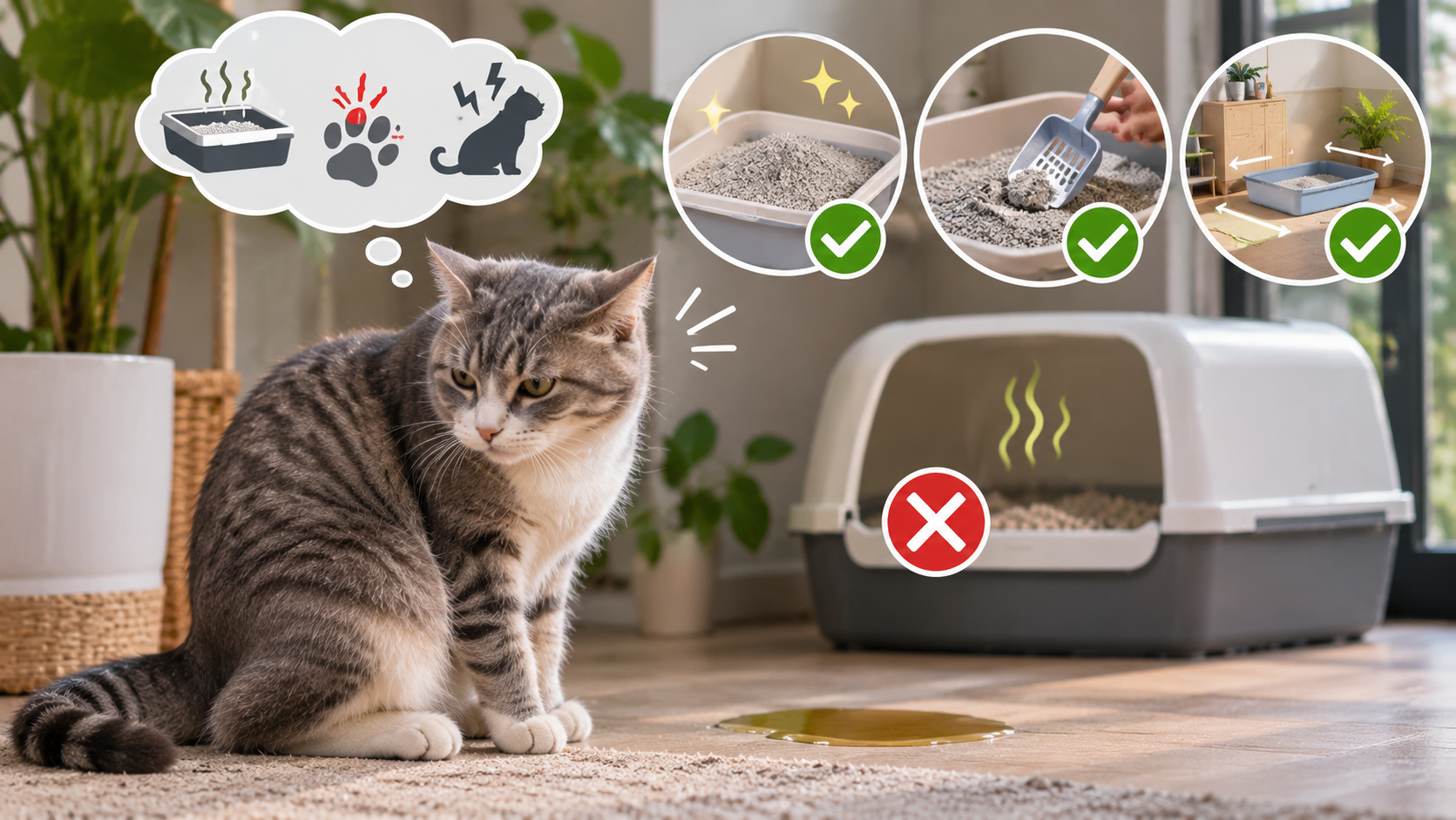
Litter Box Avoidance in Cats is a pressing issue that many cat owners face, often leading to confusion and frustration. Understanding the underlying causes of this behavior is crucial for both the well-being of the cat and the harmony of the household. From medical conditions to environmental changes, there are various factors that can affect a cat’s willingness to use the litter box. This exploration not only delves into the reasons behind litter box avoidance but also provides practical solutions to encourage proper usage.
As we navigate through the complexities of this topic, we will uncover the signs of litter box avoidance, the types of litter boxes that can impact behavior, and effective behavioral modification techniques. Additionally, we will discuss the role of diet and environmental enrichment in promoting positive litter box habits. By the end of this discussion, you’ll be equipped with the knowledge to tackle this challenge head-on.
Understanding the Causes of Litter Box Avoidance in Cats
Litter box avoidance in cats can be a perplexing issue for pet owners, often leading to frustration and concern. Understanding the underlying causes of this behavior is essential for effectively addressing the problem. Various medical, environmental, and behavioral factors can contribute to a cat’s reluctance to use their litter box, and identifying these elements can help ensure a happier, healthier feline companion.
Common Medical Issues
Numerous medical conditions may cause a cat to avoid the litter box, with urinary tract infections (UTIs) being one of the most common culprits. A UTI can cause pain and discomfort, making the act of urinating uncomfortable for the cat. Additionally, gastrointestinal problems such as constipation or diarrhea can lead to similar aversions. When a cat associates the litter box with pain, they may seek alternative spots to relieve themselves. Other medical issues, such as kidney disease or diabetes, can also impact litter box habits by altering a cat’s urination patterns.
Environmental Factors
Environmental stressors can significantly influence a cat’s willingness to use their litter box. Changes within the household, such as new pets, the arrival of a baby, or even moving to a new home, can create anxiety for a cat. Cats are creatures of habit, and disruptions in their routine can lead to litter box avoidance. Additionally, the litter box’s location, cleanliness, and type of litter used play essential roles in a cat’s comfort level. A litter box in a high-traffic area or one that is not regularly cleaned may deter a cat from using it.
Behavioral Issues
Certain behavioral issues can arise in cats and impact their litter box use. For example, territorial disputes with other pets can lead to stress and avoidance behaviors. A cat may feel threatened by another animal’s presence and avoid their litter box out of fear. Additionally, anxiety-related behaviors, such as those stemming from past trauma, can disrupt a cat’s normal bathroom habits. Understanding these behavioral nuances is crucial for addressing litter box avoidance; in some instances, consulting with a veterinarian or animal behaviorist may be necessary to devise an effective treatment plan.
Identifying Signs of Litter Box Avoidance
Cats are known for their cleanliness, but when they start avoiding the litter box, it can lead to significant issues for both the pet and the owner. Recognizing the signs of litter box avoidance is crucial in addressing the underlying problems and ensuring a harmonious living environment. Identifying these signs early can prevent further complications, such as behavioral issues or health concerns.
Behavioral signs of litter box avoidance can manifest in various ways. Inappropriate elimination, where a cat chooses to urinate or defecate outside the litter box, is often the most evident sign. This behavior can stem from various factors, including stress, changes in the household, or medical issues. Changes in grooming habits may also indicate discomfort; for instance, a cat might groom excessively or stop grooming altogether due to anxiety or a possible urinary tract infection. To effectively assess a cat’s litter box habits, careful observation is necessary.
Monitoring the frequency of litter box use can reveal a lot about a cat’s comfort level. For example, if a cat that typically uses the box several times a day suddenly reduces its visits, it may be signaling a problem. Equally important is taking note of where accidents occur. If a cat consistently eliminates in a specific location, this might indicate an aversion to the litter box or its surroundings.
In addition to behavioral signs, physical indicators can accompany litter box avoidance. Cats may exhibit signs of distress, such as vocalizing more than usual, hiding, or displaying aggressive behavior. Often, discomfort can also manifest physically; for example, a cat may adopt a hunched posture and show reluctance to move. Additionally, symptoms like straining to urinate or blood in the urine should not be overlooked, as they may point to a serious health issue requiring immediate veterinary attention.
Overall, recognizing these signs serves as a critical first step in understanding and resolving your cat’s litter box avoidance behavior.
Different Litter Box Types and Their Impact on Cat Behavior
The type of litter box you choose for your cat can significantly influence their bathroom habits and overall comfort. Understanding the various options available enables pet owners to create an inviting and stress-free environment for their feline friends. In this segment, we will explore the different litter box types, the impact of litter materials, and the importance of placement for encouraging consistent use.
Comparison of Litter Box Types
Different types of litter boxes come with their own advantages and drawbacks, affecting a cat’s willingness to use them. Below are the primary types of litter boxes you might consider:
- Covered Litter Boxes: These boxes have a lid or cover that provides privacy for the cat, which can be beneficial for shy or anxious felines. However, some cats may feel trapped and avoid using them.
- Uncovered Litter Boxes: Open litter boxes are often preferred by many cats as they allow easy access and visibility. They are easier to clean but may lead to odors spreading more easily.
- Self-Cleaning Litter Boxes: These high-tech options automatically scoop waste, minimizing maintenance for the owner. While convenient, not all cats accept these boxes, often due to the noise they produce or unfamiliar mechanisms.
Impact of Litter Material on Usage
The choice of litter material also plays a critical role in whether or not a cat will use the litter box. The two primary categories of litter are clumping and non-clumping.
- Clumping Litter: This type forms solid clumps when wet, making it easier to scoop out waste. Cats often prefer clumping litter because of its texture and the clean feel it provides.
- Non-Clumping Litter: While often less expensive, this litter absorbs moisture without clumping. Some cats may not like the feel of non-clumping litter, leading to avoidance of the box.
Importance of Litter Box Location and Accessibility
Choosing the right location for a litter box is just as crucial as the type of box or litter used. An inappropriate location can deter a cat from using it altogether. Consider the following factors when selecting a spot:
- Quiet Area: Cats prefer a litter box located in a quiet space away from loud noises and high traffic areas. This ensures they feel safe and undisturbed while using the box.
- Accessibility: Ensure the box is easily accessible, particularly for older cats or those with mobility issues. It should not be placed in hard-to-reach areas.
- Distance from Food: Cats typically do not want to eliminate near their food or water. Ensure there is a reasonable distance between their eating area and the litter box.
Optimal litter box conditions contribute significantly to a cat’s willingness to use the box, reducing the likelihood of litter box avoidance.
By understanding the impact of different litter box types, litter materials, and placement, cat owners can create a welcoming environment that encourages regular use and promotes overall well-being for their pets.
Behavioral Modification Techniques for Litter Box Issues
Addressing litter box avoidance in cats can often require a combination of behavioral modification techniques aimed at encouraging proper use of the litter box. By understanding feline behavior and applying structured methods, owners can effectively guide their cats back to consistent litter box usage.
One effective approach to modify a cat’s behavior involves positive reinforcement and desensitization. Positive reinforcement emphasizes rewarding desirable behavior, while desensitization helps cats become more comfortable with the litter box environment. This dual approach can create a more inviting and engaging experience for the cat.
Positive Reinforcement Techniques
Utilizing positive reinforcement can significantly enhance a cat’s willingness to use the litter box. This method focuses on rewarding desired behaviors rather than punishing undesirable ones. Implementing positive reinforcement involves several steps:
1. Identify Triggers: Understand what may be causing the avoidance, such as stress, discomfort, or an unsatisfactory litter type.
2. Create a Reward System: Choose treats or praise that your cat enjoys and will respond to positively.
3. Encourage Litter Box Exploration: When your cat approaches or enters the litter box, immediately provide a reward. This can be verbal praise, a favorite treat, or gentle petting.
4. Consistency is Key: Reinforce the behavior consistently over time. This means rewarding every positive interaction with the box until the behavior becomes habitual.
Positive reinforcement helps shape behavior by associating good experiences with litter box use.
Desensitization Process for Litter Box Acceptance
Desensitization is crucial when a cat exhibits fear or anxiety about the litter box. The gradual introduction of the box can help ease these fears. Here’s a structured plan:
1. Initial Observation: Monitor the cat’s behavior around the litter box without pressure, allowing them to become accustomed to its presence.
2. Placement: Position the litter box in a quiet, accessible area. Avoid busy locations that could overwhelm the cat.
3. Introduce Gradually: Start by placing the litter box in the room and encouraging the cat to explore it without expectation. Leave the lid off if it has one, allowing for easy access.
4. Timeframe: Over a week or two, encourage interactions with the litter box, gradually moving closer to using it for actual elimination.
5. Monitor and Adjust: If the cat shows reluctance, slow down the process. Add blankets or items with the cat’s scent to encourage familiarity.
Desensitization involves gradually exposing the cat to the litter box in a non-threatening manner, allowing them to feel secure.
Case Studies of Successful Interventions
Real-life examples can shed light on the effectiveness of these behavioral modification techniques.
One case involved a cat named Bella, who began avoiding the litter box due to a recent move and changes in the household. The owner utilized positive reinforcement by offering treats every time Bella approached the box. After a month of consistent praise, Bella regained her confidence and returned to regular litter box use.
Another example is Oliver, a cat who exhibited fear of the litter box after a traumatic experience. His owner took a slow approach through desensitization, first allowing him to explore the box with treats nearby, then gradually introducing it to him with the lid off. Over three weeks, Oliver adjusted, and with patience, he began using the box regularly again.
Through these examples, it is evident that a combination of positive reinforcement and desensitization can lead to successful outcomes in addressing litter box avoidance in cats.
The Role of Diet in Litter Box Avoidance
Diet plays a significant role in the overall health of cats, influencing not only their physical well-being but also their litter box habits. A balanced and appropriate diet is essential for the maintenance of healthy gastrointestinal and urinary systems. When cats experience dietary issues, it can lead to discomfort and avoidance of the litter box, creating a frustrating situation for both the pet and the owner. Understanding the impact of diet on litter box behavior can help cat owners make informed decisions about their feline friends’ nutrition.
Gastrointestinal issues often arise from certain types of food, which can lead to diarrhea, constipation, or upset stomachs. Dry foods high in fillers or low-quality ingredients can negatively affect a cat’s digestive health. Cats require a protein-rich diet, and the absence of essential nutrients can result in poor digestion and avoidance of the litter box. Monitoring the quality of the food offered is paramount to ensuring that a cat’s litter box habits are consistent and healthy.
Influence of Hydration on Urinary Health
Hydration is crucial for maintaining urinary health in cats. Insufficient water intake can lead to urinary tract issues, including urinary crystals, stones, and infections, which may deter cats from using the litter box. It’s important for cat owners to recognize the signs of dehydration and understand how diet can influence water consumption.
Cats often do not drink enough water, especially if they are primarily fed dry food. Increasing moisture in their diet can promote better urinary health. Here are some dietary changes to encourage hydration:
- Incorporate wet food into their diet, which has a higher water content compared to dry kibble.
- Ensure fresh water is always available; consider using a cat water fountain to encourage drinking.
- Mix a little water or low-sodium broth into dry food to increase moisture intake.
- Provide ice cubes or frozen treats made from chicken broth to intrigue and hydrate.
By prioritizing hydration, owners can help prevent urinary complications that might otherwise lead to litter box avoidance.
Transitioning to a New Diet
When it becomes necessary to change a cat’s diet, a gradual transition is essential to avoid gastrointestinal disturbances. Sudden dietary changes can lead to vomiting or diarrhea, which may result in the cat associating discomfort with the litter box.
Here’s a useful guide to introduce a new diet effectively:
- Start by mixing a small amount of the new food with the current food, gradually increasing the new food’s proportion over 7 to 10 days.
- Monitor your cat’s stool consistency daily to assess their tolerance to the new diet. Aim for firm and well-formed stools.
- Observe your cat’s behavior during the transition. Any signs of distress or refusal to eat should prompt an immediate reevaluation of the diet.
- Consult with a veterinarian if the cat shows significant changes in behavior, such as litter box avoidance or heightened discomfort.
This gradual approach helps ensure a smooth diet transition, supporting better litter box behavior and overall health.
“A balanced diet not only nourishes a cat’s body but also supports its overall health, thereby promoting consistent litter box habits.”
Environmental Enrichment and Its Effect on Litter Box Usage
Creating a stimulating environment for cats is essential for their well-being and can significantly influence their litter box habits. By reducing stress and providing mental and physical engagement, environmental enrichment can lead to more consistent and appropriate litter box use. Cats are naturally curious and active creatures, and fulfilling their needs through enrichment strategies can alleviate behavioral issues associated with litter box avoidance.
Effective environmental enrichment can minimize stressors that lead to litter box issues. It encourages natural behaviors and offers outlets for energy that, when unmet, may result in inappropriate elimination. By incorporating various strategies into a cat’s environment, owners can create a more positive atmosphere that encourages proper litter box usage.
Interactive Play and Its Benefits
Engaging in interactive playtime with cats not only strengthens the bond between pet and owner but also provides essential physical exercise. Regular playtime keeps cats mentally stimulated and prevents boredom, which can contribute to litter box avoidance. Consider the following interactive play strategies:
- Wand toys: These encourage jumping and pouncing, simulating hunting behavior.
- Laser pointers: A fun way to engage your cat in a chase, but ensure you end with a tangible toy to catch.
- Feather toys: Mimicking the motion of birds, these toys can entice even the laziest of cats.
These activities not only foster a more active lifestyle but also reduce anxiety levels that could affect their litter box habits.
Scratching Posts and Climbing Structures
Providing scratching posts and climbing structures can significantly enhance a cat’s environment. These items address their natural instincts and encourage physical activity. Here are some key advantages:
- Scratching posts: Help maintain claw health and provide an outlet for territorial marking.
- Climbing trees: Allow cats to observe their surroundings from a vantage point, reducing stress and fear.
- Cat condos: Create cozy retreats where cats can feel safe and secure.
By incorporating these elements, owners can create an enriched environment that promotes positive litter box behavior.
Creating a Multi-Cat Household Environment
In homes with multiple cats, competition for resources can lead to stress and litter box issues. It’s essential to create an environment that minimizes conflicts and encourages proper litter box use. Implementing the following strategies can make a difference:
- Separate resources: Ensure each cat has its own litter box, food, and water bowls to prevent competition.
- Vertical space: Provide shelves or perches that allow cats to escape and establish their territory.
- Safe zones: Designate areas where each cat can retreat to feel secure and avoid confrontations.
By thoughtfully structuring the environment, owners can support a more harmonious multi-cat household, ultimately leading to better litter box habits.
Final Conclusion
In conclusion, addressing litter box avoidance in cats requires a comprehensive understanding of the various factors at play. By recognizing the signs, exploring different litter box options, and implementing behavioral modifications, cat owners can significantly improve their pets’ litter box habits. Remember, patience and observation are key in this journey. With the right approach, you can create a comfortable environment that encourages your feline friend to use the litter box consistently, ultimately leading to a happier home for both you and your cat.
Commonly Asked Questions
What should I do if my cat stops using the litter box?
Check for any medical issues with a vet, review the litter box setup, and evaluate any recent changes in the household that could be causing stress.
How often should I clean the litter box?
It’s best to scoop the litter box daily and perform a complete change and cleaning at least once a week.
Can changing the type of litter affect my cat’s habits?
Yes, cats can be particular about their litter, so switching to a more familiar or preferred type can help encourage use.
How many litter boxes should I have for multiple cats?
The general rule is to have one more litter box than the number of cats in the household.
Is it possible for stress to cause litter box avoidance?
Absolutely, stress from changes in the environment or routine can lead to litter box avoidance in cats.