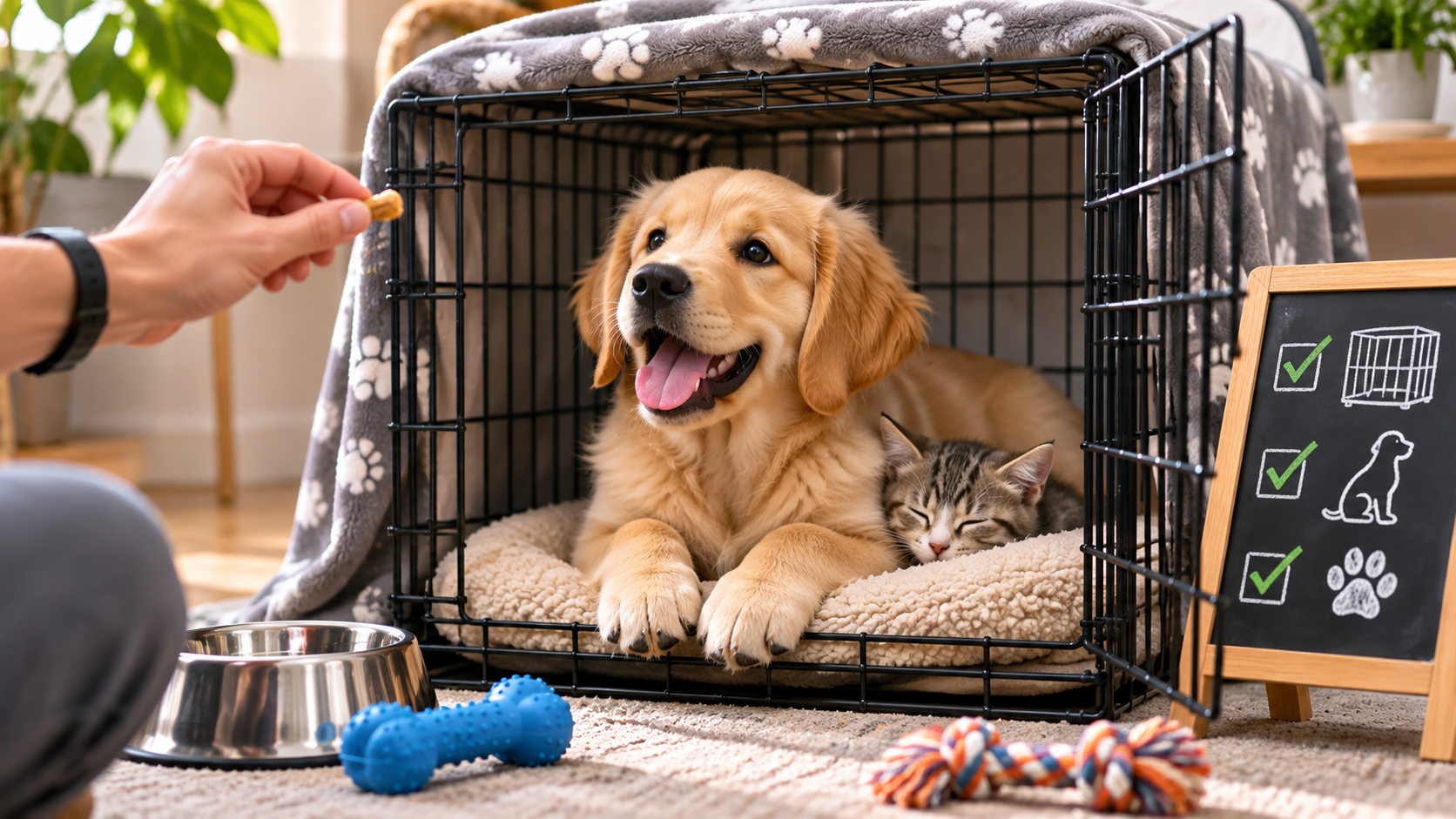
Crate Training Behavioral Principles sets the stage for this enthralling narrative, offering readers a glimpse into a story that is rich in detail and brimming with originality from the outset. Crate training is more than just a method for keeping pets confined; it is a critical tool for shaping their behavior and ensuring their well-being. Understanding the fundamentals of crate training and the psychological principles that underpin it can transform how pet owners approach this essential practice, ultimately fostering a harmonious relationship between humans and their furry companions.
The journey through the principles of crate training unveils the importance of creating a secure environment and the role of consistency in training. As we explore the common mistakes made by pet owners and the techniques for effective training, we will uncover valuable insights that can help eliminate behavioral issues. The evaluation of crate training progress allows pet owners to adapt their methods, ensuring they meet their pets’ needs and facilitate their development. This guide is designed to empower pet owners with knowledge that enhances their crate training experience.
Understanding the Basics of Crate Training
Crate training is a widely recognized method of teaching pets, particularly dogs, to feel comfortable and secure in a designated space. This technique not only aids in house training but also provides a safe haven for pets when their owners are away or when they need a quiet place to retreat. Understanding the importance of crate training helps pet owners establish boundaries and routines that can ultimately lead to a well-adjusted pet.
Historically, crate training can be traced back to the natural instincts of canines, who often seek confined spaces for security. In the wild, dogs would find dens, which offered safety from predators and a warm environment for rearing their young. The concept of crate training has evolved significantly over the years. In the past, crates were often viewed merely as a tool for confinement, but modern perspectives recognize them as an essential component of a pet’s environment. With the rise of positive reinforcement training techniques, crates are now seen as a place of comfort and security, rather than punishment.
Crate training serves multiple purposes, including house training, providing a safe space, and preventing destructive behaviors when owners are not home. When a dog is properly crate trained, it learns to associate the crate with positive experiences. This association can be reinforced through the use of treats, toys, and praise, making the crate a desirable location rather than a place of isolation.
The advantages of crate training include:
- House Training: Crates assist in house training by leveraging a dog’s natural inclination to avoid soiling their living space.
- Safety: They provide a secure area for pets, keeping them safe from potential household hazards when unsupervised.
- Travel: Crates are often required for safe travel, whether in a car or on an airplane, ensuring compliance with safety regulations.
- Separating the Dog: Crates can help acclimate dogs to being alone, assisting with separation anxiety issues.
In addition to the practical benefits, crate training can foster a deeper bond between pet and owner, as it involves consistent interaction and positive reinforcement. By understanding the foundations of crate training, pet owners can create a nurturing environment that supports their pet’s well-being and development.
The Psychological Principles Behind Crate Training
Crate training is not only about providing a safe space for dogs but also revolves around a deep understanding of canine behavior and psychology. By employing specific behavioral principles, owners can foster a sense of security and comfort in their pets while also promoting positive habits. This training method taps into how dogs perceive their environment, learn from their experiences, and interact with their surroundings, ultimately leading to a more harmonious relationship between dog and owner.
One of the foundational principles underlying crate training is operant conditioning, which centers on the idea that behaviors can be modified through reinforcement or punishment. In the context of crate training, positive reinforcement plays a pivotal role. This principle suggests that when a behavior is followed by a favorable outcome, it is more likely to be repeated. For instance, when a dog enters its crate voluntarily and receives a treat or praise, it associates the crate with positive experiences. This relationship between behavior and consequence is vital in shaping a dog’s understanding of its crate as a safe haven rather than a place of confinement.
Positive Reinforcement in Crate Training
Utilizing positive reinforcement effectively can significantly enhance the crate training process. This approach not only builds trust but also encourages dogs to see their crates as comfortable resting areas. The following points illustrate the effects of positive reinforcement in crate training:
- Creates a Safe Environment: When dogs receive rewards for entering their crates, they start to perceive the space as secure and inviting.
- Reduces Anxiety: Positive reinforcement can alleviate the stress some dogs may feel when confined, making them more relaxed during crate time.
- Encourages Independence: Dogs learn to enjoy spending time in their crates, promoting a sense of independence for both the dog and its owner.
- Facilitates Routine Establishment: Regular reinforcement helps establish a routine, allowing dogs to become accustomed to being in their crates during certain times, like when their owners leave the house.
Successful crate training experiences often highlight the effectiveness of positive reinforcement. For instance, a dog named Max was initially resistant to his crate, often whining and scratching at the door. His owner began placing chew toys and treats inside the crate, rewarding him each time he entered. Over time, Max learned to associate his crate with enjoyable moments, leading to a significant reduction in anxiety and a newfound love for his personal space.
Another example involves Luna, a rescue dog who was fearful of enclosed spaces. Through gradual exposure paired with treats and praise, she began to feel more at ease. Her owner celebrated small victories, such as Luna voluntarily entering the crate, reinforcing the notion that the crate was a safe spot. As a result, Luna became more confident and comfortable, showcasing the transformative power of positive reinforcement in crate training.
Overall, the psychological principles behind crate training reveal the importance of understanding dog behavior and utilizing techniques that promote positive associations. Through thoughtful application of these principles, dog owners can create a nurturing environment that enhances their pet’s well-being and strengthens their bond.
The Role of Environment in Crate Training Success
Creating a successful crate training experience for your pet hinges significantly on the environment in which the training occurs. The physical setting can either facilitate or hinder the training process, influencing how comfortable and willing your pet is to adapt to their crate. From the placement of the crate to the surrounding space, each element contributes to the overall success of the training.
The placement of the crate is crucial for establishing a positive association. Ideally, the crate should be located in a quiet area of the house, away from heavy foot traffic but close enough for your pet to feel included in family activities. This balance helps your pet feel secure while also preventing feelings of isolation. Additionally, the crate’s environment should be free from excessive noise and distractions, which can create anxiety or confusion for your pet during the training phase.
To foster a comfortable and secure crate environment, consider the following tips:
- Choose the right size crate: Your pet should be able to stand, turn around, and lie down comfortably inside.
- Incorporate familiar items: Adding your pet’s favorite blanket or toy can provide a sense of security and make the crate feel like a personal space.
- Maintain a consistent temperature: Ensure the area around the crate is neither too hot nor too cold, as extreme temperatures can lead to discomfort.
- Use positive reinforcement: Reward your pet with treats and praise when they enter the crate willingly to create a positive association.
Potential distractions in the environment can significantly impede crate training success. Loud noises from outside, such as traffic or other animals, can cause anxiety in your pet, leading to resistance to entering the crate. Similarly, the presence of other pets can create competition for attention, further complicating the training process. It’s essential to minimize these distractions as much as possible to provide a peaceful training atmosphere.
In summary, the environment plays a pivotal role in crate training. By thoughtfully considering crate placement, creating a cozy space, and minimizing distractions, you can significantly enhance your pet’s comfort and willingness to embrace their crate as a safe haven.
Common Mistakes Made During Crate Training
Crate training is a vital component of a dog’s development, yet many pet owners unknowingly sabotage this process. Mistakes, whether minor or major, can lead to confusion and anxiety for the dog, making the training less effective. Understanding these common pitfalls is essential for fostering a positive experience for both the pet and the owner.
One frequent mistake is using the crate as a form of punishment. This creates a negative association with the crate, making the dog reluctant to enter it willingly. Instead of viewing the crate as a safe haven, the dog may see it as a place of distress. Additionally, inconsistency in training schedules and crate usage can hinder learning. Dogs thrive on routine, and erratic timing can confuse them about when they are expected to be crated.
Frequent Errors in Crate Training
To facilitate effective crate training, it is important to be aware of the following common errors that can impede progress:
-
Using the crate for punishment
creates a negative environment.
-
Inconsistent timing
disrupts the dog’s routine and learning pace.
-
Overcrowding the crate
with bedding and toys can generate a chaotic space.
-
Leaving the dog in the crate for extended periods
may lead to anxiety and discomfort.
-
Ignoring the dog’s needs
can result in accidents or distress.
Addressing these mistakes requires deliberate strategies. Owners should ensure the crate is a comfortable and inviting space, using positive reinforcement strategies when the dog enters. Establishing a clear and consistent schedule for crating can help dogs understand when it’s time to relax and when they are free to roam.
Moreover, anecdotal evidence often highlights the significance of these mistakes. For instance, a dog named Max struggled with severe anxiety around his crate after being scolded for accidents inside it. His owner later realized that they had inadvertently turned the crate into a source of fear. With time and retraining, ensuring Max had positive experiences with the crate, he eventually learned to view it as a safe retreat.
To prevent these pitfalls, take a step back and evaluate the crate training approach. Maintaining a positive atmosphere, being mindful of the dog’s emotional state, and adhering to a consistent routine can dramatically improve the crate training experience. Through awareness and adjustment, both dogs and owners can thrive in this important phase of their relationship.
Techniques for Effective Crate Training
Introducing a crate to a pet can be a seamless process when approached with the right techniques. Crate training is not just about confining your pet; it is about creating a safe space where they feel comfortable and secure. By understanding the steps involved and the methods available, pet owners can make crate training a positive experience for their furry friends. This section will delve into the step-by-step methods for introducing a crate, techniques to reinforce positive associations, and real-life case studies that highlight the success of these practices.
Step-by-Step Methods for Introducing a Crate
The initial introduction of a crate should be gradual and non-threatening. This ensures that the pet develops a positive relationship with the crate. Here are the recommended steps for effective crate introduction:
1. Choosing the Right Crate: Select a crate that is appropriately sized for your pet, allowing them to stand up, turn around, and lie down comfortably.
2. Familiarization: Place the crate in a communal area of your home, like the living room, to allow your pet to explore it freely without pressure.
3. Creating Positive Associations: Use treats, toys, and praise to encourage your pet to enter the crate voluntarily. Tossing a favorite toy inside can entice them to investigate.
4. Short Stays: Once your pet is comfortable entering the crate, start closing the door for short periods. Gradually increase the time once they appear relaxed.
5. Feeding in the Crate: Feeding your pet in the crate can further help them associate it with positive experiences. Place their meals inside to encourage them to enter willingly.
6. Gradual Independence: As your pet becomes comfortable, begin leaving the room for short periods. This step reinforces their security in the crate.
Reinforcing Positive Associations with the Crate
Reinforcement techniques are essential in helping your pet build a joyful connection with their crate. Here are some effective strategies:
– Use of Treats and Rewards: Employing a reward-based system helps to establish a positive connection. Each time your pet enters the crate, provide a treat or verbal praise.
– Comfort Items: Placing familiar comfort items, such as a blanket or a piece of your clothing, can make the crate feel more inviting. The scent can reassure your pet, reducing anxiety.
– Routine and Predictability: Incorporating crate time into a daily routine can help pets understand that it is a normal part of their day. Consistent timing can make the experience more predictable.
– Gradual Duration Increase: Start with short periods and gradually increase crate time as your pet becomes more comfortable. This prevents overwhelming your pet and fosters trust.
Case Studies Demonstrating the Effectiveness of Crate Training Techniques
Several case studies illustrate the positive outcomes of effective crate training techniques:
– Case Study 1: In a household with a nervous rescue dog, the owner implemented gradual introduction by placing the crate in the living room and using treats to encourage exploration. Within three weeks, the dog began seeking the crate for naps, demonstrating a successful positive association.
– Case Study 2: A puppy owner used the feeding technique to reinforce the crate experience. By consistently feeding the puppy in the crate, the dog exhibited a calm demeanor when crated. The puppy was fully crate trained by six months, with no signs of anxiety or resistance.
– Case Study 3: In another instance, a dog exhibited separation anxiety when left alone. The owner employed a combination of comfort items and gradual duration increases. Over time, the dog learned to associate the crate with safety and comfort, significantly reducing anxiety levels during alone time.
Through these methods and techniques, crate training can transform from a daunting task into an effective, positive experience for both pets and their owners.
The Importance of Consistency in Training
Consistency plays a pivotal role in crate training, serving as the backbone for reinforcing learned behaviors in pets. When training a dog or any other pet, establishing a reliable framework is essential for them to understand what is expected of them. This framework aids in building trust and reinforces the bond between pet and owner. Without consistency, pets can become confused, leading to ineffective training and potential behavioral issues.
A consistent schedule significantly affects a pet’s adaptability to crate training. Animals thrive on routine, and a predictable schedule helps them anticipate when they will be fed, exercised, and given time in their crate. This predictability reduces anxiety and encourages positive associations with the crate. For instance, if a pet’s crate time is randomly placed throughout the day, they may view it as a punishment rather than a safe space. Conversely, regular crate times that align with feeding and bathroom breaks help them adjust more easily to the routine.
To maintain consistency throughout the training process, here are several effective strategies:
Strategies for Maintaining Consistency
Reinforcement of consistent behaviors is crucial for successful crate training, and the following tactics can help achieve this goal:
- Establish a daily schedule: Set regular feeding times, bathroom breaks, and crate periods to create a sense of routine.
- Use the same commands: Employ specific phrases or words consistently when directing your pet to the crate, helping them associate the command with the action.
- Reward positive behavior: Always acknowledge and reward your pet when they enter the crate willingly, reinforcing the behavior you wish to see.
- Limit distractions: Ensure the area around the crate is calm and free of disturbances during training sessions to help your pet focus on the crate as a safe space.
Routine plays a significant role in behavioral development. Animals that experience consistency in their training are more likely to exhibit stable and positive behaviors. For example, a dog that is consistently crated after every meal will learn to associate the crate with downtime and relaxation, promoting a peaceful demeanor. Breaking this routine may lead to confusion and anxiety, resulting in undesirable behaviors, such as barking or destructive tendencies.
Ultimately, the relationship between routine and behavioral development is undeniable. When pets are provided with a consistent and structured environment, they flourish, building confidence and establishing good habits. A well-maintained schedule not only facilitates easier training but also nurtures a happy, well-adjusted pet.
Evaluating Crate Training Progress
Assessing the effectiveness of crate training is vital to ensure that your pet is developing positive behaviors and adapting well to their crate environment. Proper evaluation allows pet owners to identify areas of success as well as setbacks, ensuring that training methods can be adjusted as needed. Success in crate training is not solely measured by the period your pet spends inside the crate but also by their overall behavior, comfort level, and emotional state associated with the crate.
To effectively evaluate the progress of crate training, it is essential to establish clear metrics for observation. Monitoring your pet’s behavior can highlight improvements or setbacks, providing critical insights into the training process. Here are some methods that can be implemented to assess crate training progress:
Methods for Assessing Crate Training Effectiveness
Begin by keeping a log of your pet’s behavior related to the crate. Documenting key observations provides tangible evidence of progress. Important metrics to consider include:
- Duration in the Crate: Track how long your pet stays in the crate without signs of distress. Gradually increasing this duration can indicate growing comfort levels.
- Quiet Behavior: A successful crate experience is often characterized by calmness. If your pet is quiet and relaxed while inside, it signals positive adaptation.
- Willingness to Enter the Crate: Observe whether your pet willingly enters the crate. Increased enthusiasm can suggest a positive association with the crate.
- Signs of Anxiety: Watch for behaviors like whining, barking, or scratching at the crate. A decrease in these signs over time is a positive indicator of progress.
Recognizing improvements or setbacks is crucial in getting an accurate picture of your pet’s training journey. If you notice consistent progress, celebrate these small victories; however, be vigilant for any signs of regression. Some common indicators of setbacks can include increased vocalization or reluctance to enter the crate. These changes may necessitate a reassessment of the training strategy being used.
Adapting Training Methods Based on Evaluation Outcomes
Adjusting training methods can be essential when evaluating progress. If your pet exhibits signs of distress, it may be beneficial to reassess your approach. Here are some adaptations to consider:
- Gradual Desensitization: If your pet shows anxiety, gradually acclimate them to the crate. Start with short intervals and progressively increase the time.
- Positive Reinforcement: Reward your pet with treats or praises when they exhibit calm behavior in the crate. This association fosters a positive mindset.
- Comfort Enhancements: Ensure the crate is comfortable with appropriate bedding and toys. A welcoming environment can reduce anxiety.
Successful crate training is reflected in various signs that indicate a positive experience. For example, pets that rest comfortably in their crates, exhibit relaxed body language, and show eagerness to enter their crates are all indicators that the training process is on the right track. Recognizing these signs can help reinforce effective techniques and encourage consistency in training practices, ultimately creating a safe and comforting space for your pet.
Addressing Behavioral Issues Related to Crate Training
Crate training is a widely accepted method for housebreaking puppies and providing them with a secure space. However, various behavioral issues can emerge during this process, often stemming from anxiety or fear related to the crate. Understanding these challenges is crucial to ensure a positive experience for both the pet and the owner.
Several specific behavioral issues may arise during crate training, including excessive barking, whining, or reluctance to enter the crate. These reactions often indicate that the dog associates the crate with isolation or punishment rather than a safe haven. It’s essential to recognize these behaviors early on to implement effective management strategies.
Managing Anxiety and Fear Associated with Crates
Anxiety related to crates can manifest in different ways, and addressing it effectively requires patience and empathy. One strategy is to gradually acclimate the dog to the crate, making it a more inviting space rather than a source of stress. Here are some approaches to consider:
– Positive Reinforcement: Encourage your dog to explore the crate by using treats, favorite toys, or praise. This helps to create a positive association with the crate.
– Short-Time Crating: Start with short periods of crate confinement while you are home. Gradually increase the duration as your dog becomes more comfortable.
– Comfort Items: Place familiar items inside the crate, such as a blanket or a piece of your clothing, to provide comfort and reassurance.
– Create a Safe Zone: Ensure that the crate is positioned in a quiet area of the house where your dog feels secure, away from loud noises or heavy foot traffic.
“A crate should be a place of comfort, not confinement.”
Developing patience and understanding is vital as progress may be slow. Dogs may require time to adjust to their crates, and forcing them can lead to further anxiety. Observing your dog’s body language can provide additional insight into their comfort level and readiness for longer crate periods.
Common behavioral problems during crate training can often be addressed with simple, yet effective solutions:
– Separation Anxiety: If your dog exhibits signs of distress when left alone in the crate, gradually increase your time away. Start with brief absences and gradually extend them.
– Destructive Behavior: If your dog chews or scratches at the crate, ensure it is appropriately sized. A crate that is too large may provide enough space for them to create chaos.
– Accidents in the Crate: Ensure that your dog is taken out frequently to relieve themselves and that the crate is not used for extended durations.
By implementing these strategies, pet owners can effectively manage behavioral issues related to crate training, fostering a sense of security and comfort for their pets.
Last Recap
In conclusion, understanding Crate Training Behavioral Principles is essential for any pet owner seeking to improve their pet’s behavior and comfort. By applying the insights shared throughout this discussion, pet owners can create a positive and rewarding training experience. Ultimately, the goal of crate training is to establish a sense of security and trust, ensuring that pets thrive in their environment while strengthening the bond with their humans. Embracing these principles can lead to a happier, healthier pet and a more harmonious home.
FAQs
What is the best age to start crate training?
It’s recommended to start crate training as early as possible, typically when the puppy is around 8 weeks old, but older dogs can also be trained successfully.
How long should a dog stay in a crate?
Generally, dogs should not be crated for more than 4-6 hours at a time, depending on their age and needs.
Can crate training help with separation anxiety?
Yes, proper crate training can provide a safe space for dogs, which can help alleviate feelings of anxiety when they are alone.
What should I do if my dog cries in the crate?
It’s important to stay calm and avoid rewarding the crying behavior with attention. Allow your dog time to settle and get comfortable.
Are there specific breeds that respond better to crate training?
All breeds can benefit from crate training; however, individual temperament and personality play a significant role in how quickly they adapt.