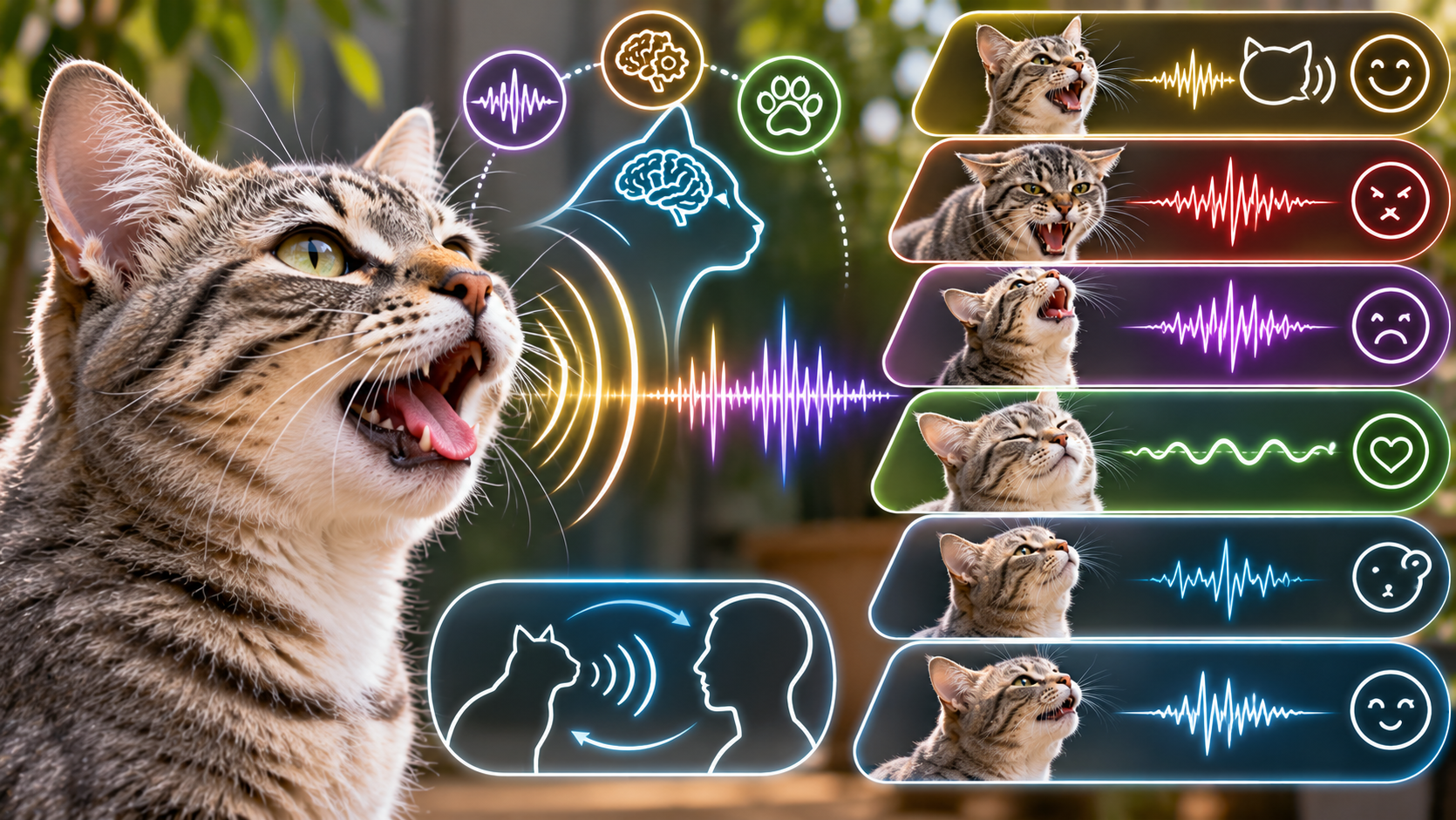
Cat Vocalization Behavioral Analysis sets the stage for this enthralling narrative, offering readers a glimpse into a story that is rich in detail and brimming with originality from the outset.
Understanding how cats communicate through their various vocalizations is crucial for enhancing our bond with them. From the soft purrs that signal contentment to the sharp hisses that express fear or aggression, each sound carries its own meaning. This exploration delves into the intricate world of cat sounds, looking at the contexts in which they arise, their evolution with age, and how social factors influence these behaviors. By examining these vocalizations closely, we can gain valuable insights into our feline friends’ emotions, needs, and overall well-being.
Understanding Different Types of Cat Vocalizations
Cats communicate through a diverse range of vocalizations that reveal their emotions, intentions, and needs. Each sound serves a specific purpose, whether it’s to express affection, convey discomfort, or establish territory. Understanding these vocalizations can enhance the bond between cats and their owners, allowing for better care and companionship. This exploration delves into the various sounds cats make, including meows, purrs, hisses, and growls, alongside examples of situations where they typically occur.
Types of Cat Vocalizations
The vocalizations of cats vary widely, with each type representing different emotions and circumstances. Here are some common vocalizations and the contexts in which they are used:
- Meows: Meows are perhaps the most recognizable sound made by cats. They can vary in pitch, duration, and frequency, often reflecting different messages. For instance, a short, high-pitched meow can indicate a friendly greeting, while a prolonged, low meow might signal annoyance or hunger. Typically, adult cats use meowing primarily to communicate with humans rather than other cats.
- Purrs: Purring is usually associated with contentment. Cats often purr when they are being petted, resting, or in the presence of their owners. However, purring can also occur in stressful situations, such as during a visit to the vet, as a self-soothing mechanism. The soothing sound of purring can have a calming effect on both cats and their humans.
- Hisses: Hissing is a clear sign of discomfort or aggression. Cats may hiss when they feel threatened, scared, or are defending themselves. For example, a cat may hiss at another animal encroaching on its territory or when it feels cornered. This vocalization serves as a warning to back off.
- Growls: Growling typically indicates aggression or irritation. A growl can signal that a cat is ready to defend itself or is unhappy with a situation, such as another animal invading its space. This vocalization is often accompanied by body language that conveys readiness to fight if necessary.
Different cat breeds may exhibit variations in these vocalizations due to their genetic predispositions and temperamental traits. For instance, Siamese cats are known for their vocal tendencies, often meowing more frequently and in a louder pitch compared to quieter breeds like Persians. Each breed’s unique vocalization patterns contribute to its distinct personality and behavior, making the study of cat vocalizations a fascinating aspect of feline behavior.
The Role of Context in Cat Communication
Understanding the nuances of cat vocalizations requires a close examination of the context in which these sounds are produced. Cats are not just creatures of instinct; they communicate through a variety of vocalizations that hinge significantly on their environment and emotional state. This interplay between context and sound allows cats to convey complex messages to both their human companions and other animals. Recognizing these patterns enhances our ability to interpret what our feline friends are trying to express.
Context plays a pivotal role in cat vocalizations. The environment, the presence of other animals, and even the time of day can dramatically influence how and when cats choose to vocalize. For example, a cat may vocalize differently when alone compared to when they are in the presence of another cat or a dog. Similarly, the time of day can also affect vocalization; many cats are more vocal during dusk or dawn when they are naturally more active. This is aligned with their hunting instincts, which tend to peak during these twilight hours.
Environmental Factors Influencing Vocalization
Several environmental factors significantly influence the vocalization patterns of cats. Understanding these factors can help cat owners better interpret their pets’ behavior and needs. The following points illustrate some key influences:
- Presence of Other Animals: When a cat encounters another cat, dog, or even a new human, its vocalizations can change. For instance, a cat may produce a series of sharp meows or growls to assert its territory or warn off intruders, whereas it may purr or trill when interacting positively with a familiar companion.
- Time of Day: Cats are crepuscular by nature, meaning they are most active during dawn and dusk. During these times, they may become more vocal as they engage in play or hunting behaviors, utilizing sounds to communicate excitement or alertness.
- Location: The environment in which a cat vocalizes matters greatly. For example, a cat may be more inclined to meow or yowl if it is near a food source or in a cozy spot, signaling its happiness or desire for food, while vocalizations in a more stressful setting, like a veterinary clinic, might express anxiety or fear.
- Seasonal Changes: During mating seasons, vocalizations can increase in frequency and intensity, particularly in unspayed or unneutered cats. The sounds serve the purpose of attracting mates or warding off rivals, showcasing the importance of context in both social and reproductive behaviors.
A cat’s emotional state also deeply influences the type of vocalizations it produces. For instance, a distressed or anxious cat may emit loud, harsh cries or yowls, while a contented cat might purr gently. The emotional landscape of a cat can be reflected in its vocal repertoire; a sudden shift from calm to agitated is often accompanied by a change in vocalization. Observing these shifts can provide valuable insight into a cat’s well-being.
Understanding the context of a cat’s vocalization allows owners to respond appropriately to their pets’ needs, fostering a deeper bond and creating a more harmonious living environment.
The Impact of Socialization on Vocal Behavior
The social environment of a cat plays a crucial role in shaping its vocalizations. Cats are inherently social animals, and their interactions with other felines and humans can significantly influence how they communicate. This influence can be observed in various settings, from feral colonies to domestic households. Understanding the impact of socialization on vocal behavior can provide insights into the emotional and psychological states of these animals.
The vocal behaviors of feral cats differ markedly from those of domesticated cats. Feral cats, which often live in isolated groups without direct human contact, tend to have a more limited range of vocalizations primarily used for social interactions within their colonies. Their vocalizations are often low-frequency growls, hisses, and subtle mews used to establish territory and communicate with other cats about threats or mating opportunities. In contrast, domesticated cats, having grown up in close contact with humans, exhibit a broader and more varied repertoire of sounds. These sounds include purring, trilling, and a range of meows designed to attract human attention or express affection.
Socialization experiences, particularly during a cat’s formative weeks, have a profound impact on their communication styles. Cats that are handled and exposed to human voices and interactions during the critical socialization window, typically between two and nine weeks of age, tend to be more vocal. These cats often learn to associate vocalizations with positive outcomes, such as receiving food, attention, or companionship. This early exposure encourages them to use their voices more frequently, leading to a more expressive communication style as they mature.
The important factors influencing a cat’s vocal behavior include:
- Early Socialization: Cats that receive positive experiences with humans early on are likely to vocalize more as adults.
- Environment: Cats in multi-cat households may vocalize differently than solitary cats, adapting their sounds based on social dynamics.
- Interaction Styles: Cats that engage in more interactive play sessions with their owners often develop a more extensive range of vocalizations.
- Breed Differences: Some breeds, like Siamese cats, are known for their vocal tendencies, which can be heightened by socialization.
Vocal behaviors serve as a window into a cat’s emotional state and social experiences, reflecting their interactions with the environment around them.
Through careful observation of these socialization factors, cat owners and researchers can better understand the complexities of feline vocalization and its significance in both feral and domesticated environments.
Age-Related Changes in Cat Vocalizations
As cats age, their vocalizations undergo notable changes, reflecting their physical and emotional states at various life stages. Understanding these vocalization shifts is essential for cat owners, as it helps them respond appropriately to their feline companions’ needs.
Kittens, adults, and senior cats exhibit distinct vocalization patterns influenced by their developmental stages. Kittens are known for their high-pitched meows and chirps. These sounds serve to attract their mother’s attention or signal hunger and discomfort. This early vocalization is crucial for their survival and development, as it fosters bonding and communication with their caregivers. As cats reach adulthood, their vocalizations typically become deeper and more varied. Adult cats may exhibit a broader range of sounds, including growls, purrs, and trills, indicating different moods from playfulness to contentment.
In contrast, senior cats often experience changes that may affect their vocal abilities. Age-related hearing loss can lead to increased vocalizations, as these cats may not realize their vocal volume is higher. Additionally, seniors may develop specific vocal patterns, such as repetitive or constant meowing, which could indicate discomfort or cognitive decline. These changes highlight the importance of monitoring senior cats’ vocalizations, as they may signal health issues requiring attention.
To adapt to these vocal changes, cat owners should observe their pets closely and consider the context of the vocalizations. Recognizing the differences in vocal patterns can help owners respond effectively to their cats’ needs. For instance, if a normally quiet cat starts meowing more frequently, it may warrant a veterinary check-up to rule out any underlying health problems or cognitive issues. Additionally, providing mental stimulation through play and interaction can address behavioral vocalizations linked to loneliness or boredom.
Understanding your cat’s vocal changes over time allows for better communication and care, enhancing your bond with your feline friend.
Identifying Health Issues Through Vocalization Changes
Cats communicate not only through body language but also through various vocalizations. These vocal sounds can serve as valuable indicators of a cat’s emotional and physical wellbeing. Changes in a cat’s vocalization patterns can signal underlying health issues, making it crucial for owners to pay attention to these auditory cues. Recognizing these variations can ultimately facilitate earlier interventions, enhancing the overall well-being of feline companions.
Understanding the different vocal signs a cat may express is essential for identifying pain or distress. Typically, healthy cats maintain a consistent vocal pattern, but any significant deviations could be a red flag. For instance, an increase in vocalization, such as persistent meowing or yowling, may indicate that the cat is experiencing discomfort or stress. Conversely, a sudden decrease in vocalization could suggest that a cat is feeling unwell or is in pain, as many cats tend to withdraw and become quieter when they are not feeling their best.
Specific Vocal Signs Indicating Pain or Distress
Recognizing specific vocal signs can help owners determine if their cats are in distress or suffering from health issues. The following points highlight common vocalizations to watch for:
- Excessive Meowing: If a cat begins to meow constantly or in a high-pitched tone, it could be expressing anxiety or pain.
- Yowling: This loud, drawn-out vocalization often indicates territorial disputes, but it can also signal discomfort or distress.
- Growling or Hissing: These sounds are often associated with fear or aggression but can also indicate a cat’s pain or irritation, especially if provoked.
- Silence: A sudden lack of vocalization, especially in a previously chatty cat, can suggest health issues. This withdrawal often indicates discomfort or illness.
If owners notice any changes in their cat’s vocal patterns, they should take the following steps to ensure the cat’s health is monitored:
- Observe Behavior: Take note of any additional behavioral changes, such as alterations in eating or sleeping habits.
- Consult a Veterinarian: Schedule a vet appointment to discuss the vocal changes and perform a thorough examination.
- Keep a Diary: Document the vocal changes, including times and contexts, to provide the vet with detailed information.
- Provide Comfort: Ensure the cat has a quiet, comfortable space to reduce stress and anxiety during this time.
Recognizing vocalization changes is key in identifying potential health issues in cats, allowing for timely medical intervention.
The Science Behind Cat Vocalization
Cats possess an incredible range of vocalizations that serve various purposes, from communication with humans to interaction with other cats. Understanding how they produce these sounds requires looking into the physiological mechanisms that enable such diversity. From the structure of their vocal cords to their unique anatomical features, cats exhibit a fascinating approach to sound production that intrigues both pet owners and animal behaviorists alike.
The primary anatomical structures involved in sound production in cats include the larynx, vocal cords, and the resonating chambers of the throat, mouth, and nasal passages. The larynx, or voice box, houses the vocal cords, which are two bands of muscle and tissue that can open and close to modulate airflow. When a cat exhales, air passes through the larynx, causing the vocal cords to vibrate and produce sound. The pitch and volume of these sounds are determined by tension and length of the vocal cords. For instance, tighter cords produce higher-pitched sounds, while looser cords yield lower tones.
One of the distinctive features of cat vocalization is their ability to vary their sounds significantly depending on their emotional state or intent. Cats can produce a range of sounds including meows, purrs, hisses, and chirps, each serving a specific function. For example, a meow is often used to communicate with humans, while a hiss is a warning signal to other animals. The unique anatomy of cats, including their flexible laryngeal structure, allows for this vast array of vocalizations, far surpassing the simplistic sounds made by many other animals.
Comparison with Other Vocal Communicators
In comparing the vocal mechanisms of cats with those of other vocal animals, it becomes evident that different species have evolved unique adaptations suited to their communication needs. For example, birds are known for their impressive vocal abilities, often using complex vocal cords that allow for melodious and varied sounds. Birds utilize a specialized organ called the syrinx, located at the base of their trachea, which provides them with an even greater range of sounds compared to the vocal cords of cats.
Mammals, such as whales and dolphins, use a different approach, employing air sacs and specialized nasal passages to produce distinctive calls and clicks, essential for communication over long distances in aquatic environments. Unlike cats that primarily vocalize through their larynx, these marine mammals have adapted their sound production to suit their habitat and social structures.
Among terrestrial mammals, primates also exhibit complex vocal communication. Many species possess highly developed vocal cords and laryngeal structures that enable them to produce a variety of sounds that convey different meanings within their social groups. The evolutionary pressures faced by these animals, including their social structures and environmental challenges, continue to shape their vocalization methods, just as they do for cats.
Overall, the intricate physiological mechanisms that enable cat vocalization reflect their unique evolutionary path and social interactions, showcasing the complexity of animal communication across various species.
Training Cats to Improve Communication
Training cats to vocalize in specific situations can significantly enhance the bond between felines and their owners. By teaching your cat to communicate through vocalizations, you create an avenue for understanding their needs and emotions. This process can reduce frustration for both the cat and the owner, leading to a more harmonious household. Various techniques exist to help cats learn to vocalize effectively, creating a clearer communication channel.
One effective method involves using positive reinforcement. This technique encourages desired behaviors by rewarding your cat each time they vocalize appropriately. For instance, if your cat meows when they want to go outside, you can reward them with treats or praise when they vocalize at the correct moment. Over time, your cat will associate vocalizing with positive outcomes, making it more likely they will do so in the future.
Another technique is clicker training. This method utilizes a small device that makes a clicking sound when pressed. The click serves as a marker for the behavior you want to reinforce. For example, if your cat meows and you want to encourage this behavior, you would click the device immediately after they vocalize and then provide a treat. The clicker helps your cat understand which action is being rewarded, thus enhancing the learning process.
To implement these training methods effectively, consider setting aside specific times during the day for training sessions. Short, consistent sessions of about five to ten minutes can be more beneficial than longer periods, which may lead to boredom or frustration. Ensure the environment is calm and free from distractions, which will help your cat focus on the training.
Despite the best intentions, challenges can arise during the training process. Some cats may be less vocal than others, making it difficult to encourage vocalizations. In such cases, patience is key. Gradual exposure to different stimuli, such as sounds or toys that elicit a reaction, can help. For example, using a toy that mimics the sounds of prey may prompt your cat to vocalize naturally.
Additionally, some cats might become stressed or anxious during training. It’s essential to recognize signs of distress, such as hiding or aggression, and adjust your approach accordingly. Offering breaks and allowing your cat to set the pace can create a more comfortable training environment. Engaging in play or providing comfort items can also help alleviate anxiety, making the training experience more positive for your cat.
Ultimately, the goal is to foster a genuine dialogue between you and your cat, enriching your relationship and ensuring mutual understanding.
Last Recap
In summary, the journey through Cat Vocalization Behavioral Analysis reveals the complexity and depth of feline communication. As we learn to interpret these vocal cues, we can foster a more harmonious relationship with our cats, ensuring their voices are heard and understood. Whether it’s recognizing a plea for attention or a sign of distress, being attuned to their sounds allows us to respond with care and affection, ultimately enhancing the quality of their lives.
FAQs
What are the most common cat vocalizations?
The most common cat vocalizations include meows, purrs, hisses, growls, and chirps, each serving different purposes in communication.
Do different cat breeds vocalize differently?
Yes, certain breeds like Siamese tend to be more vocal than others, while some may have unique sounds or patterns of communication.
How can I improve communication with my cat?
Enhancing communication can be achieved through consistent training, understanding their vocal patterns, and responding appropriately to their needs.
What should I do if my cat’s vocalizations change suddenly?
If you notice sudden changes in your cat’s vocalizations, it’s advisable to consult a veterinarian to rule out any potential health issues.
Can vocalization patterns indicate a cat’s age?
Yes, kittens tend to have higher-pitched sounds, while older cats may vocalize less or change their patterns as they age.