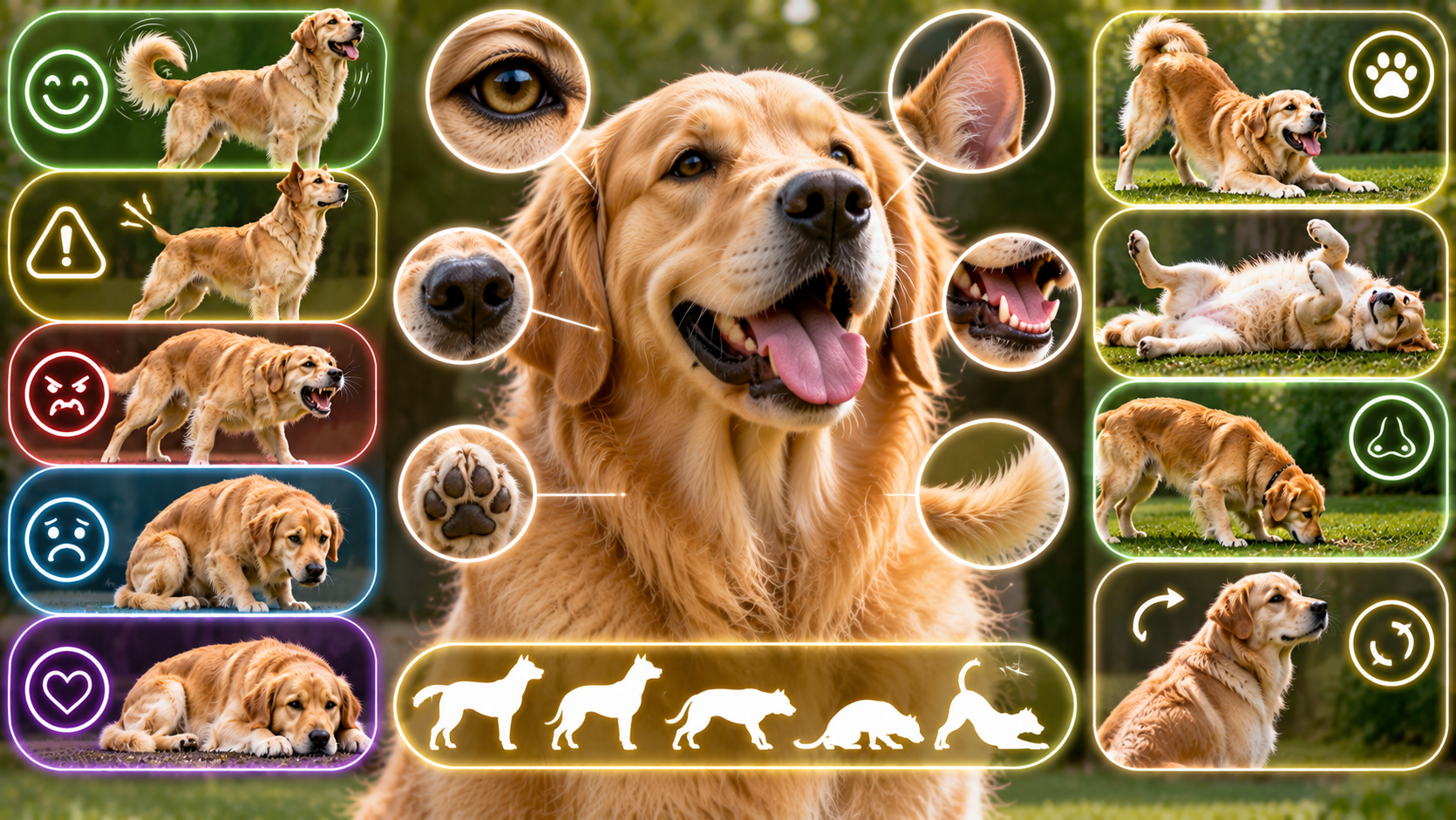
Canine Body Language Interpretation sets the stage for a fascinating exploration of how our furry companions communicate their feelings and intentions through their physical expressions. Understanding these signals not only deepens our bond with dogs but also enhances our ability to respond appropriately to their needs. With unique characteristics displayed across various breeds, the nuances of canine communication are as diverse as the dogs themselves.
From the way a tail wags to the posture a dog adopts in different situations, every movement carries meaning. This guide aims to break down the essential components of canine body language, helping dog owners and enthusiasts alike to decode these non-verbal cues with confidence.
Understanding the Key Components of Canine Body Language
Canine body language is an intricate system of non-verbal communication that provides insight into a dog’s feelings and intentions. Understanding this language is crucial for any dog owner or enthusiast to ensure a harmonious relationship with their furry companions. Dogs express themselves through a combination of posture, facial expressions, and movements, each contributing to the overall message they convey.
The key elements of canine body language include posture, facial expressions, and movements. Posture can indicate a dog’s emotional state; for example, a relaxed dog may have a loose, open stance with a wagging tail, while a dog that feels threatened may stand tall, with rigid body posture and raised hackles. Facial expressions can also reveal a lot; a dog showing its teeth might be warning someone to back off, while a relaxed dog may have soft eyes and a slightly open mouth. Movements, such as pacing or lunging, can communicate excitement or anxiety, respectively.
Different breeds may exhibit unique body language traits due to their physical characteristics and inherent behaviors. For instance, a Dachshund may display a curious posture with its long body leaning forward while sniffing the ground, whereas a Greyhound might show a more laid-back attitude with a low stance when relaxed. Breeds that were developed for specific tasks, like herding or hunting, may also have particular postures or movements that reflect their heritage. A Border Collie, for example, may adopt a crouched position when observing and tracking movement, showcasing its herding instincts.
Context plays a vital role in interpreting canine body language correctly. The same posture or movement can convey different meanings depending on the situation. For instance, a wagging tail can indicate happiness or excitement, but if combined with a stiff body and lowered ears, it might signal that the dog is feeling conflicted or anxious. Understanding the surrounding circumstances—such as the presence of other animals or people, or environmental stresses—helps in accurately reading a dog’s body language and responding appropriately.
The Importance of Tail Position in Canine Communication
Understanding a dog’s tail position is crucial for interpreting its emotional state. A dog’s tail is not just a means of communication; it is an integral part of how they express their feelings. Different tail positions can convey a wide range of emotions, from joy to fear to aggression. Observing these positions can help dog owners and enthusiasts better connect with their pets and understand their needs.
The tail serves as a powerful tool for dogs to communicate with one another and with humans. It’s important to note that a dog’s emotional state can be influenced by various factors, including their environment, past experiences, and individual personality. By learning to read tail positions, owners can enhance their relationship with their canine companions, ensuring a happier, more harmonious interaction.
Tail Positions and Their Interpretations
When observing a dog’s tail, it’s essential to understand what different positions signify. Below is a table that Artikels various tail positions and their corresponding interpretations to help provide clarity in canine communication.
| Tail Position | Interpretation |
|---|---|
| High and Wagging | Excitement and happiness; often seen when a dog is eager to play. |
| Low and Wagging | Submissiveness or appeasement; the dog may be trying to communicate a non-threatening demeanor. |
| Tail Tucked Between Legs | Fear or anxiety; the dog may be feeling threatened or uncomfortable. |
| Stiff and Raised | Alertness or aggression; the dog is likely feeling defensive or ready to react. |
| Slow Wagging | Uncertainty or hesitation; the dog may be assessing the situation before deciding how to react. |
| Circular Wagging | Overly excited or happy; often seen in dogs greeting familiar people or animals. |
For instance, when a dog greets its owner after a long day, a high and wagging tail often indicates their excitement. Conversely, if a dog encounters a loud noise and tucks its tail between its legs, it clearly demonstrates fear. Recognizing these signals can guide interactions, helping to create a safe and understanding environment for pets.
In summary, the position and movement of a dog’s tail provide valuable insights into their emotional state, enhancing our understanding of canine behavior and communication.
Recognizing Stress Signals in Dogs
Understanding canine body language is crucial for dog owners to ensure their pets feel safe and secure. Stress in dogs can manifest in various ways, and recognizing these signals can help owners respond appropriately to their furry companions’ needs. By identifying stress signals, owners can create a more harmonious environment for their dogs and address any anxiety or discomfort effectively.
Common Stress Signals in Canine Behavior
Dogs exhibit a range of behaviors when they are stressed, often as a form of communication. Recognizing these signs is essential for promoting their well-being. Here are five common stress signals along with their meanings:
- Yawning: While yawning is often associated with tiredness, in dogs, it can also signify stress or anxiety. It’s a calming signal they may use when feeling overwhelmed.
- Whining or Barking: Vocalizations such as whining or excessive barking can indicate stress. Dogs may use these sounds to express discomfort or seek attention when feeling uneasy.
- Panting: Dogs may pant even when they are not hot. If a dog is panting heavily in a cool environment or while resting, it could signal stress or anxiety.
- Tail Tucking: A dog that tucks its tail between its legs is often experiencing fear or submission. This behavior shows that the dog is feeling insecure or threatened.
- Averting Gaze: When a dog turns its head away or avoids eye contact, it can be a sign of stress. This behavior reflects a desire to de-escalate a situation or avoid confrontation.
Situations That May Trigger Stress in Dogs
Various situations can induce stress in dogs, and recognizing their body language in these contexts is vital. Below is a comprehensive list of common stress triggers along with how dogs may respond:
- Loud Noises: Thunderstorms, fireworks, or loud music can startle dogs, causing them to seek shelter or exhibit signs of anxiety such as drooling or pacing.
- Strange Environments: New places with unfamiliar smells or sounds can cause discomfort. Dogs may exhibit stress signals like sniffing excessively, hiding, or displaying a rigid posture.
- New People or Animals: Encounters with strangers or other pets can cause dogs to feel threatened. Watch for signs such as growling, backing away, or raised hackles.
- Separation from Owners: Many dogs experience separation anxiety when their owners leave. This may manifest as destructive behaviors, excessive barking, or pacing.
- Changes in Routine: Dogs thrive on consistency, and changes in their daily routine can create anxiety. Look for stress signals like lethargy, decreased appetite, or sudden behavioral changes.
Strategies for Dog Owners to Help Their Pets Cope with Stress
Helping dogs manage stress effectively requires proactive strategies. Here are some useful tips for dog owners:
- Establish a Routine: Create a consistent daily schedule for feeding, walks, and playtime to provide a sense of security.
- Provide a Safe Space: Designate a quiet area where your dog can retreat during stressful situations, complete with their favorite toys and bedding.
- Use Calming Aids: Consider utilizing calming products such as pheromone diffusers, anxiety wraps, or soothing music designed for dogs.
- Engage in Positive Reinforcement: Reward calm behavior with treats or praise to encourage your dog to remain relaxed in stressful situations.
- Consult a Professional: If stress signals persist, consult a veterinarian or a professional dog trainer for tailored advice and support.
The Role of Eye Contact in Dog Communication
Eye contact is a fundamental aspect of communication not only for humans but also for dogs. In the canine world, how a dog uses its eyes can convey a variety of emotions and intentions, helping to establish relationships and social hierarchies. Understanding the nuances of eye contact can significantly enhance interactions between dogs and their owners, as well as among dogs themselves.
The significance of eye contact in canine interactions varies widely among different dogs, influenced by factors such as breed, socialization, and individual temperament. In general, relaxed eye contact denotes comfort and trust, whereas direct staring can often signal dominance or aggression. For example, a dog that maintains a soft gaze with slightly squinted eyes is typically showing a calm demeanor, inviting interaction. Conversely, a rigid posture accompanied by a fixed stare can be a warning sign that the dog feels threatened or is asserting dominance.
Differences Between Relaxed Eye Contact and Direct Stare
To further understand the implications of eye contact, it’s essential to differentiate between relaxed eye contact and a direct stare. Each type has distinct behavioral indicators that can inform us about a dog’s emotional state.
Relaxed eye contact usually indicates:
-
Comfort and trust: A dog that looks at you with soft eyes is likely feeling secure in your presence.
- Invitation to engage: This type of gaze often suggests that the dog is open to interaction or play.
- Submission: In some cases, relaxed eye contact may indicate that the dog is being non-confrontational and is displaying a willingness to defer to others.
In contrast, a direct stare is often associated with:
-
Challenge or dominance: A fixed gaze can signal that the dog is asserting itself, potentially leading to conflict.
- Fear or anxiety: A dog that stares without breaking eye contact may be feeling threatened and could react defensively.
- A lack of socialization: Some dogs may not have learned appropriate eye contact behaviors, leading to discomfort in social situations.
Promoting Positive Eye Contact Between Dogs and Humans
Establishing positive eye contact between dogs and humans is a crucial method of building trust and enhancing communication. Here are several effective strategies to encourage this behavior:
1. Use Soft Eye Contact Yourself: When interacting with dogs, approach them with soft, gentle eye contact. Avoid staring directly at them, which can be perceived as threatening.
2. Incorporate Training Exercises: Teaching dogs commands that involve looking at you, such as “look” or “watch me,” can reinforce positive eye contact. Reward them with treats or praise when they comply.
3. Create a Comfortable Environment: Ensure that the setting is calm and free from distractions. A relaxed atmosphere can help the dog feel more at ease and open to making eye contact.
4. Be Patient: Some dogs may take longer to trust humans enough to engage in eye contact. Gradual exposure and consistent positive interactions can help build this trust over time.
In summary, eye contact plays a crucial role in canine communication, with implications that vary significantly depending on the context and the individual dog’s temperament. By understanding these dynamics, we can foster healthier and more trusting relationships between dogs and their human companions.
Canine Body Language and Human Interaction
Understanding canine body language is crucial for fostering a harmonious relationship between humans and dogs. Our behavior significantly influences a dog’s emotional responses and body language cues. By becoming more aware of these interactions, we can improve communication and prevent misinterpretations that may lead to unwanted outcomes.
The impact of human behavior on a dog’s body language and emotional response can be profound. Dogs often mirror the emotional states of their human companions; hence, if a person is anxious or aggressive, a dog may exhibit signs of fear or aggression in return. This connection emphasizes the importance of maintaining calm and assertive energy when interacting with dogs. Additionally, dogs rely heavily on body language to interpret their environment and the signals given by their human counterparts.
Misinterpretations of Canine Body Language
Misreading a dog’s body language can lead to misunderstandings that might escalate into negative interactions. It’s essential to recognize some common misinterpretations to avoid these potential pitfalls.
The following scenarios highlight how human actions can inadvertently affect a dog’s behavior:
- Direct Eye Contact: Humans often interpret direct eye contact as a sign of engagement; however, for dogs, it can be perceived as a threat, leading to defensive behavior.
- Overly Excited Greetings: Approaching a dog with high energy can cause stress. Dogs may interpret this as an invasion of space, causing them to react negatively.
- Touching a Dog’s Head: While many humans may see this as a friendly gesture, dogs often feel vulnerable when approached from above, leading to anxiety or aggression.
“Understanding the nuances of canine body language can significantly enhance the bond between humans and dogs.”
Improving communication between humans and dogs requires a proactive approach to understanding body language cues. Awareness and education are key elements in this process. Here are some effective methods to improve interactions:
- Observation: Spend time observing a dog’s natural behaviors in different environments to understand their comfort zones and how they express emotions.
- Positive Reinforcement Training: Utilize reward-based training methods, which promote desired behavior while fostering a positive emotional state in the dog.
- Body Language Awareness: Educate yourself about common canine body language signals such as tail wagging, ear positioning, and facial expressions to interpret their feelings accurately.
- Calm Energy: Maintain a relaxed demeanor when interacting with dogs, as this can reassure them and encourage positive responses.
By integrating these methods, humans can facilitate better communication with their canine companions, leading to a more fulfilling and understanding relationship. Recognizing and adapting to a dog’s body language is essential for fostering trust and preventing negative experiences, ensuring both dog and human can coexist harmoniously.
Training Techniques that Enhance Understanding of Canine Body Language
Understanding canine body language is crucial for fostering a harmonious relationship between dogs and their owners. A training program centered on this concept equips dog owners with the skills to interpret their furry companions’ signals effectively, leading to improved communication and behavior. By focusing on body language during training, owners can tailor their interactions to suit the emotional and physical needs of their pets, resulting in a more fulfilling partnership.
Incorporating body language understanding into obedience training sessions enhances the overall experience for both the dog and the owner. Recognizing signs of stress or discomfort allows trainers to adjust their methods, fostering an environment where the dog feels safe and understood. This approach not only improves compliance during training but also strengthens the bond between the owner and the dog, leading to better social interactions in various settings.
Designing a Training Program
Creating a comprehensive training program requires a thoughtful approach, starting with the foundational knowledge of canine body language. The following elements are essential for an effective curriculum:
- Workshops and Seminars: Conduct interactive sessions where dog owners learn to identify and interpret various canine signals, such as tail position, ear orientation, and facial expressions. Real-life examples and videos can greatly enhance understanding.
- Hands-On Practice: Incorporate practical sessions where owners can observe and analyze dogs’ body language in different scenarios, allowing them to apply their knowledge in real-time.
- Personalized Training Plans: Develop individual training plans that address specific issues based on the owner’s observations of their dog’s body language, helping them to implement tailored solutions.
- Follow-Up Support: Provide ongoing support and resources, such as newsletters or online forums, to encourage continuous learning and sharing of experiences among dog owners.
Benefits of Body Language Understanding in Obedience Training
Integrating an understanding of body language into obedience training sessions fosters a more empathetic training environment. The benefits include:
- Improved Communication: Owners gain insight into their dog’s emotions, which facilitates clearer communication and reduces misunderstandings.
- Enhanced Trust: Dogs that feel understood are more likely to trust their owners, leading to better cooperation and eagerness to learn.
- Reduced Anxiety: Recognizing signs of stress allows trainers to modify their techniques, creating a more comfortable atmosphere for the dog and minimizing anxiety-related behaviors.
Success Stories of Improved Relationships
Numerous dog owners have shared transformative experiences as a result of increased awareness of canine body language. For instance, one owner reported that understanding her dog’s subtle signals helped her to recognize when her dog was feeling overwhelmed during walks. By adjusting the pace and offering breaks, her dog became more relaxed and enjoyable to walk.
Another testimonial from a couple noted that by learning to interpret their dog’s body language, they reduced instances of miscommunication, leading to fewer behavioral issues. Their dog, once shy and reactive, transformed into a confident companion who actively engaged during play and training sessions.
“By understanding my dog’s body language, I realized how stressed he was in certain situations. Now, we both enjoy our time together much more!” – Happy Dog Owner
Common Misconceptions about Canine Body Language
Understanding canine body language is essential for fostering a strong relationship between humans and dogs. However, many misconceptions persist regarding how dogs communicate their feelings and intentions. These myths can lead to misunderstandings, potentially jeopardizing the well-being of both pets and owners. By debunking these misconceptions, we can enhance our interactions with our canine companions.
Clarifying prevalent myths surrounding canine body language is crucial for establishing a better rapport. Misinterpretations can not only affect training but can also lead to miscommunication in everyday situations. A clear understanding of how dogs express themselves allows us to respond appropriately, ensuring both safety and comfort for both parties.
Debunking Canine Body Language Myths
Several common myths exist about how dogs communicate through their body language. Recognizing and understanding these misconceptions can aid in creating a more harmonious relationship with our furry friends.
| Misconception | Factual Interpretation |
|---|---|
| A wagging tail indicates a happy dog. | A wagging tail can indicate excitement or agitation, not just happiness. The position and speed of the wag can communicate different emotions. |
| A dog showing its teeth is always aggressive. | Showing teeth can be a sign of fear or submission, not necessarily aggression. Context is key to understanding the dog’s intention. |
| A dog that rolls over is asking for a belly rub. | While some dogs enjoy belly rubs, rolling over can also be a sign of vulnerability or submission, indicating the dog feels safe. |
| All dogs that bark are being aggressive. | Barking is a form of communication that can express various emotions, including excitement, fear, or the need for attention. |
| A dog’s body language is the same across all breeds. | Body language can vary significantly between breeds, influenced by their unique characteristics and temperaments. Understanding specific breed behaviors is essential. |
“Recognizing and interpreting canine body language leads to more effective communication and stronger bonds with our pets.”
End of Discussion
In summary, mastering the art of Canine Body Language Interpretation is an invaluable skill for anyone who shares their life with a dog. By learning to recognize and understand these signals, you can foster a deeper understanding and a more harmonious relationship with your canine friend. Ultimately, this knowledge empowers us to create a safer and more enjoyable environment for both dogs and humans alike.
Questions and Answers
What does a wagging tail really mean?
A wagging tail can indicate excitement or happiness, but the position and speed of the wag can vary in meaning, such as indicating stress or aggression in some contexts.
How can I tell if my dog is stressed?
Common signs of stress include panting, pacing, excessive licking, and tail tucking. Observing your dog’s body language in different environments can help you identify stress triggers.
Do different breeds have different body language?
Yes, different breeds often exhibit unique body language traits due to their differing temperaments and historical roles, which can influence how they express themselves.
What should I do if my dog is showing aggression?
If your dog displays aggressive body language, it’s crucial to maintain a safe distance and avoid confrontation. Consulting a professional trainer or behaviorist is highly recommended.
Can I train my dog to respond to my body language?
Absolutely! Consistent training that incorporates positive reinforcement can help your dog learn to read and respond to your body language effectively.