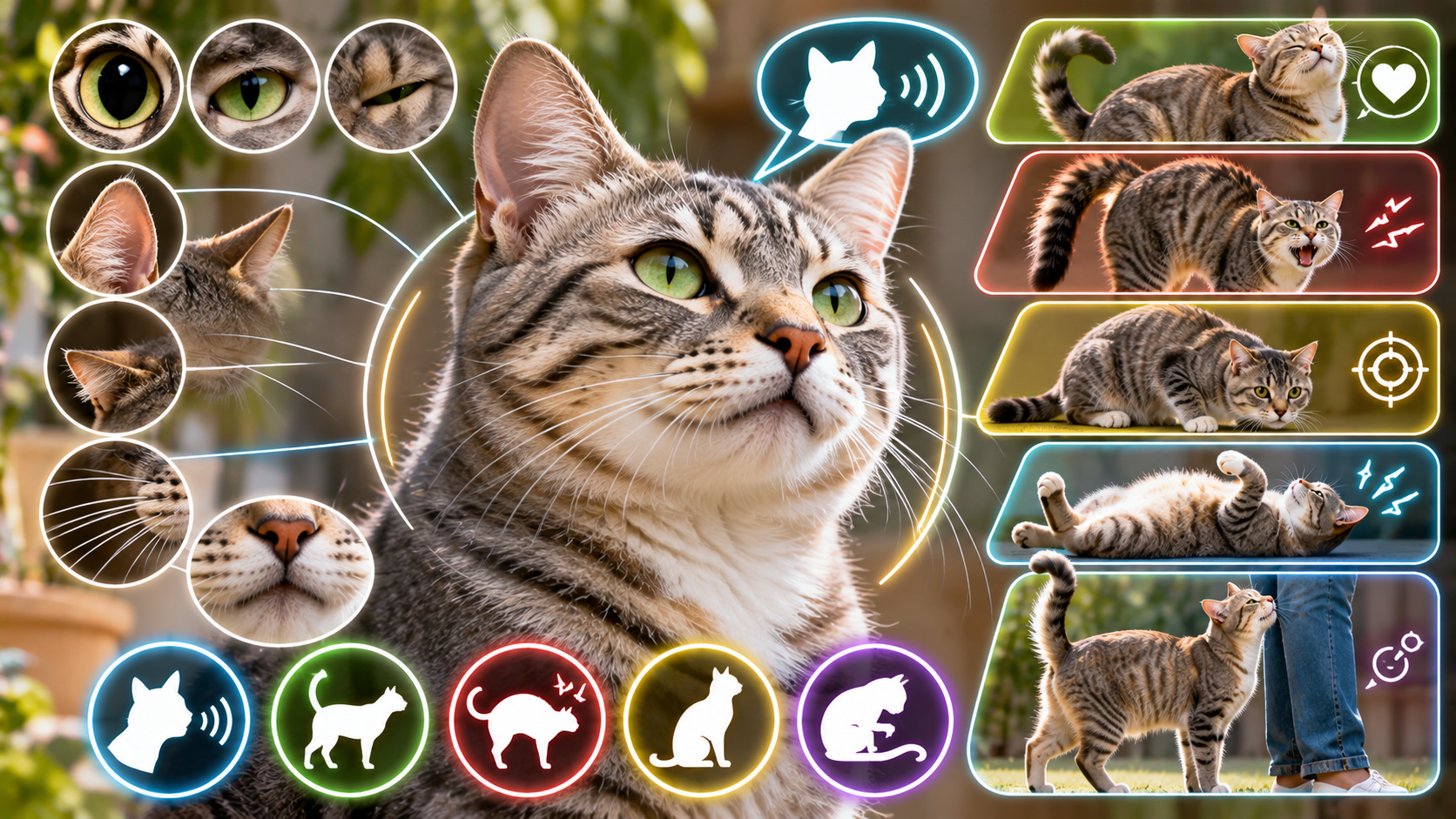
Feline Communication Signals opens the door to understanding the intricate ways cats express themselves. From the soothing purr to the sharp hiss, each sound and gesture encapsulates a world of emotions and intentions. A deep dive into the various forms of feline communication helps bridge the gap between human and cat, enhancing mutual understanding and companionship.
In this exploration, we’ll uncover the nuances of vocalizations, body language, and scent marking, revealing how these signals shape interactions and strengthen bonds. By learning to interpret these cues, cat owners can foster a more harmonious relationship with their furry companions.
Understanding the Basics of Feline Communication Signals
Cats are fascinating creatures with a rich array of communication methods that go beyond mere vocalizations. Understanding these signals is essential for fostering a positive relationship between humans and their feline companions. By observing and interpreting these communication signals, cat owners can respond more effectively to their pet’s needs, emotions, and desires, thereby enhancing the bond they share.
Feline communication is multifaceted, involving vocalizations, body language, and scent marking. Each form of communication conveys different messages, allowing cats to express themselves in various contexts. Recognizing these signals is vital for understanding their moods and intentions, ultimately leading to a more harmonious environment.
Vocalizations and Their Meanings
Cats employ a range of sounds to communicate with both humans and other cats. Each vocalization has specific meanings that can vary depending on context. Understanding these sounds can significantly improve the interaction between cats and their owners. Here are some common feline vocalizations along with their interpretations:
- Meowing: A cat’s meow can signify a variety of things. It may be a greeting, a request for attention, or a signal that they are hungry.
- Purring: Typically associated with contentment, purring can also indicate discomfort or pain in some cases.
- Hissing: This is a clear signal of distress or fear, indicating that the cat feels threatened.
- Chirping or Chattering: Often observed when a cat is watching birds or small prey, this sound may express frustration or excitement.
Body Language in Cats
A cat’s body language is a crucial aspect of its communication repertoire. Understanding how to read these physical cues can provide insights into a cat’s emotional state and intentions. The position of their ears, tail, and overall posture can convey a wealth of information.
- Ears: Forward-facing ears indicate curiosity, while flattened ears suggest fear or aggression.
- Tail Position: A raised tail often signifies happiness and confidence, whereas a low or tucked tail can denote submission or fear.
- Body Posture: An arched back with fur standing on end signals a defensive posture, while a relaxed body indicates comfort and security.
Scent Marking as a Communication Tool
Scent marking is another vital aspect of feline communication. Cats have scent glands located in various parts of their bodies, including their cheeks and paws. By rubbing against objects or scratching surfaces, they deposit their scent, marking their territory and communicating with other cats.
- Cheek Rubbing: When a cat rubs its face against you or furniture, it is marking its territory and expressing affection.
- Scent Glands in the Paws: Scratching is not only a way to maintain their claws but also a method of leaving their scent and marking their environment.
“Understanding a cat’s communication signals enhances the relationship between the pet and the owner, leading to a more fulfilling companionship.”
The Role of Body Language in Feline Communication
Feline communication transcends mere vocalizations; a cat’s body language plays a pivotal role in expressing its emotions and intentions. Understanding these physical signals can greatly enhance the bond between humans and their feline companions. Observing a cat’s posture, tail movements, and ear positioning can provide valuable insights into its mood, whether it be contentment, curiosity, or discomfort.
Significance of Tail Positioning
The tail of a cat is a significant indicator of its emotional state. Different positions of the tail can convey distinct messages to those around them. The following points highlight the meanings behind various tail positions:
- Upright Tail: A cat with its tail held upright is generally expressing confidence and happiness. This posture often indicates that the cat is feeling friendly and approachable.
- Curled Tail: A tail that curls at the tip signifies playfulness or a relaxed demeanor. This position is often seen when a cat is in a comfortable environment.
- Low Tail: When a cat’s tail hangs low, it may be feeling insecure or submissive. This is often a sign of a cat that is feeling cautious or apprehensive.
- Fluffed Tail: A bushy, puffed tail indicates that a cat is frightened or agitated. This posture is a defensive mechanism, making the cat appear larger to potential threats.
- Tail Thumping: Rapid thumping against the ground typically signals irritation or annoyance. This movement often precedes a change in mood.
Meanings of Ear Postures
The positioning of a cat’s ears is another critical aspect of its body language, offering cues about its emotional state. Understanding these ear movements can help in interpreting what a cat might be feeling:
- Ears Forward: Ears pointed forward indicate curiosity and interest. A cat in this position is likely intrigued by its surroundings.
- Ears Back: When a cat flattens its ears against its head, it typically signifies fear, aggression, or irritation. This posture can indicate that the cat feels threatened.
- Ears to the Side: Ears that are angled to the side suggest a state of relaxation or contentment. The cat is likely at ease in its environment.
- Ears in Constant Motion: Frequently swiveling ears show that a cat is alert and attentive to sounds in its environment, reflecting its readiness to respond to potential stimuli.
Common Postures Indicating Aggression or Defensiveness
Certain postures can be alarming as they indicate that a cat may feel threatened or aggressive. Recognizing these signals is crucial for ensuring safety around cats. The following postures are often observed during such situations:
- Arched Back: When a cat arches its back and raises its fur, it is attempting to appear larger and more intimidating. This is typically a warning sign.
- Hissing or Growling: Cats that hiss or growl while in a defensive posture are clearly communicating their distress and displeasure.
- Swatting or Lunging: A cat that begins to swat with its paws or lunge forward is likely feeling threatened and may be preparing to attack if the perceived threat does not retreat.
“Understanding a cat’s body language is essential for fostering a harmonious relationship and ensuring both the cat’s well-being and the owner’s peace of mind.”
Vocalizations
Cats are known for their diverse range of vocalizations, each serving specific purposes in their communication. Understanding these sounds can greatly enhance the bond between humans and their feline companions, as well as improve interactions among cats themselves. This section explores the various sounds that cats produce and the meanings behind them, providing insights into the emotional and social landscape of these intriguing animals.
Types of Vocalizations
Cats produce a variety of sounds, each associated with different contexts and emotional states. Recognizing these vocalizations can help owners respond more effectively to their pets’ needs. The primary types of sounds include:
- Meows: Cats primarily use meows to communicate with humans. The pitch and tone of a meow can indicate everything from a simple greeting to requests for food or attention. Higher-pitched meows often express urgency, while lower-pitched sounds may convey annoyance or dissatisfaction.
- Purring: Typically a sign of contentment, purring can also occur when cats are in pain or distress. The frequency of the purr, usually between 25 and 150 Hertz, is believed to have therapeutic effects, promoting healing in both the cat and its surroundings.
- Chirps and Chatter: Commonly observed when a cat is watching birds or other prey, these sounds express excitement or frustration. They can indicate a cat’s hunting instincts and their desire to engage with the target.
- Hissing and Growling: These vocalizations serve as warnings to potential threats. A hissing cat is signaling fear or aggression, while growling can indicate discomfort or readiness to defend itself.
- Yowling: More prolonged and loud than a meow, yowling is often associated with mating behaviors in unspayed or unneutered cats. It can also occur when a cat is feeling lonely or wants attention.
Communication with Humans versus Other Cats
Cats modulate their vocalizations based on their audience. When communicating with humans, cats tend to use more meows and purrs, as these sounds are more effective at capturing human attention. In contrast, when interacting with fellow felines, cats rely heavily on body language and less on vocalizations, using sounds such as hisses or growls to establish boundaries or assert dominance.
Pitch and Frequency Variations
The pitch and frequency of a cat’s vocalizations can reveal a lot about its emotional state. Higher-pitched sounds typically indicate excitement, fear, or urgency, while lower-pitched sounds often signal displeasure or discomfort. For instance, a cat that suddenly lets out a sharp, high-pitched meow may be reacting to a startling event. In contrast, a deep growl or low purring suggests a more relaxed or defensive state.
Cats are also known to adjust their vocalizations based on their social environment. Studies have shown that cats may alter their vocal patterns when interacting with their human caregivers compared to when they are with other cats, often utilizing more distinct and varied meows to engage with people.
Understanding vocalizations improves the human-cat bond and enhances interactions.
Understanding Feline Scent Communication
Cats are fascinating creatures, and their communication methods extend far beyond vocalizations. One of the most significant ways they interact with each other is through scent marking. This form of social communication is intricate, serving various purposes in a cat’s daily life. By understanding how cats use scent to convey messages, we can foster better environments for them, enhancing their well-being and interactions with both humans and other felines.
Scent marking is a crucial behavior among cats, utilized mainly to convey information about territory, reproductive status, and social hierarchy. When a cat rubs its face against objects or scratches surfaces, it deposits scent from specialized glands located on their cheeks and paws. This act serves as a way to establish their presence in an area, signaling to other cats that this territory is occupied. Additionally, urine marking is another form of scent communication, particularly in unneutered males, which indicates both territorial boundaries and mating availability.
Role of Pheromones in Feline Behavior
Pheromones are chemical signals that play an essential role in feline communication. These natural substances are detected by the vomeronasal organ, allowing cats to perceive pheromonal cues even at low concentrations. Understanding the impact of pheromones on feline behavior can significantly improve their living conditions and social interactions.
The influence of pheromones can be categorized into various functions:
- Territorial Marking: Cats produce pheromones to mark their territory, which helps avert conflicts with other cats. This marking can create a sense of security and comfort within their environment.
- Social Bonding: When cats groom each other, they exchange pheromones, reinforcing social bonds and establishing trust. This behavior often occurs among littermates or during friendly interactions.
- Reproductive Communication: During mating season, pheromones signal readiness to mate, attracting potential partners. These scents can trigger mating behaviors and influence reproductive success.
- Stress and Anxiety Reduction: Synthetic pheromones, such as those used in calming diffusers, can help reduce stress and anxiety in cats by providing a familiar scent that promotes a sense of safety.
By recognizing how these chemical signals affect feline behavior, pet owners can curate environments that cater to their cats’ natural instincts, making adjustments that minimize stress and promote positive interactions. For instance, providing vertical spaces and scratching posts can align with a cat’s instinctual need to mark territory and maintain comfort.
Cats’ reliance on scent communication underscores the importance of providing a stimulating environment that supports their social and territorial nature.
The Impact of Environment on Feline Communication Signals
The environment plays a crucial role in shaping how cats communicate. From their choice of vocalizations to body language, the setting in which a cat resides significantly affects its ability to express itself. Understanding these influences can provide insights into feline behavior and enhance the human-animal bond.
Different environments can either facilitate or hinder feline communication. A calm and familiar setting allows cats to express themselves freely, while a chaotic or stressful environment may lead to miscommunication or withdrawal. Environmental factors such as noise levels, the presence of unfamiliar animals, and changes in household dynamics can all impact a cat’s communication signals.
Effects of Stress and Comfort Levels on Vocalizations and Body Language
Cats are highly sensitive to their surroundings, and their comfort levels can greatly influence their vocal and physical communication. When a cat is stressed, its vocalizations may become more intense or frequent, often manifesting as yowls or growls. In contrast, a relaxed cat may exhibit softer meows or purring, indicating contentment. The following points illustrate how stress and comfort affect feline communication:
- Increased Vocalization: Under stress, cats may vocalize more frequently to express discomfort or anxiety. For instance, a cat may begin to yowl if feeling threatened by loud noises or unexpected visitors.
- Body Language Changes: A comfortable cat will display relaxed body language, such as a loose tail and a forward-facing posture. Conversely, a stressed cat may flatten its ears, arch its back, or hide, signaling the need for space.
- Altered Communication Patterns: Changes in the household, such as new pets or people, can disrupt a cat’s established communication style. For example, a once-vocal cat may become quieter or more withdrawn if it feels overshadowed by a new, more dominant pet.
Feline vocalizations and body language are not merely expressions of emotion; they are influenced by their environment and experiences.
Changes in a household can lead to significant shifts in a cat’s communication patterns. New additions to the family, whether furry or human, can induce stress and prompt a cat to adapt its communication style. For instance, a shy cat that suddenly finds itself in a house with boisterous children may retreat and minimize its vocalizations to cope with the new dynamics. It is essential for cat owners to observe these changes and provide an environment that fosters comfort and security, ultimately encouraging open communication.
The Importance of Socialization in Feline Communication
Socialization plays a crucial role in shaping how cats communicate with each other and with humans. Cats that are exposed to various environments, people, and other animals during their early developmental stages are likely to develop better communication skills. These skills not only enhance their ability to express needs and emotions but also strengthen the bond between cats and their owners.
Early socialization significantly influences a cat’s communication skills as they mature. Kittens that interact with a variety of stimuli—be it different sounds, sights, or textures—develop a broader range of responses and signals. This exposure helps them understand and process social cues from both feline and human companions. For example, a kitten that has been handled gently by humans will more likely be comfortable approaching people as an adult, utilizing vocalizations such as purring or meowing to initiate interactions.
Role of Play in Communication Development
Play is an essential activity for cats, providing not only exercise but also a vital means of honing their communication skills. Through play, cats learn to express their intentions and desires both with their peers and their human companions. Engaging in playful behavior can help bridge the communication gap between a cat and its owner, creating a shared language based on actions and reactions.
Interactive play sessions can serve as a foundation for developing communication signals. For instance, a cat that enjoys chasing a toy might meow or pounce in a specific manner to convey excitement or interest. These playful exchanges lay the groundwork for more complex communications in adulthood. The following methods can enhance a cat’s social skills and improve their communicative abilities:
- Expose kittens to different environments and people early on to foster adaptability.
- Provide various toys and play activities that mimic natural hunting behaviors, encouraging expressive movements.
- Engage in regular playtime with your cat, using interactive toys to strengthen the bond and improve communication.
- Encourage social interactions with other friendly pets in a controlled environment to teach non-verbal cues.
- Utilize positive reinforcement when your cat uses specific signals effectively, reinforcing their communication skills.
Interpreting Feline Behavior Through Communication Signals
Understanding how cats communicate is crucial for interpreting their behavior effectively. Cats express their feelings and intentions through various signals, including body language, vocalizations, and facial expressions. By learning to recognize these signals, pet owners can enhance their relationship with their feline friends, ensuring their emotional and physical well-being.
Interpreting a cat’s actions can often prevent misunderstandings that might lead to behavioral issues. For example, a cat that purrs may not always be content; this sound can also indicate discomfort or stress. Recognizing the context and accompanying body language is essential. A cat with an upright tail and relaxed ears might be in a playful mood, while one with flattened ears and a twitching tail could be feeling threatened. Here are some examples of signals to consider:
Examples of Feline Communication Signals
Cats use a range of signals to convey their feelings, and understanding these can help in various scenarios. Below are some common behaviors along with their interpretations:
- Purring: Typically associated with contentment, but can also signal distress when a cat is unwell.
- Tail Position: A high tail indicates confidence and friendliness, while a low or tucked tail may suggest fear.
- Ear Position: Forward-facing ears show curiosity or excitement; flattened ears indicate aggression or fear.
- Eyes: Slow blinking can signal trust and affection, while dilated pupils might indicate excitement or aggression.
- Vocalizations: Different meows or chirps serve various purposes; a short meow can mean greeting, while a prolonged meow may indicate a request for attention.
Recognizing subtle signals is vital for understanding a cat’s emotional state. Some signs of discomfort or contentment can be very subtle and easily overlooked. For example, a cat’s whiskers can offer insights into their mood; if they are facing forward, the cat may be interested or excited, while whiskers pulled back can indicate fear or a desire to retreat. Pay attention to changes in behavior, such as hiding more often or sudden aggression, as these can be indicators of stress or illness.
Common Scenarios of Misinterpretation
Misreading a cat’s signals can lead to behavioral issues that may strain the human-animal bond. Here are a few common scenarios:
- Play Aggression: A cat may attack playfully; however, if not properly distinguished from aggression, a cat might become over-stimulated and develop aggressive behavior towards their owner.
- Overstimulation: Signs of discomfort may be ignored, such as tail twitching or ear flattening; this can lead to a cat biting or scratching when they feel overwhelmed.
- Inappropriate Elimination: A cat may urinate outside the litter box due to stress or anxiety; recognizing signals like hiding or excessive grooming can help address the underlying issues.
- Changes in Vocalization: Increased vocalization can be misinterpreted as attention-seeking when it might actually signal distress or discomfort. Understanding the context can guide appropriate responses.
By interpreting feline behaviors through their communication signals, cat owners can foster a more harmonious environment, ensuring their pets feel safe and understood. Recognizing the nuances in a cat’s behavior can significantly enhance the quality of interactions and overall well-being.
The Influence of Breed on Feline Communication Signals
Different cat breeds exhibit distinctive communication styles, shaped by their genetics, history, and physical characteristics. Understanding these variations allows cat owners to better interpret their pets’ behaviors and vocalizations, enhancing the human-feline bond. Each breed brings a unique set of traits that can influence how they interact with their environment and communicate with humans and other cats.
Vocalization Differences Among Cat Breeds
The vocalization patterns among various cat breeds can be strikingly different, reflecting their individual temperaments and ancestral traits. Some breeds are known for their vocal nature, while others are more reserved. This variation can significantly impact how cat owners perceive and respond to their feline companions.
For instance, the Siamese cat is renowned for its vocalizations, often described as noisy and demanding. This breed is known to “talk” to its owners, expressing needs and desires through a wide range of sounds. On the other hand, the British Shorthair tends to be more subdued, with a reputation for being quiet and less vocal. This can lead to different expectations for interaction, as owners of more vocal breeds might find themselves engaging in what seems like conversations, while those with quieter breeds may enjoy a more peaceful companionship.
Here’s a closer look at some notable vocalization characteristics among select breeds:
- Siamese: Frequently vocalizes with a loud, piercing meow.
- Oriental Shorthair: Known for a variety of sounds, including chirps and trills.
- Maine Coon: Has a distinctive chirp-like sound that is softer but still communicative.
- Bengal: Can produce a range of sounds, including a unique “yowl” that is used to express displeasure.
- Persian: Typically quieter, often communicates through body language rather than vocalizations.
Breed characteristics can also play a significant role in the social behaviors and interactions of cats. Certain breeds are predisposed to being more social and affectionate, while others may prefer solitary or independent interactions. For instance, the Ragdoll breed is well-known for its friendly and gentle demeanor, often seeking human companionship and enjoying cuddling. In contrast, breeds like the Abyssinian may exhibit more independent behavior, preferring to explore their surroundings without constant human interaction.
Understanding these breed-specific communication signals and social behaviors can help cat owners cultivate a nurturing environment that respects their cat’s unique personality. Recognizing the differences can lead to more effective communication and a deeper understanding of each cat’s needs and preferences.
“Each breed’s unique characteristics shape their communication and interaction styles, fundamentally influencing the relationship they develop with their owners.”
Conclusive Thoughts
In conclusion, mastering Feline Communication Signals is not just about decoding sounds and movements; it’s about building a profound connection. Understanding these signals allows cat owners to respond more appropriately and compassionately, reducing stress and enhancing the quality of life for both cats and humans. As we’ve explored, every chirp, flick of a tail, and scent left behind tells a story that can deepen the bond we share with our feline friends.
Quick FAQs
What do different tail positions mean?
A cat’s tail position can indicate various emotions; for example, a high tail often signifies confidence and happiness, while a low or tucked tail may indicate fear or submission.
Why do cats purr?
Cats purr for several reasons, including contentment, self-soothing, and even as a form of communication to signal comfort or request attention from their owners.
How can I tell if my cat is stressed?
Signs of a stressed cat can include hiding, excessive grooming, changes in eating habits, and altered vocalizations such as increased meowing or hissing.
Do all cats communicate the same way?
No, different breeds may have unique communication styles; for example, Siamese cats are typically more vocal than other breeds, while some breeds may rely more on body language.
How does age affect feline communication?
As cats age, their communication may change; younger cats tend to be more playful and vocal, while older cats may become quieter and more reserved in their interactions.