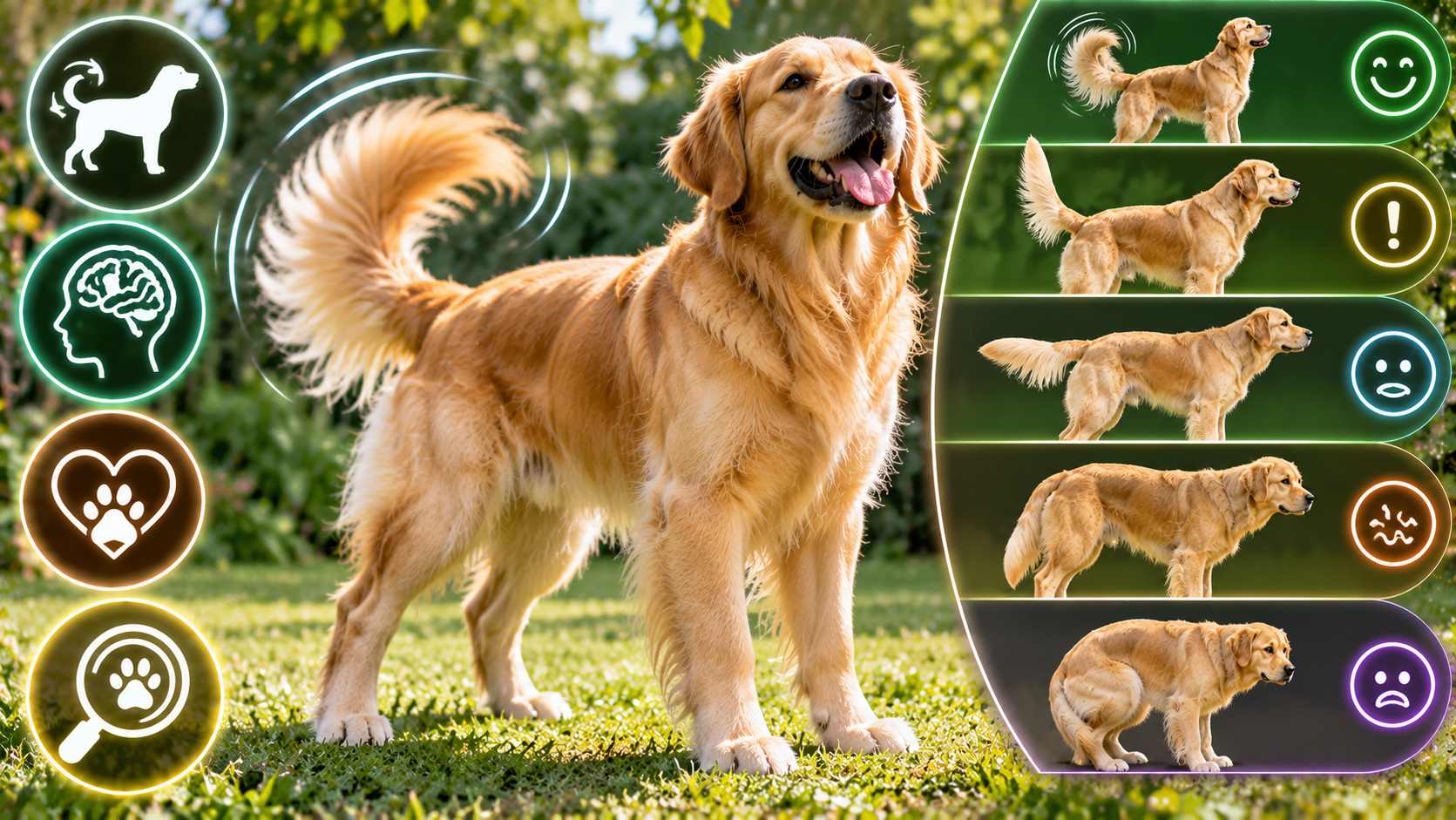
Understanding Dog Tail Movements invites readers into the fascinating world of canine communication, where every wag and position holds a unique meaning. This exploration reveals how dogs express their emotions and intentions through their tails, providing an essential insight for dog owners and enthusiasts alike.
From the joyful wagging of a happy pup to the subtle signals of a stressed dog, understanding these tail movements can enhance our interaction with our furry friends. By delving into the different types of tail movements and their significance, we can better appreciate the complex language of dogs.
Exploring the Different Types of Dog Tail Movements
Understanding a dog’s tail movements is crucial for interpreting their emotions and intentions. Dogs communicate not just through barks or body language but also by the way they wag their tails. Each type of tail movement conveys different feelings or states of mind, making it essential for pet owners and enthusiasts to recognize these cues.
Tail movements in dogs can be categorized into several types, each reflecting unique emotional states. The tail serves as a vital tool for communication, expressing everything from excitement to anxiety. By paying attention to these movements, we can better understand our canine friends and respond appropriately to their needs. Below are some common types of tail movements along with their significance.
Types of Tail Movements and Their Meanings
Different types of tail movements signify various emotions in dogs. Here’s a detailed look at these movements and what they typically indicate:
- High and Wagging Tail: A tail held high and wagging enthusiastically suggests that the dog is happy and excited. This movement is often seen in friendly breeds such as Labrador Retrievers and Golden Retrievers during playtime or when greeting familiar people.
- Slow Wagging Tail: A slow wag can indicate uncertainty or contemplation. Dogs may exhibit this tail movement when they are unsure about a situation or person. Breeds like the Shiba Inu may display this behavior when approached by strangers.
- Tail Between Legs: This position indicates fear or submission. A dog with its tail tucked may be feeling threatened or anxious. Breeds prone to shyness, such as the Cavalier King Charles Spaniel, often display this behavior in unfamiliar settings.
- Rapid Side-to-Side Wag: A fast wagging tail that moves side to side typically shows excitement and friendliness. This is common in breeds like Beagles when they encounter new people or situations.
- Stiff Tail: A stiff, held high tail often indicates alertness or aggression. This can be seen in breeds such as Rottweilers when they perceive a potential threat.
Understanding these tail movements enhances our ability to interact positively with dogs. Each wag and position can give insights into their emotional well-being and social intentions, improving the bond between humans and their four-legged companions.
The Influence of Tail Position on Canine Behavior
Dog tails serve as an essential form of communication, reflecting their emotions and intentions. The way a dog holds its tail can convey a wide array of feelings, from excitement to fear. Understanding tail position not only helps in interpreting a dog’s mood but also aids in enhancing interactions between dogs and humans. Various factors, including the dog’s environment and individual temperament, play pivotal roles in how tail positions manifest.
Different tail positions can indicate specific feelings or intentions in dogs. For instance, a tail held high and wagging vigorously often signifies happiness or excitement. Conversely, a tail tucked between the legs usually indicates submission or fear. It’s crucial to observe these positions collectively with other body language cues to get a more accurate understanding of a dog’s state of mind.
Tail Position Variations Across Environments
The context in which a dog finds itself can greatly influence its tail position. Environmental factors, such as the presence of unfamiliar people, other animals, or loud noises, can lead to changes in tail posture. Understanding these variations is key to interpreting a dog’s behavior correctly.
– High and Wagging: Indicates confidence and happiness, typically seen when a dog is playing or greeting familiar people.
– Level and Still: Reflects neutrality; the dog is calm and comfortable in its surroundings.
– Low and Wagging: Often suggests excitement but can also indicate anxiety, especially if the wagging is more of a rapid flick.
– Tucked Under: Signals fear or submission, frequently observed when a dog is feeling threatened or anxious.
These positional cues can vary widely not only due to the environment but also based on the breed and individual characteristics of the dog.
Interpreting Tail Positions in Various Dog Breeds
Different dog breeds exhibit unique tail behaviors, influenced by their genetic backgrounds and typical temperaments. Understanding these breed-specific tendencies enhances our ability to interpret their feelings accurately.
– Labrador Retrievers: Generally have a happy, wagging tail when playful, indicating a friendly demeanor.
– Beagles: Tend to have a low wagging tail when excited, often signaling eagerness to engage in activities like play or walks.
– Chihuahuas: May hold their tails high with excitement, but a low position might indicate fear or submission, especially in unfamiliar environments.
– Greyhounds: Often have a more neutral tail position, remaining low unless they are excited, which can lead to a slight wag.
Tail postures should always be considered in conjunction with other body language signs, such as ear position and facial expressions, to provide a more comprehensive understanding of a dog’s emotional state. Each breed has distinct tail behaviors that can reflect their roles, be it as companions, hunters, or guardians, showcasing the diversity in canine communication.
Understanding the Role of Tail Movements in Dog Social Interactions
Tail movements in dogs serve as a vital form of communication, conveying a range of emotions and intentions. Through their tails, dogs express feelings such as happiness, fear, aggression, and submission. Understanding these movements is essential for interpreting canine behavior, especially during social interactions with other dogs.
Tail movements play a key role in social interactions among dogs. A wagging tail is commonly associated with excitement and friendliness, while a stiff or low-held tail may indicate anxiety or aggression. Dogs use their tails to communicate not only with humans but also with one another, establishing social hierarchies and expressing their moods effectively. For instance, a dog greeting another may approach with a wagging tail held high, signaling openness and eagerness to socialize.
Examples of Tail Communication Among Dogs
Different tail movements can convey specific meanings and emotions, providing insights into a dog’s state of mind. The following list highlights the significance of various tail movements in dog-to-dog interactions:
- High Wagging Tail: Indicates happiness and a friendly disposition, often seen during playtime or when meeting familiar dogs.
- Low or Tucked Tail: Suggests submission or fear, typically observed in anxious or submissive dogs when approached by more dominant ones.
- Stiff Tail: Often signals a dog that is alert or potentially aggressive; this tail position is frequently observed in protective or territorial behaviors.
- Quick, Short Wags: Can indicate excitement or nervousness, as seen when a dog is eager to greet someone or something new.
- Sweeping Side-to-Side Movements: Common in friendly interactions, indicating an invitation to play or a relaxed demeanor during socialization.
The context of the interaction greatly influences tail communication, especially between familiar and unfamiliar dogs. When familiar dogs interact, their tail movements may demonstrate a clear understanding of each other’s social cues and hierarchies. For example, a high wagging tail in a familiar setting can signal playful intentions, whereas the same movement with unfamiliar dogs could be misinterpreted as a challenge.
Conversely, unfamiliar dogs may display more cautious tail movements, utilizing lowered tails or slow, deliberate wags to assess each other’s intentions. This cautious approach is vital in preventing misunderstandings that could lead to aggressive encounters. The nuances of tail communication become even more important in multi-dog environments, where each dog must navigate their social interactions with care.
“A dog’s tail is a critical tool for communication, revealing their feelings and intentions in ways that humans can often interpret through observation.”
Understanding these movements allows dog owners and enthusiasts to foster positive interactions, ensuring that both dogs feel comfortable and secure during their social encounters.
Tail Movements as Indicators of Stress or Anxiety in Dogs
Understanding a dog’s tail movements can significantly enhance our ability to interpret their emotional state, particularly when it comes to stress or anxiety. Tail posture and movement can serve as vital indicators, allowing us to recognize when our furry friends are experiencing discomfort or unease. By paying attention to these cues, we can respond appropriately and help alleviate their stress.
Certain tail movements are strongly associated with stress or anxiety in dogs. For instance, a dog that tucks its tail between its legs is often signaling fear or submission. Similarly, a tail that is held high and stiffly can indicate a heightened state of alertness, which may accompany feelings of anxiety. Recognizing these movements is crucial for understanding the dog’s emotional landscape.
Signs of Stress Through Tail Movements
Tail movements can manifest in various ways during stressful situations. These signs can help pet owners identify when their dogs are feeling anxious. The following tail movements are critical indicators:
- Tail Tucked Between Legs: This is often the most recognizable sign of stress and fear in dogs. When a dog tucks its tail, it usually indicates a desire to avoid confrontation or that the dog feels threatened.
- Fast, Erratic Wagging: A dog that wags its tail quickly and erratically, especially if the body is tense, may be experiencing anxiety rather than joy. This movement often occurs in unfamiliar settings or during encounters with other dogs or people.
- Stiff, Vertical Tail: A tail held high and stiff can indicate that a dog is on high alert. This posture often accompanies other signs of anxiety, such as panting or pacing, suggesting that the dog is feeling uneasy.
- Slow, Low Wagging: When a dog wags its tail slowly while keeping it low, it can indicate uncertainty or fear. The dog may be hesitant and unsure of its surroundings or the situation it is in.
Accompanying these tail movements are behavioral patterns that provide further insight into a dog’s emotional state. Dogs may exhibit signs such as panting, pacing, or attempting to hide when they are stressed. Recognizing these behaviors alongside tail movements can give a more comprehensive understanding of a dog’s anxiety level.
“Understanding tail movements is crucial in identifying and addressing a dog’s stress or anxiety.”
Recognizing a dog’s tail movements during moments of anxiety is essential for effective intervention. When a dog demonstrates signs of stress, it’s important to respond calmly and provide reassurance. Offering a safe space, such as a quiet room or a cozy bed, can help ease their anxiety. Engaging in gentle, soothing interactions can also help the dog feel more secure. Additionally, it’s helpful to identify the triggers of stress, whether they are loud noises, unfamiliar environments, or certain social interactions, to mitigate anxiety in the future.
By observing and understanding tail movements, dog owners can foster a supportive environment, ensuring the well-being of their canine companions.
The Relationship Between Tail Movements and Training Responses
Tail movements in dogs serve as vital indicators of their emotional state and understanding, particularly during training sessions. The way a dog’s tail wags, tucks, or holds still can reflect not only their mood but also their comprehension of training cues. It is essential for trainers to observe these movements closely, as they can provide immediate feedback on how well a dog is responding to commands and the overall training environment.
When examining the relationship between tail movements and training responses, we see that positive reinforcement techniques often yield more expressive tail movements than other training methods. Dogs trained with rewards such as treats, praise, or play typically exhibit a wagging tail that conveys enthusiasm and engagement. In contrast, dogs subjected to training methods based on punishment or aversive stimuli may display a low, tucked tail, signaling confusion or stress.
Tail Movements as Indicators of Comprehension and Response
Understanding the nuances of tail movements can greatly enhance training effectiveness. Here are key observations regarding tail movements in various training scenarios:
- Positive Reinforcement: Dogs that receive positive reinforcement show a rapid tail wag, which indicates excitement and eagerness to learn. For example, when a dog successfully sits on command and receives a treat, their tail might wag vigorously as a sign of happiness and understanding.
- Confusion or Uncertainty: If a dog is unsure about a command or is confused by the trainer’s signals, the tail may be held low or even tucked between their legs. This response signifies anxiety and a need for clarification. For instance, a dog that doesn’t understand a ‘stay’ command might remain still but display a low tail position, indicating nervousness.
- Distraction or Disinterest: A dog that is distracted or not interested in the training may have a neutral or slowly wagging tail. This can occur during sessions where the environment is noisy or filled with distractions, leading to a lack of focus on the owner’s cues.
- Progress in Training: As dogs begin to master certain commands, their tail movements become more confident. A dog that performs well on recall commands will often greet its owner with a high and rapidly wagging tail, signifying enthusiasm and satisfaction with the training process.
Consistent observation of tail movements during training can provide trainers with insights into a dog’s learning process, allowing for adjustments to be made to enhance understanding and reduce confusion.
Tail movements are not just indicators of a dog’s current emotional state; they are also reflective of the training methods used. By focusing on positive reinforcement and recognizing the significance of tail movements, trainers can foster a more positive learning experience for their canine companions. Effective training hinges on the mutual understanding established between the trainer and the dog, where clear communication is key to success.
Cultural Interpretations of Dog Tail Movements Around the World
Understanding how different cultures interpret dog tail movements can provide valuable insights into their behavioral communication. The tail is not just a physical feature; it serves as a complex signaling system that varies in meaning across different cultural contexts. These interpretations can significantly influence how people interact with dogs and shape their relationships with these beloved pets.
Cultural beliefs and practices surrounding canine tail communication are as diverse as the countries they originate from. For example, in some cultures, a wagging tail is universally seen as a sign of friendliness and happiness. In contrast, in other cultures, a similar movement could imply anxiety or submission. The following examples illustrate the variety in interpretations and practices related to dog tail movements worldwide.
Regional Interpretations of Tail Movements
Different regions have distinct interpretations of dog tail movements, affecting local customs and interactions with dogs. A few notable examples include:
- North America: In the U.S., a wagging tail is generally perceived as a positive sign. Dogs showing rapid tail wagging while standing indicate excitement and eagerness to engage, while a slow wag could suggest caution or uncertainty.
- Japan: In Japanese culture, a dog’s tail position is particularly significant. A tail held high often signifies confidence and readiness to play, whereas a low or tucked tail suggests fear or submission. Understanding these cues can help foster better relationships between dogs and their owners.
- Mexico: In Mexico, a dog wagging its tail in circles is often thought to represent extreme happiness and affection, commonly seen when the dog meets its owner after a long absence. This behavior emphasizes the strong bond between dogs and their families.
- India: In many Indian cultures, a tail wagging with a lowered body posture can indicate submission. It is often interpreted as a dog showing respect to a more dominant figure, whether that be a human or another dog.
Understanding regional interpretations of dog tail movements enhances cross-cultural communication and fosters deeper bonds between humans and dogs.
The way people interpret dog tail movements can significantly influence their interactions with dogs. In cultures that emphasize the positive aspects of wagging tails, owners are more likely to engage in play and socialization with their pets. Conversely, in cultures where tail movements are misinterpreted, such as viewing a wagging tail as a sign of impending aggression, it may lead to anxiety and misunderstanding in the human-canine relationship. By recognizing and respecting these cultural differences, individuals can create a more harmonious and understanding atmosphere, promoting positive interactions with dogs across the globe.
The Science Behind Tail Movements
Understanding the science behind a dog’s tail movements is essential for interpreting their emotions and intentions. The tail is more than just a signaling tool; it plays a critical role in canine communication, mood expression, and even balance. Knowing the anatomical and physiological aspects of tail movements can greatly enhance our understanding of dogs and their behaviors.
The anatomy of a dog’s tail consists primarily of vertebrae, muscles, and nerves. The vertebrae, which vary in number depending on the breed, are responsible for providing structure and flexibility. Surrounding the vertebrae are muscles that facilitate movement, allowing the tail to sway, curl, and wag in various directions. The nerves that innervate these muscles are connected to the central nervous system, enabling coordination and precision in movement. The significance of tail movement extends beyond mere expression; it is a complex interplay of anatomy and physiology that reflects the dog’s emotional state.
Anatomical Structures Involved in Tail Movements
The anatomical components that contribute to tail movements are vital for understanding how dogs communicate. These structures include:
- Vertebrae: The tail comprises several small, bony segments, known as vertebrae, which provide flexibility and support.
- Muscles: Several muscle groups control the tail’s movements, enabling a range of motions from slow swishes to rapid wags.
- Nerves: The tail is innervated by nerves that transmit signals from the brain, coordinating muscle contractions for movement.
The combination of these anatomical features allows for nuanced movements that can indicate a dog’s emotional state. For example, a high wagging tail may signal excitement, while a lowered tail could indicate submission or fear.
Neurological Pathways Influencing Tail Movement Coordination
The neurological pathways responsible for tail movements are intricate and involve several components of the nervous system.
“The tail serves as both a tool for communication and a reflection of a dog’s emotional state, guided by complex neural pathways.”
The central nervous system, particularly the brain’s motor cortex, plays a crucial role in initiating and controlling tail movements. The integration of sensory inputs, including sight and smell, informs the dog’s response and subsequent tail movement. This coordination is critical for social interactions with other dogs and humans.
Veterinary studies have shown that abnormalities in tail movement can be indicative of underlying health issues. Conditions affecting nerve function or muscle control can lead to altered tail posture or movements, often signaling the need for medical evaluation. Understanding these neurological connections enhances awareness of how a dog’s tail movements can reflect their health status and emotional well-being.
Insights from Veterinary Studies on Tail Movement Significance
Research in veterinary science emphasizes the importance of tail movements in understanding canine behavior and health. Observational studies have highlighted the correlation between tail position and emotional responses.
- Tail Position: Dogs with tails held high are generally more confident and approachable, while those with tails tucked may be feeling anxious or frightened.
- Tail Wagging Speed: Studies indicate that the speed and frequency of tail wags can signal excitement levels; a faster wag can indicate higher excitement.
- Tail Movements in Social Contexts: Dogs often use tail movements as a form of social signaling, which can affect their interactions with other animals and humans.
By recognizing these patterns, dog owners and trainers can better interpret their pets’ moods and reactions, leading to improved communication and bonding. The insights from veterinary experts underline the significance of tail movements as a window into a dog’s emotional world, providing valuable information for caregivers and trainers alike.
Final Review
In summary, recognizing and interpreting dog tail movements enriches our bond with our pets and aids in their well-being. By being attentive to these signals, we can respond more effectively to their emotional states and needs, fostering a deeper understanding and connection with our canine companions.
Detailed FAQs
What does a wagging tail mean?
A wagging tail typically indicates happiness or excitement, but the context and speed of the wag are essential to determine the exact emotion.
Can a tail held high indicate aggression?
Yes, a tail held high can suggest confidence or aggression, depending on the dog’s body language and the situation.
Are there differences in tail movements among breeds?
Absolutely, different breeds may exhibit distinct tail movements due to their physical structure and temperament.
How can I tell if my dog is anxious from their tail?
A tail that is tucked between the legs or held low can indicate anxiety or fear in dogs.
Do puppies have different tail movements than adult dogs?
Yes, puppies often have more erratic and enthusiastic tail movements, while adult dogs may display more controlled movements based on their emotional state.