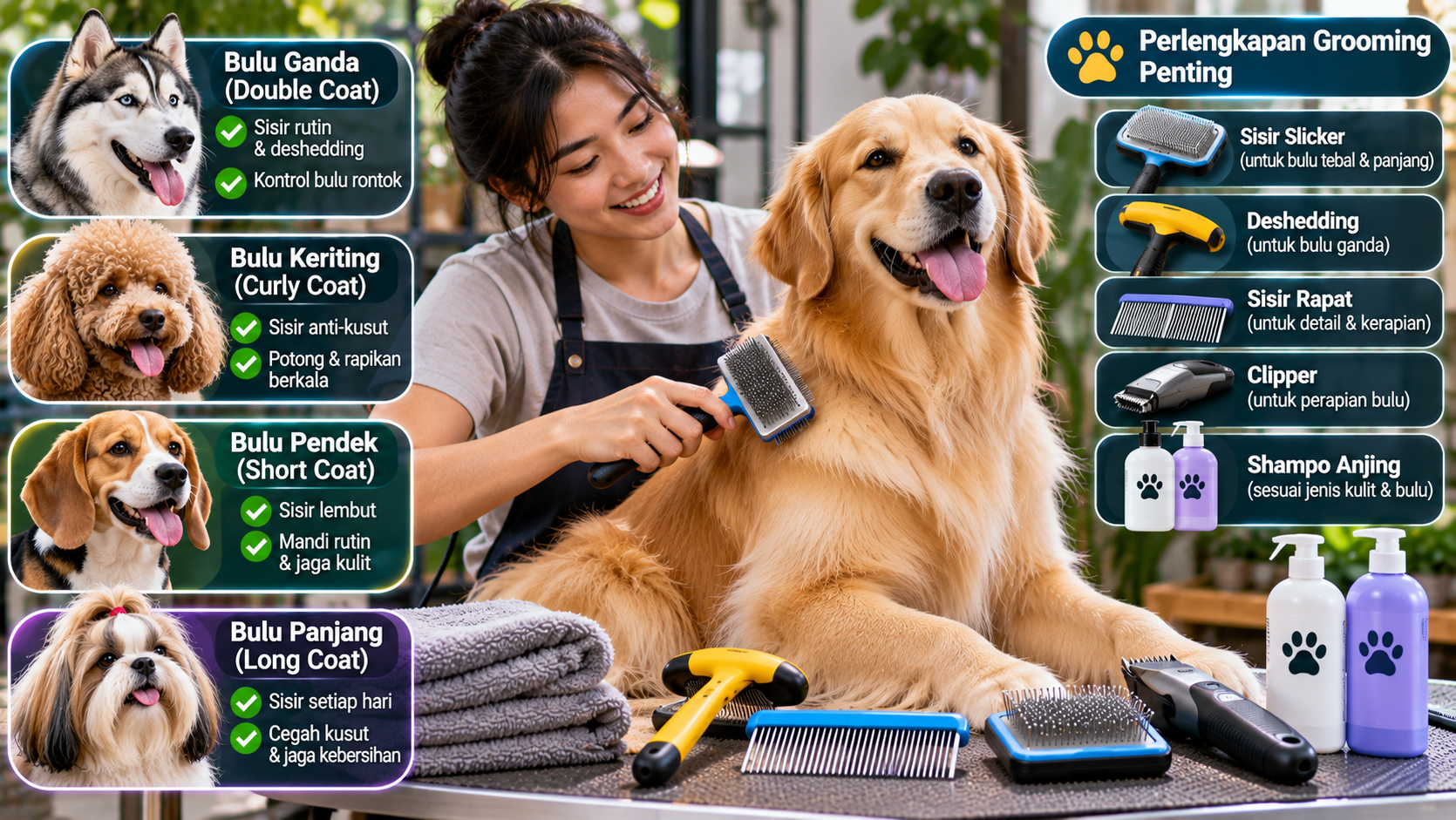
Dog Grooming Techniques for Different Coats is essential for every dog owner, as understanding the unique needs of various coat types can enhance your pet’s health and happiness. Knowing how to properly groom your furry friend not only keeps them looking their best but also helps prevent skin issues and discomfort. With a variety of coat types—from short and sleek to long and flowing—each requires specific grooming techniques and tools to ensure optimal care.
In this guide, we’ll explore the characteristics of different dog coats, the tools you’ll need, and effective grooming methods tailored for short, long, curly, and corded coats. Whether you’re new to dog grooming or looking to refine your skills, you’ll find valuable tips and insights that will help you establish a grooming routine suited to your dog’s unique needs.
Understanding the Different Types of Dog Coats
Recognizing the diverse types of dog coats is essential for effective grooming and care. Each coat type comes with its unique characteristics, grooming requirements, and maintenance schedules. Understanding these differences not only helps in providing proper care but also enhances the bond between the pet and owner through tailored grooming practices.
Dog coats can be categorized into several main types: short, long, curly, and wiry. Each coat type has distinct features that influence grooming needs. Short coats, typically found in breeds like the Beagle and Boxer, are sleek and easy to maintain. They usually require minimal grooming, around once a week, mainly for brushing to remove loose hair and dirt. The short hair lies close to the skin, making it less prone to matting, which simplifies the grooming process.
Long coats, seen in breeds such as the Golden Retriever and Afghan Hound, require more intensive care. These coats may tangle and mat easily, necessitating regular grooming sessions, often multiple times a week. Long-coated dogs benefit from brushing that detangles and keeps the fur healthy, in addition to periodic baths to remove dirt and debris that can accumulate in their longer fur.
Curly coats, exemplified by breeds like the Poodle and Portuguese Water Dog, are known for their tight curls that can trap dirt and moisture. These coats require consistent grooming, including combing to prevent matting and regular trims to maintain the coat’s shape and health. It’s advisable to groom curly-haired dogs every few weeks to keep their coats manageable and clean.
Wiry coats, found in breeds like the Airedale Terrier and Fox Terrier, have a distinct texture that is harsher than other coat types. These coats can shed minimally, but they do require regular hand-stripping to maintain their unique appearance and to promote healthy skin. Grooming wiry coats typically involves a schedule of every few weeks, along with occasional baths to keep the coat fresh.
In summary, the type of dog coat directly impacts grooming needs and schedules, emphasizing the importance of understanding these differences for effective care.
Tools and Products for Grooming Different Coat Types
Grooming your dog is not just about aesthetics; it’s essential for maintaining their health and happiness. Different coat types require specific tools and products to ensure effective grooming. Understanding the right tools can make the process easier and more enjoyable for both you and your pet.
When it comes to grooming, having the correct tools can make a world of difference. Each coat type—short, medium, or long—has its unique requirements, and using the right grooming tools can help manage shedding, prevent matting, and promote a healthy skin and coat. Below is a detailed overview of essential grooming tools and recommended products based on coat types.
Essential Grooming Tools and Recommended Products
Selecting the appropriate grooming tools is crucial for effective grooming based on coat types. The following tools are particularly suitable for short, medium, and long-haired dogs:
| Coat Type | Recommended Tools | Uses |
|---|---|---|
| Short-Haired | Rubber Brush | Helps in removing loose hair and massaging the skin. |
| Slicker Brush | Removes dirt and debris, smoothens the coat. | |
| Medium-Haired | Undercoat Rake | Effectively removes undercoat and prevents matting. |
| Combs | Useful for detangling and smoothing out the coat. | |
| Long-Haired | Wide-Toothed Comb | Detangles knots without pulling on the hair. |
| Dematting Tool | Designed specifically for removing mats and tangles. |
In addition to tools, using the right products is equally important. Here are some recommended shampoos, conditioners, and treatments suitable for various coat types:
– Short-Haired Dogs: Opt for a mild, moisturizing shampoo that can be gentle yet effective. Look for products containing aloe vera or oatmeal for soothing properties.
– Medium-Haired Dogs: A balanced pH shampoo paired with a conditioner designed to enhance coat shine can work wonders. Products with natural oils can help in controlling shedding.
– Long-Haired Dogs: Use a shampoo that focuses on detangling and conditioning to prevent knots. Leave-in conditioners or sprays can also be beneficial, helping to maintain moisture and manage tangles.
As you gather your grooming supplies, remember that the right tools and products can significantly impact your dog’s grooming experience. Regular grooming not only keeps their coat healthy but also strengthens the bond between you and your furry friend.
Grooming Techniques for Short-Coated Dogs
Short-coated dogs, with their sleek and shiny fur, may seem low-maintenance compared to their long-haired counterparts, but they still require regular grooming to stay healthy and looking their best. While the grooming methods for these breeds are often less intricate, understanding the specific needs of short coats—such as shedding patterns and skin care—is essential to maintain their well-being. Effective grooming contributes to a dog’s overall health by preventing skin issues and minimizing shedding around the home.
Bathing, Brushing, and Nail Trimming Techniques
Grooming short-coated dogs involves three primary techniques: bathing, brushing, and nail trimming. Although their coats might not require extensive brushing, it’s crucial to adopt the right approach to ensure a thorough and enjoyable grooming session.
Bathing:
1. Choose a dog-specific shampoo that suits your dog’s skin type, preferably one that is hypoallergenic if your dog has sensitive skin.
2. Start by wetting your dog down with lukewarm water, avoiding the eyes and ears.
3. Apply the shampoo and lather it gently into their coat, paying extra attention to any particularly dirty spots.
4. Rinse thoroughly to remove all shampoo residue, as leftover soap can irritate the skin.
5. Dry your dog with towels or a dog-specific dryer, ensuring they are comfortable throughout the process.
Brushing:
1. Select a rubber brush or a bristle brush, as these will effectively remove loose hairs without irritating the skin.
2. Start from the back and work your way towards the front, brushing in the direction of hair growth.
3. Pay special attention to common shedding areas—such as the neck and tail—using gentle strokes.
4. Brush your dog at least once a week to minimize shedding and keep their coat healthy.
Nail Trimming:
1. Use a quality pair of dog nail clippers or a nail grinder.
2. Hold your dog’s paw gently but firmly and identify the quick—the pink area within the nail that contains blood vessels.
3. Trim the nail just below the quick to avoid bleeding, or use a nail grinder for a smoother finish.
4. Reward your dog with treats afterward to create a positive association with this grooming task.
To ensure a smooth grooming experience, it’s important to keep an eye out for common issues that may arise with short coats. Below is a list of these issues along with their solutions:
Common Issues Faced with Short Coats and Their Solutions:
– Excess Shedding: Regular brushing and a high-quality diet can help manage shedding.
– Skin Irritations: Bathing with a mild shampoo and ensuring proper drying can prevent skin issues.
– Odor: Frequent baths and regular brushing can help keep your dog smelling fresh.
– Dry Skin: A balanced diet rich in Omega fatty acids supports skin health; consult your vet for additional supplements if needed.
– Scratching or Itching: Regular check-ups can help identify allergies or skin conditions early, allowing for timely treatment.
By implementing these grooming techniques and being aware of common issues, owners of short-coated dogs can keep their pets healthy, comfortable, and looking their best.
Grooming Methods for Long-Coated Breeds
Grooming long-coated breeds requires specific techniques and tools to maintain their luxurious fur in optimal condition. These breeds, which include the Afghan Hound, Yorkshire Terrier, and Shih Tzu among others, are known for their beautiful flowing coats that require regular attention to prevent matting and ensure overall coat health. Consistent grooming not only enhances their appearance but also plays a critical role in their skin health and comfort.
Regular brushing and detangling are fundamental practices in grooming long-haired dogs. The importance of this routine cannot be overstated as it helps to remove dirt, debris, and dead hair, which can otherwise lead to skin irritations or infections. Furthermore, brushing stimulates the natural oils in the dog’s skin, promoting a shiny and healthy coat. Without regular grooming, long-coated breeds can quickly develop tangles and mats that can cause discomfort and even pain.
Brushing Techniques for Long-Coated Breeds
To maintain a long-coated breed’s coat, it is essential to adopt the right brushing techniques. Here are some recommended methods:
1. Use the Right Tools:
– A slicker brush is effective for detangling and removing loose hair. Its fine wires can reach deep into the coat.
– A wide-tooth comb is ideal for gently breaking apart tangles without pulling on the skin.
– A pin brush helps to smooth out the coat and distribute natural oils evenly.
2. Establish a Regular Grooming Schedule:
– For long-haired breeds, grooming should ideally occur at least 3-4 times a week. Daily brushing is optimal, especially for those with particularly long or dense coats.
– Puppies may require shorter sessions (5-10 minutes) to get used to the grooming process, while adult dogs might tolerate longer sessions.
3. Brushing Technique:
– Always start at the ends of the hair, working your way up to the roots. This technique minimizes pulling and discomfort.
– Use short, gentle strokes and be patient when working through tangles. If encountering a mat, holding the base of the hair can help reduce skin tugging.
Creating a Grooming Schedule
A grooming schedule tailored to your dog’s coat length and breed can simplify the grooming process. Here’s a suggested timeline:
– Short Coats (e.g., Beagle, Boxer): Every 1-2 weeks
– Medium Coats (e.g., Cocker Spaniel, Shetland Sheepdog): Every week
– Long Coats (e.g., Golden Retriever, Maltese): 3-4 times a week or daily if prone to matting
Including bathing, nail trimming, and ear cleaning in the grooming routine is also important. Regular baths help to remove dirt and oils that accumulate over time, while nails should be trimmed every 3-4 weeks to prevent discomfort.
In addition to brushing, consider the following grooming practices:
– Bathing: Use a gentle, dog-specific shampoo, and condition the coat appropriately to keep it healthy.
– Ear Care: Regularly check and clean ears to prevent infections, especially in breeds with long ears.
– Professional Grooming: Scheduling visits to a professional groomer every few months can help manage your dog’s coat better, particularly for breeds that require specialized cuts.
By sticking to a consistent grooming routine and understanding the specific needs of long-coated breeds, pet owners can ensure their furry companions remain healthy, comfortable, and looking their best.
Specialized Grooming for Curly and Corded Coats
Curly and corded coat breeds, such as Poodles, Portuguese Water Dogs, and Komondors, require specialized grooming techniques to maintain their unique textures and overall health. These types of coats are not only distinct in appearance but also in how they trap dirt, moisture, and debris, making proper grooming essential for preventing matting and skin issues. Understanding the specific needs of these coats is crucial for any pet owner or groomer looking to keep their furry companions looking their best.
The grooming requirements for curly and corded coats differ significantly from those of straight or wiry coats. Curly coats need regular trimming and maintenance to preserve their bounce and prevent tangles. In contrast, corded coats require a hands-off approach to ensure their natural cords develop properly. For both coat types, proper drying techniques are vital to avoid frizz and maintain the integrity of the coat. Using high-velocity dryers or air drying is often recommended, as traditional towel drying can disrupt the curl pattern or cause the cords to loosen.
Importance of Drying Techniques and Tools
Drying methods play a significant role in achieving the desired look for curly and corded coats. Here are some key points to consider:
- High-Velocity Dryers: Ideal for curly and corded coats, these dryers blow air at high speeds to remove moisture without disturbing the hair texture. This helps maintain curl definition and allows cords to settle into their natural shape.
- Diffusers: For curly coats, using a diffuser attachment on a regular hairdryer can help enhance the curls while preventing frizz. It disperses heat evenly, reducing the chances of overheating specific areas.
- Avoiding Towels: Towel drying can create friction, leading to frizz in curly coats and disrupting the formation of cords in corded coats. Instead, use a microfiber cloth or let the coat air dry naturally.
Understanding the difference in grooming strategies is essential for maintaining the unique textures of curly and corded coats. For curly coats, the following grooming practices ensure that curls remain well-defined and healthy:
- Regular Trimming: Schedule trims every 6 to 8 weeks to prevent split ends and maintain the shape of the coat.
- Conditioning Products: Use leave-in conditioners or curl creams specifically designed for curly coats to provide moisture and enhance the curl structure.
- Detangling Techniques: Use a wide-toothed comb or your fingers to gently detangle curls when the coat is wet and conditioned, reducing breakage and damage.
On the other hand, for corded coats, the grooming strategy focuses on maintaining the natural cord structure:
- Hands-Off Approach: Allow cords to form naturally by minimizing brushing and only separating cords as necessary to prevent matting.
- Regular Maintenance: Check the cords regularly for dirt and debris, and gently wash them with a mild dog shampoo when needed.
- Avoiding Over-Washing: Frequent washing can soften the cords, so it’s advisable to wash corded coats only when necessary to maintain their texture.
Investing time in understanding these specialized grooming techniques ensures that curly and corded coat breeds maintain their health and beauty, reflecting the unique characteristics that make them so cherished.
Seasonal Grooming Tips for All Coat Types
As the seasons change, so do the grooming needs of our furry friends. Understanding how different coat types react to seasonal shifts is essential for maintaining your dog’s coat health. Proper grooming not only enhances your dog’s appearance but also contributes to their comfort and well-being. This guide covers seasonal grooming tips tailored for various coat types, ensuring your pet looks and feels their best year-round.
During seasonal changes, dogs may undergo shedding cycles and environmental adjustments that can impact their grooming requirements. For instance, in spring, many dogs shed their winter coat, which means frequent brushing is necessary to manage loose hair and prevent matting. In contrast, winter may require additional grooming to maintain a healthy and insulated coat. Adapting grooming routines based on the season can greatly enhance the coat’s health and the dog’s overall comfort.
Recommended Grooming Frequency by Coat Type
The following table Artikels the recommended grooming frequency for different coat types throughout the year. This guidance will help you maintain your dog’s coat health effectively.
| Coat Type | Winter | Spring | Summer | Fall |
|---|---|---|---|---|
| Short Coat | Once a week | Bi-weekly | Weekly | Bi-weekly |
| Medium Coat | Every two weeks | Weekly | Twice a month | Weekly |
| Long Coat | Every week | Twice a week | Weekly | Twice a week |
| Curly Coat | Every two weeks | Weekly | Every two weeks | Weekly |
During shedding seasons, particularly in spring and fall, it’s crucial to maintain a consistent grooming schedule. Regular brushing helps to remove shedding hair and prevents matting, especially for long and curly coats. In addition to brushing, using a de-shedding tool can be particularly effective in managing loose fur.
Weather changes can also influence your dog’s skin and coat health. Ensuring your dog receives adequate hydration and nutrition is vital during extreme temperatures. For instance, dry skin may become more prevalent in winter months, so using moisturizing shampoos and conditioners can help combat this issue. Similarly, in summer, keeping your dog cool and hydrated is essential to prevent overheating and skin irritation.
“Regular grooming not only enhances appearance but also contributes to the dog’s comfort and overall well-being.”
Behavioral Considerations during Grooming Sessions
Grooming sessions can be a challenge for both dogs and their groomers, especially when behavioral issues arise. Understanding how to handle these situations is crucial for creating a positive experience for your furry friend. Dogs may exhibit signs of anxiety or stress during grooming due to various factors, such as past negative experiences, unfamiliar environments, or even the tools being used. Recognizing and addressing these behaviors can help ease the grooming process and strengthen the bond between the dog and the groomer.
Creating a calm environment is essential for a successful grooming session. A relaxed atmosphere can significantly reduce a dog’s anxiety levels. One effective technique is to establish a routine that the dog can anticipate, as predictability often helps alleviate fears. Begin each session in a quiet, distraction-free area where the dog feels safe. Utilizing soft music or white noise can also create a soothing ambiance. Additionally, offering treats or praise during grooming helps build trust and encourages positive associations with the process.
Methods for Handling Behavioral Issues
Understanding and addressing a dog’s behavioral issues during grooming requires patience and skill. Common behaviors include reluctance to be touched, excessive licking, biting, barking, or trying to escape. Recognizing these signs early helps in managing them effectively.
To ease a dog’s anxiety, consider the following calming techniques and tools that can be beneficial during grooming:
- Desensitization: Gradually introducing grooming tools, such as brushes or clippers, while rewarding the dog can help reduce fear. Start with short sessions and gradually increase their duration as the dog becomes more comfortable.
- Positive Reinforcement: Use treats, praise, and toys to reward the dog for calm behavior during grooming. This can help them associate grooming with positive experiences.
- Relaxation Aids: Products like calming collars or pheromone diffusers can help reduce anxiety. These often contain synthetic versions of calming pheromones that can soothe dogs.
- Gentle Restraint: Sometimes, a dog may need gentle restraint to prevent sudden movements. Using a grooming harness or a non-restrictive grooming table can help keep the dog secure while minimizing stress.
- Regular Breaks: Allowing breaks during grooming sessions lets the dog relax and adjust. Short pauses for playtime or treats can make the experience more enjoyable.
- Familiarization: Introduce the dog to the grooming space and tools outside of grooming sessions. This can help them feel more comfortable and less anxious during actual grooming times.
Incorporating these techniques not only improves the grooming experience for the dog but also fosters a deeper bond of trust and understanding between the dog and the groomer. With the right approach, grooming can be transformed from a stressful ordeal into a positive activity that both the dog and the groomer look forward to.
Health Benefits of Regular Grooming for Dogs
Regular grooming is not just about keeping your dog’s coat looking fabulous; it plays a significant role in their overall health. By incorporating grooming into your dog’s routine, you can help ensure they live a happier and healthier life. Grooming sessions can help identify potential health issues early on, keep skin and coat problems at bay, and enhance your dog’s emotional well-being.
One of the primary advantages of regular grooming is the prevention of skin issues. Dogs can suffer from various skin conditions, including allergies, infections, and irritations. When you groom your dog, you are able to inspect their skin for any unusual signs such as redness, bumps, or flaky patches. This early detection can lead to prompt treatment, preventing minor issues from developing into more severe problems. Furthermore, regular brushing stimulates the skin’s natural oils, which can help keep the coat healthy, shiny, and free from excessive shedding.
Matting is another concern that grooming can address effectively. Certain breeds, especially those with long or curly coats, are prone to matting. Mats can pull on the skin, causing discomfort and irritation for your dog. Regular grooming helps to remove tangles and prevent mats from forming, promoting comfort and ease of movement. Additionally, it aids in keeping your dog’s coat clean and free from dirt, debris, and parasites, which is essential for their overall health.
Grooming also contributes to your dog’s emotional well-being. The process of grooming can be a bonding experience between you and your dog, fostering trust and affection. Dogs often find grooming relaxing, and it can help reduce anxiety and stress. A calm and relaxed dog is less likely to exhibit behavioral issues, contributing to a harmonious environment for both of you.
During grooming sessions, it’s critical to perform certain health checks that can provide insight into your dog’s condition. These checks not only enhance the grooming experience but can also safeguard your pet’s health. Here are some specific health checks to consider during grooming:
- Ear Inspection: Look for signs of infection, such as redness or odor.
- Dental Check: Assess your dog’s teeth and gums for any signs of plaque build-up or disease.
- Skin Examination: Check for lumps, bumps, and any unusual skin conditions or irritations.
- Nail Trimming: Ensure nails are not overly long, which can cause discomfort and mobility issues.
- Weight Assessment: Observe your dog’s body condition to ensure they are within a healthy weight range.
- Flea and Tick Check: Inspect for any parasites that may be affecting your dog’s skin or health.
Incorporating these health checks into your grooming routine can lead to early detection of potential health issues, allowing for timely intervention and treatment. Regular grooming not only keeps your dog looking their best but also plays a crucial role in their overall health and happiness.
Closing Summary
In summary, mastering Dog Grooming Techniques for Different Coats is crucial for maintaining your dog’s coat health and promoting overall well-being. By understanding the specific grooming requirements for each coat type, you can effectively address your dog’s needs throughout the year, ensuring they are happy and healthy. Remember, regular grooming not only keeps your pet looking great but also strengthens the bond between you and your furry friend.
Question & Answer Hub
How often should I groom my dog?
The frequency of grooming depends on the coat type. Short-haired dogs may need grooming every few weeks, while long-haired dogs often require weekly or even daily grooming to prevent matting.
What tools are essential for dog grooming?
Essential grooming tools include brushes, combs, nail clippers, and shampoos tailored for your dog’s coat type. Specific tools like de-shedding tools and slicker brushes may also be beneficial.
Can I groom my dog at home?
Yes, many dog owners groom their pets at home. It’s important to educate yourself on the specific grooming needs of your dog’s coat and use the right tools.
What should I do if my dog hates grooming?
Creating a calm environment, using positive reinforcement, and gradually acclimating your dog to grooming can help ease their anxiety during grooming sessions.
Are there any health benefits to grooming?
Yes, regular grooming helps prevent skin issues, matting, and promotes overall health by allowing for skin checks and reducing shedding in the home.