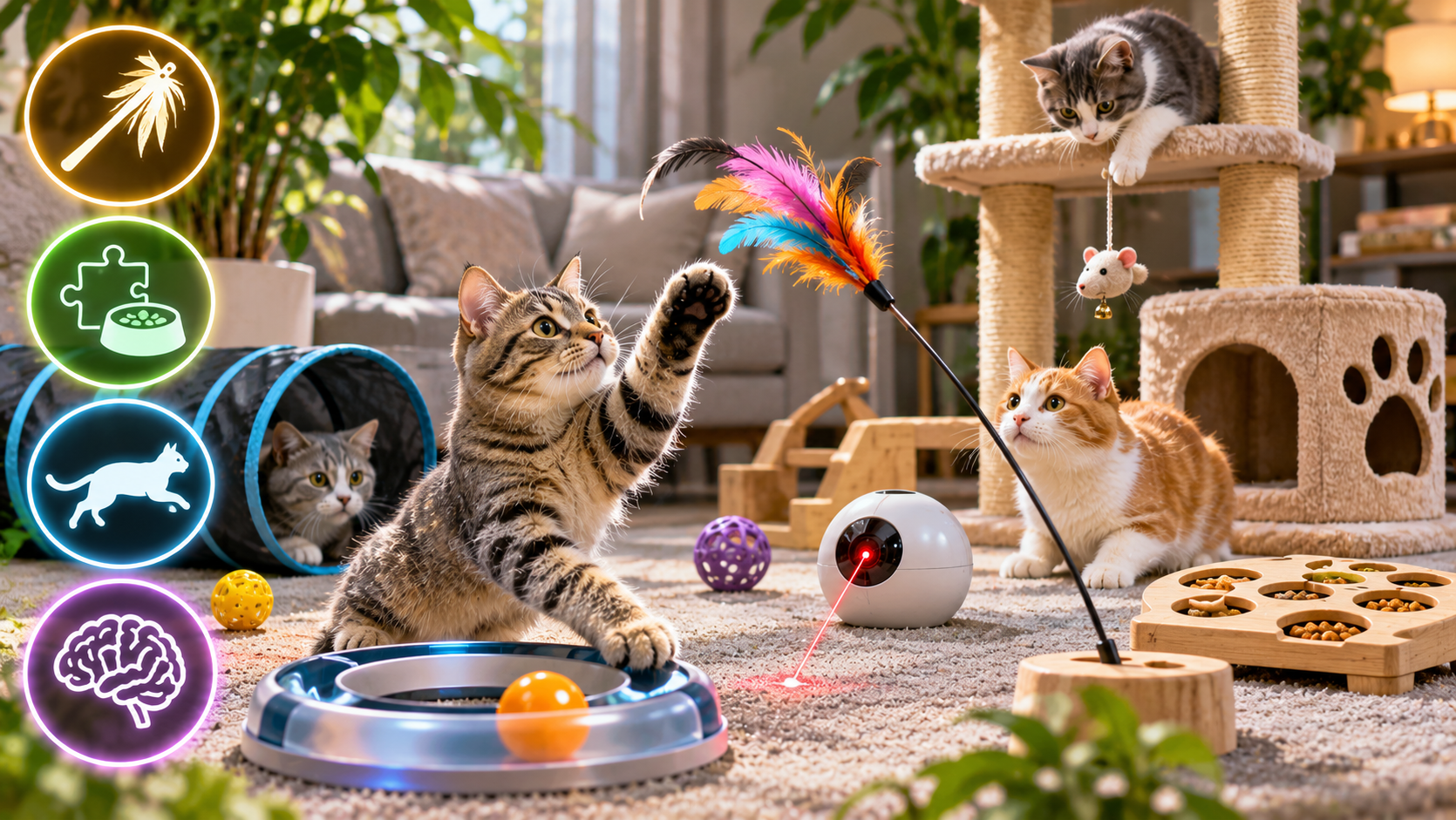
Interactive Play for Indoor Cats is not just a pastime; it’s a crucial aspect of feline well-being that enriches their lives. Engaging your indoor cat in playful activities can lead to a healthier, happier pet while also strengthening the bond between you. So let’s dive into the world of interactive playtime and discover how it can transform your cat’s everyday experience into something extraordinary!
From enhancing physical health to boosting mental stimulation, interactive play serves multiple benefits for indoor cats. By incorporating various types of toys and creating a stimulating environment, you can tap into your cat’s natural instincts and provide them with fulfilling play experiences. This not only prevents behavioral issues but also makes playtime a delightful adventure for both you and your furry friend.
Interactive play benefits for indoor cats are essential for their well-being
Indoor cats often face challenges that can impact their overall health and happiness. Unlike their outdoor counterparts, they lack the natural opportunities for exercise and mental engagement. Interactive play serves as a crucial component in maintaining their physical and mental well-being, providing numerous benefits that go beyond mere entertainment.
Interactive play plays a vital role in preventing behavioral problems in indoor cats. When cats engage in regular play, they expend energy that might otherwise lead to destructive behaviors. For instance, a cat that feels bored or restless may resort to scratching furniture or knocking things over. By incorporating interactive toys and engaging activities into their routine, owners can redirect their pets’ energy in a constructive way, fostering a positive environment and reducing stress-related issues.
Prevention of Behavioral Problems
Regular interactive play helps in significantly reducing common behavioral issues. Here are some key points illustrating the relationship between play and behavior:
- Reduces Aggression: Engaging in play helps cats channel their hunting instincts, minimizing aggressive behaviors towards humans or other pets.
- Less Destructive Behavior: Boredom leads to mischief; playtime keeps cats occupied, thereby reducing damage to household items.
- Improves Socialization: Interactive play promotes bonding with humans, enhancing social skills and reducing anxiety in cats.
Physical Health Advantages
The physical health benefits associated with interactive play are substantial. Regular exercise is essential for a cat’s overall health, and playtime is an excellent way to ensure they get the activity they need.
- Weight Management: Active play helps prevent obesity, a common issue for indoor cats, by burning calories and maintaining a healthy weight.
- Muscle Tone and Strength: Engaging in vigorous play activities helps build muscle strength and improves coordination.
- Heart Health: Regular exercise supports cardiovascular health, reducing the risk of heart disease.
Mental Stimulation Through Interactive Activities
Mental stimulation is as crucial as physical exercise for indoor cats. Interactive play provides opportunities for cats to engage their brains, which is essential for their cognitive health.
- Problem-Solving Skills: Interactive toys, such as puzzle feeders, challenge cats to think and strategize, enhancing their critical thinking abilities.
- Curiosity and Exploration: Play encourages exploration of their environment, which is vital for mental enrichment and preventing boredom.
- Stress Reduction: Mental engagement through play can alleviate anxiety and stress in indoor cats, leading to a happier demeanor.
“Interactive play is not just a luxury; it’s a necessity for the well-being of indoor cats.”
Various types of interactive toys that enhance playtime for indoor cats
Interactive toys play an essential role in keeping indoor cats mentally stimulated and physically active. These toys cater to their innate instincts such as hunting, pouncing, and problem-solving, ensuring that their playtime is both entertaining and beneficial to their overall well-being. Below are different categories of interactive toys that can enhance playtime for indoor cats.
Electronic Toys
Electronic toys are designed to mimic the movement of prey, providing an engaging challenge for indoor cats. These toys often feature unpredictable motions or sounds that stimulate a cat’s hunting instincts, making playtime more exciting.
- Laser Toys: These battery-operated devices project a laser dot that moves in erratic patterns, enticing cats to chase and pounce. They help improve agility and provide a great outlet for energy.
- Automated Ball Launchers: These toys launch balls at varying distances, encouraging cats to run and fetch. They can stimulate both physical activity and mental engagement, as cats learn to anticipate and react to the ball’s trajectory.
- Remote-Controlled Toys: These toys can be controlled via a smartphone or a remote, allowing owners to engage their cats even when they are not in the same room. The unpredictability of movement keeps cats on their toes.
Puzzle Toys
Puzzle toys are designed to encourage problem-solving and cognitive engagement in cats. They provide mental challenges by requiring cats to figure out how to access treats or toys hidden within.
- Treat Dispensing Balls: These balls release treats as they roll and tumble, promoting natural play and encouraging cats to engage in physical activity while also solving the puzzle of how to get the treats out.
- Interactive Feeders: These toys make mealtime more interactive by requiring cats to paw or manipulate the feeder to access their food. They help slow down fast eaters and stimulate mental activity.
- Maze Toys: These toys consist of a series of tunnels and compartments where cats need to navigate to find hidden treats. They offer a fun way to challenge a cat’s intelligence.
Wand Toys
Wand toys are excellent for interactive play between owners and cats. They facilitate bonding while allowing cats to engage in their natural hunting behaviors.
- Feather Wands: These toys are designed with a long handle and attached feathers that mimic birds, encouraging cats to leap and pounce as they would in the wild.
- String Toys: These provide a long, dangling string that cats can stalk and chase. The unpredictable movements of the string stimulate their predatory instincts.
- Cat Dancers: This innovative toy consists of a spring with attached strings and feathers that bounce and sway, capturing a cat’s attention and encouraging active play.
Interactive Cat Towers and Trees
Interactive cat towers and trees combine climbing, scratching, and hiding spots, providing a multi-dimensional play experience for indoor cats.
- Multi-Level Cat Trees: These structures provide various heights and platforms for climbing, allowing cats to exercise and explore their environment.
- Scratching Posts with Toys: Many scratching posts include dangling toys or sisal-covered areas that entice cats to scratch, play, and stretch their muscles.
- Hiding Spots: Cat trees often incorporate enclosed areas where cats can hide and stalk, appealing to their natural instincts to seek out and ambush.
“Interactive toys not only entertain cats but also provide essential mental and physical stimulation, crucial for their happiness and health.”
Creating a stimulating indoor environment through interactive play
Indoor cats often miss out on the natural stimulation that outdoor environments provide, which can lead to boredom and behavioral issues. To combat this, creating a stimulating indoor environment filled with interactive play opportunities is essential. By thoughtfully setting up play areas, incorporating vertical space, and regularly rotating toys, cat owners can ensure their feline friends enjoy an engaging and enriched life indoors.
Strategies for setting up play areas within a home for indoor cats
Establishing dedicated play areas for cats is a key strategy for enhancing their interactive play experience. These spaces should be inviting, safe, and equipped with various toys and activities. Consider the following elements when creating these areas:
- Designate a specific room or corner of a room as the main play area. Use cat-friendly mats or soft surfaces to make it comfortable.
- Incorporate a variety of toys, such as feather wands, balls, and laser pointers, to cater to different play styles and preferences.
- Utilize engaging cat furniture like scratching posts and tunnels to encourage exploration and exercise.
- Ensure the play area is free from hazards, such as small objects that can be swallowed or sharp edges that can cause injury.
The role of vertical space and climbing options in enhancing play
Vertical space is crucial in creating a stimulating environment for indoor cats. Cats are natural climbers, and providing climbing options allows them to express their instincts and engage in physical activity. Consider the following enhancements to maximize vertical space:
- Install cat trees or shelves that allow cats to climb and survey their territory from above, which can bring them a sense of security and satisfaction.
- Use wall-mounted shelves or bridges to create a network of climbing pathways, encouraging cats to explore while exercising.
- Incorporate window perches to provide cats with a view of the outside world, stimulating their senses and keeping them mentally engaged.
Rotating toys and activities to maintain interest
To keep indoor cats engaged, regularly rotating toys and activities is vital. This practice prevents boredom and ensures that playtime remains stimulating. Here are some effective strategies for toy rotation:
- Keep a selection of toys available while storing others away for a few weeks. After a break, reintroduce the stored toys to reignite interest.
- Incorporate different types of toys, such as puzzle feeders, which challenge cats mentally and reward them with treats for their efforts.
- Change the play routine regularly by introducing new games or activities, such as hiding treats around the house for cats to find.
“A well-structured play environment can significantly enhance the quality of life for indoor cats by fulfilling their physical and mental needs.”
The significance of owner involvement in interactive play sessions
Interactive play is essential for indoor cats as it stimulates their natural instincts and provides physical and mental exercise. The involvement of the owner in these play sessions significantly enhances the experience for both the cat and the owner. A cat’s engagement level during play is heavily influenced by the presence and participation of its owner, making these moments truly special and beneficial for building a strong bond.
Owner participation not only encourages cats to engage more actively in play but also helps in improving their overall mood and reducing behavioral issues. When an owner plays with their cat, it provides reassurance and encouragement, which can lead to more dynamic and enjoyable play sessions. The energy and enthusiasm of the owner can motivate the cat to explore, chase, and pounce, ultimately leading to a more fulfilling experience.
Fun and interactive games for cats
Engaging in various interactive games can maximize the fun during playtime. Here are some enjoyable activities that owners can participate in with their cats:
- Feather Wands: Using a wand with feathers attached allows owners to mimic the movements of birds, enticing cats to jump and chase.
- Laser Pointer: A classic game where owners shine a laser dot around the room, encouraging cats to sprint and pounce as they try to catch the elusive light.
- Hide and Seek: Owners can hide treats or toys around the house, encouraging their cats to use their senses to find the hidden items.
- Interactive Puzzle Toys: These toys require the cat to solve puzzles to receive treats, promoting mental stimulation while allowing owners to participate in the challenge.
- Box Forts: Creating a maze or fort out of cardboard boxes can provide endless entertainment, inviting cats to explore and play while owners can join in the fun.
Engaging in these games not only provides exercise and enrichment but also strengthens the bond between cat and owner, enhancing their relationship through shared experiences.
Reading a cat’s body language during playtime
Understanding a cat’s body language is crucial for ensuring that playtime is enjoyable and safe for both the cat and the owner. Recognizing signs of excitement or stress can help owners adjust their actions accordingly.
A relaxed and engaged cat typically displays the following body language signals:
- Tail Up: When a cat’s tail is held high, it indicates happiness and confidence, suggesting that they are ready to play.
- Ears Forward: Ears that are perked up and facing forward show curiosity and interest, signaling that the cat is engaged in the activity.
- Purring: A cat that is purring during play is often content, reflecting enjoyment and a relaxed state.
- Play Bow: If a cat crouches down with its front legs extended, it may be signaling an invitation to play, showing readiness to have fun.
Conversely, if a cat displays signs of distress, such as flattened ears, a twitching tail, or sudden withdrawal, it’s essential for the owner to pause the play and allow the cat some space to avoid overwhelming them.
By paying attention to these signals, owners can create a more enjoyable and tailored play experience that respects the cat’s boundaries and enhances their overall well-being.
Scheduling and structuring playtime to maximize benefits
Establishing a consistent play schedule for indoor cats is essential for their physical and mental health. Indoor cats often lack the stimulation provided by natural hunting and roaming, making structured play even more critical. A well-planned play routine not only engages your cat but also helps in building a strong bond between you and your feline friend.
Creating a successful play schedule involves understanding your cat’s natural behavior and energy levels. It’s recommended to have multiple play sessions throughout the day, each lasting around 10 to 15 minutes. This duration is ideal for keeping your cat engaged without overwhelming them. Frequent, shorter play sessions can effectively mimic a cat’s natural hunting instincts and help to expend excess energy.
Recommended duration and frequency of play sessions
To maximize the benefits of interactive play, it’s beneficial to establish daily routines. The following points Artikel an effective approach to structuring these sessions:
- Two to three sessions daily: Aim for at least two to three play sessions each day. This allows your cat to engage in physical activity and mental stimulation regularly.
- Time of day matters: Schedule playtimes during your cat’s natural active periods, usually early morning and evening. This aligns with their instinctive hunting times.
- Vary the play types: Incorporate different types of interactive play, such as feather wands, laser pointers, or puzzle toys, to keep your cat intrigued and excited.
The daily timeline below incorporates interactive play into a cat’s routine, ensuring balanced stimulation and relaxation:
| Time | Activity |
|---|---|
| 7:00 AM | Morning play session (10-15 minutes) |
| 8:00 AM | Feeding breakfast |
| 12:00 PM | Interactive toy time (self-play) |
| 5:00 PM | Evening play session (10-15 minutes) |
| 6:00 PM | Feeding dinner |
By adhering to this schedule, you can ensure your cat remains physically active, mentally stimulated, and emotionally fulfilled. Remember, consistency is key, and adjusting the timings based on your cat’s behavior and preferences can further enhance their play experience.
Understanding the preferences of individual indoor cats in play
Each indoor cat is unique, with its own distinct personality, preferences, and play style. Understanding these individual traits is essential for providing engaging and enjoyable play experiences that keep your feline friend stimulated and happy. Assessing your cat’s play preferences not only enhances their well-being but also strengthens the bond between you and your pet.
Identifying a cat’s play style involves observing their behavior during different types of play activities. Some cats may prefer solitary play, while others thrive in interactive settings with human involvement. To effectively tailor play experiences, it is crucial to recognize these preferences and adapt your approach accordingly.
Methods for assessing play style and preferences
To determine an indoor cat’s play style, it’s essential to observe their reactions to various toys and activities. Here are some methods to assess their play preferences:
- Toy Testing: Introduce a variety of toys, such as feather wands, laser pointers, and balls. Observe which toys evoke the most excitement and engagement from your cat.
- Play Duration: Note how long your cat plays with different toys. A longer engagement often indicates a stronger preference for that particular type of play.
- Body Language: Pay attention to your cat’s body language. Pouncing, stalking, and a playful demeanor indicate a preference for hunting-style play, while lounging around toys may suggest a more relaxed attitude toward playtime.
Tailoring interactive play experiences
Once you have assessed your cat’s play style, you can create tailored interactive play experiences. Understanding their specific needs leads to more fulfilling and enjoyable moments. Here are some suggestions:
- Incorporating Favorite Toys: If your cat shows a preference for certain toys, integrate these into your play sessions to enhance their excitement and engagement.
- Variable Play Sessions: Change the intensity and duration of play sessions based on your cat’s energy levels. Some cats may prefer brief, high-energy bursts, while others enjoy longer, calmer playtimes.
- Engaging in Interactive Play: Many cats enjoy chasing and hunting. Use toys like feather wands or laser pointers to simulate prey, allowing them to satisfy their hunting instincts.
Distinct play behaviors among different breeds
Different cat breeds often exhibit varied play behaviors, influenced by their genetic traits and natural instincts. Understanding these breed-specific tendencies can help tailor play experiences more effectively. Here are some examples:
- Siamese Cats: Known for their high energy and social nature, Siamese cats often enjoy interactive play with their owners. They may engage in games that involve chasing or retrieving.
- Maine Coons: This breed tends to be more laid-back but may enjoy puzzle toys and games that challenge their intelligence, reflecting their natural curiosity.
- Persians: Typically more sedentary, Persians may prefer gentle play with soft toys or quiet interactions, aligning with their calm demeanor.
Understanding your indoor cat’s unique preferences and play styles can greatly enrich their playtime and overall happiness, creating memorable experiences for both you and your feline companion.
Overcoming common challenges in engaging indoor cats during play
Engaging indoor cats in play can often be a challenge due to various factors that inhibit their natural instincts and curiosity. Understanding these barriers is essential to creating a stimulating environment that encourages active participation in play. By identifying and addressing these challenges, cat owners can enhance their pets’ quality of life and ensure that playtime is both enjoyable and beneficial.
One frequent barrier to effective interactive play is a cat’s inherent personality traits, such as shyness or aloofness. These cats may be hesitant to engage with toys or their owners due to fear or a lack of confidence. Another challenge can arise from boredom, especially if the same toys are consistently used. This can lead to a disinterest in play altogether. To overcome these barriers, various techniques can be employed.
Encouraging participation from shy or hesitant cats
Many cats have unique personalities that affect their willingness to participate in play. For shy or hesitant cats, creating a comfortable and secure environment is crucial. Gradual introduction to play and toys can help build their confidence. Here are some effective techniques to encourage participation:
- Use quiet, non-threatening toys: Feather wands or soft balls can be less intimidating than noisy or aggressive-looking toys.
- Incorporate treats: Associating playtime with treats can motivate a hesitant cat to engage. Place treats near or on the toy to encourage interaction.
- Short play sessions: Begin with brief play sessions to avoid overwhelming the cat, gradually increasing the duration as they become more comfortable.
- Play in a safe space: Create a designated area where the cat feels secure, allowing them to explore and engage with toys at their own pace.
- Interactive toys: Using battery-operated or motion-activated toys can stimulate a shy cat’s interest without requiring their immediate interaction.
Maintaining a cat’s interest during long play sessions
Keeping a cat engaged during extended playtime can be challenging, especially if they lose interest in the same toys or activities. To maintain their excitement and enthusiasm, consider the following strategies:
- Rotate toys regularly: Introducing new toys or rotating existing ones can keep the play experience fresh and exciting.
- Varied play styles: Alternate between types of play, such as chasing, hiding, or climbing activities, to cater to different instincts and preferences.
- Incorporate puzzles: Engaging a cat’s mind with puzzle toys that require problem-solving can extend playtime and keep their interest piqued.
- Use different playmates: If feasible, involving another pet in play can create dynamic interactions and stimulate interest.
- Change the environment: Rearranging furniture or creating new play spaces can stimulate curiosity and encourage exploration during play.
Creating a stimulating environment and understanding your cat’s individual preferences are key to successful interactive play.
Incorporating technology into interactive play for indoor cats
As indoor cats often lack the stimulation of outdoor exploration, technology has stepped in to enhance their play experience. Innovative gadgets and applications are designed not just to entertain our feline friends but also to foster a deeper connection between cats and their owners. This tech-savvy approach to playtime can transform a mundane indoor environment into an engaging playground, keeping our pets physically active and mentally stimulated.
Innovative tech gadgets and apps designed for indoor cat play
A variety of tech tools are now available that cater specifically to the needs of indoor cats. These devices provide interactive play opportunities that mimic natural hunting behaviors.
- Laser toy devices: Automated laser pointers can move unpredictably, engaging your cat in a game of chase without requiring constant human involvement.
- Interactive toys: Gadgets like feather wands or toy mice that move on their own encourage cats to pounce and play, promoting physical activity.
- Cat apps: Smartphone applications featuring moving objects on-screen—like fish or insects—can capture a cat’s attention and stimulate their hunting instincts.
- Automated ball launchers: These devices can throw balls for your cat to chase, allowing for interactive play even when you’re busy.
- Smart litter boxes: While not a direct play tool, these gadgets keep the environment clean and can enhance a cat’s overall well-being, indirectly influencing playfulness.
Technology enhancing bonding experiences between cats and their owners
Tech integration in playtime can foster stronger relationships between cats and their owners. Engaging with technology allows owners to actively participate in their pet’s play, leading to shared experiences that strengthen their bond.
Cats often respond positively to the movements and sounds produced by tech gadgets. For instance, using an interactive laser toy while your cat chases the dot can create moments of excitement, where the owner’s involvement is crucial.
“Interactive play fosters not just exercise but also deepens the emotional connection between pets and their owners.”
Furthermore, apps that track your cat’s activity levels can help owners understand their pet’s habits and preferences, allowing for more personalized play experiences. This level of involvement encourages a more profound understanding of their behaviors, leading to more meaningful interactions.
Potential downsides of relying too heavily on tech for playtime
While technology offers numerous advantages, over-reliance on it can have drawbacks. Cats require a variety of play types, and solely depending on tech may limit their natural instincts.
- Reduced physical interaction: Excessive use of tech toys can lead to less hands-on playtime, which is essential for developing a strong bond.
- Overstimulation: Some cats may become overly stimulated or frustrated by fast-moving gadgets, leading to stress rather than enjoyment.
- Dependency on devices: Cats might become reliant on tech for entertainment, neglecting more traditional forms of play that are equally important.
- Sensory overload: Continuous interaction with high-tech devices may overwhelm some cats, causing anxiety or behavioral issues.
Last Word
In conclusion, prioritizing interactive play for your indoor cat opens up a world of fun and enrichment that significantly enhances their quality of life. By actively participating in play sessions, selecting engaging toys, and understanding your cat’s preferences, you can create a vibrant indoor environment that keeps your feline companion entertained and healthy. Remember, playtime is not just about the toys; it’s about the connection you build with your cat through shared experiences that will last a lifetime.
Frequently Asked Questions
What are the benefits of interactive play for indoor cats?
Interactive play promotes physical exercise, mental stimulation, and helps prevent behavioral issues.
How long should play sessions last?
Play sessions should ideally last between 10 to 15 minutes, multiple times a day, to keep your cat engaged.
What types of toys are best for interactive play?
Toys that mimic prey, such as feather wands, laser pointers, and puzzle toys, are great for engaging your cat.
How can I motivate a shy cat to play?
Start with quiet play sessions using soft toys and gradually introduce more stimulating activities as your cat becomes comfortable.
Can technology help in playtime?
Yes, tech gadgets like laser toys and interactive apps can enhance playtime, but should be balanced with hands-on engagement.