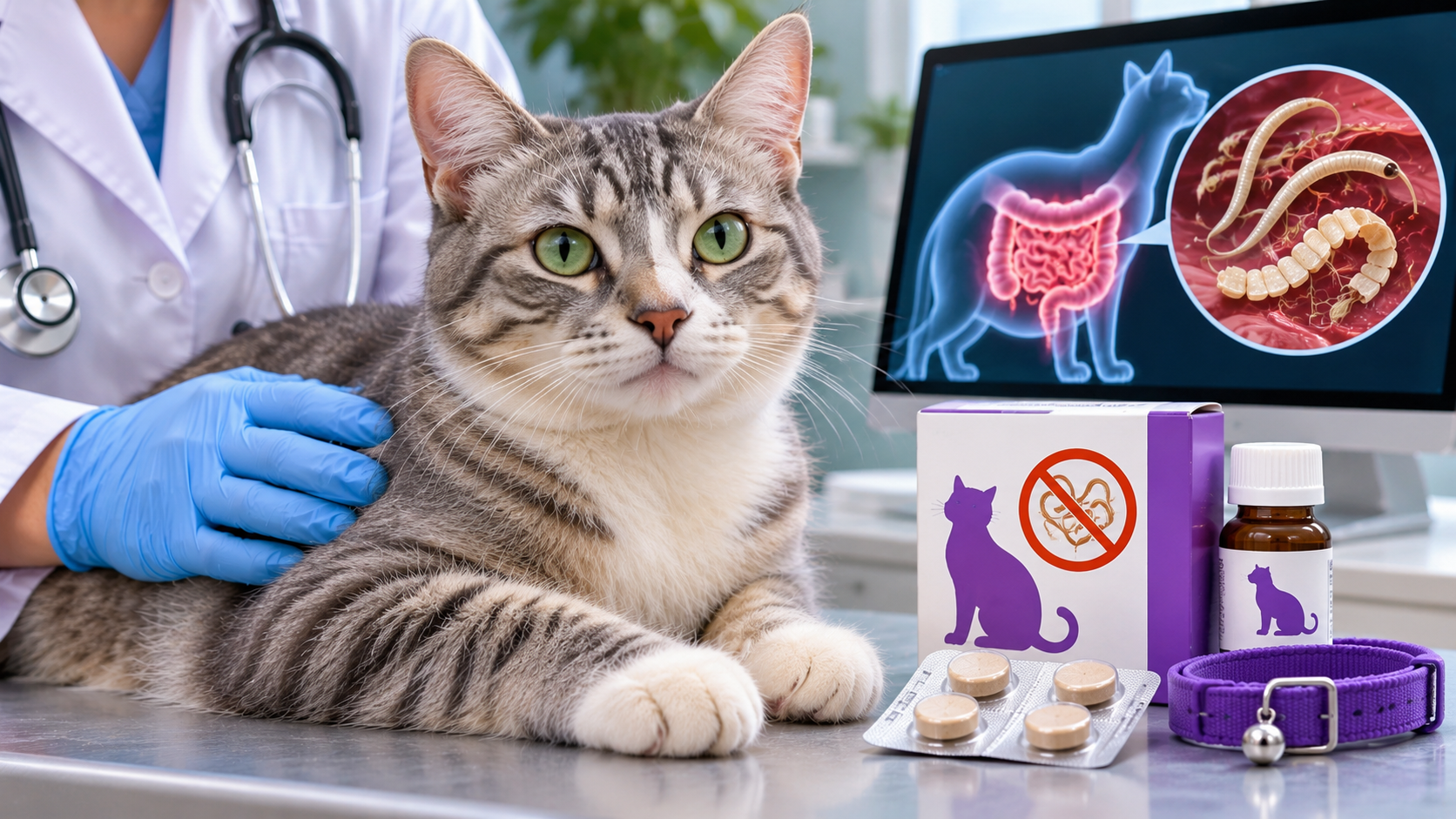
Intestinal Parasite Control in Cats is a crucial aspect of feline health that every cat owner should prioritize. Cats can be susceptible to various types of intestinal parasites, which can lead to serious health issues if not properly managed. Understanding the different parasites, their symptoms, and the treatment options available is essential for ensuring your cat leads a healthy and happy life.
This guide will delve into the common types of intestinal parasites affecting cats, the signs to watch for that may indicate an infection, and effective strategies for diagnosis and treatment. Furthermore, it will explore preventive measures that can significantly reduce the risk of infestations, ensuring your cat remains healthy and parasite-free.
Understanding the Types of Intestinal Parasites in Cats
Intestinal parasites are common in cats and can lead to several health issues if not addressed. These parasites can vary in type and can significantly affect a cat’s overall well-being. It is vital for cat owners to recognize the symptoms of these infections and understand the life cycles and transmission methods of these parasites. This knowledge can help in effectively managing and preventing infestations.
Intestinal parasites in cats primarily include roundworms, hookworms, tapeworms, and coccidia. Each of these parasites has unique life cycles and ways of affecting feline health. Roundworms, for instance, can live in the intestines of cats and can be transmitted through ingestion of eggs found in the environment or through nursing from an infected mother. They can grow up to several inches long, and their presence can lead to malnutrition and intestinal blockages.
Hookworms are smaller, but they latch onto the intestinal walls and feed on blood, which can lead to anemia and lethargy. Tapeworms, identifiable by their flat, segmented bodies, can be seen in the feces of infected cats, often resembling grains of rice. These parasites require an intermediate host, such as fleas, to complete their life cycle. Coccidia, unlike the others, are microscopic parasites that can cause severe diarrhea and dehydration, particularly in young or immunocompromised cats.
Symptoms Indicating Intestinal Parasite Infection
Recognizing the symptoms of intestinal parasite infections in cats is essential for timely intervention. Common indicators include:
– Weight Loss: Despite having a good appetite, infected cats may lose weight due to nutrient malabsorption.
– Increased Appetite: Cats may eat more as they attempt to compensate for the nutrients lost to parasites.
– Diarrhea: Frequent, watery stools can be a sign of intestinal distress caused by parasites.
– Vomiting: Occasional vomiting may occur as the body tries to rid itself of the parasite.
– Lethargy: Infected cats may lack energy and display reduced activity levels.
– Abdominal Distension: A swollen belly might suggest a heavy infestation, particularly with roundworms.
– Fleas and Itching: Tapeworms are often linked with flea infestations, as cats may ingest fleas while grooming themselves.
In addition to these symptoms, a cat’s overall health can deteriorate, leading to more severe complications if the parasitic infection is left untreated. Regular veterinary check-ups and fecal examinations can help diagnose and treat these infections promptly. Understanding how these parasites are transmitted is also crucial for prevention.
Intestinal parasites are typically spread through contaminated environments, such as litter boxes, soil, or surfaces where infected feces are present. Cats can become infected by ingesting eggs or larvae from the environment or by consuming infected prey. Maintaining proper hygiene and monitoring a cat’s interactions with other animals can significantly reduce the risk of transmission and infection. Awareness of the life cycles of these parasites further aids in implementing effective prevention strategies, ensuring a healthier and happier life for cats.
Recognizing the Symptoms of Intestinal Parasite Infestations
Intestinal parasites can be a common yet serious issue for cats, and recognizing the symptoms early is essential for their health. Pet owners should be vigilant and aware of the signs that indicate their feline friends may be suffering from these infestations. The signs can often be subtle at first, but they can escalate into more severe health issues if left unchecked.
Various physical and behavioral changes can signal an intestinal parasite infestation in cats. One of the most notable is a change in appetite. Cats may exhibit increased hunger while simultaneously losing weight, which can be a perplexing situation for owners. Additionally, excessive grooming or scratching around the rear end is often observed, as cats may feel discomfort or irritation caused by parasites.
Diarrhea is another common symptom; it can vary from mild to severe, and it may contain visible parasites, mucus, or blood. Some cats may have a bloated abdomen or a noticeable change in their coat condition, resulting in a dull, unkempt appearance. Owners may also notice a decrease in energy levels, as their cat may appear lethargic or less playful than usual.
It’s vital for pet owners to keep an eye on their cat’s litter box habits. Changes in stool consistency, color, or frequency can be critical indications of an underlying issue.
Abnormalities in Stool Indicating Parasite Presence
When monitoring a cat’s health, examining their stool can provide valuable insights into their gastrointestinal well-being. Abnormalities in stool can suggest the presence of intestinal parasites. Here are some important indicators to look for:
- Presence of worms: Visible worms or segments of worms in the stool can indicate a significant infection.
- Consistency: Diarrhea or very loose stools are common and can point to an unhealthy gut.
- Color: Black, tarry stools may suggest internal bleeding, while pale stools can indicate a lack of bile or other serious conditions.
- Blood: Any presence of blood, either bright red or darker in color, is alarming and should prompt immediate veterinary attention.
- Mucus: Stools with excessive mucus may indicate inflammation in the intestines, often associated with parasitic infections.
- Foul odor: An unusually strong, foul smell can signal a serious digestive issue, including parasitic infestations.
Recognizing these signs and symptoms early can lead to timely veterinary intervention, helping to ensure that your cat receives the appropriate treatment and maintains a healthy, happy life.
Diagnosis and Testing Methods for Intestinal Parasites in Cats
Diagnosing intestinal parasites in cats is crucial for their overall health and well-being. Timely recognition and treatment can prevent serious health problems, leading to a more comfortable life for your feline friend. Several diagnostic tests are available, each with its benefits and limitations, allowing veterinarians to accurately identify the type of parasite affecting a cat.
Common Diagnostic Tests for Identifying Intestinal Parasites
Fecal examinations and blood tests are among the most common diagnostic methods used to detect intestinal parasites in cats. Each method offers unique insights into the cat’s health status and the specific parasites present.
The fecal examination is the most widely used test for diagnosing intestinal parasites. This process involves collecting a stool sample from the cat, which provides direct evidence of parasite presence. The procedure typically follows these steps:
1. Sample Collection: Pet owners are advised to collect fresh feces, ideally within a few hours of defecation, to ensure the sample is viable for testing.
2. Laboratory Analysis: The sample is then sent to a veterinary laboratory, where it undergoes microscopic examination. The technician looks for parasite eggs, larvae, or even the parasites themselves, depending on the species.
3. Fecal Floatation: This common technique helps to concentrate eggs in the sample. The feces are mixed with a special solution that allows lighter eggs to float to the surface, making them easier to identify under a microscope.
Fecal examinations are particularly effective for detecting common parasites like roundworms, hookworms, and tapeworms. However, certain parasites may not shed eggs consistently, leading to potential false negatives.
Blood tests also play a critical role in diagnosing intestinal parasites, particularly for those that may not be detected through fecal examinations. This method is particularly useful for identifying blood-borne parasites like heartworms. The procedure typically involves:
1. Sample Collection: A small amount of blood is drawn from the cat, usually from the foreleg.
2. Laboratory Testing: The blood is analyzed for the presence of antibodies or antigens related to specific parasites. For example, the presence of antibodies can indicate a prior infection with certain parasites, while antigens can signal current infections.
Comparing the effectiveness of these diagnostic methods reveals distinct advantages and limitations.
– Fecal Examinations: These are highly efficient for detecting a broad range of intestinal parasites. However, the accuracy can vary based on the shedding patterns of the parasites.
– Blood Tests: They provide valuable insights into the overall health of the cat and can detect infections that might not manifest through fecal shedding.
In summary, while fecal examinations are essential for identifying many common intestinal parasites in cats, blood tests complement this by detecting other parasite types and providing a fuller picture of a cat’s health. Understanding these diagnostic methods allows cat owners to make informed decisions about their pet’s healthcare.
Treatment Options for Managing Intestinal Parasites in Cats
Intestinal parasites are a common issue in cats, requiring effective treatment to ensure their health and well-being. Various treatment options are available, and they primarily focus on eradicating the parasites and alleviating any associated symptoms. Understanding these options can help cat owners make informed decisions regarding their pets’ health.
Antiparasitic Medications
Antiparasitic medications play a crucial role in managing intestinal parasites in cats. These drugs target specific types of parasites, and the choice of medication often depends on the parasite involved. Common antiparasitic medications include praziquantel, fenbendazole, and pyrantel pamoate. These medications can effectively treat a range of parasites such as tapeworms, roundworms, and hookworms.
The administration of these medications varies, with some available in tablet form, while others may be liquids or injections. It is essential to follow the veterinarian’s instructions regarding dosage and frequency, as incorrect usage can lead to treatment failure or adverse effects. Administering these medications typically involves giving them with food or using a pill pocket to ensure the cat ingests the entire dose. Regular follow-ups with a veterinarian are also vital to evaluate the effectiveness of the treatment and to determine if further doses are necessary.
Supportive Treatments
In addition to antiparasitic medications, supportive treatments may be necessary to boost the cat’s recovery and overall well-being. These treatments can help manage symptoms and restore the cat’s health after parasite elimination. Some supportive options include:
- Hydration Therapy: Ensuring the cat remains well-hydrated is vital, especially if they have experienced diarrhea or vomiting due to parasite infections. Providing fresh water and, in some cases, administering fluids subcutaneously may be required.
- Nutritional Support: Cats recovering from intestinal parasites may need a specialized diet to replenish lost nutrients. High-quality, easily digestible food can aid in recovery.
- Probiotics: Adding probiotics to the cat’s diet can help restore healthy gut flora after treatment. Probiotics may support digestive health and immune function.
- Regular Deworming: Preventing re-infestation is essential. A vet-recommended deworming schedule can help protect cats from future parasite exposure.
By combining antiparasitic medications with supportive treatments, cat owners can effectively manage intestinal parasites and ensure their pets return to optimal health.
Preventive Measures to Control Intestinal Parasites in Cats
Preventing intestinal parasites in cats requires a proactive approach from pet owners. Understanding how these parasites spread and the various ways to mitigate risks can significantly enhance your cat’s health and wellbeing. Below are some invaluable preventive measures that can help keep your feline friend parasite-free.
Importance of Regular Veterinary Check-Ups and Fecal Testing
Regular veterinary check-ups are crucial for the early detection and prevention of intestinal parasites. During these visits, veterinarians can perform comprehensive examinations and recommend fecal testing to identify the presence of parasites. Fecal testing involves analyzing a sample of your cat’s stool to check for eggs or larvae of parasites like roundworms, hookworms, or giardia.
The significance of these tests is underscored by a few key points:
“Routine fecal tests can detect parasites before symptoms appear, preventing serious health complications.”
In fact, many parasites can remain dormant without showing any signs until they cause significant health issues. By conducting tests at least once a year—or more frequently for high-risk cats—owners can ensure their pets receive timely treatments, reducing the chance of transmission to other animals or humans.
Maintaining a Clean Living Environment
Keeping your home clean is a fundamental step in reducing the risk of parasite exposure. A tidy living space minimizes the chances of your cat coming into contact with infectious materials. Here are several recommendations for maintaining a parasite-free environment:
– Regularly clean litter boxes: Scoop waste daily and replace litter weekly to prevent parasites from thriving.
– Sanitize feeding areas: Wash food and water bowls regularly to eliminate any potential contamination.
– Vacuum and disinfect: Regularly vacuum carpets and upholstery, especially if your cat spends time in these areas. Disinfect surfaces to reduce the presence of eggs or larvae.
– Monitor outdoor activities: If your cat goes outside, avoid areas that are known to harbor stray animals or wildlife, which may carry parasites.
By implementing these measures, cat owners can significantly diminish the risk of intestinal parasites, promoting a healthier and happier life for their pets.
The Impact of Intestinal Parasites on Cat Health and Well-being
Intestinal parasites can significantly affect a cat’s overall health and quality of life. While many cat owners may overlook the potential severity of these infestations, the reality is that they can lead to both immediate and long-term health issues. Understanding the implications of untreated intestinal parasites is crucial for ensuring the well-being of our feline friends.
Untreated infestations of intestinal parasites such as roundworms, tapeworms, and hookworms can lead to severe health complications in cats. The most pressing concern is the nutritional deficiency that these parasites cause. As they feed on the nutrients intended for the cat, they can result in weight loss, stunted growth in kittens, and generalized weakness. Over time, this malnutrition can weaken the immune system, making the cat more susceptible to other diseases. Prolonged infestations can also lead to anemia, as the parasites may cause internal bleeding through their attachment to the intestinal walls. In severe cases, the cat may develop gastrointestinal blockages, leading to symptoms such as vomiting, diarrhea, and abdominal pain, which can be life-threatening if not addressed promptly. Additionally, chronic infections can result in lasting damage to the intestinal lining, causing long-term digestive issues even after the parasites have been eliminated.
Psychological and Behavioral Effects of Parasite Infections
The psychological and behavioral impacts of intestinal parasite infections on cats should not be underestimated. A cat suffering from an infestation may exhibit changes in behavior that can be distressing for both the cat and its owner. Common signs include increased lethargy, decreased appetite, and withdrawal from social interactions.
The discomfort caused by intestinal parasites can lead to stress and anxiety, which may manifest in other behavioral issues. For example, a previously social cat might become withdrawn, avoiding interaction with humans and other pets. The constant discomfort can also cause irritability, resulting in aggression or destructive behavior as a way to cope with the stress.
It’s important to note that the implications of parasite infections can extend beyond physical symptoms. Cats may experience a decrease in their quality of life, leading to emotional distress. Owners may notice changes in their cat’s grooming habits, with infested cats often neglecting their fur, which can result in matting and poor coat condition.
In summary, the impact of intestinal parasites on a cat’s health is multifaceted, affecting not only their physical condition but also their psychological well-being. Recognizing and addressing these infestations promptly is essential for maintaining your cat’s overall health and happiness.
The Role of Nutrition in Supporting Cats with Intestinal Parasite Issues
Proper nutrition plays a crucial role in helping cats recover from intestinal parasite infestations. After battling parasites, a cat’s immune system may be weakened, and they might require a nutrient-rich diet to regain their strength and overall health. Focusing on the right dietary choices can enhance their recovery, helping to rebuild their immune defenses and restore their energy levels.
A balanced diet is pivotal in supporting a cat’s immune system post-infestation. Foods rich in protein, vitamins, and minerals can fortify their health and promote healing. High-quality protein sources are essential, as these can aid in tissue repair and muscle maintenance. Additionally, incorporating specific nutrients can further support recovery. For instance, omega-3 fatty acids found in fish oil can help reduce inflammation, while antioxidants from fruits and vegetables can bolster immune function.
To provide a clearer understanding of beneficial dietary changes and supplements, the following table Artikels recommended food types and supplements for cats recovering from intestinal parasites:
| Type of Food/Supplement | Description | Benefits |
|---|---|---|
| High-Quality Protein (e.g., chicken, turkey, fish) | Lean meat sources that provide essential amino acids. | Supports muscle recovery and immune function. |
| Probiotics | Live beneficial bacteria available in commercial supplements. | Restores gut flora and aids digestion. |
| Omega-3 Fatty Acids (e.g., fish oil) | Healthy fats that can be supplemented in food. | Reduces inflammation and supports skin health. |
| Vitamins (e.g., Vitamin E, Vitamin C) | Essential vitamins can be added to their diet. | Boosts the immune system and promotes overall health. |
| Hydration Solutions (e.g., electrolyte solutions) | Specialized fluids for rehydration. | Prevents dehydration, especially if diarrhea is present. |
Including a variety of these foods and supplements can significantly aid in a cat’s recovery from intestinal parasite issues. It’s essential to consult a veterinarian before making any significant dietary changes, ensuring that the chosen path aligns with the individual cat’s needs and health status.
Understanding the Link Between Intestinal Parasites and Overall Pet Hygiene
Maintaining a clean environment is crucial for the health of your cat, particularly when it comes to preventing intestinal parasites. These pesky invaders thrive in unsanitary conditions, making proper hygiene and regular grooming essential components in safeguarding your feline friend’s well-being. An understanding of how these factors intertwine can help cat owners take proactive measures to reduce the risk of parasitic infections.
Regular grooming and hygiene practices play a significant role in limiting exposure to intestinal parasites. Cats that groom themselves excessively may ingest parasite eggs or larvae present in their fur, especially if they roam outside. Likewise, a dirty litter box can harbor various parasites and their eggs, which can easily transfer to your cat. To create a hygienic environment for your pet, it’s vital to adopt best practices that mitigate these risks while promoting overall health.
Best Practices for Maintaining a Hygienic Environment for Pets
Establishing a clean and safe space for your cat not only reduces the likelihood of intestinal parasites but also contributes to their overall happiness and comfort. Here are some effective hygiene habits that cat owners should implement:
Regular Cleaning: Frequent cleaning of your cat’s living area, including their bedding, toys, and litter box, is essential. Parasite eggs can survive in the environment for extended periods. By regularly washing these items and disinfecting surfaces, you diminish the likelihood of reinfestation.
Proper Litter Box Maintenance: Scoop the litter box daily and completely change the litter at least once a week. This routine helps to minimize odors and the accumulation of waste that can harbor parasites.
Grooming Routine: Brush your cat regularly, especially if they have long fur. This practice helps remove loose hair, dirt, and potential parasites. Additionally, consider using a flea comb to check for any signs of external parasites.
Secure Outdoor Access: If your cat has outdoor access, consider limiting their time outside. This reduces their exposure to potential parasites that inhabit outdoor environments. If they do go outside, supervise their time and keep track of where they wander.
Diet and Nutrition: Feed your cat a balanced and nutritious diet to strengthen their immune system. A healthy cat is less susceptible to infections, including those caused by intestinal parasites.
Veterinary Care: Schedule regular veterinary check-ups for your cat, including routine fecal examinations. Early detection of intestinal parasites allows for prompt treatment and helps prevent complications.
“An ounce of prevention is worth a pound of cure.”
By incorporating these hygiene practices into your routine, you can significantly decrease the chances of intestinal parasite infestations in your feline companion. A clean living environment and regular grooming not only contribute to your cat’s health but also enhance their overall quality of life.
Conclusive Thoughts
In summary, managing intestinal parasites in cats is critical not only for their physical health but also for their overall well-being. By recognizing the signs of infestations early, pursuing appropriate treatments, and implementing preventive measures, cat owners can protect their furry companions from the harmful effects of these parasites. Staying informed and proactive is the best approach to ensuring your cat enjoys a long, healthy life free from intestinal parasites.
FAQ Guide
How do I know if my cat has intestinal parasites?
Look for symptoms such as vomiting, diarrhea, weight loss, and changes in appetite or behavior.
Can humans get intestinal parasites from cats?
Yes, some intestinal parasites can be transmitted from cats to humans, so hygiene is important.
How often should I have my cat tested for parasites?
It is recommended to have your cat tested at least once a year or more frequently if they are at high risk.
Are there natural remedies to prevent intestinal parasites in cats?
While some natural remedies may help, it’s best to consult with a veterinarian for effective prevention strategies.
What is the best way to clean my cat’s litter box to prevent parasites?
Regularly scoop the litter box daily and thoroughly clean it with disinfectant weekly to minimize parasite risk.