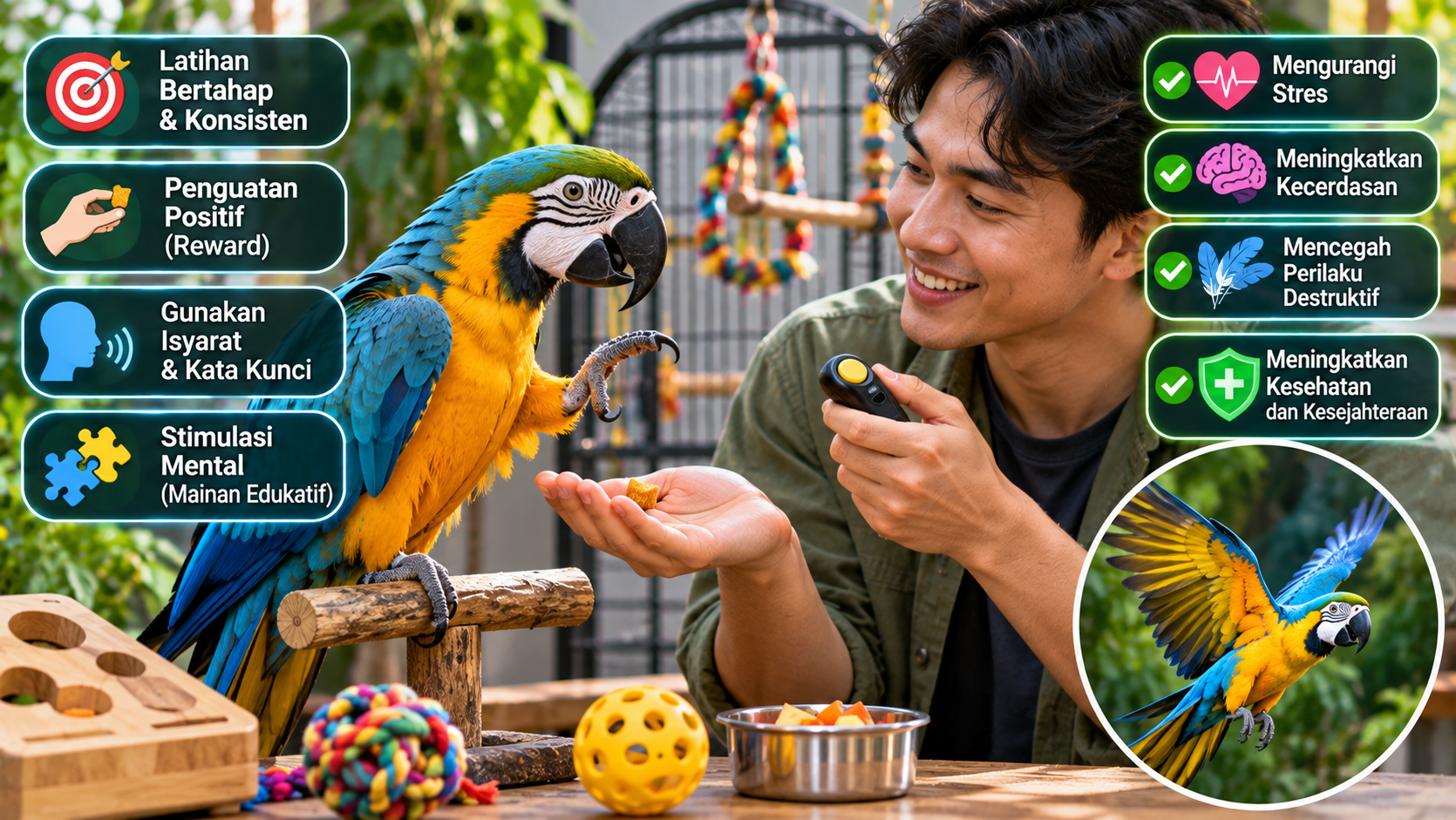
Parrot Behavioral Training Methods sets the stage for an engaging exploration of how training can significantly enhance the lives of our feathered companions. With the right techniques, parrot owners can foster positive behaviors, improve their pets’ mental health, and create a deeper bond that enriches both their lives. This comprehensive guide dives into essential training methods, the benefits of behavioral training, and practical tips for integrating these practices into daily routines.
Whether you are a seasoned parrot enthusiast or a new owner, understanding these training methods is crucial for nurturing a happy, well-adjusted bird. By addressing common behavioral challenges and introducing effective training routines, we can ensure our parrots thrive in a stimulating and supportive environment. Join us as we unfold the various aspects of parrot training and the joy it can bring to both birds and their caregivers.
Explore the significance of behavioral training in parrots for enhancing their well-being.
Behavioral training is a vital aspect of parrot care that significantly contributes to their overall well-being. Parrots are intelligent and social creatures that thrive on interaction, stimulation, and mental challenges. Training not only fosters a stronger bond between the parrot and its owner but also enhances the parrot’s quality of life, allowing them to express their natural behaviors in a healthy and constructive manner.
Through behavioral training, parrots can experience a notable improvement in their mental health. Engaging parrots in training sessions stimulates their minds, providing them with a sense of purpose and accomplishment. This mental engagement is crucial, as parrots, particularly the highly intelligent species like African Greys and Macaws, require regular challenges to prevent boredom and stress. Boredom can lead to negative behaviors such as feather plucking, screaming, and aggression, which are often signs of an unhappy or stressed bird. By establishing routines and methods for training, owners can create an enriched environment that promotes mental well-being.
Connection between training and the reduction of negative behaviors
Behavioral training plays a significant role in reducing negative behaviors in parrots. The process of positive reinforcement, which involves rewarding desired behaviors, encourages parrots to adopt good habits. This approach is effective in curbing undesirable actions, as it provides an alternative focus for the parrot’s energy. When parrots are rewarded for positive behaviors, they learn to associate these actions with pleasant experiences, making them less likely to resort to negative behaviors.
The benefits of behavioral training for parrots extend beyond just the reduction of bad habits. Here are several key advantages:
- Enhanced Communication: Training encourages parrots to vocalize and express themselves, leading to better interaction and understanding between the bird and its owner.
- Increased Physical Activity: Training sessions often incorporate physical exercises, which help maintain a healthy weight and condition for the parrot.
- Stronger Bonding: The time spent training fosters a deeper emotional connection between the parrot and the owner, making the parrot feel more secure and loved.
- Greater Adaptability: Well-trained parrots are typically more adaptable to new environments and situations, reducing stress during transitions.
“Training is not just about obedience; it’s a pathway to a happier and healthier parrot.”
Overall, behavioral training is an essential component in promoting the well-being of parrots. By investing time and effort into training, owners significantly enhance their parrots’ mental health, reduce negative behaviors, and strengthen their relationship, ensuring a fulfilling life for these remarkable birds.
Identify different types of training methods applicable to parrots and their specific applications.
Parrots are intelligent and social creatures that thrive on interaction and mental stimulation. To effectively communicate and train these avian companions, it’s essential to understand various training methods tailored to their unique behaviors and needs. This overview will delve into prominent training methods, particularly emphasizing positive reinforcement and clicker training, which have gained popularity among parrot owners and trainers alike.
Positive Reinforcement Techniques
Positive reinforcement is a training approach based on rewarding desired behaviors to encourage their repetition. This method capitalizes on the principle that behaviors followed by positive outcomes are more likely to be repeated. In the case of parrots, rewards can range from treats, praise, or even toys. The effectiveness of positive reinforcement lies in its ability to build trust between the trainer and the parrot, fostering a harmonious relationship. Additionally, this method minimizes stress and fear, allowing parrots to learn in a safe environment.
When employing positive reinforcement, it’s crucial to be consistent and timely with rewards. For instance, if a parrot learns to step up on command, providing a treat immediately after the desired action reinforces this behavior effectively. This method is particularly useful for teaching basic commands, tricks, or even social skills, making it a versatile tool in behavioral training.
Clicker Training in Parrot Behavioral Modification
Clicker training is a specific form of positive reinforcement that utilizes a small handheld device that makes a clicking sound to mark desired behaviors. This sound serves as a clear signal to the parrot that they have performed a correct action, followed closely by a reward. The clarity of the click sound helps to reinforce learning, as it provides immediate feedback.
Clicker training is particularly effective for complex behaviors that require multiple steps, such as teaching parrots to perform tricks or engage in specific tasks. For example, a parrot can be trained to perform a series of actions, like flying to a perch or rolling over, through a step-by-step process of clicking and rewarding each small achievement. This method not only enhances the learning experience but also strengthens the bond between the trainer and the bird, as it involves consistent interaction and communication.
Differences Between Various Training Methods
Understanding the differences between training methods can significantly impact a parrot’s learning experience. While positive reinforcement and clicker training are widely recognized, other methods include punishment-based techniques, luring, and target training. Each approach has its specific applications, pros, and cons.
– Positive Reinforcement: Focuses on rewarding good behavior, encouraging repetition. This method promotes a positive learning environment and strengthens the bond between parrot and trainer.
– Clicker Training: A subset of positive reinforcement that uses sound to indicate successful behavior, making it effective for complex tasks and enhancing communication.
– Punishment-Based Techniques: Involves discouraging unwanted behavior through negative reinforcement. However, this method can lead to fear and anxiety in parrots, potentially damaging the trust built between the bird and owner.
– Luring: Utilizes a treat or toy to guide the parrot into a specific position or behavior. While effective, it relies heavily on the parrot’s desire for the lure, often requiring a gradual shift to more independent behavior.
– Target Training: Involves teaching the parrot to touch a target with their beak or foot. This method is useful for teaching various commands and can also enhance the parrot’s confidence in social situations.
In conclusion, selecting an appropriate training method depends on the individual parrot’s personality, the training goals, and the desired level of interaction. Each technique has unique applications, making it essential for trainers to consider their specific circumstances when choosing the best approach for their feathered companions.
Detail the process of establishing a training routine for parrots to ensure consistency and effectiveness.
Establishing a training routine for parrots is essential to ensure that your feathered friends learn effectively while enjoying the process. A well-structured routine not only helps in developing skills but also strengthens the bond between you and your parrot. Consistency is key; therefore, setting a regular training schedule is crucial for achieving the desired results.
Creating a training schedule
To successfully create a training schedule, consider the following step-by-step approach. A structured timeline allows you to focus on specific skills and behaviors while ensuring that both you and your parrot engage in productive sessions.
1. Determine Training Goals: Identify the specific behaviors or skills you want to teach your parrot, such as talking, tricks, or socialization.
2. Allocate Time Slots: Decide how many days a week you will dedicate to training. Aim for short sessions (5-15 minutes) several times a week rather than lengthy sessions, which can lead to fatigue.
3. Set a Consistent Time: Choose a time of day when both you and your parrot are usually alert and energetic, such as morning or early evening. Consistency helps your parrot anticipate training time.
4. Artikel Specific Activities: For each session, plan what specific behaviors or commands you’ll work on. This could be a new trick, reinforcing existing commands, or simply social interaction.
5. Track Progress: Keep a training journal to document your parrot’s learning curve. Note what works and what doesn’t, making adjustments to your routine as necessary.
Time management in training sessions is paramount for achieving optimal results. By adhering to a structured schedule, you can ensure that your parrot remains engaged without becoming overwhelmed. For instance, if a parrot shows signs of frustration or boredom, it’s crucial to adjust the session length or switch activities to maintain their interest.
Adapting training techniques to parrot personalities
Every parrot has a unique personality that can influence how they respond to training techniques. Understanding these differences is essential to tailor your approach. For instance, some parrots are more adventurous and thrive on challenges. They may benefit from trick training that involves climbing, jumping, or problem-solving. On the other hand, more timid parrots might prefer slower-paced, gentler techniques that emphasize trust-building before introducing new skills.
Consider the following strategies for adapting your training methods:
– Use Positive Reinforcement: All parrots respond well to positive reinforcement, but the type of reward can vary. Some may prefer treats, while others may enjoy verbal praise or playtime.
– Be Observant and Responsive: Pay attention to your parrot’s body language. Signs of stress or disinterest should prompt you to modify your technique or take a break.
– Incorporate Varied Activities: Changing up the training routine can keep your parrot engaged. For example, introducing new toys or interactive games can be beneficial.
– Establish Trust: Before diving into training, spend time bonding with your parrot. This creates a comfortable environment that encourages them to engage more readily with training.
– Customize Learning Pace: Some parrots may learn quickly while others need extra time to grasp new concepts. Be prepared to adapt your pace accordingly, providing plenty of encouragement along the way.
By recognizing and accommodating each parrot’s personality, you can create a more effective training experience that maximizes learning while strengthening your bond.
Compare socialization and enrichment techniques as complementary strategies in parrot training.
Socialization and enrichment play pivotal roles in the behavioral development of parrots, acting as complementary strategies that enhance the overall training experience. Socialization involves exposing parrots to various environments, people, and other animals, which is essential for their emotional and psychological well-being. On the other hand, enrichment offers mental and physical stimulation through interactive activities and toys, ensuring that parrots remain engaged and satisfied. Together, these approaches foster a healthier, more balanced lifestyle for parrots.
The Role of Socialization in Behavioral Development
Socialization is crucial for a parrot’s behavioral development as it helps them adapt to different settings and reduces anxiety or fear in unfamiliar situations. Parrots that are not properly socialized may develop behavioral issues such as aggression or excessive screaming. Engaging with varied stimuli, including people and other pets, allows parrots to become more confident and well-adjusted.
Examples of socialization techniques include:
- Introducing the parrot to different family members or friends, allowing them to interact and build trust.
- Taking the parrot on trips to parks or pet-friendly stores, exposing them to new sights and sounds.
- Organizing playdates with other birds to promote healthy social interactions.
Integrating Enrichment Activities with Training Sessions
Enrichment activities are vital for keeping parrots mentally stimulated and physically active, which complements the learning process during training sessions. When parrots are engaged in stimulating activities, they tend to be more focused and receptive to training commands.
Examples of enrichment activities include:
- Providing puzzle toys that require problem-solving skills, encouraging cognitive development.
- Setting up foraging opportunities where the parrot can search for treats hidden in various materials.
- Incorporating music and sounds during training sessions to enhance auditory stimulation.
The Synergy Between Socialization and Training Methods
The synergy between socialization and training methods significantly enriches the training experience for parrots. Both elements work together to create an environment where the parrot feels secure and engaged. Socialization prepares the bird to interact positively with its trainer, while enrichment keeps its mind active and ready for learning.
For instance, a parrot that has been socialized and regularly interacts with people is more likely to respond positively to commands during training sessions. This responsiveness can be further enhanced by incorporating interactive toys that require the bird to think critically, making training sessions more dynamic and effective.
Furthermore, socialization techniques can serve as a form of enrichment in themselves, as they expose birds to novel experiences that stimulate their curiosity and willingness to learn. This combination not only enhances the bird’s adaptability but also fosters a deeper bond between the parrot and its trainer.
By merging socialization and enrichment, trainers can establish a holistic approach to parrot training that develops a well-behaved and content companion.
Organize a list of common behavioral issues in parrots and how training can address them.
Parrots are intelligent and social creatures, but they can exhibit behavioral issues that may be frustrating for their owners. Understanding these common problems and implementing effective training techniques can significantly improve the bond between a parrot and its caregiver. This section will detail prevalent behavioral issues such as screaming, biting, and feather plucking, along with appropriate training strategies to address them.
Common Behavioral Issues and Training Techniques
Several behaviors can arise in parrots, often as a result of stress, boredom, or insufficient social interaction. Proper training can alleviate these issues and lead to a healthier, happier pet. Below is a list of these issues along with strategies for modification:
- Screaming: Excessive vocalization is common in parrots. This behavior can stem from loneliness or a desire for attention. To reduce screaming, owners can implement a routine that includes scheduled playtime and social interaction. Training techniques can involve rewarding quiet behavior with treats and praise, while ignoring the screaming.
- Bitinh: Parrots may bite when they feel threatened or are trying to establish dominance. To address biting, it’s essential to establish trust. Gradual desensitization can help, where the parrot is slowly exposed to hands and other stimuli. Positive reinforcement, like treating the parrot for gentle behavior, can also be effective.
- Feather Plucking: This self-destructive behavior often indicates stress or health issues. Training to alleviate feather plucking starts with identifying triggers. Providing a variety of toys can help reduce boredom. Additionally, engaging in daily training sessions that stimulate their minds can help redirect their focus away from plucking.
Training not only addresses these issues but also reinforces positive behaviors, creating a more harmonious environment. Over time, with consistent application of these techniques, owners will likely see transformation in their parrots’ behavior. For instance, a parrot that previously screamed for attention may become more content and quieter with regular interaction and reinforcement of calm behavior. Moreover, a parrot that once bit out of fear can learn to trust, allowing for a more affectionate relationship. Through dedication and patience, owners can witness significant progress in their parrot’s behavior.
Discuss the importance of patience and understanding in the behavioral training of parrots.
Training parrots can be a rewarding yet challenging journey, requiring a unique blend of patience and understanding. These intelligent and emotional creatures respond best in environments where they feel safe and valued. As trainers, recognizing the significance of this emotional connection is fundamental to successful behavioral training.
Influence of Patience on the Training Journey
Patience is not just a virtue in parrot training; it is a critical component that directly impacts the outcome of the training process. Each parrot has its own personality and pace of learning, much like humans. When trainers exhibit patience, they foster an environment where the parrot can feel secure enough to explore and learn without fear of punishment or frustration. This nurturing atmosphere encourages curiosity and engagement, which are essential for effective training.
When trainers rush the process, it can lead to confusion and anxiety in the parrot. For example, a parrot may take longer to master a new command due to distractions or simply needing more time to digest the information. By allowing the parrot to learn at its own pace, trainers can observe and adapt their methods to better suit the individual bird’s needs. This adaptability results in a more positive and productive training experience.
Understanding Parrot Body Language
A crucial aspect of effective training lies in understanding a parrot’s body language. Parrots communicate largely through their body movements, vocalizations, and even their feather positioning. By being attuned to these signals, trainers can better interpret a bird’s emotional state, which is vital for creating a responsive training environment.
For example, if a parrot fluffs its feathers, it may be feeling relaxed and comfortable; conversely, if it puffs up or retreats, it may indicate stress or discomfort. Recognizing these cues allows trainers to adjust their approach, ensuring that the training remains a positive experience.
Developing a strong bond with a parrot through patience during training creates a foundation of trust that enhances their willingness to engage with the trainer. Over time, as the parrot learns to trust its trainer, it becomes more open to trying new behaviors and commands. This bond is essential, as it not only facilitates learning but also enriches the overall relationship between the parrot and its human companion. By investing the time to cultivate this trust, trainers are more likely to enjoy a long-lasting and meaningful connection with their feathered friends.
Create a table of dos and don’ts when training parrots to enhance learning efficiency.
When it comes to training parrots, establishing clear guidelines can significantly boost learning processes and foster a more effective training environment. The relationship built between the trainer and the parrot is crucial in achieving successful training outcomes. Recognizing what to prioritize and what to avoid can make all the difference in the training journey.
It’s essential to create a structured approach that emphasizes positive reinforcement while avoiding techniques that may lead to stress or frustration for the bird. Following these guidelines will not only enhance the training experience but also contribute to building trust and a strong bond with the parrot.
Dos and Don’ts in Parrot Training
The following points Artikel essential techniques that ensure success in parrot training and identify pitfalls that trainers should avoid to maintain a positive training environment.
| Dos | Don’ts |
|---|---|
| Use positive reinforcement, such as treats and praise, to encourage desired behaviors. | Avoid using punishment or negative reinforcement, as it can lead to fear and anxiety in the bird. |
| Keep training sessions short and engaging to maintain the bird’s focus and interest. | Do not make sessions too long, as this can cause the parrot to lose interest or become overwhelmed. |
| Be consistent with commands and cues to help the parrot learn effectively. | Avoid changing commands frequently, as this can confuse the bird and hinder its learning process. |
| Train in a calm environment with minimal distractions to help the parrot focus. | Do not train in noisy or chaotic settings, as this can stress the bird and impact its ability to learn. |
| Be patient and allow the parrot to learn at its own pace. | Do not rush the training process; this can lead to frustration for both the trainer and the parrot. |
Implementing these dos and don’ts fosters a safe and supportive environment for parrots, enhancing their ability to learn and bond with their trainers.
Following these guidelines can greatly improve the training experience for both the parrot and the trainer. Positive reinforcement not only encourages desired behaviors but also builds trust between the bird and its trainer. This trust is fundamental; it allows the parrot to feel safe, reducing stress and anxiety during training sessions. Keeping training sessions short respects the parrot’s attention span and ensures that learning remains engaging rather than a chore. Consistency in commands creates a clear communication channel, making it easier for the parrot to understand what is expected of it. A calm environment where distractions are minimized helps the bird focus, which is vital for effective learning. Patience is key; every parrot learns at its own pace, and respecting this can lead to more meaningful interactions and better long-term results. By adhering to these guidelines, trainers can cultivate a positive atmosphere that not only enhances learning efficiency but also strengthens the bond with their feathered companions.
Share innovative tools and toys that can facilitate parrot behavioral training.
Parrot behavioral training can be significantly enhanced with the right tools and toys. Engaging toys not only stimulate a parrot’s mind but also encourage positive behavior and make training sessions more enjoyable. By incorporating innovative tools such as puzzle toys, treat dispensers, and training stands, trainers can create an effective learning environment where parrots can thrive.
Innovative Tools for Training
Utilizing the right tools during training is crucial for achieving desirable outcomes. Here are some innovative toys and tools that can greatly facilitate the training process:
- Puzzle Toys: These toys challenge parrots to think critically and solve problems, which can help them develop cognitive skills. They often require the bird to manipulate objects to access treats hidden inside. This not only stimulates their minds but also promotes perseverance and patience.
- Treat Dispensers: Treat dispensers can be used to reward parrots during training sessions. These toys require the bird to perform specific actions, like pushing or pulling, to release a treat. This method reinforces positive behaviors while keeping the training engaging and rewarding.
- Training Stands: A specialized training stand provides a designated area for training sessions. This can help in establishing a routine. Birds are often more focused when they are in a specific training space, which can lead to better learning outcomes.
Interactive toys play a vital role in enhancing training outcomes. They encourage active participation from parrots, making the learning experience more dynamic. When parrots engage with toys that require problem-solving or physical manipulation, they not only learn new skills but also associate training with fun and reward. For instance, a parrot that masters a puzzle toy will likely carry that confidence into other training tasks.
Furthermore, interactive toys can also serve as a calming mechanism for parrots. When they experience anxiety or boredom, toys can provide an outlet for their energy, helping them to focus better during training sessions. Incorporating these tools into a training regimen can lead to improved behavioral responses, making the process more efficient and enjoyable for both the trainer and the parrot.
Final Thoughts
In summary, mastering Parrot Behavioral Training Methods is not just about teaching tricks; it’s about understanding and improving your parrot’s overall quality of life. By employing positive reinforcement, establishing a consistent training routine, and integrating socialization and enrichment techniques, you can transform negative behaviors into positive interactions. With patience, dedication, and the right tools, every parrot can flourish and develop a loving, trusting relationship with their owner. Embrace the journey of training and watch your parrot thrive in a more fulfilling and engaging way.
Expert Answers
What is the best age to start training a parrot?
Starting training when your parrot is young, ideally around 3 to 6 months, can lead to more effective results, but older parrots can also learn.
How long should training sessions last?
Training sessions should typically last 5 to 15 minutes to maintain your parrot’s attention and prevent fatigue.
Can all parrot species be trained?
Most parrot species can be trained, but their receptiveness can vary; larger species like African Greys and Amazons tend to be more trainable.
What should I do if my parrot refuses to cooperate during training?
If your parrot is uncooperative, try adjusting your approach, using more appealing rewards, or shortening the training session.
How important is consistency in training?
Consistency is crucial in training; it helps reinforce learning and establishes a routine that your parrot can rely on.