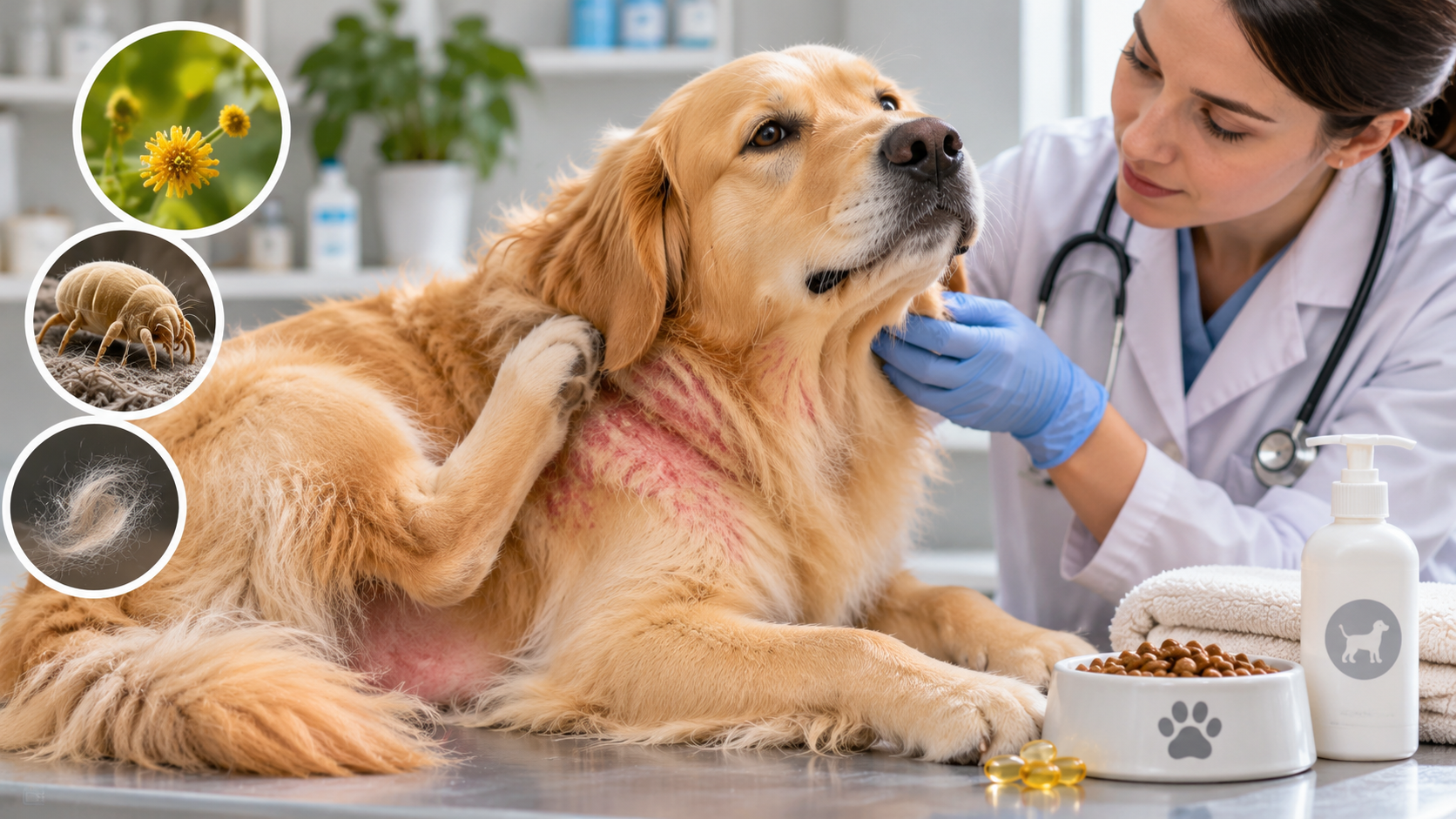
Canine Skin Allergy Management is essential for any dog owner keen on ensuring their furry friend lives a comfortable and happy life. Skin allergies in dogs can lead to persistent itching, irritation, and even infections, negatively affecting their overall well-being. Understanding the causes and symptoms of these allergies, along with effective management strategies, can empower owners to make informed decisions and enhance their pets’ quality of life.
This guide delves into the basics of canine skin allergies, exploring common types, symptoms, and the role of environmental and dietary factors. We’ll also look into diagnosis techniques, management strategies, and the importance of nutrition and psychological well-being in helping allergic dogs thrive.
Understanding the Basics of Canine Skin Allergies
Canine skin allergies are a common and often distressing condition that affects many dogs. These allergies can stem from various sources and can significantly impact a dog’s quality of life. Recognizing the types of skin allergies, their symptoms, and the underlying causes is essential for effective management and treatment.
There are several common types of skin allergies in dogs, primarily categorized into environmental allergies, food allergies, and contact allergies. Environmental allergies, also known as atopic dermatitis, are triggered by substances in the environment such as pollen, mold, dust mites, and flea saliva. Food allergies occur when a dog’s immune system mistakenly identifies certain proteins in food as harmful, leading to allergic reactions. Common culprits include beef, chicken, dairy, wheat, and soy. Contact allergies are less common and arise when a dog’s skin comes into direct contact with an allergen, such as certain fabrics, chemicals, or plants.
Symptoms associated with canine skin allergies can greatly affect a dog’s day-to-day life. Common symptoms include excessive itching, redness, inflammation, hair loss, and recurrent ear infections. Dogs may also exhibit behaviors such as licking, chewing, or scratching specific areas of their body, which can lead to secondary infections and further discomfort. The discomfort caused by these symptoms can result in reduced activity levels, sleep disturbances, and a general decline in the dog’s overall well-being.
When exploring the impact of environmental factors versus food sources on canine skin allergies, it’s essential to understand the different ways these allergens manifest. Environmental allergies are typically seasonal, depending on the presence of specific pollen or molds, while food allergies can occur year-round. Environmental allergens often lead to symptoms that are localized, such as itching around the face, paws, or ears. In contrast, food allergies generally cause more generalized symptoms, affecting the entire body.
The management of canine skin allergies often requires a combination of avoidance strategies, medications, and possibly dietary changes. Keeping a clean environment, using hypoallergenic bedding, and regular bathing can help mitigate the impact of environmental allergens. For food allergies, an elimination diet may be necessary to identify and remove potential triggers. Ultimately, working closely with a veterinarian is crucial for developing a tailored approach to effectively manage your dog’s skin allergies and enhance their quality of life.
Diagnosing Canine Skin Allergies
Diagnosing skin allergies in dogs is a critical step in ensuring their overall health and comfort. Veterinarians utilize a variety of methods to determine the underlying causes of skin issues, which can significantly improve the quality of life for allergic dogs.
Effective diagnosis often begins with a thorough veterinary examination that assesses the dog’s medical history and any observable symptoms. Veterinarians may employ skin tests or elimination diets to pinpoint specific allergens affecting the dog. These methods can provide invaluable insights into the nature of the allergies and guide further treatment.
Methods of Diagnosis
Veterinarians adopt several techniques to accurately diagnose skin allergies. Understanding these methods helps pet owners become more informed about their furry friends’ health. The most common diagnostic approaches include:
- Skin Tests: Intradermal allergy tests involve injecting small amounts of allergens into the skin to observe reactions. This method helps determine the specific allergens that trigger an allergic response.
- Elimination Diets: This approach entails removing certain ingredients from the dog’s diet and gradually reintroducing them to identify food allergies. It’s essential to monitor symptoms closely during this process for accurate results.
- Blood Tests: Blood tests can also be used to detect sensitivities to particular allergens. While less commonly used than skin tests, they can provide supplementary information.
Recognizing early signs of allergic reactions in dogs is vital for prompt intervention. Pet owners should watch for symptoms such as excessive scratching, biting at the skin, or noticeable hair loss. These signs may indicate underlying allergies, warranting a visit to the veterinarian for further evaluation.
“Early intervention can significantly improve the prognosis for dogs suffering from skin allergies.”
The veterinary history plays a crucial role in identifying potential allergens. A comprehensive history can reveal patterns related to the dog’s environment, diet, and previous health issues. This information aids veterinarians in narrowing down potential allergens, facilitating a more accurate diagnosis and effective treatment plan. Regular updates on the dog’s diet and exposure to new substances or environments should be communicated to ensure that all factors are considered in the diagnostic process.
Effective Management Strategies for Skin Allergies
Managing canine skin allergies requires a combination of lifestyle adjustments, natural remedies, and grooming practices. By focusing on these strategies, pet owners can significantly improve their dog’s comfort and well-being, reducing the frequency and severity of allergy flare-ups.
Adopting certain lifestyle changes can greatly benefit dogs suffering from skin allergies. Diet plays a crucial role, as some ingredients can exacerbate allergic reactions. Transitioning to a hypoallergenic diet or limited ingredient diet may help identify and eliminate triggers. Additionally, environmental modifications can create a more comfortable living space. For instance, reducing exposure to common allergens like dust mites, pollen, and mold can be achieved by regularly cleaning the home, using air purifiers, and providing a designated indoor area for your pet.
Diet Changes and Environmental Modifications
Diet adjustments are essential in managing skin allergies. Switching to a high-quality diet that emphasizes animal proteins and excludes common allergens like grains, dairy, and artificial additives can improve skin health. Here are some dietary considerations:
- Opt for grain-free or limited ingredient dog food.
- Consider novel protein sources such as duck, venison, or fish.
- Incorporate Omega-3 fatty acids through fish oil supplements.
Environmental modifications also play a pivotal role in managing allergies. Keeping your dog’s living area clean and allergen-free can greatly reduce irritants. Here are some effective strategies:
- Regularly wash your dog’s bedding and toys.
- Use hypoallergenic cleaning products in your home.
- Limit outdoor exposure during high pollen seasons.
Natural Remedies and Over-the-Counter Treatments
Natural remedies and over-the-counter treatments can offer relief for dogs suffering from skin allergies. Many pet owners find that these solutions complement lifestyle changes effectively. Here’s a list of options to consider:
- Oatmeal baths can soothe itchy skin.
- Aloe vera gel provides natural relief from inflammation.
- Topical treatments, such as hydrocortisone sprays, can reduce irritation.
- Probiotics can help balance the gut microbiome, potentially improving skin health.
These remedies can be particularly useful for mild cases. However, it’s important to consult a veterinarian before starting any new treatment to ensure it’s appropriate for your pet’s specific needs.
Significance of Regular Grooming and Skin Care Routines
Regular grooming and skin care routines are vital for dogs with skin allergies. Grooming helps remove loose hair, dirt, and allergens from the coat, which can alleviate itchiness and discomfort. Here are some key points to consider:
- Brush your dog at least once a week to keep the coat clean and free of allergens.
- Regular baths with hypoallergenic shampoos can help soothe irritated skin.
- Inspect your dog’s skin for signs of irritation or infection during grooming sessions.
Establishing a consistent grooming routine not only benefits the skin but also strengthens the bond between pet and owner. Remember, the key to managing skin allergies lies in a holistic approach that combines diet, environment, and care practices.
Long-term Care and Monitoring of Allergies
Long-term management of canine skin allergies is crucial for maintaining the quality of life for affected dogs. Establishing a comprehensive care plan that includes regular veterinary check-ups and ongoing monitoring can significantly enhance treatment outcomes. By closely observing changes in symptoms and treatment effectiveness, pet owners can make informed decisions about their dog’s care.
To effectively manage canine skin allergies over the long term, several essential steps should be followed. These components not only help in understanding the dog’s condition but also assist in making necessary adjustments to the management plan.
Establishing a Long-term Management Plan
A successful long-term management plan for dogs with skin allergies typically involves several important steps:
- Regular Veterinary Check-ups: Schedule routine vet visits to monitor the dog’s condition, assess treatment efficacy, and adjust medications as needed.
- Allergen Identification: Work with the veterinarian to identify specific allergens through skin tests or elimination diets, helping to tailor the management plan.
- Medication Management: Follow the vet’s recommendations for antihistamines, corticosteroids, or other medications to keep symptoms in check.
- Dietary Considerations: Consider hypoallergenic diets or supplements that may help to reduce inflammation and improve skin health.
Monitoring a dog’s allergy symptoms over time can provide valuable insights into the effectiveness of the management strategies in place. By tracking these symptoms, pet owners can assess which treatments yield the best results.
Tracking and Documenting Allergy Symptoms
Documenting allergy symptoms is a crucial aspect of ongoing care that enables pet owners and veterinarians to evaluate treatment progress. Keeping a detailed record of symptoms helps in identifying patterns and potential triggers.
- Symptom Diary: Maintain a daily log that includes observations of itching, redness, or hair loss, along with any changes in diet or environment.
- Photo Documentation: Take pictures of the affected areas over time to visually track the progression of symptoms.
- Consultation Notes: Keep track of notes from veterinary visits, including any changes made to the treatment plan or recommendations provided.
- Response to Treatment: Note how the dog responds to medications or dietary changes to determine what is most effective.
Comparing the effectiveness of various treatments over extended periods can reveal insights into which options offer the best outcomes with the fewest side effects. It is essential to remain vigilant about potential adverse reactions to long-term treatments.
Comparing Treatment Effectiveness
Evaluating different treatment strategies over time can help to ensure the best possible health outcomes for dogs with skin allergies. Effectiveness can vary significantly among treatments and may involve trade-offs with side effects.
- Topical Treatments: These can provide quick relief but may require frequent application and could lead to skin irritation if overused.
- Oral Medications: While antihistamines and corticosteroids can effectively manage symptoms, long-term use may lead to significant side effects, including weight gain or liver damage.
- Immunotherapy: Allergy shots can gradually desensitize dogs to allergens, but this approach requires time and commitment, with varying results among individuals.
- Natural Remedies: Some owners may choose herbal supplements or essential oils, but these treatments should always be discussed with a veterinarian to assess safety and efficacy.
Overall, establishing a thorough long-term management plan, coupled with diligent monitoring and documentation, can lead to better outcomes and improved quality of life for dogs suffering from skin allergies.
The Role of Nutrition in Allergy Management
Proper nutrition plays a vital role in managing canine skin allergies, as certain dietary choices can either aggravate or soothe these skin issues. Just like humans, dogs can have food sensitivities that manifest through skin reactions. Making informed dietary selections can help alleviate symptoms and improve overall skin health, providing your furry companion with comfort and relief.
A diet rich in quality ingredients can support your dog’s immune system and enhance skin barrier function. Conversely, ingredients that are common allergens, such as beef, dairy, and wheat, can worsen skin reactions. It’s essential to recognize that food allergies in dogs can lead to chronic itching, redness, and skin infections if not managed effectively. Identifying and eliminating these harmful ingredients is key to managing allergy symptoms.
Hypoallergenic Dog Food Options
Choosing hypoallergenic dog food is a crucial step in managing skin allergies. These specialized diets are formulated to reduce the likelihood of allergic reactions and provide the necessary nutrients for your dog’s health. Here are some recommendations for hypoallergenic dog food options and their benefits:
- Hydrolyzed Protein Diets: These foods contain proteins that have been broken down into smaller molecules, making them less likely to trigger an allergic response. Brands like Hill’s Prescription Diet z/d and Royal Canin Hydrolyzed Protein are popular choices.
- Novel Protein Sources: Foods that include uncommon protein sources such as duck, venison, or kangaroo can be beneficial for dogs with sensitivities to common meats. Options like Natural Balance L.I.D. and Blue Buffalo Basics utilize these novel proteins.
- Grain-Free Formulas: For dogs sensitive to grains, grain-free formulas that substitute traditional grains with sweet potatoes or peas can be useful. Merrick Grain-Free and Wellness Core are well-regarded in this category.
- Limited Ingredient Diets: These diets contain fewer ingredients, allowing pet owners to pinpoint potential allergens more easily. Brands like Canidae Pure and Earthborn Holistic offer excellent limited ingredient options.
It’s important to remember that while hypoallergenic foods can provide relief, not all dogs will respond the same way. Monitoring your dog’s reaction to these diets is essential for ensuring their effectiveness.
“Consulting with a veterinarian or pet nutritionist is crucial when making dietary changes for allergy management.”
Working with a professional can help determine the best dietary plan for your pet’s specific needs. They can guide you through elimination diets and help you identify safe food options that suit your dog’s health requirements. Regular follow-ups will ensure that your dog’s nutritional needs are being met while effectively managing their allergies.
Behavioral Considerations for Allergic Dogs
Managing skin allergies in dogs goes beyond just physical treatments; it also involves addressing the emotional and behavioral aspects of their well-being. Allergies can cause discomfort, which may lead to changes in behavior that can be distressing for both the dog and the owner. Understanding these aspects is essential for creating an effective management plan that supports the overall quality of life for your furry friend.
To help dogs cope with the discomfort associated with skin allergies, it’s important to incorporate mental stimulation and regular exercise into their daily routine. Engaging their minds and bodies can alleviate some of the stress and irritation they might be feeling. Activities that stimulate a dog mentally can distract them from scratching and licking their skin, which can exacerbate their condition.
Strategies for Mental Stimulation and Exercise
Providing a variety of activities can help keep your dog engaged and minimize discomfort. Consider the following strategies to enhance their daily routine:
- Interactive Toys: Use puzzle toys that require dogs to think and work for treats. This boosts their mental engagement while keeping them occupied.
- Training Sessions: Short, positive training sessions not only teach new commands but also provide mental stimulation. Incorporate tricks and commands that they enjoy.
- Socialization: Arrange playdates with other friendly dogs. Supervised interaction can provide social enrichment that helps lift their spirits.
- Change of Scenery: Regular walks in different environments can keep your dog mentally stimulated. New sights and smells can be very exciting.
- Agility Courses: Setting up a small agility course in the yard can be a fun way to get your dog moving while engaging them mentally.
Changes in a dog’s behavior can be significant indicators of worsening allergic reactions. Owners should be attentive to signs of increased irritability, restlessness, or attempts to scratch more frequently than usual. These behaviors can signal discomfort or pain, and it’s important to take proactive steps when noticing such changes.
Behavioral Changes Indicating Allergic Reactions
Monitoring your dog’s behavior is vital for effective allergy management. Here are some notable changes to watch for:
- Increased Scratching or Licking: A noticeable uptick in these behaviors can indicate escalating discomfort.
- Withdrawal or Depression: If your dog seems less interested in play or social interaction, it might be a sign of suffering.
- Restlessness: An inability to settle down or frequent pacing can indicate that your dog is experiencing discomfort.
- Changes in Appetite: A sudden decrease in appetite can be linked to increased discomfort or stress levels.
If any of these signs are observed, it’s advisable to consult a veterinarian for further assessment and management options.
Creating a stress-free environment plays a crucial role in supporting allergy management for dogs. Stress can exacerbate allergic reactions and lead to further behavioral issues, so ensuring a calm and safe space is essential.
Creating a Stress-Free Environment
Establishing a serene living space can significantly help your dog manage their allergies. Consider the following factors when creating a peaceful environment:
- Comfortable Sleeping Area: Ensure your dog has a cozy, clean, and quiet place to rest. Elevated dog beds can also help keep them off allergens.
- Consistent Routine: Dogs thrive on routine. A predictable schedule for feeding, walks, and playtime can provide stability and comfort.
- Limit Exposure to Allergens: Regular cleaning, using air purifiers, and minimizing exposure to grass or pollen during peak seasons can make a difference.
- Calming Aids: Consider using calming sprays or pheromone diffusers, which may help reduce anxiety and create a soothing atmosphere.
By addressing these behavioral considerations and creating a supportive environment, you can significantly improve your dog’s comfort and overall quality of life while managing their skin allergies effectively.
Concluding Remarks
In summary, effectively managing canine skin allergies involves a comprehensive approach that includes understanding the underlying causes, implementing lifestyle changes, and consulting with professionals. By being proactive and attentive to your dog’s health, you can significantly improve their quality of life. Whether through dietary adjustments, regular grooming, or creating a stress-free environment, there are numerous strategies available to help your beloved pet cope with skin allergies.
Commonly Asked Questions
What are the most common symptoms of skin allergies in dogs?
Common symptoms include itching, redness, swelling, hair loss, and hot spots on the skin.
Can skin allergies in dogs be cured?
While many skin allergies can be managed effectively, complete cures are rare. Management focuses on alleviating symptoms and minimizing exposure to allergens.
How can I help my dog with skin allergies at home?
Regular grooming, using hypoallergenic shampoos, and maintaining a clean living environment can help alleviate symptoms.
Are there specific breeds more prone to skin allergies?
Yes, certain breeds like Bulldogs, Dachshunds, and Retrievers are known to be more susceptible to skin allergies.
What natural remedies can I use for my dog’s skin allergies?
Some owners find relief using oatmeal baths, coconut oil, and apple cider vinegar, but always consult a veterinarian first.