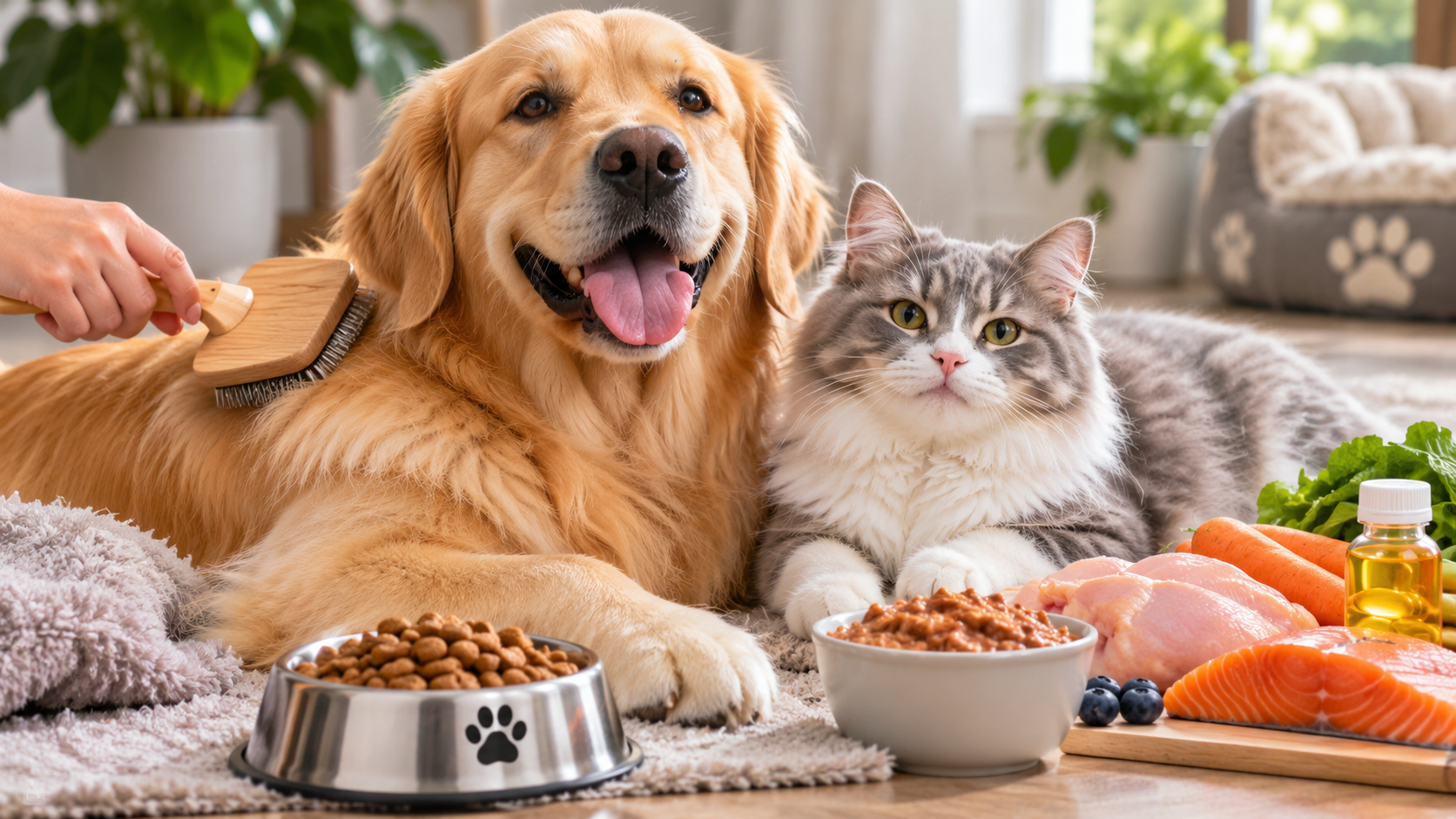
Pet Coat Health and Nutrition is vital for your furry friend’s overall well-being. A shiny, healthy coat not only reflects good nutrition but also indicates that your pet is thriving physically and emotionally. Proper coat care can prevent various health issues and strengthen the bond between you and your pet, making it an essential topic for every pet owner.
Understanding the intricate relationship between your pet’s coat health and their vitality can empower you to make informed decisions regarding grooming and nutrition. This guide will delve into the essential nutrients that contribute to a luscious coat, common coat issues and their remedies, and the importance of grooming practices tailored to your pet’s specific needs.
Understanding the Importance of Pet Coat Health for Overall Wellness
Maintaining a healthy coat is critical for pets, as it serves not only as a protective barrier but also as a reflection of their overall well-being. A vibrant and well-kept coat signifies not just good grooming but also a balanced diet and proper health care. When a pet’s coat shines, it often indicates that they are thriving in their environment, receiving adequate nutrition, and living a stress-free life. Conversely, a dull, dry, or brittle coat may hint at underlying health issues and can impact a pet’s vitality.
Coat health issues can manifest in various forms, each potentially affecting a pet’s overall health. Common problems include excessive shedding, matting, and skin conditions such as dermatitis or allergies. For example, allergies can lead to itchy skin, prompting pets to scratch excessively, which can cause skin infections. Another issue, like excessive shedding, may not only create a mess in the home but can also indicate nutritional deficiencies, stress, or hormonal imbalances. These coat-related health challenges can lead to discomfort for pets and can impact their behavior, mood, and energy levels.
Role of Regular Grooming in Maintaining a Healthy Coat
Regular grooming plays a vital role in ensuring a pet’s coat remains healthy and vibrant. It is not merely about aesthetics; grooming helps to remove loose hair, dirt, and debris, which can accumulate and potentially irritate the skin. Additionally, grooming stimulates the skin’s natural oils, promoting a shiny and healthy coat.
Here are some key benefits of regular grooming:
- Reduces Shedding: Regular brushing helps minimize loose fur and reduces the amount of hair that ends up on furniture and clothing.
- Prevents Matting: Brushing can prevent tangles and mats, which can cause discomfort and lead to skin issues.
- Identifies Skin Issues Early: During grooming, pet owners can observe any changes in skin condition, leading to early detection of problems.
- Enhances Bonding: Grooming sessions can strengthen the bond between pets and their owners, providing comfort and care.
- Stress Relief: The act of brushing can be soothing for pets, reducing anxiety and contributing to their overall happiness.
Regular grooming routines, tailored to the specific needs of each pet, are essential for maintaining coat health and ensuring that pets remain happy and healthy throughout their lives.
Nutritional Requirements for Promoting a Healthy Coat in Pets
Maintaining a healthy coat for your pet is crucial not just for aesthetics but also for overall well-being. A shiny, well-groomed coat often indicates good health and nutrition. Understanding the specific nutrients that contribute to coat health can help pet owners make informed dietary choices for their furry friends.
Essential nutrients play a pivotal role in promoting a healthy coat. Omega fatty acids, particularly Omega-3 and Omega-6, are vital in maintaining skin and coat health. These fatty acids help reduce inflammation, improve skin moisture, and enhance the overall appearance of the fur. The balance between these two fatty acids is essential; too much or too little can lead to skin issues and dull fur.
Vitamins and minerals also contribute significantly to coat health. Vitamin E, for instance, acts as an antioxidant, helping to maintain healthy skin and fur. Similarly, B vitamins, particularly biotin, play a role in hair growth and strength. Zinc is another critical mineral, affecting the structural integrity of hair and skin, while protein sources supply the building blocks necessary for fur development.
To support your pet’s coat health effectively, consider incorporating specific food items and supplements known to improve fur quality and shine. Foods rich in omega fatty acids include:
- Salmon
- Sardines
- Flaxseed oil
- Chia seeds
High-quality commercial pet foods typically include these essential nutrients. However, home-cooked meals can offer similar benefits if formulated correctly. Cooking for your pet allows you to control the ingredients and ensure that they receive the necessary nutrients. For instance, adding cooked eggs or lean meats can boost protein intake, while including vegetables like spinach and carrots can enhance vitamin content.
When comparing the effectiveness of commercial pet foods versus home-cooked meals, it’s essential to note that not all commercial options are created equal. While many premium brands are enriched with the necessary vitamins and fatty acids, some lower-quality products may lack these crucial nutrients. This variability can impact the effectiveness of maintaining a healthy coat.
Choosing a balanced diet, whether homemade or commercial, is fundamental for the health and shine of your pet’s coat.
Ultimately, pet owners should strive for a well-rounded diet tailored to their pet’s specific needs, keeping in mind the importance of the nutritional components discussed.
Identifying Common Coat Problems in Pets and Their Causes
Pets are our beloved companions, and their health is a top priority. One significant aspect of their well-being is the condition of their coat. Various coat problems can arise, including dryness, shedding, and skin irritations. Understanding these issues is essential for maintaining your pet’s overall health and comfort.
Common coat problems in pets can be attributed to a variety of factors, both environmental and dietary. Dryness often results from low humidity levels, excessive bathing, or the presence of harsh grooming products. Shedding is a natural process, but excessive shedding can indicate underlying health issues, such as allergies or hormonal imbalances. Skin irritations, including rashes or hot spots, can be caused by allergies to food, environmental factors, or parasites like fleas and ticks. It’s crucial for pet owners to conduct regular inspections of their pets’ coats and skin to identify any abnormalities early on.
Symptoms and Treatments for Common Coat Problems
Recognizing the symptoms associated with coat problems is vital in addressing them promptly. The following table Artikels common coat issues, their symptoms, and recommended treatments or remedies to help restore your pet’s coat health.
| Coat Problem | Symptoms | Treatment/Remedy |
|---|---|---|
| Dry Coat | Flaky skin, dull appearance, excessive static | Use moisturizing shampoos, provide omega-3 fatty acids in diet, maintain humidity levels |
| Excessive Shedding | Visible fur loss, bald patches, increased hair around the home | Regular grooming, check for allergies, ensure balanced diet |
| Skin Irritations | Redness, itching, swelling, hot spots | Identify irritants, topical treatments, antihistamines, or consult a vet |
Maintaining your pet’s coat health requires vigilance and an understanding of the potential issues. Environmental factors such as temperature, humidity, and allergens, alongside dietary influences like the quality of food, play a significant role. By addressing these factors and responding to symptoms promptly, pet owners can significantly enhance the quality of their pet’s coat and overall well-being.
The Role of Grooming in Maintaining Pet Coat Health
Grooming is an essential aspect of pet care that directly impacts the health of a pet’s coat. Regular grooming helps to remove dirt, loose fur, and debris while promoting a shiny and healthy appearance. It also provides an opportunity to check for pests, skin conditions, and overall coat health. Understanding different grooming practices can make a significant difference in maintaining your pet’s coat.
Proper grooming techniques play a crucial role in promoting coat health. For instance, brushing is fundamental for all pet coats, but the technique and frequency depend on the coat type. Short-haired pets may only need a weekly brush to remove loose hairs and distribute natural oils, while long-haired breeds often require daily brushing to prevent tangles and mats. Bathing frequency also varies; typically, most pets benefit from a bath every 4-6 weeks, but this can change based on the pet’s activity level and coat condition. Overbathing can strip natural oils, leading to dry skin, so moderation is key.
Choosing the Right Grooming Tools
Selecting suitable grooming tools is imperative for effective care tailored to your pet’s coat type and size. The right tools not only make the process easier but also help in maintaining a healthy coat. Here are some considerations for choosing grooming tools:
- Brush Type: A slicker brush is ideal for long-haired dogs, while a bristle brush suits short-haired breeds. For double-coated pets, a deshedding tool can be very effective.
- Comb: Metal combs are perfect for detangling long fur, while rubber combs work well for short-haired breeds to remove loose hair and stimulate the skin.
- Bathing Supplies: Choose shampoos and conditioners specifically designed for your pet’s skin and coat type, ensuring they are free of harsh chemicals.
- Size and Ergonomics: Grooming tools should feel comfortable in your hand and be appropriately sized for your pet to ensure effective use.
Creating a grooming schedule tailored to your pet’s individual needs is essential for optimal coat health. Factors to consider when developing this schedule include the breed, coat type, age, and activity level. For example, an active dog with a longer coat might require more frequent grooming sessions than a senior dog with a shorter coat. A sample schedule might look like this:
- Daily: Brush long-haired pets to prevent mats.
- Weekly: Brush short-haired pets; inspect for fleas or skin irritations.
- Monthly: Bathe your pet and check for any signs of skin issues.
- Seasonal: Adjust grooming frequency based on shedding seasons, particularly for double-coated breeds.
“Regular grooming is not just about aesthetics; it contributes significantly to the health and well-being of your pet.”
By understanding grooming practices, selecting the right tools, and creating a personalized grooming schedule, pet owners can ensure their furry friends maintain a healthy and vibrant coat.
Seasonal Changes and Their Effects on Pet Coat Health
As the seasons shift, so too do the needs of our furry companions. Seasonal changes can significantly impact a pet’s coat health, influencing shedding patterns, growth cycles, and overall coat condition. Understanding these effects is essential for pet owners to keep their pets comfortable and healthy throughout the year.
During spring and fall, pets typically experience notable shedding as they adjust to the warmer and cooler temperatures, respectively. This process is often referred to as “seasonal shedding,” where animals lose their winter undercoat in spring and grow a thicker coat in preparation for winter in the fall. Factors such as daylight hours, temperature changes, and humidity levels play a crucial role in regulating these shedding patterns. For instance, many pets shed more in spring due to increased daylight, which triggers the growth of new hair follicles while pushing out the old ones. Conversely, as the temperatures drop in autumn, pets may develop a thicker coat as a natural insulation mechanism against the cold.
To manage your pet’s coat effectively throughout the year, several strategies can be implemented. Regular grooming is vital, as it helps to remove loose fur, dirt, and debris, promoting a healthy coat and skin. Additionally, maintaining a balanced diet rich in essential fatty acids can enhance coat health and reduce excessive shedding. Providing adequate hydration is also crucial, as it supports skin moisture and overall coat vitality.
Here are some seasonal coat care tips to keep your pet’s coat in optimal condition:
- Spring: Increase grooming sessions to manage shedding and encourage healthy new coat growth.
- Summer: Ensure regular baths with a pet-friendly shampoo to keep the coat clean and free of parasites.
- Fall: Begin preparing for winter by gradually increasing grooming frequency to help your pet transition to a thicker coat.
- Winter: Regularly brush your pet to prevent matting and provide extra care to the pads of their feet, as ice and salt can cause irritation.
By staying proactive with these tips, pet owners can ensure their pets enjoy a healthy and comfortable coat, regardless of the season.
The Impact of Stress on Pet Coat Health
Stress and anxiety in pets can significantly affect their overall health, and one of the most visible signs of this impact is in their coat. A pet’s coat can reflect its emotional state; when a pet is stressed, various coat health issues can arise, such as excessive shedding, dullness, or even skin conditions. Addressing stress not only improves emotional well-being but also promotes a healthier, shinier coat.
Stress can manifest in various ways in pets. Common signs include excessive grooming, which may lead to bald patches, or a lack of grooming, resulting in a dirty or matted coat. Other behaviors that might indicate stress related to grooming or environmental changes include hiding, aggressive reactions during grooming sessions, or avoiding areas associated with stressful experiences. Changes in the environment, such as moving to a new home or the arrival of a new family member or pet, can increase anxiety levels in pets, impacting their coat health.
Signs of Stress and Their Impact on Coat Health
Recognizing the signs of stress in pets is crucial for maintaining their coat health. The following points detail common behaviors and their implications for coat condition:
- Excessive scratching or biting at the coat, which can lead to skin infections.
- Unusual shedding patterns or bald spots, indicating anxiety or stress-related grooming behavior.
- Refusal to allow grooming, which may result in matting and increased dirt buildup.
- Changes in appetite, leading to inadequate nutrition that reflects in a dull, unhealthy coat.
To help mitigate stress and its effects on coat health, various stress-relief techniques can be employed. Here’s a table outlining some effective methods along with their potential benefits for coat health:
| Stress-Relief Technique | Potential Benefits for Coat Health |
|---|---|
| Regular Exercise | Improves mood, reduces anxiety, and promotes healthy circulation for better coat quality. |
| Calm Environment | Reduces stressors that can lead to excessive grooming or shedding. |
| Gentle Grooming | Enhances bonding and reduces anxiety related to grooming, leading to a healthier coat. |
| Positive Reinforcement | Encourages calm behavior during stressful situations, promoting a healthier grooming experience. |
| Aromatherapy | Soothing scents can reduce anxiety, leading to improved coat conditions. |
“A pet’s coat often serves as a mirror to its emotional health, reflecting the stability or turmoil within.”
Natural Remedies and Treatments for Enhancing Pet Coat Health
Maintaining a shiny, healthy coat is essential for your pet’s overall well-being. The right nutrition and grooming practices play vital roles, but natural remedies can also significantly enhance coat health. Many pet owners are turning to holistic approaches, recognizing that nature often provides effective solutions for common coat issues. Let’s explore various natural remedies that can boost your pet’s coat health.
Effective Natural Remedies for Coat Health
Natural ingredients can help rejuvenate and nourish your pet’s coat, contributing to its strength and luster. Here are some notable remedies:
– Coconut Oil: This versatile oil is rich in fatty acids, making it a fantastic moisturizer. Applying a small amount to your pet’s coat can reduce dryness and flakiness while adding shine. For application, use about a teaspoon for small pets and one tablespoon for larger breeds, massaging it into the coat and skin.
– Fish Oil: Omega-3 fatty acids found in fish oil promote skin health and a shiny coat. Incorporating fish oil into your pet’s diet can improve coat texture and reduce shedding. A typical dosage is about 1000 mg per 10 pounds of body weight daily, but consult your veterinarian for specific recommendations based on your pet’s health.
– Apple Cider Vinegar: This remedy can help alleviate skin irritations and promote a healthier coat when diluted with water (1 part vinegar to 3 parts water) and sprayed onto the coat. This mixture can be used once a week, avoiding the eyes and ears.
– Aloe Vera: Known for its soothing properties, aloe vera can be applied topically to calm irritated skin. Use pure aloe vera gel and apply it gently to affected areas as needed.
To safely incorporate these remedies, always start with small amounts to assess your pet’s reaction. Monitor your pet for any signs of allergies or sensitivities.
DIY Treatments for Coat Care
Homemade treatments can offer effective solutions for coat health. Here are a few simple recipes you can prepare at home:
– Oatmeal Bath: Ground oatmeal mixed with warm water creates a soothing paste that can calm itchy skin. Soak your pet in this mixture for about 10-15 minutes.
– Herbal Rinse: Brew a strong tea using chamomile or rosemary, let it cool, and use it as a final rinse after bathing to enhance shine and soothe the skin.
– Banana and Honey Mask: Mash a banana and mix it with honey to form a paste. Apply it to your pet’s coat for about 10 minutes before rinsing. This treatment can help moisturize and add shine.
Keeping your pet’s coat healthy naturally not only improves its appearance but also supports overall skin health, making these remedies an excellent addition to your pet care routine.
Closing Notes
In conclusion, the journey of maintaining your pet’s coat health is intertwined with their overall happiness and vitality. By staying informed about their nutritional needs, grooming practices, and potential issues, you can ensure that your pet enjoys a vibrant, healthy coat throughout their life. Remember that a little effort goes a long way in nurturing your furry companion!
FAQ
How often should I bathe my pet?
It typically depends on the breed and coat type, but most pets can be bathed every 4-6 weeks.
Can I use human shampoo on my pet?
No, human shampoo can be too harsh for pets; always use a shampoo formulated for them.
What are signs of a healthy coat?
A healthy coat is shiny, soft, and not excessively shedding or flaking.
Are supplements necessary for coat health?
While balanced nutrition should suffice, supplements like omega fatty acids can enhance coat quality.
What should I do if my pet has dry skin?
Consider adjusting their diet, increasing humidity in your home, and consulting your vet for topical treatments.