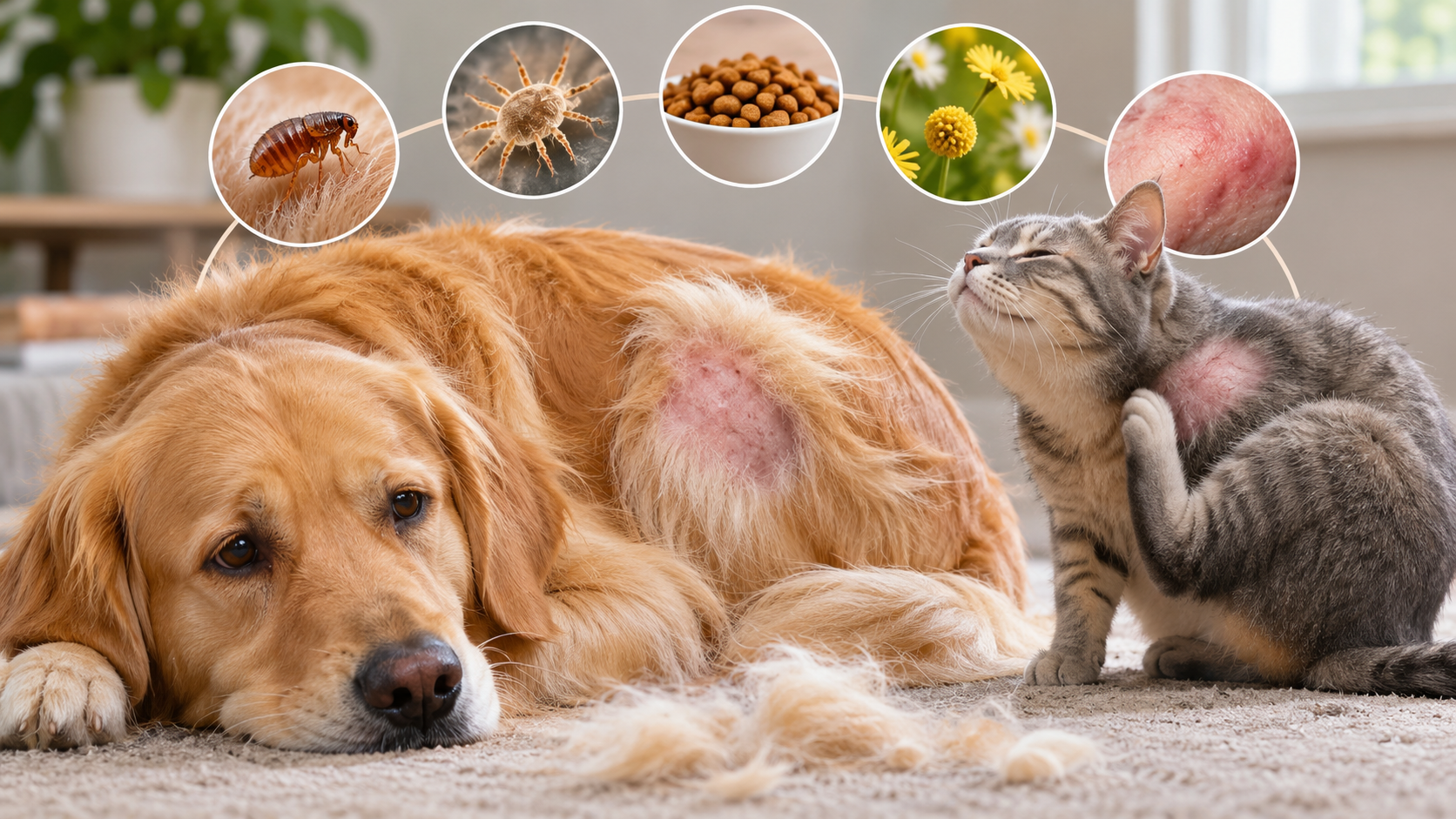
Common Causes of Pet Hair Loss sets the stage for this enthralling narrative, offering readers a glimpse into a story that is rich in detail and brimming with originality from the outset. Pet hair loss is a concern that can affect any pet owner, and understanding its various causes is essential for maintaining your furry friend’s health and happiness. From medical conditions and nutritional deficiencies to environmental factors and grooming practices, this exploration delves into the many facets that contribute to this issue, providing insights that can help you take proactive measures for your beloved pet.
In understanding the anatomy of pet hair growth and the intricate cycles it undergoes, we can begin to appreciate the diverse reasons behind hair loss. Knowledge of common medical conditions, nutritional requirements, and environmental influences equips pet owners with the information needed to combat this frustrating problem effectively. Additionally, we will explore behavioral issues and grooming practices that play a significant role in the overall health of your pet’s coat.
Understanding the Anatomy of Pet Hair Growth
The hair growth process in pets is not merely a cosmetic feature but a complex biological function that plays an essential role in their overall health and well-being. Understanding this process can help pet owners recognize normal hair growth patterns and identify potential health issues related to hair loss.
The biological processes governing hair growth in pets involve several stages that are part of a continuous cycle. Each hair follicle undergoes phases of active growth and rest, largely influenced by genetics, hormones, and external factors. The hair growth cycle consists of three main phases: anagen, catagen, and telogen.
Phases of Hair Growth Cycle
The hair growth cycle can be broken down into distinct phases, each serving a unique purpose:
- Anagen Phase: This is the active growth phase, where the hair follicle is producing new hair cells. In this phase, which can last for several weeks to years depending on the breed, the hair can grow continuously. For example, breeds like the Afghan Hound may remain in this phase longer, resulting in their long, luxurious coats.
- Catagen Phase: The transition phase occurs when hair growth slows down. The follicle shrinks, and the hair detaches from the dermal papilla, effectively signaling the end of the active growth period. This phase is relatively short, generally lasting a few weeks.
- Telogen Phase: In this resting phase, hair is no longer actively growing but is not yet shed. This phase can last for several months, depending on the individual pet’s physiology. At the end of this phase, the hair will eventually fall out, making way for new growth to begin again.
Factors influencing the hair growth cycle can vary widely across different breeds. For instance, some breeds may experience a more pronounced seasonality in shedding, with heavy shedding typically occurring in spring and fall. Environmental factors such as temperature, humidity, and overall health also play critical roles. Additionally, hormonal changes due to age, stress, or medical conditions can cause variations in the hair growth cycle, leading to either excessive shedding or reduced hair production.
The variability in hair growth across different breeds emphasizes the importance of understanding individual pet needs when it comes to grooming and health care.
Identifying Common Medical Conditions Leading to Hair Loss
Pet hair loss can often be a symptom of underlying medical issues. Understanding these conditions is crucial for maintaining your pet’s overall health and ensuring timely treatment. Several medical issues can lead to hair loss, ranging from hormonal disorders to infections and allergies. Recognizing the signs and working with a veterinarian to diagnose these conditions can help prevent more serious health concerns down the line.
Allergies
Allergies in pets can manifest through various symptoms, including hair loss. Common allergens include food ingredients, environmental factors like pollen, and flea bites. Pets suffering from allergies may exhibit symptoms such as excessive itching, redness of the skin, and inflammation. These reactions can lead to localized or generalized hair loss as pets scratch or groom themselves excessively. Allergies can significantly affect a pet’s quality of life, leading to stress and secondary infections if not treated properly.
Veterinarians typically diagnose allergies through a combination of methods. Skin tests can help identify specific allergens, while elimination diets may be used to pinpoint food allergies.
Infections
Bacterial and fungal infections are common culprits of hair loss in pets. These infections can occur due to injuries, poor hygiene, or underlying health conditions. Symptoms often include redness, swelling, and a foul odor, alongside hair loss in affected areas. For instance, ringworm, a fungal infection, can cause patchy hair loss along with scaly skin.
Veterinarians may perform skin scrapings, cultures, or biopsies to confirm the presence of an infection and determine the appropriate treatment, which often includes topical or systemic medications.
Hormonal Disorders
Hormonal imbalances can lead to hair loss as well. Conditions such as hypothyroidism and Cushing’s disease are prevalent in pets and can cause significant changes in their coat quality. In hypothyroidism, pets may experience a dull coat, hair thinning, and increased shedding, while Cushing’s disease can lead to hair loss in patches and changes in skin texture.
To diagnose hormonal disorders, veterinarians typically conduct blood tests to measure hormone levels and assess overall health.
Other Medical Conditions
In addition to allergies, infections, and hormonal disorders, several other medical conditions can contribute to hair loss. Conditions such as autoimmune diseases, parasitic infestations, and nutritional deficiencies can all lead to coat issues.
Veterinarians will often conduct a thorough physical examination, in conjunction with blood tests and possibly additional imaging, to determine the underlying cause of hair loss. Ensuring your pet receives regular check-ups can help catch these medical conditions early, allowing for timely and effective treatment.
The Role of Nutrition in Maintaining Healthy Fur
Proper nutrition plays a crucial role in maintaining the health and appearance of your pet’s fur. A well-balanced diet not only supports the overall health of your pet but also ensures that their coat remains shiny, strong, and free from excessive shedding. Nutritional deficiencies can lead to various skin and coat issues, including hair loss, dullness, and a lackluster appearance. Understanding the essential nutrients that contribute to fur health can help you make informed choices about your pet’s diet.
Essential fatty acids, proteins, vitamins, and minerals are key components in maintaining healthy fur. Fatty acids like omega-3 and omega-6 play a vital role in promoting a healthy skin barrier, preventing dryness and inflammation. Proteins provide the building blocks necessary for fur growth and strength. Deficiencies in these nutrients can lead to poor coat conditions and increased shedding. For instance, a lack of essential fatty acids can result in dry skin, which is often manifested through excessive itching and hair loss.
Nutritional Components for Healthy Fur
A diet rich in specific nutrients is crucial for maintaining your pet’s fur health. These include:
- Omega-3 and Omega-6 Fatty Acids: Found in fish oil and flaxseed, these fatty acids support skin health and help in reducing inflammation.
- High-Quality Proteins: Ingredients like chicken, turkey, and fish are excellent sources that promote strong fur growth.
- Vitamins A and E: Essential for skin health and repair, these vitamins also contribute to a shiny coat.
- Zinc: This mineral is crucial for skin integrity and helps prevent hair loss.
Incorporating these nutrients into your pet’s diet is essential for preventing deficiencies that can lead to hair loss. High-quality pet foods often contain these vital components, ensuring that your pet receives a balanced diet to support their fur health. Some examples of high-quality pet foods that promote healthy skin and coat include brands like Royal Canin, Blue Buffalo, and Wellness Core. These brands often feature specific formulas designed to enhance coat quality through balanced nutrition.
Importance of Hydration
Hydration is just as essential as nutrition for maintaining healthy fur in pets. Adequate water intake helps to keep the skin hydrated, which is crucial for preventing dryness and flakiness. When pets are dehydrated, their skin can become dry and itchy, leading to excessive scratching and potential hair loss.
A pet’s fur condition can significantly improve with increased hydration. It’s important to provide fresh, clean water at all times and encourage your pet to drink. You can enhance hydration by incorporating wet food into their diet or by adding water or broth to dry kibble.
“A hydrated pet is a healthier pet, and hydration plays a key role in maintaining a vibrant and healthy coat.”
Ensuring your pet is well-hydrated not only supports their fur health but also contributes to their overall well-being. Regular monitoring of your pet’s water intake can help identify any issues early on, allowing for timely intervention and care.
Environmental Factors Affecting Pet Hair Health
Environmental factors play a significant role in your pet’s overall health, especially regarding their fur. Various elements, from climate to allergens, can contribute to hair loss in pets, leading to discomfort and potential health issues. Understanding these factors helps pet owners create a nurturing environment that supports healthy fur growth.
Several environmental elements adversely affect the health of your pet’s hair. Climate stands out as a primary factor; pets can experience seasonal shedding influenced by temperature changes. Additionally, allergens, such as pollen or dust mites, can irritate the skin and lead to increased hair loss. Exposure to toxins found in household cleaners or pesticides can also compromise fur health. Recognizing these factors is crucial in developing a plan to minimize their negative impact.
Common Environmental Elements Influencing Pet Hair Loss
There are specific environmental elements that pet owners should be aware of to better manage their pets’ hair health. Below are some of the most common factors that contribute to hair loss:
- Climate: Extreme temperatures can cause pets to shed more hair as they adapt to heat or cold. For instance, during summer, pets might lose their undercoats to help regulate their body temperature.
- Allergens: Seasonal allergies from pollen or dust can lead to itchy skin, prompting pets to scratch and lose hair. Identifying and minimizing exposure to these allergens can significantly improve fur quality.
- Toxins: Exposure to harmful chemicals used in cleaning products or pesticides can lead to skin irritation and hair loss. Choosing pet-safe alternatives can help mitigate these risks.
- Humidity: Low humidity levels can dry out a pet’s skin, leading to flakiness and potential hair loss. Ensuring a humid environment, especially during winter months, can promote healthier fur.
Strategies to Minimize Environmental Impacts
Implementing strategies to reduce environmental impacts on your pet’s fur health is essential. Following are practical methods that pet owners can adopt to help maintain fur quality and minimize hair loss:
- Regular Grooming: Frequent brushing not only removes loose hair but also helps distribute natural oils, promoting healthier fur.
- Controlled Exposure: Limit your pet’s time outdoors during peak pollen seasons to reduce allergen exposure. Creating an indoor sanctuary can also shield them from external irritants.
- Use of Air Purifiers: Investing in an air purifier can help remove airborne allergens and improve air quality within your home, benefiting both you and your pet.
- Pet-Friendly Cleaning Products: Always opt for non-toxic, pet-safe cleaning supplies to minimize exposure to harmful chemicals that can affect skin and fur health.
Creating a Pet-Friendly Environment
Designing a pet-friendly environment that promotes healthy fur requires consideration of various aspects, from air quality to living conditions. Here are key elements to incorporate:
- Comfortable Living Space: Ensure that your pet has a cozy, clean sleeping area free from drafts and moisture, as these can exacerbate skin conditions.
- Regular Vet Checkups: Regular visits to the veterinarian can help identify and address potential health issues related to fur loss early on.
- Hydration and Nutrition: Providing fresh water and a balanced diet rich in omega fatty acids can contribute to better fur health and reduce shedding.
- Safe Outdoor Space: Create a controlled outdoor environment free from harmful plants or chemicals where your pet can enjoy fresh air without the risk of exposure to allergens or toxins.
By being proactive about environmental factors, pet owners can significantly enhance their pets’ fur health and overall well-being.
Behavioral Issues Linked to Hair Loss
Pet hair loss can be more than just a physical symptom; it often reflects deeper emotional and behavioral issues. Stress, anxiety, and other mental health problems in pets can manifest as excessive shedding or bald patches. Understanding the link between a pet’s emotional state and their coat condition is crucial for pet owners who want to ensure their furry friends are both happy and healthy.
Behavioral issues can lead to hair loss due to the stress they impose on an animal’s body. Just like humans, pets can experience anxiety and stress, which may trigger compulsive behaviors such as excessive grooming or scratching. Many factors can contribute to these behavioral problems, including changes in their environment, such as moving to a new home, the arrival of a new pet or family member, or even loud noises. Recognizing the signs of stress and anxiety in pets is vital for timely intervention.
Identifying Signs of Behavioral Problems
Understanding the signs that indicate your pet is experiencing behavioral problems is essential for addressing hair loss effectively. Common indicators include changes in appetite, withdrawal from social interaction, destructive behavior, and excessive grooming.
Here are some specific signs to watch for:
- Increased grooming: Pets that groom excessively may lick or bite at their fur to the point of creating bald patches.
- Changes in eating habits: Stress can lead to decreased appetites or, conversely, overeating.
- Withdrawal: A pet that suddenly hides more or does not engage with family members may be feeling anxious.
- Vocalization: Increased barking or meowing can indicate stress or discomfort.
- Destructive behaviors: Chewing furniture or other household items can be a sign of anxiety or boredom.
Recognizing these signs early can help in addressing the underlying issues quickly, thereby promoting not only a healthy coat but also a happier pet.
Training Techniques to Mitigate Behavioral Issues
When dealing with behavioral issues linked to hair loss, implementing training techniques that focus on reducing anxiety and stress can be highly beneficial. Creating a calm and structured environment is a key step.
Some effective methods include:
- Providing a safe space: Designate a quiet area in your home where your pet can retreat to feel secure.
- Routine: Establishing a consistent daily schedule for feeding, playtime, and relaxation can help your pet feel more secure.
- Positive reinforcement: Rewarding your pet for calm behavior can help reinforce relaxation and reduce anxiety.
- Environmental enrichment: Engage your pet with toys, puzzles, and activities to keep them mentally stimulated and distracted from stressors.
- Consulting a professional: If your pet’s behavioral issues persist, seeking the help of a veterinarian or animal behaviorist may provide tailored solutions.
By recognizing behavioral problems and applying these practical training techniques, pet owners can significantly improve their pets’ well-being, leading to a healthier coat and overall happier life for their furry companions.
The Impact of Grooming Practices on Hair Loss
Improper grooming practices can significantly affect your pet’s coat health, leading to hair loss and other issues. Regular grooming is essential not just for aesthetics but also for the overall well-being of your furry friend. Understanding how to groom your pet correctly can prevent unnecessary shedding and maintain a healthy coat.
Grooming techniques play a crucial role in the condition of your pet’s hair. Using the wrong tools or methods can cause damage to the coat and skin, leading to hair loss. For instance, excessive brushing or using brushes with harsh bristles can lead to breakage and irritation. Additionally, neglecting grooming can result in matting, which pulls on the hair follicles and may contribute to hair loss.
Improper Techniques Leading to Hair Loss
Several grooming practices can inadvertently harm your pet’s coat. It’s important to be aware of these to protect your pet. Here are some common mistakes to avoid:
- Over-Brushing: While brushing is essential, doing it too frequently or using the wrong type of brush can damage the hair. This is particularly true for long-haired breeds that require specific brushes to avoid breakage.
- Using Dull Clippers: Dull blades can tug at the hair rather than cut it cleanly, leading to discomfort and potential hair loss. Regular maintenance of grooming tools is essential for effective and safe grooming.
- Neglecting to Detangle: Ignoring mats can lead to painful pulling and skin irritation. It’s crucial to address tangles gently and consistently to avoid hair loss.
- Improper Bathing Techniques: Bathing too frequently or using inappropriate shampoos can strip natural oils from the skin, leading to dryness and hair loss.
Maintaining a healthy grooming routine is not only about aesthetics but is also vital for managing shedding and ensuring your pet’s health. Regular grooming can help remove loose hair and prevent mats, which can lead to skin infections and further hair loss.
Best Practices for Grooming Different Coat Types
Different dog and cat breeds have unique coat types that require specific grooming techniques. Understanding these can help you care for your pet better.
For short-haired breeds:
- Brush weekly with a rubber curry brush to remove loose hair without damaging the coat.
- Bathe once a month with a gentle, breed-specific shampoo to maintain skin health.
For long-haired breeds:
- Brush daily with a slicker brush to prevent matting and remove tangles.
- Use detangling spray to ease combing through knots without pulling on the hair.
- Schedule professional grooming every few months to manage coat length and health.
For curly-haired breeds:
- Brush regularly with a wide-tooth comb to maintain the curl structure without causing frizz.
- Regular trims are important to prevent matting and to maintain a healthy shape.
Regular grooming not only helps manage shedding but also promotes skin health by stimulating blood flow and distributing natural oils. It’s a bonding time that can significantly enhance the bond between you and your pet while keeping their coat healthy and beautiful.
“Regular grooming is an essential part of caring for your pet, helping to prevent hair loss and maintain overall health.”
Recognizing the Signs of Hair Loss in Pets
Recognizing hair loss in pets is crucial for maintaining their health and well-being. Pet owners should be observant and proactive when it comes to changes in their furry companions. Hair loss can indicate underlying health issues, and early detection can lead to timely treatment and recovery.
Physical signs of hair loss in pets often manifest as patches of missing fur, thinning coats, or bald spots. These changes can sometimes lead to skin irritation or redness. Owners should also be on the lookout for any sudden changes in their pet’s grooming habits, which may indicate discomfort or stress. The following signs should raise concern:
Physical Signs of Hair Loss
When assessing your pet for signs of hair loss, consider the following indicators that may suggest a problem:
- Visible Bald Spots: Areas of skin that are completely devoid of hair can suggest several health issues, including allergy reactions or infections.
- Thinning Fur: A gradual reduction in the thickness of the coat may be a sign of hormonal imbalances or nutritional deficiencies.
- Skin Irritation: Redness, flakiness, or scabs in areas where hair loss occurs can indicate underlying dermatological conditions.
- Changes in Coat Texture: A rough or brittle texture can be a sign of health issues, suggesting that the skin isn’t getting the nutrients it needs.
- Excessive Scratching or Grooming: Increased scratching or grooming can lead to hair loss, and it may also indicate allergies or parasites.
Observing changes in coat texture or patterns is significant, as these changes can provide clues about a pet’s health. A shiny, soft coat usually indicates a well-nourished pet, while a dull or rough coat may suggest an underlying issue. Additionally, variations in color or pattern, such as darkened patches or changes in coat patterns, can be telltale signs of systemic problems.
When to Seek Veterinary Advice
Timely intervention is crucial when addressing hair loss in pets. Pet owners should seek veterinary advice if they notice:
- Persistent hair loss that lasts more than a few days.
- Accompanying signs of illness, such as lethargy, changes in appetite, or behavioral changes.
- Severe skin irritation, lesions, or odors emanating from the affected areas.
- Signs of distress in the pet, such as excessive scratching or whining.
Early consultation with a veterinarian can help identify the cause of hair loss and facilitate appropriate treatment, ensuring your pet remains healthy and happy. Regular check-ups should also include an assessment of your pet’s coat and skin, making it easier to catch any abnormalities early on.
Choosing the Right Products to Combat Hair Loss
Selecting the right products for your pet’s grooming and skincare routine can significantly help in managing and preventing hair loss. With numerous options available, it can be overwhelming to determine which products will provide the best results. Understanding the ingredients and their benefits is essential in making informed choices for your furry companion.
There are various grooming and skincare products designed specifically to combat hair loss in pets. These products can help maintain the health of your pet’s skin and coat, reducing shedding and promoting hair regrowth. Key categories of products include shampoos, conditioners, topical treatments, and supplements.
Active Ingredients to Look For
When choosing products to address hair loss, it’s important to be aware of certain active ingredients that can provide added benefits. The following ingredients are commonly found in pet grooming and skincare products:
- Omega Fatty Acids: Essential for maintaining healthy skin and coat, omega-3 and omega-6 fatty acids help reduce inflammation and promote hair growth.
- Biotin: This B-vitamin supports healthy hair follicles and can enhance the strength and vitality of your pet’s coat.
- Aloe Vera: Known for its soothing properties, aloe vera can help calm irritated skin and promote healing, which is crucial for preventing hair loss.
- Tea Tree Oil: This natural antimicrobial agent can help fight skin infections that contribute to hair loss, but it should always be used diluted as it can be potent.
- Keratin: A protein that is a key component of hair, keratin can fortify hair strands and prevent breakage.
Understanding these ingredients allows pet owners to better select products tailored to their pets’ specific needs.
Comparative Table of Popular Products
The following table compares popular grooming and skincare products that are effective in addressing hair loss in pets, highlighting their key ingredients and effectiveness.
| Product Name | Key Ingredients | Effectiveness in Hair Loss Prevention |
|---|---|---|
| Pet Head Oatmeal Shampoo | Oatmeal, Aloe Vera, Omega-3 | Highly effective for dry skin and reduces shedding. |
| FURminator deShedding Ultra Premium Shampoo | Omega Fatty Acids, Aloe Vera | Reduces shedding while promoting a healthy coat. |
| Vet’s Best Allergy Itch Relief Shampoo | Aloe Vera, Vitamin E, Tea Tree Oil | Great for soothing itchy skin, which helps reduce hair loss due to scratching. |
| Nutri-Vet Hairball Pawgel | Omega-3, Fiber, Biotin | Supports healthy coat and reduces hair loss related to hairballs. |
| Zesty Paws Omega 3 Bites | Omega Fatty Acids, DHA, EPA | Promotes skin health and coat shine, aiding in hair retention. |
Each product listed in the table is formulated to tackle different aspects of hair loss, from basic grooming needs to specific skin issues. Selecting the right combination of products can create an effective routine that not only combats hair loss but also ensures overall skin and coat health for your pet.
End of Discussion
In conclusion, recognizing the Common Causes of Pet Hair Loss is crucial for any responsible pet owner. By understanding the underlying medical, nutritional, and environmental factors, as well as the importance of grooming and behavioral health, you can help your pet maintain a healthy, vibrant coat. Armed with this knowledge, you can take the necessary steps to ensure your furry companion stays happy and healthy, minimizing hair loss and enhancing their overall well-being.
FAQ Insights
What are the most common signs of hair loss in pets?
The most common signs include noticeable bald patches, thinning fur, changes in coat texture, and increased shedding.
Can stress lead to hair loss in pets?
Yes, stress and anxiety can trigger excessive grooming or fur pulling, leading to hair loss.
How often should I groom my pet to prevent hair loss?
Regular grooming, ideally once a week, can help remove dead hair and prevent mats, which can contribute to hair loss.
Are there specific breeds more prone to hair loss?
Yes, some breeds, such as Dachshunds and Chihuahuas, are more susceptible to hair loss due to genetic factors.
When should I take my pet to the vet for hair loss?
If your pet experiences sudden or severe hair loss, or if it’s accompanied by other symptoms like itching or inflammation, it’s best to consult a veterinarian.