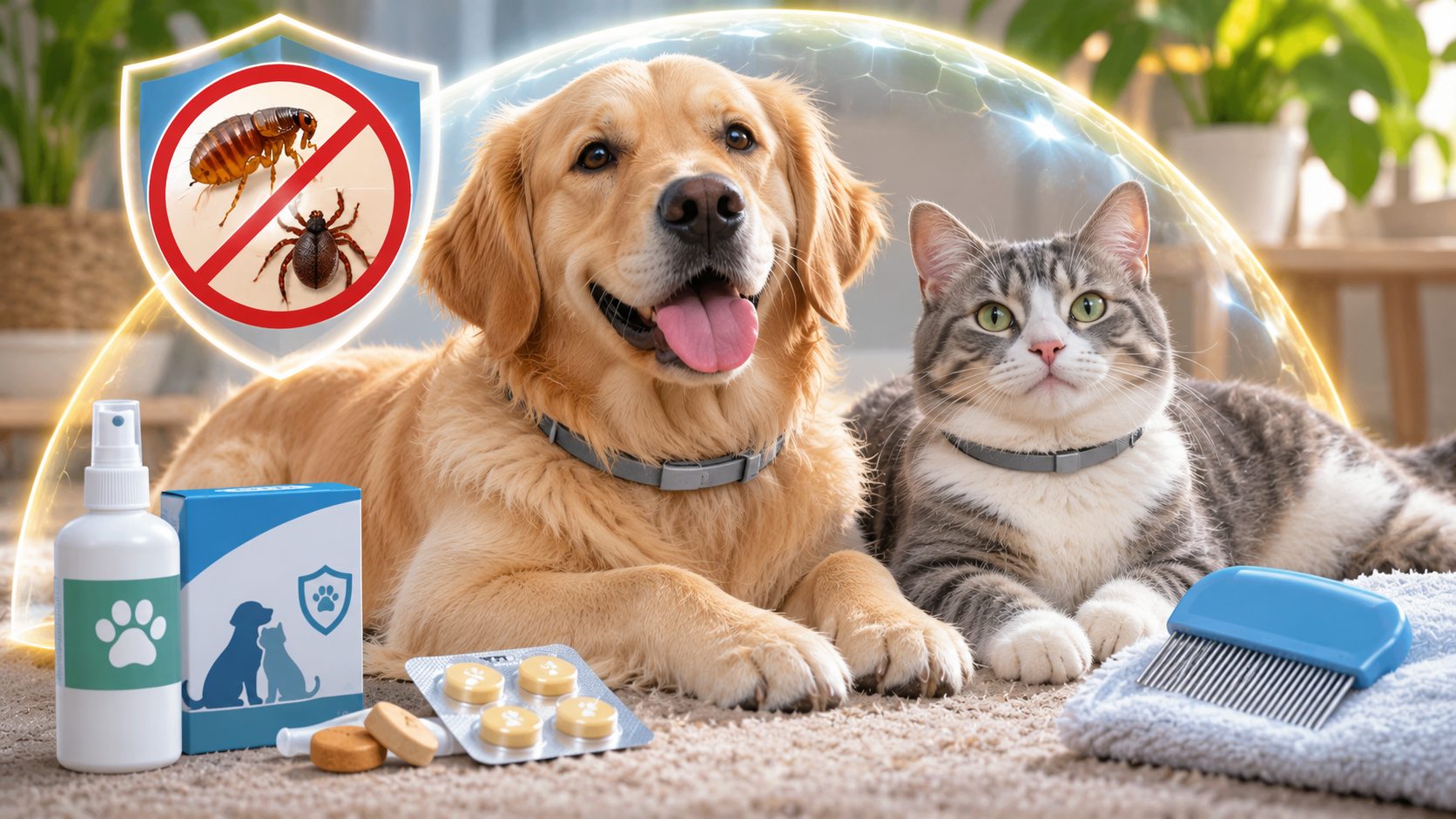
Flea and Tick Prevention for Pets is a crucial topic for every pet owner, delving into the health implications these pests pose to our furry friends. These tiny creatures can be more than just a nuisance; they can transmit serious diseases that threaten the well-being of pets and even their humans. Understanding the importance of prevention is the first step in ensuring a healthy, happy life for our pets.
By exploring various prevention methods, maintaining a clean environment, and developing a comprehensive prevention schedule, pet owners can effectively protect their pets from infestations. With guidance from veterinarians and the involvement of the whole family, particularly children, we can foster a culture of care that emphasizes the importance of flea and tick prevention. Let’s dive deeper into the various strategies and insights that can help keep our beloved pets safe and healthy.
Understanding the Importance of Flea and Tick Prevention for Pets
Flea and tick prevention is crucial for maintaining the overall health and happiness of pets. These tiny parasites can lead to serious health risks not only for pets but also for their human companions. Ensuring that pets are protected from these pests is essential in fostering a safe and loving environment for everyone in the household.
Fleas and ticks are notorious for transmitting a variety of diseases that can severely impact a pet’s health. For instance, fleas can cause anemia, especially in young or older pets, as they feed on a pet’s blood. They can also lead to flea allergy dermatitis, which is an intense allergic reaction causing severe itching and skin infections. On the other hand, ticks are vectors for several diseases, including Lyme disease, Rocky Mountain spotted fever, and ehrlichiosis. Lyme disease, for example, can affect the joints and lead to long-term health complications if left untreated. Additionally, both fleas and ticks can proliferate quickly; a single female flea can lay hundreds of eggs, leading to an infestation within a short period, making prevention all the more critical.
Identifying a flea or tick infestation in pets is vital for timely intervention. Common symptoms include excessive scratching, biting at the skin, or noticeable hair loss. Pet owners might also observe flea dirt, which appears as small black specks in the fur, or even fleas themselves jumping on their pets. Ticks may be found attached to the skin and can vary in size, often resembling small moles. Other signs of an infestation can include restlessness, redness or irritation of the skin, and in severe cases, signs of anemia or lethargy.
Recognizing these symptoms early not only helps in treating the infestations but also in preventing the transmission of diseases that could affect both pets and humans.
Various Methods of Flea and Tick Prevention for Pets
Flea and tick infestations can be a significant nuisance for both pets and their owners. These pesky parasites can cause discomfort, health issues, and even serious diseases. Fortunately, there are various effective methods to protect pets from fleas and ticks. Understanding these methods can help in making informed decisions regarding the best preventive measures for your furry friends.
Topical Treatments
Topical treatments are one of the most popular methods for preventing flea and tick infestations. These products are typically applied directly to the pet’s skin, usually between the shoulder blades, where the animal cannot easily lick it off. They work through active ingredients that either kill adult fleas and ticks on contact or disrupt their life cycle by preventing eggs from hatching.
Common active ingredients in topical treatments include fipronil, imidacloprid, and selamectin. These substances are absorbed into the pet’s skin and carried through the oil glands, providing long-lasting protection. Most topical treatments offer protection for a month, making them convenient for pet owners.
Pros of topical treatments include their ease of use and effectiveness against both fleas and ticks. However, they may cause skin irritation in some pets and require careful application to ensure the full dose reaches the skin. Additionally, topical treatments can be washed off if a pet gets wet shortly after application, reducing their effectiveness.
Flea and Tick Collars
Flea and tick collars provide a long-term prevention solution, releasing insecticides that kill fleas and ticks upon contact. These collars are worn around the pet’s neck and can provide protection for several months, depending on the brand and ingredients used.
The active ingredients often found in collars include deltamethrin and propoxur. The collars work by dispersing these chemicals into the pet’s skin and coat, creating a protective barrier against infestations.
While flea and tick collars are convenient and require minimal effort, there are some downsides. Collars can sometimes cause allergic reactions or irritations, especially in sensitive pets. Additionally, the effectiveness of collars can vary, particularly for pets that are very active or spend a lot of time outdoors.
Oral Medications
Oral medications for flea and tick prevention are another viable option. These medications are administered in the form of tablets or chewables and typically contain active ingredients like nitenpyram or spinosad. These drugs work by entering the pet’s bloodstream and killing fleas and ticks when they bite.
One significant advantage of oral medications is that they are often well-tolerated by pets and do not leave residue on the skin, making them a good option for pets with sensitive skin or those that frequently bathe. However, oral medications usually require a prescription, and some pets may experience gastrointestinal side effects.
Natural Remedies versus Chemical Treatments
When considering flea and tick prevention, many pet owners weigh the benefits of natural remedies against traditional chemical treatments. Natural remedies often include essential oils such as lavender, peppermint, or cedar oil. They work by creating an environment that is inhospitable to fleas and ticks, relying on their strong scents to deter pests.
While natural remedies can be less toxic and more environmentally friendly, their effectiveness can vary significantly and often requires more frequent application. Commonly, they may not provide robust protection against heavy infestations compared to chemical treatments.
Chemical treatments tend to have proven effectiveness and rapid action. However, there are concerns regarding their potential side effects on pets and humans, including allergic reactions and environmental impact.
In summary, selecting the right method for flea and tick prevention depends on a variety of factors, including the level of infestation, the pet’s health, lifestyle, and owner preference. Understanding the pros and cons of each approach can aid in making a well-informed decision for the best protection against these parasites.
Developing a Flea and Tick Prevention Schedule
Creating a comprehensive flea and tick prevention schedule is crucial for maintaining the health and comfort of your pets. By understanding these pests’ seasonal patterns and the appropriate prevention methods, pet owners can effectively safeguard their furry companions throughout the year.
Flea and tick populations fluctuate with the seasons, heavily influenced by environmental factors such as temperature and humidity. During warmer months, these pests thrive, necessitating a proactive approach to prevention. Understanding these variations allows pet owners to adjust their prevention strategies accordingly, ensuring their pets remain protected when it matters most.
Seasonal Variations in Flea and Tick Activity
Flea and tick activity is closely tied to seasonal changes. Typically, fleas and ticks are most active during spring and summer, while their populations decline in the fall and winter. However, in warmer climates, these pests can remain a threat year-round. Here is a breakdown of their seasonal activity:
- Spring: As temperatures rise, flea and tick populations begin to increase. It’s essential to start prevention measures in early spring to catch the onset of their activity.
- Summer: This is peak season for fleas and ticks. Regular prevention treatments are critical, as they breed rapidly in warm, humid conditions.
- Fall: Activity starts to decline, but pets can still pick up fleas and ticks during this time. Continuing prevention into early fall is advisable.
- Winter: In colder regions, flea and tick activity significantly decreases. However, indoor pets may still be at risk, so maintaining treatment is beneficial.
Recommended Frequency for Administering Products
Different flea and tick prevention products have varying administration schedules based on their formulation. Here’s a detailed overview of the recommended frequency for common types of prevention methods:
- Topical Treatments: These are usually applied monthly. Ensure application is done on the same date each month for consistency.
- Oral Medications: Depending on the product, oral flea and tick preventatives can be administered monthly or even every three months. Always read the label for specific instructions.
- Collars: These often provide protection for several months (up to eight months). Ensure the collar fits properly and is replaced as directed.
- Sprays and Shampoos: These can be used as needed, particularly during peak flea and tick seasons. While they provide immediate relief, they should be complemented with long-term prevention strategies.
“Regular and timely application of flea and tick preventatives is essential for your pet’s health and comfort.”
By adhering to this schedule and being aware of seasonal fluctuations, pet owners can ensure that their pets remain protected from the discomfort and health risks associated with flea and tick infestations.
Tips for Maintaining a Flea and Tick-Free Environment
Creating a safe and healthy living space for your pets involves more than just regular treatments; it requires a holistic approach to pest prevention. Fleas and ticks thrive in environments that are unkempt and cluttered, so maintaining cleanliness both indoors and outdoors is crucial. By adopting a few simple habits, pet owners can significantly reduce the risk of infestations and provide a better quality of life for their furry companions.
Regular cleaning and yard maintenance play a vital role in preventing flea and tick infestations. These pests often find refuge in areas where they can easily breed and access a food source. A clean home and well-maintained yard limit their hiding places and can make a considerable difference in controlling their population. Regular vacuuming, washing pet bedding, and cleaning carpets can help eliminate fleas and ticks at their larvae stage while also reducing the allergens they may bring into the home.
Indoor Cleaning Strategies
Establishing a consistent cleaning routine can deter fleas and ticks from taking residence in your home. The following practices are essential for maintaining a flea and tick-free indoor environment:
- Vacuum Frequently: Regular vacuuming of carpets, rugs, and upholstery is essential. Be sure to dispose of the vacuum bag or empty the canister outside to prevent re-infestation.
- Wash Pet Bedding: Wash your pet’s bedding at least once a week in hot water to kill any fleas or eggs present.
- Use Flea-Repellent Products: Incorporate flea-repellent sprays or powders that are safe for pets into your cleaning routine, particularly in areas where your pet spends the most time.
Outdoor Maintenance Practices
Your yard can be a breeding ground for fleas and ticks if not properly managed. Implementing effective outdoor strategies is crucial for keeping your pet safe. Some key practices include:
- Mow the Lawn Regularly: Keep your grass short and trimmed to reduce hiding spots for fleas and ticks.
- Clear Debris: Regularly remove leaves, tall grass, and any debris that can provide shelter for these pests.
- Apply Insecticides: Consider using pet-safe insecticides in your yard during peak flea and tick seasons to create a protective barrier.
“Regular cleaning and yard maintenance can reduce the likelihood of flea and tick infestations by removing their breeding grounds and hiding places.”
When fleas or ticks are discovered in the home, immediate action is necessary to prevent a larger infestation. Pet owners should quarantine the affected pet, and bathe them with a flea shampoo. Simultaneously, thorough cleaning of the environment is crucial. All areas where the pet frequents should be meticulously vacuumed and cleaned with flea-killing products. Additionally, consult a veterinarian for advice on the best treatment options for both your pet and your home, ensuring that all steps are taken to eliminate these pests effectively.
Understanding the Role of Veterinary Guidance in Flea and Tick Prevention
Consulting a veterinarian is crucial for effective flea and tick prevention for your pets. A veterinary professional can help you tailor prevention strategies that are specifically suited to your pet’s needs, lifestyle, and environment. This personalized approach ensures that the methods employed are both effective and safe, reducing the risk of infestations and associated health issues.
Veterinarians bring a wealth of knowledge and experience to the table when it comes to flea and tick prevention. They can assess your pet’s health history, lifestyle, and the local environment to create a bespoke prevention plan. This includes recommendations for the most suitable treatments, whether topical, oral, or environmental solutions. Additionally, they can help monitor your pet’s response to treatments and make adjustments when necessary.
Key Considerations for Veterinary Consultations
When visiting a veterinarian for flea and tick prevention, it’s essential to engage in a comprehensive discussion. Pet owners should be prepared to ask key questions to fully understand the best approaches for their pets. Here are some important points to consider during these consultations:
- Discuss your pet’s daily activities and environment to identify specific risks. For example, pets that frequently visit wooded areas may need more aggressive prevention methods.
- Inquire about the most effective treatments available, including the latest medications and their potential side effects.
- Ask about the optimal frequency for treatments based on your pet’s lifestyle and living conditions. Some pets may require more frequent applications than others.
- Understanding the veterinarian’s recommendations for preventing infestations in the home environment is crucial. This might include advice on cleaning routines and the use of environmental sprays.
- Seek information about the signs of flea and tick infestations, as early detection can lead to more effective treatment.
A veterinarian’s expertise can significantly influence your pet’s health and safety. They can provide insight into how different breeds may react to various treatments, ensuring the chosen prevention plan is suitable for your pet’s unique characteristics. Furthermore, they can assist in recognizing environmental factors that increase the risk of infestations, such as living in high-risk regions or having frequent interactions with other animals.
“Veterinary guidance is invaluable in crafting a targeted approach to flea and tick prevention, ultimately safeguarding your pet’s well-being.”
Educating Children about Flea and Tick Safety for Pets
Involving children in the care of pets can significantly enhance their sense of responsibility and awareness about animal health, particularly concerning flea and tick prevention. Children, when given proper guidance, can become eager helpers in keeping pets safe from these pesky parasites. Teaching them about flea and tick safety not only supports the well-being of pets but also enriches the children’s understanding of empathy and care for living creatures.
Educating children about pet care responsibilities is crucial for several reasons. It instills a sense of accountability in young ones and fosters a connection between them and their pets. Children often look up to their parents as role models, and by demonstrating proactive pet care, parents can instill good habits and values in their children. When children participate in routine checks for fleas and ticks, they learn the importance of preventive care, which is essential for maintaining their pet’s health. This involvement can lead to a lifelong appreciation for animals and their needs. Moreover, understanding how to identify and manage fleas and ticks can empower children to take swift action, ensuring the safety and comfort of their furry friends.
Guidelines for Teaching Children about Flea and Tick Prevention
To effectively teach children about caring for pets in relation to flea and tick prevention, consider the following guidelines:
- Age-Appropriate Education: Tailor the information based on the child’s age. Younger children can learn through simple concepts, while older kids can understand more detailed aspects of pet care.
- Interactive Learning: Use engaging activities such as games or crafts. For instance, creating a poster about fleas and ticks can make the learning process fun.
- Routine Checks: Involve children in regular examinations of pets for signs of fleas and ticks. Teach them to look behind the ears, under the collar, and between the toes, as these are common hiding spots.
- Positive Reinforcement: Encourage children when they successfully identify potential problems or help in treatment. Praise their efforts to motivate them further.
- Discuss the Life Cycle: Explain the life cycle of fleas and ticks in a simple manner, emphasizing how quickly they can multiply. Understanding this can highlight the importance of preventive measures.
- Share Real-Life Examples: Illustrate the consequences of flea infestations, such as scratching and discomfort for pets, to create a sense of urgency in maintaining prevention.
Teaching children to recognize fleas and ticks on pets is essential for early detection and prevention. The following points Artikel what they should learn:
- Physical Characteristics: Show children how to identify fleas and ticks. Fleas are small, dark brown insects that can jump, while ticks are larger, flat, and often grayish-brown before feeding.
- Common Signs of Infestation: Teach them to recognize symptoms such as excessive scratching, biting, or licking at the skin, which may indicate flea or tick presence.
- Check for Bumps or Irritation: Encourage children to feel for any unusual lumps or bumps on the pet’s skin that could be ticks.
- Use of Tools: Introduce tools like flea combs to help identify fleas in a fun, interactive way while grooming the pet.
By instilling knowledge in children about flea and tick safety, we prepare the next generation to be responsible and caring pet owners.
Common Misconceptions About Flea and Tick Treatments
Misinformation surrounding flea and tick prevention can lead to ineffective treatment strategies and unnecessary stress for pet owners and their furry companions. Many myths persist about these pests and the products designed to combat them, which can ultimately harm the health of our pets. Understanding the facts behind these misconceptions is crucial for effective prevention and treatment.
One of the most prevalent myths is that fleas and ticks are only a problem in warmer months. While it’s true that these pests thrive in warm weather, they can survive indoors year-round. This means that even in winter, pet owners should remain vigilant about prevention. For example, a study by the Companion Animal Parasite Council found that many pets are diagnosed with flea infestations during colder months, indicating that the problem is not confined to summer.
Another common misconception is that natural treatments are always safer than chemical options. While some natural remedies may have mild insecticidal properties, they are not always effective and can sometimes lead to more significant health issues. For instance, essential oils like tea tree oil and lavender can be harmful to pets if ingested or used improperly. Therefore, it’s essential to consult with a veterinarian before trying any home remedies.
Additionally, some pet owners believe that treating their home for fleas is unnecessary if their pet is already on preventive medication. However, fleas can lay thousands of eggs, and a single flea infestation can quickly overwhelm a household. Comprehensive treatment plans often include treating both pets and their living environment to ensure all life stages of the flea are eradicated. This includes washing bedding, vacuuming carpets, and using appropriate sprays or foggers as needed.
Impact of Misconceptions on Pet Health
The spread of misinformation can lead to inappropriate treatment choices that compromise pet health. Here’s how:
– Ineffective Products: Relying on unproven or natural remedies can result in inadequate protection against fleas and ticks, leaving pets vulnerable.
– Delayed Treatment: Believing that fleas are not a year-round concern may lead to neglect in prevention, resulting in infestations that are harder to treat.
– Misguided Expectations: Assuming that one treatment will suffice can lead to repeated cycles of infestation and treatment, increasing stress for both pets and owners.
– Health Risks: Incorrect application of natural treatments can pose serious health risks to pets, including skin irritations and toxic reactions.
Educating oneself and seeking professional advice is vital for making informed decisions about flea and tick products. Reliable sources, such as veterinarians and reputable pet care organizations, can provide the necessary information to help pet owners choose the most effective and safest prevention methods.
The Impact of Fleas and Ticks on Pet Behavior
Flea and tick infestations can significantly alter the behavior and mood of pets, leading to a range of alarming changes that pet owners need to recognize. When pets are infested, they experience physical discomfort and irritation which can manifest in various behavioral responses. Understanding these changes is crucial for maintaining the emotional well-being of our furry companions.
Fleas and ticks can cause pets to become restless, irritable, and even aggressive due to the constant itching and biting. As these pests invade, pets may exhibit behaviors such as excessive scratching, biting at their skin, or rolling excessively on the ground in a futile attempt to relieve the itch. Additionally, pets may withdraw from their usual playful demeanor, opting to hide or isolate themselves in areas of the home where they feel safe. As the discomfort escalates, it can lead to increased anxiety and stress, as well as interruptions in their normal routines, which can further exacerbate their mood changes.
Behavioral Changes to Monitor During an Infestation
Recognizing the signs of flea and tick infestations is essential for the welfare of your pet. Here are some specific behavioral changes to monitor for:
- Increased Scratching and Grooming: If your pet is constantly scratching or grooming, it may be a sign of fleas or ticks bothering them.
- Restlessness: Pets may appear agitated and unable to settle down. This restlessness can be a direct result of their discomfort.
- Aggression or Irritability: Infestations can lead to heightened sensitivity, causing pets to react aggressively or become more irritable than usual.
- Hiding or Withdrawal: Many pets may seek out hiding spots or isolate themselves as a way to cope with their distress.
- Changes in Appetite: Infestations can lead to decreased interest in food or changes in eating habits due to discomfort.
By preventing flea and tick infestations, pet owners can foster a more relaxed and happy environment for their pets. Effective prevention methods, such as regular treatments and maintaining a clean living area, not only shield pets from these pests but also contribute to their emotional well-being. Pets that are free from fleas and ticks are more likely to be playful, social, and content, enhancing their quality of life and strengthening the bond between pets and their owners.
Ultimate Conclusion
In conclusion, Flea and Tick Prevention for Pets is not just about dealing with these pests when they arise; it’s a proactive approach to ensuring your pets lead a happier and healthier life. By understanding the risks, employing effective prevention methods, and maintaining a clean environment, pet owners can significantly reduce the chances of infestations. With veterinarians as a valuable resource and the whole family pitching in, we can create an environment where our pets thrive free from fleas and ticks.
Question Bank
How often should I treat my pet for fleas and ticks?
It depends on the method used, but generally, monthly treatments are recommended for most topical and oral medications.
Are natural remedies effective for flea and tick prevention?
Some natural remedies can help, but they are often less effective than veterinary-approved treatments and should be used with caution.
Can fleas and ticks affect my home environment?
Yes, fleas and ticks can infest your home, often living in carpets, bedding, and furniture, so maintaining cleanliness is vital.
What symptoms should I look for in my pet indicating a flea or tick infestation?
Signs include excessive scratching, biting at the skin, hair loss, and visible fleas or ticks on the pet.
Is it safe to use multiple flea prevention methods at once?
It’s essential to consult a veterinarian before combining methods to avoid potential adverse reactions.