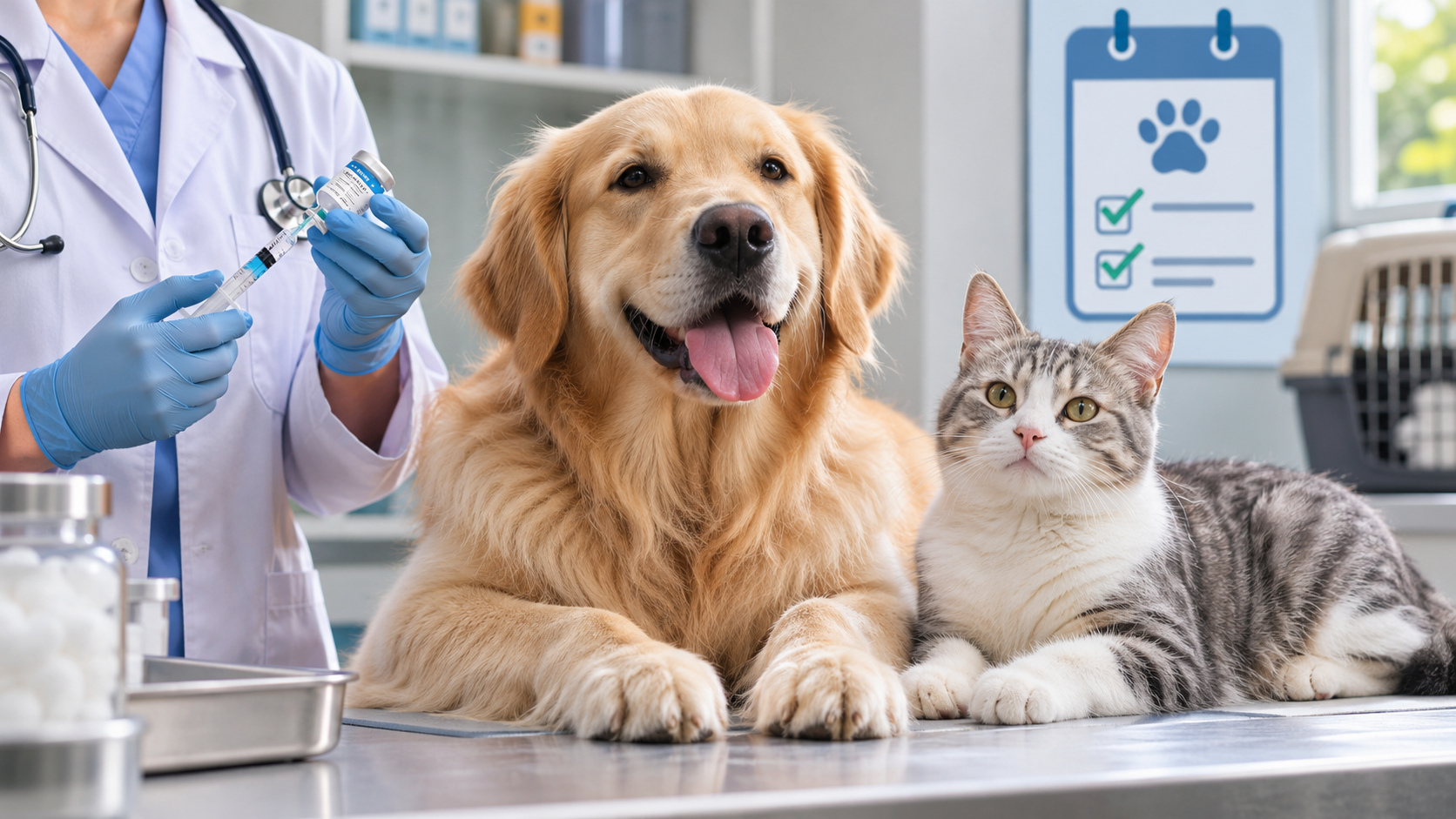
Understanding Pet Vaccination Schedules is crucial for every pet owner who wants to ensure their furry friends lead long and healthy lives. Vaccinations not only protect pets from various diseases but also play a significant role in public health by preventing the spread of zoonotic diseases. It’s a common misconception that all vaccinations are unnecessary for adult pets, but staying informed about vaccination schedules is vital in promoting overall pet welfare.
By keeping pets up-to-date on their vaccinations, owners can significantly reduce the risks of serious illnesses and contribute to the wellbeing of the wider community. Vaccination schedules are customized based on a pet’s age, breed, and health status, ensuring that each pet receives the best possible protection. In this discussion, we’ll explore essential vaccinations, the importance of tracking vaccination records, and the role of veterinary clinics in vaccination awareness.
Understanding the Importance of Pet Vaccination Schedules
Vaccination schedules for pets are crucial for ensuring the health and wellbeing of our furry companions. By adhering to these schedules, pet owners can protect their pets from various infectious diseases that can cause serious health complications. Vaccinations not only safeguard individual pets but also play a significant role in the broader context of public health and pet welfare.
Vaccination schedules are designed to provide pets with immunity against specific diseases at different stages of their lives. For instance, puppies and kittens start receiving vaccinations as early as six weeks of age, with booster shots scheduled for later months. This early vaccination is essential because young animals are particularly vulnerable to diseases like parvovirus and distemper. The timely administration of these vaccines significantly reduces the risk of outbreaks and protects not just the vaccinated pets but also the surrounding community.
Impact of Vaccinations on Public Health and Pet Welfare
The impact of vaccinations extends beyond individual pets to the overall health of the community. Vaccination creates herd immunity, which helps to prevent the spread of contagious diseases. When a sufficient number of pets are vaccinated, the likelihood of disease transmission decreases, thereby protecting those who are unable to be vaccinated due to medical reasons. This principle is critical, particularly in densely populated areas where the risk of outbreaks is heightened.
Furthermore, vaccines contribute to the welfare of pets by preventing diseases that can lead to chronic health issues or even death. For example, rabies is a fatal disease that affects both animals and humans; vaccinating pets against rabies is not only a legal requirement in many areas but also a vital measure for public safety. The vaccination of pets against such diseases minimizes the risk of zoonotic transmissions, where illnesses can be transferred from animals to humans.
Despite the clear benefits of vaccinations, misconceptions persist among pet owners. Some may believe that their indoor cats or dogs don’t need vaccines because they have limited exposure to other animals. However, many diseases can be transmitted through indirect contact, such as through contaminated objects or environments. Additionally, there is a common myth that vaccines are harmful and cause health problems. In reality, the benefits of vaccinations far outweigh the risks, with strict regulatory measures ensuring their safety. Understanding these facts is essential for pet owners to make informed decisions regarding their pets’ health.
Key Vaccinations for Dogs and Cats Throughout Their Lifespan
Vaccinations play a crucial role in safeguarding the health of our pets. They help prevent the spread of infectious diseases that can be severe or even fatal. Understanding the key vaccinations recommended for dogs and cats at various stages of their lives ensures that pet owners can make informed decisions regarding their furry friends’ health and wellbeing.
Essential Vaccinations for Dogs
Vaccination schedules for dogs vary by age, with certain vaccinations being essential during specific life stages. The following lists categorize the key vaccinations based on the age of the dog:
Puppies (6-16 weeks old)
During the early weeks of life, puppies are particularly vulnerable to infectious diseases. Key vaccinations include:
- DHPP (Distemper, Hepatitis, Parvovirus, Parainfluenza)
- Bordetella (Kennel Cough)
- Rabies (typically given at 12-16 weeks)
Adult Dogs (1-7 years)
As dogs grow, maintaining their immunity is essential. Recommended vaccinations include:
- DHPP (booster every 1-3 years)
- Rabies (booster every 1-3 years, depending on local regulations)
- Bordetella (annual booster, especially for those in boarding or daycare)
- Lyme disease (if in high-risk areas)
Senior Dogs (7 years and older)
Senior dogs have unique health considerations, and vaccinations are adapted accordingly:
- DHPP (booster every 3 years)
- Rabies (booster every 1-3 years, depending on local laws)
- Leptospirosis (if at risk)
- Canine Influenza (if at risk)
Essential Vaccinations for Cats
Cats also require a tailored vaccination schedule to protect against various diseases. The following categories Artikel essential vaccinations for feline friends:
Kittens (6-16 weeks old)
Kittens need their initial vaccinations to build immunity against prevalent diseases:
- FVRCP (Feline Viral Rhinotracheitis, Calicivirus, Panleukopenia)
- FeLV (Feline Leukemia Virus)
- Rabies (typically given at 12-16 weeks)
Adult Cats (1-7 years)
As adult cats, maintaining their vaccination schedule is crucial for continued protection:
- FVRCP (booster every 1-3 years)
- FeLV (annual booster for at-risk cats)
- Rabies (booster every 1-3 years as required by law)
Senior Cats (7 years and older)
Senior cats may require adaptations to their vaccination schedule to accommodate any health changes:
- FVRCP (booster every 3 years)
- Rabies (booster every 1-3 years depending on state regulations)
- FeLV (if at risk)
Comparison of Vaccination Schedules
The table below compares vaccination schedules for dogs and cats based on their age groups, illustrating the importance of adhering to these recommendations:
| Age Group | Dogs | Cats |
|---|---|---|
| Puppies/Kittens (6-16 weeks) | DHPP, Bordetella, Rabies | FVRCP, FeLV, Rabies |
| Adults (1-7 years) | DHPP (booster), Rabies (booster), Bordetella, Lyme (if at risk) | FVRCP (booster), FeLV (annual if at risk), Rabies (booster) |
| Senior (7 years and older) | DHPP (booster), Rabies (booster), Leptospirosis (if at risk) | FVRCP (booster), Rabies (booster), FeLV (if at risk) |
Regular vaccinations are essential for the long-term health and wellbeing of dogs and cats, helping to prevent serious illnesses that can affect their quality of life.
Customizing Vaccination Schedules for Specific Breeds and Conditions
When it comes to pet vaccination, a one-size-fits-all approach simply doesn’t work. Different breeds and individual health conditions play a significant role in determining the most suitable vaccination schedule for your furry friend. Understanding these nuances is crucial for ensuring the optimal health and well-being of your pet.
Specific breeds can have unique immune responses and susceptibilities to certain diseases, necessitating tailored vaccination strategies. Factors such as size, genetic predispositions, and lifestyle all contribute to how and when vaccinations should be administered. For instance, some breeds may be more prone to specific health issues, which can dictate their vaccination needs.
Breed-Specific Vaccination Considerations
Certain dog breeds require special attention regarding their vaccination schedules due to their genetic predispositions and common health concerns. Here are some examples:
- Rottweilers: This breed is known to be more susceptible to parvovirus and distemper. It’s essential that they receive their vaccinations on time, as early immunity is crucial.
- Chihuahuas: Due to their small size, Chihuahuas may require adjusted vaccine dosages to prevent adverse reactions. It’s often advisable to consult with a veterinarian for appropriate timing.
- Golden Retrievers: Prone to certain cancers and autoimmune disorders, these dogs benefit from a personalized vaccination schedule that may include additional vaccines not typically administered to other breeds.
- Boxers: This breed can have an increased risk of certain infections; thus, they may need extra attention during their vaccination schedule to ensure they are fully protected.
The importance of consulting with a veterinarian cannot be overstated in the creation of a personalized vaccination schedule. A vet will consider your pet’s breed, age, health status, and lifestyle to develop a vaccination plan that minimizes risks while maximizing protection against infectious diseases.
“Every pet is unique, and their vaccination schedule should reflect their individual needs for optimal health.”
Additionally, existing health conditions can influence vaccination timing and choice. For pets with compromised immune systems, for instance, certain vaccinations may be delayed or modified to ensure safety. Regular veterinary check-ups allow for ongoing adjustments to vaccination protocols based on the latest health assessments and developments.
Ultimately, pet owners must engage proactively with their veterinarians to establish a vaccination plan that is not only compliant with local regulations but also tailored to provide the best protective measures for their beloved pets.
Factors Influencing Pet Vaccination Compliance Among Owners
Pet vaccination compliance is influenced by a variety of factors, including social, economic, and educational elements. Understanding these influences is essential for crafting strategies to enhance vaccination rates among pet owners. By addressing the root causes of low compliance, veterinary practices and public health officials can work together to improve the overall health of pets in the community.
Social factors play a crucial role in determining vaccination rates. Pet owners’ attitudes towards vaccinations are often shaped by their social circles, cultural beliefs, and community norms. For instance, if a pet owner’s friends or family express skepticism about vaccinations, they may feel less inclined to follow through with vaccination schedules. Economic factors include the cost of vaccinations and access to veterinary services, which can vary widely depending on the socioeconomic status of the pet owner. Finally, educational factors significantly influence pet vaccination compliance. The level of awareness and understanding of the importance of vaccinations can drive compliance rates.
Social, Economic, and Educational Influences
The interplay of social, economic, and educational factors can either encourage or hinder pet owners from adhering to vaccination schedules. Here are some key points to consider:
- Social Influences: The opinions and practices of peers can heavily impact an owner’s decision to vaccinate their pets. Communities with strong pro-vaccination sentiments tend to have higher compliance rates.
- Economic Barriers: The cost of vaccinations can deter low-income pet owners. In many cases, discounts or free vaccination events can significantly improve compliance among underserved populations.
- Educational Outreach: Increased education about the benefits and necessity of vaccinations can lead to higher compliance. Informative campaigns through veterinary clinics and community centers have shown positive results.
In examining case studies, several initiatives have successfully boosted vaccination rates through educational programs. For instance, a program in a low-income neighborhood offered free informational sessions along with low-cost vaccinations, resulting in a 30% increase in compliance over a two-year period. Another study highlighted how veterinary practices that engaged pet owners with clear communication and follow-up reminders saw a marked improvement in vaccination adherence.
“Educating pet owners about the critical role of vaccinations can transform their compliance behavior, leading to healthier pets and communities.”
These strategies emphasize the importance of community engagement and education, highlighting that improved vaccination compliance is achievable by addressing the barriers faced by pet owners.
Keeping Track of Your Pet’s Vaccination Records Effectively
Maintaining an organized record of your pet’s vaccinations is crucial for their health and safety. A well-kept schedule not only ensures that your furry friend receives timely vaccinations but also aids in managing their healthcare needs. By implementing a straightforward tracking system, pet owners can easily monitor vaccination dates and ensure all necessary shots are up-to-date.
Accurate vaccination records are essential, particularly when it comes to travel or healthcare. Many destinations require proof of specific vaccinations for pets to ensure their health and the safety of other animals. Furthermore, vets may need access to a pet’s vaccination history to provide the best care possible. Without these records, there can be delays in treatment and potential health risks for your pet.
Designing a Simple Tracking System for Vaccination Schedules
An effective tracking system can be as straightforward as maintaining a physical or digital log that records all vaccination details. Here’s how to organize vaccination information efficiently:
| Pet Name | Vaccination Type | Date Administered | Next Due Date | Veterinarian Contact |
|---|---|---|---|---|
| Max | Rabies | 2023-01-15 | 2024-01-15 | (555) 123-4567 |
| Bella | DHPP | 2023-02-10 | 2024-02-10 | (555) 765-4321 |
| Charlie | Leptospirosis | 2023-03-05 | 2024-03-05 | (555) 678-9012 |
This table format allows for quick reference and easy updates. Additionally, consider using mobile apps or online platforms designed specifically for pet care management. These tools often provide reminders for upcoming vaccinations, making it easier to stay on top of your pet’s health needs.
“An organized vaccination record can save time, ensure compliance, and most importantly, keep your pet healthy.”
The Role of Veterinary Clinics in Promoting Vaccination Awareness
Veterinary clinics serve as vital hubs of information for pet owners regarding the importance of vaccinations. They play a crucial role in educating the public about how vaccines protect pets from various diseases and the overall health benefits of keeping vaccinations up to date. By leveraging their expertise and community presence, these clinics can significantly enhance awareness and encourage responsible pet ownership.
Veterinary clinics have several key responsibilities when it comes to promoting vaccination awareness. They are tasked not only with administering vaccines but also with informing pet owners about the vaccination schedule, potential side effects, and the necessity of maintaining a current vaccination record. This responsibility extends beyond mere service provision to encompass education and advocacy within the community.
Methods to Enhance Vaccination Awareness
Effective strategies employed by veterinary clinics to increase vaccination awareness can have a profound impact on pet health in the community. Some of these methods include:
- Educational Workshops: Organizing workshops that cover topics such as the importance of vaccinations, common pet diseases, and preventative care can empower pet owners with knowledge. These interactive sessions not only educate but also build a sense of community among pet owners.
- Social Media Campaigns: Utilizing social media platforms to share informative posts, infographics, and videos about vaccination schedules and their benefits can reach a wider audience. Engaging content can spark conversations and encourage pet owners to prioritize vaccinations.
- Partnerships with Local Organizations: Collaborating with local animal shelters and pet stores can extend the reach of vaccination awareness campaigns. Joint events, such as vaccination clinics or pet fairs, can attract pet owners and facilitate direct communication about vaccine importance.
- Reminders and Follow-ups: Implementing reminder systems, such as phone calls, texts, or email notifications to remind pet owners of upcoming vaccinations, helps ensure that they stay informed and proactive in maintaining their pets’ health.
“Prevention is better than cure.” This old adage rings particularly true in the context of pet vaccinations, underscoring the essential role clinics play in promoting health awareness.
Several veterinary practices have run successful vaccination campaigns that serve as models for others. For instance, a clinic in San Diego initiated a “Vaccination Month” where they offered discounted vaccines and conducted educational seminars. This campaign not only increased their vaccination rates significantly but also fostered community engagement. Another example can be seen in a collaborative effort between a veterinary clinic and a local pet supply store, which hosted a pet health fair featuring free vaccination clinics, informative talks, and activities. This event attracted numerous pet owners and resulted in increased awareness and participation in vaccination programs.
By implementing these strategies and learning from successful campaigns, veterinary clinics can enhance vaccination awareness and improve the health of pets throughout their communities.
Addressing Common Concerns and Myths About Pet Vaccinations
Pet vaccinations are often surrounded by myths that can lead to confusion and reluctance among pet owners. Understanding these myths is crucial for making informed decisions regarding the health of our furry friends. In this discussion, we will identify some prevalent misconceptions and provide factual counterarguments to support the importance of vaccinations.
Misinformation about pet vaccinations can lead to serious consequences for both individual pets and public health. For instance, when pet owners choose not to vaccinate based on unverified claims, they not only place their pets at risk but also potentially contribute to outbreaks of preventable diseases in the wider pet population. Reliable information plays a vital role in maintaining high vaccination rates, ensuring that our pets are protected from various illnesses.
Prevalent Myths and Factual Counterarguments
Many pet owners encounter several myths about vaccinations that can deter them from vaccinating their pets. Here are some common misconceptions along with factual counterarguments:
-
Myth: Vaccinations cause harmful side effects.
Most pets experience only mild and temporary reactions, such as soreness at the injection site or a slight fever. Serious adverse reactions are extremely rare and often outweighed by the benefits of vaccination.
-
Myth: My pet doesn’t need vaccinations because they stay indoors.
Indoor pets are still at risk for diseases that can be transmitted by other animals or even through contaminated surfaces. Vaccination is vital for their protection.
-
Myth: Vaccinating is unnecessary if my pet appears healthy.
Even healthy pets can carry and transmit infectious diseases. Vaccinations are a proactive measure to prevent illness, not just a response to visible symptoms.
-
Myth: Natural immunity is better than vaccination.
While some pets can develop immunity after recovering from an illness, this can be risky and unpredictable. Vaccinations provide a safer and more reliable way to build immunity without suffering from the disease.
The influence of misinformation can drastically reduce vaccination rates, leading to outbreaks of diseases that were previously under control. In recent years, there have been reports of increased cases of diseases like parvovirus and distemper, attributed to lower vaccination rates resulting from myth-based fears.
For pet owners, accessing reliable sources of information is paramount. Veterinary professionals and reputable animal health organizations provide evidence-based guidelines and recommendations that can help pet owners make informed choices. Websites like the American Veterinary Medical Association (AVMA) or the World Small Animal Veterinary Association (WSAVA) are excellent resources for accurate vaccination information.
In conclusion, debunking myths surrounding pet vaccinations is essential for promoting the health and safety of pets and preventing the resurgence of preventable diseases. By relying on credible sources and understanding the facts, pet owners can make empowered decisions that benefit their furry companions and the broader community.
The Future of Pet Vaccination Schedules and Innovations
As veterinary medicine continues to evolve, so too do the practices surrounding pet vaccinations. Emerging trends and technologies are shaping the future of how we protect our furry companions, leading to more efficient and effective vaccination schedules. This evolution not only enhances pet health but also adapts to new challenges posed by pathogens and changes in pet lifestyles.
Innovations in veterinary medicine, such as mRNA vaccine technology and advancements in diagnostic tools, are set to transform traditional vaccination practices. These developments may lead to the creation of more targeted vaccines, allowing for rapid responses to emerging diseases. Additionally, telemedicine and digital health records are streamlining the tracking of vaccination histories, helping pet owners stay informed about their pets’ health needs.
Emerging Technologies in Veterinary Medicine
The integration of cutting-edge technologies into veterinary practices is paving the way for enhanced vaccination approaches. Notable advancements include:
- mRNA Vaccines: Inspired by their success in human medicine, mRNA vaccines are being developed for pets to combat various infectious diseases. These vaccines work by providing the body with instructions to produce a harmless piece of the virus, prompting an immune response without the risk of infection.
- DNA Vaccines: Similar to mRNA, DNA vaccines involve the insertion of genetic material from a pathogen into the animal, stimulating an immune response. These vaccines offer the potential for long-lasting immunity and could significantly reduce the incidence of diseases like Lyme disease.
The implications of these technologies are profound, potentially minimizing the number of vaccinations needed while maximizing the effectiveness of each dose.
Potential Vaccines Under Development
Research is ongoing to develop vaccines that could significantly improve pet health by targeting diseases that currently lack effective vaccination options. Some noteworthy candidates include:
- Canine Influenza Vaccine: With the increasing prevalence of canine influenza outbreaks, a more effective and longer-lasting vaccine is in the works, aiming to provide comprehensive protection for dogs against various strains.
- Feline Immunodeficiency Virus (FIV) Vaccine: A new FIV vaccine is being developed to provide protection against this virus, which is a significant concern for cat populations, particularly in shelters.
These potential vaccines hold promise not only for individual pets but also for public health, as they can help reduce the spread of diseases within communities.
Changing Vaccination Schedules
Advancements in veterinary medicine are likely to influence vaccination schedules significantly. The development of more effective vaccines may allow veterinarians to personalize vaccination plans based on an individual pet’s risk factors, lifestyle, and health history. This tailored approach can lead to:
- Reduced Frequency: Innovations could lead to vaccines that offer longer-lasting immunity, potentially decreasing the number of vaccinations required throughout a pet’s life.
- Age-Appropriate Vaccination: A better understanding of a pet’s immune system can inform age-specific vaccination schedules, ensuring that pets receive protection when they need it most.
Continuous advancements in veterinary practices highlight the importance of staying informed about the changing landscape of pet health. As these innovations unfold, they will undoubtedly reshape our approach to pet vaccination, ultimately leading to healthier, happier pets.
Conclusion
In conclusion, being proactive about Pet Vaccination Schedules not only safeguards your pet’s health but also fosters a healthier environment for all. With the right vaccines and a personalized schedule, pet owners can take a significant step towards ensuring their pets live vibrant, healthy lives. Remember to consult your veterinarian regularly to stay updated on the best vaccination practices as we navigate the future of pet healthcare.
Expert Answers
How often should my pet be vaccinated?
The frequency of vaccinations depends on the type of vaccine and your pet’s age. Most puppies and kittens require vaccinations every few weeks until they are 16 weeks old, while adult pets typically receive vaccines annually or every three years, depending on the vaccine.
Are there side effects to pet vaccinations?
While most pets tolerate vaccinations well, some may experience mild side effects like soreness at the injection site or a slight fever. Serious reactions are rare but can occur, so it’s essential to monitor your pet closely after vaccination.
Can my pet skip vaccines if they stay indoors?
Even indoor pets are at risk for certain diseases, so it’s important to keep them vaccinated. Some diseases can be transmitted through contaminated surfaces or by other animals, so vaccinations are still necessary.
What should I do if I miss a vaccination appointment?
If you miss a vaccination appointment, contact your veterinarian as soon as possible to reschedule. They will advise you on how to proceed and if any catch-up vaccinations are needed.
How can I keep track of my pet’s vaccination records?
Creating a simple tracking system, such as a calendar or a digital app, can help you stay organized. Always keep a copy of your pet’s vaccination records for reference, especially for travel or boarding situations.