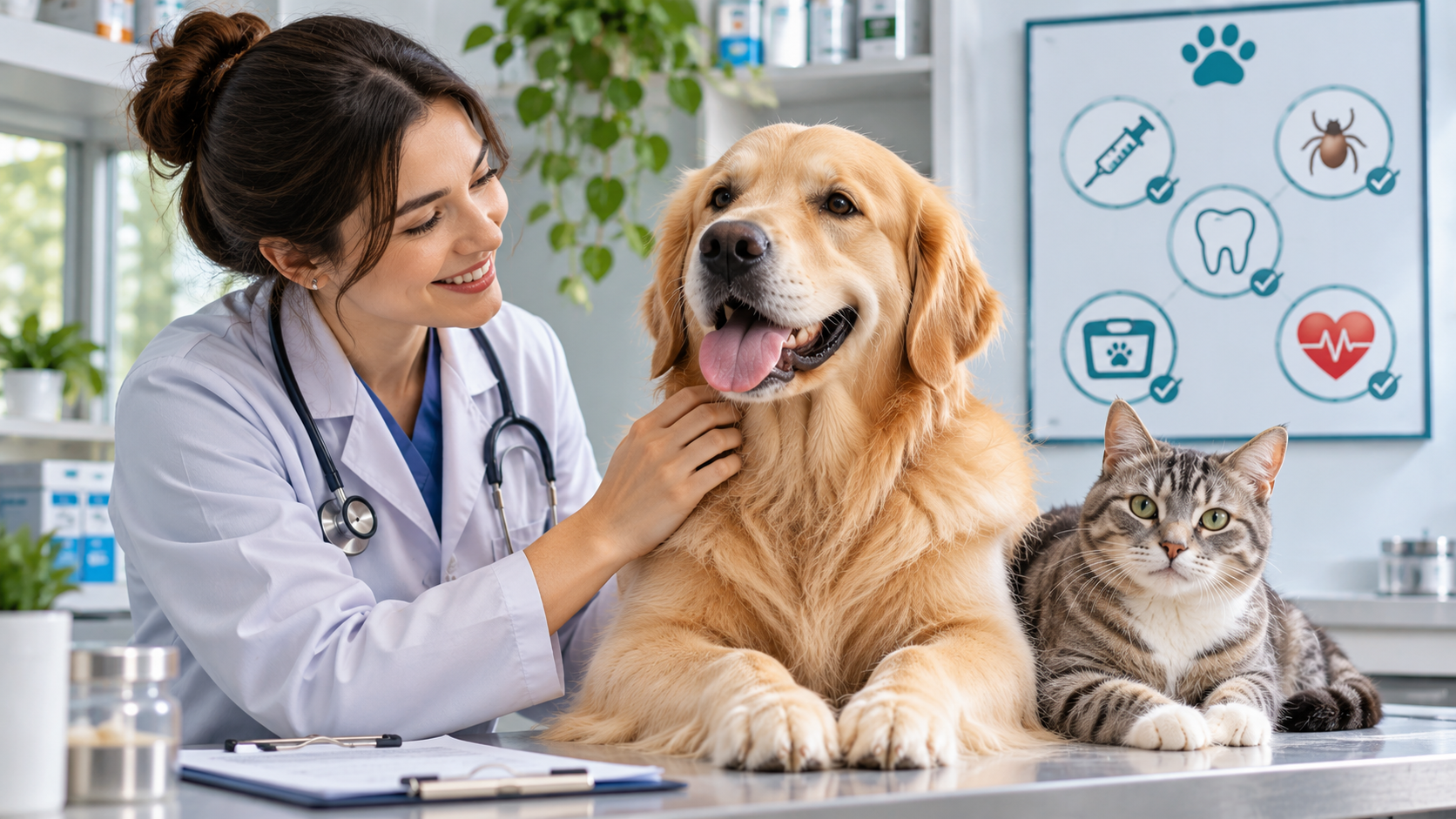
Preventive Veterinary Care for Pets is an essential aspect of keeping our furry friends healthy and happy. Just like humans, pets require regular check-ups, vaccinations, and other forms of preventive care to avoid serious health issues down the line. This proactive approach not only enhances their quality of life but also helps pet owners avoid unexpected veterinary bills and heartache.
As we explore the various elements of preventive veterinary care, from check-ups to nutrition and dental health, you’ll discover how these measures play a critical role in ensuring your pet lives a long and healthy life. With insights into vaccination schedules and parasite prevention, the information gathered here will empower you to take the best possible care of your beloved animals.
The Importance of Regular Veterinary Check-ups for Pets
Regular veterinary check-ups are a cornerstone of preventive care that can significantly enhance the lifespan and overall well-being of pets. Many pet owners may underestimate the importance of these visits, thinking that their furry companions appear healthy and have no visible issues. However, just like humans, pets can silently suffer from various health conditions that may not manifest obvious symptoms until they become more severe. Routine check-ups allow veterinarians to catch potential problems early, thus preventing them from developing into serious health issues that could require more extensive treatments or even surgery.
During these check-ups, veterinarians conduct thorough examinations that include assessing the pet’s weight, dental health, and overall condition. They may also recommend vaccinations, parasite prevention, and nutritional guidance tailored to the specific needs of the pet. Regular visits not only help in maintaining a healthy pet but also foster a strong relationship between the veterinarian, the owner, and the pet, ensuring a better understanding of the pet’s unique health needs over time.
Frequency of Veterinary Visits for Different Ages and Health Conditions
The frequency of veterinary visits can vary depending on the age and health status of the pet. Here’s a general guideline for how often pets should see a veterinarian:
- Young Puppies and Kittens: These little ones typically require more frequent visits, often every 3-4 weeks until they are about 16 weeks old. These visits allow for necessary vaccinations and assessments of their growth and development.
- Adult Pets: For healthy adult pets, a veterinary check-up at least once a year is recommended. This helps in monitoring their health and ensuring they are up to date on vaccinations and preventive care.
- Senior Pets: Once pets reach the age of 7, it’s advisable to schedule biannual veterinary visits. Older pets are more susceptible to health issues such as arthritis, dental problems, and organ dysfunction, making regular monitoring crucial.
- Pets with Chronic Conditions: Pets diagnosed with chronic health issues, such as diabetes or heart disease, may require more frequent check-ups. In these cases, the veterinarian might recommend visits every few months or even more often depending on the condition’s severity.
The primary goal of these visits is to proactively manage the pet’s health rather than simply reacting to illnesses. This proactive approach can lead to longer, healthier lives for pets.
What to Expect During a Typical Veterinary Visit
Understanding what happens during a veterinary visit can help pet owners prepare and ensure a smooth experience. During a typical visit, several key components are involved:
1. Check-in and Medical History Review: The visit starts with checking in at the reception, where the staff may ask for updates on the pet’s health and any changes in behavior or appetite since the last visit.
2. Physical Examination: The veterinarian will perform a comprehensive physical examination, checking vital signs, inspecting the coat, skin, ears, and eyes, as well as assessing the pet’s bodily condition.
3. Vaccination Updates: Based on the pet’s health records and vaccination schedule, the veterinarian will administer any necessary vaccines and provide recommendations for future vaccinations.
4. Discussion of Diet and Lifestyle: The vet may discuss the pet’s diet, exercise routine, and any behavioral issues, offering insights on how to improve the pet’s quality of life.
5. Additional Tests if Necessary: In some cases, the vet might recommend diagnostic tests such as blood work or urinalysis to check for underlying health issues.
These visits not only help in diagnosing and preventing health issues but also ensure that pet owners are equipped with the necessary knowledge to care for their pets optimally.
Vaccinations and Their Role in Preventive Care for Pets
Vaccinations are a cornerstone of preventive veterinary care for pets, providing essential protection against a variety of infectious diseases. By ensuring pets are vaccinated, pet owners can safeguard their furry friends from illnesses that can lead to serious health complications or even death. Vaccines work by stimulating the immune system to recognize and fend off specific pathogens, thereby offering a layer of defense that is critical for both individual pets and community health.
One of the most crucial aspects of pet vaccinations is understanding the different types and their specific benefits. Common vaccinations include:
- Canine Distemper Virus (CDV): This vaccine protects against a highly contagious virus that can cause severe respiratory, gastrointestinal, and neurological issues in dogs.
- Canine Parvovirus (CPV): Parvovirus is a serious viral infection leading to severe vomiting and diarrhea. Vaccination is essential, especially for puppies.
- Rabies: A fatal viral infection that affects the nervous system, rabies vaccination is not only critical for pet health but also a legal requirement in many areas.
- Feline Panleukopenia Virus (FPV): Also known as feline distemper, this vaccine protects cats from a life-threatening disease that affects the immune system.
- Feline Viral Rhinotracheitis and Calicivirus: These vaccines protect against common respiratory diseases in cats that can lead to serious health issues.
- Bordetella bronchiseptica: A vaccine that helps prevent kennel cough, this is particularly important for pets that are frequently in contact with other animals.
A proper vaccination schedule is essential for both puppies and kittens, as well as adult pets. Puppies typically receive a series of vaccinations starting at around six to eight weeks of age. This initial series may be administered every three to four weeks until the puppy is about 16 weeks old. Adult dogs generally require booster shots annually or every three years, depending on the vaccine. Kittens follow a similar schedule, with their first vaccinations starting around eight to nine weeks of age, continuing until they are about 16 weeks old, with booster shots scheduled for adult cats afterward.
While vaccinations are vital for preventing disease, it’s also important to be aware of potential side effects. Most pets experience only mild, temporary reactions such as soreness at the injection site, mild fever, or lethargy. However, more serious side effects can occur, although they are rare. It’s essential to monitor your pet after vaccination and consult your veterinarian if any unusual symptoms arise. Regular check-ups and discussions with a veterinarian can ensure that pets remain healthy and receive appropriate vaccines based on their individual needs and lifestyle.
Nutritional Counseling as a Component of Preventive Veterinary Care
Proper nutrition plays a critical role in the overall health of pets, serving as a foundation for their well-being and longevity. Just like humans, pets require a balanced diet tailored to their specific needs, which can vary based on factors such as age, breed, and health conditions. By providing the right nutrition, pet owners can help prevent a myriad of health issues, ensuring their furry companions live vibrant and active lives. Nutritional counseling from veterinarians helps pet owners understand what constitutes a healthy diet and promotes long-term wellness for pets.
The landscape of pet food options is diverse, encompassing a range of products from dry kibble and canned food to raw diets and homemade meals. Each type of food has its unique benefits and potential downsides, which makes it essential for pet owners to have a clear understanding of their pet’s dietary requirements. Veterinarians play a pivotal role in this aspect, as they can assess a pet’s health status, lifestyle, and dietary preferences to recommend the most suitable food options. For instance, some pets may require specialized diets formulated for weight management, while others with specific health concerns like kidney disease might need prescription diets.
A comparison of pet food options might include:
- Dry Kibble: Convenient and cost-effective, it helps maintain dental health but may lack moisture.
- Canned Food: Higher in moisture, it can be more palatable and beneficial for hydration but may be pricier.
- Raw Diets: Promotes a natural feeding approach but requires careful handling to avoid bacterial contamination.
- Homemade Meals: Offers control over ingredients, but it’s crucial to ensure they meet nutritional needs.
Maintaining a healthy weight for pets is crucial, especially as obesity has become an epidemic among domesticated animals. The impact of obesity can be severe, leading to various health issues, including diabetes, joint problems, and heart disease. Regular weight checks and discussions about diet and exercise with a veterinarian can help pet owners keep their furry friends within a healthy weight range.
To manage weight, several strategies can be implemented:
- Portion Control: Measuring food helps prevent overfeeding.
- Regular Exercise: Engaging pets in daily physical activity promotes weight loss and improves overall health.
- Healthy Treats: Opting for low-calorie treats can satisfy pets without contributing to weight gain.
- Routine Veterinary Check-Ups: Regular visits ensure proper monitoring of weight and nutritional needs.
Regular veterinary guidance ensures that pets receive the best nutritional advice tailored to their specific needs, facilitating a happier, healthier life.
Dental Health in Pets and Preventive Measures
Maintaining dental health in pets is a crucial aspect of their overall well-being. Just like humans, pets can suffer from various dental issues that can lead to more serious health problems if left untreated. Routine dental care is not merely a cosmetic concern; it plays a significant role in ensuring a long and healthy life for your furry companions.
Dental diseases in pets are prevalent and can have severe consequences if not addressed early. Common issues include periodontal disease, gingivitis, and tooth fractures. Periodontal disease, the most prevalent dental condition in dogs and cats, occurs when plaque builds up on teeth, causing inflammation of the gums. If this condition is not treated, it can lead to tooth loss and even affect the pet’s internal organs, leading to heart, liver, or kidney disease. Gingivitis, characterized by swollen and bleeding gums, is often the first stage of periodontal disease, and it can progress to more severe forms if ignored. Tooth fractures can result from chewing on hard objects, leading to pain, infection, and the potential need for extractions.
To help prevent these dental diseases, pet owners can adopt a variety of effective dental care practices at home. Regular brushing of your pet’s teeth is one of the most important steps in maintaining their dental hygiene. It’s recommended to use pet-specific toothpaste and a soft-bristled toothbrush to avoid damaging their gums. Additionally, incorporating dental treats and toys designed to promote oral health can be beneficial. These products are designed to help reduce plaque and tartar buildup as your pet chews on them.
To ensure comprehensive dental care, consider the following practices:
- Schedule regular veterinary dental check-ups to catch any issues early on.
- Provide a balanced diet that promotes dental health, avoiding overly soft foods that may not assist in keeping teeth clean.
- Introduce water additives that can help reduce plaque and freshen breath.
- Monitor your pet’s mouth regularly for signs of dental issues, such as bad breath, difficulty eating, or excessive drooling.
Implementing these practices not only contributes to your pet’s dental health but can also save you from costly veterinary bills related to advanced dental diseases. Remember, a healthy mouth leads to a healthier pet overall.
Parasite Prevention Strategies for Pets
Parasite prevention is a crucial aspect of responsible pet ownership. Various parasites can pose significant health risks to pets, including fleas, ticks, and worms. Understanding the types of parasites that can affect pets and implementing effective prevention strategies helps ensure their well-being and longevity. Early intervention and regular preventive measures can keep your furry companions happy and healthy.
Parasites not only affect the health of pets but can also impact the household environment, as many of them can be transmitted to humans. For instance, fleas can cause skin irritations and allergic reactions in pets, while ticks can transmit serious diseases such as Lyme disease. Meanwhile, intestinal worms can lead to malnutrition and other severe health issues. Therefore, recognizing the signs of parasitic infections and taking proactive steps is essential for overall pet care.
Types of Common Parasites and Prevention
Understanding the main types of parasites that affect pets is key to effective prevention. Below are some common parasites and the importance of preventing them:
- Fleas: These tiny insects can cause intense itching and skin allergies. They reproduce quickly, leading to infestations that can be hard to eliminate.
- Ticks: Ticks are notorious for spreading diseases such as Lyme disease and Rocky Mountain spotted fever. Their presence is more common in wooded or grassy areas.
- Worms: Intestinal worms, including roundworms, hookworms, and tapeworms, can cause significant health issues in pets, including diarrhea and weight loss.
Preventing these parasites is not only beneficial for pets but also protects humans from zoonotic infections.
Preventive Treatments and Schedules
There are various preventive treatments available for fleas, ticks, and worms. Each of these treatments has specific schedules for administration to ensure their effectiveness.
For fleas and ticks, options include topical treatments, oral medications, and collars. Some popular products include:
- Topical treatments: Applied to the skin, these products usually last for about a month. Examples include Frontline and Advantage.
- Oral medications: These can provide protection for one month or longer, depending on the product. Bravecto and NexGard are common choices.
- Flea and tick collars: These can provide ongoing protection for several months, such as the Seresto collar.
As for intestinal worms, deworming treatments are typically administered every three months for adult pets. Puppies and kittens require more frequent deworming, starting as early as two weeks of age, and continuing every two weeks until they are three months old.
Effectiveness of Preventive Products
The effectiveness of different preventive products varies based on the type of parasite and the specific product used. Below is a comparison table showcasing some commonly used products for fleas, ticks, and worms:
| Product Name | Type | Effectiveness Duration | Notes |
|---|---|---|---|
| Frontline | Topical | 1 month | Effective against fleas and ticks. |
| Bravecto | Oral | 3 months | Highly effective against fleas and ticks. |
| Seresto | Collar | 8 months | Long-lasting protection against fleas and ticks. |
| Pyrantel Pamoate | Dewormer | Varies | Effective against roundworms and hookworms. |
Regular preventive measures are essential for ensuring the health and happiness of your pets, effectively minimizing the risk of parasitic infections.
The Role of Spaying and Neutering in Preventive Care
Spaying and neutering are essential components of preventive veterinary care that can significantly enhance the health and well-being of pets. These surgical procedures not only help control the pet population but also provide various health benefits that can lead to a longer, healthier life for your furry companions. Understanding the implications of these procedures is crucial for pet owners who want to make informed decisions regarding their pets’ health.
Spaying refers to the surgical removal of a female pet’s reproductive organs, while neutering involves the removal of a male pet’s testicles. Both procedures have been linked to reduced risks for certain health issues. For instance, spaying a female pet eliminates the risk of uterine infections (pyometra) and significantly reduces the chances of developing mammary tumors when performed before the first heat cycle. In males, neutering can prevent testicular cancer and reduce the likelihood of prostate problems. These health benefits not only enhance the quality of life for pets but also reduce the financial burden associated with treating serious health issues later in life.
Prevention of Medical Conditions and Behavioral Issues
Beyond the direct health benefits, spaying and neutering play a significant role in preventing various behavioral issues. Aggression, territorial behaviors, and frequent roaming are common issues in unaltered pets. Neutering can help mitigate these behaviors, leading to a more manageable and well-adjusted pet. Furthermore, spayed or neutered pets are often less prone to engage in risky behaviors such as fighting or escaping, which can lead to injuries or accidents.
The following list provides insights into common myths and facts surrounding spaying and neutering, helping to clarify misconceptions that might deter pet owners from considering these important procedures:
Understanding the truth behind some common myths can help pet owners make informed decisions:
- Myth: Spaying or neutering makes pets fat.
- Fact: Weight gain is primarily due to overfeeding and lack of exercise, not the surgical procedures themselves.
- Myth: Spaying or neutering will change my pet’s personality.
- Fact: These procedures can help reduce undesirable behaviors without altering a pet’s fundamental personality.
- Myth: It’s better to have one litter before spaying my female pet.
- Fact: Early spaying before the first heat cycle can prevent serious health risks and does not affect emotional development.
- Myth: Neutering will make my male pet less protective.
- Fact: Neutering can reduce aggressive tendencies but does not eliminate protective instincts.
Addressing these myths helps ensure that pet owners are making choices based on accurate information, ultimately benefiting their pets’ health and well-being.
Understanding Preventive Screenings and Diagnostics
Routine preventive screenings and diagnostics play a pivotal role in maintaining the health and well-being of pets. Just like humans, pets benefit immensely from regular health check-ups that can identify potential health issues before they develop into serious problems. These screenings not only help in monitoring a pet’s overall health but also ensure a longer and healthier life. By being proactive about their health, pet owners can avoid costly treatments and improve their pets’ quality of life.
Preventive screenings typically include a variety of tests designed to assess the health of pets. These may encompass routine blood tests, urinalyses, and other diagnostics that provide insights into a pet’s internal functioning. The importance of these screenings cannot be understated; they enable veterinarians to detect underlying health conditions, allowing for timely interventions. Early detection is critical in managing many diseases, as it often leads to more effective treatment options and better outcomes for pets.
Types of Preventive Screenings
A comprehensive approach to preventive care includes several types of screenings. Each of these screenings serves a unique purpose and contributes to the overall health assessment of a pet. Common types of preventive screenings include:
- Blood Tests: Routine blood tests evaluate the function of organs, detect infections, and assess the overall health of a pet. They can reveal issues such as kidney disease, liver dysfunction, and thyroid problems.
- Urinalysis: This test examines the physical and chemical properties of urine, allowing veterinarians to detect urinary tract infections, diabetes, and kidney issues.
- X-rays and Ultrasounds: Imaging technologies help visualize internal structures. They are essential for diagnosing conditions related to bones, internal organs, and tumors.
- Fecal Tests: These tests identify parasites in the gastrointestinal tract, which can cause significant health issues if left untreated.
- Heartworm Testing: Regular heartworm tests are crucial, especially in areas where heartworms are prevalent, as early detection can save a pet’s life.
Through routine blood tests and diagnostics, numerous conditions can be identified early. Commonly detected conditions include:
- Diabetes Mellitus: Blood tests can indicate abnormalities in glucose levels, signaling diabetes.
- Hypothyroidism: Blood tests can reveal low thyroid hormone levels, a condition that is especially common in dogs.
- Kidney Disease: Elevated levels of certain waste products in the blood often point to reduced kidney function.
- Infections: Blood tests can identify white blood cell counts that suggest infection or inflammation.
- Liver Disease: Changes in liver enzyme levels detected in blood tests can indicate liver dysfunction or disease.
The role of early detection in improving treatment outcomes for pets is paramount. When health issues are caught early, the options for treatment are generally broader and more effective. For instance, early-stage kidney disease management may include dietary changes and medications that can significantly slow the progression of the disease, whereas late-stage kidney failure often requires more aggressive and costly treatments, including hospitalization.
“Early detection through preventive screenings can transform management strategies, leading to better health outcomes for pets.”
Regular preventive screenings ensure that your pet receives the best possible care, helping to maintain their health and happiness while allowing you, as a pet owner, to make informed decisions about their wellbeing.
Creating a Customized Preventive Care Plan for Your Pet
Designing a personalized preventive care plan for your pet is essential to ensuring their health and well-being throughout their life. Every pet is unique, with different needs based on their species, breed, age, lifestyle, and overall health. A customized plan not only addresses typical care requirements like vaccinations and check-ups but also incorporates specific factors that can influence your pet’s health.
When creating a preventive care plan, it’s crucial to start by assessing your pet’s individual needs. This involves evaluating their lifestyle, environment, and current health status. For instance, if you have a highly active dog that spends a lot of time outdoors, their plan should include strategies to prevent injuries and manage conditions like heartworm, which can be more prevalent in certain areas. Conversely, a senior cat living in a quiet home may require a different focus, emphasizing dental care and monitoring for age-related conditions.
Lifestyle Factors Influencing the Preventive Care Plan
Lifestyle factors play a significant role in determining the preventive measures needed for your pet. Understanding these influences can help tailor your plan effectively. Below are some key lifestyle considerations:
- Activity Level: Pets that are more active may need additional services like physical rehabilitation, while sedentary pets might require weight management strategies.
- Diet: Different diets can lead to various health outcomes. Discussing nutritional needs with your vet can help mitigate issues like obesity or allergies.
- Living Environment: Pets living in urban areas might be at higher risk for exposure to toxins or infectious diseases than those in rural settings.
- Socialization: Regular interactions with other pets may necessitate additional vaccinations and parasite prevention measures.
Adapting the preventive care plan as your pet ages or experiences health changes is essential for their well-being. For example, a young dog may require vaccinations and regular check-ups, whereas as they transition into adulthood, the focus may shift to dental care and joint health. Similarly, a senior pet may need more frequent veterinary visits to monitor conditions like arthritis or renal function.
Examples of adjustments to consider include:
- Increased Vet Visits: Older pets should have bi-annual check-ups rather than annual ones, allowing for early detection of health problems.
- Specialized Diets: Senior pets may benefit from diets formulated for joint support or reduced calorie intake to prevent obesity.
- Preventive Medications: As pets age, they might require medications for chronic conditions, necessitating a review and update of their preventive care plan.
In conclusion, a tailored preventive care plan is not a one-size-fits-all solution. It must be dynamic, adjusting to your pet’s life stage, health status, and lifestyle changes. Regular discussions with your veterinarian can ensure that your plan remains up-to-date, addressing the evolving needs of your furry friend effectively.
Summary
In conclusion, Preventive Veterinary Care for Pets is not just an option but a necessity for any pet owner serious about their four-legged family member’s well-being. By staying informed and proactive, you can create a customized care plan that meets the unique needs of your pet. Remember, a little prevention can go a long way in ensuring a lifetime of health and happiness for your furry companions.
FAQ Insights
How often should I take my pet to the vet?
Generally, it’s recommended to take your pet for a check-up at least once a year, but more frequent visits may be needed for older pets or those with specific health concerns.
Are vaccinations really necessary for my indoor pet?
Yes, vaccinations are crucial even for indoor pets as they can be exposed to diseases through other pets or contaminated environments.
What are the signs my pet might need dental care?
Signs include bad breath, difficulty eating, swollen gums, or visibly broken teeth; regular dental check-ups can help prevent serious issues.
Can I administer parasite prevention myself?
While some preventive treatments are available over the counter, it’s best to consult your veterinarian for the most effective and safe options for your pet.
What if my pet is overweight?
Consult your vet for a tailored diet and exercise plan to help your pet achieve a healthier weight, as obesity can lead to various health problems.