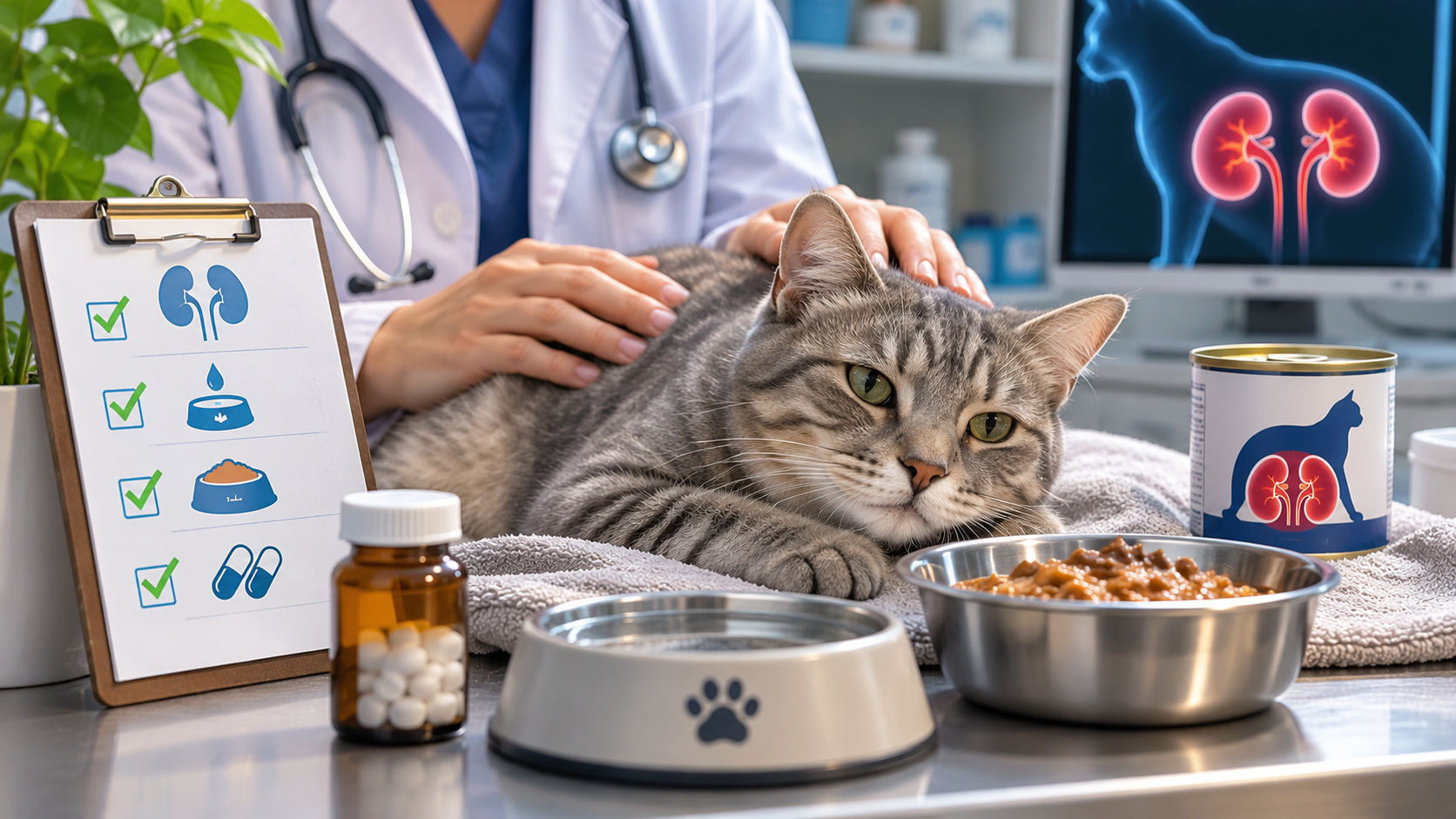
Feline Kidney Disease Management is a crucial topic for cat owners looking to understand and address kidney health in their pets. As one of the most common health issues affecting felines, kidney disease can significantly impact a cat’s quality of life. Understanding the causes, symptoms, and management strategies can empower owners to provide the best care possible. With proper knowledge and intervention, cats with kidney disease can lead comfortable lives, and their owners can feel more equipped to support their furry companions.
From recognizing early signs of kidney issues to implementing nutritional strategies and medical treatments, this overview will guide you through the essential aspects of managing feline kidney disease. You will learn about the importance of hydration, the benefits of tailored diets, and the role of regular veterinary visits. Furthermore, emotional support for both cats and their owners is a key element in navigating this challenging condition, ensuring that both parties feel cared for and understood.
Feline Kidney Disease
Feline Kidney Disease is a serious health concern for cats that can significantly impact their quality of life. Understanding its causes, symptoms, and stages is crucial for any cat owner. Early detection and management can help extend a cat’s life and improve its well-being.
Kidney disease in cats can stem from various causes, including genetic predisposition, age-related decline, and environmental factors. Chronic kidney disease (CKD) is common in older cats, often developing slowly over time. It may be triggered by conditions such as high blood pressure, diabetes, and infections. Toxins, such as antifreeze or certain human medications, can also lead to acute kidney injury. When the kidneys are compromised, they struggle to filter waste from the blood effectively, leading to a buildup of toxins that can cause further health issues.
Pet owners should be vigilant for several symptoms indicative of kidney problems, as early intervention can be critical. Key indicators include:
- Increased Thirst and Urination: Cats with kidney disease often drink more water and urinate more frequently due to their inability to concentrate urine.
- Weight Loss: This is a common symptom as cats may lose appetite and become more lethargic.
- Vomiting: Occasional vomiting can indicate a buildup of toxins, affecting their overall health.
- Poor Coat Condition: A cat’s fur may become dull and unkempt due to nutritional deficiencies caused by kidney issues.
- Bad Breath: A foul-smelling breath, often described as a metallic odor, can indicate kidney failure.
Understanding the stages of kidney disease is essential for effective management. The stages are generally categorized as:
- Stage 1: Mild dysfunction with minimal symptoms. Management may include dietary changes and regular vet check-ups.
- Stage 2: Moderate kidney disease, where more noticeable signs emerge. Treatment may involve medications to manage symptoms.
- Stage 3: Severe kidney disease, requiring more intensive management, including subcutaneous fluids and potential dietary adjustments.
- Stage 4: End-stage renal failure, often necessitating advanced care and potentially palliative measures to ensure comfort.
Early detection of feline kidney disease can significantly improve the outcome for affected cats.
Nutritional Strategies for Managing Feline Kidney Disease
Managing feline kidney disease requires a thoughtful approach to nutrition, as dietary modifications can significantly impact a cat’s health and quality of life. Effective management of this condition often revolves around adjusting the food that your cat consumes. Selecting the right diet can help slow the progression of the disease, minimize symptoms, and support overall well-being.
Dietary modifications play a crucial role in managing kidney disease in cats. A diet that is low in protein but of high quality is often recommended, as it helps reduce the workload on the kidneys. High-quality protein sources, such as chicken or fish, provide essential amino acids while minimizing the accumulation of waste products in the bloodstream. Additionally, it is essential to manage phosphorus levels, as high phosphorus can exacerbate kidney damage. Low-phosphorus foods, such as certain fresh vegetables, can be beneficial.
Importance of Hydration
Hydration is fundamental for cats with kidney issues since it helps dilute toxins and supports kidney function. Cats are naturally predisposed to low water intake, which can worsen kidney function. Encouraging your cat to drink more water is essential for their health. Here are effective methods to ensure adequate hydration:
1. Fresh Water Access: Always provide fresh, clean water in multiple bowls around the house. Cats are more likely to drink when they have easy access to water, especially if the bowls are placed in different areas.
2. Water Fountains: Many cats prefer drinking from running water due to their instinctual tendencies. Cat water fountains simulate a natural source of water flow, attracting cats to drink more often, thereby increasing their overall fluid intake.
3. Wet Food: Incorporating wet food into your cat’s diet can significantly boost their hydration levels. Canned foods typically contain around 70-80% moisture, which can help keep your cat well-hydrated. Look for high-quality canned foods formulated for kidney support.
Commercial Kidney Diets for Cats
Commercial kidney diets specifically designed for feline kidney disease are widely available and can be beneficial in managing this condition. These diets are formulated to meet the unique nutritional needs of cats with compromised kidney function. When comparing these diets, it’s important to examine their ingredients and nutritional profiles.
Many commercial kidney diets focus on key factors such as low protein and phosphorus levels. For instance, diets like Hill’s Prescription Diet k/d or Royal Canin Renal Support feature protein sources that are highly digestible and contain lower amounts of phosphorus. A typical nutritional profile might include:
| Brand | Protein (%) | Phosphorus (%) | Fat (%) |
|---|---|---|---|
| Hill’s Prescription Diet k/d | 25 | 0.4 | 18 |
| Royal Canin Renal Support | 30 | 0.3 | 15 |
| Purina Pro Plan Veterinary Diets NF | 22 | 0.5 | 12 |
These diets not only help control protein and phosphorus levels but also include omega-3 fatty acids, which can help reduce inflammation and support kidney health. It’s important to consult with a veterinarian for personalized dietary recommendations tailored to your cat’s specific needs, ensuring that the nutritional strategy aligns with their overall health status and preferences.
Medical Treatments and Interventions for Kidney Management
Feline kidney disease, also known as chronic kidney disease (CKD), necessitates a multifaceted approach to management that includes medical treatments and interventions tailored to the individual cat. With advancements in veterinary medicine, various options are available to help manage the disease and improve the quality of life for affected felines.
When managing feline kidney disease, several medical treatments and interventions can be employed, ranging from medications to dietary modifications. These treatments aim to support kidney function, alleviate symptoms, and address complications that may arise from the disease.
Medications and Supplements
A variety of medications and supplements can be utilized to assist in the management of kidney disease in cats. These include:
- Phosphate Binders: Medications such as aluminum hydroxide or calcium carbonate help reduce phosphate levels in the blood, which can prevent further kidney damage.
- Potassium Supplements: Many cats with kidney disease experience low potassium levels. Oral potassium supplements can help maintain appropriate potassium levels in the body.
- Antihypertensives: High blood pressure is common in cats with kidney disease. Medications like amlodipine can help manage hypertension, reducing strain on the kidneys.
- Anti-nausea Medications: Cat owners often report issues with nausea and vomiting in affected cats. Medications such as maropitant can help control these symptoms.
- Proteinuria Management: Medications like benazepril can help reduce protein levels in urine, which is crucial in slowing the progression of kidney disease.
Monitoring Kidney Function
Regular monitoring of kidney function is essential in managing feline kidney disease effectively. Several testing methods provide valuable insights into a cat’s kidney health and guide treatment plans:
- Blood Tests: Routine blood tests measure creatinine and blood urea nitrogen (BUN) levels, which provide an indication of kidney function. Elevated levels can signify worsening kidney health.
- Urinalysis: A urinalysis evaluates the concentration of urine and checks for the presence of protein or other abnormalities. This information helps assess how well the kidneys are filtering waste.
- Blood Pressure Monitoring: Since hypertension is common in cats with kidney disease, regular blood pressure checks are crucial. This ensures that hypertension is managed effectively to prevent further kidney damage.
Developing a Personalized Treatment Plan
Collaboration with a veterinarian is vital in creating a personalized treatment plan for a cat diagnosed with kidney disease. Each cat’s condition is unique, and a tailored approach is necessary for optimal management.
During veterinary visits, cat owners should discuss the following aspects:
- Symptoms Observed: Document any changes in behavior, appetite, or litter box habits to help the veterinarian assess the cat’s condition more accurately.
- Dietary Changes: Your veterinarian may recommend a special kidney diet that is lower in protein and phosphorus, which can help reduce the workload on the kidneys.
- Regular Follow-ups: Establishing a schedule for follow-up appointments and tests is critical for adjusting treatment protocols according to the cat’s changing needs.
Through consistent monitoring and proactive treatment strategies, cats with kidney disease can enjoy a better quality of life and possibly extend their lifespan.
Lifestyle Changes and Home Care for Affected Cats
Managing a cat with kidney disease requires significant lifestyle adjustments and careful home care. These changes can improve your feline friend’s quality of life, reduce stress, and potentially slow the progression of the disease. A calm and nurturing environment plays a vital role in keeping your cat comfortable and stable.
Environmental Modifications and Stress-Reducing Techniques
Creating a supportive living space for a cat with kidney disease involves several environmental modifications. First, ensure that their resting area is quiet, cozy, and away from high-traffic zones in your home. A soft, warm bed in a secure spot can be a sanctuary for your cat.
Introduce multiple litter boxes around the house to provide easier access, especially if your cat has mobility issues. Consider using low-sided litter boxes for older or arthritic cats, allowing them to enter and exit easily. Additionally, eliminating any harsh cleaning products or strong odors can create a more pleasant atmosphere.
Stress-reducing techniques are also essential. Interactive playtime can help alleviate anxiety, so invest in toys that engage your cat without requiring too much physical exertion. Puzzles and treat-dispensing toys can stimulate their minds while keeping them entertained. Soft background music or nature sounds can also create a relaxing environment, making it a tranquil space for your feline friend.
Daily Care Routines for Kidney Disease Management
Implementing a consistent daily routine is crucial for managing your cat’s kidney disease effectively. Establishing regular schedules can help provide structure and comfort. Here’s a checklist of daily care routines to consider:
- Feed a specialized renal diet prescribed by your veterinarian at the same time each day.
- Ensure fresh, clean water is available at all times, and consider a water fountain to encourage hydration.
- Administer any prescribed medications consistently, following your vet’s instructions.
- Monitor your cat’s weight at least once a week to track any significant changes.
- Engage in gentle playtime to stimulate your cat without over-exertion.
- Provide regular grooming to keep their coat healthy and to check for any unusual lumps or skin issues.
- Observe and document any behavioral changes, appetite fluctuations, or litter box habits to report to your vet.
Creating a supportive environment and maintaining these daily routines can significantly impact your cat’s well-being.
Benefits of Regular Veterinary Visits
Regular veterinary check-ups are essential for managing kidney disease in cats. These visits allow for timely monitoring of kidney function through blood tests and urinalysis, helping to catch any potential issues early. Adjustments to diet or medication can be made based on these evaluations, which can lead to better long-term outcomes.
Veterinarians can also provide valuable advice on home care practices, recommend nutritional supplements, and suggest stress-reducing strategies tailored to your cat’s unique needs. Regular communication with your vet helps ensure that your feline family member receives comprehensive care, which can make a significant difference in their quality of life.
Emotional Support for Cats with Kidney Disease and Their Owners
Managing a chronically ill pet can be an emotional rollercoaster for owners, and this is especially true for cats diagnosed with kidney disease. These pets may experience discomfort and anxiety due to their condition, making emotional support crucial for both their well-being and their owner’s peace of mind. Creating a comforting environment and understanding the emotional needs of both the cat and the owner can significantly improve the quality of life during this challenging time.
Creating a Comforting Environment for Cats
Providing emotional support for cats with kidney disease involves creating a comforting and stress-free environment that caters to their needs. Cats are sensitive creatures, and small changes can make a big difference in how they feel.
- Safe Spaces: Ensure your cat has a quiet, cozy spot where they can retreat when feeling overwhelmed. This can be a soft bed in a low-traffic area or a designated quiet room.
- Consistent Routine: Maintaining a consistent daily routine can help reduce anxiety. Regular feeding, playtime, and cuddle sessions can provide your cat with a sense of security.
- Calm Ambiance: Use soft lighting and calming music to create a peaceful atmosphere. This can help alleviate stress and make your cat feel more at ease.
Effective Coping Mechanisms for Owners
Caring for a cat with kidney disease can be emotionally taxing for owners. It’s essential to develop coping strategies that can help manage the stress and emotional burden associated with this responsibility.
- Seek Support: Connecting with others who have pets with chronic illnesses can provide comfort. Online forums, local support groups, or social media communities can be valuable resources.
- Practice Self-Care: Prioritize your well-being by engaging in activities that help you relax, such as reading, meditation, or exercising. Taking care of yourself will enable you to provide better care for your cat.
- Educate Yourself: Understanding kidney disease in cats can empower you as an owner. Knowledge about the condition, treatment options, and what to expect can alleviate fears and anxieties.
The Role of Pet Behaviorists
Pet behaviorists play a vital role in supporting both cats with kidney disease and their owners. These professionals can help address behavioral issues that arise due to the stress of chronic illness.
- Behavioral Assessment: A behaviorist can assess your cat’s behavior changes and provide strategies to improve their emotional health. This might include techniques to reduce anxiety or create positive associations with treatments.
- Training Techniques: They can offer training methods that promote a calm demeanor in your cat, making it easier to manage vet visits and medication administration.
- Owner Education: Behaviorists can also guide owners on recognizing signs of stress or discomfort in their cats, helping to foster a more supportive environment.
Final Wrap-Up
In summary, effectively managing feline kidney disease requires a holistic approach that combines dietary adjustments, medical interventions, and emotional support. By staying informed about the disease and maintaining open communication with veterinarians, pet owners can enhance their cats’ well-being and adapt to their changing needs. Embracing a proactive mindset not only benefits the health of the cat but also strengthens the bond between pet and owner, making the journey of managing kidney disease a more positive experience.
FAQ Resource
What are the early signs of feline kidney disease?
Early signs include increased thirst, frequent urination, weight loss, decreased appetite, and lethargy.
Can feline kidney disease be cured?
Currently, there is no cure for feline kidney disease, but it can be managed effectively with proper care.
How often should I take my cat to the vet for kidney disease?
Regular check-ups every 3 to 6 months are recommended, but your vet may suggest more frequent visits depending on your cat’s condition.
Is it safe to give my cat over-the-counter supplements for kidney health?
Always consult your veterinarian before giving any supplements, as some may not be suitable for cats with kidney issues.
Should I change my cat’s diet if diagnosed with kidney disease?
A special diet formulated for kidney health is often recommended; consult your vet for the best options.