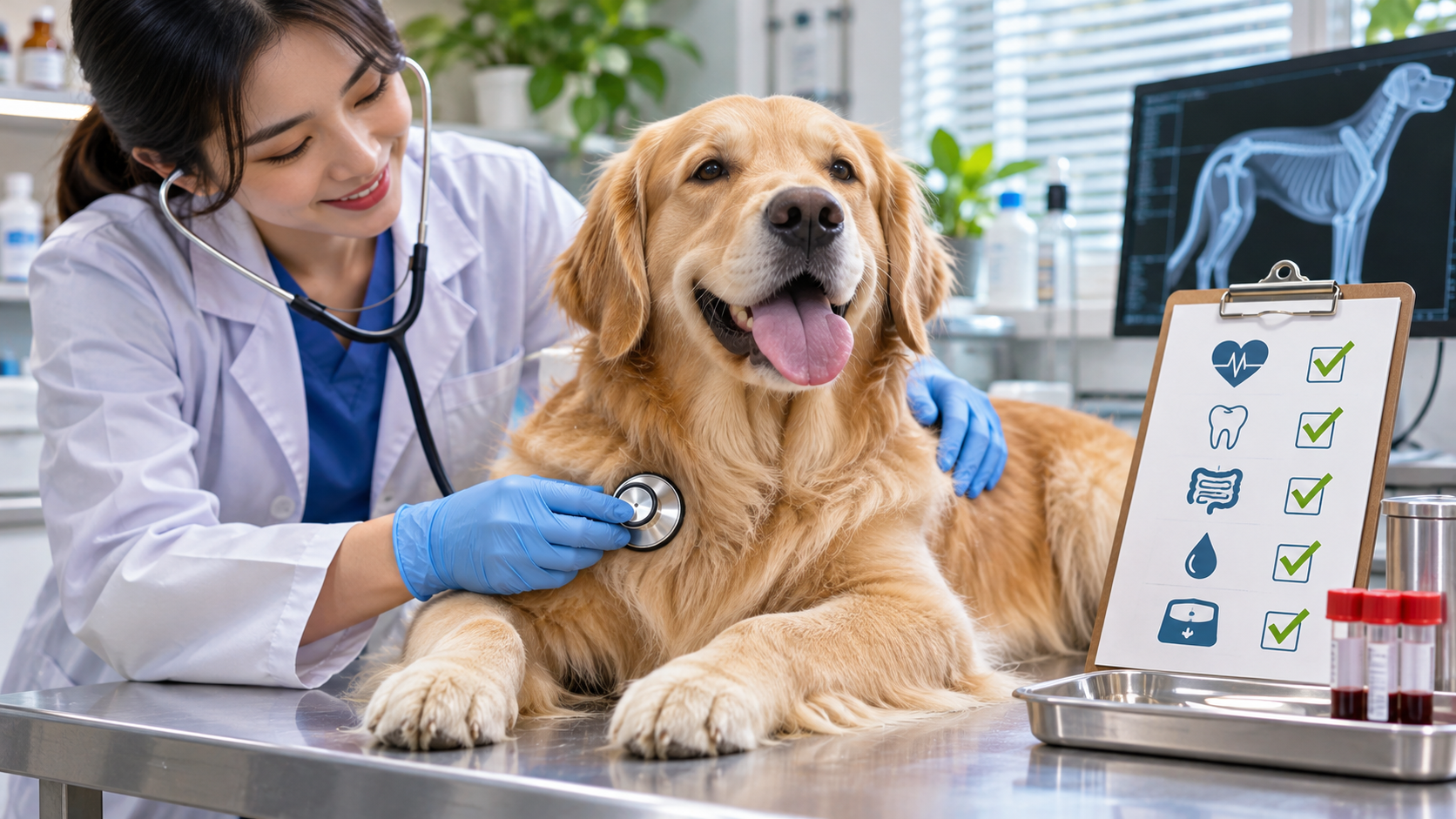
Routine Health Screening for Dogs is an essential aspect of responsible pet ownership that ensures our furry friends remain healthy and happy throughout their lives. Regular screenings allow for the early detection of potential health issues, which can lead to more effective treatment and a better quality of life for dogs. By staying proactive with these health check-ups, dog owners can help safeguard their pets against various illnesses and ensure they receive timely care.
Health screenings typically encompass several components, including physical examinations, blood tests, and vaccinations, tailored to the dog’s age, breed, and health history. These evaluations not only help in identifying common health problems but also serve as an opportunity for owners to discuss preventive care measures that can enhance their pets’ well-being. Overall, routine health screenings are a critical investment in the long-term health of our canine companions.
Routine health screenings play a vital role in maintaining a dog’s overall well-being.
Routine health screenings are essential for the longevity and health of our canine companions. Just like humans, dogs benefit from regular check-ups that can help identify potential health concerns before they escalate into serious issues. These screenings are proactive measures that ensure your furry friend remains happy and healthy throughout their life. Regular visits to the veterinarian can catch early signs of diseases, allowing for timely intervention and treatment.
The primary function of routine health screenings is the early detection of health problems. Many dog owners may not recognize subtle changes in their pet’s health until they manifest as serious conditions. Through these screenings, veterinarians can evaluate a dog’s overall health status and identify potential health issues that may otherwise go unnoticed. For instance, conditions like diabetes, kidney disease, and heart problems can develop silently, showing few signs until they become critical. By regularly assessing key health indicators, veterinarians can increase the likelihood of successful treatment and management of these conditions.
Components of a routine health screening for dogs
Routine health screenings encompass several key components that provide a comprehensive overview of a dog’s health. Each aspect of the screening process plays a significant role in ensuring a thorough evaluation. The following are essential elements involved in these screenings:
- Physical Examination: This initial assessment includes checking the dog’s weight, temperature, heart rate, and overall body condition. It allows the veterinarian to observe any noticeable health changes.
- Blood Work: Routine blood tests help assess organ function, detect infections, and identify any underlying issues such as anemia or diabetes.
- Urine Tests: Analyzing urine can reveal kidney function, hydration levels, and the presence of urinary tract infections or other conditions.
- Dental Check: Oral health is crucial for a dog’s overall well-being. A dental examination can identify problems like periodontal disease, which can affect other body systems if left untreated.
- Vaccination Updates: Keeping vaccinations current is a vital part of preventive healthcare, protecting dogs from serious diseases.
Routine screenings can uncover common health issues, such as:
- Obesity: A prevalent concern among dogs, obesity can lead to serious health problems like arthritis and diabetes.
- Dental Disease: Many dogs suffer from dental issues that can impact their overall health.
- Kidney Disease: Often asymptomatic in early stages, routine screenings can detect kidney dysfunction before it becomes critical.
- Heartworm Disease: Testing for heartworms during screenings allows for early treatment, which is crucial for recovery.
- Skin Conditions: Allergies or infections may be identified during routine exams, leading to effective management plans.
Routine health screenings are not just a formality; they are vital for the proactive management of your dog’s health, providing peace of mind and ensuring that your pet lives a long, healthy life.
Understanding the recommended frequency of health screenings for dogs based on their age and breed.
Routine health screenings are essential for maintaining the overall well-being of dogs throughout their lives. Just like humans, dogs require regular check-ups to monitor their health and catch any potential issues early. The frequency of these screenings, however, can vary significantly based on the age and breed of the dog. Understanding these differences is crucial for dog owners to ensure their furry companions receive appropriate care tailored to their needs.
As dogs age, their health requirements change, and so do the recommendations for health screenings. Puppies, adult dogs, and senior dogs each have unique needs, and the guidelines for routine screenings reflect these differences. It’s important to recognize that certain breeds may also have specific considerations based on their predisposition to certain health issues. Below, we Artikel the recommended frequency of health screenings for dogs at various life stages and highlight differences by breed and size.
Screening guidelines by age group
Regular health screenings can help catch potential health issues early, which is why understanding the appropriate schedule for different life stages is vital. Below are the guidelines for scheduling routine health screenings based on your dog’s age:
- Puppies: Puppies should have their first health screening at around 6 to 8 weeks of age. Following this, screenings should occur every 3 to 4 weeks until they reach about 16 weeks. This initial period is crucial for vaccinations and preventing growth-related issues.
- Adult Dogs: Once dogs reach adulthood (around 1 year old), annual health screenings are typically recommended. During these visits, vets will check for general health, dental health, and any breed-specific conditions that may arise.
- Senior Dogs: For dogs aged 7 years and older, biannual health screenings are advisable. Older dogs may require more frequent check-ups to monitor for chronic conditions, kidney function, and other age-related health issues.
Breed and size considerations in screening frequency
Different breeds and sizes of dogs can have varying health risks and considerations, which can influence their screening needs. Larger breeds may generally have shorter life spans and be prone to specific conditions, whereas smaller breeds may face different health challenges.
- Large Breeds: Dogs like Great Danes or St. Bernards may benefit from more frequent screenings due to their predisposition to heart issues and joint problems. Annual screenings are recommended, with special attention to orthopedic evaluations.
- Medium-sized Breeds: Breeds such as Bulldogs or Beagles often require regular check-ups, but their health screenings can remain on an annual schedule unless specific health concerns arise.
- Small Breeds: Smaller dogs, including Chihuahuas or Dachshunds, may also need annual screenings, but special attention should be paid to dental health, as they are more prone to dental diseases.
Signs indicating the need for an early health screening
Pet owners should be vigilant for signs that their dog may require a health screening outside of the standard schedule. Early intervention can be crucial in managing health issues effectively.
- Changes in appetite or weight: Sudden weight loss or gain can signal underlying health problems.
- Behavioral changes: Increased aggression, lethargy, or anxiety may indicate discomfort or illness.
- Grooming changes: Excessive scratching, biting, or changes in coat quality can point to skin allergies or infections.
- Digestive issues: Vomiting, diarrhea, or difficulty with bowel movements should prompt a vet visit.
Regular health screenings tailored to your dog’s age and breed are essential for early detection and prevention of health issues.
The importance of vaccinations and preventive care in conjunction with routine health screenings.
Routine health screenings for dogs serve as a crucial foundation for monitoring their overall health and catching potential issues early. However, these screenings are only one part of a comprehensive approach to canine health. Vaccinations and preventive care are essential components that work hand-in-hand with routine screenings to ensure your furry friend remains healthy, happy, and protected against diseases. Understanding how vaccinations complement routine health checks, along with the significance of preventive care practices like dental hygiene and parasite control, is vital for responsible pet ownership.
Vaccinations provide vital protection against various infectious diseases that can severely affect a dog’s health. Routine health screenings often include a thorough check of vaccination records, ensuring that dogs are adequately protected against common threats such as parvovirus, distemper, rabies, and kennel cough. These diseases can lead to serious health complications or even be life-threatening, so keeping vaccinations up to date is critical. When vaccinations are administered in conjunction with routine health screenings, veterinarians can evaluate a dog’s immune response and make necessary adjustments to their vaccination schedule. Regular screenings can also detect any underlying health conditions that vaccines may not fully protect against, allowing for timely intervention.
Preventive care practices in overall health monitoring
Preventive care is another essential aspect of maintaining a dog’s health and well-being. This includes dental hygiene practices, proper nutrition, and effective parasite control measures. Each of these elements plays a significant role in comprehensive health monitoring.
Dental hygiene, for instance, is often overlooked yet crucial for a dog’s overall health. Regular teeth cleaning can prevent periodontal disease, which, if left untreated, can lead to systemic health issues such as heart and kidney disease. Routine health screenings provide an excellent opportunity for veterinarians to assess dental health, recommend cleanings, and educate pet owners on at-home dental care practices.
Parasite control is equally important, as fleas, ticks, and worms can cause various health complications, including anemia and organ damage. A comprehensive health screening allows the veterinarian to check for signs of infestations and recommend preventive treatments. Keeping up with vaccinations and preventive measures enables dogs to live longer, healthier lives, minimizing the risk of serious diseases or health conditions.
Case studies have shown that dogs receiving timely vaccinations and consistent preventive care show significantly improved health outcomes.
For example, a study published in the Journal of the American Veterinary Medical Association documented cases where dogs vaccinated against leptospirosis had a 75% lower incidence rate of the disease compared to unvaccinated dogs. In another case, a dog suffering from severe dental disease that had gone untreated showed remarkable improvement after receiving dental care and regular check-ups, which also led to the prevention of subsequent health issues.
Incorporating vaccinations and preventive care within the framework of routine health screenings is instrumental in safeguarding a dog’s health. The synergy between these practices not only fortifies their immune system against infections but also enhances their quality of life through proactive management of potential health risks.
Key procedures involved in routine health screenings that every dog owner should be aware of.
Routine health screenings are essential for ensuring the long-term well-being of our canine companions. These check-ups allow veterinarians to catch potential health issues early, helping to maintain a happy and healthy dog. Understanding the key procedures involved in these screenings can help dog owners feel more confident and prepared for their vet visits.
A typical health screening at a veterinary clinic involves a series of structured steps designed to assess the overall health of your dog. The process generally begins with a thorough physical examination, followed by a variety of diagnostic tests that give a clearer picture of your pet’s health status. Each step plays a crucial role in determining if your dog is in good shape or if further investigation is needed.
Step-by-step process of a typical health screening
The health screening process is straightforward and systematic. Here’s what you can expect during a routine visit:
1. Registration and History Review: Upon arrival, the clinic staff will gather information about your dog’s medical history, current concerns, and any changes in behavior or appetite.
2. Physical Examination: A veterinarian will perform a comprehensive physical examination, checking your dog’s eyes, ears, teeth, skin, and overall body condition. Vital signs such as temperature, heart rate, and respiration will also be assessed.
3. Diagnostic Tests: Depending on your dog’s age, breed, and medical history, several tests may be conducted. Common tests include:
– Blood tests to check organ function and identify underlying health issues.
– Urinalysis to assess kidney function and detect urinary tract infections.
– Fecal examination to check for parasites.
– Heartworm test, especially for dogs in endemic areas.
– Vaccination updates to ensure your dog is protected against common diseases.
4. Discussion of Findings: After the examinations and tests, the veterinarian will discuss the results with you. They may provide recommendations for treatment, preventive care, or further testing if necessary.
5. Follow-Up and Record Keeping: Finally, the clinic will document the results in your dog’s health record and schedule any necessary follow-up appointments.
Commonly performed tests and examinations
Understanding the common tests performed during routine health screenings can help owners realize the importance of these evaluations. Here are some key tests and examinations:
– Blood Work: Provides insights into organ function, blood cell counts, and the presence of disease.
– Urine Analysis: Helps detect issues with the kidneys or urinary tract.
– Fecal Tests: Identify parasites such as worms and protozoa.
– Heartworm Test: Essential for dogs in regions where heartworm is prevalent.
– Dental Examination: Evaluates oral health and identifies potential dental diseases.
Each of these tests contributes vital information that helps maintain your dog’s health and catch problems early.
Preparing your dog for a routine health screening
Minimizing stress for your dog during a routine health screening is crucial. Preparation can significantly affect your dog’s comfort level during the exam. Here are some tips to help create a positive experience:
– Familiarize Your Dog with the Carrier or Vehicle: If you’re using a carrier, let your dog explore it at home before the visit. Take short car rides to help them get accustomed to traveling.
– Maintain a Calm Demeanor: Dogs can sense their owners’ emotions. Staying calm and relaxed can help put your dog at ease.
– Practice Commands and Tricks: Reinforce basic commands and tricks before the visit to keep your dog focused and responsive during the exam.
– Avoid Feeding Just Before the Visit: For certain tests, such as blood work, fasting may be required. Check with the vet about specific feeding instructions.
– Bring Familiar Items: Consider bringing your dog’s favorite toy or blanket to help comfort them in the clinic environment.
By taking these steps, you can help ensure that your furry friend has a more relaxed and positive experience during their routine health screening.
The role of technology in enhancing the effectiveness of routine health screenings for dogs.
The integration of technology into veterinary practices is revolutionizing routine health screenings for dogs, leading to enhanced diagnostic accuracy and efficiency. With advancements in various tools and techniques, veterinarians are better equipped to identify health issues early, ensuring timely interventions that can significantly improve a dog’s quality of life.
Veterinary technology has made significant strides in enhancing the effectiveness of routine health screenings. Innovations such as digital imaging, blood analysis systems, and wearable health monitors provide veterinarians with precise data to assess a dog’s health status. For example, digital radiography allows for clearer and more detailed images of a dog’s internal structures, facilitating the early detection of conditions such as tumors or fractures. Similarly, advanced blood analysis machines can quickly provide comprehensive blood profiles, enabling veterinarians to spot abnormalities that might indicate underlying health issues.
Advancements in Diagnostic Tools
The development of sophisticated diagnostic tools is critical in improving the outcomes of routine health screenings. These technologies not only increase the accuracy of diagnoses but also reduce the time needed to obtain results.
One notable advancement is the use of point-of-care testing devices. These portable devices allow veterinarians to conduct a variety of tests directly in the clinic, leading to immediate results. This can be particularly important in emergency situations, where timely information can be crucial for effective treatment.
Another innovative tool is the incorporation of artificial intelligence (AI) in radiological assessments. AI algorithms can analyze images more quickly and sometimes more accurately than human eyes, flagging potential issues that might be overlooked. For example, AI systems are now being used to detect early signs of hip dysplasia or dental diseases, allowing for proactive treatment.
Telemedicine has also emerged as a significant supplement to routine health screenings. This technology allows pet owners to consult with veterinarians remotely, making it easier to discuss health concerns or follow up on screenings without the need for in-person visits. Telemedicine can enhance routine screenings by providing continuity of care and allowing for ongoing monitoring of chronic conditions.
Incorporating telemedicine into routine health screenings not only improves accessibility for pet owners but also helps veterinarians to manage their time more efficiently, allowing them to devote more resources to hands-on patient care.
Examples of New Tools and Equipment
Several new tools and technologies are transforming how veterinarians conduct health screenings. The following examples illustrate the breadth of innovations available:
- Wearable Health Monitors: Devices like the FitBark and PetPace harness monitor a dog’s activity levels, heart rate, and other vital signs in real-time. This continuous monitoring can provide valuable insights into a dog’s overall health and alert owners and veterinarians to potential issues before they escalate.
- Telemedicine Platforms: Services like Vetster and Pawp offer virtual consultations, enabling pet owners to connect with veterinarians for advice and follow-up care, making routine health screenings more accessible.
- 3D Printing for Prosthetics: 3D printing technology is now being used to create custom prosthetics and orthotics for dogs recovering from injuries, ensuring they receive the support needed for recovery as part of their health screening process.
In summary, leveraging technology in routine health screenings for dogs not only enhances the accuracy of diagnoses but also improves accessibility and convenience for both veterinarians and pet owners. Through innovative tools and telemedicine, the veterinary field continues to evolve, ensuring better health outcomes for our canine companions.
Common misconceptions about routine health screenings and their impact on dog health.
Routine health screenings for dogs are often surrounded by misinformation and misconceptions that can significantly impact a pet’s well-being. Many dog owners may underestimate the importance of these screenings or rely on outdated beliefs that can lead to serious health consequences. Understanding these myths and the realities behind them is crucial for maintaining your dog’s health.
One prevalent myth is that routine health screenings are unnecessary if the dog appears healthy. This misconception can lead to the neglect of underlying health issues that may not be immediately visible. Regular check-ups can uncover early signs of diseases such as diabetes, kidney disease, or dental problems, which may not manifest obvious symptoms until they become severe. Educating dog owners about the importance of preventive health care can ensure that potential health issues are addressed before they escalate.
Identifying prevalent myths surrounding routine health screenings
Several common misconceptions about routine health screenings can lead to detrimental decisions by pet owners. Here are key myths and the factual clarifications to dispel them:
-
Myth: “If my dog is active and has a shiny coat, they must be healthy.”
This is misleading, as outward appearances can be deceptive. Dogs can be suffering from internal health issues despite seeming fine.
-
Myth: “Routine screenings are only for old dogs.”
Health screenings are essential for dogs of all ages. Early diagnosis can improve treatment outcomes and quality of life.
-
Myth: “Veterinary visits are too expensive and not worth it.”
Neglecting routine care can lead to higher costs in the long run due to advanced treatments for preventable conditions.
-
Myth: “I can gauge my dog’s health by their behavior alone.”
Behavior changes can be subtle and not always indicative of health problems. Regular check-ups provide a comprehensive view of health.
The consequences of neglecting routine health screenings based on these misconceptions can be severe. Without regular assessments, diseases can progress unnoticed, leading to painful conditions or even premature death. For instance, a dog with undiagnosed dental disease may experience pain and infection, ultimately affecting their overall health and happiness. Moreover, catching issues early through routine screenings can lead to less invasive treatments and better prognoses.
Educating dog owners about these myths is essential for fostering proactive health care. By providing accurate information and resources, veterinary professionals can empower pet owners to recognize the value of routine screenings. This proactive approach not only improves individual health outcomes but also contributes to a healthier dog population overall. Through awareness and education, we can reduce the prevalence of preventable diseases and ensure our furry companions thrive.
Financial considerations regarding routine health screenings and preventive care for dogs.
Routine health screenings and preventive care for dogs are essential not only for their well-being but also for managing costs effectively. While the upfront expenses may seem daunting, understanding the financial implications can help dog owners make informed decisions. Regular screenings can prevent severe health issues that lead to more significant expenditures in the long run.
Routine health screenings typically involve a variety of tests and examinations that assess a dog’s overall health. The costs can vary based on location, the veterinarian’s experience, and the specific tests required. On average, dog owners can expect to pay between $200 to $500 annually for comprehensive screenings, which may include blood tests, urinalysis, dental check-ups, and vaccinations. This investment is crucial, as it allows for early detection of potential health problems, which can save significant amounts of money down the line.
Cost Breakdown of Routine Health Screenings
Understanding the individual components of routine health screenings can help dog owners budget effectively. Here’s a breakdown of typical costs:
- Annual Wellness Exam: $50 – $150
- Blood Work: $80 – $200
- Urinalysis: $30 – $70
- Vaccinations: $20 – $100 (depending on the type)
- Dental Check-up: $100 – $300
These costs highlight the importance of regular screenings, as the total can accumulate to an average of $400 annually. However, investing in these screenings can significantly reduce the likelihood of encountering serious health issues that may require extensive and costly treatments.
Long-Term Savings from Regular Screenings
The financial advantages of routine health screenings become evident when comparing the costs of preventive care to the potential expenses associated with treating advanced health issues. For instance, treating conditions like diabetes or cancer can easily exceed $1,000, often reaching several thousands depending on the complexity of treatment and care required.
An example illustrates this point: a dog diagnosed with early-stage renal disease can be managed and treated with regular vet visits and dietary adjustments costing around $600 per year. However, if the condition is left unchecked until it progresses, treatment costs can soar to over $3,000, including emergency care and hospitalization.
“Investing in routine screenings ultimately translates to significant savings by preventing advanced health issues that require intensive treatment.”
Budgeting Plan for Dog Owners
Creating a budgeting plan for routine health screenings can help dog owners incorporate these necessary expenses into their monthly financial commitments. Here’s a simple approach to budgeting:
1. Estimate Annual Costs: Start by estimating the total annual cost for routine health screenings, averaging around $400.
2. Monthly Savings Goal: Divide the estimated annual costs by 12 to determine how much to set aside each month. For example, $400 ÷ 12 = approximately $33.33 per month.
3. Emergency Fund: Additionally, set aside a small percentage (around 10-15%) of the monthly savings for unexpected health issues. This could be an extra $5 to $10 monthly.
4. Review and Adjust: Regularly review the budget and adjust savings goals based on any changes in vet costs or your dog’s health needs.
By proactively managing these expenses, dog owners ensure that they are financially prepared for routine health screenings, leading to happier and healthier pets in the long run.
Conclusive Thoughts
In conclusion, prioritizing Routine Health Screening for Dogs is a fundamental practice that contributes significantly to the longevity and quality of life for our pets. Regular check-ups not only help catch health issues early but also foster a deeper understanding of our pets’ needs as they age. By staying informed and proactive, we can ensure our furry friends live their happiest, healthiest lives.
FAQ Corner
How often should I take my dog for health screenings?
Generally, puppies should be screened every 6 months, adult dogs once a year, and senior dogs every 6 months, but specific needs may vary by breed and health status.
What should I do to prepare my dog for a health screening?
Ensure your dog is calm by exercising them before the visit, bring familiar items, and follow any dietary instructions given by your vet.
Are routine health screenings expensive?
Costs can vary, but regular screenings are often more cost-effective compared to treating advanced health issues that could have been prevented.
What vaccinations should be given during health screenings?
Common vaccinations include rabies, parvovirus, distemper, and bordetella. Consult your vet for a tailored vaccination schedule based on your dog’s needs.
Can technology improve the effectiveness of health screenings?
Yes, advancements such as telemedicine and new diagnostic tools enhance the accuracy and efficiency of routine health screenings.