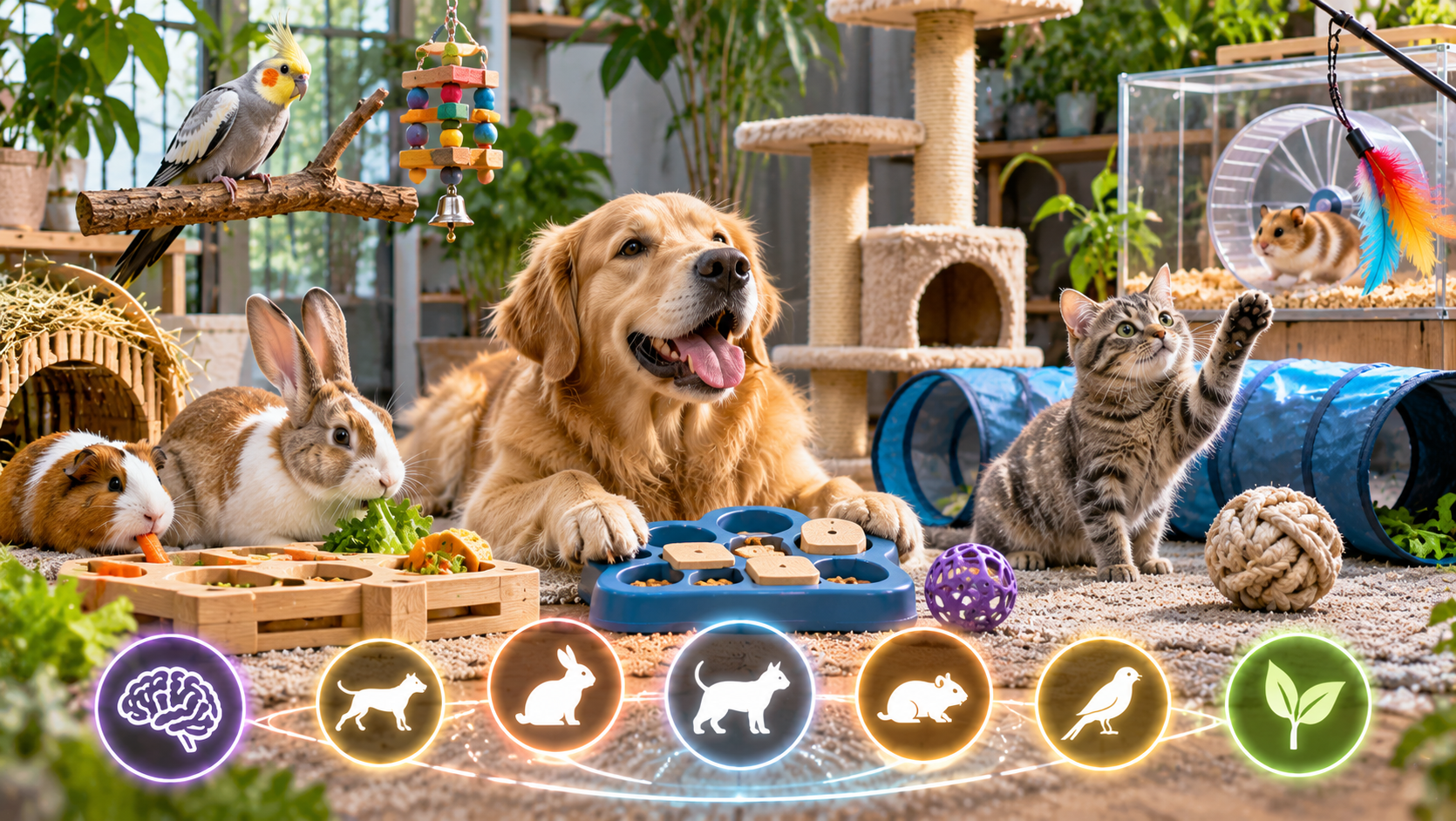
Pet Enrichment Activities for Indoor Animals is an essential topic for pet owners looking to enhance their furry friends’ lives. Indoor pets, often deprived of the natural stimuli found in outdoor environments, can greatly benefit from various forms of mental and physical stimulation. By engaging in creative enrichment activities, pet owners can not only alleviate boredom but also prevent behavioral issues that arise from a lack of engagement, leading to a happier and healthier pet.
These enrichment activities can take many forms, from interactive games to DIY toys, all designed to cater to the unique needs of indoor animals. By understanding the importance of these activities, pet owners can strengthen their bond with their pets while also fostering a stimulating environment that encourages natural behaviors. Let’s explore the different types of enrichment and how they can positively impact indoor animals.
Understanding the Importance of Enrichment Activities for Indoor Pets
Indoor pets often lead a life that lacks the natural stimulation found in their wild counterparts. This absence can lead to boredom and stress, which can manifest as behavioral issues. Enrichment activities are essential for maintaining a pet’s mental and physical health. They provide essential stimulation, allowing pets to engage their senses and natural instincts. Furthermore, these activities can improve the bond between pets and their owners, creating a more harmonious living environment.
Mental and physical stimulation is crucial for indoor animals. Pets, just like humans, require engagement to thrive. Activities that promote mental engagement—such as puzzle toys or scent trails—encourage pets to think, strategize, and problem-solve. Physical activities, like interactive play or agility training, help maintain their physical health and combat obesity, which can be a concern for indoor pets. According to the Association for Pet Obesity Prevention, around 60% of cats and 56% of dogs in the U.S. are classified as overweight or obese. Enrichment activities help mitigate these risks by promoting a more active lifestyle.
Impact of Enrichment on Behavioral Issues and Relationships
Engaging in enrichment activities can significantly reduce behavioral issues, such as excessive barking, destructive chewing, or inappropriate elimination. When pets are bored, they often resort to these behaviors as a means of expressing their frustration or pent-up energy. Providing enriching activities allows pets to channel their energy positively, leading to a calmer and more content companion. For instance, a dog that chews furniture may benefit from chew toys designed for mental stimulation, redirecting its energy to appropriate outlets.
The overall impact of enrichment on the pet-owner relationship is profound. Engaging in activities together fosters bonding and enhances mutual understanding. For example, training sessions using positive reinforcement not only teach the pet new tricks but also build trust between the pet and the owner. A study from the University of Pennsylvania found that dogs who participated in regular training displayed more positive behavioral traits and stronger bonds with their owners. Furthermore, shared activities like hiking or playing fetch can improve both the physical and emotional well-being of the pet, leading to a happier household overall.
Enrichment activities are key to a pet’s happiness, reducing behavioral issues and enhancing the owner-pet relationship.
Types of Enrichment Activities Suitable for Indoor Animals
Indoor pets often spend much of their time in confined spaces, making it essential to provide them with engaging activities to stimulate their minds and bodies. Enrichment activities not only enhance their overall well-being but can also prevent behavioral issues stemming from boredom or lack of social interaction. Below is a comprehensive list of enrichment activities tailored for various indoor pets, along with effective implementation methods and the benefits associated with each activity type.
Physical Enrichment Activities
Physical enrichment activities are crucial for keeping indoor animals active, helping them expend energy and maintain healthy body weight. These activities can range from simple toys to more complex obstacle courses.
- Obstacle Courses: Create a mini obstacle course using household items like cushions, chairs, and boxes. Guide your pet through the course to encourage physical activity and mental stimulation.
- Interactive Toys: Invest in toys that require your pet to solve a puzzle to access a reward, such as treat-dispensing balls or puzzle boxes.
- Chasing Activities: Use feather wands or laser pointers to engage your cat or dog in a chase game, promoting both exercise and mental focus.
“Physical enrichment is essential to preventing obesity and maintaining overall health in indoor pets.”
Mental Stimulation Activities
Mental stimulation activities challenge your pet’s cognitive abilities, promoting problem-solving skills and creativity. These activities can often be easily integrated into your daily routine.
- Food Puzzle Toys: Fill food puzzle toys with your pet’s regular meals or treats, encouraging them to think critically about how to access the food.
- Training Sessions: Regular training sessions not only reinforce obedience but can also teach new tricks or behaviors, providing mental stimulation and bonding time.
- Scent Games: Hide treats around your home and encourage your pet to sniff them out, utilizing their natural instincts and enhancing their problem-solving skills.
“Engaging your pet’s mind is as important as physical exercise for their overall happiness and health.”
Social Interaction Activities
Social interaction is vital for many indoor pets, especially those that thrive on companionship. These activities can help build a stronger bond between the pet and owner or provide socialization with other pets.
- Playdates: Arrange for playdates with other pets to encourage social interaction. Ensure both pets are compatible and monitor their behavior.
- Interactive Games: Engage in games that involve both you and your pet, such as fetch or tug-of-war, to promote bonding and activity.
- Grooming Sessions: Regular grooming not only keeps your pet clean but also serves as a bonding activity that reinforces trust and affection.
“Social interaction activities enhance emotional well-being and help prevent anxiety in indoor pets.”
Environmental Enrichment Activities
Environmental enrichment involves modifying your pet’s surroundings to provide stimulating experiences and promote natural behaviors. These activities can significantly improve the quality of life for indoor animals.
- Window Perches: Install window perches for cats or small dogs to observe the outside world, stimulating their curiosity and natural hunting instincts.
- Vertical Space: Provide climbing structures or shelves for climbing and exploration, particularly beneficial for cats.
- Rotating Toys: Regularly rotate your pet’s toys to keep their environment fresh and exciting, encouraging them to engage with different items.
“Environmental enrichment transforms the living space into a dynamic environment that promotes exploration and play.”
Natural Behaviors Activities
Encouraging natural behaviors helps pets express their instincts in a safe environment, leading to greater happiness and reduced stress. Activities that promote these behaviors are essential for indoor animals.
- Digging Boxes: Create a designated area filled with safe materials where pets, particularly dogs, can dig and explore, satisfying their natural digging instincts.
- Hiding Spaces: Provide boxes or tunnels where pets can hide, mimicking natural burrowing or denning behaviors.
- Fetch with a Twist: Instead of just throwing a ball, mix it up by hiding it and letting your pet find it, ensuring the activity remains exciting and engaging.
“Facilitating natural behaviors in indoor pets leads to happier, healthier, and more well-adjusted companions.”
DIY Enrichment Tools and Games for Indoor Pets
Creating enrichment tools and games for indoor pets can be a fun and rewarding experience. These homemade activities not only help keep your furry friends entertained but also stimulate their minds and promote physical activity. Embracing creativity with everyday household items can lead to unique and engaging playtime opportunities that cater to your pet’s individual preferences and needs.
When crafting DIY enrichment tools, it’s crucial to consider both the materials you will use and the safety of your pet during play. Basic household items can be repurposed into engaging toys, but ensuring that these materials are non-toxic and free from small parts that could pose a choking hazard is essential. Below are detailed guides for creating a few simple DIY enrichment tools that are both safe and entertaining for your indoor pets.
Homemade Puzzle Feeders
Puzzle feeders are an excellent way to stimulate your pet’s cognitive abilities while slowing down their eating habits. Here’s how to create one using a cardboard box and some common items.
1. Materials Required:
– A clean cardboard box
– Scissors
– Treats or kibble
– Non-toxic markers (optional for decoration)
2. Instructions:
– Start by cutting holes in the cardboard box, ensuring they are large enough for your pet to reach their paw in but small enough to challenge them.
– Place the treats or kibble inside the box.
– Seal the box with tape or leave it open for your pet to explore. You can also decorate the outside with non-toxic markers.
3. Safety Considerations:
– Ensure there are no sharp edges on the cardboard.
– Monitor your pet while they use the puzzle feeder to prevent ingestion of cardboard.
Interactive Tug Toys
Creating tug toys can provide an excellent physical outlet for dogs and can easily be made from old fabric materials.
1. Materials Required:
– Old t-shirts or an old towel
– Scissors
– Optional: A knot toy or squeaker from a previous toy
2. Instructions:
– Cut the t-shirts or towel into long strips about 2-3 inches wide.
– Gather 3-4 strips and tie them together at one end, braiding or twisting them together.
– Tie a knot at the end to secure the braid. If desired, insert a squeaker in the middle of the braid before tying it off.
3. Safety Considerations:
– Avoid using any materials that may fray easily, as these can be ingested.
– Supervise your pet during tug games to prevent any accidental swallowing of fabric pieces.
Evaluating the Effectiveness of DIY Toys
Assessing how well these DIY toys engage your pets is vital for ensuring their enrichment needs are met. Here are some points to consider:
– Engagement Level: Observe how quickly your pet interacts with the toy. An effective toy will capture their attention and keep them engaged for a longer duration.
– Problem-Solving: For puzzle feeders, evaluate how your pet approaches the challenge. A toy that promotes problem-solving skills will show a range of behaviors, from exploration to manipulation.
– Physical Activity: Ensure that the toys encourage movement. Toys that require your pet to move around or use their paws effectively promote physical health.
“A well-enriched indoor environment can lead to happier, healthier pets.”
By creatively using everyday items, you can tailor enrichment activities specifically for your pet’s interests and needs, enhancing their overall well-being and happiness.
Seasonal Enrichment Activities for Indoor Animals
Adapting enrichment activities for indoor pets according to seasonal changes can significantly enhance their well-being and mental stimulation. Each season brings its own set of challenges and opportunities for engaging with our furry friends. By understanding how to tailor these activities, we can ensure our pets remain active, happy, and healthy throughout the year.
During colder months or rainy days, it is essential to provide activities that keep pets stimulated and entertained indoors. Indoor pets can become restless when outdoor play is limited, but there are numerous enrichment options available that can fit into any season. Seasonal activities often reflect the weather conditions and can incorporate elements that mimic outdoor experiences, even when staying inside.
Indoor Activities for Colder Seasons
When the temperature drops or rain pours, keeping indoor pets engaged is crucial. Here are specific activities designed to entertain your pets during these times:
- Interactive Puzzle Toys: These toys challenge pets mentally, encouraging them to think and problem-solve. Fill them with treats or kibble and watch as your pet works to retrieve their reward.
- Hide and Seek: Engage your pet’s natural hunting instincts by hiding treats around the house. This activity encourages exploration and physical movement as they seek out their hidden treasures.
- DIY Agility Course: Use household items like chairs, cushions, and broomsticks to create an agility course. Guide your pet through obstacles, which can help with training and provide exercise.
- Interactive Games: Play games like fetch or tug-of-war indoors. Ensure the space is safe and clear of breakable items, allowing your pet to enjoy energetic fun without the risk of injury.
- Sensory Boxes: Create a sensory experience using a box filled with different textures and scents. Include items like crumpled paper, soft fabric, or even catnip to stimulate your pet’s senses.
Each of these activities not only provides physical exercise but also fosters mental engagement, crucial during the harsh winter months.
Comparing Seasonal Activities for Continuous Engagement
It is vital to keep the activities fresh and exciting for pets as they can easily become bored with repeated tasks. By comparing and contrasting seasonal activities, we can introduce variety and maintain ongoing engagement.
During spring and summer, outdoor activities like nature walks or trips to the park are ideal, allowing pets to explore new environments. In contrast, winter and rainy days require a shift to indoor-focused games.
While outdoor enrichment often emphasizes physical exercise through exploration, indoor activities lean towards mental stimulation and creativity. For instance, outdoor fetch games can transform into indoor hide and seek, allowing for similar engagement but tailored to the environment.
To ensure that pets do not fall into a routine, it’s beneficial to rotate activities based on the season. This keeps them excited and looking forward to new experiences as the weather changes, creating a balanced lifestyle that adapts to their needs throughout the year.
Maintaining a dynamic play structure that reflects seasonal changes not only enriches your pet’s life but also strengthens the bond you share.
Incorporating Training into Enrichment Activities
Integrating training techniques into enrichment activities creates a dynamic environment for indoor pets that promotes mental stimulation and physical engagement. By combining play and learning, pet owners can enhance their pets’ overall well-being while also fostering a stronger bond between them.
One effective strategy for implementing training within enrichment activities is to create a structured framework that balances obedience training with fun. This approach encourages pets to remain engaged and attentive while also developing desirable behaviors. The following methods illustrate how training can be seamlessly incorporated into various enrichment activities:
Rewarding Pets During Training Sessions Combined with Play
Utilizing rewards is a key component in training, especially when combined with play. Reinforcing positive behaviors through treats or praise can motivate pets to engage in learning activities. Here are some rewarding methods to consider:
- Treat Dispensing Toys: Use toys that dispense treats as pets engage with them. This not only provides a source of entertainment but also rewards them for their efforts during playtime.
- Clicker Training: Introduce clicker training during play sessions, where the sound of the clicker signals a reward. This method helps pets associate the sound with positive reinforcement, encouraging them to participate actively in training.
- Praise and Affection: Incorporate verbal praise and affection as rewards for good behavior. Pets often respond well to a loving tone, making them feel appreciated and encouraging them to repeat the desired actions.
- Interactive Games: Develop games that involve commands, such as “sit” or “stay,” followed by a fun activity, like fetching a ball. This reinforces training while keeping the atmosphere light and enjoyable.
By applying these methods, pet owners can effectively mix training with enrichment activities, creating an engaging routine that benefits both the pet and the owner.
Success Stories Highlighting the Benefits
There are numerous cases where integrating training into enrichment has led to significant improvements in pets’ behaviors and overall happiness. For instance, a family with a high-energy Labrador Retriever found that incorporating obedience training during playtime not only curbed the dog’s destructive tendencies but also provided an outlet for excess energy.
Another case involved a cat who was initially timid and reluctant to engage with toys. By introducing clicker training along with the use of interactive puzzle toys, the owner successfully transformed the cat’s behavior. The cat became more confident and playful, leading to better interactions with both the owner and other pets in the household.
These examples illustrate the profound impact that training can have when integrated into enrichment activities, fostering a more stimulating and enjoyable environment for indoor animals.
Enrichment Activities for Different Species of Indoor Pets
Indoor pets thrive when their environments cater to their unique instincts and natural behaviors. Enrichment activities are vital for mental stimulation, physical exercise, and overall well-being. By understanding the specific needs of different species, pet owners can create engaging and fulfilling experiences that keep their pets happy and healthy.
Enrichment Needs for Cats
Cats are natural hunters and explorers, requiring activities that stimulate their senses and encourage natural behaviors. Engaging your cat in play simulating their hunting instincts can greatly enhance their quality of life. Here are some effective enrichment ideas for cats:
- Interactive Play: Use feather wands or laser pointers to mimic prey movements, encouraging chasing and pouncing.
- Hide and Seek: Hide treats or toys around the house for your cat to discover, promoting exploration and problem-solving skills.
- Cat Trees and Scratching Posts: Provide vertical spaces for climbing and scratching to satisfy their natural climbing instincts.
Enrichment Needs for Dogs
Dogs thrive on social interaction and physical activities. Their enrichment needs revolve around their pack mentality and instincts to fetch and retrieve. Here are some tailored activities for dogs:
- Fetch Games: Engage in games of fetch with balls or frisbees to satisfy their chasing instincts while providing exercise.
- Puzzle Toys: Use toys that dispense treats when solved, encouraging mental stimulation and problem-solving.
- Training Sessions: Regular training not only reinforces good behavior but also provides mental challenges, ensuring a well-rounded pet.
Enrichment Needs for Rabbits
Rabbits are social animals that require both physical and mental stimulation. They enjoy digging, chewing, and exploring their surroundings. Here are some enriching activities for rabbits:
- Dig Boxes: Create a dig box filled with safe materials like shredded paper or hay, allowing them to dig and explore.
- Obstacle Courses: Set up simple obstacle courses using tunnels and boxes to encourage hopping and exploring.
- Social Interaction: Spend time bonding with your rabbit through gentle petting and play to satisfy their social needs.
Enrichment Needs for Birds
Birds are intelligent and curious creatures that require activities to challenge their minds and keep them engaged. Their enrichment should focus on their ability to fly, explore, and interact socially. Consider these enrichment activities for birds:
- Foraging Opportunities: Hide seeds or treats in toys or around their cage, prompting them to search and forage.
- Interactive Toys: Provide toys that can be chewed, manipulated, and explored to satisfy their curiosity.
- Social Playtime: Allow for supervised out-of-cage time where they can fly and explore a safe area, promoting exercise and social interaction.
Effectiveness of Species-Specific Enrichment
Species-specific enrichment activities are generally more effective than general activities because they cater to the unique instincts and preferences of each pet. For instance, while a simple ball may amuse a dog, it lacks the engagement a cat might find in a feather toy. Tailoring enrichment activities to suit each species ensures that pets are not only entertained but also mentally and physically stimulated in ways that resonate with their natural behaviors.
“Understanding and catering to the unique needs of each indoor pet can greatly enhance their happiness and overall health, reflecting a well-rounded approach to pet care.”
Monitoring and Adapting Enrichment Activities Over Time
Keeping pets mentally stimulated is essential for their overall well-being, and monitoring their engagement with enrichment activities can help ensure they remain interested and benefited. As pets grow more accustomed to certain activities, it becomes vital to track their engagement levels and adapt their routines to keep them challenged and satisfied.
To effectively monitor your pet’s interest in enrichment activities, observe their behavior closely during play and engagement. Look for signs of enthusiasm or boredom and adjust accordingly. Keeping a journal or log can help track these observations over time, allowing you to notice patterns in their behavior. For example, a sudden decrease in enthusiasm may indicate it’s time for a change in routine.
Indicators for Adjusting Enrichment Routines
Recognizing when to adjust enrichment activities is key to maintaining your pet’s interest. Several signs can indicate that a change is necessary:
- Reduced Engagement: If your pet shows less interest in activities they once enjoyed, it may be time to introduce new challenges.
- Destructive Behavior: Increased destructive behavior can indicate boredom, suggesting that new or more stimulating activities are needed.
- Withdrawal: If your pet becomes less interactive or seems withdrawn, this could signal that their current enrichment routine isn’t meeting their needs.
Tracking these indicators can help you know when to switch things up or introduce new activities.
Increasing Complexity and Variety of Activities
As pets adapt to their enrichment activities, gradually increasing complexity or variety is essential to keep them engaged. This gradual change can help prevent boredom and stimulate their minds further. Consider the following methods:
- Introduce New Toys: Rotate toys regularly to keep your pet curious. Consider toys that require problem-solving skills, like puzzle feeders.
- Change the Environment: Alter your pet’s play area or create new spaces for exploration. This can include setting up obstacle courses or different play zones.
- Incorporate Training Sessions: Training can be a form of enrichment. Teach new tricks or commands, making sure to keep sessions fun and rewarding.
- Mix Activities: Combine different types of activities, such as mixing physical exercise with mental challenges, to provide a well-rounded enrichment experience.
Implementing these strategies can keep your pet’s routine fresh and engaging while catering to their evolving needs. Regular evaluation and adaptation of enrichment activities will not only enhance your pet’s quality of life but also strengthen your bond with them through shared experiences.
The Role of Social Interaction in Enrichment for Indoor Pets
Social interaction is a vital component of enrichment for indoor pets, playing a crucial role in their mental and emotional well-being. Pets, much like humans, thrive on companionship and social engagement. When indoor animals have opportunities to interact meaningfully with their owners or other pets, they experience reduced anxiety, improved behavior, and higher overall happiness. Engaging in social activities not only enhances their quality of life but also strengthens the bond between pets and their caretakers.
Interactive games that promote bonding between pets and their owners serve as excellent enrichment activities. These games are designed to stimulate a pet’s mind while fostering companionship. Here are some enjoyable activities that can be easily integrated into daily routines:
Examples of Interactive Games
Interactive playtime is essential for developing a strong relationship with your pet, offering both entertainment and mental stimulation. Here are some examples of games that encourage social interaction:
- Hide and Seek: This classic game can be adapted for pets by hiding treats or toys around the house and encouraging them to find them. It sparks their natural hunting instincts and encourages exploration.
- Fetch: A timeless favorite, fetch not only provides physical exercise but also reinforces the bond between the pet and the owner as they chase and retrieve toys together.
- Obstacle Course: Create a simple indoor obstacle course using household items. This promotes physical activity while allowing for joint participation in navigating the course.
- Puzzle Toys: These toys challenge pets mentally and require them to work alongside their owners to solve problems, fostering teamwork and communication.
Introducing pets to safe socialization opportunities within the home is essential for their development and happiness. These strategies can help create a supportive environment for social interaction:
Strategies for Safe Socialization Opportunities
Implementing socialization strategies within the home can help pets feel more comfortable and secure. Here are some beneficial practices:
- Designate Play Areas: Create specific zones in your home where pets can interact safely with each other or with their owners. This helps them build confidence in social settings.
- Structured Introductions: If you have multiple pets, introduce them gradually in a controlled manner to prevent anxiety and stress. Supervised meetings can help them adjust to each other.
- Regular Routine: Establish a consistent schedule for interaction time, such as daily play sessions or cuddle time, which helps pets anticipate and look forward to these moments.
- Visit Pet-Friendly Spaces: Occasionally, take your pets to pet-friendly parks or events where they can meet new people and animals, expanding their social exposure beyond the home.
By prioritizing social interaction as a form of enrichment, pet owners can significantly enhance their pets’ happiness and overall well-being. The joy derived from playful engagement not only benefits the pets but also deepens the emotional connection between them and their owners.
End of Discussion
In conclusion, incorporating enrichment activities into your indoor pet’s routine is vital for their overall well-being. Not only do these activities provide necessary stimulation, but they also create opportunities for deeper connections between pets and their owners. As you implement these enriching experiences, remember to monitor your pet’s engagement and adapt as needed, ensuring continuous joy and fulfillment in their daily lives.
Helpful Answers
What are some simple enrichment ideas for indoor pets?
Simple ideas include puzzle feeders, interactive toys, and hiding treats around the house for pets to find.
How often should I change enrichment activities for my pet?
It’s best to rotate activities every few weeks to keep your pet engaged and prevent boredom.
Can enrichment activities help with my pet’s anxiety?
Yes, providing mental and physical challenges can help reduce anxiety by keeping pets focused and entertained.
Are there specific enrichment activities for different types of pets?
Absolutely! Cats may enjoy climbing and scratching posts, while dogs might benefit from fetch games and scent trails.
How can I tell if my pet is enjoying the enrichment activities?
Pets that are engaged will show signs of excitement, exploration, and playfulness. If they lose interest quickly, it may be time to try something new.