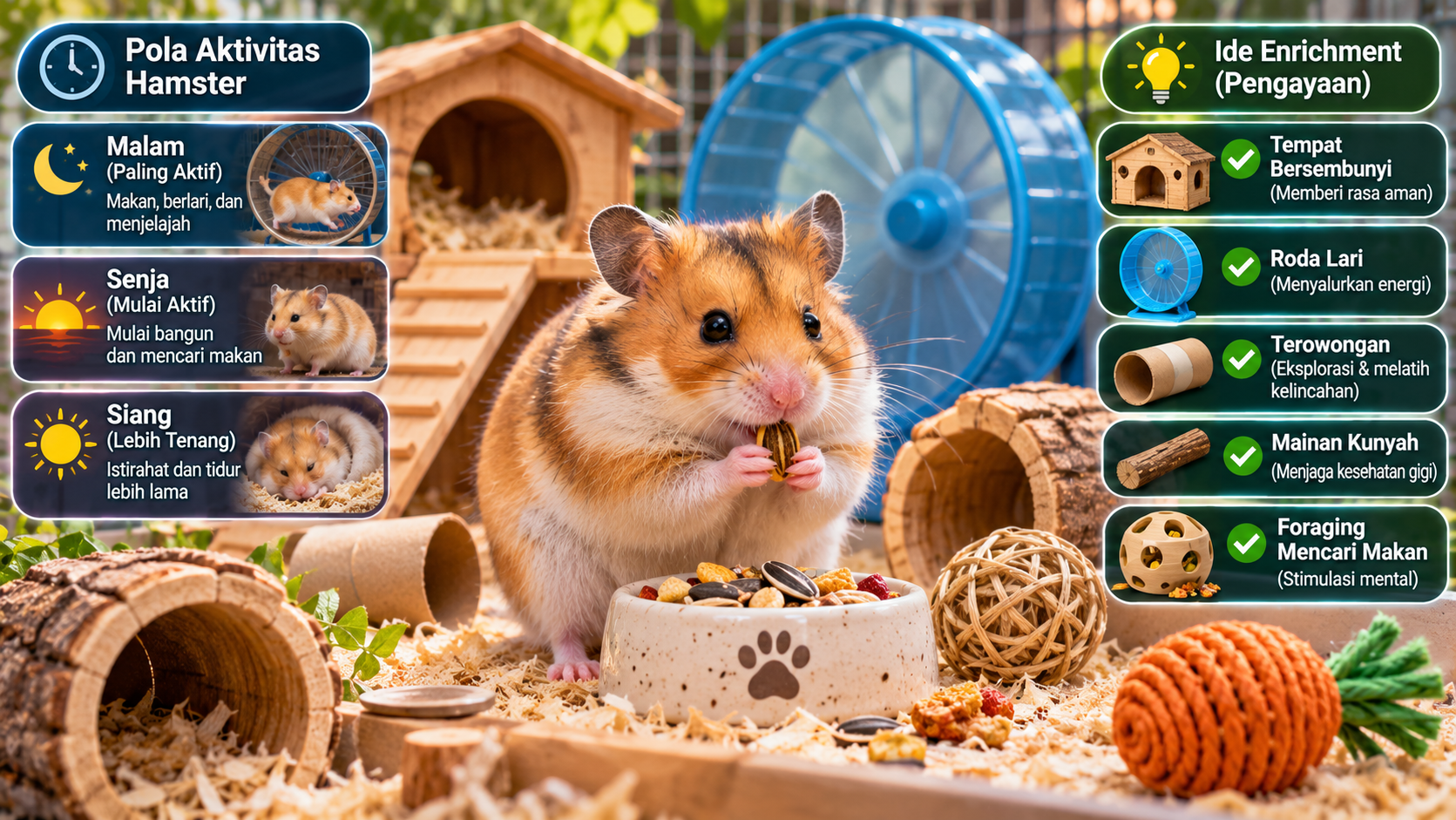
Hamster Activity Patterns and Enrichment opens the door to an engaging exploration of how these adorable creatures thrive in both the wild and in captivity. Understanding their natural instincts is crucial for pet owners, as it directly influences the well-being and happiness of their furry friends. By delving into their activity patterns, we can create environments that mimic their natural habitats, allowing hamsters to express their innate behaviors and enjoy a fulfilling life.
In this discussion, we will uncover the significance of enrichment, which plays a vital role in enhancing a hamster’s physical and mental health. By providing various enrichment activities and understanding their preferences, we can foster an environment that promotes exploration and play, ensuring our hamsters lead enriched, content lives.
Understanding the Natural Behavior of Hamsters
Hamsters are small, nocturnal rodents that exhibit unique behavioral patterns in their natural habitats, which significantly influence their care in captivity. In the wild, hamsters are primarily active during the nighttime hours, spending the majority of their time exploring, foraging for food, and engaging in social interactions when not in breeding season. They have evolved as solitary creatures, utilizing burrows for shelter and storage of food. Understanding these natural behaviors is crucial for creating an environment that meets their needs in captivity.
In the wild, the typical activity pattern of hamsters includes a series of behaviors that revolve around survival. These behaviors can be categorized into several activities:
– Foraging: Hamsters spend a substantial part of their night scavenging for seeds, fruits, and vegetables. This instinct drives their need for a varied diet in captivity, encouraging pet owners to provide a mix of commercial hamster foods and fresh produce.
– Exploration and Exercise: They are known to travel several kilometers each night in search of food and mates. This natural propensity for movement emphasizes the importance of providing ample space and opportunities for exercise in a domestic setting. A multi-level cage with tunnels, wheels, and hiding spots can mimic their natural exploration behavior and promote physical health.
– Burrowing: Wild hamsters dig extensive burrow systems to create safe havens for themselves and store food. In captivity, providing bedding material such as aspen shavings or paper-based substrates allows hamsters to engage in digging behaviors, which is essential for their mental stimulation and comfort.
– Social Behavior: While primarily solitary, some species exhibit social interactions during mating seasons. Understanding this helps in recognizing that most hamsters should be housed alone to avoid territorial disputes unless they are a compatible pair.
Understanding these instincts helps in creating a habitat that not only mimics their natural environment but also caters to their physical and psychological well-being. Providing an enriched environment that allows for natural behaviors can lead to healthier, happier hamsters. Creating spaces that encourage foraging, exploration, and burrowing aligns with their instinctual needs, ultimately promoting their overall welfare and longevity.
The Role of Enrichment in Hamster Well-being
Enrichment plays a pivotal role in enhancing the physical and mental health of hamsters, contributing significantly to their overall well-being. Hamsters, being inherently curious and active animals, require various forms of stimulation to thrive in captivity. Without proper enrichment, hamsters may experience boredom, stress, and even health issues, leading to a decline in their quality of life. This makes it essential for pet owners to understand and implement effective enrichment strategies that cater to their hamsters’ needs.
Enrichment activities can be broadly categorized into physical, sensory, and social types, each contributing uniquely to a hamster’s well-being. Physical enrichment allows hamsters to engage in natural behaviors such as climbing, burrowing, and running. Sensory enrichment stimulates their senses, including sight, smell, and touch, promoting mental engagement. Social enrichment, although more applicable to species that thrive in groups, can enhance interaction and bonding between the hamster and its owner.
Types of Enrichment for Hamsters
Implementing various types of enrichment can significantly improve your hamster’s quality of life. Below are some effective enrichment strategies:
- Exercise Wheels: A high-quality exercise wheel is essential for a hamster’s physical health. It provides an outlet for energy and encourages regular exercise, helping to prevent obesity. Choose a wheel that is appropriately sized and safe for your hamster’s species.
- Hiding Places: Providing tunnels, huts, or cardboard boxes allows hamsters to explore and engage in natural burrowing behaviors. These hiding spots give them a sense of security and a place to retreat, reducing stress levels.
- Chew Toys: Hamsters have continuously growing teeth, and providing chewable items such as wooden blocks or natural branches is vital for dental health. Chew toys not only keep their teeth in check but also serve as a source of entertainment.
- Foraging Activities: Scatter small amounts of food or treats around the cage to encourage foraging behaviors. This replicates their natural hunting instincts, stimulating their minds and providing physical activity.
- Interactive Toys: Toys that require problem-solving skills, like puzzle feeders, can keep a hamster mentally engaged. These toys often involve manipulating parts to access food, which can enhance their cognitive abilities.
- Rotating Enrichment: Regularly changing the enrichment items and activities can maintain your hamster’s interest and prevent boredom. This can include swapping out toys, changing the layout of their habitat, or introducing new tunnels and climbing structures.
Each of these enrichment types serves a purpose in maintaining a hamster’s physical and mental health. By ensuring that hamsters have a diverse range of activities and items to engage with, owners can cultivate an environment that supports their furry companions’ happiness and vitality.
“A well-enriched environment is crucial for the happiness and health of hamsters, promoting natural behaviors and preventing stress.”
Effective implementation of these enrichment strategies can transform a hamster’s living space into a stimulating and joyful habitat, significantly enhancing their overall well-being.
Observing and Analyzing Hamster Activity Patterns
Understanding hamster activity patterns is crucial for providing the best care and enrichment for these small pets. Observing their behaviors and routines can reveal their preferences, helping owners create an environment that caters to their needs. By documenting these activities, owners can enhance their hamsters’ living conditions, ensuring their well-being and happiness.
To effectively observe and document hamster activity, owners should focus on specific times of the day when their hamsters are most active. Hamsters are generally crepuscular, meaning they are most active during dawn and dusk. By noting the behaviors displayed during these peak times, owners can identify patterns and preferences. Keeping a journal or log can be beneficial for tracking changes over time, noting activities such as running on a wheel, digging, foraging, or resting.
Documenting Activity Levels and Associated Behaviors
Establishing a clear understanding of different activity levels and their corresponding behaviors throughout the day can aid in creating an optimal habitat. The following table summarizes common activity levels and associated behaviors of hamsters at various times of the day:
| Time of Day | Activity Level | Associated Behaviors |
|---|---|---|
| Early Morning (5 AM – 8 AM) | High | Running on the wheel, exploring cage, foraging for food |
| Midday (8 AM – 6 PM) | Low | Resting in burrow or nesting area, minimal activity |
| Evening (6 PM – 10 PM) | High | Active exploration, running, social interactions with toys |
| Late Night (10 PM – 12 AM) | Moderate | Continued running, less vigorous exploration |
By analyzing these recorded patterns, owners can tailor the living environment to better suit their hamsters’ natural behaviors. For instance, providing a larger wheel or additional tunnels during peak activity times can encourage exercise and mental stimulation.
Documenting and analyzing activity patterns not only improves a hamster’s living conditions but also fosters a stronger bond between the pet and its owner.
Modifying the habitat according to observed behaviors can lead to a happier, healthier hamster. Ensuring that there is appropriate enrichment available during high activity times can make a significant difference in their overall quality of life, allowing for a more fulfilling and engaging experience for both pet and owner.
Designing a Dynamic Habitat for Hamsters
Creating a habitat that mimics the natural environment of hamsters is essential for their well-being and encourages natural behaviors. An engaging habitat contributes to their physical and mental health, prompting them to explore, play, and exhibit instincts that are vital for their happiness. The design must consider various elements like space, layout, and enrichment items to create a stimulating environment where hamsters can thrive.
To foster natural behaviors in hamsters, the habitat should incorporate a variety of features that cater to their instincts of foraging, burrowing, and climbing. A well-thought-out layout ensures that hamsters have adequate space to move around and explore while providing opportunities for mental stimulation. Here are some key considerations for designing such a habitat:
– Space: Hamsters thrive in larger habitats that provide room for exploration. A minimum of 450 square inches of floor space is recommended, allowing hamsters ample area to roam and engage in natural behaviors. Multi-level cages can also enhance the vertical space available, promoting climbing and exploration.
– Layout: The internal arrangement of the habitat should allow for both open areas and secluded spaces. This encourages hamsters to exhibit their natural tendency to explore and seek out hiding spots. Incorporating tunnels, ramps, and platforms can add complexity to the environment, mimicking their natural burrowing habits.
– Enrichment Items: Essential items should be included to promote activity and exploration. These items not only satisfy a hamster’s curiosity but also encourage exercise and mental stimulation.
Here’s a list of essential items that should be included in a hamster habitat:
- Exercise Wheel: A solid surface wheel for running, which helps maintain physical health and satisfies their need to run.
- Tunnels and Tubes: These allow for exploration and mimic the burrowing behavior of hamsters.
- Hiding Spots: Small houses or hideaways provide security and a place for hamsters to retreat, reducing stress.
- Climbing Structures: Platforms or branches encourage climbing, which is a natural behavior for many hamster species.
- Foraging Toys: Toys that dispense food or treats motivate hamsters to engage in foraging behaviors.
- Bedding Material: Soft, absorbent bedding allows for burrowing and nesting, making them feel secure.
- Chew Toys: Wooden chew toys ensure proper dental health while satisfying their instinct to gnaw.
The importance of space and layout cannot be overstated when creating an engaging environment for hamsters. A cramped or monotonous habitat can lead to boredom and stress, which may result in health issues or behavioral problems. Providing an array of features that facilitate movement and exploration not only enhances their quality of life but also encourages physical activity and reduces the likelihood of obesity. Dynamic habitats that engage hamsters in varied activities lead to happy, healthy pets that exhibit their natural behaviors.
The Impact of Social Interaction on Hamster Activity
Hamsters are inherently social creatures, yet many species are often kept alone in captivity. Understanding how social interaction affects their activity patterns is crucial for their well-being. This section examines the differences between solitary and social living, the intricacies of introducing multiple hamsters into a shared habitat, and methods to encourage safe interactions among them.
Effects of Solitary versus Social Living on Hamster Activity Patterns
Research indicates that hamsters kept in isolation tend to exhibit less diverse activity patterns compared to those housed with companions. Solitary hamsters may show increased signs of stress and boredom, such as repetitive behaviors and reduced exploration of their environment. Conversely, hamsters in social settings are more likely to engage in playful activities and exploration, leading to a more enriched lifestyle.
The absence of social interaction can lead to the development of stereotypical behaviors. These behaviors include excessive grooming or pacing, which are indicative of stress. In contrast, hamsters that interact with others often partake in grooming sessions, play fighting, and communal nesting, enhancing their mental stimulation and overall physical health.
Introducing Multiple Hamsters in One Habitat
Introducing multiple hamsters into one habitat requires careful consideration of their social dynamics. Not all hamster species are compatible; for instance, dwarf hamsters can thrive in groups, while Syrian hamsters are highly territorial and prefer solitude. When introducing hamsters, it’s vital to create a neutral environment to minimize territorial disputes and stress.
Here are some key points to consider when introducing hamsters:
- Gradual Introduction: Allow hamsters to become accustomed to each other’s scents before direct interactions by swapping bedding or using scent trails.
- Neutral Territory: Start introductions in a space that neither hamster considers their territory to prevent aggression.
- Observation: Closely monitor interactions for signs of aggression or stress, such as biting or prolonged hiding.
- Separate Habitats: Be prepared to have separate cages ready if the introduction does not go smoothly, ensuring each hamster has a safe space.
Facilitating Safe Interactions Among Hamsters
To promote healthy social behaviors among hamsters, it’s crucial to create an environment conducive to safe interactions. This can include providing ample space, hiding spots, and separate resources to minimize competition.
Important strategies for facilitating safe interactions include:
- Enrichment: Incorporate tunnels, toys, and climbing structures to encourage play and exploration.
- Multiple Food and Water Sources: Ensure there are enough feeding stations to limit competition and reduce stress.
- Regular Supervision: Monitor interactions regularly to intervene if necessary and prevent aggressive behavior.
- Time Apart: If aggressive behavior occurs, allow hamsters to spend time apart before reintroducing them gradually.
“Creating a harmonious environment for multiple hamsters can significantly enhance their quality of life and overall activity levels.”
Seasonal Changes and Their Impact on Hamster Behavior
Seasonal changes can significantly influence hamster behavior, affecting their activity levels and overall needs. Understanding these fluctuations is crucial for providing optimal care and enrichment for these small, energetic pets. Each season brings specific environmental shifts that can alter a hamster’s natural tendencies, requiring pet owners to be attentive and adaptable.
Hamsters are typically more active during certain seasons, influenced mainly by temperature and daylight variations. In winter, as days grow shorter and temperatures drop, hamsters may display behaviors akin to hibernation; they tend to sleep more and become less active. Conversely, in spring and summer, with longer daylight hours and warmer temperatures, hamsters exhibit heightened activity levels, often engaging in more exploratory behavior and play. This seasonal variation necessitates changes in their habitat and enrichment activities to cater to their evolving needs.
Adjusting Habitat and Enrichment Activities
Recognizing the seasonal shifts in hamster behavior allows for adjustments in their habitat settings and enrichment activities. Here are some effective strategies to consider for each season:
– Winter adjustments should focus on maintaining warmth while still allowing for some activity. Provide bedding materials like shredded paper or fleece to help insulate their habitat. Additionally, consider using a heated pad under the cage to ensure a comfortable temperature.
– In spring, increase the quantity and variety of enrichment activities. Introduce new toys, tunnels, and climbing structures, as hamsters will likely be more energetic. Offer fresh vegetables and fruits to encourage foraging behavior, stimulating their natural instincts.
– During summer, ensure that your hamster stays cool, as high temperatures can cause stress or heatstroke. Provide shaded areas in their habitat, and consider switching to a lighter bedding material to prevent overheating. Keep their water supply fresh and plentiful, as hydration becomes more critical.
– For autumn, observe changes as hamsters begin to prepare for winter. This is a good time to engage them in nesting behaviors, so offer nesting materials like shredded paper or hay, which they can use to create cozy sleeping areas.
Monitoring changes in hamster behavior throughout the year is key to ensuring their well-being. Pet owners can keep a simple log to track activity levels, eating habits, and general behavior patterns. Observing their interaction with enrichment items can also provide insight into their preferences and comfort levels. By adjusting habitats and activities in response to these observations, you can create a nurturing environment that aligns with their seasonal needs, fostering a happy and healthy hamster.
Common Mistakes in Enrichment and Their Consequences
Many pet owners are eager to provide enriching environments for their hamsters, hoping to enhance their pets’ well-being and happiness. However, there are common mistakes that can undermine these efforts, leading to negative impacts on a hamster’s physical and mental health. This discussion aims to highlight these errors, the consequences they bring, and the importance of tailored enrichment based on hamster breeds.
Identifying Common Errors in Hamster Enrichment
Pet owners often overlook several critical aspects of hamster enrichment, which can lead to stress or even behavioral issues in their pets. One of the most frequent mistakes is offering inappropriate toys or accessories. For instance, small hamsters like Roborovskis may struggle with toys designed for larger breeds. Moreover, many owners fail to recognize that hamsters are nocturnal creatures; thus, activities scheduled during the day when they are sleeping are ineffective.
Additionally, some common errors include inadequate space for exercise and exploration. A cramped cage limits a hamster’s ability to engage in natural behavior such as burrowing or running, which can lead to obesity and lethargy. Furthermore, a lack of variety in enrichment can result in boredom, prompting destructive behavior. The absence of chewable materials or tunnels can also lead to dental problems, as hamsters need to gnaw to keep their teeth healthy.
The right enrichment not only entertains hamsters but also fulfills their instinctual needs.
Importance of Tailored Enrichment for Different Hamster Breeds
Each hamster breed has unique characteristics and needs for enrichment, making it crucial for owners to tailor their approach accordingly. Syrian hamsters, for example, require larger habitats and prefer solitary play. They benefit from spacious cages equipped with larger tunnels and climbing structures, which allow them to explore their environment effectively.
Conversely, dwarf hamsters, such as Campbell’s or Winter White, thrive in smaller spaces but still require plenty of hiding spots and interactive toys to keep them engaged. Their social nature often makes them more responsive to toys that encourage interaction, such as small exercise wheels that accommodate their size.
A well-structured enrichment plan should consider these differences. Hamster owners should research their specific breed to provide optimal enrichment, ensuring that physical and mental stimulation is aligned with their pet’s natural behaviors.
To facilitate effective enrichment, pet owners can adopt the following strategies:
- Research specific needs of the hamster breed: Understanding breed-specific characteristics helps tailor the environment and activities.
- Rotate toys regularly: Changing toys and activities keeps hamsters curious and engaged, preventing boredom.
- Monitor behavior: Observing how a hamster interacts with its environment can provide insights into whether enrichment is effective.
- Incorporate foraging opportunities: Hiding treats within bedding or tunnels encourages natural foraging behavior.
By actively avoiding these common pitfalls and focusing on tailored enrichment strategies, pet owners can significantly enhance the quality of life for their hamsters, leading to happier and healthier pets. Optimal enrichment not only improves physical health but also supports emotional well-being by fulfilling their instincts and creating a stimulating environment.
Conclusive Thoughts
In summary, ensuring the well-being of our hamsters involves a profound understanding of their activity patterns and the need for enrichment. By observing their behaviors and designing dynamic habitats, we can greatly enhance their quality of life. Remember, a happy hamster is an active hamster, and with the right knowledge and tools, we can create a nurturing space that reflects their vibrant personalities.
FAQ Section
What are the signs of boredom in hamsters?
Bored hamsters may exhibit repetitive behaviors, such as excessive chewing, digging, or lethargy. They might also seem uninterested in their toys or fail to explore their habitat.
How often should I change my hamster’s bedding?
Bedding should be changed at least once a week to maintain cleanliness and prevent odors. Spot cleaning daily can help as well.
Can I keep different breeds of hamsters together?
It’s generally not recommended to keep different breeds of hamsters together, as they can be territorial and may fight. Syrian hamsters are particularly solitary.
How can I tell if my hamster is happy?
A happy hamster will be active, curious, and engage in typical behaviors like exploring, running on their wheel, and interacting with toys or their owners.
What types of toys are best for hamsters?
Popular toys for hamsters include tunnels, chew toys, exercise wheels, and mazes, which all encourage physical activity and mental stimulation.