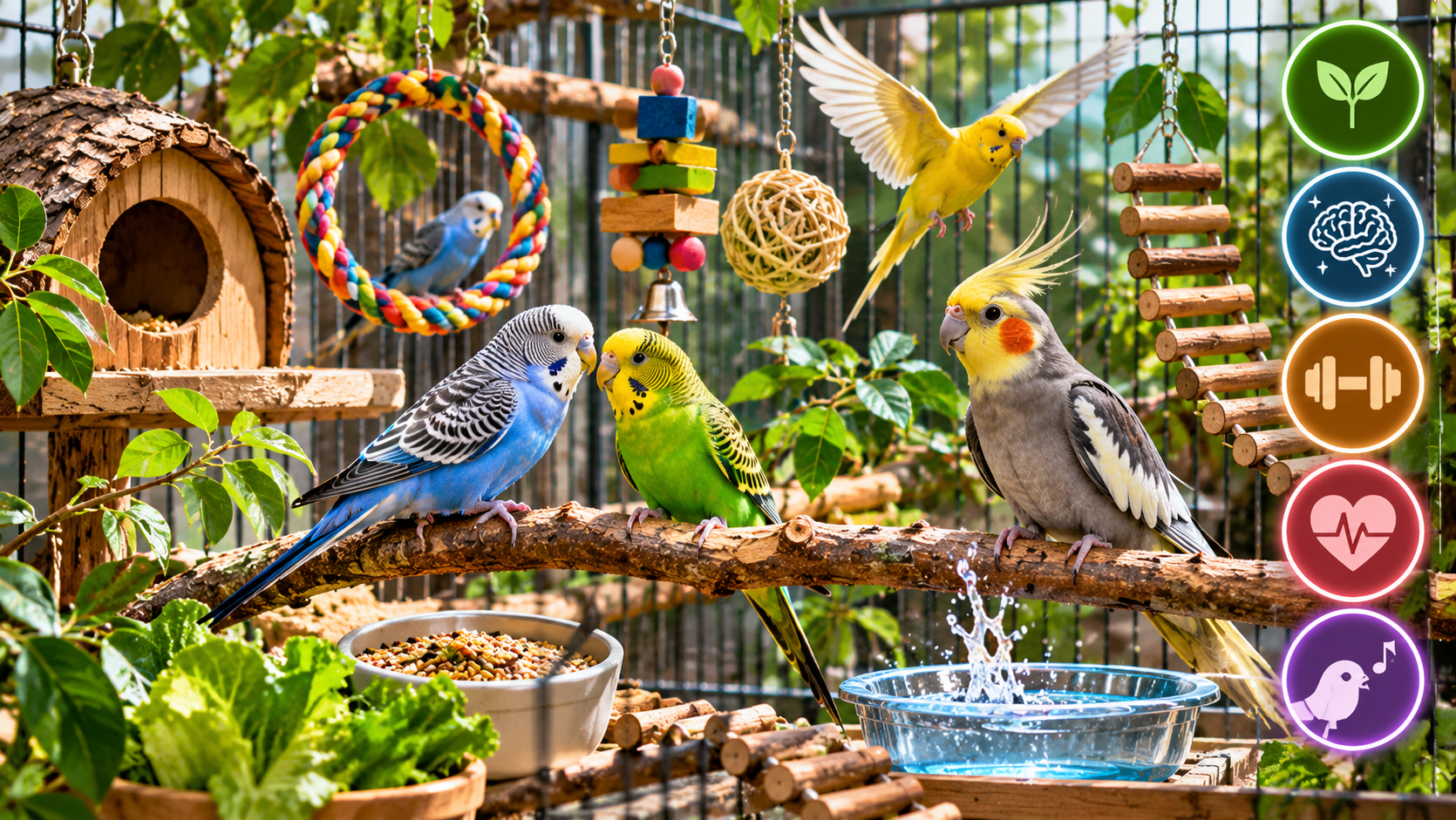
Environmental Enrichment for Pet Birds is not just a fancy term; it’s a vital aspect of ensuring our feathered friends lead happy and fulfilling lives. Imagine your pet bird flitting about in a space that mimics the vibrant and dynamic environment of its natural habitat. This enriching atmosphere not only keeps them entertained but also promotes their mental and physical health, leading to a more harmonious life with their human companions.
From interactive toys to social interactions, there are numerous ways to create an engaging environment for your pet birds. Understanding the concept of environmental enrichment allows bird owners to make informed choices about their pets’ needs, ensuring that these intelligent creatures thrive and flourish in a loving, stimulating setting.
Understanding the concept of environmental enrichment for pet birds is crucial for their mental and physical well-being.
Environmental enrichment plays a fundamental role in enhancing the lives of pet birds. By creating a stimulating environment, pet owners can significantly improve their birds’ mental and physical health. This concept is not just a passing trend; it is essential for ensuring that our feathered companions live fulfilling lives, free from boredom and stress.
Environmental enrichment refers to the process of providing pet birds with diverse and engaging stimuli that mimic their natural habitats. This enrichment is vital for several reasons. It helps to prevent behavioral issues that arise from boredom, such as feather plucking or excessive screaming. Moreover, an enriched environment allows birds to engage in natural behaviors, which is crucial for their overall well-being and happiness. Studies have shown that birds in enriched environments exhibit reduced stress levels and improved social interactions, leading to healthier and more active lifestyles.
Benefits of Environmental Enrichment
The advantages of environmental enrichment for pet birds are numerous, encompassing both psychological and physical aspects. Here are some key benefits that highlight its importance:
- Reduces Stress: Birds that are provided with stimulating environments tend to experience lower stress levels, which can lead to a longer lifespan.
- Encourages Natural Behaviors: Enrichment allows birds to engage in instinctual behaviors such as foraging, exploring, and social interaction, which are vital for their psychological health.
- Increases Physical Activity: An enriched environment encourages birds to move more, which helps combat obesity and promotes overall physical health.
- Enhances Cognitive Function: Engaging activities stimulate birds’ minds, improving their problem-solving skills and overall intelligence.
Examples of Enrichment Techniques
Implementing effective enrichment techniques can take various forms. Here are some practical examples that pet owners can use to create a more stimulating environment for their birds:
- Foraging Opportunities: Hide food in various locations within the cage or provide foraging toys that require the birds to work for their treats. This mimics their natural instinct to search for food.
- Variety of Perches and Toys: Incorporate different types of perches, such as natural wood and rope, as well as a range of toys that encourage exploration and play.
- Interactive Toys: Invest in toys that encourage problem-solving, such as puzzles or toys that dispense treats when manipulated correctly.
- Change of Scenery: Regularly rotate toys and perches or rearrange the cage layout to keep the environment fresh and engaging. Birds naturally become bored with static surroundings.
Birds thrive on stimulation and interaction, making environmental enrichment an essential part of their care. By incorporating these techniques, owners can foster a happy, healthy, and vibrant pet bird, ensuring their well-being for years to come.
Exploring the different types of environmental enrichment that can be utilized for pet birds is essential.
Environmental enrichment plays a crucial role in the well-being of pet birds. By providing various forms of enrichment, owners can promote mental stimulation, physical activity, and overall happiness in their feathered companions. In this section, we will delve into different types of environmental enrichment, including physical, social, and sensory enrichment, along with the materials and resources needed for each type and tips on effective implementation.
Physical enrichment
Physical enrichment involves providing birds with opportunities to explore their environment and engage in physical activities. This can include toys, perches, and climbing structures that encourage movement and exercise.
Materials for physical enrichment can include:
- Toys: Swinging toys, foraging toys, and chewable items made from safe materials like wood, paper, or natural fibers keep birds entertained and encourage active play.
- Perches: Varied perch sizes and textures, such as natural wood, rope, and concrete, help promote foot health and encourage climbing.
- Climbing structures: Bird gyms or playstands allow birds to move freely and explore different levels, enhancing their physical engagement.
To implement physical enrichment effectively, rotate toys regularly to maintain interest, and ensure that perches are placed at different heights to encourage climbing and flying.
Social enrichment
Social enrichment is vital for many bird species that thrive on interaction. Engaging with other birds or human companions can significantly improve a bird’s emotional health.
Components of social enrichment include:
- Companionship: Providing a compatible bird companion can promote social behaviors, but introducing new birds should be done gradually and with care.
- Human interaction: Spending quality time with pet birds through talking, training, or playtime fosters bonding and reduces feelings of loneliness.
- Group activities: For those with multiple birds, allowing them to play together under supervision can enhance social skills and reduce stress.
To ensure effective social enrichment, dedicate time each day to interact with your bird, and observe their social behaviors to identify their preferences for interaction and companionship.
Sensory enrichment
Sensory enrichment enhances a bird’s experience by stimulating their senses. This can improve their cognitive abilities and reduce boredom.
Examples of sensory enrichment include:
- Variety of sounds: Playing gentle music, nature sounds, or providing toys that make noise can stimulate auditory senses.
- Visual stimulation: Colorful toys, mirrors, and changing the bird’s environment (like rearranging furniture or adding new items) can captivate their attention.
- Textural variety: Introducing different materials, such as soft fabrics, rough surfaces, or shiny items, encourages tactile exploration.
To maximize sensory enrichment, introduce new items gradually and observe your bird’s reactions to discover what captures their interest best.
“Environmental enrichment is not just about keeping birds entertained; it’s about enhancing their quality of life and mental health.”
Analyzing the role of social interactions in the environmental enrichment of pet birds is important for their development.
Social interactions play a crucial role in the overall well-being and development of pet birds. Birds are inherently social creatures, and their interaction with other birds or human companions greatly influences their mental health and behavior. Understanding the dynamics of these social relationships can help owners create a more enriching environment that caters to the needs of their feathered friends.
The importance of socialization for pet birds cannot be overstated. Birds that regularly engage in social interactions tend to exhibit healthier behaviors, reduced stress levels, and a more vibrant disposition. This reflects their natural behavior in the wild where flocking and social bonding are vital for survival. To foster these social interactions, pet owners can implement various methods that encourage connection both with other birds and with humans.
Methods to Facilitate Socialization for Pet Birds
Establishing a social environment for pet birds involves deliberate actions by their owners. Here are some effective practices to enhance socialization:
- Grouping Birds: If possible, keeping multiple birds together can provide them with natural social interactions. Birds enjoy communicating and playing with each other, which stimulates their natural instincts.
- Interactive Play: Engaging in playtime with your bird fosters a strong bond. Use toys that require interaction, such as puzzles, to promote mental stimulation and interaction.
- Training Sessions: Regular training not only enhances the bird’s ability to communicate but also strengthens the bond between the bird and its owner. Techniques such as clicker training can be effective.
- Social Exposure: Introducing your bird to different environments and people can help them adapt to social situations. This exposure can also include supervised interactions with friendly pets.
- Routine Conversations: Regularly talking or singing to your bird can create a sense of companionship. Birds often respond to their human companions’ voices, which can enhance their mood and reduce loneliness.
Social enrichment significantly influences a bird’s behavior and mood. Birds that engage in consistent social interactions display reduced signs of anxiety and aggression. They are often more playful and curious about their surroundings. The following points highlight the positive impacts of socialization:
“Socially enriched birds tend to exhibit improved mental health and adaptive behaviors, leading to happier and more engaged companions.”
Through social interactions, pet birds can develop a greater sense of security. This security allows them to explore their environment with confidence, contributing to their physical and psychological development. Additionally, a bird that feels socially fulfilled is more likely to engage in vocalizations and mimicry, enriching the home environment with lively chatter. By fostering these connections, owners can ensure their pet birds thrive both emotionally and physically, reflecting their natural instinct for social interaction.
Designing a safe and engaging environment for pet birds requires careful consideration of various elements.
Creating an enriching environment for pet birds is essential to their overall well-being and happiness. A thoughtfully designed space can promote natural behaviors, reduce stress, and improve their quality of life. This involves not only selecting appropriate materials and toys but also ensuring that the environment is safe and accessible for our feathered friends.
When designing an environment for pet birds, several key factors must be taken into account. These include the safety of the materials used, the accessibility of the space for the birds to move and explore, and the overall stimulation provided by toys and perches. A well-planned habitat will encourage physical activity and mental stimulation while minimizing risks associated with hazards.
Key factors for creating an enriching environment
The success of an enriching habitat hinges on various elements. Below are essential considerations:
- Safety of materials: All materials should be non-toxic and free from harmful chemicals. Avoid items made of untreated wood, as they may harbor pesticides or toxins. Instead, opt for certified bird-safe materials like stainless steel, natural wood, and non-toxic plastics.
- Accessibility: Ensure that perches, food, and water are easily reachable. Birds should have ample space to move around and access all areas of their cage without difficulty.
- Variety of perches: Different types of perches—varying in diameter and texture—encourage foot health and prevent boredom. Include natural wood branches with varying thicknesses to mimic their natural habitat.
- Toys for mental stimulation: Toys should be varied and rotated regularly. Offer foraging toys, puzzle toys, and chewable options to keep them engaged and mentally stimulated.
- Safe play areas: Designate specific areas outside the cage where birds can safely explore under supervision. Bird-safe play gyms or stands can provide new experiences and opportunities for exercise.
Framework for selecting appropriate materials and toys
Choosing the right materials and toys is critical for maintaining a safe and engaging environment. Here is a structured approach to making selections:
- Research and verify: Always check labels and manufacturer information to ensure toys and materials are safe for birds. Look for certifications from organizations focused on bird welfare.
- Consider size and species: Different bird species have varying needs when it comes to size and type of toys. Select appropriately sized toys that cater to your bird’s beak and body size.
- Prioritize durability: Select toys made from strong materials that can withstand chewing and play. Avoid easily breakable items that could pose choking hazards.
- Incorporate foraging opportunities: Choose toys that encourage natural foraging behaviors, such as those that can be filled with food or treats. This not only keeps birds entertained but also mimics their natural instincts.
Best practices for maintaining a stimulating habitat
Maintaining an enriching environment is an ongoing process that requires regular attention. Implement the following best practices:
- Regular cleaning: Keep the cage and play areas clean to prevent the buildup of bacteria and debris. Use bird-safe cleaning products and establish a cleaning routine.
- Rotate toys: To prevent boredom, regularly rotate toys and perches. Introducing new items can reignite interest and encourage exploration.
- Engage with your birds: Spend time interacting with your pet birds daily. This not only strengthens the bond but also encourages them to use their environment actively.
- Monitor behavior: Pay attention to your birds’ behavior and health. Changes in activity levels or interest in their environment may indicate the need for adjustments or new enrichment opportunities.
Demonstrating how to incorporate natural elements into an indoor environment for pet birds is beneficial for their enrichment.
Integrating natural elements into the living spaces of pet birds can significantly enhance their well-being and encourage natural behaviors. By mimicking their natural habitats, birds can engage in exploration and play, ultimately leading to happier and healthier lives. This section will explore various natural elements that can be introduced into your bird’s environment, the benefits they provide, and important precautions to take.
Types of Natural Elements to Incorporate
When considering natural elements for your bird’s indoor environment, there are several options that can provide both enrichment and comfort. Introducing a variety of these elements allows birds to experience a more stimulating and fulfilling living space.
- Branches: Natural branches can serve as perches and play structures. They provide different thicknesses and textures that encourage climbing and exploration.
- Plants: Non-toxic plants can add greenery and a sense of the wild to your bird’s space. Examples include spider plants, parlor palms, and Boston ferns, which can create a more naturalistic setting.
- Natural Perches: Perches made from untreated wood, such as manzanita or pine, can mimic the natural surfaces birds would encounter in the wild. These perches can vary in diameter to help exercise their feet.
These natural elements aid in mimicking the bird’s original habitat, providing opportunities for climbing, foraging, and resting, thereby promoting a sense of security and stability.
Mimicking Natural Habitats and Promoting Exploration
Creating an environment filled with natural elements allows birds to engage in instinctual behaviors, significantly impacting their mental and physical health. The branches can be arranged at different heights, creating a dynamic climbing environment that encourages birds to explore their surroundings.
“An enriched environment fosters natural behaviors, leading to a decrease in stress and boredom among pet birds.”
Birds are naturally curious creatures. By providing plants and branches, you stimulate their investigative instincts. Birds may peck, chew, and climb on these elements, promoting both physical exercise and mental stimulation. Rotating the elements periodically can keep their environment fresh and engaging, encouraging continuous exploration.
Potential Risks and Mitigation
While natural elements can enhance your bird’s environment, it’s crucial to be aware of potential risks associated with introducing them. Careful selection and management can help mitigate these dangers.
- Parasites: Natural materials can harbor pests. Always ensure that any branches or plants are free of insects and have not been treated with pesticides. Cleaning and sanitizing these items before introduction is essential.
- Toxic Plants: Not all plants are safe for birds. Prioritize non-toxic varieties and research any new plant before adding it to ensure it poses no threat.
- Sharp Edges: Ensure that branches and perches are free from splinters and sharp edges that could injure your bird. Regularly check perches for wear and replace them as necessary.
By taking these precautions, you can create a safer and more enjoyable environment, allowing your pet bird to thrive in a space that closely resembles their natural habitat.
Identifying the signs of boredom or stress in pet birds can help in adjusting their environmental enrichment.
Recognizing when your pet bird is feeling bored or stressed is critical for their well-being and happiness. Birds are intelligent creatures that require mental stimulation and a healthy environment to thrive. By identifying the signs of distress or boredom, you can make necessary adjustments to their enrichment activities and living space, ensuring a vibrant and fulfilling life for your feathered friend.
Several behavioral indicators can signify a lack of enrichment or distress in birds. It’s essential to monitor these behaviors closely to provide the best care possible. Below are some common signs to watch for:
Behavioral Indicators of Boredom or Stress
Birds often display a range of behaviors that can indicate they are experiencing boredom or stress. Understanding these can help you create a more engaging environment for them. The following list Artikels key signs to be aware of:
- Excessive screaming or vocalization: Birds may vocalize more than usual when they are bored or anxious, seeking attention or stimulation.
- Feather plucking or over-preening: This behavior may occur due to stress or lack of stimulation, leading to self-harm.
- Aggression or irritability: Birds may become more aggressive towards their owners or other pets, reflecting discomfort or frustration in their environment.
- Repetitive movements: Such behaviors include pacing back and forth or repetitive wing flapping, indicative of stress or boredom.
- Loss of interest in toys or activities: When birds show little to no interest in their usual toys or activities, it can be a sign that their environment lacks enrichment.
Monitoring and assessing your bird’s well-being should be a regular part of pet care. This not only helps in identifying any signs of distress early but also fosters a deeper bond between you and your pet. Here are some effective strategies for regularly assessing your bird’s health and happiness:
Monitoring Bird Well-Being
Establishing a routine for monitoring your bird’s behavior can significantly impact their overall well-being. These strategies can assist in maintaining awareness of your pet’s mental and physical state:
- Daily observations: Spend time watching your bird each day to familiarize yourself with their normal behavior patterns. Look for any changes in their activity level or demeanor.
- Temperature and humidity checks: Ensure the environment is conducive to your bird’s health by regularly monitoring the temperature and humidity levels in their habitat.
- Health check-ups: Schedule regular veterinary visits to keep track of your bird’s physical health, which can influence their behavior and stress levels.
- Interactive engagement: Engage with your bird through play, training, or talking. This interaction not only helps you gauge their mood but also strengthens your bond.
If you notice signs of boredom or stress, it’s essential to swiftly revamp your bird’s environment to enhance their quality of life. Here are some effective strategies for adjusting their space based on your observations:
Strategies for Revamping the Environment
When you recognize distress signals, implementing changes to your bird’s environment can quickly alleviate their discomfort. Consider the following approaches:
- Introduce new toys: Switch out old toys for new ones or rotate toys regularly to keep your bird engaged.
- Create foraging opportunities: Hide treats or favorite foods within toys or around their cage to encourage natural foraging behavior.
- Change cage layout: Rearranging the cage can intrigue your bird and stimulate curiosity, as they explore new spaces.
- Increase interaction: Spend more time with your bird, introducing new activities and training sessions to foster a stimulating environment.
Comparing various enrichment activities and their effects on different bird species can offer valuable insights.
Understanding that different bird species respond uniquely to enrichment activities is crucial for their wellbeing. Each species has specific instinctual behaviors and environmental needs that dictate how they interact with their surroundings. By examining these differences, we can tailor enrichment strategies to foster a more stimulating and healthy environment for our feathered friends.
Different species of pet birds exhibit varying responses to specific enrichment activities, influenced by their natural behaviors and social structures. For instance, parakeets tend to thrive in environments that promote social interaction and require activities that challenge their intelligence. In contrast, cockatoos, known for their high energy and strong beaks, benefit from activities that encourage physical engagement and the use of their natural foraging skills.
Examples of Tailored Enrichment Activities for Popular Pet Bird Species
When it comes to implementing enrichment activities, it’s essential to consider each species’ unique preferences and behaviors. Here are some tailored examples for popular pet bird species:
- Parakeets: These birds enjoy puzzle toys that require problem-solving. Adding millet spray inside a foraging toy stimulates their foraging instincts.
- Cockatoos: Providing wood blocks for shredding caters to their natural chewing behavior. They also appreciate swings that promote physical activity.
- African Grey Parrots: These intelligent birds benefit from interactive toys that challenge their cognitive skills, such as toys that dispense treats when solved.
- Canaries: Canaries relish in musical enrichment, such as gentle chimes or recordings of other birds singing, which can stimulate their natural singing behavior.
Observing individual bird preferences during these activities is paramount. Each bird may exhibit distinct likes or dislikes, and what engages one bird may not captivate another. By closely monitoring their interactions with different enrichment items, caregivers can fine-tune their strategies to enhance the birds’ quality of life.
“Every bird is unique, and their preferences may vary significantly; hence, taking the time to observe them is key to effective enrichment.”
It’s vital to note how individual personalities can shape responses to enrichment. Some birds might gravitate towards toys that require manipulation, while others may prefer open spaces to explore. Tailoring enrichment activities not only fosters physical activity but also promotes mental stimulation and emotional wellbeing, making it an essential aspect of caring for pet birds.
Creating a routine for environmental enrichment and playtime for pet birds is essential for their happiness.
Establishing a routine for environmental enrichment and playtime is crucial for pet birds, ensuring they remain active, engaged, and emotionally healthy. Birds thrive on stimulation, and a well-structured schedule can provide them with the variety they need to prevent boredom and behavioral issues. By incorporating diverse activities into their daily lives, you not only enhance their overall well-being but also strengthen the bond you share with them.
Creating a balanced schedule that includes different types of enrichment activities is vital. This entails planning specific times for interactive play, foraging opportunities, and sensory stimulations while ensuring birds have their time to relax. A structured routine allows pet birds to anticipate their enrichment, making them more enthusiastic and engaged during these times.
Incorporating Variety in Daily Routines
To effectively engage pet birds during playtime, it is essential to blend consistency with variety in their routines. Birds can become accustomed to specific activities, so mixing things up keeps them interested. Here are various types of enrichment and how to incorporate them into a daily schedule:
- Interactive Play Sessions: Aim for at least 30 minutes of dedicated playtime each day. Use toys that promote interaction, such as puzzle feeders or climbing structures. This allows birds to use their natural instincts, which are crucial for their mental health.
- Foraging Opportunities: Include foraging activities in the routine, such as hiding treats within their cage or using foraging toys. This encourages birds to search and work for their food, providing mental stimulation and replicating their natural behavior.
- Sensory Stimulation: Introduce new sounds or sights regularly. You might play bird-friendly music or incorporate new toys with different textures and colors. This keeps their environment dynamic and intriguing.
- Social Interaction: Spend time talking or singing with your bird, as this builds a strong bond and makes them feel secure. Consistently include social interaction to ensure they feel loved and engaged.
- Training Sessions: Incorporate short training sessions into the routine to teach them new tricks or reinforce existing ones. This not only stimulates their intelligence but also deepens your relationship.
Regularly altering the types of activities while maintaining a consistent schedule fosters an ideal environment for your pet birds. This blend leads to heightened excitement during playtime and helps mitigate common behavioral problems associated with boredom.
“A happy bird is an active bird, and a routine filled with enriching activities is key to their well-being.”
Elaborating on the role of toys in environmental enrichment for pet birds highlights their significance in maintaining mental health.
Toys play a crucial role in the lives of pet birds, contributing significantly to their overall mental well-being. Just like humans, birds experience boredom and can develop behavioral issues if they lack stimulation. Engaging toys provide an outlet for natural instincts, encourage play, and foster a sense of security. They not only serve as entertainment but also aid in physical exercise and mental challenges, making them an essential aspect of an enriched avian environment.
Various types of toys cater to the needs and preferences of different bird species. Understanding these variations can help bird owners select toys that best suit their feathered companions. Some common types of toys include:
Types of Toys Suitable for Different Bird Species
Selecting the appropriate toys for pet birds involves considering their species, size, and natural behaviors. The following list Artikels different types of toys and their purposes:
- Chewing Toys: Made from safe wood or natural fibers, these toys are ideal for species like African Greys and Cockatoos, who love to chew and gnaw.
- Foraging Toys: Designed to hold treats or food, these toys stimulate natural foraging behavior. They are beneficial for all species, particularly parrots, which enjoy searching for hidden goodies.
- Swinging and Climbing Toys: These toys, including swings and ladders, promote physical activity. Birds such as Budgerigars and Conures benefit from climbing and swinging, which mimic their natural habitat.
- Noise-Making Toys: Toys that make sounds capture the attention of many species. Parrots, known for their vocal abilities, often enjoy toys that chirp or rattle, enhancing their auditory stimulation.
- Interactive Toys: Toys that require problem-solving or manipulation, such as puzzle feeders, engage birds mentally. These are particularly suitable for intelligent species like Cockatiels and Eclectus.
To maintain a bird’s interest and excitement, it’s essential to regularly rotate toys. Birds can quickly become accustomed to their toys, leading to reduced engagement. Rotating toys not only refreshes their environment but also offers new challenges and exploration opportunities. The following strategies can help effectively rotate toys:
Strategies for Rotating Toys
Implementing a toy rotation system keeps birds mentally stimulated and engaged. Consider these methods:
- Weekly Rotation: Change out a selection of toys every week to keep the play area fresh.
- Seasonal Swaps: Introduce new toys based on seasonal themes or holidays to create excitement.
- Observe Preferences: Pay attention to what toys your bird enjoys most and ensure to include those in each rotation for consistent engagement.
When selecting toys for pet birds, safety is of paramount importance. Birds are naturally curious, and toys that are not made with bird-safe materials can pose risks. Here are critical safety considerations:
Safety Considerations When Selecting Toys
Choosing safe toys for pet birds involves scrutiny of materials and design. The following guidelines ensure the health and safety of your feathered friend:
- Choose Non-Toxic Materials: Ensure toys are made from bird-safe materials, free from harmful chemicals or paints.
- Avoid Small Parts: Toys should not contain small pieces that could be ingested, leading to choking hazards.
- Inspect for Wear and Tear: Regularly check toys for signs of wear. Discard any damaged toys that could harm your bird.
- Consider Size Appropriateness: Match the toy size to your bird’s size to prevent choking and ensure they can interact with the toy effectively.
By integrating these various types of toys into a pet bird’s environment and following safety precautions, owners can significantly enhance their birds’ mental health and overall happiness.
Sharing success stories of pet birds that thrived due to effective environmental enrichment can motivate bird owners.
Creating an enriching environment for pet birds can lead to remarkable transformations in their behavior and overall well-being. Many bird owners have shared uplifting stories of their feathered companions who blossomed due to thoughtful environmental enhancements. These narratives not only offer inspiration but also provide valuable insights into effective methods of enrichment.
One compelling aspect of the success stories is the variety of methods employed by bird owners to enhance their pets’ environments. Below are some real-life examples demonstrating how specific changes led to positive behavioral outcomes for birds.
Real-Life Examples of Successful Environmental Enrichment
The shared experiences of bird owners highlight a range of strategies that have proven effective in fostering happier, healthier birds. Here are a few significant cases:
- Case of Kiwi the Quaker Parrot: Kiwi was initially withdrawn and displayed aggressive behavior towards family members. After introducing a variety of toys, including foraging puzzles and mirrors, Kiwi’s behavior transformed. The toys stimulated her curiosity and encouraged interaction. Over time, Kiwi became more sociable, engaging with family members and showing less aggression.
- Case of Bella the Cockatiel: Bella often showed signs of boredom and stress, leading her to pluck her feathers. Her owner implemented an array of perches at different heights and shapes, along with natural branches from safe trees. This change allowed Bella to explore her environment and engage in natural behaviors. As a result, her feather plucking significantly reduced, and she became visibly happier.
- Case of Charlie the African Grey: Charlie exhibited signs of anxiety when left alone. To help him cope, his owner created a spacious play area filled with various toys, climbing structures, and even a small bird-safe water feature. This environmental enrichment allowed Charlie to engage in more play and exploration, which reduced his anxiety levels and improved his overall demeanor.
The outcomes of these strategies not only speak to the effectiveness of environmental enrichment but also emphasize the importance of community among bird owners. Sharing success stories fosters a supportive network where experiences can be exchanged, and ideas for enrichment can flourish.
“Empowering pet owners through shared stories creates a ripple effect, encouraging benefits that go beyond individual experiences.”
Connecting with fellow bird enthusiasts can provide motivation and innovative solutions to common challenges faced by bird owners. By actively participating in community discussions or forums, bird owners can learn new methods, gain inspiration from others’ successes, and ultimately enhance their own pets’ lives.
Outcome Summary
In conclusion, focusing on environmental enrichment for pet birds is essential for their overall well-being and happiness. By implementing various techniques and fostering social interactions, we can create an environment where our feathered friends can explore, play, and thrive. So, take the time to observe and adapt your bird’s surroundings, and watch as they transform into joyful companions, enriched by your thoughtful efforts.
Question Bank
Why is environmental enrichment important for pet birds?
Environmental enrichment is crucial as it stimulates a bird’s mind and body, helping to prevent boredom, stress, and behavioral issues.
What are some simple ways to enrich my bird’s environment?
Simple methods include providing varied toys, perches of different textures, and safe items to explore like branches and natural materials.
Can I use regular household items for enrichment?
Yes, many household items can be safe enrichment tools, but ensure they are non-toxic and free of sharp edges or small parts that could be swallowed.
How often should I change the enrichment in my bird’s cage?
It’s good practice to rotate toys and enrichment items every couple of weeks to maintain your bird’s interest and engagement.
Do different bird species require different types of enrichment?
Yes, different species have unique needs and preferences, so it’s important to tailor enrichment activities to match their specific characteristics.