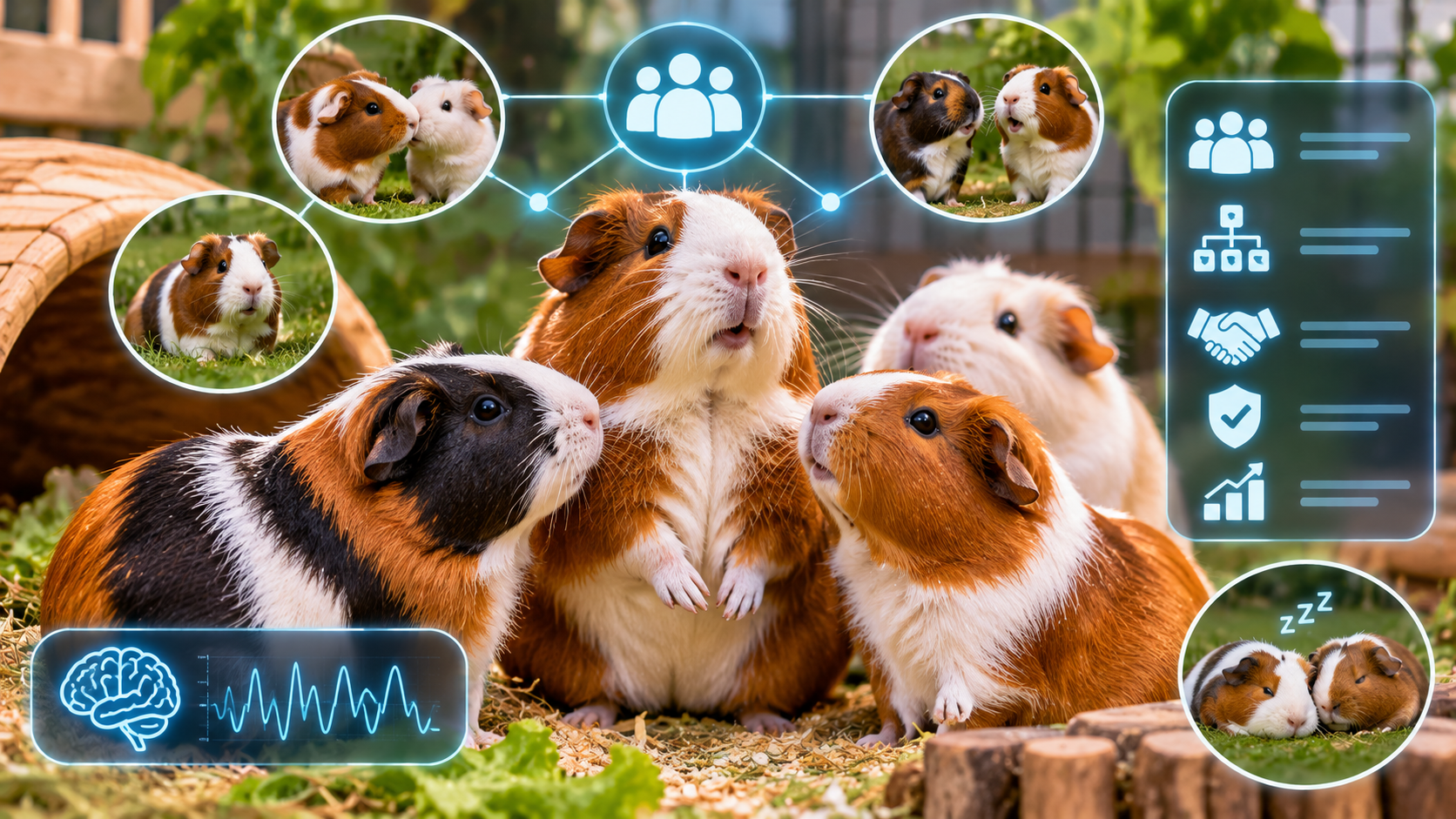
Guinea Pig Social Behavior is a fascinating realm that reveals the intricate ways these small creatures interact and form communities. Understanding their social structures, communication methods, and play behaviors can deepen our appreciation for these cuddly pets and their unique personalities.
From their natural habitats to the impact of isolation on their behavior, guinea pigs exhibit a variety of social interactions that contribute significantly to their overall well-being. Exploring these behaviors not only enhances our knowledge but also helps us create better living environments for them.
Understanding the Natural Habitat of Guinea Pigs
Guinea pigs, native to the Andes mountains of South America, have a natural habitat that significantly influences their social behavior. Understanding this environment is essential for appreciating their instincts, behaviors, and interactions with one another. The unique characteristics of their habitat shape their social structures and interactions, providing insight into how they function as a species.
The natural habitat of guinea pigs is characterized by a variety of environmental factors that play crucial roles in their survival and social dynamics. These small mammals thrive in grasslands, savannas, and rocky areas, typically at altitudes ranging from 2,000 to 4,000 meters above sea level. The terrain is often dotted with vegetation, including grasses and shrubs, which provides food sources as well as shelter from predators.
Characteristics of the Natural Environment
The environment in which guinea pigs live has specific characteristics that support their lifestyle and social behavior. The significance of these characteristics includes:
- Terrain: Guinea pigs prefer open fields and rocky outcrops, which allow them to be on lookout for predators while foraging. The terrain’s variability creates hiding spots, enhancing their sense of security.
- Climate: The cool, temperate climate of the Andes is suitable for guinea pigs, as they are sensitive to extreme temperatures. Mild weather and adequate rainfall support the growth of grasses, their primary food source.
- Vegetation: The availability of grasses and plants is vital. Guinea pigs are herbivores, and their diet consists mainly of fresh greens, which aids in their social interactions as they often forage in groups.
Social Structures in Wild Populations
In the wild, guinea pigs exhibit complex social structures that are influenced by their habitat. Their social behavior is shaped by the need for safety and cooperative foraging. Key elements of these social structures include:
- Groups: Guinea pigs tend to form small herds usually comprising several females, one or more males, and their young. This social grouping ensures protection against predators and increases the chances of successful foraging.
- Hierarchy: Within these groups, a hierarchy often emerges. Dominant males may mate with multiple females, while subordinate males may be excluded from breeding opportunities.
- Communication: Guinea pigs use vocalizations, body language, and scent marking to communicate within their groups. These interactions are crucial for maintaining social bonds and coordinating activities like foraging.
Influence of Habitat on Social Interactions
The habitat’s characteristics not only support the physical needs of guinea pigs but also shape their social interactions. The influence of habitat on their behavior is evident in the following aspects:
“The environment defines the social dynamics, as safety and resource availability dictate group interactions and hierarchies.”
- Foraging Behavior: The abundance of food in their habitat encourages group foraging, where guinea pigs can share information about food sources, enhancing social bonds.
- Predator Awareness: Living in open terrains forces guinea pigs to be vigilant, often leading them to develop cooperative strategies for alerting each other of potential dangers.
- Territoriality: Although guinea pigs are generally social, their habitat can lead to territorial behaviors, especially among males, who may defend specific areas rich in resources.
The Importance of Socialization in Guinea Pigs
Guinea pigs are social animals that thrive in a community environment. Proper socialization is essential for their overall well-being, as it influences their emotional health, behavior, and even physical condition. Interactions with other guinea pigs, as well as with humans, help stimulate their natural instincts and promote a happier lifestyle. When properly socialized, guinea pigs exhibit fewer behavioral issues and are generally more resilient to stress and anxiety.
Communication Methods Among Guinea Pigs
Understanding how guinea pigs communicate is crucial for recognizing their social needs. These small animals use a variety of vocalizations, body language, and even scent marking to interact with one another. Each method serves a distinct purpose in conveying feelings or intentions within their social structure. The primary forms of communication include:
- Vocalizations: Guinea pigs produce a range of sounds that indicate different emotions. For example, a “wheek” often signals excitement or hunger, while a soft purring sound may denote contentment.
- Body Language: Their posture plays a significant role in communication. A relaxed guinea pig may lie flat on its belly, whereas an agitated one might stand on its hind legs or puff up its fur.
- Scent Marking: Through urine and feces, guinea pigs mark their territory or communicate their reproductive status to others, which is vital in a multi-pig environment.
Examples of Healthy Social Behaviors in Guinea Pigs
A rich social life is characterized by various positive behaviors that indicate well-adjusted guinea pigs. Observing these behaviors can reassure owners of their pets’ emotional and physical health. Some notable examples include:
- Grooming Each Other: This behavior, known as allogrooming, not only helps maintain cleanliness but also strengthens social bonds between guinea pigs.
- Playful Interactions: Engaging in playful activities, such as chasing or hopping around, demonstrates their comfort and happiness within their social group.
- Vocalizing Together: When guinea pigs communicate with each other through sounds, it often indicates a strong relationship, especially during feeding times or when they perceive danger.
“Socialization is not just a luxury for guinea pigs; it is a necessity for their overall health and happiness.”
Group Dynamics and Hierarchies in Guinea Pig Communities
Guinea pigs are social animals that thrive in group environments, where their interactions can reveal a lot about their social structures. Understanding how they establish hierarchies and the dynamics of their groups is essential for any guinea pig owner or enthusiast. This insight not only enhances our knowledge of their natural behavior but also helps us create better living conditions for these charming creatures.
In guinea pig communities, social hierarchies are established through a combination of behaviors that communicate dominance and submission. When living in groups, guinea pigs observe each other’s actions to determine their standing within the hierarchy. This can often lead to complex interactions, as each guinea pig navigates its role within the group. The presence of a dominant guinea pig can influence the behavior and well-being of others, affecting everything from feeding patterns to social engagement.
Signs of Dominance and Submission
Identifying signs of dominance and submission is crucial for understanding guinea pig interactions. These behaviors play a significant role in maintaining group stability. Here are some common indicators:
- Posturing: A dominant guinea pig may display upright posture, puffed fur, and a more assertive stance, while submissive guinea pigs may crouch low, avoid eye contact, and appear smaller.
- Chasing: Dominant individuals often chase or herd other guinea pigs to assert their position; this is a common behavior during the establishment of hierarchy.
- Vocalizations: Different sounds can indicate social status. Dominant pigs may emit more assertive sounds, while submissive ones tend to make quieter, pleading noises.
- Food Guarding: A dominant guinea pig might guard the food source, preventing others from accessing it, whereas submissive pigs will wait for the dominant one to leave before approaching.
Understanding these behaviors can help caretakers intervene in situations where aggression may arise, ensuring a peaceful coexistence among guinea pigs.
Impact of Group Dynamics on Individual Behavior
Group dynamics significantly influence the behavior of individual guinea pigs. The structure of the hierarchy can determine access to resources, social interactions, and overall well-being. Here are some key aspects to consider:
- Stress Levels: A stable hierarchy can lower stress levels among guinea pigs, while instability or frequent changes can lead to anxiety and aggression.
- Social Skills: Guinea pigs in well-structured groups often develop better social skills, as they learn to navigate relationships effectively.
- Health Implications: Dominant pigs may exhibit higher levels of activity and engagement, while submissive ones might show signs of withdrawal or depression if continually bullied.
- Breeding Behavior: Hierarchy impacts breeding opportunities, as dominant males tend to have better access to females, influencing genetic diversity within the group.
Recognizing these dynamics can aid in creating environments that foster healthy social interactions, allowing individual guinea pigs to thrive within their communities.
{The Impact of Isolation on Guinea Pig Behavior}
Isolation can significantly affect the behavior of guinea pigs, as these animals are inherently social creatures. When kept alone, they often exhibit various changes in their behavior that can indicate stress and discomfort. Understanding these impacts is essential for their well-being and helps in creating environments that cater to their social needs.
The behavioral changes observed in guinea pigs kept in isolation are profound. Common signs include increased vocalization, lethargy, and a general decline in interaction with their environment. A guinea pig that is normally lively and social may become withdrawn and less responsive to its owner or stimuli around it. These alterations in behavior not only affect their mood but can also lead to health issues over time.
{Stress-Related Behaviors Due to Isolation}
When guinea pigs experience isolation, they may exhibit a range of stress-related behaviors that can be concerning. These behaviors serve as important indicators of their emotional state and can manifest in several ways:
- Vocalizations: Isolated guinea pigs may become more vocal, emitting distress calls such as whines or squeaks, signaling their discomfort and desire for companionship.
- Reduced Activity: A noticeable decrease in movement and exploration can occur, as the guinea pig may feel less secure without the presence of a companion.
- Excessive Grooming: Some guinea pigs engage in repetitive grooming behaviors, which can be a coping mechanism for stress and anxiety.
- Destructive Behavior: Isolation may lead to behaviors such as chewing on cages or furnishings, reflecting their agitation and frustration.
- Changes in Eating Habits: Stress can decrease appetite, with guinea pigs displaying less interest in food or water, which can lead to health complications.
To mitigate the impacts of isolation, integrating a new guinea pig into an existing group can be a beneficial strategy. When introducing a new companion, it is crucial to ensure a smooth transition to minimize stress for all animals involved.
{Strategies for Integration}
Successful integration requires careful planning and gradual introduction. Here are some recommended strategies:
- Neutral Space Introduction: Begin by introducing the new guinea pig in a neutral environment to avoid territorial disputes and make both animals feel secure.
- Visual Acclimatization: Allow the existing guinea pig to see the newcomer without direct contact initially. This can help them get accustomed to each other’s presence over time.
- Gradual Supervised Meetings: After a period of observation, arrange short, supervised meetings. Monitor their interactions closely to ensure they are comfortable with each other.
- Separate Resources: Provide separate food and water sources, as well as hiding spots, to prevent competition and reduce stress during the introduction phase.
- Patience and Observation: Observe their behavior closely. Be patient, as integration can take time, and forcing interactions can exacerbate stress.
Play and Social Interaction Among Guinea Pigs
Guinea pigs are known for their energetic and playful behavior, which serves as a vital aspect of their social interactions. Playtime is an essential part of their daily routine, helping them develop social bonds and communicate with one another in a natural and engaging way. Understanding the forms of play and their contributions to social dynamics can enhance our appreciation for these charming creatures.
Play behavior in guinea pigs can take various forms, including chasing, rumbling, and even playful nipping. This type of behavior is not only entertaining to watch but also critical for their social development. Play helps young guinea pigs learn important skills such as agility, coordination, and social cues. Adults also engage in playful activities, which can include mutual grooming and playful mounting, further strengthening their social bonds.
Forms of Play Behavior
Guinea pigs exhibit a range of playful behaviors that can be categorized as follows:
- Chasing: This is often seen when guinea pigs engage in a spirited game of tag, running after each other in short bursts.
- Rumbling: A low, vibrating sound made during play can signify happiness and excitement, often accompanied by playful movements.
- Popcorning: This behavior involves jumping into the air and is a clear indication of joy and excitement in a guinea pig.
- Mutual Grooming: Grooming each other during playtime reinforces social bonds and signifies trust and affection.
Play contributes significantly to social bonding and communication among guinea pigs. Through playful interactions, they establish their social hierarchy and learn about one another’s personalities. Positive play experiences can lead to increased confidence and reduce aggression, fostering a harmonious living environment.
Structuring Playtime in Captivity
To enrich the lives of guinea pigs in captivity, structured playtime is essential. When creating an engaging play environment, consider the following elements:
- Safe Space: Ensure that the play area is free of hazards, allowing guinea pigs to explore without risk of injury.
- Interactive Toys: Provide a variety of toys such as tunnels, chew toys, and balls to stimulate their curiosity and encourage play.
- Social Interaction: Allow guinea pigs to play together, as their interactions can lead to more robust social bonds and enhanced communication.
- Routine Play Sessions: Schedule regular playtimes to establish a routine that guinea pigs can anticipate, which can reduce stress and create a sense of security.
“Play is essential for guinea pigs to express their natural behaviors and form social connections.”
Incorporating these elements into your guinea pigs’ playtime can lead to a healthier, happier life, filled with joy and social interaction. Observing their playful antics not only provides entertainment but also deepens the bond between pet and owner.
Recognizing Signs of Conflict and Aggression
Understanding the social dynamics of guinea pigs is crucial for fostering a peaceful environment. These small, sociable creatures have unique ways of expressing their feelings, which can include signs of conflict or aggression. Recognizing these behaviors helps in early intervention and ensures the well-being of your pets.
Identifying behaviors that indicate potential conflict among guinea pigs is essential for maintaining harmony in their living space. When guinea pigs feel threatened or stressed, they may exhibit certain aggressive behaviors that signal a need for immediate attention. Observing their body language can provide insights into their emotional state and any underlying issues.
Behaviors Indicating Conflict
It’s important to know the signs that may indicate a brewing conflict. Here are several behaviors to watch for:
- Puffing Up: When a guinea pig puffs up its fur, it is often a sign of agitation or a defensive posture. This behavior indicates that the guinea pig feels threatened and may be ready to confront a rival.
- Chasing: If one guinea pig begins to chase another around their enclosure, it can signify a struggle for dominance or territory. This behavior often precedes actual fighting.
- Teeth Chattering: A loud chattering of teeth is a clear warning sign. It usually indicates that the guinea pig is annoyed or upset and may lead to aggressive behavior if the other party does not back off.
- Low Posture: A guinea pig that crouches low to the ground may be displaying submission or fear. However, if combined with other aggressive behaviors, it might indicate a last-ditch effort to avoid conflict.
- Swatting or Nipping: Physical actions like swatting with front paws or light nipping can escalate into more serious aggression. These actions are often aimed at establishing dominance or warning off a perceived threat.
Strategies to Mediate Disputes
When observing any signs of conflict, it’s important to take prompt action to mediate disputes. Here are effective strategies to defuse tension and restore peace:
- Provide Space: Create additional space in the enclosure to allow the guinea pigs to retreat from one another. This can reduce stress and prevent conflicts from escalating.
- Monitor Introductions: When introducing new guinea pigs, do so gradually and in neutral territory. Careful observation during this process can help identify early signs of conflict.
- Use Fencing: If necessary, use a temporary divider within the enclosure to separate aggressive individuals while still allowing them to see and smell each other.
- Increase Enrichment: Enhancing the environment with additional hiding spots, tunnels, and toys can distract guinea pigs and reduce the likelihood of conflict by providing outlets for their energy.
- Regular Check-ups: Scheduling regular vet check-ups ensures that all guinea pigs are healthy, as illness can contribute to aggressive behavior.
Examples of Aggressive Behavior and Their Meanings
Aggressive behavior can take many forms, and understanding these examples is key to resolving disputes effectively.
Specific behaviors can signify different emotions, ranging from fear to territoriality.
Some notable examples include:
- Mounting: While mounting can sometimes be a part of normal social behavior, it may also indicate dominance and aggression, especially if one guinea pig is persistently mounting another against its will.
- Vocalizations: Certain high-pitched squeals or growls can indicate distress or aggression. A guinea pig that is upset may vocalize loudly to express its discomfort.
- Fluffed Up Tail: Though less common, a tail that appears fluffed can signal an agitated state, indicating that the guinea pig is ready to fight if provoked.
Keeping a close eye on these behaviors and implementing effective mediation strategies can create a harmonious environment for guinea pigs, allowing them to thrive socially.
The Role of Gender in Social Behavior Patterns
The sex of guinea pigs plays a significant role in shaping their social behavior and interactions within groups. Understanding these dynamics can help guinea pig owners create a harmonious environment for their pets. Gender influences everything from hierarchy to play styles, which can be observed when males and females interact with each other and with same-gender pairs.
The interactions between male and female guinea pigs often differ due to inherent behavioral traits associated with their sex. Male guinea pigs, or boars, typically exhibit more dominant and territorial behaviors compared to females. They may engage in vocalizations, chasing, or mounting, which are expressions of dominance and social status. In contrast, female guinea pigs, or sows, tend to display nurturing and social behaviors, often forming closer bonds with other females. Their interactions usually involve a lot of grooming and cuddling, which fosters group cohesion.
Interactions of Male and Female Guinea Pigs in Group Settings
In mixed-gender groups, the dynamics can be quite intriguing. Males often establish a hierarchy among themselves, which impacts their interactions with females. The presence of females may incite competitive behaviors as males vie for attention. The following points highlight key differences in male-female interactions:
- Males may display more aggressive behaviors towards each other when competing for the attention of females.
- Females are more likely to exhibit peaceful and social behaviors, emphasizing grooming and bonding.
- Male-female pairs might engage in mating behaviors, which can influence group harmony, particularly if there are multiple males present.
Unique Behaviors Exhibited by Same-Gender Pairs
When guinea pigs of the same gender are housed together, their interactions can reveal unique behavioral patterns. Same-gender pairs often develop strong bonds characterized by social grooming and playfulness. The following points elaborate on these behaviors:
- Same-gender pairs often engage in extensive grooming sessions, which helps to reinforce social bonds and establish trust.
- Males may exhibit play fighting, which is a common behavior that allows them to bond and establish a hierarchy without serious aggression.
- Female pairs tend to engage in what appears to be a cooperative behavior, sharing resources and space more readily than males.
Overall, understanding the role of gender in guinea pig social behavior patterns provides insights into their interactions and relationships, making it easier for owners to foster a healthy and balanced environment for their pets.
Long-Term Social Bonds in Guinea Pigs
Guinea pigs are highly social animals known for their ability to form deep and lasting friendships with one another. These connections play a significant role in their overall well-being, affecting various aspects of their emotional health. Understanding the development of these long-term social bonds provides insight into how guinea pigs interact and thrive within their social structures.
The formation of long-term friendships among guinea pigs generally begins in their early months of life when they are still developing their social skills. They often engage in playful activities, grooming, and vocalizations that help solidify these relationships. As time progresses, guinea pigs can form strong attachments characterized by mutual grooming, synchronized movements, and close physical proximity. These behaviors are not just expressions of affection; they are essential for establishing a stable social hierarchy within a group.
Behaviors Signifying Strong Social Connections
The behaviors exhibited by guinea pigs that indicate strong social bonds are crucial for their emotional health. Observing these behaviors can provide owners with insight into the happiness and comfort level of their pets. The following points highlight some of the most significant behaviors associated with strong friendships among guinea pigs:
- Mutual Grooming: This behavior involves one guinea pig grooming another, which helps reinforce social bonds and shows trust and affection.
- Vocal Communication: Guinea pigs often communicate with a range of sounds, including purring and wheeking, when they are together, reflecting their comfort with one another.
- Sharing Space: Guinea pigs that are closely bonded will often rest or sleep next to each other, demonstrating a sense of security and companionship.
- Playful Interaction: Engaging in playful behaviors, such as running and chasing each other, signifies a strong social connection and mutual enjoyment of each other’s company.
- Following Each Other: Bonded guinea pigs tend to follow one another around their environment, which indicates a desire to be together and share experiences.
These behaviors highlight the importance of social interactions for guinea pigs. They not only affect their mental health but also contribute to their physical well-being. Guinea pigs that maintain long-term friendships are often more active and exhibit less stress, showcasing the profound impact of social bonds on their lives.
Environmental Enrichment and Its Effect on Social Behavior
Environmental enrichment plays a crucial role in enhancing the social interactions of guinea pigs. It refers to the process of providing an environment that promotes natural behaviors and engages the mental and physical capabilities of these animals. When guinea pigs are given a stimulating environment, they are more likely to exhibit positive social behaviors, leading to healthier and more harmonious relationships within their groups.
Creating an environment that fosters social behavior involves various enrichment strategies. These strategies can transform a basic habitat into a lively space where guinea pigs can explore, interact, and bond with each other. The following types of enrichment have been shown to encourage positive social behavior among guinea pigs:
Types of Environmental Enrichment
Incorporating specific types of enrichment in a guinea pig’s living space is essential for their social development. These enhancements help minimize stress and promote interaction among individuals. Key forms of environmental enrichment include:
- Spatial Complexity: Providing a larger space with different levels, tunnels, and hiding spots allows guinea pigs to explore and encourages social interactions.
- Social Companionship: Keeping guinea pigs in pairs or small groups fosters natural social behaviors, as these animals thrive on companionship.
- Interactive Toys: Toys that require problem-solving or collaboration encourage guinea pigs to work together, enhancing their social bonds.
- Foraging Opportunities: Hiding food within the habitat stimulates natural foraging behavior, prompting guinea pigs to search and share food with peers.
- Varied Flooring: Different textures, such as grass, hay, and soft bedding, can create a dynamic environment that encourages exploration and interaction.
Changes in the environment can significantly impact social dynamics among guinea pigs. Altering their habitat can lead to new social hierarchies or reinforce existing relationships. For example, introducing new elements to their environment, such as new toys or hiding places, can stimulate interest and prompt guinea pigs to engage with one another in novel ways.
“Environmental enrichment not only enhances the individual well-being of guinea pigs but also strengthens their social interactions, leading to a more cohesive group dynamic.”
Additionally, transitions in the living space, such as rearranging furniture or introducing new companions, can trigger shifts in behavior. Guinea pigs may need time to adjust to their new surroundings, which can lead to temporary changes in their social behavior. Observing these interactions can provide insights into their social structures and communication patterns, informing better care and enrichment strategies in the future.
Observational Studies on Guinea Pig Social Behavior
Observational studies provide valuable insights into the social behavior of guinea pigs, allowing researchers to understand their interactions, communication, and hierarchy within groups. By closely monitoring these small mammals in naturalistic settings, valuable data can be collected that reflects their genuine behaviors, which may not be revealed in controlled environments.
The methodologies employed in observational studies can vary significantly based on the research goals and the specific behaviors being examined. Researchers often adopt a longitudinal approach to capture data over extended periods, thereby allowing for a comprehensive understanding of social dynamics. Key methods include direct observation, video recording, and behavioral sampling. Direct observation involves watching the guinea pigs in their environment while taking detailed notes on interactions, such as grooming, vocalizations, and aggression. Video recording allows for a more thorough analysis of behaviors that may occur infrequently, as it can be reviewed multiple times to gather data on specific events. Behavioral sampling involves using specific categories to tally interactions, enabling researchers to quantify behaviors precisely.
Methodologies for Conducting Observational Studies
The choice of methodology significantly impacts the quality of data obtained during observational studies. The following points highlight essential methodological considerations:
- Site Selection: Choosing an appropriate environment, such as a natural habitat or a controlled enclosure, is crucial. The setting must mimic the social conditions guinea pigs would encounter in the wild to elicit natural behaviors.
- Sampling Techniques: Utilizing various observation techniques, including focal animal sampling (studying one individual at a time) and all-occurrences sampling (noting all instances of a behavior), helps provide a holistic picture of social interactions.
- Duration of Study: Longer observation periods help to capture a wider array of social behaviors and relationships, particularly those that evolve over time.
- Data Recording: Employing systematic data recording methods, such as ethograms—detailed lists of behaviors—ensures consistency and accuracy in observations.
By analyzing the data collected through these methodologies, researchers can decipher the complex social structures and dynamics of guinea pig groups, including their communication repertoires and how they negotiate social hierarchies.
Insights Gained from Observing Social Interactions
Observational studies shed light on various dimensions of guinea pig behavior that can significantly contribute to our understanding of their social lives. The following points illustrate the types of insights researchers can gain:
- Social Hierarchies: Observations can reveal dominance and submission patterns within groups, highlighting how conflicts are resolved and alliances form.
- Communication: Vocalizations, body language, and grooming behaviors serve as vital communication tools that can be assessed through careful observation, enhancing understanding of how guinea pigs convey emotions and intentions.
- Stress Responses: Observing reactions to environmental changes, such as the introduction of new individuals, reveals how guinea pigs cope with stress and adjust socially.
- Play Behavior: Play is a significant aspect of social development. Observing interactions during play can provide insights into social bonding and behavioral learning.
Such observations not only enhance our knowledge of guinea pig behavior but also inform better care practices for pet owners and contribute to conservation strategies in the wild.
Ethical Considerations in Studying Guinea Pig Behavior
Ethics play a crucial role in conducting observational studies on guinea pigs, ensuring their welfare and the integrity of the research. The following points Artikel key ethical considerations:
- Minimizing Stress: Researchers must strive to minimize any stress or disruption to the guinea pigs’ natural behaviors during the study, ensuring they feel safe and comfortable in their environment.
- Informed Consent: If the study involves pet owners, obtaining informed consent is necessary, with clear communication about the study’s purpose and methods.
- Non-Intrusive Methods: Utilizing non-invasive observational techniques helps preserve the natural behaviors of guinea pigs, avoiding methods that could cause distress or alter their social dynamics.
- Post-Study Care: Ensuring that all guinea pigs are returned to their normal environments after the study and monitoring their well-being is paramount.
By adhering to ethical standards, researchers can safeguard guinea pig welfare while contributing valuable knowledge to the field of animal behavior.
Ending Remarks
In summary, the exploration of Guinea Pig Social Behavior showcases the richness of their social lives and the vital role these interactions play in their happiness and health. By understanding their social dynamics, we can ensure that our furry companions thrive in a nurturing and engaging environment.
FAQ Guide
Can guinea pigs live alone happily?
No, guinea pigs are social animals and thrive in pairs or groups; living alone can lead to loneliness and stress.
How can I tell if my guinea pigs are happy?
Happy guinea pigs often display behaviors like popcorning, cuddling with each other, and vocalizing contentedly.
What should I do if my guinea pigs fight?
Separate them immediately to prevent injury and reintroduce them gradually in a neutral space.
Do guinea pigs have best friends?
Yes, guinea pigs can form strong bonds and exhibit behaviors that signify long-term friendships.
What types of enrichment can I provide?
Toys, tunnels, and varied diets can enhance their environment and promote positive social behaviors.