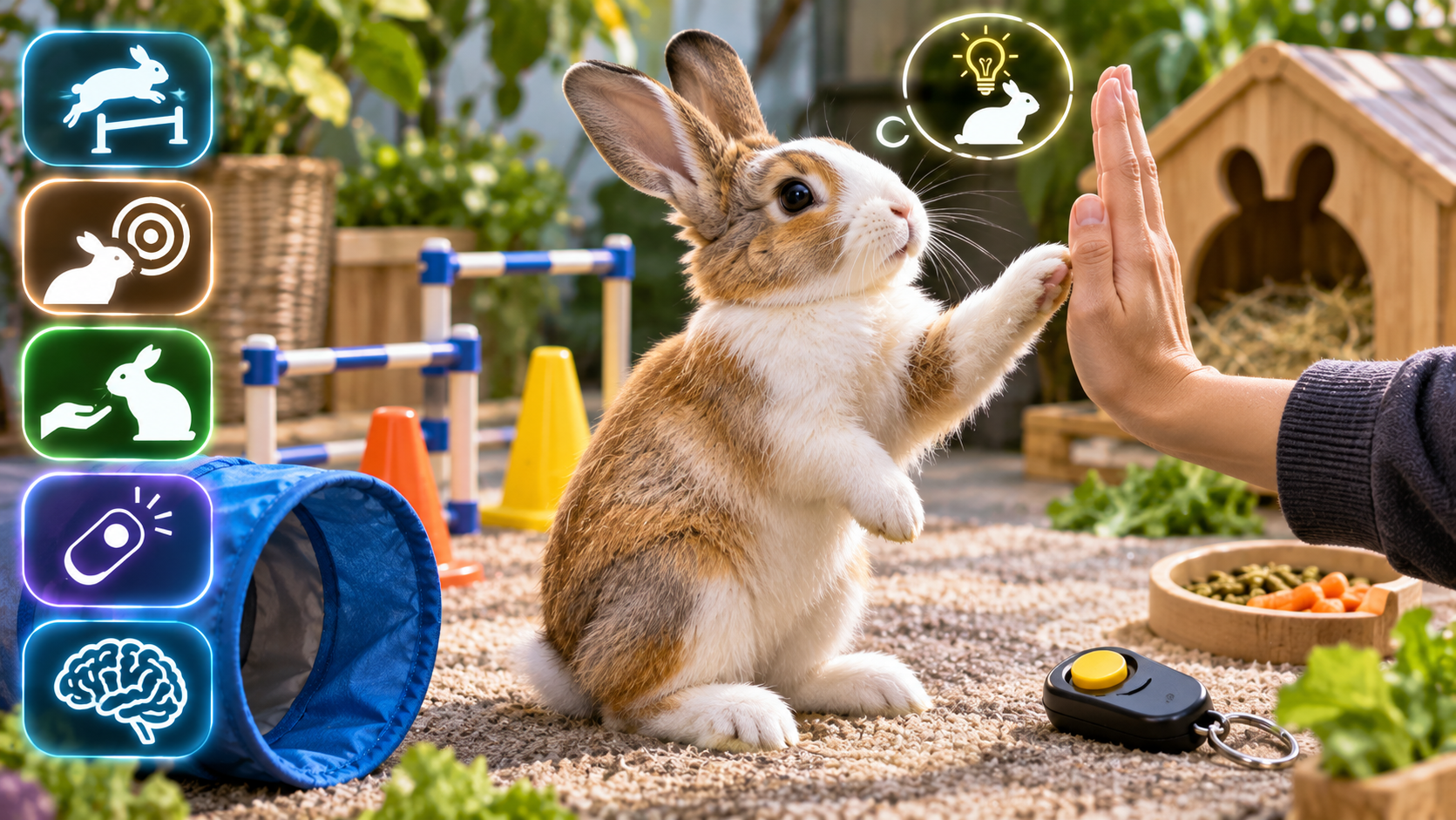
Behavioral Training for Pet Rabbits is a crucial aspect of pet ownership that promotes a harmonious relationship between rabbits and their owners. Understanding the unique needs of these adorable creatures can significantly enhance their quality of life, ensuring they are happy and well-adjusted. This guide explores the essentials of rabbit behavioral training, highlighting its importance, the common challenges faced, and effective techniques to implement.
Through focused training, not only can owners address behavioral issues, but they can also foster a deeper bond with their furry friends. The insights provided here will help you navigate the journey of training with confidence, ensuring that both you and your pet thrive together.
Understanding the Importance of Behavioral Training for Pet Rabbits
Behavioral training is crucial for pet rabbits as it significantly impacts their overall well-being and happiness. Unlike traditional pets, rabbits possess unique behavioral traits that require tailored training approaches. Understanding these specific needs allows owners to foster an environment where their rabbits can thrive emotionally and mentally, leading to a stronger bond between pet and owner.
Rabbits are prey animals, which means they often exhibit cautious behavior and can be easily stressed in unfamiliar situations. Therefore, behavioral training focuses on creating a safe space for them to explore their instincts and develop trust. This type of training differs from general methods used for other pets, such as dogs or cats, which are often more social and direct in their interactions with humans. For rabbits, training should emphasize patience, gentleness, and understanding their body language to interpret their feelings accurately.
Benefits of Behavioral Training for Owners
Behavioral training not only enhances the rabbit’s quality of life but also provides numerous advantages for the owner. Establishing a communication channel with a rabbit fosters a deeper connection and can make the pet more enjoyable to interact with. Here are some key benefits of behavioral training:
- Improved Bonding: Training sessions create opportunities for positive interactions, strengthening the emotional bond between the pet and owner.
- Better Communication: Understanding rabbit behavior facilitates clearer communication, making it easier to interpret their needs and feelings.
- Reduced Stress: A well-behaved rabbit is typically less anxious, leading to a more peaceful home environment for both pet and owner.
- Healthier Lifestyle: Training can encourage physical activity, as owners can engage their rabbits in more structured play and exploration routines.
- Enhanced Problem Solving: Owners who train their rabbits can effectively manage behavioral issues, resulting in less frustration and more joy in pet ownership.
Effective behavioral training not only nurtures the rabbit’s instincts but also enriches the owner’s experience, leading to a harmonious coexistence.
Common Behavioral Issues in Pet Rabbits
Understanding the common behavioral issues that pet rabbits face is essential to ensuring their health and happiness. These issues can often stem from their natural instincts, environmental factors, or lack of socialization. When not addressed, they can lead to stress, anxiety, and even physical health problems in rabbits.
Rabbits can display various behavioral issues that may hinder their well-being. Recognizing these behaviors helps owners implement effective training solutions, leading to a happy and healthy pet. Some prevalent behavioral issues include aggression, litter box problems, and excessive chewing. Below, we will explore each of these behaviors, their underlying causes, and potential solutions.
Aggression in Pet Rabbits
Aggression in rabbits can manifest in several ways, including biting, growling, and lunging. This behavior often arises from fear, territorial instincts, or hormonal influences. Unspayed or unneutered rabbits are particularly prone to aggressive behaviors due to increased hormones.
To address aggression, consider the following strategies:
-
Neuter or spay your rabbit to help reduce hormonal aggression.
- Create a safe space in the home where the rabbit can retreat if it feels threatened.
- Gradually introduce your rabbit to new people or environments to reduce fear and anxiety.
- Use positive reinforcement when your rabbit displays calm behavior.
Litter Box Problems in Pet Rabbits
Litter box training is fundamental for maintaining a clean living environment for both the rabbit and its owner. However, some rabbits may develop litter box issues, such as urinating outside the box or refusing to use it altogether. Common reasons for these behaviors include stress, improper litter box placement, or inadequate litter training.
To improve litter box habits, consider the following:
-
Ensure the litter box is placed in a quiet and accessible area.
- Use rabbit-safe litter to avoid discomfort.
- Clean the litter box regularly to encourage use.
- Provide multiple litter boxes in larger living spaces to accommodate the rabbit’s needs.
Excessive Chewing in Pet Rabbits
Rabbits are natural chewers, and while some chewing is normal, excessive chewing can indicate boredom or stress. This behavior can lead to destructive habits, such as chewing on furniture or electrical cords, which poses risks to their safety.
To redirect excessive chewing behavior, consider:
-
Provide plenty of chew toys made from safe materials, such as untreated wood.
- Increase playtime to keep your rabbit mentally and physically stimulated.
- Rabbit-proof your home to protect valuable items while allowing safe chewing.
- Rotate toys regularly to maintain your rabbit’s interest.
Understanding these common behavioral issues enables rabbit owners to implement training and enrichment strategies effectively. By addressing the underlying causes of these behaviors, owners can foster a happier and healthier environment for their furry friends.
Effective Techniques for Training Pet Rabbits
Training pet rabbits can be a rewarding experience that strengthens the bond between you and your furry friend. By using effective techniques, you can teach your rabbit desirable behaviors, make them feel more comfortable in their environment, and provide mental stimulation. Among the most popular methods are clicker training, positive reinforcement, and targeting, all of which capitalize on the natural instincts of rabbits.
Clicker training is a simple yet effective method that utilizes a clicker device to mark desired behaviors. This technique is based on operant conditioning, where the rabbit learns to associate the sound of the clicker with a reward. Positive reinforcement involves rewarding your rabbit with treats, praise, or affection for performing desired behaviors. Targeting is a way to guide your rabbit to a specific location or action using a target—usually a small stick or a hand.
Clicker Training Steps
Clicker training is an excellent way to teach your rabbit various commands and tricks. Follow these steps to implement clicker training effectively:
1. Gather Supplies: You will need a clicker, small and healthy treats, and a quiet space free from distractions.
2. Introduce the Clicker: Begin by letting your rabbit get accustomed to the sound of the clicker. Click and immediately offer a treat. Repeat this several times until your rabbit associates the click with a reward.
3. Choose a Behavior to Train: Start with a simple behavior, such as sitting or coming to you.
4. Wait for the Behavior: Observe your rabbit and wait for them to perform the desired action naturally.
5. Click and Reward: As soon as your rabbit performs the behavior, click the clicker and offer a treat. This reinforces the action.
6. Practice Regularly: Schedule short, consistent training sessions, ideally 5-10 minutes per session, to maintain your rabbit’s interest and focus.
7. Gradually Increase Difficulty: Once your rabbit reliably performs the initial behavior, you can introduce new commands or increase the complexity of the actions.
Patience and consistency are paramount throughout the training process. Rabbits may take time to understand what is expected of them, so it’s essential to remain calm and avoid frustration. Here are some tips to maintain these qualities:
– Set Realistic Goals: Focus on one behavior at a time to avoid overwhelming your rabbit.
– Be Consistent with Cues: Use the same commands and gestures consistently to help your rabbit learn faster.
– Keep Sessions Short and Fun: Ensure that training remains a positive experience by keeping sessions enjoyable and ending on a successful note.
– Monitor Stress Levels: If your rabbit seems stressed or unwilling to participate, take a break and try again later.
By implementing these techniques and maintaining patience and consistency, you can successfully train your rabbit to learn new behaviors and tricks, enhancing both your experience and your pet’s well-being.
Creating a Positive Training Environment for Rabbits
Creating a positive training environment for your pet rabbit is crucial for successful learning and development. A well-structured space can lead to increased motivation, reduced anxiety, and a stronger bond between the rabbit and the owner. Understanding the elements that contribute to this environment can enhance the training experience and yield better results.
One of the key aspects of a positive training environment is the physical space where training takes place. Rabbits thrive in areas that feel safe and are free from excessive distractions. The setup should be designed to promote focus and comfort. Ideal training spaces often include familiar surroundings where the rabbit feels secure, such as a quiet room or a designated corner of their play area.
Importance of Space, Distractions, and Timing
The environment’s layout significantly impacts a rabbit’s ability to concentrate during training. Elements such as the size of the space, potential distractions, and the timing of sessions play vital roles in creating a conducive atmosphere for learning. Here are some considerations for each aspect:
- Space: A dedicated area that is safe and free from hazards is essential. For instance, a small room with a soft carpet can be an excellent training location, allowing the rabbit to hop freely without the risk of injury. Ensure that the space is large enough for movement but not so large that it becomes overwhelming.
- Distractions: Keep the environment free from loud noises and visual distractions, such as other pets or people. Use calming music, such as soft classical tunes, to set a tranquil atmosphere. It may also be beneficial to train when the household is quieter, such as early mornings or late evenings.
- Timing: Choose the right time of day when your rabbit is naturally more active and alert, which is usually during the early morning or late afternoon. Avoid training right after meals when they may be more focused on eating and less on learning.
Creating a calm environment is equally important for anxious rabbits. Utilizing specific strategies can greatly aid in reducing their stress levels.
“A calm rabbit is a receptive rabbit; their willingness to learn improves significantly in a serene environment.”
Strategies for Calming Anxious Rabbits
To facilitate better training outcomes, several techniques can help soothe anxious rabbits, making them more receptive to learning. Implementing these strategies can create a more relaxed atmosphere:
- Familiar Items: Incorporate the rabbit’s favorite toys or blankets into the training space. The presence of familiar scents can provide comfort.
- Gentle Handling: Approach the rabbit slowly and softly. Avoid sudden movements or loud sounds that might startle them. Speak in a soothing voice to help them feel secure.
- Positive Reinforcement: Use treats and praise to reward calm behavior. This encourages the rabbit to associate the training sessions with positive experiences.
- Short Sessions: Keep training sessions brief to prevent overwhelming the rabbit. Aim for 5 to 10 minutes, gradually increasing the time as the rabbit becomes more comfortable.
Implementing these elements effectively can create a positive training environment that not only aids in the learning process but also nurtures the bond between you and your rabbit. By focusing on space, minimizing distractions, and timing training sessions appropriately, along with employing calming strategies, you’ll set the stage for successful and enjoyable training experiences that benefit both you and your furry companion.
Integrating Training into Daily Routine
Incorporating training into your rabbit’s daily life can create a harmonious balance between learning and enjoying quality time together. Training should feel like a natural part of your rabbit’s day, enriching their lives while building trust and understanding between you and your furry friend. It’s essential to ensure that these sessions are enjoyable and stress-free, promoting a positive experience for both you and your rabbit.
To effectively integrate training into your rabbit’s routine, consider tying sessions into existing daily activities such as feeding, playtime, and bonding moments. This approach helps to create a structured environment where your rabbit can anticipate training as a regular part of their day. Keeping training sessions brief but engaging is crucial to maintain your rabbit’s interest and enthusiasm.
Sample Daily Schedule for Training
Creating a balanced daily schedule can help ensure that training is seamlessly integrated into your rabbit’s life. Below is a sample schedule showing how you might allocate time for feeding, play, bonding, and training:
| Time | Activity |
|---|---|
| 8:00 AM | Feeding (Fresh hay, veggies, and pellets) |
| 8:15 AM | Short Training Session (5-10 minutes: basic commands like “come” or “sit”) |
| 8:30 AM | Playtime (Free roam in a safe space with toys) |
| 1:00 PM | Feeding (Lunch veggies and a small amount of pellets) |
| 1:15 PM | Bonding Time (Cuddling or gentle petting) |
| 6:00 PM | Feeding (Dinner – fresh hay and a mix of veggies) |
| 6:15 PM | Training Session (5-10 minutes: agility or litter box training) |
| 6:30 PM | Evening Playtime (Interactive games or toys) |
In this schedule, training sessions are kept to 5-10 minutes, allowing your rabbit to remain focused and engaged without feeling overwhelmed. Short and positive sessions prevent your rabbit from losing interest or becoming stressed, which can occur during longer training periods. Furthermore, integrating these sessions around feeding times can help create a positive association with training, encouraging your rabbit to participate willingly.
“Training should be a joyful experience that strengthens the bond between you and your rabbit while promoting their well-being.”
Recognizing and Rewarding Progress in Training
Recognizing and rewarding progress in rabbit training is crucial for fostering a positive learning environment. Acknowledging your rabbit’s achievements, no matter how small, can enhance their motivation and willingness to engage in training activities. Implementing timely rewards not only reinforces desired behaviors but also builds a strong bond between you and your pet.
To effectively recognize your rabbit’s progress, it’s essential to observe their responses during training sessions. Monitoring their body language and behavior can provide insights into their understanding and comfort level with the tasks presented. For instance, a rabbit that begins to approach a target or performs a trick consistently is demonstrating significant progress. Timely rewards play a pivotal role here; offering them shortly after the desired action encourages repetition of that behavior.
Methods of Recognition and Types of Rewards
Utilizing a variety of methods to recognize and reward your rabbit’s achievements can significantly impact their training experience. The way you reward them should be tailored to their individual preferences, as each rabbit may respond differently to various incentives.
Some common methods of rewards include:
- Treats: Offering small, healthy treats such as pieces of fruit or specially formulated rabbit treats can be highly motivating. It’s important to pay attention to your rabbit’s favorites, as preferences can vary. For example, some rabbits may prefer dried herbs, while others enjoy fresh vegetables.
- Praise: Verbal encouragement and gentle petting can reinforce positive behavior. Using a cheerful tone and words of affirmation can make your rabbit feel appreciated.
- Playtime: Engaging your rabbit in play after they demonstrate good behavior can serve as an excellent reward. A few minutes with their favorite toy can reinforce the bond between you while promoting happiness and motivation.
By implementing these varied rewards, you can maintain your rabbit’s interest and motivation during training sessions.
The key to successful training lies in recognizing and rewarding progress promptly, ensuring that your rabbit associates their actions with positive outcomes.
Recognizing effort, even if the outcome isn’t perfect, is vital for your rabbit’s motivation. When a rabbit feels acknowledged for their attempt, they are more likely to engage enthusiastically in future learning. This encouragement helps establish a trusting relationship, making your rabbit feel secure and willing to explore new tasks, ultimately leading to more successful training outcomes.
Troubleshooting Common Training Challenges
Training pet rabbits can be a rewarding experience, but it often comes with its own set of challenges. Understanding these challenges and knowing how to address them is crucial for fostering a positive training environment. This section offers insights into common issues trainers face and provides practical solutions to enhance the training process.
Identifying Training Challenges
Working with rabbits can present various challenges that may hinder the training process. Some common challenges include lack of interest, stubbornness, or fearfulness. Recognizing these issues early can help trainers adjust their techniques effectively.
- Lack of Interest: Rabbits may not always find training sessions engaging. This can stem from a lack of motivation or the training method not resonating with the rabbit.
- Stubbornness: Some rabbits may exhibit stubborn behavior, refusing to follow commands or engage in desired actions.
- Fearfulness: Environmental factors or past experiences may make a rabbit apprehensive to participate in training.
Adjusting Techniques for Non-Responsive Rabbits
When a rabbit does not respond as expected, it is essential to reassess training techniques. Adapting methods can lead to better results and a more enjoyable experience for both trainer and rabbit.
- Change the Reward: If a rabbit shows disinterest in the usual treats, experiment with different rewards, such as fresh vegetables or fruit slices.
- Shorten Training Sessions: Keeping sessions brief—around 5-10 minutes—can help maintain the rabbit’s attention and prevent fatigue.
- Use a Calm Environment: Training in a quieter space can help alleviate fear and distractions, making the rabbit feel more secure.
Understanding Rabbit Personalities
Each rabbit has a unique personality, which can significantly affect their learning and responsiveness. Tailoring training methods to align with an individual rabbit’s temperament is essential for success.
- Observing Behavior: Spend time observing your rabbit to determine their personality traits, such as whether they are shy, inquisitive, or playful.
- Customizing Approach: Adapt training techniques based on your observations; for example, more timid rabbits may require a gentler approach, while more adventurous rabbits might thrive with higher-energy activities.
- Building Trust: Establishing a trusting bond through positive interactions can greatly enhance a rabbit’s willingness to engage in training.
“Understanding a rabbit’s unique personality is key to successful training and fostering a positive relationship.”
The Role of Socialization in Behavioral Training
Socialization plays a crucial role in the behavioral training of pet rabbits, as it helps them develop essential skills and confidence in their interactions with the world around them. Exposing rabbits to various environments, people, and animals fosters adaptability and eases the potential for stress-related behaviors. A well-socialized rabbit is more likely to exhibit positive behaviors, making them a more enjoyable companion and easing the training process.
In addition to enhancing a rabbit’s comfort in new situations, socialization can significantly influence their behavior positively. Rabbits are social animals by nature; thus, engaging with their surroundings and other beings can prevent issues such as aggression and fearfulness. This exposure also aids in reducing anxieties associated with unfamiliar stimuli, which is vital for their overall well-being.
Strategies for Safely Socializing Rabbits
Implementing effective strategies for socializing rabbits is essential to ensure their comfort and security throughout the process. Gradual exposure to new experiences can promote confidence and reduce stress. Here are some practical strategies to consider:
1. Start Slowly with Controlled Introductions
Begin by introducing your rabbit to one new person or animal at a time in a controlled environment. This prevents overwhelming them and allows for a more comfortable interaction.
2. Create a Safe Space
Provide a designated area where your rabbit can retreat if they feel anxious. This space should be familiar, allowing them to feel secure whenever needed.
3. Encourage Positive Experiences
Using treats and gentle encouragement can help create positive associations with new stimuli. When introducing a new person or animal, reward calm behavior to reinforce a sense of safety.
4. Vary Environments Gradually
Expose your rabbit to different settings gradually. Start with familiar surroundings and slowly introduce them to new places, ensuring each experience is positive and stress-free.
5. Observe Body Language
Pay attention to your rabbit’s body language during socialization. Signs of stress, such as flattened ears or thumping, indicate the need to retreat to a safe space or to take a break from the interaction.
6. Limit Duration of Introductory Sessions
Keep initial interactions brief to avoid overwhelming your rabbit. Gradually increase the duration as they become more comfortable with the new stimuli.
7. Engage in Regular Interactions
Consistent exposure to different people and environments will help reinforce the skills learned during socialization. Regular interactions will make your rabbit more adaptable and confident over time.
8. Use Positive Reinforcement Techniques
Reinforce good behavior during socialization with affection, gentle praise, or treats. This encourages your rabbit to engage positively with new experiences.
9. Incorporate Playtime with Other Pets
If you have other pets, allow them to interact with your rabbit under supervision. This socialization can build confidence and teach them how to communicate through play.
10. Seek Professional Guidance if Needed
If encountering challenges during the socialization process, consider consulting a veterinarian or a trained animal behaviorist for tailored strategies.
By implementing these strategies, pet owners can effectively socialize their rabbits, leading to improved behavior and a stronger bond between the rabbit and its human companions.
Conclusive Thoughts
In conclusion, the world of Behavioral Training for Pet Rabbits opens up a wealth of possibilities for improving the lives of both rabbits and their owners. With the right techniques, patience, and understanding, you can transform any behavioral challenge into an opportunity for growth and connection. Embrace the journey of training, and watch as your pet flourishes in a nurturing and stimulating environment.
Question Bank
What is the best way to start training my rabbit?
Begin with short, positive sessions using treats for encouragement, focusing on basic commands or litter training.
How long should training sessions last?
Keep sessions short, ideally 5 to 10 minutes, to maintain your rabbit’s interest and prevent frustration.
Can rabbits learn tricks like dogs?
Yes, rabbits can learn tricks through positive reinforcement and consistent practice, similar to traditional pet training.
What if my rabbit seems uninterested in training?
If your rabbit loses interest, try changing the environment, using different rewards, or shortening the sessions.
Is socialization important for rabbits?
Absolutely! Socialization helps rabbits become well-adjusted and can reduce fear or aggression towards new experiences.