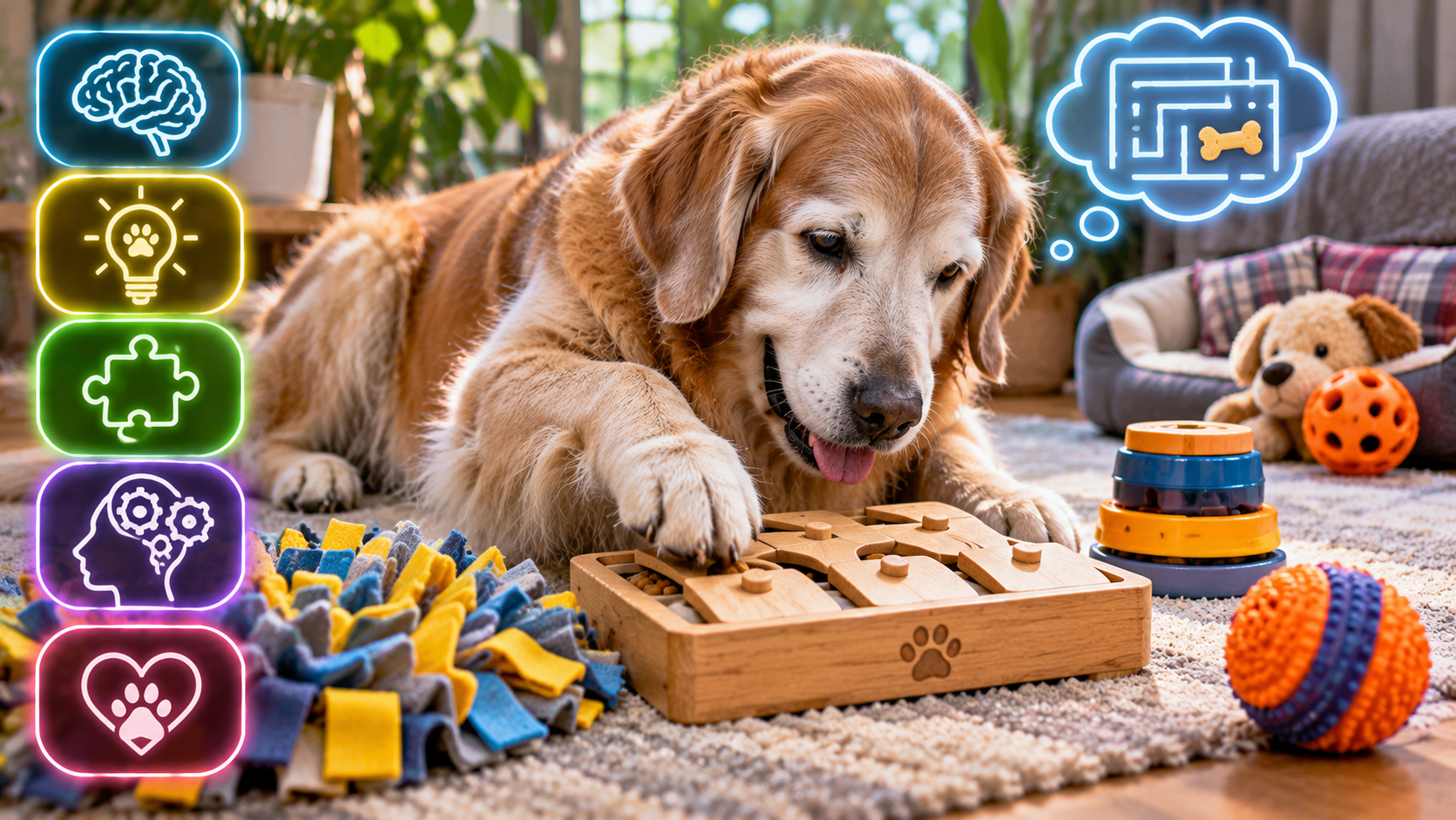
Cognitive Stimulation for Senior Dogs sets the stage for an engaging exploration of how we can support our aging canine companions. Just like humans, as dogs age, their cognitive abilities may decline, making mental engagement essential for their well-being. This guide delves into techniques and activities tailored for senior dogs, providing you with valuable insights to keep their minds sharp and spirits high.
From fun puzzle toys to simple mental exercises that can be seamlessly included in their daily routines, there’s a variety of stimulating activities available. Understanding the significance of mental health in senior dogs not only enhances their quality of life but also strengthens the bond between pet and owner. Join us as we uncover the essentials of cognitive stimulation and how it can positively impact your furry friend’s golden years.
Cognitive Stimulation Techniques for Senior Dogs
Cognitive stimulation is essential for senior dogs to keep their minds sharp and engaged, much like it is for humans as they age. As dogs grow older, they may experience cognitive decline, which can manifest as confusion, anxiety, or changes in behavior. Engaging them in mental exercises can help maintain their cognitive abilities, improve their quality of life, and strengthen the bond between dog and owner.
Various techniques can be employed to stimulate a senior dog’s mind, incorporating simple activities into daily routines. One effective approach is to use puzzle toys that challenge them to think and problem-solve. These toys often require dogs to figure out how to access hidden treats, which not only keeps them entertained but also encourages critical thinking. Another technique is to establish a scent game. Hide treats or favorite toys around the house or yard and let your dog use their nose to find them. This not only stimulates their mental faculties but also taps into their natural hunting instincts.
Social interaction is also crucial for cognitive stimulation. Arrange playdates with other dogs, or simply take your dog on regular walks where they can encounter new sights and smells. This exposure can help keep their minds active and engaged. Additionally, simple commands and tricks can be great for cognitive exercises. Teaching your dog new commands or tricks, or even refreshing their knowledge of old ones, requires concentration and engagement.
The cognitive abilities of senior dogs can vary widely, so it’s important to tailor activities to their individual needs. For dogs that may have more pronounced cognitive decline, simpler activities like gentle tug-of-war or a game of fetch with a soft toy can be beneficial. Conversely, dogs that still show sharp mental acuity may thrive on more complex puzzles or advanced tricks, which require more problem-solving and focus.
“Engaging in regular mental stimulation can significantly reduce the symptoms of cognitive decline in senior dogs.”
When implementing these techniques, observe your dog’s reactions and adjust the difficulty level as needed. The key is to keep the activities enjoyable and not overwhelming. By incorporating cognitive stimulation into their daily routine, you can help ensure that your senior dog remains active, healthy, and happy in their golden years.
The Importance of Mental Health in Aging Dogs
As dogs age, their mental health becomes just as crucial as their physical well-being. Senior dogs, much like humans, can experience cognitive decline, which can affect their overall quality of life. Understanding the importance of mental health in these beloved companions allows pet owners to take proactive steps to ensure their furry friends remain happy and engaged. Just like us, dogs need mental stimulation, social interaction, and a supportive environment to thrive, especially in their golden years. This not only helps maintain their cognitive function but also enhances their emotional stability and connection to their owners.
Signs of Cognitive Decline in Senior Dogs
Recognizing the signs of cognitive decline in aging dogs is essential for timely intervention and support. Some common indicators include changes in behavior, routines, and interaction with family members. These signs may signal that a dog is experiencing cognitive dysfunction syndrome (CDS), similar to dementia in humans.
- Disorientation: Dogs may appear lost in familiar environments, forgetting the location of their food or their favorite resting spots.
- Changes in Sleep Patterns: Increased restlessness at night or excessive sleeping during the day can indicate cognitive issues.
- Altered Interactions: A senior dog may become less responsive to commands, show a decreased interest in playing, or withdraw from social interactions.
- House Training Issues: Dogs that were once reliably house-trained may start having accidents indoors, which could be due to confusion.
- Increased Anxiety: Signs such as pacing, whining, or exhibiting unusual behaviors can result from stress and confusion linked to cognitive decline.
Correlation Between Mental Stimulation and Overall Well-Being
The relationship between mental stimulation and the overall well-being of senior dogs is profound. Engaging a dog’s mind through various activities can significantly reduce the effects of cognitive decline and enhance their quality of life. A mentally stimulated dog is often more alert, responsive, and happier than one that lacks interactive experiences. Regular mental engagement aids in maintaining cognitive function, leading to improved memory, learning capabilities, and emotional health.
Providing various forms of mental stimulation is essential. Here are some effective activities and their benefits:
- Interactive Toys: Toys that challenge dogs to solve puzzles or find hidden treats can keep their minds sharp.
- Training Sessions: Regular training not only reinforces good behavior but also stimulates cognitive functions and fosters bonding.
- Socialization Activities: Engaging with other dogs or people can provide emotional enrichment and reduce feelings of isolation.
- Aromatherapy and Scent Games: Dogs have an incredible sense of smell. Utilizing their sniffing ability through scent games can provide mental exercise.
- Routine Changes: Introducing new routes during walks or trying out different parks can bring new experiences, which keeps their environment stimulating.
Regular mental engagement is key to maintaining a senior dog’s cognitive health, ensuring they remain vibrant and connected.
Fun Activities That Promote Cognitive Stimulation
Engaging senior dogs in fun activities is crucial for their cognitive health. Such activities not only improve mental function but also enhance their overall well-being. Here, we explore activities specifically designed to stimulate their minds while taking into consideration their individual needs and capabilities.
Engaging Activities for Cognitive Stimulation
Incorporating engaging activities into your senior dog’s routine can significantly help maintain their cognitive functions. These activities can be adjusted to accommodate each dog’s physical abilities and preferences, ensuring that they find joy in the process. Here are five fun and beneficial activities:
- Interactive Puzzle Toys: These toys require dogs to manipulate pieces to access treats or toys. For dogs with limited mobility, consider softer, lighter toys that are easier to manage. Owners have found that dogs like Max, a 12-year-old Beagle, thrived with a treat-dispensing puzzle, showing increased enthusiasm during play.
- Scent Games: Hide treats around your home and encourage your dog to find them using their sense of smell. Adjust the difficulty by hiding treats in more accessible places for dogs with mobility issues. A testimonial from Sarah, who has a 10-year-old Labrador named Bella, highlights how Bella’s nose work brought back her excitement and curiosity.
- Obstacle Courses: Set up a simple course using household items that encourage your dog to navigate through or around them. Tailor the course to suit your dog’s physical capabilities—lower obstacles for those with arthritis, for example. Owners like Tom, whose dog Charlie is 14 years old, have seen great improvements in Charlie’s confidence and mobility through gentle obstacle challenges.
- Hide and Seek: This classic game can be played with family members hiding and calling the dog to find them, or hiding toys and encouraging the dog to sniff them out. Keep it simple for seniors. An owner named Lucy shared how her 11-year-old Poodle, Daisy, lit up with joy when she found Lucy hiding behind a curtain during play.
- Training New Tricks: Teaching new tricks can be a fun way to stimulate your dog’s mind. Use positive reinforcement and keep sessions short to maintain engagement. For dogs like Rusty, a 13-year-old Terrier, learning simple commands like “spin” revitalized his energy and made training a bonding experience for both him and his owner, Mark.
The Role of Diet in Cognitive Function for Senior Dogs
As our beloved canine companions age, maintaining their cognitive health becomes increasingly important. Just like in humans, a senior dog’s diet plays a pivotal role in supporting mental acuity and overall brain function. The right nutrients can help slow down cognitive decline, enhance memory, and even improve mood. Therefore, understanding how to optimize a senior dog’s diet for cognitive function is essential for their quality of life.
A well-balanced diet that is rich in specific nutrients can significantly influence cognitive abilities in senior dogs. Studies have shown that certain nutrients can support brain health, potentially staving off cognitive dysfunction associated with aging. Antioxidants, omega-3 fatty acids, and B vitamins are among the most beneficial for cognitive health. Antioxidants help combat oxidative stress, which can damage brain cells, while omega-3 fatty acids are vital for maintaining healthy brain cell membranes. B vitamins, particularly B6, B12, and folic acid, are essential for neurotransmitter function and energy metabolism in the brain.
Beneficial Nutrients for Cognitive Health
Incorporating these nutrients into your senior dog’s diet can be straightforward and rewarding. Here are some key nutrients to focus on, along with tips on how to include them:
- Omega-3 Fatty Acids: Found in fish oil and flaxseed, these can support brain health. Consider adding salmon or sardines to your dog’s meals or using a high-quality fish oil supplement.
- Antioxidants: Blueberries and leafy greens like spinach are rich in antioxidants. You can mix dried blueberries into their treats or serve steamed spinach as a side dish.
- B Vitamins: Whole grains, eggs, and liver are excellent sources. Opt for whole grain dog foods or mix in cooked eggs or small amounts of liver for added flavor and nutrients.
- Medium-Chain Triglycerides (MCTs): Found in coconut oil, MCTs can provide an immediate energy source for the brain. A teaspoon of coconut oil can be added to their food as a tasty topping.
In addition to these nutrient additions, it’s vital to ensure that your senior dog is receiving a well-balanced diet tailored to their specific health needs. Regular consultations with a veterinarian can help determine the best diet plan for your furry friend, ensuring they receive the necessary nutrients without any adverse effects.
“A nutritious diet can significantly impact cognitive health in senior dogs, contributing to their overall well-being and quality of life.”
Using Puzzle Toys and Games for Cognitive Engagement
Introducing puzzle toys into your senior dog’s routine can significantly enhance their mental stimulation. These interactive toys challenge their problem-solving skills and can help maintain cognitive function, especially for older dogs who may be experiencing age-related decline. By engaging their minds, puzzle toys not only provide entertainment but also promote overall well-being, keeping your furry friend active and alert.
Puzzle toys come in various types, each designed to engage your dog’s mind in unique ways. The benefits of these toys extend beyond mere amusement; they can improve focus, reduce anxiety, and offer a constructive outlet for energy. Here are some popular types of puzzle toys available on the market:
Types of Puzzle Toys and Their Benefits
When selecting a puzzle toy, consider your dog’s preferences and skill level. Below are examples and benefits of different types of puzzle toys:
- Treat-Dispensing Toys: Toys like the Kong Classic allow you to stuff treats inside. As your dog works to retrieve the treats, they engage in problem-solving. This type promotes chewing, which is beneficial for dental health.
- Interactive Feeders: Slow feeders, such as the Outward Hound Fun Feeder, encourage dogs to work for their food. This not only slows down their eating but also stimulates their brain as they navigate through the maze to access their meal.
- Puzzle Boards: Toys like the Nina Ottosson by Outward Hound offer various compartments and sliding pieces, requiring dogs to figure out how to uncover hidden treats. These toys challenge dogs at different difficulty levels, making them perfect for seniors.
- Snuffle Mats: These mats mimic grass and allow dogs to forage for treats hidden within the fabric. This engages their natural instincts and keeps them mentally stimulated while satisfying their sniffing needs.
Before introducing a puzzle toy to a senior dog, especially if they are unfamiliar with them, it’s important to take a few preparatory steps. Start by demonstrating the toy yourself. Show them how to interact with it; for instance, stuffing it with treats and rolling it around to get them excited. Initially, use high-value treats to attract their interest.
Additionally, keep the sessions short; a few minutes at a time is sufficient to prevent frustration. Gradually increase the complexity of the puzzle as your dog becomes more comfortable. Offering praise and encouragement during their attempts reinforces positive behavior, making the experience enjoyable and rewarding.
Incorporating puzzle toys into your senior dog’s playtime can enhance their quality of life, providing both mental challenges and fun. It’s a simple yet effective way to keep their minds sharp as they age.
Creating a Daily Routine for Cognitive Stimulation
Establishing a structured daily routine for cognitive stimulation is vital in maintaining the mental agility of senior dogs. Just like humans, dogs thrive on consistency, and a well-planned schedule can help keep their minds sharp while also enhancing the bond between pet and owner. A routine involving various activities not only provides mental challenges but also ensures that your furry friend receives the attention and engagement they need throughout the day.
Creating a daily routine that incorporates cognitive stimulation activities is essential for the overall well-being of senior dogs. Consistency plays a pivotal role in enhancing cognitive functions, as it allows dogs to anticipate activities and understand what is expected of them. This predictability can reduce anxiety levels, leading to a more relaxed and happy pet. A structured routine also facilitates stronger emotional connections as owners become more engaged in their pet’s daily life, reinforcing trust and companionship.
Sample Daily Routine for Cognitive Stimulation
Here’s a sample daily routine that focuses on various cognitive stimulation activities tailored for senior dogs. This routine balances mental challenges with physical exercise and social interaction, ensuring a holistic approach to your dog’s day.
| Time | Activity | Description |
|---|---|---|
| 8:00 AM | Morning Walk | A leisurely walk to stimulate senses and promote cardiovascular health. |
| 9:00 AM | Puzzle Toys | Engage your dog with interactive toys that require problem-solving skills to obtain treats. |
| 10:30 AM | Training Session | Short sessions focusing on basic commands or tricks to keep their mind active. |
| 12:00 PM | Rest/Quiet Time | Encourages relaxation and recovery, allowing your dog to recharge. |
| 2:00 PM | Hide and Seek | A fun game that stimulates their natural hunting instincts and sharpens their focus. |
| 4:00 PM | Social Interaction | Playdates with other dogs or visits from friends to encourage social skills. |
| 6:00 PM | Evening Walk | A second walk to wind down, allowing your dog to explore and unwind before bedtime. |
| 8:00 PM | Wind Down | Quiet bonding time, cuddles, or gentle petting to reinforce the bond between you. |
The benefits of a structured routine for cognitive stimulation in senior dogs are numerous. First, it promotes cognitive health by challenging the dog’s brain with various activities, thereby slowing cognitive decline. Moreover, a predictable routine helps dogs develop a sense of security, knowing what to expect throughout their day.
In contrast, a flexible approach may introduce spontaneity, which can be enjoyable; however, it might lack the consistency that senior dogs require for optimal mental stimulation. While some dogs may thrive under a more adaptable schedule, those experiencing cognitive decline typically benefit from the reassurance and predictability of a structured routine that supports their cognitive well-being and strengthens relationships with their owners.
“Consistency in activities leads to better cognitive function and reinforces the bond between dog and owner.”
Observing and Measuring Cognitive Improvement in Senior Dogs
As our canine companions age, they may experience changes in cognitive function, much like humans do. For pet owners, recognizing these shifts and measuring improvement can be incredibly rewarding. Cognitive stimulation activities can foster mental agility and enhance quality of life. Hence, understanding the methods for observing cognitive changes and tracking progress is key to ensuring our senior dogs remain happy and engaged.
To effectively observe and measure cognitive improvement in senior dogs, owners can employ a combination of behavioral observations, structured assessments, and regular monitoring of daily activities. One of the primary indicators of cognitive health is changes in behavior; thus, keeping a journal can help owners track these subtle shifts over time. Pet owners should note any changes in their dog’s responses to commands, problem-solving abilities, and engagement in play.
Methods for Tracking Cognitive Progress
Keeping track of cognitive progress involves a variety of methods that provide insights into a dog’s mental state. Regular assessment allows for adjustments to be made to cognitive training activities. Here are several effective methods:
- Behavioral Journals: Documenting daily behaviors can highlight consistent patterns. Owners can note any improvements in their dog’s response time to commands, willingness to engage in new activities, or changes in social interactions with humans and other pets.
- Standardized Tests: Engaging in simple cognitive tests, such as the “Cup Game” where treats are hidden under cups, can provide measurable outcomes. By tracking how quickly a dog identifies the correct cup over time, owners can gauge cognitive improvement.
- Routine Observations: Observing a dog’s behavior in familiar environments helps identify cognitive decline or improvement. For instance, noticing that a dog is navigating their home more confidently can indicate cognitive enhancement.
- Interactive Games: Incorporating puzzle toys and problem-solving games can be an enjoyable way to stimulate mental activity. Keeping track of how quickly and effectively a dog engages with these toys provides insights into their cognitive abilities.
Particularly poignant are the anecdotes from pet owners who have navigated similar journeys. One owner shared how their 12-year-old Labrador, Max, seemed disoriented and less responsive to commands. By keeping a journal and implementing daily cognitive games, they began to see improvement. Within weeks, Max was not only responding quicker to commands but also showing enthusiasm for his favorite games, leading his owner to feel more connected than ever.
Another owner reported that their poodle, Bella, had always been a shy dog. After a series of interactive games and social activities, Bella began to approach new environments with curiosity rather than apprehension. The owner’s notes indicated a marked increase in her engagement levels, which built confidence and improved her overall demeanor.
Through these methods and shared experiences, pet owners can effectively measure cognitive improvement in their senior dogs, ensuring they lead enriched and fulfilling lives in their golden years.
The Impact of Social Interaction on Senior Dogs’ Cognitive Health
Social interaction is a critical aspect of cognitive stimulation for senior dogs. As dogs age, they may experience a decline in cognitive function, which can affect their overall well-being. Engaging with other dogs and humans can play a vital role in maintaining their mental sharpness and emotional health. This interaction helps to provide the stimulation that is essential for their cognitive development, reflecting the importance of social engagement in their daily lives.
Research has shown that social interaction can significantly contribute to a dog’s mental engagement. When senior dogs interact with other dogs, they often engage in play, which can include chasing, sniffing, or simply exploring together. These activities help stimulate their minds and encourage healthy behaviors. Similarly, interaction with humans, whether through walks, training sessions, or simply spending time together, creates an enriching environment that challenges their minds and promotes cognitive function. Dogs are inherently social creatures; they thrive on companionship. Positive interactions can reduce feelings of isolation and anxiety in older dogs, which, in turn, can enhance their cognitive health.
Opportunities for Safe Socializing for Senior Dogs
Providing safe opportunities for senior dogs to socialize is imperative to fostering their cognitive health. Here are several effective strategies to encourage social interactions:
- Dog Parks: While some dog parks may be too overwhelming for senior dogs, finding a quieter park or designated area can allow them to interact with other dogs in a controlled environment.
- Leashed Walks with Friends: Arranging regular walks with other dog owners can create a routine for social engagement. Older dogs can enjoy the companionship of their peers while remaining within a manageable pace.
- Canine Playdates: Organizing playdates with familiar, gentle dogs can provide a safe space for interaction without the unpredictability of larger groups.
- Training Classes: Enrolling in obedience or agility classes that cater to senior dogs offers social stimulation while working on cognitive skills. These classes can introduce them to new commands and activities in a supportive environment.
- Pet-Friendly Events: Attending pet fairs or community events that allow dogs can provide excitement and socialization opportunities for senior dogs, exposing them to new sights, sounds, and smells.
Through these avenues, senior dogs can maintain crucial social connections, which are integral to their cognitive health. As they interact with their environment and companions, they engage their minds, helping to stave off cognitive decline and improve their quality of life.
Closing Notes
In conclusion, prioritizing cognitive stimulation for senior dogs is not just beneficial—it’s essential for their overall health. By implementing various activities, observing their progress, and adapting approaches based on individual needs, pet owners can ensure their dogs lead fulfilling lives. The journey of keeping their minds active can be a rewarding experience, filled with joy and companionship. Let’s embrace these strategies to nurture our beloved senior dogs and enrich their lives in their twilight years.
Answers to Common Questions
What are some signs of cognitive decline in senior dogs?
Common signs include disorientation, changes in sleep patterns, loss of house training, decreased interest in play, and increased anxiety.
How can I tell if my dog’s cognitive function is improving?
You may notice increased engagement in activities, improved memory of commands, and a more active demeanor during playtime.
Are there specific diets that enhance cognitive health in senior dogs?
Yes, diets rich in antioxidants, omega-3 fatty acids, and essential vitamins can support cognitive function.
Can social interaction really improve my senior dog’s cognitive health?
Absolutely! Regular socialization with other dogs and humans helps stimulate mental engagement and reduces feelings of isolation.
How often should I engage my senior dog in cognitive activities?
Aim for daily mental exercises, but tailor the frequency and intensity to your dog’s individual needs and energy levels.