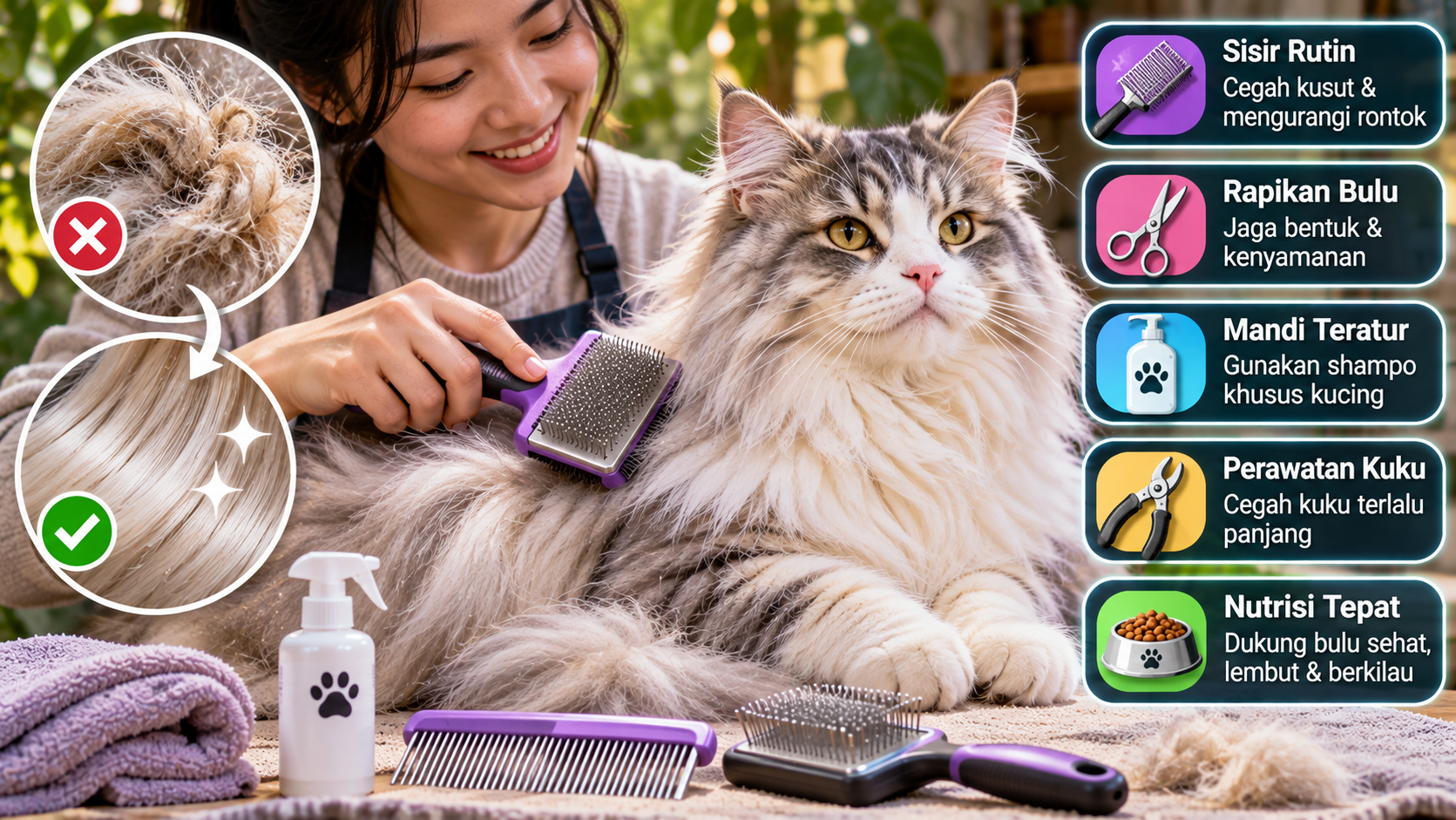
Long Haired Cat Grooming Requirements can seem daunting at first, especially for new cat owners. These beautiful felines boast stunning coats that, while visually appealing, require special attention and care to maintain their luster and health. Understanding the unique grooming needs of long-haired breeds is crucial not only for their appearance but also for their comfort and happiness.
In this guide, we’ll explore the grooming challenges faced by long-haired cats, essential tools for their upkeep, and effective techniques to make the grooming process smooth and enjoyable for both you and your cat. From selecting the right products to recognizing signs of distress during grooming, we aim to empower you with knowledge for a successful grooming routine.
Understanding the Unique Grooming Needs of Long Haired Cats
Long-haired cats require a specialized grooming regimen to maintain the health and appearance of their luxurious coats. Unlike their short-haired counterparts, these felines face unique challenges that can significantly impact their well-being. From matting to tangling, the grooming needs of long-haired cats are complex and demand regular attention from their owners to keep their fur in top condition.
The length of a cat’s coat plays a crucial role in determining the frequency and techniques needed for effective grooming. Long-haired cats generally require more frequent grooming sessions than short-haired breeds, often needing daily attention. This regular grooming is essential to prevent mats and tangles, which can lead to skin irritation or infections if left unchecked. Moreover, the type of grooming tools used varies; a slicker brush can effectively remove loose hair and prevent mats, while a wide-toothed comb is ideal for detangling.
Common Long-Haired Breeds and Their Grooming Requirements
Some long-haired breeds have distinct coat characteristics that necessitate tailored grooming approaches. Understanding these specific needs helps owners provide optimal care for their feline friends.
Among the most recognized long-haired breeds are:
- Persian: Known for their thick, luxurious coats, Persians require daily grooming to prevent mats and tangles. Regular brushing also helps reduce shedding and keeps their skin healthy.
- Maine Coon: This breed boasts a flowing coat that is water-resistant. They benefit from brushing at least two to three times a week to keep their fur manageable and to prevent matting.
- Ragdoll: With semi-long fur, Ragdolls require consistent grooming to maintain coat health. Weekly brushing is usually sufficient to prevent excessive shedding and tangles.
- Norwegian Forest Cat: These cats have a dense, double-layer coat designed for harsh climates. Weekly grooming is essential to prevent matting, especially during shedding seasons.
Each of these breeds exhibits unique coat properties that influence their grooming frequency and technique. For instance, the Persian’s flat face and dense fur create areas where mats can form more easily, making daily grooming vital. In contrast, Maine Coons might require specialized combs due to their unique texture and length.
“Regular grooming not only enhances the appearance of long-haired cats but also contributes to their overall health and happiness.”
In summary, the grooming needs of long-haired cats are distinct and demand a dedicated approach to ensure their coats remain healthy and beautiful. By understanding the specific requirements of various long-haired breeds, owners can provide the best care for their furry companions.
Essential Grooming Tools for Long Haired Cats
Keeping long-haired cats well-groomed is not just about aesthetics; it’s crucial for their overall health and comfort. Proper grooming helps prevent matting, reduces shedding, and ensures that your feline friend stays happy and healthy. A set of reliable grooming tools is essential to maintain their luxurious coats, and knowing which tools to use is key to making the grooming process enjoyable for both you and your cat.
Must-Have Grooming Tools
To effectively groom long-haired cats, having the right tools is vital. Here are five essential grooming tools every long-haired cat owner should consider:
- Wide-Toothed Comb: Ideal for detangling and removing loose hair, a wide-toothed comb can effortlessly glide through your cat’s coat without causing discomfort. It’s best used on dry fur to reduce the risk of pulling.
- Slicker Brush: This tool is especially useful for removing mats and tangles. The fine, short wires of a slicker brush penetrate the undercoat, capturing loose hair and debris effectively.
- Deshedding Tool: These tools are designed to reach deep into the undercoat, removing loose fur and minimizing shedding. Regular use can significantly reduce hair around the house and in your clothing.
- Cat Grooming Glove: A grooming glove can provide a soothing experience for your cat while removing loose hair. It mimics the sensation of petting and can be a great way to bond with your pet during grooming.
- Electric Pet Clipper: For cats that require a trim or have severe matting, an electric clipper can be a lifesaver. These clippers are specifically designed for animal use, ensuring safety and effectiveness.
Selecting the right grooming tools depends on your cat’s coat type and individual grooming needs. For instance, if your cat has a particularly dense or curly coat, opting for a more robust slicker brush will be beneficial to tackle stubborn mats. Conversely, a cat with a fine, silky coat may only need a wide-toothed comb and a grooming glove to maintain its luxurious sheen.
Using high-quality grooming tools is crucial for optimal results. Investing in well-made grooming equipment not only enhances the grooming experience but also minimizes the risk of injury to your cat. Cheap tools may break easily or cause discomfort, leading to a stressful grooming session. Quality tools are designed to last, offer better results, and are safer for both you and your pet. A well-groomed long-haired cat is a happy cat, and the right grooming tools make all the difference in achieving that goal.
Step-by-Step Grooming Procedures for Long Haired Cats
Long-haired cats require a dedicated grooming routine to maintain their beautiful coats and overall health. Regular grooming helps prevent mats and tangles, which can lead to discomfort for your feline friend. This guide Artikels a comprehensive grooming routine that includes brushing, bathing, and drying, ensuring that both you and your cat have a positive experience during grooming sessions.
A consistent grooming routine is essential for long-haired cats. The frequency of grooming sessions can vary based on the cat’s coat type, activity level, and living environment. Typically, long-haired cats should be groomed at least two to three times a week. This regularity helps to minimize mats and tangles, making the grooming process smoother and more enjoyable for both the cat and the owner. For cats with particularly thick or prone-to-matting coats, daily grooming may be necessary.
Brushing Techniques for Long Haired Cats
Brushing is a crucial step in the grooming process. It not only removes loose hair and dirt but also distributes natural oils throughout the coat, promoting a healthy shine. Here’s a step-by-step guide on how to effectively brush your long-haired cat:
1. Choose the Right Tools: Use a wide-toothed comb or a slicker brush specifically designed for long-haired cats. These tools are effective at detangling without damaging the coat.
2. Create a Calm Environment: Choose a quiet space for grooming to help your cat feel more relaxed. You may want to have treats on hand to reward your cat during and after grooming.
3. Start with the Underside: Begin brushing from the underside of the cat, where mats often form. Gently work through any tangles, starting from the ends of the hair and gradually moving up to the roots.
4. Work in Sections: Divide the coat into sections and brush each section thoroughly. This method ensures that all areas receive equal attention and reduces the chance of missing mats.
5. Be Gentle: Always brush gently to avoid pulling on the skin. If you encounter a stubborn mat, use your fingers or a comb to separate the hairs instead of tugging.
6. Finish with a Final Brush: After detangling, give the coat a final brush to smooth it out and check for any missed spots.
Bathing Guidelines for Long Haired Cats
Bathing is another important aspect of grooming, although it is less frequently required. Here are guidelines to follow when bathing your long-haired cat:
– Frequency of Baths: Long-haired cats generally do not need frequent baths unless they get into something dirty or have skin issues. A bath every couple of months is usually sufficient.
– Gather Supplies: Prepare a shallow tub or sink, cat shampoo (preferably made for sensitive skin), towels, and a detachable showerhead or cup for rinsing.
– Introduce the Water Gradually: When bathing, start by wetting the cat’s fur slowly, avoiding the head. Use lukewarm water to ensure comfort.
– Shampoo Thoroughly: Apply a small amount of cat shampoo and lather gently, taking care to clean the underbelly and rear thoroughly.
– Rinse Well: Rinse the cat thoroughly to remove all shampoo. Residue left on the skin can cause irritation.
– Drying the Coat: After bathing, it’s essential to dry your cat properly. Wrap them in a towel to absorb excess water, and consider using a low-heat hairdryer on a gentle setting if your cat tolerates it. Always keep the dryer at a safe distance to prevent burns.
Handling a Long Haired Cat During Grooming
Minimizing stress during grooming is vital for a positive experience. Here are strategies to handle your long-haired cat effectively while grooming:
– Familiarize with Grooming Tools: Allow your cat to sniff and explore grooming tools before the grooming session. This can help reduce anxiety.
– Use Positive Reinforcement: Offer treats or praise during and after grooming to create a positive association with the process.
– Be Patient and Observant: Watch for signs of stress, such as twitching tails or flattened ears. If your cat becomes agitated, take a break and try again later.
– Groom in Short Sessions: If your cat is particularly sensitive, break the grooming process into shorter sessions. This approach helps to avoid overwhelming them.
– Utilize a Helper: If possible, enlist a friend or family member to hold and comfort the cat while you groom. This collaboration can ease the cat’s anxiety.
Implementing these grooming procedures with care and patience will not only help maintain your long-haired cat’s coat but will also strengthen the bond between you and your furry companion.
Common Grooming Problems and Solutions for Long Haired Cats
Grooming long-haired cats can present a unique set of challenges that require special attention and care. Understanding the common grooming problems faced by these feline friends is essential for ensuring their comfort and health. This section delves into typical issues like matting, skin irritation, and recognizing signs of discomfort during grooming sessions.
Common Grooming Issues and Their Causes
Long-haired cats are prone to several grooming challenges that can stem from their luxurious coats. Here are three prevalent issues and their underlying causes:
- Matting: This occurs when loose hairs tangle and bind together, often exacerbated by shedding, dirt, and moisture. Certain breeds, such as Persians and Maine Coons, are particularly susceptible due to their dense fur.
- Skin Irritation: Skin issues can arise from improper grooming techniques or using unsuitable grooming products. Additionally, allergies or parasites like fleas can lead to inflammation and irritation.
- Hairballs: Long-haired cats are more likely to ingest their fur while grooming, leading to the formation of hairballs. This can be intensified by infrequent grooming, causing loose hair to accumulate.
Strategies for Preventing and Resolving Issues
Preventative measures and solutions are vital in addressing grooming problems effectively. Here are strategies for managing matting and skin irritation:
- To prevent matting, establish a regular grooming schedule, ideally every few days, using a wide-toothed comb to gently detangle fur. For severe mats, consider using detangling spray or seeking professional help.
- Choosing the right grooming tools is crucial. Opt for brushes designed specifically for long-haired cats, as they can reach the undercoat and effectively remove loose hairs.
- For skin irritation, always use hypoallergenic grooming products that are safe for cats. Regular baths with medicated shampoos can also help alleviate skin conditions.
Recognizing Signs of Discomfort in Cats
During grooming sessions, it’s important to monitor your cat for signs of discomfort to ensure a positive experience. Cats may exhibit various behaviors that indicate distress:
- Vocalizations: Excessive meowing or growling can indicate discomfort or pain. Listen to your cat’s vocal cues closely during grooming.
- Body Language: Signs such as a twitching tail, flattened ears, or attempts to escape can signal that your cat is not comfortable with the grooming process.
- Resistance: If your cat tries to bite or scratch, it’s a clear warning sign. Take a break and allow your cat to calm down before resuming grooming.
“Understanding your cat’s body language and reactions during grooming can significantly enhance both their comfort and the grooming experience.”
The Role of Diet and Health in Fur Quality for Long Haired Cats
Maintaining the luxurious coat of a long-haired cat goes beyond regular grooming; it is deeply intertwined with the cat’s diet and overall health. The quality of a cat’s fur is a direct reflection of its nutritional intake, with specific nutrients playing vital roles in promoting a shiny, healthy coat. A well-balanced diet not only enhances the aesthetics of the fur but also ensures that the cat remains healthy and vibrant.
Essential nutrients that contribute to coat health include proteins, omega fatty acids, vitamins, and minerals. Protein is crucial for fur growth and repair, while omega-3 and omega-6 fatty acids help maintain moisture levels, reducing dryness and brittleness. Vitamins such as A, E, and certain B vitamins also play significant roles in skin health and fur sheen. It’s important for cat owners to understand which foods provide these essential nutrients to foster an optimal diet.
Importance of Regular Veterinary Check-ups
Routine visits to the veterinarian are essential for long-haired cats, as they can significantly affect grooming needs and coat quality. Regular health check-ups allow for early detection of potential health issues that may impact fur quality, such as skin infections, allergies, or hormonal imbalances. By identifying these issues early, appropriate treatments can be initiated, often leading to improved coat condition and reduced shedding.
Veterinary check-ups may also involve professional grooming recommendations tailored to the cat’s specific health needs. For instance, if a cat has a skin condition, a vet might suggest dietary changes or specific grooming products that can alleviate symptoms and enhance coat health.
Foods and Supplements for Enhanced Fur Quality
Several types of food and supplements can significantly improve the sheen of a long-haired cat’s fur and reduce shedding. These include specially formulated cat foods rich in omega fatty acids, which are vital for maintaining a healthy coat.
When discussing cat foods, look for those that include:
- Fish oil or flaxseed oil as a primary ingredient
- High-quality protein sources such as chicken or fish
- Added vitamins and minerals specifically designed for skin and coat health
In addition to diet, supplements can play a key role. Some noteworthy supplements include:
- Omega-3 fatty acid supplements, which can improve coat sheen and reduce inflammation
- Biotin, which is known to strengthen hair and promote healthy growth
- Probiotics, which contribute to overall digestive health, indirectly benefiting fur quality
Including these nutrients in a long-haired cat’s diet, whether through high-quality cat food or specific supplements, can lead to a visible improvement in fur health.
“A well-nourished cat is a happy cat, and a happy cat has a beautiful coat.”
Being mindful of diet and regular veterinary care fosters not just a beautiful coat, but also enhances the overall well-being of long-haired cats, making them a joy to groom and care for.
Grooming Long Haired Cats
The grooming needs of long haired cats can change significantly with the seasons. Whether it’s the shedding of winter fur or the humidity of summer, understanding these seasonal shifts is vital for maintaining a healthy and beautiful coat. By adjusting grooming techniques according to seasonal considerations, cat owners can ensure their feline friends remain comfortable and well-groomed all year round.
Seasonal Changes in Grooming Frequency and Techniques
Seasonal changes greatly influence the grooming frequency and techniques used for long haired cats. In spring and fall, for instance, cats experience more shedding as they transition between their winter and summer coats. During these times, it’s essential to increase grooming sessions to manage loose fur effectively.
- Spring Shedding: As temperatures rise, cats shed their dense winter coats. Regular brushing, ideally every few days, helps remove the undercoat and prevents matting.
- Fall Preparation: Prior to winter, long haired cats will start to grow their thicker fur. Grooming becomes crucial to minimize tangles and to help distribute natural oils throughout the coat.
The grooming techniques also vary with the weather. For example, using a slicker brush is particularly effective during shedding seasons, while a wide-toothed comb may be more suitable for detangling during the winter months.
Preparing for Seasonal Shedding and Coat Changes
Preparing long haired cats for seasonal shedding involves proactive grooming and care routines. To help make the shedding process smoother, regular brushing is key. This not only keeps the coat neat but also enhances the bond between the cat and owner.
- Daily Brushing: During heavy shedding periods, daily brushing can help remove excess fur and reduce hairballs.
- Bathing: Occasionally bathing your cat with a gentle cat shampoo can help manage shedding and keep the coat clean, but it should not be overdone as it can strip natural oils.
Additionally, introducing special dietary supplements that promote skin health can also aid in managing coat changes effectively.
Adjusting Grooming Routines Based on Environmental Factors
Environmental factors, such as humidity and temperature, significantly impact the grooming requirements of long haired cats. For instance, high humidity can lead to a fluffy, unmanageable coat, making regular grooming even more essential.
- Low Humidity: In dry climates or during winter, coats can become static and tangled. Using a moisturizing spray or grooming products designed to reduce static can help maintain a healthy coat.
- High Humidity: In humid conditions, frequent brushing can help prevent matting and keep the coat manageable. A de-shedding tool can also be particularly effective in these situations.
Understanding these environmental influences allows cat owners to tailor their grooming routines to provide their long haired cats with optimal care throughout the year.
“Adjusting grooming routines according to seasonal and environmental changes is essential for maintaining the health and beauty of long haired cats.”
Professional Grooming Services for Long Haired Cats
Long-haired cats require special attention when it comes to grooming to maintain their luxurious coats and overall health. While many cat owners may attempt to groom their furry friends at home, professional grooming services can offer numerous benefits, making them a consideration worth exploring. This section will delve into the advantages and disadvantages of professional grooming versus at-home grooming, how to choose a reputable grooming service, and what to expect during a grooming session.
Comparison of Professional Grooming and At-Home Grooming
Both professional grooming and at-home grooming have their unique benefits and drawbacks. Understanding these can help cat owners make an informed decision about the best grooming method for their long-haired companions.
- Benefits of Professional Grooming:
- Expertise: Professional groomers possess specialized training and experience with long-haired cat breeds, ensuring thorough grooming techniques that minimize matting and skin issues.
- Tools and Products: Groomers have access to high-quality grooming tools and products that may not be available to the average pet owner, enhancing the grooming process.
- Stress Reduction: Professionals are adept at handling cats, which can help reduce anxiety for both the cat and the owner during grooming sessions.
- Drawbacks of Professional Grooming:
- Cost: Professional grooming services can be expensive, especially for regular sessions, which may not fit every budget.
- Time Commitment: Scheduling appointments can be time-consuming and may not always be convenient for busy cat owners.
- Transportation: Transporting a cat to and from the grooming service can be stressful for some animals, particularly if they are not accustomed to traveling.
- At-Home Grooming Advantages:
- Cost-Effective: Grooming at home eliminates service fees, allowing owners to save money.
- Flexibility: Owners can groom their cats on their own schedule without needing to book appointments.
- Bonding Opportunity: Grooming at home can enhance the bond between the owner and the pet.
- At-Home Grooming Disadvantages:
- Lack of Skill: Owners may not have the necessary skills or knowledge to groom long-haired cats effectively, potentially leading to matting or skin problems.
- Time-Consuming: Grooming can take a significant amount of time, especially for long-haired breeds, which might be challenging for busy owners.
- Limited Tools: Many owners may not have access to professional-grade tools or products, compromising the quality of grooming.
Choosing a Reputable Grooming Service
Finding a trustworthy grooming service is crucial, especially for the specific needs of long-haired cat breeds. Consider the following factors when selecting a grooming service:
- Experience with Long-Haired Breeds: Ensure the groomer has experience with long-haired cats and understands their unique grooming requirements.
- Reviews and Recommendations: Look for reviews from other cat owners and seek recommendations from friends or veterinarians to identify reputable groomers.
- Facility Standards: Visit the grooming facility beforehand to assess cleanliness, safety, and the behavior of staff with animals.
- Grooming Techniques: Inquire about the grooming techniques used and whether they prioritize the comfort and safety of the cat.
Preparing for a Professional Grooming Session
Preparation can help ensure a smooth grooming experience for both the cat and the groomer. Here are some tips on what to expect during a professional grooming session and how to prepare:
- Pre-Grooming Appointment: Schedule an appointment that allows reasonable time for grooming, ensuring that your cat won’t feel rushed.
- Health Check: Make sure your cat is healthy before the grooming appointment. If they have any medical concerns, inform the groomer in advance.
- Familiarization: Allow your cat to become familiar with the grooming environment if possible, which can help reduce anxiety.
- Transporting Safely: Use a secure carrier to transport your cat to the grooming appointment, ensuring they feel safe and secure during travel.
Building a Positive Grooming Experience for Long Haired Cats
Creating a calm and positive grooming environment for long-haired cats is essential for their well-being and comfort. By setting the right atmosphere and approach, you can turn grooming from a stressful chore into a bonding experience that both you and your feline friend will look forward to. This section provides insights into how to help your cat feel safe during grooming sessions, the significance of maintaining a routine, and effective techniques to reward and reassure your pet.
Creating a Calm Environment
The environment in which you groom your long-haired cat plays a pivotal role in their overall experience. Cats are sensitive creatures that can easily become anxious in chaotic settings. Here are some strategies to help create a soothing atmosphere:
- Choose a quiet, comfortable space: Select a location with minimal distractions and a familiar scent. A soft surface, such as a blanket or grooming table, can help your cat feel secure.
- Control the temperature: Ensure the room is comfortably warm, as cats can be sensitive to cold environments, which may increase their discomfort during grooming.
- Use calming aids: Consider pheromone diffusers or sprays designed to reduce anxiety in cats. These products can create a sense of security and calm during grooming sessions.
Importance of Routine and Consistency
Establishing a grooming routine is crucial for long-haired cats. A consistent schedule helps them anticipate and accept grooming as part of their normal routine. Cats thrive on predictability, and regular grooming sessions can lead to positive associations. Key factors include:
- Frequency of sessions: Aim for regular grooming, ideally weekly or bi-weekly, to prevent mats and tangles while allowing your cat to become accustomed to the process.
- Time of day: Choose a time when your cat is most relaxed, such as after a meal or a play session, making it easier for them to accept grooming.
- Duration: Keep sessions short initially to prevent fatigue or stress, gradually increasing the length as your cat becomes more comfortable with the process.
Rewarding and Reassuring Techniques
Positive reinforcement is key to creating a successful grooming experience for long-haired cats. Employing techniques that reward and reassure them can foster trust and reduce anxiety. Consider the following methods:
- Treats: Offer small, tasty treats during and after grooming sessions. This helps create a positive association with the grooming process.
- Praise and affection: Use soothing words and gentle petting to reassure your cat. Your voice can be very comforting to them.
- Gradual desensitization: Introduce grooming tools gradually. Let your cat sniff and explore the brush before using it. Gradually incorporate the tools into the grooming process.
“Creating a positive grooming experience not only benefits your cat’s appearance but also enhances your bond and trust.”
Last Word
In conclusion, mastering Long Haired Cat Grooming Requirements is a rewarding journey that enhances the bond between you and your feline friend. By understanding their specific needs, investing in the right tools, and establishing a positive grooming environment, you can ensure that your long-haired cat remains healthy and happy. Remember, consistency is key, and with patience and practice, grooming can become a cherished part of your routine.
Question & Answer Hub
How often should I groom my long-haired cat?
Ideally, you should groom your long-haired cat at least two to three times a week to prevent mats and tangles.
What tools do I need for grooming long-haired cats?
You will need a slicker brush, a wide-toothed comb, scissors for trimming, cat-safe shampoo, and a grooming glove.
Can I bathe my long-haired cat?
Yes, bathing is recommended occasionally, especially if they get into something dirty, but it should not replace regular grooming.
How do I know if my cat is uncomfortable during grooming?
Signs include hissing, twitching tail, trying to escape, or excessive licking. Take breaks and reassure them.
Are there dietary needs that affect my cat’s coat health?
Yes, a balanced diet rich in omega fatty acids and regular veterinary check-ups can significantly improve coat quality.