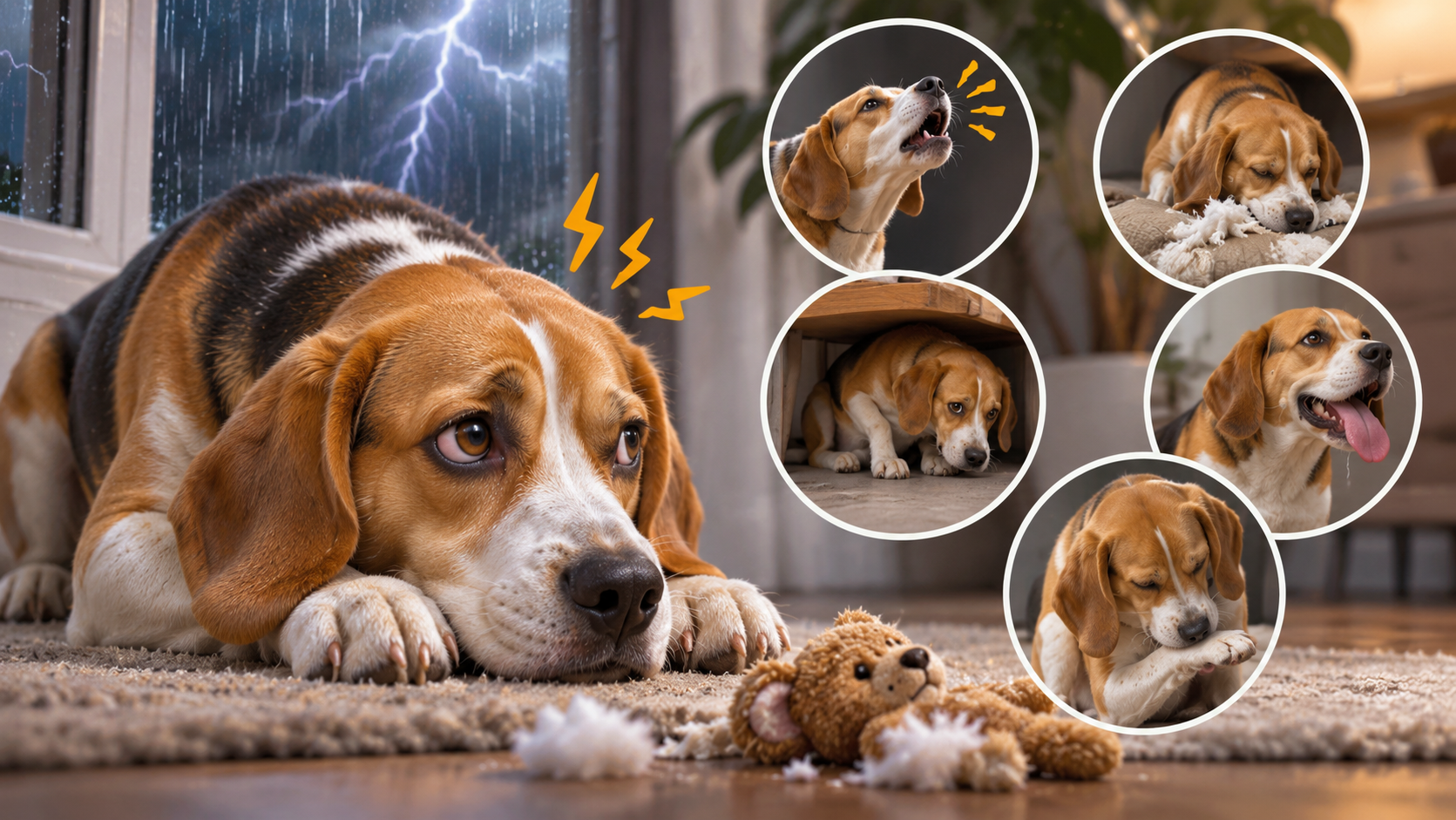
Canine Anxiety Behavioral Symptoms are often misunderstood, yet they play a crucial role in the overall well-being of our beloved pets. Dogs, much like humans, can experience anxiety due to various factors in their environment, their past experiences, or even their genetic makeup. Understanding these symptoms is essential for pet owners to provide the best care and create a supportive atmosphere for their furry companions.
From destructive behavior to excessive barking, recognizing anxiety cues in dogs can help owners take proactive steps in managing their pets’ mental health. This overview will delve into the types of anxiety, common triggers, and effective strategies for alleviating stress in our canine friends.
Understanding the Concept of Canine Anxiety
Canine anxiety is a condition that affects many dogs, manifesting in various forms and influenced by an array of triggers. It’s essential to understand the underlying factors contributing to this issue, as they can significantly impact a dog’s behavior and overall well-being. This understanding allows pet owners to recognize symptoms early and seek appropriate intervention.
Canine anxiety can be categorized into several types, each with distinct characteristics and causes. Common forms include separation anxiety, noise anxiety, and situational anxiety. Triggers can range from loud noises like thunderstorms or fireworks to changes in the household environment, such as moving to a new home or the absence of a family member. The impact of anxiety on a dog is profound; it can lead to destructive behaviors, excessive barking, and avoidance of social interactions. Additionally, chronic anxiety can result in physical health issues, such as weakened immune response or gastrointestinal problems.
Common Misconceptions Surrounding Canine Anxiety
There are several misconceptions regarding canine anxiety that can hinder effective treatment and understanding. Clarifying these misconceptions is crucial for responsible pet ownership and care.
- Myth: Canine anxiety is just bad behavior. In reality, anxiety is a legitimate psychological condition that can cause distress and suffering for dogs, rather than mere disobedience.
- Myth: Dogs will outgrow their anxiety. While some dogs may adjust to certain triggers over time, many anxiety issues persist or worsen without intervention and support.
- Myth: Treating canine anxiety is unnecessary. Neglecting anxiety can lead to long-term behavioral problems and health issues, making treatment not just beneficial, but necessary for a dog’s quality of life.
- Myth: Dogs should just cope with their fears naturally. While some exposure can be helpful, many dogs require structured support and strategies to effectively manage their anxiety.
It’s important to recognize that canine anxiety is a complex issue requiring understanding and compassionate approaches to treatment.
The understanding of canine anxiety encompasses recognizing its symptoms, acknowledging its impact, and debunking myths. This knowledge can empower dog owners to create a supportive environment that fosters emotional well-being for their furry companions.
Identifying Behavioral Symptoms of Canine Anxiety
Canine anxiety can manifest in various behavioral symptoms that can be distressing for both the dog and its owner. Understanding these symptoms is crucial for early identification and intervention, ensuring a healthier and happier life for our furry companions. Here, we will explore some common signs of anxiety in dogs and how these symptoms may vary among different breeds, ages, and environments.
Common Behavioral Symptoms of Canine Anxiety
Recognizing the behavioral symptoms of anxiety in dogs is essential for effective management. The following are five common symptoms that may indicate a dog is experiencing anxiety:
- Excessive Barking: Many dogs may bark excessively when they are anxious, which can be a way of expressing their distress. For example, a Labrador Retriever may bark incessantly during thunderstorms, revealing their fear of loud noises.
- Destructive Behavior: Dogs with anxiety may engage in destructive behaviors like chewing furniture or digging. A young Beagle, left alone for extended periods, might chew on shoes or dig up the garden as a way to cope with separation anxiety.
- Urinating or Defecating Indoors: Stress can lead to accidents in house-trained dogs. For instance, a Chihuahua may urinate on the carpet when its owner leaves the house, indicating anxiety about being alone.
- Excessive Grooming: Some dogs may over-groom themselves when anxious, leading to skin irritations. A Cocker Spaniel might obsessively lick a specific spot on its body, resulting in bald patches or sores.
- Avoidance Behavior: An anxious dog might try to hide or avoid certain situations. For example, a German Shepherd may retreat to a corner during gatherings or loud events, showcasing its discomfort in social settings.
The manifestation of these symptoms can vary widely based on the dog’s age, breed, and environment. For instance, younger dogs may show more exaggerated behaviors compared to older, more settled dogs. Breeds known for their sensitivity, like the Whippet, might display avoidance more readily, while typically more robust breeds like the Boxer may resort to vocalization or destructive behaviors. Additionally, an environment filled with loud noises or frequent changes can exacerbate anxiety symptoms, making it essential to consider these factors when assessing a dog’s behavior.
Common Triggers of Anxiety in Dogs
Canine anxiety can stem from various environmental factors and life experiences that influence a dog’s emotional well-being. Understanding these triggers is crucial for pet owners in order to recognize the signs of anxiety and effectively address them. This section delves into the common causes of anxiety in dogs, illuminating how they manifest in everyday situations.
Environmental Factors That Provoke Anxiety
Loud noises, such as thunderstorms, fireworks, or even vacuum cleaners, can significantly disturb a dog’s peace, leading to anxiety. Changes in routine, like moving to a new home or a shift in the owner’s work schedule, can also unsettle dogs who thrive on familiarity. Dogs are creatures of habit, and when their environment fluctuates, it can lead to stress and fear.
Common environmental anxiety triggers include:
- Loud Noises: Sudden sounds can startle dogs, prompting fear-based responses.
- New Environments: Moving to a different location introduces unfamiliar smells and sounds.
- Changes in Household: New family members or pets can disrupt a dog’s sense of security.
- Physical Changes: Home renovations or even seasonal changes can affect a dog’s comfort zone.
Each of these elements can contribute to heightened stress levels in dogs, leading to behavioral symptoms that may include barking, hiding, or destructive behavior.
Development of Separation Anxiety
Separation anxiety is one of the most prevalent forms of anxiety in dogs. It generally develops when a dog becomes overly attached to its owner, leading to distress when left alone. This condition can stem from a lack of socialization during critical developmental periods, previous traumatic experiences, or even a sudden change in the owner’s schedule.
Common signs of separation anxiety in dogs are:
- Excessive Barking: Dogs may vocalize when left alone, signaling their distress.
- Destructive Behavior: Chewing furniture or scratching doors is a sign of an anxious dog trying to escape.
- House Soiling: Even house-trained dogs may urinate or defecate indoors when they are anxious.
- Pacing or Restlessness: Dogs may exhibit repetitive behaviors, indicating their inability to relax.
Recognizing these behaviors early can help in implementing strategies to alleviate anxiety, such as gradual desensitization techniques.
Impact of Socialization on Canine Anxiety
Socialization plays a critical role in preventing anxiety issues in dogs. A well-socialized dog is typically more adaptable to new situations and environments. Conversely, dogs that lack exposure to various stimuli—like different people, animals, and places—are often more prone to anxiety.
Factors influencing socialization include:
- Lack of Early Exposure: Puppies that miss key socialization windows may develop fears.
- Negative Experiences: Traumatic encounters with people, dogs, or environments can lead to lasting anxiety.
- Infrequent Interaction: Dogs that don’t regularly meet new dogs or people may become fearful of unfamiliar encounters.
- Owner’s Anxiety: Dogs can pick up on their owners’ stress, which can exacerbate their own anxiety issues.
Ensuring positive socialization experiences during a dog’s formative years can significantly enhance their resilience to anxiety, resulting in a more confident and balanced companion.
The Psychological Effects of Anxiety on Dogs
Anxiety in dogs is a significant concern that can affect their overall mental state and behavior. Understanding the long-term psychological effects of anxiety not only helps in recognizing the symptoms but also raises awareness of the necessary interventions. Without appropriate treatment, anxiety can lead to a variety of behavioral issues that can compound over time, making it crucial to address these issues early on.
The long-term impact of anxiety on a dog’s mental state can manifest in various detrimental ways. Dogs suffering from anxiety may exhibit changes in behavior, including increased aggression, excessive barking, and destructive tendencies. The link between anxiety and other behavioral issues is particularly concerning; untreated anxiety can escalate into more severe psychological problems, as the dog struggles to cope with their fears and stressors.
Examples of Untreated Anxiety Leading to Psychological Problems
Without intervention, anxiety can spiral, leading to more complex and serious issues. Here are a few notable examples highlighting the implications of untreated anxiety in dogs:
- Case of Severe Aggression: A Labrador Retriever named Max developed fear-based aggression after repeatedly experiencing thunderstorms without proper desensitization techniques. His anxiety manifested as aggressive barking and lunging at other dogs, ultimately leading to a bite incident that required professional behavior modification.
- Excessive Barking and Isolation: Bella, a Beagle, suffered from separation anxiety when her owners left the house. Initially, her barking was a simple call for attention, but over time, it escalated to constant vocalization that disturbed the neighbors, resulting in her being confined to a crate for extended periods, further exacerbating her anxiety.
- Destructive Behavior: A German Shepherd named Rex displayed severe anxiety when left alone, leading him to chew furniture and destroy household items. This behavior not only caused stress for Rex but also led to significant financial costs for his owners in repairs and replacements.
The impact of anxiety is not merely behavioral; it can also affect a dog’s physical health. Chronic stress can lead to issues such as gastrointestinal problems, weakened immune response, and even changes in appetite. It’s essential to recognize that anxiety is not just a phase; it can lead to long-term psychological distress if not addressed properly.
“Understanding a dog’s anxiety is crucial for their mental well-being, as untreated anxiety can lead to a cascade of behavioral problems that affect their quality of life.”
Effective Strategies for Managing Canine Anxiety
Canine anxiety can significantly impact a dog’s quality of life, often leading to destructive behaviors or health issues. Implementing effective strategies to manage anxiety is crucial for both the dog’s well-being and the owner’s peace of mind. This section Artikels practical techniques that can aid in alleviating anxiety, focusing on training methods, the importance of exercise and mental stimulation, and the appropriate use of calming aids.
Practical Techniques for Alleviating Canine Anxiety
A variety of practical techniques can be employed to help manage and reduce anxiety in dogs. These strategies often require consistency and patience from dog owners to be effective.
- Desensitization Training: Gradually exposing your dog to the source of their anxiety in a controlled manner can help them build tolerance over time. This should be done at a pace that your dog is comfortable with.
- Counter-Conditioning: Pairing a positive experience, such as treats or play, with the anxiety-inducing stimulus can help change your dog’s emotional response. For example, if your dog is afraid of loud noises, provide treats when they hear a noise but remain calm.
- Positive Reinforcement: Rewarding calm behavior with treats or praise can encourage your dog to remain relaxed in situations that typically trigger anxiety.
- Routine and Structure: Establishing a consistent daily routine can provide a sense of security for your dog, helping them manage anxiety more effectively.
Exercise and Mental Stimulation for Anxiety Reduction
Regular physical activity and mental engagement play significant roles in minimizing anxiety levels in dogs. Exercise not only helps in burning off excess energy but also releases endorphins, which can improve a dog’s mood.
- Daily Walks: Engaging in at least one long walk each day can help alleviate stress and anxiety by providing exercise and the opportunity for outdoor exploration.
- Interactive Toys: Providing puzzle toys or treat-dispensing toys can stimulate a dog mentally, keeping their mind occupied and reducing anxiety levels.
- Agility Training: Participating in agility training or obstacle courses can provide both physical exercise and mental challenges, helping to ease anxiety.
- Socialization: Introducing your dog to new environments, people, and other animals in a controlled manner can enhance their confidence and reduce anxiety.
Calming Aids for Dogs
Calming aids can be beneficial for certain dogs struggling with anxiety. These aids can come in various forms and should be used responsibly and thoughtfully.
- Calming Supplements: Natural supplements, such as those containing L-theanine or chamomile, may help soothe anxious dogs. Always consult a veterinarian before introducing any new supplements.
- Thundershirts: These snug-fitting garments apply gentle pressure to a dog’s body, which can have a calming effect and reduce anxiety during stressful situations, such as thunderstorms or fireworks.
- Aromatherapy: Certain scents, like lavender, can have a calming effect on dogs. Using pet-safe essential oils in a diffuser can help create a soothing environment.
- Prescription Medications: In severe cases, a veterinarian may recommend medication to help manage anxiety. This should always be considered as part of a broader treatment plan.
The Role of Veterinary Professionals in Diagnosing Canine Anxiety
Veterinarians play a crucial role in diagnosing canine anxiety, as they are equipped to evaluate both behavioral symptoms and underlying health issues. By conducting thorough examinations and assessments, they can help ensure that any anxiety-related behaviors are not stemming from medical problems that require treatment. This comprehensive approach is essential for effective management of canine anxiety.
Veterinary professionals utilize a combination of physical examinations, behavioral assessments, and medical history evaluations to pinpoint anxiety in dogs. They can also rule out other potential health issues that may mimic or exacerbate anxiety symptoms. For instance, conditions like pain, neurological issues, or hormonal imbalances can contribute to a dog’s anxiety, making it essential for a veterinarian to consider these factors in the diagnostic process.
Collaboration between Pet Owners and Veterinarians
Collaboration between pet owners and veterinarians is vital for managing canine anxiety effectively. Understanding this partnership can lead to more tailored and successful treatment plans. Here’s how this collaboration typically unfolds:
Veterinarians provide initial assessments and recommendations for treatment, which can include behavioral therapies, medications, or lifestyle changes. They may suggest specific training techniques or environmental modifications to create a more anxiety-free space for the dog.
Pet owners can contribute valuable insights about their dog’s behavior at home, including specific triggers and the frequency of anxiety-related incidents. This information helps veterinarians make informed decisions regarding diagnosis and treatment.
The following points highlight key aspects of this collaborative effort:
- Regular Check-ups: Routine visits to the veterinarian help monitor the dog’s progress and adjust treatment plans as necessary.
- Open Communication: Pet owners should communicate any changes in their dog’s behavior or health to the veterinarian promptly.
- Behavior Logs: Keeping a log of anxious behaviors can provide veterinarians with clearer insights into the dog’s condition and effectiveness of treatments.
- Education: Both parties benefit from discussing educational resources on canine anxiety to deepen understanding and improve management strategies.
“Veterinary guidance is crucial for navigating the complexities of canine anxiety.”
By fostering a strong line of communication and being proactive in their approach, pet owners and veterinarians can work together to create a comprehensive treatment plan that addresses the unique needs of each dog suffering from anxiety. This collaborative relationship not only aids in effectively managing anxiety but also promotes the overall well-being of the canine companion.
The Importance of Owner Awareness and Training
Understanding canine anxiety is crucial for dog owners, as being aware of its signs and symptoms can significantly improve a dog’s quality of life. Owners play a pivotal role in identifying anxious behaviors early, which helps them seek appropriate interventions. By understanding their dog’s unique needs, owners can create a supportive environment that fosters emotional security.
Recognizing the signs of anxiety is the first step toward addressing it effectively. Symptoms may manifest as excessive barking, destructive behavior, or withdrawal from interaction. Owners must remain vigilant and educated about these behaviors to differentiate between normal canine quirks and signs of distress. When owners notice these behaviors, it’s essential to consult a veterinarian or a professional dog trainer who specializes in anxiety-related issues.
Adaptation of Training Approaches for Anxious Dogs
Training techniques must be tailored to accommodate the needs of anxious dogs, as traditional methods may exacerbate their stress levels. Positive reinforcement is often the most effective approach, allowing dogs to associate training with rewards rather than fear.
Incorporating gradual desensitization into training can help dogs adapt to their triggers without overwhelming them. This involves slowly exposing the dog to anxiety-inducing situations at a distance they can tolerate, gradually increasing their exposure as they become more comfortable.
For instance, an anxious dog that reacts negatively to loud noises can be gently introduced to recordings of those sounds at a low volume while providing treats and praise. Over time, the volume can be increased as the dog learns to associate the noise with positive experiences rather than fear.
Positive and Constructive Responses to Anxious Behaviors
It’s vital for owners to respond to their dog’s anxiety in ways that encourage trust and comfort. Here are several constructive methods for addressing anxious behaviors:
When a dog shows signs of anxiety, owners should remain calm and composed, as their emotional state can directly influence the dog. Instead of scolding or reprimanding the dog for anxious behaviors, owners should focus on creating a safe and soothing environment.
Consider implementing these strategies:
- Establish a Safe Space: Create a designated area where the dog feels secure, such as a crate or a quiet room with comfortable bedding and toys.
- Routine and Structure: Maintain a consistent daily routine to provide predictability, which can alleviate anxiety. Regular feeding, exercise, and playtime can help a dog feel more secure.
- Calming Products: Use anxiety wraps, calming music, or pheromone diffusers designed to create a peaceful atmosphere.
- Gradual Exposure: Introduce the dog to new environments or experiences slowly, allowing them to acclimate at their own pace without being overwhelmed.
- Professional Training: Engage with a certified dog trainer who specializes in anxiety to develop a structured training plan tailored to the dog’s specific needs.
Each of these strategies helps reinforce positive behaviors while reducing anxiety triggers, ultimately leading to a more relaxed and well-adjusted dog.
Last Recap
In summary, being aware of Canine Anxiety Behavioral Symptoms is vital for any dog owner looking to enhance their pet’s quality of life. By understanding the signs and managing anxiety through various techniques and veterinary support, owners can foster a happier and healthier environment for their dogs. Remember, a relaxed dog is a happy dog, and addressing anxiety is a significant step towards achieving that harmony.
Top FAQs
What are some common signs of anxiety in dogs?
Common signs include excessive barking, destructive behavior, trembling, pacing, and withdrawal from social interaction.
Can anxiety in dogs be treated without medication?
Yes, many dogs can benefit from behavioral training, increased exercise, and calming techniques without the need for medication.
How can I help my dog during thunderstorms?
Create a safe space for them, use calming aids like anxiety wraps, and stay calm yourself to help soothe their nerves.
Is separation anxiety common in dogs?
Yes, separation anxiety is quite common, especially in dogs that are closely bonded to their owners.
What role does socialization play in canine anxiety?
Proper socialization can significantly reduce the risk of anxiety by helping dogs feel more comfortable in various situations.