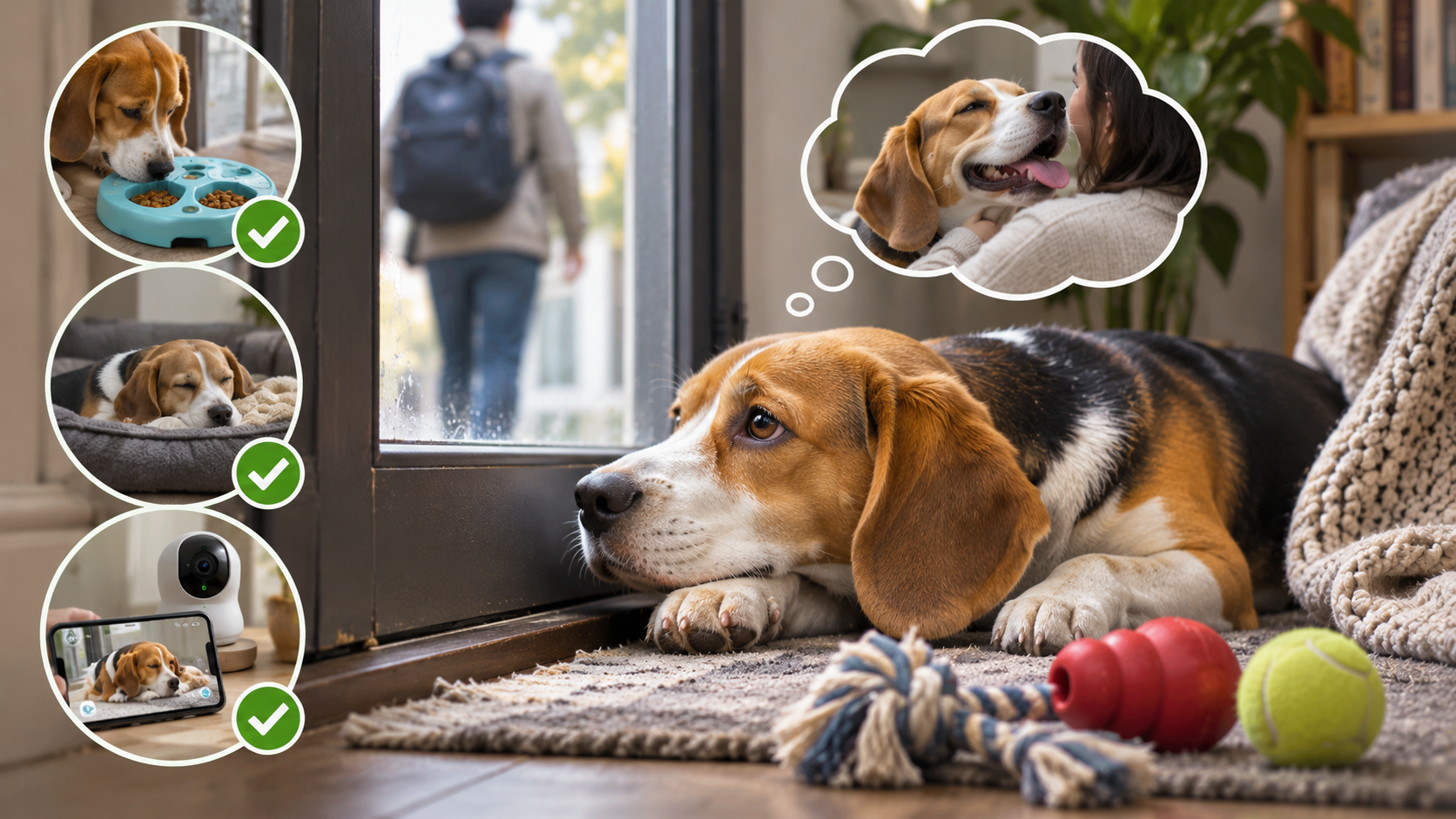
Separation Anxiety in Dogs is a common condition that many pet owners face, often leading to distressing behaviors when their furry friends are left alone. Understanding the nuances of this anxiety can help owners better manage their pets’ needs, ensuring both the dog and the owner experience a more harmonious life together.
This condition manifests in various ways, from destructive behaviors to excessive barking, and can vary significantly across different breeds. By recognizing the symptoms and underlying causes, owners can take proactive steps to help their dogs cope with being alone, leading to a happier and healthier environment for both.
Understanding the Basics of Separation Anxiety in Dogs
Separation anxiety is a common behavioral issue in dogs that occurs when they become excessively anxious or distressed when separated from their owners. This condition can lead to various troubling behaviors and is often misunderstood by pet owners. Recognizing the symptoms and understanding the causes can significantly aid in managing this condition effectively.
Symptoms of separation anxiety can vary greatly among different dog breeds, with some being more predisposed to the condition than others. Common signs include excessive barking or howling when left alone, destructive behaviors such as chewing furniture, and attempts to escape from confinement. In severe cases, dogs may experience accidents in the house despite being house-trained. Other symptoms may include pacing, drooling, and a general display of nervousness or agitation when the owner prepares to leave.
Symptoms of Separation Anxiety in Different Breeds
It’s important to recognize that separation anxiety can manifest differently depending on the breed. Some breeds, especially those that are known for their strong attachment to their owners, may exhibit more pronounced symptoms. Here are some examples of breeds often affected by separation anxiety:
- Labrador Retrievers: These loyal companions thrive on human interaction and can develop anxiety when left alone, often leading to destructive behavior.
- Border Collies: High-energy and intelligent, Border Collies require mental stimulation and can become anxious if not properly engaged, resulting in stress-related behaviors.
- Chihuahuas: This small breed often forms strong bonds with their owners and may show signs of distress when separated, including excessive barking and seeking attention.
- German Shepherds: As a highly trainable and loyal breed, German Shepherds can struggle with separation anxiety, particularly if they have been overly dependent on their owners.
Common Causes of Separation Anxiety
Understanding the roots of separation anxiety is crucial for effective management. Several factors contribute to this condition, and they can be broadly categorized into genetics and environment.
Genetics can play a significant role in the development of separation anxiety. Certain breeds are genetically predisposed to anxiety issues due to their temperament and personality traits. Likewise, environmental factors, such as changes in routine or traumatic events, can trigger anxiety. For instance, a dog that has experienced abandonment or multiple changes in ownership may be more susceptible to developing separation anxiety.
Environmental stability and consistent routines play a significant role in a dog’s emotional well-being.
In addition to genetic and environmental influences, a dog’s early socialization experiences can shape their ability to cope with being alone. Dogs that have not been properly socialized or have experienced limited exposure to being alone may struggle more with separation anxiety.
Behaviors Exhibited by Dogs with Separation Anxiety
Dogs suffering from separation anxiety often display a range of behaviors that can be distressing for both the pet and the owner. Recognizing these behaviors is the first step toward alleviating the dog’s anxiety. Common behaviors include:
- Destructive Behavior: Dogs may chew on furniture, shoes, or even their own paws, attempting to relieve their anxiety.
- Excessive Barking or Howling: Vocalization is a common response to stress and may disturb neighbors, adding to the owner’s frustration.
- Attempting to Escape: Some dogs may try to break free from their confinement, leading to injuries or damage to the home.
- House Soiling: Accidents in the house can occur even in well-trained dogs, as anxiety can trigger loss of bladder control.
Understanding these behaviors can help owners recognize the signs of separation anxiety early and seek appropriate help, leading to a more harmonious relationship with their pets.
Identifying Signs of Separation Anxiety in Dogs
Recognizing signs of separation anxiety in dogs is crucial for pet owners to provide the necessary support and intervention. Left unaddressed, this anxiety can lead to destructive behaviors and emotional distress for both the dog and the owner. Understanding how to identify these signs is the first step toward effective management.
Monitoring your dog’s behavior when you’re away can help pinpoint specific anxiety triggers. Different dogs may react differently to separation, and recognizing these individual responses is key. Observing your dog’s actions and emotional state can provide valuable insights into their anxiety levels.
Physical and Behavioral Signs of Distress
It’s important to be aware of both physical and behavioral signs that indicate your dog may be experiencing separation anxiety. These signs can manifest in various ways, and recognizing them early can help in seeking appropriate solutions.
The following list Artikels common signs to look for when assessing your dog’s emotional well-being during times of separation:
- Excessive barking or whining: This is often a clear indicator that your dog is feeling distressed when left alone.
- Destructive behavior: Chewing furniture, scratching doors, or digging can be signs of anxiety as your dog attempts to cope with being alone.
- Accidents in the house: If your dog is house-trained but starts having accidents, it could be a response to anxiety.
- Pacing or restlessness: An anxious dog may move around ceaselessly, unable to settle down.
- Excessive salivation or drooling: This physical sign can indicate distress, particularly when combined with other behavioral issues.
- Attempting to escape: Dogs may try to break free from crates or enclosed spaces when they feel anxious.
- Despondent or withdrawn behavior: Lack of interest in play or interaction can signal emotional distress.
Recognizing these signs early can be beneficial in addressing your dog’s separation anxiety effectively. It’s essential to monitor your dog’s reactions consistently, as awareness of these behaviors can guide treatment and training approaches to promote a healthier emotional state.
Effective Training Techniques to Alleviate Separation Anxiety
Separation anxiety in dogs can be a challenging issue for both pets and their owners. To help mitigate this problem, various training techniques can be implemented that focus on desensitization and positive reinforcement. These methods not only create a more relaxed atmosphere for the dog but also foster a trusting relationship between the dog and their owner.
One effective approach to alleviating separation anxiety is through desensitization. This involves gradually exposing the dog to short periods of separation and slowly increasing the duration as they become more accustomed to being alone. The goal is to make the experience less stressful for the dog over time. This method requires patience and consistency but can lead to significant improvements in the dog’s behavior.
Implementation of Positive Reinforcement Techniques
Positive reinforcement plays a crucial role in training dogs to cope with separation anxiety. This technique encourages calm behavior by rewarding the dog for remaining relaxed during times of separation. Implementing this strategy effectively can make a substantial difference in your dog’s anxiety levels.
To establish a routine using positive reinforcement, consider the following steps:
1. Create a Safe Space: Designate a comfortable area for your dog with their bed, toys, and familiar scents. This space should feel secure and inviting.
2. Practice Short Departures: Begin by leaving your dog alone for just a few minutes. Ensure that you do not make a fuss when leaving or returning, as this can heighten anxiety.
3. Reward Calm Behavior: When you return and your dog remains calm, reward them with treats or praise. This reinforces the idea that being alone can lead to positive outcomes.
4. Gradually Increase Duration: As your dog becomes more comfortable, gradually extend the time you are away. Always reward good behavior upon your return.
5. Use Interactive Toys: Providing puzzle toys or treat-dispensing toys can keep your dog engaged while you are away. This distraction helps ease the anxiety associated with separation.
6. Remain Consistent: Consistency is key. Ensure that you follow the same routine each time you leave and return home, as this predictability can help reduce anxiety.
“By employing positive reinforcement, you can transform your dog’s perception of being alone into a more positive experience.”
Gradual Increase of Alone Time
To effectively increase the duration of time your dog spends alone, it is essential to implement a structured plan that allows for gradual adjustments. This method ensures that your dog does not become overwhelmed and can adapt to longer periods of solitude.
Here’s a step-by-step guide to gradually increase alone time:
1. Start with Very Short Intervals: Begin by leaving your dog alone for just 5 minutes. Monitor their behavior through a window or a camera if possible.
2. Slowly Extend the Time: After a successful 5-minute session, gradually increase the time to 10 minutes, then 15, and so on. Each time should be a positive experience for your dog.
3. Track Progress: Keep a log of how long your dog stays calm alone. This will help you identify patterns and determine the right pace for increasing alone time.
4. Introduce Different Scenarios: Practice leaving your dog alone at different times of the day and under varying conditions to help them adapt to multiple scenarios.
5. Reward Success: Always reward your dog when you return after each session, especially if they have remained calm. This positive association will support their progress.
By employing these effective training techniques, owners can significantly reduce their dog’s separation anxiety and create a more harmonious living environment for both pet and owner.
The Role of Environmental Enrichment in Reducing Anxiety
Creating a stimulating environment for dogs is essential in minimizing their anxiety levels, especially when they are left alone. A well-enriched environment not only keeps dogs mentally engaged but also reduces boredom, which can lead to destructive behaviors. Incorporating various stimulating activities and toys into their daily routine can significantly enhance their overall well-being and ease feelings of separation anxiety.
Environmental enrichment is crucial as it provides dogs with opportunities to engage in natural behaviors, which helps alleviate stress and anxiety. When dogs are mentally and physically stimulated, they are less likely to exhibit signs of distress when their owners are away. By introducing a variety of activities and toys, owners can create an atmosphere that promotes happiness and reduces feelings of loneliness in their pets.
Activities and Toys for Engagement
To keep dogs engaged while their owners are away, it is vital to provide an assortment of activities and toys. These should cater to both mental and physical stimulation. The following are examples of effective options that can occupy dogs and reduce anxiety:
- Interactive Puzzle Toys: These toys challenge dogs to think and problem-solve, providing mental stimulation as they work to retrieve treats hidden inside.
- Treat-Dispensing Toys: Toys that release treats as dogs play with them encourage them to stay active and engaged, making the experience rewarding.
- Chew Toys: Durable chew toys can satisfy dogs’ natural urge to chew, helping relieve stress while also keeping their teeth healthy.
- Snuffle Mats: These mats encourage dogs to use their noses to find hidden treats, engaging their sense of smell and providing a fun challenge.
- Fetch Toys: Balls or frisbees that can be thrown for dogs to chase provide excellent physical exercise, which is essential for their overall health.
Incorporating these toys into daily routines can significantly help to keep dogs entertained and mentally stimulated, making the time spent alone more manageable.
Designing a Daily Routine for Mental and Physical Stimulation
Establishing a daily routine that includes both mental and physical activities is key to reducing separation anxiety. A well-structured schedule can help dogs feel secure and less anxious when left alone. Here are some strategies to create an effective routine:
– Morning Walks: Starting the day with a walk provides essential physical exercise and an opportunity for dogs to explore their surroundings, which can be invigorating and stimulating.
– Training Sessions: Short training sessions throughout the day can keep dogs mentally sharp. Teaching new tricks or reinforcing commands engages their minds and strengthens the bond between dog and owner.
– Playtime: Allocating time for interactive play with owners, using toys or games like hide-and-seek, can foster a sense of connection and joy.
– Quiet Time: Setting aside moments for quiet time with calming activities, such as gentle petting or soft music, helps dogs learn to relax and be comfortable alone.
– Afternoon Adventures: If possible, rotating different toys or taking dogs to new environments, such as dog parks or different walking routes, can provide a refreshing change and stimulate their curiosity.
By designing a daily routine that blends these activities, owners can create a positive environment that not only reduces anxiety but also enhances their dogs’ quality of life.
Behavioral Therapy and Professional Help for Severe Cases
When dealing with severe separation anxiety in dogs, it can sometimes be overwhelming for pet owners to manage the situation on their own. Recognizing when to seek professional help is crucial for the well-being of both the dog and the owner. A qualified dog trainer or a veterinary behaviorist can offer valuable support and guidance tailored to the specific needs of the dog, helping to implement effective strategies to alleviate anxiety.
Behavioral therapy is an essential component in treating separation anxiety. It encompasses various techniques aimed at changing the dog’s emotional response to being alone. These therapies are often implemented under the guidance of professionals who can tailor a plan suited to the severity of the anxiety.
Identifying the Need for Professional Help
It’s important to recognize specific signs that indicate a dog may require professional intervention. Some of these signs include:
- Excessive barking, howling, or whining when left alone.
- Destructive behavior towards furniture or household items.
- Inappropriate elimination inside the house despite being house-trained.
- Physical symptoms like drooling or panting when left alone.
- Signs of distress such as pacing or attempting to escape.
Seeking help from a professional can provide a structured approach to managing these behaviors effectively.
Types of Behavioral Therapies Available
Several behavioral therapies can be beneficial in addressing separation anxiety. Each technique aims to gradually desensitize the dog to being alone, promoting a sense of security. These therapies include:
- Desensitization: This involves gradually increasing the amount of time the dog is left alone in a controlled manner, helping them adapt to solitude.
- Counter-conditioning: This technique changes the dog’s emotional response to being alone by associating it with positive experiences, like treats or toys.
- Training Commands: Teaching commands such as “stay” can help reinforce the dog’s confidence in being left alone.
Implementing these therapies requires patience and consistency, often with the support of a professional trainer.
The Role of Medication in Severe Cases
In more extreme cases of separation anxiety, medication may be necessary to provide relief for the dog and make behavioral therapy more effective. Medications, such as selective serotonin reuptake inhibitors (SSRIs) or anti-anxiety drugs, can help alleviate the symptoms of anxiety. Collaborating with a veterinarian is crucial in this process to ensure the appropriate medication and dosage are determined.
“Medication can serve as a useful adjunct to behavioral therapy, especially in severe cases where anxiety is debilitating.”
Veterinarians will typically monitor the dog’s response to the medication and adjust the treatment plan as needed. Combining medication with behavioral therapy often results in the best outcomes, allowing dogs to learn coping mechanisms while managing their anxiety effectively.
Tips for Dog Owners to Manage Their Own Stress
Caring for a dog with separation anxiety can be a challenging experience, not only for the dog but also for the owner. It is essential for dog owners to recognize that their stress levels can directly impact their dog’s behavior. By managing their own stress, owners can create a more harmonious environment, facilitating a better response from their anxious pets.
Self-care is crucial for dog owners, especially when dealing with the emotional toll of a pet’s anxiety. Taking time for oneself can enhance the owner’s ability to remain calm, which in turn can positively influence the dog’s state of mind. By implementing stress-reducing strategies, owners can maintain a balanced atmosphere that benefits both them and their canine companions.
Strategies for Reducing Stress
Implementing effective stress management techniques can significantly aid dog owners in coping with the challenges posed by their pet’s separation anxiety. Here are several strategies that can help:
- Practice mindfulness and meditation: Engaging in mindfulness exercises can help owners stay present and reduce anxiety. This can involve simple breathing exercises or guided meditation sessions.
- Establish a routine: Creating a consistent daily routine for both the dog and owner can provide a sense of structure and stability, helping to alleviate stress.
- Engage in physical activity: Regular exercise is vital for reducing stress levels. Activities like walking the dog, jogging, or even practicing yoga can release endorphins, enhancing mood.
- Connect with support networks: Sharing experiences with other dog owners or seeking advice from professionals can provide emotional support and practical solutions, reducing feelings of isolation.
- Pursue hobbies and interests: Taking time to engage in personal hobbies allows owners to recharge, providing a mental break from the stresses of dog ownership.
Practices for Staying Calm During Departures and Arrivals
Creating a calm atmosphere during departures and arrivals can significantly decrease a dog’s anxiety levels. Implementing these practices can help both the owner and the dog feel more at ease:
- Keep goodbyes short and low-key: Avoid lengthy farewells; a quick, cheerful goodbye can help minimize anxiety for both the owner and the dog.
- Prepare in advance: Establish a routine that includes preparing the dog for separation before leaving. This can involve calming activities like a walk or playtime.
- Reward calm behavior: When returning home, acknowledge and reward your dog for calm behavior to reinforce positive associations with your arrivals.
- Practice short departures: Gradually increasing the duration of separations helps the dog acclimate to being alone without overwhelming them.
- Use calming aids: Consider employing calming sprays, music, or toys that can help soothe the dog during periods of separation.
“By managing your own stress effectively, you not only improve your well-being but also positively influence your dog’s behavior.”
Success Stories and Case Studies on Overcoming Separation Anxiety
Many dogs experience separation anxiety, which can lead to destructive behaviors and distress. However, numerous success stories highlight the effectiveness of various training methods and therapeutic practices aimed at alleviating this condition. Pet owners have shared their journeys of transformation, showcasing how dedicated efforts can lead to significant improvements in their dogs’ well-being.
In exploring these success stories, it’s essential to recognize the diversity of approaches taken by different dog owners. Each case illustrates a unique path to overcoming separation anxiety, providing valuable insights into effective strategies and techniques. The following examples demonstrate how tailored interventions can lead to remarkable transformations in behavior and emotional health.
Real-Life Transformations
Several dog owners have shared their experiences with overcoming separation anxiety, showcasing the effectiveness of tailored approaches. Here are notable examples that illustrate the positive outcomes:
1. Max’s Journey with Structured Routine:
Max, a five-year-old Labrador, struggled with severe separation anxiety, often barking and chewing furniture when left alone. His owner implemented a structured routine, including consistent feeding times and gradual increases in alone time. Over three months, Max transformed from a distressed dog to a calm companion, exhibiting confidence during alone periods.
2. Bella’s Success with Desensitization:
Bella, a two-year-old Beagle, exhibited signs of anxiety through excessive howling whenever her owner left the house. By employing desensitization techniques, her owner began leaving for short periods, gradually extending the time away. After six weeks, Bella learned to feel secure alone, leading to a significant reduction in anxiety-related behaviors.
3. Rocky’s Positive Reinforcement Experience:
Rocky, a rescue puppy, faced severe anxiety due to past trauma. His owner utilized positive reinforcement training, rewarding calm behavior during departure rituals. Over time, Rocky learned to associate leaving with positive experiences, such as treats and favorite toys. This strategy not only decreased his anxiety but also strengthened the bond between him and his owner.
4. Daisy’s Comfort with Companion Training:
Daisy, a mixed breed dog, experienced crippling anxiety, leading her owner to introduce a second dog as a companion. The presence of the new dog provided Daisy with comfort and security during times of separation. The two dogs formed a strong bond, significantly reducing Daisy’s anxiety levels and enabling her to relax when left alone.
“Each dog’s path to overcoming separation anxiety is unique, but consistent effort can lead to healing and transformation.”
These stories highlight common themes, such as the importance of gradual exposure, consistency in training, and the use of positive reinforcement. By sharing these experiences, dog owners can find encouragement and effective strategies to help their furry companions overcome separation anxiety.
Epilogue
In summary, managing Separation Anxiety in Dogs requires a multifaceted approach that includes training, environmental enrichment, and sometimes professional help. By understanding the signs and implementing effective strategies, pet owners can significantly improve their dog’s well-being, transforming anxiety into calmness and confidence. With patience and effort, many dogs can overcome their fears, allowing for a more enjoyable and stress-free experience for everyone involved.
FAQ Section
What are the primary symptoms of separation anxiety in dogs?
Common symptoms include excessive barking, destructive behavior, urinating or defecating indoors, and attempts to escape when left alone.
Can certain dog breeds be more prone to separation anxiety?
Yes, some breeds, such as Labrador Retrievers, Border Collies, and Dachshunds, tend to be more prone to separation anxiety due to their social nature.
How long does it take for a dog to overcome separation anxiety?
The time it takes can vary greatly depending on the dog’s temperament, the severity of the anxiety, and the consistency of the training methods used, ranging from weeks to several months.
Is medication always necessary for dogs with separation anxiety?
Not always; medication is typically considered for severe cases where behavioral therapies alone aren’t effective. Always consult a veterinarian for advice.
Can I train my dog to be more independent?
Yes, through gradual desensitization and positive reinforcement techniques, dogs can learn to feel more secure and independent when left alone.