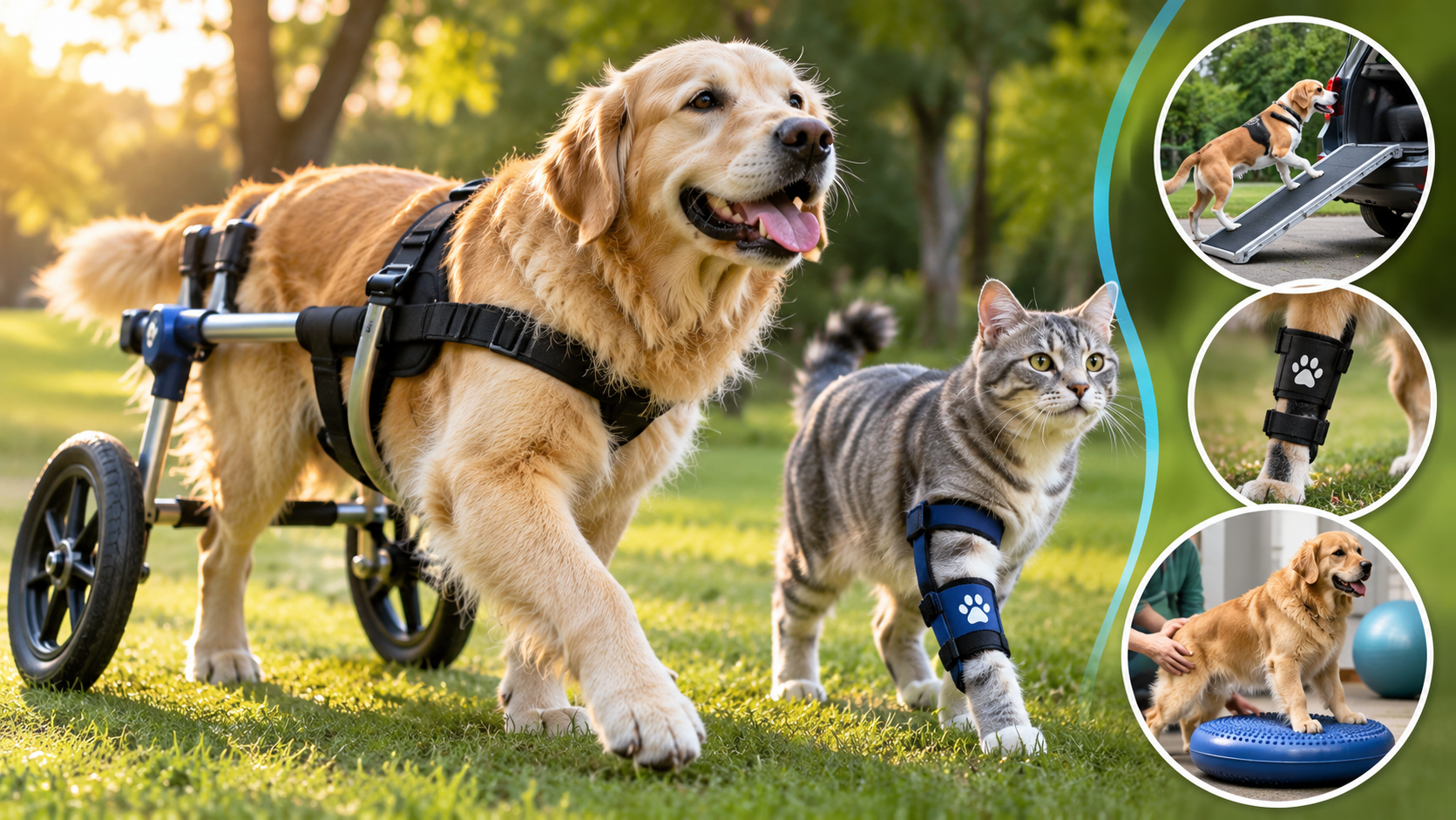
Pet Mobility Support Solutions are revolutionizing the way we care for our furry companions, especially those facing mobility challenges. These innovative devices not only improve the physical well-being of pets but also enrich the emotional bond between pets and their owners. Understanding how mobility support enhances a pet’s quality of life is crucial for any pet owner who wishes to provide the best care possible.
From helping pets regain their independence to allowing them to participate in family activities, mobility solutions can transform the daily experiences of both pets and owners. Whether due to age, injury, or health conditions, knowing when and how to implement these supportive devices can make a significant difference in the life of your pet.
Understanding the Importance of Pet Mobility Support Solutions
Pet mobility support solutions play a pivotal role in enhancing the lives of pets facing mobility challenges. These solutions, which include a range of products such as harnesses, carts, and orthopedic beds, are designed to alleviate discomfort and improve the overall quality of life for pets suffering from conditions like arthritis, injury, or age-related decline. By providing the right support, these solutions ensure that pets can engage more fully in daily activities, continue bonding with their owners, and enjoy their surroundings without the constant pain or limitations that come from poor mobility.
The impact of mobility support extends beyond physical improvements; it also significantly influences the emotional health of both pets and their owners. When pets regain their ability to move freely, it reduces stress and anxiety for both parties. Pets that can participate in walks, playtime, and social interactions are typically happier and more well-adjusted, which can lead to a more fulfilling companionship. Owners, in turn, experience peace of mind knowing they are providing their pets with the best possible care, which enhances their own emotional well-being. This symbiotic relationship fosters a stronger bond between pets and their caregivers, enriching the overall pet ownership experience.
Situations Requiring Mobility Support for Pets
There are numerous circumstances where mobility support becomes essential for pets. These situations can arise due to various health conditions or lifestyle changes. Below are key instances where mobility solutions can make a significant difference:
- Arthritis and Joint Issues: Many aging pets develop arthritis, causing pain and stiffness. Mobility support helps alleviate their discomfort, allowing them to remain active.
- Post-Surgery Recovery: After surgical procedures, pets often need assistance to prevent strain on their healing bodies. Mobility aids can provide the necessary support during recovery.
- Neurological Disorders: Conditions like degenerative myelopathy can severely limit a pet’s mobility. Support solutions enable affected pets to maintain a degree of independence.
- Obesity and Weight Management: Obese pets may struggle with movement, leading to a vicious cycle of inactivity. Mobility aids can encourage safe activity levels as part of a weight management plan.
- Injuries or Trauma: Pets recovering from injuries may face temporary mobility challenges. Mobility solutions assist in their rehabilitation process, allowing for a smoother recovery.
Incorporating mobility support solutions not only enhances the physical capabilities of pets but also contributes to their overall happiness and quality of life. Providing these aids is an act of compassion that strengthens the bond between pets and their owners, fostering mutual love and understanding in the journey of pet care.
Different Types of Pet Mobility Support Devices
Pet mobility support devices are crucial for enhancing the quality of life for pets with mobility issues. These devices help pets regain their independence and mobility, allowing them to enjoy a more active lifestyle. With a variety of options available, it’s essential to understand the different types of devices, their features, benefits, and drawbacks.
Types of Mobility Support Devices
There are several types of pet mobility support devices designed to meet specific needs of pets with mobility challenges. Here’s an overview of five common types available on the market today.
- Wheelchairs: Designed for pets with hind limb mobility issues, wheelchairs provide support and enable movement. They feature adjustable frames to accommodate different sizes and weights. While they enhance mobility significantly, they can be costly and may require a period of adjustment for pets.
- Slings: These supportive slings assist pets with partial mobility by providing support under the abdomen or chest. They are lightweight and portable, making them ideal for short walks or vet visits. However, they may not be suitable for long-term use as they can strain the owner’s back.
- Harnesses: Specialized harnesses offer support for pets with weak limbs or balance issues. They distribute weight evenly and help owners lift or guide their pets safely. While they are generally affordable and easy to use, they may not provide enough support for more severe mobility problems.
- Orthopedic Braces: These braces are designed to support specific joints, such as the knee or elbow, in pets with injuries or arthritis. They help alleviate pain and improve mobility. However, finding the right fit can be challenging, and pets may require time to adapt.
- Stairs and Ramps: Ramps and stairs assist pets in navigating elevation changes, such as getting into vehicles or onto furniture. They are often customizable in height and material for durability. While they can be very beneficial, they may take up space and can be cumbersome to store.
Comparison of Mobility Support Devices
Understanding the differences between mobility support devices can help pet owners make informed decisions. Below is a comparison table that highlights key factors like price, durability, and ease of use.
| Device Type | Price Range | Durability | Ease of Use |
|---|---|---|---|
| Wheelchairs | $300 – $600 | High | Moderate |
| Slings | $30 – $100 | Moderate | High |
| Harnesses | $25 – $80 | Moderate | High |
| Orthopedic Braces | $50 – $150 | Moderate | Moderate |
| Stairs/Ramps | $50 – $200 | High | High |
“Selecting the right mobility support device can profoundly impact your pet’s quality of life, improving their comfort and freedom.”
How to Choose the Right Mobility Support Solution for Your Pet
Selecting the appropriate mobility support solution for your pet is a critical decision that can significantly enhance their quality of life. Understanding your pet’s specific mobility needs is the first step in identifying the best solution. This guide aims to provide you with the necessary insights into assessing those needs, consulting with veterinary professionals, and considering various factors that play a pivotal role in the selection process.
Assessing Your Pet’s Mobility Needs
Before diving into the various mobility support solutions available, it’s essential to evaluate your pet’s current mobility status thoroughly. Observing your pet’s behavior and movement can provide valuable insights. For instance, look for signs of difficulty in walking, standing, or jumping.
- Monitor their daily activity levels; decreased playfulness can indicate discomfort or pain.
- Assess how they navigate their environment. Do they hesitate on stairs or struggle to get up after resting?
- Take note of any visible signs of distress, such as whining or limping, which may signal mobility issues.
Gathering this information will create a clearer picture of your pet’s specific needs and help in discussing options with your veterinarian.
The Role of Veterinary Professionals
Consulting with a veterinarian is an indispensable step in choosing the right mobility support solution for your pet. Veterinary professionals can conduct a thorough examination and provide expert guidance based on the pet’s individual health profile.
“A veterinarian’s insights can ensure that the chosen mobility aid addresses both the pet’s physical limitations and overall health condition.”
A veterinarian may recommend specific tests to assess joint health, muscle strength, or neurological function. This professional guidance can help eliminate the guesswork in selecting a mobility device that will be both effective and safe for your pet.
Factors to Consider When Selecting a Mobility Device
When deciding on a mobility support solution, several factors must be taken into account to ensure the best fit for your pet. Each factor can significantly impact the effectiveness of the device chosen.
- Breed: Some breeds may have specific joint or mobility issues that need tailored solutions. For example, Dachshunds are prone to spinal issues, while larger breeds like Labradors may require more robust support.
- Age: Senior pets often have different needs than younger pets. Older pets might benefit from devices designed for stability and ease of use, while younger pets may require more versatile solutions that allow for growth and adjustment.
- Health Status: Underlying health conditions such as arthritis, hip dysplasia, or neurological disorders should heavily influence the choice of mobility device. A support solution that accommodates these conditions will be more beneficial in the long run.
Understanding these factors will help ensure that the mobility support solution chosen is not only suitable but also enhances your pet’s ability to engage with their surroundings comfortably and confidently.
Best Practices for Introducing Mobility Devices to Your Pet
When it’s time to introduce a mobility device to your pet, it’s essential to approach the process with care and patience. Pets, like humans, can be apprehensive about new devices that may alter their mobility. A gradual introduction helps ensure your pet becomes comfortable and accepting of their new mobility aid, making the transition smoother for both of you.
To facilitate a positive experience, consider the following best practices for introducing mobility solutions. This structured approach will help your pet adapt more easily, reducing anxiety and promoting overall well-being.
Gradual Introduction Techniques
Taking the time to gradually introduce a mobility device can significantly affect how well your pet accepts it. Here are some effective techniques to ease the transition:
1. Familiarization: Start by allowing your pet to explore the mobility device in a familiar environment. Lay the device on the floor and let them sniff and investigate it without any pressure.
2. Short Sessions: Once your pet seems comfortable with the device, put it on for short periods. Start with just a few minutes and gradually increase the time as your pet becomes more accustomed to wearing it.
3. Positive Vibes: Use positive reinforcement during these sessions. Offer treats and praise when your pet interacts with the mobility aid, reinforcing the idea that it’s a positive experience.
4. Routine Incorporation: Integrate the device into your pet’s daily routine. For instance, if they are accustomed to going for walks, begin to use the mobility device during those walks, making it a part of something they already enjoy.
5. Monitor Reactions: Pay close attention to your pet’s body language and reactions. If they seem distressed, take a step back and allow more time for adjustment before trying again.
Training Techniques for Adaptation
Training your pet to adapt to a mobility device involves consistent and gentle methods. Here are specific training techniques that can help:
– Desensitization: This involves gradually exposing your pet to the mobility device in a non-threatening way. Start by associating it with positive experiences, such as playtime or treats.
– Target Training: Use a target stick or your hand to guide your pet’s movement while they’re using the device. Reward them as they follow your cues, reinforcing their confidence and understanding of how to navigate with their new aid.
– Obstacle Course: Set up a simple obstacle course in your home or yard. Encourage your pet to navigate through it while using the mobility device, building their skills and confidence in a fun way.
“Taking the time to train and acclimate your pet to their mobility device is crucial for their confidence and comfort.”
Role of Positive Reinforcement
Positive reinforcement plays a pivotal role in helping pets adjust to mobility aids. Here are effective ways to utilize this technique:
– Treats and Praise: Offer treats and verbal praise whenever your pet successfully uses their mobility device. This encourages them to associate the device with positive outcomes.
– Frequent Rewards: During training sessions, provide frequent rewards for small successes. This builds momentum and keeps your pet motivated to engage with the mobility aid.
– Calm Environment: Ensure that the environment is calm and free of distractions during training. This allows your pet to focus more on the task at hand and reduces anxiety.
– Celebrate Milestones: When your pet achieves a new level of comfort or skill with their mobility device, celebrate with extra affection or a special treat. This reinforces their progress and builds a positive attitude towards their aid.
By employing these best practices, you can create a supportive environment that fosters comfort and acceptance, making the introduction of mobility aids a positive experience for your pet.
Maintaining and Caring for Pet Mobility Devices
Ensuring that pet mobility devices are kept in optimal condition is essential for the safety and comfort of your furry friends. Regular maintenance not only extends the lifespan of these devices but also enhances their overall performance. Proper care includes routine inspections, cleaning, and appropriate storage when not in use.
Routine maintenance involves checking various components of mobility aids such as wheelchairs, harnesses, or slings. Each type of device has specific maintenance needs, and attending to these can prevent unexpected failures during use.
Routine Maintenance for Mobility Solutions
Routine maintenance is crucial for keeping mobility devices functioning effectively. Regular inspections help to identify wear and tear before they become major issues. Key maintenance tasks include:
- Wheelchairs: Check wheels for proper alignment and air pressure (if applicable), inspect brakes and ensure they engage smoothly, and verify that the frame is free from rust or damage.
- Slings and Harnesses: Inspect straps for fraying, check buckles for secure fastening, and ensure that padding is not worn out to prevent discomfort.
- Strollers: Examine the wheels for any blockages, ensure the canopy is intact and functioning, and check for any loose screws or bolts.
Performing these checks every few weeks can significantly enhance the longevity of the mobility solutions used for pets.
Regular Inspection Checklist for Safety
Creating a regular inspection checklist can help ensure that mobility devices are safe for use. This checklist should be used frequently to identify potential safety hazards. Here’s a comprehensive checklist to follow:
- Check all wheels for wear and proper inflation.
- Inspect the frame for structural integrity.
- Confirm that brakes are functioning properly.
- Examine harnesses for signs of wear or damage.
- Ensure fastenings and attachments are secure.
- Look for any loose parts that may require tightening.
Utilizing this checklist regularly can prevent accidents and ensure a safer experience for pets relying on these mobility aids.
Cleaning and Storing Mobility Devices Properly
Cleaning and storing mobility devices correctly is vital for maintaining their condition. Regular cleaning prevents the buildup of dirt, fur, and debris which can cause wear over time.
When cleaning mobility devices, consider the following:
- Use mild soap and water to wipe down surfaces, avoiding harsh chemicals that could damage materials.
- Remove fabric components when possible and wash them according to the manufacturer’s instructions.
- Dry all parts thoroughly before storage to prevent mold and mildew.
Proper storage is equally important. Mobility aids should be stored in a dry, cool place, away from direct sunlight to prevent fading and degradation of materials.
“A little maintenance goes a long way in ensuring your pet’s mobility device remains a reliable companion.”
The Role of Technology in Modern Pet Mobility Support Solutions
As pets age or face mobility challenges due to injury or illness, technology has stepped in to transform how we support their mobility needs. Innovative advancements in technology have led to the development of sophisticated mobility devices that not only enhance the mobility of pets but also improve the overall quality of life for both pets and their owners.
Modern pet mobility devices have evolved significantly, integrating smart technology features that elevate their functionality. These advancements allow for better tracking, monitoring, and customization to meet individual pet requirements. For instance, some mobility aids now come equipped with sensors that can detect the pet’s movement patterns, providing real-time data to pet owners about their pet’s physical activity, stress levels, or pain indicators.
Innovative Examples of Smart Mobility Aids
Numerous smart mobility solutions are setting new standards in pet care. These devices combine traditional engineering with modern technology to offer enhanced support and insight into a pet’s health. Below are some examples of these innovative aids:
- Smart Wheelchairs: These are designed for pets with severe mobility issues. With integrated GPS, owners can track their pet’s movements and ensure they are safe while enjoying their outdoor time.
- Wearable Health Monitors: Collars or harnesses equipped with sensors can monitor vital signs, activity levels, and even sleep patterns, offering pet owners a comprehensive understanding of their pet’s overall health status.
- Adjustable Mobility Harnesses: Some harnesses now feature electronic adjustments that allow for personalized fit and support, ensuring maximum comfort for pets recovering from surgery or dealing with chronic conditions.
The comparison between traditional and technologically advanced mobility solutions highlights significant differences in benefits. Traditional mobility aids, like simple slings or basic wheelchairs, can provide immediate support but often lack customization and monitoring features. In contrast, technologically advanced solutions offer a range of benefits:
- Real-Time Monitoring: Advanced mobility aids provide continuous health data, enabling owners to notice changes in their pet’s condition promptly.
- Customizable Support: Technology allows for adjustments based on real-time data, ensuring the device meets the evolving needs of the pet.
- Enhanced Safety Features: Smart mobility aids often include features such as automatic brakes or fall detection, which traditional aids do not provide.
“The integration of technology in pet mobility support not only enhances the functionality of devices but also fosters a deeper connection between pets and their owners.”
The rapid evolution of technology in pet mobility support solutions illustrates a future where pets can enjoy a higher quality of life, enabling them to remain active and engaged even in the face of mobility challenges. The combination of tradition and innovation is paving the way for a more compassionate and informed approach to pet care.
Case Studies of Successful Pet Mobility Solutions
Many pets face mobility challenges due to age, injury, or illness, which can significantly impact their quality of life. Fortunately, advancements in mobility support solutions have transformed the lives of these pets, allowing them to regain their independence and enjoy their daily activities. In this section, we will explore inspiring stories of pets that have successfully utilized mobility devices, highlighting the challenges their owners faced and how they overcame them.
Success Story: Max the Golden Retriever
Max, a beloved Golden Retriever, faced severe mobility issues after suffering a torn ACL. His owner, Sarah, was heartbroken to see Max struggling to walk and play like he used to. After researching options, Sarah decided to invest in a custom-made dog wheelchair.
The initial adjustment was challenging; Max was hesitant to use the wheelchair and appeared confused. With patience and encouragement, Sarah gradually introduced Max to the device, starting with short indoor sessions before moving to outdoor walks.
After a few weeks, Max became more comfortable and even started running again. The wheelchair not only provided him with mobility but also improved his overall mood and health.
Key Takeaways:
- Custom mobility devices can significantly enhance a dog’s quality of life.
- Positive reinforcement and gradual acclimatization are key to successful adaptation.
- Mobility support can lead to improved emotional well-being in pets.
Success Story: Bella the Cat
Bella, an adventurous feline, was diagnosed with arthritis, making it difficult for her to jump and climb. Her owner, Tom, was concerned that Bella’s limitations would lead to a sedentary lifestyle and weight gain. After consulting with a veterinarian, Tom opted for a set of specially designed cat stairs and ramps.
Initially, Bella was unsure about using the new equipment. Tom placed treats on the steps to encourage her, and her confidence grew with each successful climb. Soon, Bella was back to exploring her favorite perches.
Key Takeaways:
- Innovative solutions like ramps and stairs can help senior pets maintain their independence.
- Encouragement and treats can facilitate the transition to using mobility devices.
- Proactively addressing mobility issues can prevent further health complications.
Success Story: Rocky the Bulldog
Rocky, a bulldog with a degenerative joint condition, struggled with mobility and often experienced pain during walks. His owner, Lisa, sought help from a local pet mobility specialist who fitted Rocky with a supportive harness that distributed weight evenly across his body.
At first, Lisa was skeptical about the harness’s effectiveness. However, after a week of use, Rocky showed remarkable improvement. He was able to join Lisa on longer walks, and his pain levels noticeably decreased.
Key Takeaways:
- Supportive harnesses can alleviate pressure on painful joints.
- Consulting specialists can provide tailored solutions for specific conditions.
- Regular exercise, even in small amounts, is crucial for pets with mobility issues.
Community and Resources for Pet Owners Seeking Mobility Support
Finding the right support and resources is essential for pet owners navigating mobility issues with their beloved companions. Luckily, many organizations and online communities are dedicated to offering guidance, information, and support for pet owners in similar situations. Connecting with others can provide not only practical advice but also emotional support, making the journey a little easier.
Various organizations and online platforms serve as valuable resources for pet owners seeking mobility support. These platforms facilitate connections among pet owners facing similar challenges and provide information on products and services designed to assist pets with mobility issues.
Organizations and Online Communities
Engaging with supportive communities can significantly enhance the experience of pet owners dealing with mobility challenges. Here are some key organizations and online platforms:
- The Pet Mobility Network: This organization provides resources, education, and a community for pet owners dealing with mobility-related issues. They offer a comprehensive database of products, including mobility aids and therapy options.
- Pets with Disabilities: A dedicated online community where pet owners can share experiences, ask questions, and access a wealth of information regarding mobility support for pets.
- Facebook Groups: Numerous groups exist on Facebook, such as “Dogs with Mobility Issues” and “Pet Owners Seeking Mobility Support,” where members share tips, products, and personal stories.
Participating in these communities can provide insights into best practices and innovative solutions, while also fostering a sense of belonging among those facing similar challenges.
The Importance of Sharing Experiences
Sharing experiences and advice among pet owners dealing with mobility issues creates a supportive environment that can empower individuals to make informed decisions for their pets. By exchanging stories and solutions, pet owners can learn from one another’s journeys.
“Community support can make a world of difference in navigating the challenges of pet mobility.”
In addition, sharing practical tips on mobility aids, rehab techniques, and veterinary care can streamline the search for effective solutions. For example, a pet owner might share their experience with a particular harness that improved their pet’s mobility, which could help others facing similar challenges.
Overall, the strength of these communities lies in the bonds formed through mutual experiences and the collective wisdom shared, which can greatly benefit both pets and their owners in managing mobility issues together.
Concluding Remarks
In summary, Pet Mobility Support Solutions offer a variety of benefits that can greatly improve the lives of our beloved pets. By choosing the right device, introducing it properly, and ensuring ongoing care, pet owners can foster a supportive environment where their pets thrive. As technology continues to evolve, so too will the options available, making it an exciting time for pet owners to explore ways to enhance their pets’ mobility.
FAQs
What are the signs my pet needs mobility support?
Common signs include difficulty getting up or lying down, limping, reluctance to walk, or a noticeable decrease in activity levels.
How do I introduce a mobility device to my pet?
Start by letting your pet explore the device at their own pace, using treats and positive reinforcement to create a positive association.
Are mobility devices only for older pets?
No, pets of any age can benefit from mobility devices if they have injuries, disabilities, or other health issues affecting their movement.
How often should I maintain my pet’s mobility device?
Regular maintenance is recommended, ideally every month, to ensure the device remains safe and functional.
Can mobility devices help with weight management in pets?
Yes, by enabling pets to move more freely, mobility devices can support weight management and overall health.