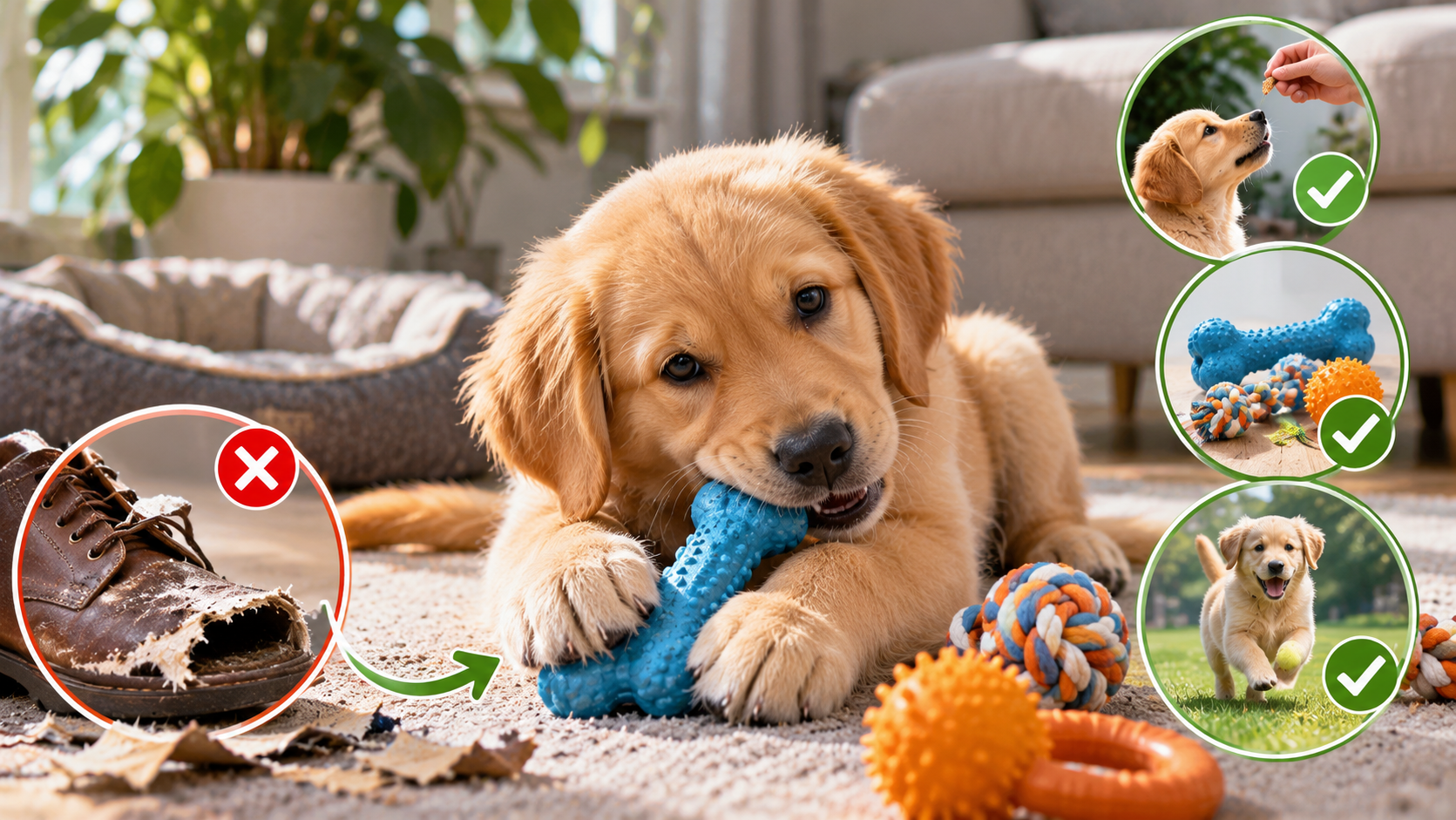
Destructive Chewing Prevention in Puppies is an essential topic for dog owners eager to foster a harmonious home. Understanding why puppies chew destructively helps in crafting effective prevention strategies that not only protect your belongings but also nurture your pup’s development.
Puppies often chew as a natural part of their exploration and teething process, yet certain psychological and behavioral factors can escalate this into destructive habits. By addressing these causes and providing appropriate outlets, owners can significantly reduce unwanted chewing behaviors while keeping their furry friends happy and engaged.
Understanding the Causes of Destructive Chewing in Puppies
Destructive chewing is a common issue among puppies and can often be traced back to various psychological, behavioral, and physical needs. Understanding these causes is crucial for pet owners looking to mitigate this behavior effectively. Puppies are naturally curious creatures, and their chewing habits can sometimes lead to frustration for their humans. This guide delves into the factors that drive puppies to chew destructively and offers insights into their behavior.
Psychological and Behavioral Factors
Puppies, like children, explore the world through their mouths. This instinctual behavior serves multiple functions, from learning about their environment to alleviating teething discomfort. Several psychological and behavioral factors contribute to destructive chewing. First and foremost, boredom is a significant trigger. Puppies that lack stimulation, both mental and physical, may resort to chewing on household items as a way to entertain themselves.
Additionally, anxiety and stress can lead to destructive chewing. Separation anxiety is particularly common in young dogs; when left alone, they may chew items as a coping mechanism. This behavior can escalate if not addressed early on. Puppies may also chew out of excitement or hyperactivity, especially in high-energy breeds.
To better understand these factors, consider the following:
- Boredom: Puppies that do not receive enough exercise or mental engagement often look for ways to occupy themselves, leading to destructive chewing.
- Anxiety: Situations like being left alone or exposure to loud noises can cause distress in puppies, prompting them to chew on furniture or personal items.
- Teething: Just like human babies, puppies go through a teething phase where they experience discomfort; chewing helps relieve this pain.
- Curiosity: Puppies are naturally curious and may chew on objects simply to explore and learn about their environment.
Physical Needs Driving Chewing Behavior
Puppies have distinct physical needs that influence their chewing habits. Teething, for instance, is a developmental phase that all puppies experience, typically occurring between three to six months of age. During this time, their gums can be sore, prompting them to chew on various objects to soothe their discomfort. Chewing on appropriate items such as teething toys can provide relief and help promote healthy dental development.
Moreover, puppies require regular physical exercise to channel their energy positively. Lack of physical activity can lead to pent-up energy, resulting in chewing as an outlet. When their physical needs aren’t met, they may resort to chewing on furniture, shoes, or other household items.
Puppy owners should ensure they provide:
- Appropriate Chew Toys: Investing in durable, safe chew toys can satisfy their need to chew while protecting your belongings.
- Regular Exercise: Daily walks, playtime, and mental stimulation through training can help manage their energy levels.
- Social Interaction: Regular interaction with other dogs and people can reduce anxiety and boredom, leading to healthier behaviors.
Breed-Specific Tendencies
Certain dog breeds have innate tendencies that may predispose them to destructive chewing. For instance, working breeds like Border Collies and German Shepherds often have higher energy levels and require more mental challenges, making them more prone to chewing when under-stimulated. Similarly, terriers are known for their strong prey drive and can exhibit chewing behavior as a means to express their natural instincts.
Understanding these breed-specific traits is essential for tailoring preventive measures. Here are a few breed tendencies to keep in mind:
- Working Breeds: These dogs require significant physical and mental stimulation; without it, they may chew destructively.
- Terriers: High-energy and driven, terriers may chew out of boredom or because of their instinctual desire to dig and hunt.
- Small Breeds: Some tiny breeds may chew due to anxiety or insecurity, especially if they are not properly socialized.
By recognizing the specific needs and tendencies of your puppy’s breed, you can proactively manage and redirect their destructive chewing behavior in a constructive manner.
Identifying Destructive Chewing Patterns in Your Puppy
Understanding your puppy’s chewing habits is crucial for preventing destructive behavior. Puppies have a natural inclination to chew as a means of exploration, teething relief, and even boredom. However, distinguishing between normal chewing and destructive chewing can save both your belongings and your puppy’s well-being.
Recognizing the signs that indicate destructive chewing is essential for effective prevention. Puppies may target inappropriate items that can lead to potential hazards and damage. Monitoring their behavior can help you intervene before it escalates into a habit.
Signs of Destructive Chewing
Identifying the specific signs of destructive chewing can assist in addressing the issue early on. Some common indicators include:
- Chewed furniture or shoes: Look for bite marks or shredded materials on items that are not designated chew toys.
- Excessive drooling or chewing on non-food items: This behavior often indicates boredom or anxiety.
- Obsessive behavior: Puppies that continuously target the same objects, despite being redirected, may be engaging in destructive chewing.
- Signs of aggression or frustration: Growling or snapping when approached while chewing can signal an attachment to an inappropriate item.
Recording your puppy’s chewing habits is another effective strategy. Keeping a journal can provide insight into their preferences and triggers. Note the times of day they chew destructively, the specific items targeted, and any situational factors like being left alone or lack of physical activity.
Differentiating Normal Chewing from Destructive Chewing
Understanding the difference between normal and destructive chewing is key to managing your puppy’s behavior. Normal chewing typically involves appropriate items like chew toys and is characterized by a healthy engagement with these objects. In contrast, destructive chewing can lead to dangerous situations and damage to belongings.
Normal chewing serves several beneficial purposes:
- Teething relief: Puppies often chew to soothe their sore gums during the teething phase.
- Exploration: Chewing is a natural way for puppies to explore their environment.
- Stress relief: Chewing can help alleviate anxiety in some puppies.
Destructive chewing, on the other hand, can lead to:
- Injury: Puppies may ingest harmful materials or choke on small parts of destroyed items.
- Behavioral issues: Continued destructive chewing may indicate underlying anxiety or boredom.
- Damage to property: Furniture, shoes, and other household items can be costly to replace.
By observing your puppy’s behavior and documenting their chewing tendencies, you can differentiate between normal and destructive patterns. This awareness will enable you to take proactive measures to redirect their chewing habits and promote a safer environment for both you and your puppy.
Effective Training Techniques for Chewing Prevention
Puppies have a natural instinct to chew, which is crucial for their development and exploration of the world around them. However, it can lead to destructive behaviors if not properly guided. Implementing effective training techniques can significantly help in preventing destructive chewing habits. Using positive reinforcement methods focuses on encouraging desirable behavior while discouraging the undesirable actions associated with chewing.
Positive Reinforcement Methods
Positive reinforcement is a powerful tool in training puppies. By rewarding your puppy for appropriate chewing behavior and redirecting them away from destructive chewing, you create a positive learning environment. Here are some effective methods to incorporate:
- Praise and Treats: When your puppy chews on an appropriate item, such as a toy, immediately offer praise and a small treat. This reinforces the behavior you want to encourage.
- Interactive Toys: Provide toys that engage your puppy mentally and physically. Chew toys that dispense treats when chewed correctly can keep your puppy occupied and satisfied.
- Redirecting Attention: If you catch your puppy chewing on something inappropriate, redirect their attention to a designated chew toy and reward them when they engage with it.
- Playtime Rewards: Incorporate regular play sessions with chew-friendly toys. This not only reinforces positive behavior but also helps to expend energy that might otherwise lead to destructive chewing.
Consistency in Training
Establishing a consistent routine is essential for effective training. Puppies thrive in environments where they understand what is expected of them. Consistency helps in reinforcing learning, making it easier for your puppy to grasp the concept of acceptable chewing behavior. To implement a routine:
- Set Clear Boundaries: Clearly define which items are acceptable for chewing. Consistently redirect your puppy when they attempt to chew on prohibited items.
- Regular Training Sessions: Schedule short, frequent training sessions throughout the day. This keeps your puppy engaged and reinforces positive behavior in manageable increments.
- Predictable Rewards: Always use the same rewards for positive behavior, whether it’s treats, praise, or playtime. This predictability helps your puppy associate good behavior with positive outcomes.
- Family Involvement: Ensure everyone in the household is on the same page regarding training techniques and commands. This prevents confusion for your puppy and reinforces structured learning.
Cues to Redirect Chewing Behavior
Using specific commands and cues can significantly enhance the effectiveness of your training. Consistent verbal cues help your puppy understand what behavior is expected. Here are some cues that can assist in redirecting chewing behavior:
- “Leave It”: Use this command when your puppy is about to chew on something inappropriate. Reward them when they comply.
- “No Chew”: Introduce this phrase when your puppy begins chewing on an undesired item. Follow it up with a redirection to an appropriate chew toy.
- “Good Chew”: Use this praise specifically when your puppy is chewing on an acceptable item. This reinforces the positive behavior.
- Visual Cues: Pair verbal commands with hand signals to create a visual association. This can help your puppy learn faster and respond more accurately.
“Training requires patience, consistency, and a lot of praise. Make sure your puppy knows when they’re doing something right.”
Choosing Appropriate Chewing Alternatives for Puppies
Puppies are natural chewers, and providing them with suitable chewing alternatives is essential to their development and well-being. Appropriate chew toys not only satisfy their instinctive need to chew but also help prevent destructive behaviors around the house. Selecting the right toys can be a delightful yet overwhelming task given the vast array of options available in the market.
When choosing chew toys, it’s important to consider various factors such as texture, durability, and safety. Puppies have different chewing styles and preferences, which can influence their toy choice. Below is a comparison of different types of chew toys to assist in making informed decisions.
Types of Chew Toys
Understanding the various types of chew toys can help ensure that your puppy receives the best options available. Each type has unique characteristics that cater to different chewing needs and preferences.
- Rubber Toys: Durable and flexible, rubber toys can withstand heavy chewing. They often come in different textures, making them appealing to puppies. Examples include KONG toys, which can be stuffed with treats for added interest.
- Rawhide Chews: Rawhide chews are popular but should be given with caution. They can be digestible, but larger pieces may pose a choking hazard. Always monitor your puppy while they enjoy these chews.
- Dental Chews: Specifically designed to promote dental health, these chews help reduce plaque buildup while satisfying the urge to chew. They typically have a softer texture, making them suitable for puppies.
- Fabric Toys: Plush toys often appeal to puppies, especially those that enjoy cuddling. While not as durable as rubber options, they can provide comfort and play. Look for those with reinforced stitching to extend their lifespan.
The importance of rotating toys cannot be overstated. Regularly changing the toys available to your puppy helps maintain their interest and prevents boredom, which can lead to unwanted chewing on furniture or shoes. By providing a variety of toys and occasionally introducing new ones, you can keep your puppy engaged and entertained.
“Keeping your puppy’s environment stimulating with a mix of chew toys is key to preventing destructive chewing habits.”
In addition to rotating toys, consider the texture of each toy, as puppies may prefer different sensations while chewing. Some may enjoy softer toys, while others might favor those that are firmer. Assessing your puppy’s individual preferences will help in selecting the most appropriate chewing alternatives.
Establishing a Chewing Management Plan for Your Puppy
Creating a chewing management plan is essential in guiding your puppy toward appropriate chewing behavior. By implementing a structured approach, you can effectively reduce destructive chewing while promoting healthy habits. This plan focuses on daily schedules, supervision techniques, and gradual freedom expansion to foster a well-behaved canine companion.
Establishing a comprehensive chewing management plan involves clear guidelines and consistency. Puppies thrive on routine, so having a daily schedule can help them learn when and where they can chew appropriately. This schedule should include designated playtimes, training sessions, and periods of rest. Supervision techniques are equally important; closely monitoring your puppy allows you to redirect their chewing when necessary. Additionally, implementing time-outs for misbehavior reinforces the idea that chewing on inappropriate items has consequences.
Daily Schedule for Chewing Management
To create a successful chewing management plan, it’s crucial to establish a daily schedule that incorporates play, training, and rest. This structure helps your puppy understand when they can engage in specific activities, including chewing.
- Morning Routine: Start the day with a short play session followed by breakfast. Afterward, dedicate 15-20 minutes to training exercises that reinforce positive behavior.
- Midday Break: Schedule a playtime in the early afternoon to expel excess energy, followed by a nap in a safe space away from tempting chew items.
- Afternoon Training: Conduct another training session in the late afternoon, focusing on commands related to chewing, such as “leave it” or “drop it.”
- Evening Wind Down: Provide interactive toys during the evening while supervising to ensure they focus on appropriate items as they relax after dinner.
Supervision Techniques
Effective supervision is vital in managing your puppy’s chewing behavior. By observing your puppy closely, you can intervene promptly when they attempt to chew on inappropriate items.
- Leash Training Indoors: Use a leash to keep your puppy close during indoor activities. This enables you to redirect them quickly if they target furniture or shoes.
- Puppy-Proofing: Remove or secure items that might tempt your puppy to chew destructively. Use baby gates to limit access to certain areas.
- Safe Spaces: Create a designated area with safe chew toys and items. Encourage your puppy to explore this area when they feel the urge to chew.
Implementing Time-Outs
Time-outs serve as a constructive method to address misbehavior, including destructive chewing. Understanding how and when to implement these can reinforce boundaries.
- Immediate Response: If you catch your puppy chewing on something inappropriate, calmly remove them from the situation and place them in a designated time-out area for a few minutes.
- Consistency is Key: Ensure everyone in your household applies the same rules regarding time-outs, so your puppy remains clear about acceptable behaviors.
- Positive Reinforcement: After the time-out, encourage your puppy to return to appropriate chewing items and reward them with praise or treats for making the right choice.
Gradually Increasing Freedom
As your puppy learns to avoid destructive chewing behaviors, it’s important to gradually expand their freedom. This process fosters trust and encourages responsible behavior.
- Controlled Exploration: Allow your puppy to explore new areas of the house while supervised, gradually increasing the space they can access as their behavior improves.
- Introduce New Toys: Rotate toys to keep your puppy engaged and encourage them to focus on appropriate items instead of household goods.
- Monitor Progress: Keep track of your puppy’s chewing habits and adjust their freedoms based on their behavior. Reward consistent positive choices with increased access to your home.
Seeking Professional Guidance for Persistent Chewing Issues
When a puppy’s chewing habits escalate beyond what seems manageable, it can be a source of frustration for owners. While many chewing behaviors can be redirected through training and supervision, certain persistent issues may warrant professional assistance. Consulting a dog trainer or behaviorist can provide tailored strategies and support to address ongoing destructive chewing.
Recognizing when to seek professional help is crucial for both the well-being of your puppy and the preservation of your home. If attempts at deterring chewing are ineffective and your puppy continues to destroy furniture or household items, it’s time to consider the expertise of a professional. Trainers and behaviorists can help identify underlying behavioral issues or anxieties contributing to this destructive habit.
Types of Training Programs Available
Various training programs exist that specifically address chewing behaviors in puppies. Understanding these options can help you choose the right path for your puppy’s needs.
– Basic Obedience Training: This foundational program typically covers commands and positive reinforcement techniques, which can be essential for discouraging unwanted behaviors, including chewing.
– Behavior Modification Programs: Tailored to address specific issues, these programs can dive deep into the reasons behind destructive chewing. They often combine different strategies, such as desensitization and counter-conditioning.
– Puppy Socialization Classes: These classes help puppies learn appropriate behaviors through interaction with other dogs and people, which can reduce anxiety-related chewing.
– Private Consultations: Individual sessions allow for a personalized approach, where a trainer can observe your puppy’s behavior in its home environment and suggest specific interventions.
Before enrolling in any training program, communicate with the trainer about your puppy’s specific chewing challenges. This helps ensure that the chosen program aligns with your goals and your puppy’s behavior.
Effective Collaboration with Trainers
Collaboration with trainers is essential for achieving lasting changes in your puppy’s chewing behavior. Here are some tips for working effectively with a professional:
– Open Communication: Clearly articulate the specific chewing problems you’re experiencing. Sharing your observations and any patterns you’ve noticed can help the trainer tailor their approach.
– Consistency in Training: Follow through with the trainer’s recommendations at home. Consistent application of techniques will reinforce learning and help your puppy adapt.
– Keep Records: Document your puppy’s progress and any changes in behavior. This information can provide valuable insights during training sessions and help assess the effectiveness of strategies.
– Stay Involved: Attend training sessions whenever possible. Being present allows you to learn directly from the trainer and understand the rationale behind the techniques being used.
– Be Patient: Behavioral changes take time, and setbacks may occur. Maintaining a patient and positive attitude will encourage your puppy and support their learning process.
Engaging a professional can be a game changer in managing destructive chewing. By understanding the available training options and fostering a collaborative relationship with your trainer, you can pave the way for positive, long-term changes in your puppy’s behavior.
The Role of Physical and Mental Stimulation in Preventing Destructive Chewing
Puppies are naturally curious and energetic creatures, often resorting to destructive chewing as a way to explore their environment. Providing them with sufficient physical and mental stimulation is crucial to redirect their energy and reduce the likelihood of unwanted chewing behaviors. Regular exercise and engaging activities can significantly enhance a puppy’s well-being, making them less likely to chew on inappropriate items.
Physical exercise is vital for puppies as it helps them expend energy and maintain a healthy lifestyle. A well-exercised puppy is less likely to engage in destructive behaviors, including chewing. Activities such as daily walks, playing fetch, or engaging in tug-of-war games not only tire them out physically but also provide bonding time with their owners. By incorporating a variety of play sessions and exercise routines, puppy owners can mitigate the chances of their furry friends developing chewing habits that could damage household items.
Activities for Mental Stimulation
Mental stimulation is just as important as physical exercise in preventing destructive chewing. Engaging puppies in activities that challenge their minds can keep them occupied and satisfied. Here are several effective methods to provide mental stimulation for puppies:
- Puzzle Toys: These toys are designed to hide treats and require puppies to solve problems to access the rewards inside. They promote critical thinking and keep dogs engaged for extended periods.
- Training Games: Teaching puppies new commands or tricks not only strengthens obedience but also enhances mental engagement. Games like hide and seek or using clicker training can be particularly effective.
- Interactive Playdates: Arranging playdates with other dogs provides social interaction, allowing puppies to engage in play that is mentally and physically stimulating.
- Scent Work: Utilizing a puppy’s natural instinct to sniff can be a fun way to engage their minds. Hiding treats around the house or yard and encouraging them to find them can provide hours of entertainment.
Providing a variety of activities ensures that puppies remain entertained and mentally stimulated, which is essential for curbing unwanted chewing behavior.
“A well-exercised puppy is a happy puppy, and a happy puppy is less likely to chew destructively.”
The connection between physical exercise, mental stimulation, and chewing behavior is clear. When puppies are adequately stimulated, they are less likely to resort to chewing on furniture, shoes, or other household items. By consistently incorporating these activities into a puppy’s routine, owners can foster a well-adjusted pet that thrives in both body and mind.
Final Thoughts
In summary, tackling destructive chewing in puppies requires a comprehensive approach that includes understanding their needs, implementing effective training techniques, and providing suitable chew toys. By staying proactive and attentive, pet owners can ensure their puppies grow into well-behaved companions while maintaining the integrity of their homes.
Quick FAQs
What are some safe chew toys for puppies?
Look for toys made of durable rubber, nylon, or natural materials that are specifically designed for puppies.
How can I tell if my puppy is chewing destructively?
Signs include chewing on furniture, shoes, or items not meant for them, as well as signs of anxiety or boredom.
Is it okay to use deterrent sprays on furniture?
Yes, using pet-safe deterrent sprays can help discourage your puppy from chewing on furniture without harm.
How often should I rotate my puppy’s chew toys?
Rotating toys every few days keeps them fresh and exciting for your puppy, preventing boredom.
Can my puppy’s diet affect their chewing behavior?
A balanced diet supports overall health and can reduce anxiety or stress-related chewing behaviors.