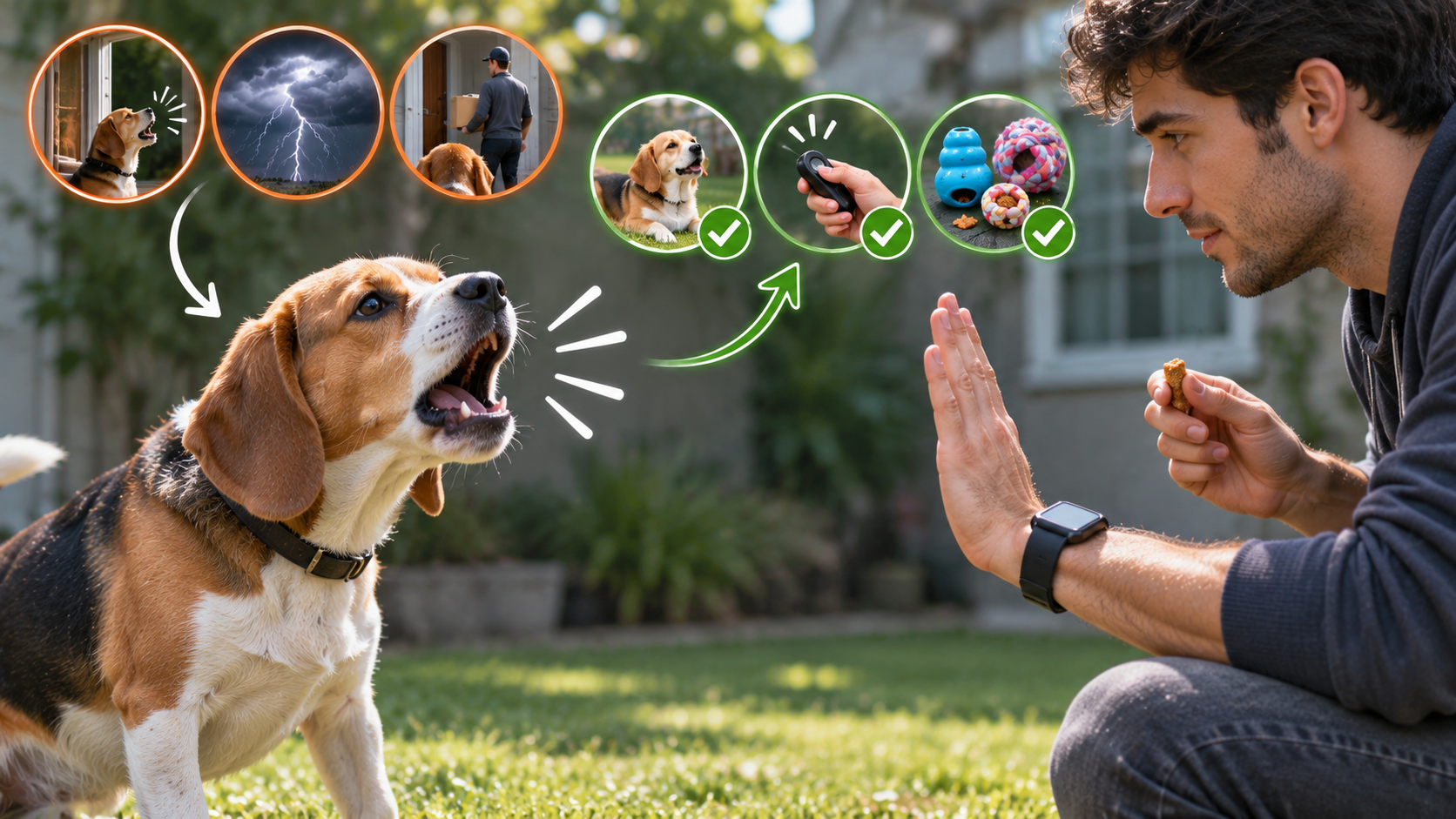
Excessive Barking Behavior Modification is an essential topic for dog owners looking to foster a calm and harmonious home environment. Understanding the myriad reasons behind a dog’s tendency to bark excessively can pave the way for effective solutions. From environmental stimuli to underlying behavioral issues, this guide delves into the various causes and practical strategies to manage and modify this behavior.
As we explore training methods, the importance of environmental management, and the potential need for professional assistance, you’ll gain valuable insights that empower you to address barking issues with confidence and compassion. Whether you’re dealing with a particularly vocal breed or a dog struggling with anxiety, the following information will equip you with the tools to make a positive change.
Understanding the Causes of Excessive Barking in Dogs
Excessive barking in dogs is a common concern for pet owners, often leading to frustration and misunderstandings. Understanding the various factors that contribute to this behavior is essential for effective modification and training. Dogs may bark for several reasons, including environmental stimuli, anxiety, and their inherent characteristics as a breed.
Several factors influence excessive barking in dogs, ranging from external stimuli to mental and physical health. Environmental factors such as noise levels, presence of strangers, or other animals can trigger a barking response. Additionally, dogs may bark out of boredom or loneliness, especially if they are left alone for extended periods. High-energy breeds often require more stimulation, and failing to provide it can lead to increased vocalization. Anxiety and fear are also significant contributors; dogs may bark due to separation anxiety or phobias triggered by fireworks or thunderstorms.
Specific Breeds Prone to Barking
Certain breeds are more predisposed to excessive barking due to their characteristics and historical purposes. Understanding these breeds can help owners anticipate and manage barking behavior.
- Beagles: Originally bred for hunting, Beagles have a strong instinct to vocalize, especially when they catch a scent. Their friendly demeanor often leads to excitement barking.
- Chihuahuas: Small and often protective, Chihuahuas are known for their high-pitched barks, particularly when they perceive a threat to their territory.
- Yorkshire Terriers: These small dogs are known for their alertness and often bark excessively to signal their owners of any unusual activity.
- German Shepherds: Highly intelligent and protective, they may bark when guarding their territory or alerting owners to potential intruders.
- Jack Russell Terriers: Energetic and driven, they tend to bark when they are excited or trying to get attention.
Understanding these breed tendencies can inform training strategies tailored to each dog’s needs and help mitigate excessive barking.
Age and Health Influences on Barking Behavior
A dog’s age and overall health can significantly affect its barking behavior. Puppies may bark as a natural part of their development, learning to communicate with their littermates and humans. As they mature, the context and frequency of barking can change.
In senior dogs, health issues such as hearing loss, cognitive dysfunction, or physical discomfort can lead to increased vocalization as they struggle to cope with their environment. For instance, a dog suffering from arthritis may bark more due to pain or frustration, while cognitive decline can result in confusion, leading to barking episodes.
Veterinarians often emphasize the importance of assessing a dog’s health to identify any underlying issues contributing to excessive barking. Regular check-ups are essential for monitoring changes in behavior related to overall health and aging.
Understanding the interplay between breed characteristics, environmental factors, and health can aid in the effective management of excessive barking behavior in dogs.
Effective Techniques for Modifying Barking Behavior
Excessive barking can be a challenge for dog owners, but with the right techniques, it’s possible to modify this behavior effectively. A combination of training methods, cues, and patience sets the foundation for a quieter and more peaceful home environment. Understanding how to implement these strategies will help both dogs and their owners communicate better.
One of the most effective ways to reduce barking is through positive reinforcement. This technique encourages desired behavior by rewarding the dog when it remains quiet or stops barking on command. Not only does this approach foster a trusting relationship between the dog and the owner, but it also establishes a clear understanding of expectations.
Positive Reinforcement Techniques
To successfully utilize positive reinforcement, consider the following steps that can encourage quiet behavior:
1. Identify Triggers: Recognize what causes your dog to bark, whether it’s strangers, other animals, or noise. Understanding these triggers allows you to anticipate barking and respond accordingly.
2. Use Treats and Praise: When your dog remains calm or stops barking during a trigger scenario, immediately reward it with treats and verbal praise. This positive feedback reinforces the behavior you want to encourage.
3. Reward Quiet Moments: Instead of only rewarding when your dog stops barking, provide treats during moments of quietness, especially when faced with potential triggers. This builds a habit of remaining quiet.
4. Implement “Quiet” Command: Teach your dog a specific command like “quiet” when it starts barking. Once the dog stops barking, reward it with treats. Consistently using this command helps the dog learn to associate silence with positive outcomes.
5. Practice Short Training Sessions: Consistency is key. Conduct brief training sessions multiple times a day rather than long, drawn-out sessions to maintain your dog’s focus and interest.
In addition to positive reinforcement, properly utilizing cues is essential to managing barking behavior. Cues can be vocal commands or visual signals that prompt your dog to act or refrain from acting in certain ways.
Implementing Effective Cues
Using cues effectively involves creating a consistent communication system between you and your dog. The following methods will help in this process:
– Establish a Cue System: Choose simple, clear verbal cues such as “enough” or “hush” that denote the desired behavior. Keep cues consistent to avoid confusion.
– Pair Cues with Actions: When giving a cue, demonstrate the desired behavior. For example, if you use “hush” while putting your finger to your lips, the dog will eventually associate the cue with the action of being quiet.
– Repeat and Reinforce: Repetition is essential for your dog to learn cues. Practice regularly and always pair cues with rewards when your dog responds correctly.
– Use Hand Signals: Dogs often respond well to visual cues. Incorporating a hand signal alongside vocal commands can enhance understanding and response.
– Consistency is Crucial: Ensure all family members use the same cues and commands. This uniformity prevents mixed signals and speeds up the learning process for your dog.
The journey of modifying barking behavior requires both consistency and patience. Changes will not occur overnight, but with dedication, you will see progress.
The Role of Consistency and Patience
Establishing a consistent training routine is fundamental in modifying barking behavior. Here are some considerations for maintaining consistency and fostering patience:
– Regular Training Schedule: Set aside specific times each day for training. This regularity helps your dog anticipate training sessions, enhancing their focus.
– Family Involvement: Ensure everyone in the household understands the training techniques being applied. A united front helps reinforce the desired behavior.
– Monitoring Progress: Keep track of your dog’s improvements and setbacks. Celebrating small victories, such as a reduction in barking frequency, bolsters motivation for both you and your dog.
– Be Patient: Understand that behavioral changes take time. Celebrate gradual improvements and maintain a positive attitude throughout the process.
– Seek Professional Help if Necessary: If progress is slow or the barking escalates, consider consulting a professional dog trainer or behaviorist who specializes in barking issues.
By combining these techniques of positive reinforcement, effective cues, and the steadfast application of consistency and patience, dog owners can successfully modify excessive barking behavior, leading to a harmonious living environment.
The Importance of Environmental Management in Barking Control
Creating a conducive environment is crucial for managing excessive barking in dogs. By focusing on modifications that promote calmness and reduce stimulus, pet owners can significantly impact their dog’s behavior. Understanding the role of environmental factors can facilitate effective barking control, leading to a more harmonious home life for both dogs and their owners.
A well-managed environment can help minimize triggers that lead to excessive barking. This involves a combination of physical modifications and the use of specific tools designed to create a calm atmosphere for the dog. The goal is to make the space as stress-free as possible, reducing the likelihood of barking due to anxiety or over-excitement.
Key Environmental Modifications for Barking Control
Implementing certain environmental changes can greatly assist in controlling a dog’s barking. These modifications include creating peaceful areas in the home, using barriers to limit visual stimuli, and incorporating soundproofing techniques. Below are some effective strategies:
- Calm Space Creation: Designate a quiet area in your home where your dog can retreat to reduce stress. This space should be free from distractions and noise, providing a sanctuary for the dog to relax.
- Visual Barriers: Use curtains or indoor shades to block out views that may trigger barking, such as pedestrians or other animals outside. This helps decrease the dog’s urge to bark in response to external stimuli.
- Soundproofing: Consider soundproofing certain areas of your home to minimize noise exposure from outside that may prompt barking. This can be achieved with rugs, acoustic panels, or even blankets hung on walls.
Effective tools and techniques can further aid in managing a dog’s environment. These include various training devices, calming aids, and structured routines.
Tools and Techniques for Environmental Management
Incorporating specific tools and techniques can enhance the effectiveness of environmental management. These tools not only help in controlling barking but can also improve the overall behavior of the dog.
- Training Collars: Utilize humane training collars that provide gentle feedback to discourage barking. These collars can be effective when combined with positive reinforcement techniques.
- Calming Products: Consider using calming sprays or diffusers infused with essential oils that are known to soothe dogs, such as lavender or chamomile.
- Structured Routines: Establish a consistent routine for feeding, walking, and playtime. Predictability helps reduce anxiety and can lessen barking triggered by uncertainty.
Socialization and exposure play a significant role in a dog’s barking behavior. Proper exposure to various environments and situations can teach a dog to remain calm in the face of potential triggers.
The Role of Socialization in Barking Behavior
Socialization is an essential aspect of a dog’s development and can greatly influence its barking behavior. A well-socialized dog learns to adapt to various environments, reducing its tendency to bark in response to new stimuli.
- Positive Exposure to New Experiences: Gradually introducing your dog to new people, sounds, and environments can help them become more adaptable and less reactive.
- Controlled Social Interactions: Arrange playdates with other calm dogs to promote positive behaviors. This can help your dog learn appropriate responses to the presence of other animals.
- Training Classes: Engage your dog in obedience or socialization classes. These settings provide structured exposure to distractions while reinforcing good behavior.
Implementing effective environmental management techniques alongside proper socialization can lead to significant improvements in excessive barking behavior, fostering a peaceful coexistence between dogs and their owners.
Addressing Underlying Behavioral Issues Linked to Barking
Excessive barking often stems from deeper behavioral issues that can affect a dog’s well-being and relationship with their owners. Understanding these underlying causes is crucial to effectively modifying barking behavior. Common culprits include separation anxiety, fear, and insufficient mental stimulation. By addressing these issues, pet owners can create a more harmonious living environment.
Identifying and addressing the root causes of excessive barking can greatly improve a dog’s quality of life. Many dogs bark out of anxiety, fear, or frustration, signaling a need for support and understanding from their owners. Implementing behavioral modification strategies can help alleviate these issues, thereby reducing the barking that often accompanies them.
Common Behavioral Issues Linked to Excessive Barking
Several behavioral issues contribute significantly to a dog’s tendency to bark excessively. Understanding these can help in developing effective strategies for modification. Key issues include:
- Separation Anxiety: Dogs suffering from separation anxiety may bark when left alone, reflecting their distress. This behavior can lead to destructive actions and increased stress for both the dog and owner.
- Fear-Based Barking: Fear of loud noises, unfamiliar people, or other animals can trigger barking as a form of self-protection. It’s a dog’s instinct to alert their owner to perceived threats.
- Lack of Socialization: Dogs that haven’t been properly socialized may bark excessively in new or unfamiliar situations due to anxiety or fear of the unknown.
- Insufficient Exercise and Stimulation: Boredom can lead to excessive barking, as dogs seek a way to release pent-up energy or frustration when they lack physical and mental activities.
Strategies to Address Underlying Issues
Before focusing on barking reduction techniques, it’s essential to tackle the underlying behavioral issues. Here are effective strategies to consider:
- Gradual Desensitization: Slowly introducing your dog to the situations that evoke anxiety can help them build confidence. For example, if your dog barks at strangers, start by having a friend visit while remaining at a distance, gradually moving closer as your dog becomes more comfortable.
- Counter-Conditioning: This technique involves changing your dog’s emotional response to a trigger. If your dog barks at other dogs, reward them with treats for remaining calm in their presence, reinforcing positive associations.
- Routine Establishment: Dogs thrive on routine. Regular feeding, exercise, and playtime can reduce anxiety and help your dog feel more secure, leading to a decrease in barking.
- Professional Help: Consulting with a certified dog trainer or behaviorist can provide tailored strategies and support for persistent behavioral issues that lead to excessive barking.
Building a Strong Bond to Alleviate Anxiety
Creating a strong, trusting bond with your dog is paramount in alleviating anxiety and reducing barking. Here are techniques to enhance your relationship with your pet:
- Consistent Training: Training sessions not only teach commands but also strengthen the bond between you and your dog. Consistency in commands and rewards builds trust.
- Quality Time: Engaging in regular play and providing affectionate attention helps your dog feel secure and loved. Activities such as fetch, tug-of-war, or simple walks can make a significant difference in their emotional state.
- Comfort Items: Providing your dog with a favorite toy or blanket can offer comfort in stressful situations. Familiar scents can calm an anxious dog when left alone.
- Positive Reinforcement: Use treats and praise to reinforce good behavior. This approach not only encourages compliance but also strengthens your relationship by associating positive experiences with your presence.
By focusing on the underlying behavioral issues linked to barking, you pave the way for more effective and lasting solutions.
The Role of Professional Help in Barking Behavior Modification
When dealing with excessive barking, some situations can become overwhelming for pet owners. Understanding when to seek professional help is crucial. Consulting with a professional dog trainer or behaviorist can provide tailored solutions and techniques that are effective in modifying your dog’s barking behavior. Professional guidance can be particularly beneficial when home training methods do not yield the desired results or when the barking is linked to underlying behavioral issues.
In some cases, it becomes necessary to seek assistance from a professional. This is particularly true if the barking is persistent and disrupts the household or community. Signs that professional help may be needed include lack of progress with self-training, barking that escalates during certain triggers (such as visitors or other animals), or if the barking is accompanied by signs of anxiety or aggression. Professionals can assess the situation more objectively and provide strategies that are hard to identify from a pet owner’s perspective.
Benefits of Different Types of Training Programs
There are various types of training programs available for barking behavior modification, each offering distinct advantages. Understanding these can help you choose the right approach for your dog.
The following are common training programs and their benefits:
- One-on-One Sessions: Personalized attention allows trainers to focus on specific issues that your dog exhibits, fostering a tailored approach that can address unique behaviors effectively.
- Group Classes: These classes offer socialization opportunities while providing training techniques in a controlled environment. Social interaction can help reduce anxiety and excessive barking.
- Online Programs: Convenient and often more affordable, online training can provide video resources and virtual consultations, allowing owners to learn at their own pace from the comfort of home.
- Board and Train Programs: These intensive programs offer in-depth training where your dog stays with the trainer for a set period. This can lead to faster results, particularly for stubborn barking issues.
Each training program can cater to different needs and learning styles. Selecting the appropriate type depends on your dog’s specific behavioral challenges, your training goals, and your schedule.
Professional trainers can help identify the root causes of barking, leading to more effective strategies for modification.
Expectations from a Professional Consultation
Going into a consultation with a professional can be daunting, but being prepared can enhance the experience significantly. During the session, the trainer will typically assess your dog’s behavior, environment, and your handling techniques. They may ask you to describe specific barking situations, including triggers and your responses, to better understand the behavior.
To prepare for the consultation, consider the following steps:
- Gather Details: Document instances of excessive barking, including times, triggers, and your dog’s behavior during these episodes. This information will provide valuable context for the trainer.
- Set Goals: Determine what you hope to achieve from the training. Having clear objectives will facilitate a focused discussion with the trainer.
- Be Open to Feedback: Expect constructive criticism regarding your current training methods. Understanding your role in the behavior modification process is essential.
- Bring Supplies: If possible, have your dog’s leash, favorite toys, and any relevant training tools available during the consultation to provide the trainer with insights into your routine.
Having these elements prepared will allow for a productive session, maximizing the benefits of professional guidance in modifying your dog’s excessive barking behavior.
Monitoring Progress and Adjusting Strategies Over Time
Tracking changes in a dog’s barking behavior is a crucial part of the training process. Consistent monitoring allows you to identify trends, recognize triggers, and make informed adjustments to your training strategies. This not only enhances the effectiveness of your approach but also fosters a more harmonious relationship between you and your dog.
Monitoring a dog’s barking behavior involves observing both frequency and context. Keeping a detailed log can be beneficial in pinpointing specific patterns and triggers that lead to excessive barking. This log should include the time of day, the environment, the presence of other animals or people, and the reasons for the barking when known.
Methods for Tracking Barking Behavior
Establishing effective tracking methods is essential for understanding your dog’s barking tendencies. Different techniques can be employed to accurately gauge the changes in barking behavior over time:
- Behavior Logs: Maintain a daily record of barking incidents, noting the situations, duration, and intensity of the barking. This can reveal patterns that might not be obvious initially.
- Video Recording: Utilize video to capture barking sessions. This can offer insights into body language and environmental factors that might be contributing to the behavior.
- Regular Evaluations: Set specific intervals (weekly or bi-weekly) for reviewing the logs and videos to assess progress and identify any persistent issues.
- Feedback from Others: If applicable, gather observations from family members or friends who interact with your dog. They may notice barking triggers that you might overlook.
Flexibility in training strategies is imperative. If initial methods do not render the desired results, adjustments may be necessary to better align with your dog’s unique personality and environmental influences. This adaptability can significantly enhance the training outcome and mitigate frustration for both the owner and the pet.
Adjustments to Training Strategies
When the original strategies do not yield expected improvements, consider the following adjustments:
- Change Reward Systems: If your dog is not responding to treats, try incorporating playtime, praise, or toys as rewards for quiet behavior.
- Modify Training Environment: Sometimes external distractions can impede progress. Conduct training sessions in a controlled environment with fewer stimuli to help your dog focus better.
- Adjust Timing of Corrections: Ensure that corrections are applied immediately after the barking occurs for better association. Delayed responses can confuse your dog.
- Incorporate New Techniques: Explore alternative training techniques such as desensitization or counter-conditioning, which may be more effective for your dog’s specific reactions.
Flexibility and observation are key components in modifying barking behavior effectively.
Tracking and adjusting your strategy based on observed data ensures that the training process remains dynamic and responsive to your dog’s needs, ultimately leading to a more peaceful coexistence where excessive barking is significantly reduced.
The Significance of Consistent Communication with Your Dog
Clear communication between a dog and its owner is essential for modifying excessive barking behavior. Dogs thrive on consistency and clarity in signals, as these help them understand what is expected of them. When owners employ consistent communication methods, it not only aids in reducing unwanted barking but also strengthens the bond between the dog and its owner.
Effective communication involves more than just verbal commands; it encompasses body language, facial expressions, and vocal tones. Dogs are incredibly intuitive and can pick up on subtle cues from their owners. For instance, an enthusiastic tone when praising your dog can elicit a positive response, while a stern voice may signal disapproval. Understanding these nuances can significantly enhance the training process.
Examples of Body Language and Vocal Tones
To effectively modify barking behavior, it is crucial to recognize how body language and vocal tones influence a dog’s response. Various signals can convey specific meanings to your dog, reinforcing desired behaviors.
– Body Language: Dogs are adept at reading human body language. Standing tall with an upright posture can signify confidence, whereas bending down can invite your dog to come closer. Gestures, such as pointing or using hand signals, can clarify commands and provide non-verbal cues.
– Vocal Tones: The tone of voice plays a vital role in communication. A high-pitched, cheerful tone can be used during positive reinforcement to encourage good behavior. Conversely, a low, firm tone can indicate that undesirable behavior is not acceptable.
Implementing these communication tactics can enhance training effectiveness and improve the dog’s response to commands.
Strategies for Enhancing Communication Skills
Improving communication skills with your dog is essential for effective training, especially when addressing excessive barking behavior. Here are some strategies to enhance your communication methods:
– Consistency in Commands: Use the same verbal commands and hand signals consistently. This helps your dog associate specific sounds or gestures with particular actions, reducing confusion.
– Positive Reinforcement: Reward your dog for following commands or demonstrating desired behaviors. Use treats, praise, or playtime to reinforce positive behavior, promoting a clear connection between actions and outcomes.
– Practice Active Listening: Pay attention to your dog’s responses. Observing their body language and vocalizations can provide insight into their feelings and understanding, allowing for adjustments in your approach if necessary.
– Regular Training Sessions: Frequent and short training sessions keep your dog engaged and reinforce communication. This maintains clarity and consistency, ensuring your dog is continually learning and adapting.
By implementing these strategies, owners can create a more effective communication channel, ultimately leading to successful barking behavior modification and a stronger relationship with their furry companions.
Final Wrap-Up
In summary, managing excessive barking requires a comprehensive understanding of the factors at play and a commitment to consistent training. By developing effective communication with your dog and utilizing various modification techniques, you can significantly reduce unwanted barking and enhance your pet’s overall well-being. Remember, patience and perseverance are key to achieving lasting results.
FAQs
What are common triggers for excessive barking?
Common triggers include environmental noises, other animals, loneliness, and lack of exercise.
Is excessive barking a sign of a behavioral issue?
Yes, excessive barking can indicate underlying behavioral problems such as anxiety or fear.
How long does it typically take to modify barking behavior?
It varies by dog, but with consistent training, noticeable changes can often be seen within weeks to months.
Can excessive barking be completely eliminated?
While it may not be possible to eliminate barking entirely, it can be significantly reduced with proper training and management.
What tools can help in reducing barking?
Tools such as anti-bark collars, sound machines, and interactive toys can aid in managing barking behavior.