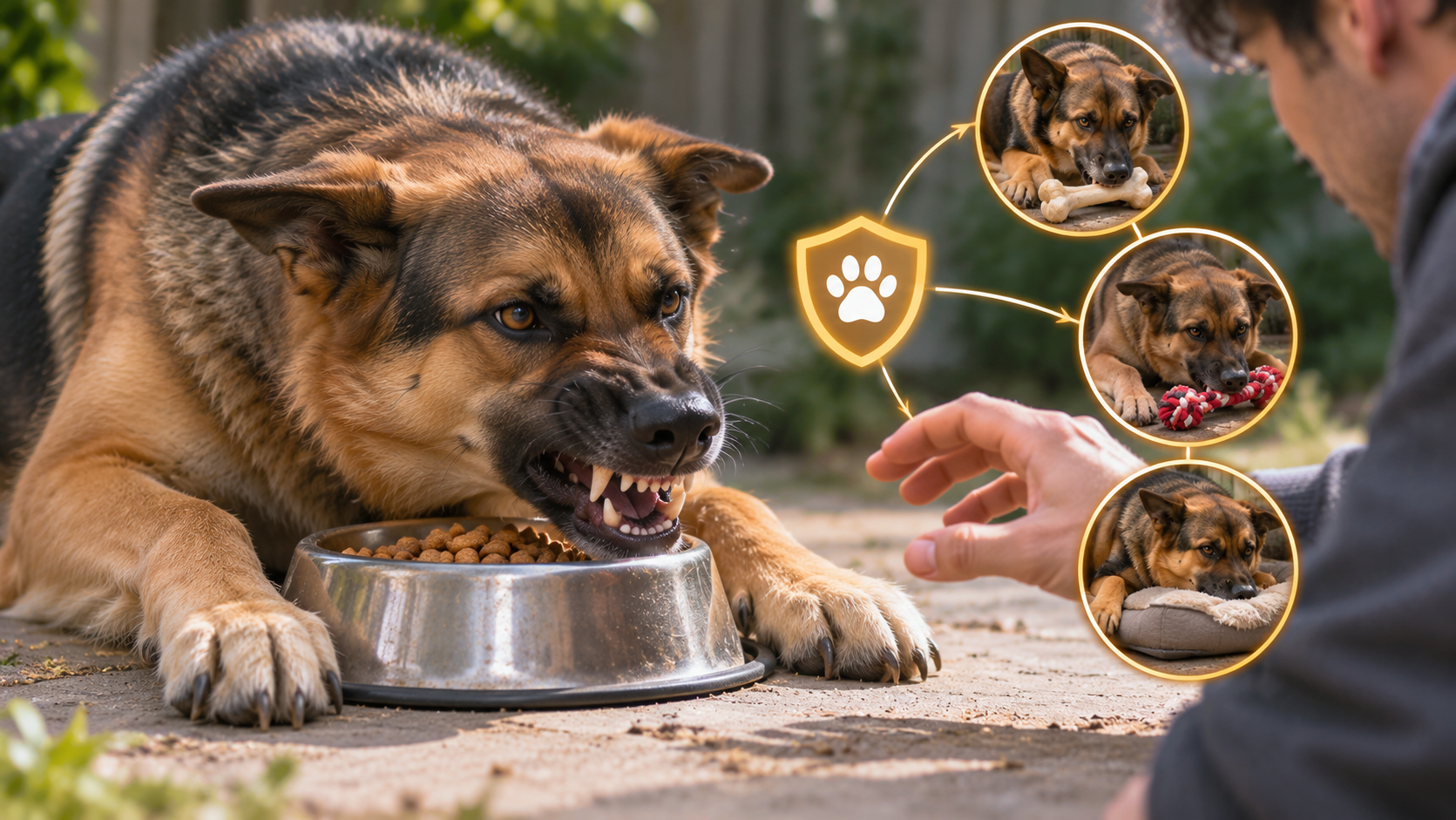
Resource Guarding Behavior in Dogs is a fascinating aspect of canine behavior that stems from their evolutionary roots. This instinct, deeply embedded in their ancestry, often manifests in various forms such as hoarding food, toys, or even human attention. Understanding the motivations behind this behavior not only sheds light on a dog’s instincts but also helps pet owners create a harmonious living environment.
Recognizing and addressing resource guarding early on can significantly improve a dog’s quality of life and foster better relationships with family members. By delving into the origins, triggers, and management strategies of this behavior, we can empower dog owners with the knowledge they need to navigate potential challenges effectively.
Understanding the Origins of Resource Guarding Behavior in Dogs
Resource guarding behavior in dogs is an instinctual reaction deeply rooted in their evolutionary history. This behavior often manifests when a dog perceives a threat to their valuable resources, which can include food, toys, or even their human companions. To better understand this behavior, it’s essential to delve into the evolutionary background of canines and how their ancestral traits influence present-day behaviors.
The origins of resource guarding can be traced back to the survival instincts of wild canids, such as wolves. In the wild, food is not always plentiful, and competition for resources is fierce among pack members and other animals. Guarding essential resources not only ensures individual survival but also contributes to the overall success of the pack. This instinct is driven by the need to secure food to sustain oneself and to protect valuable assets from potential threats. As a result, resource guarding is a behavior that has been passed down through generations, becoming ingrained in the behavioral repertoire of domestic dogs.
Behavioral Motivations Behind Resource Guarding
Understanding the motivations behind resource guarding behavior sheds light on why dogs act defensively toward their possessions. This behavior is primarily driven by instinctual needs and learned experiences. Dogs might guard resources due to fear of loss or scarcity. When a dog perceives a resource as limited, their instinctual drive to protect it becomes heightened. For instance, a dog raised in an environment where food is frequently threatened by other dogs may develop stronger guarding instincts as a survival mechanism.
Social hierarchies within canine packs also play a crucial role in the development of resource guarding behavior. In a pack, dominant individuals often have preferential access to resources. This hierarchical structure influences how lower-ranking dogs behave around resources. A lower-ranking dog may feel the need to guard its possessions more fiercely if it has previously experienced food theft or aggression from higher-ranking pack members. As such, resource guarding can be a learned behavior that emerges from social interactions within a group, further complicating its manifestation in domestic settings.
Pack dynamics illustrate that resource guarding is not merely an individual trait but rather a reflection of social behaviors and survival strategies. Dogs, inherently social animals, exhibit behaviors that are shaped by their experiences and their understanding of their place within a social structure. Understanding these origins helps owners foster an environment where dogs can feel secure and less inclined to guard their resources aggressively.
Identifying the Signs of Resource Guarding in Dogs
Recognizing the signs of resource guarding in dogs is crucial for ensuring a safe and harmonious environment for both the pet and its owners. Resource guarding behavior can manifest in various ways, often escalating if not addressed promptly. By understanding these signs, pet owners can take proactive measures to manage their dogs’ behavior and prevent potential conflicts.
Body language plays a significant role in indicating resource guarding behavior. Dogs communicate a lot through their posture, facial expressions, and overall demeanor. Observing these nuances can help owners identify when their dog is feeling possessive. When a dog is resource guarding, it may exhibit various signs that indicate discomfort or aggression around a specific item, such as food, toys, or even spaces.
Common Signs of Resource Guarding
It’s important to recognize the warning signs early, as they can escalate into more severe aggressive behaviors if ignored. Here are some common behaviors to watch for:
- Stiff Body Posture: A dog that is tense and rigid may be on guard and ready to defend its resources.
- Growling or Snarling: Vocalizations such as growling can be a clear indication that the dog is feeling threatened and is ready to protect what it considers valuable.
- Snapping or Biting: In more severe cases, a dog may snap or attempt to bite if someone approaches their guarded resource.
- Wide Eyes or Fixed Gaze: A dog that is staring intensely at a resource or an approaching person may be signaling its intent to guard.
- Possessive Behavior: Dogs may physically block access to their resources by positioning themselves in front of the item or acting evasively towards people.
- Ear Position: Ears pinned back against the head can signify fear or aggression, indicating that the dog is ready to defend itself.
Understanding these body language signals can prevent situations from escalating into aggression. Early recognition allows owners to implement strategies to modify their dog’s behavior, ensuring that all family members, including the dog, feel secure. By paying close attention to these signs and responding appropriately, owners can foster a more peaceful coexistence with their pets.
Common Triggers for Resource Guarding Behavior in Dogs
Resource guarding in dogs can manifest in various ways and typically involves them protecting certain items or areas they perceive as valuable. Understanding the common triggers for this behavior is essential for pet owners and trainers alike. By identifying these triggers, we can better manage and mitigate resource guarding tendencies, ensuring a harmonious household environment.
Different resources can provoke guarding behavior in dogs, resulting in a spectrum of reactions from mild anxiety to aggressive posturing. The most commonly guarded resources include food, toys, and human attention. Each type of resource presents unique challenges and scenarios that can intensify the guarding instinct. For instance, a dog may feel especially vulnerable when eating, perceiving any approach as a potential threat. Similarly, toys may become objects of contention, especially in multi-pet households where competition can lead to heightened stress. Human attention is also a significant resource; dogs often guard their owner’s affection, leading to jealousy or possessive behavior when other pets or people approach.
Resources Commonly Guarded by Dogs
The resources that dogs commonly guard can vary based on their individual experiences and environmental factors. Here are some of the primary categories of resources that may trigger guarding behavior:
- Food: Dogs often guard their food bowls, especially if they have faced competition for meals in the past. This can lead to aggressive behavior if another pet or person approaches while they are eating.
- Toys: Many dogs view toys as prized possessions. They may exhibit guarding behavior when they are playing with a favorite toy, particularly if other dogs attempt to engage with it.
- Human Attention: Dogs may display resource guarding when they feel another pet is encroaching on their time with their owner. This can manifest as barking, growling, or blocking the other pet from getting close.
- Spaces: Some dogs may guard specific areas in the house, such as their bed or a favored spot on the couch, displaying protective behavior when anyone approaches.
Examples of situations that provoke resource guarding include a dog that growls when a child attempts to take away a toy or a dog that snaps at another pet when they approach during mealtime. In a household where multiple pets share space, the competition for attention and resources can create a tense atmosphere, leading to incidents of guarding behavior. Recognizing these triggers and understanding the context in which they occur is pivotal for addressing and modifying resource guarding tendencies in dogs.
The Role of Training in Managing Resource Guarding Behavior
Training plays a crucial role in addressing resource guarding behavior in dogs, a common issue that can arise when dogs feel the need to protect their possessions. By employing specific training techniques, owners can help their dogs feel more relaxed and secure around their resources, such as food, toys, and even spaces. Approaching this behavior with a structured training plan can significantly enhance the bond between the dog and its owner, fostering a more harmonious living environment.
Positive reinforcement methods are particularly effective in modifying resource guarding behavior. This approach uses rewards, such as treats or praise, to encourage desirable behavior rather than punishing unwanted behavior. The benefits of this method include increased trust between the dog and owner, as the dog learns that sharing their resources leads to positive outcomes rather than negative consequences.
For example, if a dog is resource guarding its food bowl, an owner might approach while the dog is eating and drop a treat into the bowl. This teaches the dog to associate human presence with good things. Over time, the dog may become more comfortable with the owner’s proximity to its resources. With consistent practice, dogs can learn to share and become less defensive over their possessions, leading to a more peaceful coexistence.
Setting Up a Training Plan for Resource Guarding
Creating a comprehensive training plan that incorporates gradual exposure to potential triggers is essential. This structured approach ensures that the dog can acclimate to situations that may provoke guarding without feeling overwhelmed.
1. Identify Triggers: Begin by noting what specific items or situations cause the guarding behavior. This understanding will guide the training process.
2. Controlled Environment: Start training in a controlled environment where distractions are minimal. This allows the dog to focus on the training without outside interference.
3. Gradual Exposure: Slowly introduce the dog to its triggers. For instance, if the dog guards a specific toy, allow the dog to play with the toy while you are at a distance, gradually decreasing the distance as the dog becomes more comfortable.
4. Use Positive Reinforcement: Reinforce positive behavior by rewarding the dog when it allows you near its resources without displaying guarding behavior.
5. Practice Regularly: Consistency is key; regularly practice these steps to solidify the learning process. This could include daily short sessions that reinforce the positive behavior.
By following this structured training plan, owners can help their dogs overcome resource guarding behaviors effectively. With patience and commitment, the bond between dogs and their owners can deepen, allowing for a more cooperative and enjoyable relationship.
Understanding the Impact of Environment on Resource Guarding Behavior
Resource guarding behavior in dogs can be heavily influenced by their living environment. Factors such as stress, chaos, and the overall stability of their surroundings can significantly affect how a dog perceives resources like food, toys, or even space. Understanding these environmental impacts is crucial for both dog owners and trainers aiming to address and mitigate resource guarding behaviors.
The effects of stress and chaos in a dog’s environment cannot be overstated. A tumultuous living situation, marked by loud noises, frequent visitors, or a lack of routine, can lead a dog to feel insecure and anxious. This heightened state of alertness often triggers instinctual behaviors, including resource guarding. For instance, a dog that experiences constant upheaval may begin to view their possessions as vital to their survival, leading to aggressive displays when approached. Studies have shown that dogs living in high-stress environments are more likely to exhibit anxiety-related behaviors, with resource guarding being one of the most common manifestations.
A stable and secure environment is essential for reducing resource guarding incidents. Implementing strategies that foster calmness and predictability can greatly benefit a dog’s emotional well-being. Here are several key strategies for creating such an environment:
Strategies for Creating a Stable Environment
Establishing a serene home atmosphere helps dogs feel safe and secure, therefore reducing their need to guard resources. Consider the following approaches:
- Routine and Predictability: Implementing a consistent daily schedule for feeding, walks, and playtime can provide dogs with a sense of security. Dogs thrive on routine, and knowing what to expect can reduce anxiety levels.
- Safe Spaces: Create designated, quiet areas where your dog can retreat when feeling overwhelmed. These spaces should be free from disturbances, allowing your dog to decompress and feel at ease.
- Calm Interactions: Encourage calm behavior during interactions with your dog, particularly when introducing new people or pets. This approach can reduce stress and help your dog learn that they are not in a threatening environment.
- Positive Reinforcement: Reward your dog for calm behavior around resources. This can help them associate the presence of others near their possessions with positive experiences rather than threats.
- Minimize Stressors: Identify and mitigate potential stressors in your dog’s environment, whether it’s loud noises, chaotic family dynamics, or even other pets. Creating a tranquil atmosphere can lead to a more relaxed dog.
Implementing these strategies not only helps in minimizing resource guarding behavior but also contributes to the overall happiness and well-being of your dog.
The Importance of Consulting Professionals in Severe Cases of Resource Guarding
Resource guarding in dogs can escalate into severe behavioral issues that threaten the safety of both the dog and those around it. Identifying when to seek professional help is crucial. If a dog displays aggressive behaviors, such as growling, snapping, or biting when approached during resource guarding episodes, it is time to consult with a professional dog trainer or behaviorist. These experts possess the knowledge and experience to assess the situation accurately and implement effective training strategies.
Handling severe resource guarding behaviors without expert guidance can lead to several risks. First and foremost, the potential for injury is significant. Dogs that are resource guarding aggressively may bite or injure individuals who inadvertently approach their food, toys, or resting areas. This not only poses a risk to humans but can also lead to the dog being surrendered or euthanized if it results in serious injury.
Additionally, improperly addressing resource guarding can reinforce the negative behavior. For instance, if a dog is punished for growling, it may become more secretive about its resources, leading to increased anxiety and higher chances of an aggressive outburst. Furthermore, without professional guidance, owners may inadvertently escalate the situation by employing ineffective or harmful training techniques.
It’s crucial to seek the help of professionals who specialize in canine behavior. The types of professionals available include certified dog trainers, veterinary behaviorists, and animal behaviorists. Each type brings a unique expertise to the table:
- Certified Dog Trainers: Typically focus on obedience and training techniques that enhance communication between the owner and the dog. They can create a customized training plan to address guarding behaviors.
- Veterinary Behaviorists: These are veterinarians who specialize in animal behavior. They can assess any underlying medical issues contributing to the guarding and may prescribe medications if necessary.
- Animal Behaviorists: Often hold advanced degrees in animal behavior and can provide in-depth analysis and behavior modification plans, focusing on the emotional aspects of the dog’s behavior.
During a consultation, you can expect a thorough assessment of your dog’s behavior and environment. Professionals will likely ask about your dog’s history, typical behavior patterns, and any triggers for the guarding. They may conduct behavior assessments to observe your dog in various scenarios, helping to tailor their recommendations to your specific situation.
Engaging with a professional not only enhances the safety of your dog and those around them but also sets the foundation for a healthier, more balanced relationship.
Comparing Resource Guarding Across Different Dog Breeds
Resource guarding behavior in dogs can vary significantly across different breeds. This behavior is often influenced by various factors, including genetics, upbringing, and individual personality. Breeds that were historically bred for herding, guarding, or retrieving roles may exhibit higher tendencies to guard resources, such as food, toys, or spaces. Understanding these differences can help owners manage and mitigate resource guarding effectively.
Genetics plays a crucial role in the tendency of certain breeds to exhibit resource guarding behavior. Different dog breeds have been selectively bred over generations for specific tasks and traits. For instance, breeds that were developed for protection or hunting may have inherited a stronger instinct to guard what they perceive as valuable. This instinct is deeply rooted in their genetic makeup and can manifest as resource guarding when they feel threatened or anxious about losing their possessions. Additionally, the environment in which a dog is raised (including socialization practices) can either amplify or diminish these genetic tendencies.
Breeds known for higher incidences of resource guarding behavior typically include those with strong protective instincts, such as the Rottweiler, German Shepherd, and Bull Terrier. These breeds often feel a natural inclination to protect their food and belongings, as they are wired to defend resources in the wild. Conversely, breeds like the Labrador Retriever and Cavalier King Charles Spaniel generally show lower levels of resource guarding. These breeds have been selected for their friendly and easy-going nature, making them less inclined to perceive situations as threats.
Recognizing the breed-specific tendencies towards resource guarding can assist dog owners in crafting appropriate training strategies. For example, the training of a Rottweiler might focus on establishing trust and teaching the concept of sharing, while a Labrador may require less intensive management in these areas. Understanding these genetic predispositions offers invaluable insight into how best to train and socialize a dog in a way that respects its natural instincts while promoting harmony at home.
Exploring the Relationship Between Resource Guarding and Anxiety in Dogs
Resource guarding and anxiety are two significant behavioral concerns in dogs that often intersect, creating challenges for both pets and their owners. Understanding the correlation between these behaviors is crucial for developing effective training and management strategies. Resource guarding refers to a dog’s instinct to protect valuable items, such as food, toys, or even space, while anxiety can stem from various factors, including past trauma, lack of socialization, or changes in the environment. When anxiety levels rise in a dog, it can lead to an increase in resource guarding behaviors, exacerbating the situation and potentially leading to aggression.
Anxiety can significantly exacerbate resource guarding behaviors in dogs, ultimately resulting in aggressive responses. A dog that feels anxious may perceive potential threats where there are none, leading them to guard their resources more fiercely. For instance, when a dog is eating and feels a heightened sense of anxiety due to loud noises or unfamiliar people, they might become more protective of their food, displaying growling or snapping as a means of defense. This heightened state of alertness can transform a normally well-mannered dog into one that feels the need to be aggressive to protect their resources. In severe cases, anxiety can lead a dog to guard more items than usual, even those that they previously did not consider worth protecting.
Addressing underlying anxiety issues is vital to alleviating resource guarding behavior. There are several effective strategies to help manage anxiety in dogs, thereby reducing their need to guard resources.
Strategies to Mitigate Anxiety and Resource Guarding
Implementing a multifaceted approach can aid in addressing both anxiety and resource guarding. Below are key strategies that can be adopted:
- Desensitization and Counter-Conditioning: Gradually introduce your dog to scenarios that trigger their anxiety while also rewarding calm behavior. This method helps to change their emotional response to anxiety-inducing situations.
- Regular Exercise: Physical activity is essential for reducing stress. Engaging your dog in daily walks, playtime, or interactive games can help alleviate anxiety levels, making them less prone to guarding.
- Safe Spaces: Create a designated area where your dog can retreat when feeling anxious. This space should be comfortable and equipped with their favorite items, offering a sense of security.
- Positive Reinforcement Training: Train your dog using positive reinforcement techniques to encourage desirable behaviors. This training method helps build trust and reduces fear, minimizing the likelihood of guarding behavior.
- Consultation with Professionals: If resource guarding and anxiety persist, seeking guidance from a certified dog behaviorist or veterinarian can provide tailored strategies and may include behavioral therapy or medications when necessary.
“Addressing anxiety in dogs not only improves their general well-being but also reduces the likelihood of resource guarding behavior, paving the way for a more harmonious relationship between pets and their owners.”
By recognizing the interplay between anxiety and resource guarding, pet owners can take proactive steps to ensure a healthier, happier dog and create a safer living environment for all.
Last Word
In summary, addressing Resource Guarding Behavior in Dogs requires a blend of understanding, patience, and appropriate training. By recognizing the signs and employing effective management techniques, owners can mitigate potential conflicts and create a peaceful atmosphere for both dogs and humans alike. Ultimately, fostering an environment of trust and security allows dogs to thrive, making their homes a more enjoyable place to be.
FAQ
What causes resource guarding in dogs?
Resource guarding can be caused by a dog’s instincts to protect valuable items, often rooted in their evolutionary history. It can also be influenced by past experiences of scarcity or competition.
Can resource guarding be eliminated completely?
While it may not be possible to eliminate resource guarding entirely, it can be effectively managed and reduced through consistent training and behavioral modifications.
Are some dog breeds more prone to resource guarding?
Yes, certain breeds may exhibit higher tendencies for resource guarding due to genetic predispositions and their historical roles, such as herding or guarding.
How can I safely intervene if my dog shows resource guarding behavior?
It’s crucial to avoid confrontation. Instead, use positive reinforcement techniques to reward your dog for sharing or relinquishing items, and consult a professional if necessary.
Is resource guarding dangerous for my dog or my family?
Resource guarding can lead to aggressive behavior if not addressed. Early intervention and training are essential to prevent potential dangers to both the dog and family members.