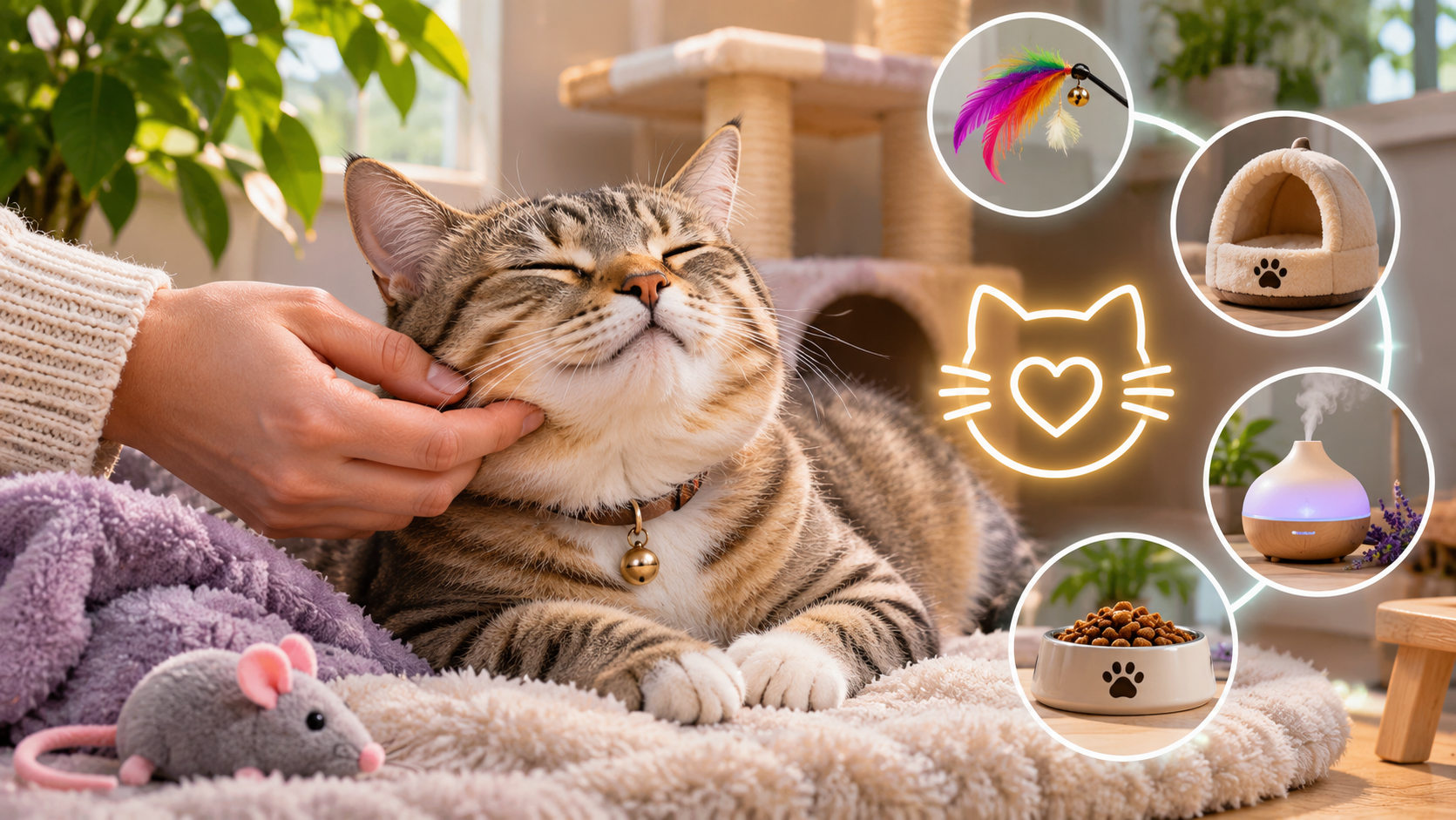
Feline Stress Reduction Techniques open the door to understanding and enhancing the well-being of our feline companions. Cats, often perceived as aloof creatures, can experience significant stress, leading to behavioral issues and health problems. By recognizing the signs of stress and creating a nurturing environment, cat owners can foster a sense of safety and comfort for their pets.
In this exploration, we will dive into various strategies, such as establishing a calm home atmosphere, utilizing soothing music, engaging in playful interactions, and even employing natural remedies. Each technique presents a unique approach to mitigating stress and improving your cat’s quality of life. Understanding these methods empowers pet owners to make informed decisions that cater to their furry friends’ emotional needs.
Understanding the Signs of Feline Stress
Recognizing stress in cats is crucial for their overall health and well-being. Cats, being creatures of habit and routine, often show distinct signs when they are feeling anxious or uncomfortable. Understanding these signs can help you provide a more harmonious environment for your feline friend.
When it comes to identifying stress in cats, both behavioral changes and physical symptoms play a vital role. Common behavioral changes include alterations in sleeping patterns, increased aggression, or withdrawal from interaction. Stressed cats may also exhibit excessive grooming, which can lead to bald patches or skin irritations. Physically, symptoms such as loss of appetite, vomiting, and changes in litter box habits can also indicate stress levels in your cat.
Recognizing Stress in Different Cat Breeds
It’s essential to note that stress signals can manifest differently across various cat breeds. Each breed has unique traits and behaviors, which can influence how they express stress. Recognizing these nuances allows cat owners to tailor their responses effectively.
For instance, Siamese cats are known for their vocal nature, and stress might lead them to be even more talkative or aggressive. In contrast, Persian cats may retreat and avoid interaction altogether, showing signs of stress through isolation. Maine Coons, known for their friendly demeanor, may exhibit sudden aggression or aloofness when stressed, deviating from their usual sociable nature.
Additionally, the following points highlight some breed-specific stress indicators:
- Bengal: Increased playfulness can turn into frantic behavior, showing that the cat is overwhelmed.
- Ragdoll: A normally relaxed Ragdoll may become tense or may not want to be held if stressed.
- Sphynx: This breed might show signs of stress through changes in grooming behavior; they may become less active or more clingy.
- British Shorthair: Known for their calm demeanor, they may resort to hiding or become overly reclusive when stressed.
It’s important to observe your cat’s behavior closely, as these signs can help determine when they need a comforting environment. Understanding the breed-specific traits allows owners to act quickly and compassionately to alleviate stress, ensuring happier, healthier cats.
The Importance of a Calm Environment for Cats
Creating a calm environment is essential for the well-being of our feline friends. Cats are highly sensitive creatures, and their stress levels can be significantly influenced by their surroundings. Stress in cats can manifest in various ways, including aggressive behavior, hiding, excessive grooming, and changes in appetite. Understanding the environmental factors that contribute to feline stress and making necessary adjustments can greatly enhance their quality of life, allowing them to thrive in our homes.
Environmental factors such as noise, clutter, and lack of safe spaces can all contribute to a cat’s anxiety. Cats naturally seek refuge when they feel threatened, and an environment that feels unsafe can lead to chronic stress. To foster a calming atmosphere, it’s important to consider various elements that can help reduce anxiety in cats. Below is a list of essential elements that can create a peaceful space for your feline companion.
Essential Elements for a Calming Space
For a serene environment, certain key elements should be present to support your cat’s emotional health:
- Quiet Areas: Designate spaces in your home that are free from loud noises and disruptions, allowing your cat to retreat and relax.
- Safe Hiding Spots: Provide cozy hideaways such as cat trees, caves, or cardboard boxes where your cat can feel secure.
- Consistent Routine: Establish a regular feeding and play schedule to create predictability, helping to reduce anxiety.
- Vertical Spaces: Incorporate shelves or cat trees to give your cat the option to observe their surroundings from a height, which can be comforting.
- Soft Lighting: Use gentle lighting instead of harsh overhead lights, as soft lighting can help create a relaxing atmosphere.
- Calming Scents: Consider using pheromone diffusers or calming sprays designed for cats to create a soothing olfactory environment.
Modifying your home to reduce feline anxiety can be simple yet effective. Start by decluttering common areas. A tidy space reduces the risk of your cat becoming overwhelmed by visual stimuli. Utilize calming music or white noise machines as background sounds to drown out sudden loud noises, such as traffic or construction.
Additionally, make sure all windows and doors are secure to prevent your cat from feeling exposed to outside dangers. Create a designated resting area equipped with soft bedding, away from foot traffic, where your cat can unwind undisturbed. Consider implementing a ‘cat zone’ filled with toys, scratching posts, and other engaging items that can keep your cat occupied and reduce stress.
Finally, keep the environment enriched with interactive play and exploration opportunities, as mental and physical stimulation can be crucial in combating stress. By thoughtfully modifying your home, you can create a sanctuary that promotes tranquility for your feline friend, ensuring they feel safe and secure in their environment.
Utilizing Music and Sound for Stress Relief in Cats
Creating a calming environment for your feline friend can significantly reduce their stress levels, and one effective method for achieving this is through music and sound. Research has shown that specific types of music can influence feline behavior, promoting relaxation and comfort. Understanding how to harness these auditory cues can make a world of difference for anxious cats, helping them to feel safe in their surroundings.
Numerous studies support the idea that music can have a positive effect on cats. For instance, a study published in the Journal of Feline Medicine and Surgery highlighted that cats showed signs of reduced stress when exposed to certain types of music, particularly classical compositions and cat-specific tracks tailored to their hearing range. In this sense, sound isn’t just background noise; it can serve as a therapeutic tool for improving your cat’s emotional well-being.
Types of Music and Sounds That Soothe Cats
When it comes to selecting music for your cat, understanding the types of sounds that are most effective can enhance their relaxation experience. Soft, soothing melodies are generally the best choice. Here are some categories of music and sounds that can provide comfort to cats:
- Classical Music: Often recommended for its gentle melodies, classical music can create a calming atmosphere. Pieces from composers like Mozart and Beethoven, with slower tempos and soft dynamics, are particularly beneficial.
- Nature Sounds: Sounds such as chirping birds, rustling leaves, or flowing water can mimic a peaceful outdoor environment. These natural sounds can evoke a sense of safety and tranquility.
- Cat-Specific Music: There are compositions specifically created for cats that incorporate frequencies and tempos aligned with feline preferences. These tracks often include purring sounds and gentle rhythms.
Creating a playlist for your cat’s relaxation involves several steps to ensure the best auditory experience. Begin by selecting music that features soft tones and harmonious melodies, avoiding anything too loud or jarring. Aim for tracks that last longer than a few minutes to maintain an uninterrupted calming effect.
You can curate a collection by exploring streaming platforms that offer playlists designed for pets. Additionally, pay attention to your cat’s reactions; observe which tracks seem to resonate with them the most. For instance, if your cat settles down and appears relaxed during a particular piece, consider adding it to their playlist.
Incorporate variety while ensuring consistency in mood; a mix of classical pieces and nature sounds can create a balanced atmosphere. Also, consider the time of day—soft music during the day can help soothe hyperactive moments, while calming tracks at night can promote better sleep.
Ensure the volume is kept at a comfortable level; too loud can be unsettling, while too soft may not have the desired calming effect. By thoughtfully curating a playlist, you can create a serene environment that not only reduces stress for your cat but also enhances their overall quality of life.
The Role of Play in Alleviating Feline Stress
Engaging in play is crucial for a cat’s well-being, serving not only as a source of joy but also as a significant factor in reducing stress levels. Cats, being natural hunters, thrive on interactive play that mimics their instinctual behaviors. Regular playtime can help alleviate anxiety, foster social bonds, and promote mental stimulation, creating a balanced and healthier environment for our feline friends.
Playtime is not merely a way to entertain your cat; it is vital in supporting their mental health. The act of playing provides an outlet for pent-up energy, which can often manifest as stress or behavioral issues in cats. When cats engage in stimulating activities, it triggers the release of endorphins—hormones that promote feelings of happiness and relaxation. Moreover, the social interaction that occurs during play strengthens the bond between the cat and its owner, reinforcing feelings of safety and trust.
Types of Play to Reduce Stress
Understanding the various forms of play that can help alleviate stress is essential. Different types of play cater to the natural instincts of cats, enhancing their quality of life. Here are some popular types of play that can effectively reduce stress levels in your feline companion:
- Chasing Games: Activities that involve toys that mimic prey, such as feather wands or laser pointers, stimulate a cat’s hunting instincts.
- Interactive Toys: Puzzle feeders and treat-dispensing toys challenge your cat mentally while rewarding them for their efforts.
- Solo Play: Providing toys that can entertain cats on their own, like balls or crinkle toys, allows them to engage in play without direct human interaction.
- Hide-and-Seek: Hiding treats or toys around the house encourages exploration and brings excitement into their environment.
Incorporating regular playtime into your cat’s routine can greatly impact their mental health. Play reduces boredom and encourages physical activity, which is essential for maintaining a healthy weight and preventing health issues. Furthermore, consistent engagement in play fosters a sense of accomplishment and can help mitigate signs of anxiety or depression in cats.
Studies have shown that cats who regularly interact with their owners during play exhibit lower levels of stress-related behaviors, such as aggression and excessive vocalization. For instance, a cat that participates in daily play sessions may demonstrate improved focus, reduced anxiety, and a more amiable nature, reflecting a well-adjusted mental state. By prioritizing play as a core part of your cat’s daily life, you’re not just providing entertainment but also nurturing their emotional and psychological health.
Natural Remedies for Stress Reduction in Cats
Natural remedies can be an effective way to help alleviate stress in cats. These alternatives often rely on herbs and supplements that have calming properties, providing a gentle solution for feline anxiety without the side effects associated with pharmaceutical medications. When considering natural remedies, it’s vital to select options that are safe and well-suited for your cat’s specific needs.
Various herbal remedies can be used to calm stressed felines. Some of the most popular options include valerian root, chamomile, and catnip. Valerian root is known for its ability to soothe anxiety and promote relaxation. Chamomile can help with both anxiety and digestive issues, making it a versatile choice. Catnip, while often thought of as an exciting stimulant, can actually have a calming effect on some cats when used in moderation.
Effectiveness of Different Natural Supplements
Understanding the effectiveness of these remedies can guide pet owners in selecting the most appropriate option for their feline companions. The following table Artikels several natural supplements along with their indicated effectiveness for stress reduction:
| Natural Remedy | Effectiveness | Notes |
|---|---|---|
| Valerian Root | High | Helps reduce anxiety and promotes relaxation. |
| Chamomile | Moderate | Calming effects, also aids digestion. |
| Catnip | Variable | Can stimulate or calm; effects vary by cat. |
| L-Theanine | High | Amino acid that promotes relaxation without sedation. |
| Passionflower | Moderate | May help with anxiety and stress relief. |
Introducing natural remedies to your cat requires a careful and gradual approach to ensure their safety and comfort. Start by choosing one remedy and consulting with a veterinarian to confirm its suitability for your cat’s health condition. It’s essential to follow the recommended dosage provided on the product label or as directed by a vet, particularly as some herbs can interact with medications or cause adverse effects if given improperly.
Begin the introduction by offering the remedy in small amounts, perhaps mixing it with your cat’s food or administering it as a treat. Observe your cat for any signs of discomfort or adverse reactions over a few days. If your cat seems to tolerate the remedy well, you can gradually increase the dosage to the recommended level.
Always monitor your cat’s behavior, paying attention to how they respond to the remedy. If any unusual symptoms arise, such as vomiting or lethargy, discontinue use immediately and consult your veterinarian. This careful, step-by-step approach will help ensure that your cat benefits from these natural stress-reduction methods safely.
Establishing a Routine to Mitigate Feline Anxiety
Cats, like many animals, thrive on predictability and structure. Establishing a routine can significantly reduce their anxiety levels by providing a sense of stability and security. When cats know what to expect in their day-to-day lives, they are less likely to feel stressed and anxious. A well-structured routine can help them feel more at ease in their environment, allowing them to explore and engage with their surroundings without fear.
One of the critical components of a daily routine for cats includes regular feeding times. This ensures that your feline friend is nourished at consistent intervals, which helps in preventing anxiety stemming from hunger. In addition to feeding, incorporating playtime is essential. Engaging in interactive play sessions not only provides physical exercise but also stimulates their mental health. Furthermore, designated quiet times during the day help your cat recharge and feel safe. Bathroom habits like litter box cleaning should also be part of the routine, as a clean environment contributes to their overall well-being.
Process of Gradually Implementing a Routine for Your Cat
Implementing a routine for your cat should be done gradually to ensure that they adjust comfortably without feeling overwhelmed. Start by observing your cat’s natural behaviors and preferences to identify their existing patterns. For instance, note the times they typically eat, sleep, or play. This initial observation period can last a few days to a week.
After gathering information, begin by setting consistent feeding times. Cats generally feel more secure when meals are provided at the same time each day. Next, dedicate specific periods for play. Choose times when your cat seems most active and engage them with their favorite toys. This could be in the morning or early evening when they are likely to be more alert.
As you build these habits, incorporate quiet time into the routine. This can be a designated area with a cozy bed or blanket where your cat can retreat to relax. Make this space inviting with familiar scents or their favorite toys to encourage them to use it regularly.
Throughout this process, provide gentle encouragement. If your cat seems hesitant to adapt to the routine, allow for flexibility. Gradually introduce new elements such as grooming or interactive puzzle toys, maintaining an overall balance of structure and comfort. Over time, as your cat begins to recognize the stability of their routine, you will likely see a decrease in anxiety-related behaviors and an increase in their overall happiness.
Seeking Professional Help for Severe Feline Stress
Addressing severe stress in cats can often require more than just at-home techniques. When you notice significant changes in your cat’s behavior, health, or overall happiness, it’s crucial to consider seeking professional help. Veterinarians and animal behaviorists can provide insights that are sometimes beyond the knowledge of a pet owner, ensuring that your feline friend receives the best care possible.
Understanding when to consult a professional is essential for tackling serious stress issues effectively. If your cat exhibits extreme anxiety, such as excessive hiding, aggression, or destructive behavior, these may be indicators that professional intervention is needed. Moreover, physical symptoms like vomiting, loss of appetite, or changes in litter box habits can also signal that your cat is suffering from stress that may require medical attention. Consulting with a veterinarian can help rule out any underlying health issues while also addressing behavioral concerns.
Potential Treatments Recommended by Professionals
Veterinarians and animal behaviorists may suggest various treatments to help manage and alleviate severe stress in cats. These treatments can vary based on the individual situation, but common approaches include:
- Behavioral Therapy: A tailored behavior modification program can help address specific stress triggers and teach your cat healthy coping mechanisms.
- Medications: In some cases, medication may be prescribed to help reduce anxiety levels. Options can include anti-anxiety medications or antidepressants specifically formulated for felines.
- Environmental Enrichment: Professionals often recommend enhancing the living environment with interactive toys, scratching posts, and safe spaces for your cat to retreat when feeling overwhelmed.
- Feliway Products: Synthetic pheromone diffusers and sprays can help create a calming atmosphere, mimicking the natural pheromones that cats produce to feel secure.
Addressing serious stress issues in cats is not just about improving their emotional well-being; it is also crucial for their physical health. Chronic stress can lead to a weakened immune system, making cats susceptible to illnesses. Moreover, stress can exacerbate existing health conditions, creating a cycle that can be detrimental to their overall quality of life. By seeking professional help, you can ensure that your cat receives the necessary support and treatment, fostering a healthier, more balanced lifestyle. Ultimately, investing in professional guidance for your cat’s stress management can lead to a happier, more harmonious relationship between you and your feline companion.
The Impact of Multi-Pet Households on Feline Stress Levels
Living in a multi-pet household can bring joy and companionship, but it also poses unique challenges, especially for feline residents. Cats are inherently territorial creatures, and the presence of other pets can lead to increased stress levels. Understanding how different pets interact and affect each other is crucial for maintaining harmony and ensuring the well-being of all animals in the household.
The presence of other pets can significantly influence a cat’s stress levels. While some cats may thrive with canine companions or fellow felines, others may feel threatened or anxious. Factors such as the personality of each pet, their socialization history, and the dynamics of the household play vital roles. For example, a dominant dog may inadvertently intimidate a shy cat, creating a stressful environment. Additionally, resource competition, such as food, litter boxes, and resting areas, can lead to heightened anxiety among cats.
Strategies for Managing Stress in Multi-Pet Environments
Creating a harmonious home for all pets involves strategic management of their interactions and resources. Here are some effective strategies to reduce stress for cats in multi-pet households:
- Designated Spaces: Ensure that each pet has their own space to retreat to when they need some alone time. This can include separate rooms or quiet corners equipped with their favorite items.
- Resource Allocation: Provide multiple food and water stations, litter boxes, and resting areas to minimize competition. A good rule of thumb is to have one more of each resource than the number of pets in the household.
- Supervised Introductions: When introducing a new pet, do so gradually and under supervision. This helps to monitor interactions and address any issues before they escalate.
- Interactive Play: Engage all pets in structured play sessions to improve their bond. Using toys that allow for safe distance can help cats feel more secure while interacting with other animals.
- Calming Aids: Consider using feline pheromone diffusers or calming supplements to help ease stress in anxious cats. These products can create a more relaxed environment for all pets.
By implementing these strategies, pet owners can foster a peaceful coexistence among their furry friends. It’s essential to monitor each pet’s behavior and adjust the living environment as needed to support their emotional health and reduce stress levels in the household.
Final Thoughts
Ultimately, implementing Feline Stress Reduction Techniques not only enhances your cat’s happiness but also strengthens the bond between you and your pet. By paying attention to their needs and providing a supportive environment, you can significantly reduce stress levels. Remember, a relaxed cat is a happy cat, and the journey towards tranquility begins with small, mindful changes in your daily routine.
Frequently Asked Questions
What are common signs of stress in cats?
Common signs include hiding, aggression, excessive grooming, and changes in appetite or litter box habits.
How can I create a calming space for my cat?
Provide cozy hiding spots, soft bedding, and ensure the area is quiet and free from sudden disturbances.
Is music really effective for calming cats?
Yes, studies suggest that certain types of music can have a calming effect on cats, particularly classical music.
How often should I play with my cat to reduce stress?
Engage in interactive play sessions daily to help alleviate stress and stimulate both their mind and body.
Are natural remedies safe for all cats?
Not all natural remedies are suitable for every cat, so consult with your veterinarian before introducing any new supplements.