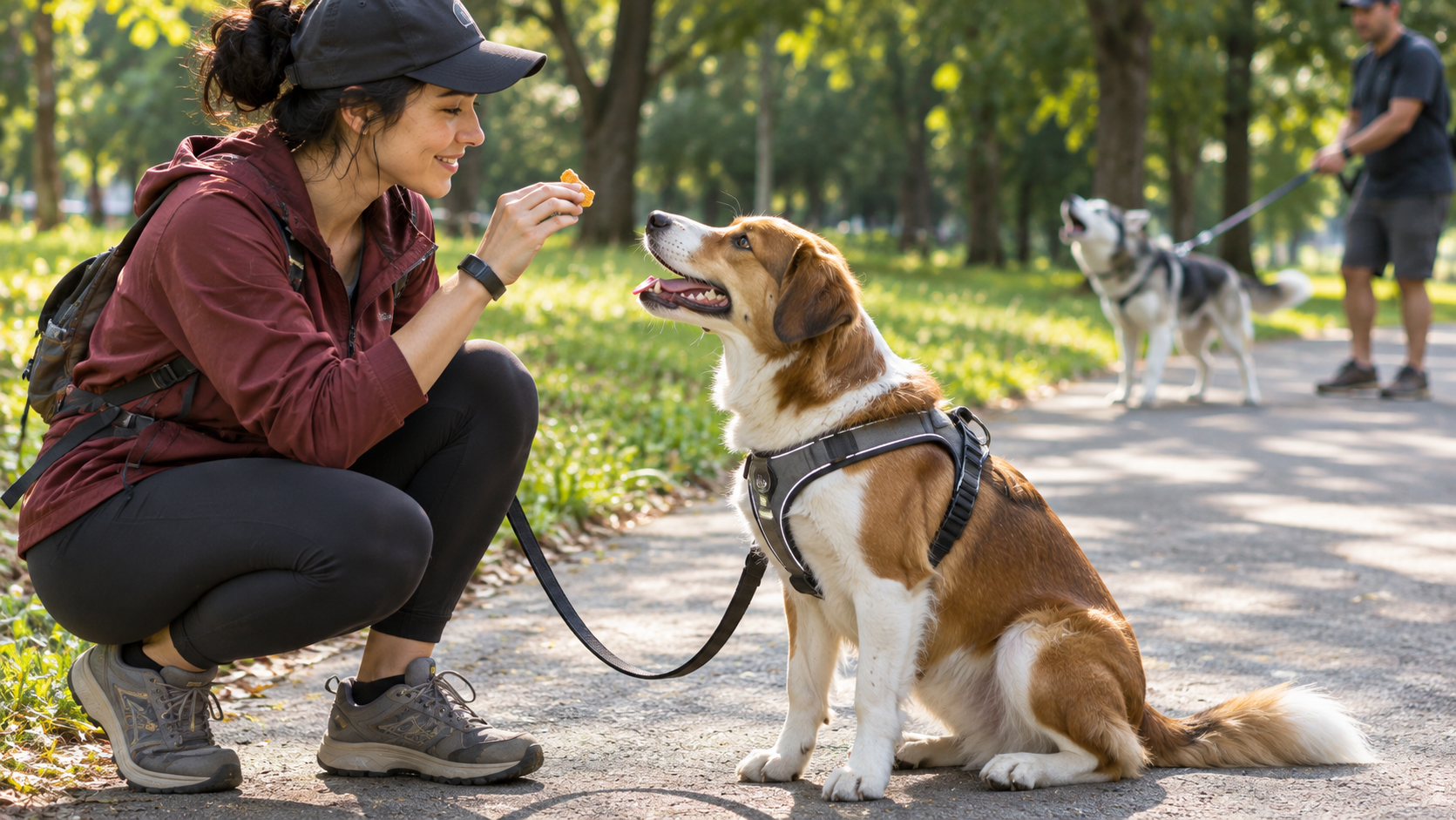
Leash Reactivity Training Strategies offer a pathway to transform your dog’s walking experience from chaotic to calm. Many dog owners encounter the challenges of leash reactivity, where their furry friends respond negatively to triggers encountered during walks. Understanding the root causes and implementing effective training techniques can foster a more enjoyable outing for both dog and owner. This approach emphasizes the significance of positive reinforcement and the development of skills to manage and mitigate reactive behaviors.
Through consistent training and patience, owners can help their pets develop the ability to navigate their environment more confidently. By recognizing the behaviors associated with leash reactivity and actively working to address them, you can ensure a more pleasant experience during your daily walks. Incorporating techniques like desensitization and counter-conditioning is essential in creating positive associations, ultimately leading to improved behavior on the leash.
Understanding Leash Reactivity and Its Causes
Leash reactivity is a common behavioral issue in dogs, characterized by an exaggerated response to other dogs, people, or stimuli while on leash. This behavior can manifest as barking, lunging, or growling, often causing stress for both the dog and its owner. The leash itself can create a sense of confinement for the dog, heightening their anxiety and frustration when they encounter triggers in their environment. Understanding the underlying causes of leash reactivity is essential for implementing effective training strategies to help dogs feel more secure and relaxed during walks.
Several factors contribute to leash reactivity in dogs, making it a complex behavior that can stem from various origins. Genetics plays a significant role; some breeds are more predisposed to anxiety and aggression than others. For instance, herding breeds may display reactivity due to their instinctual drive to control the movements of other animals. Additionally, environmental factors, such as the dog’s living situation and the amount of socialization they received during their formative months, can greatly influence their behavior. Dogs that lack exposure to different environments, people, and other animals may become fearful or defensive when faced with new experiences.
Previous experiences are also pivotal in shaping a dog’s reactivity. A dog that was attacked or frightened by another dog while on a leash may develop a conditioned response, perceiving any oncoming dog as a potential threat. This response can escalate over time, leading to increased reactivity. Recognizing the signs of leash reactivity is crucial for dog owners. Early identification allows for timely intervention, ensuring that the dog does not resort to more aggressive behaviors. Common signs include stiff body posture, raised hackles, and intense barking. Understanding these cues helps owners address the issue proactively, implementing appropriate training strategies that can help modify the dog’s behavior, ultimately leading to more enjoyable walks.
The Role of Positive Reinforcement in Training
Positive reinforcement is a powerful training strategy that relies on rewarding desired behaviors to encourage their recurrence. In the context of leash reactivity, this approach can be particularly effective. When dogs are reactive on a leash, it often stems from fear, frustration, or anxiety. By employing positive reinforcement techniques, trainers can help dogs associate the presence of other dogs or people with positive experiences, thus reducing their reactivity over time.
The principles of positive reinforcement are grounded in behavioral psychology. When a behavior is followed by a rewarding consequence, it is more likely to be repeated in the future. This principle can be utilized to modify leash reactivity by creating a positive association with stimuli that typically trigger a dog’s aggressive or anxious response. For instance, when a dog sees another dog and remains calm, offering treats or praise reinforces that calm behavior. This process facilitates learning and helps the dog understand that remaining calm leads to enjoyable outcomes.
Positive Reinforcement Techniques
Implementing positive reinforcement techniques during training sessions is essential for shaping a dog’s behavior effectively. Various strategies can enhance the training experience and encourage dogs to respond positively to their environment. Here are some examples:
1. Treats: Using high-value treats is one of the most effective forms of positive reinforcement. When a dog responds positively to a stimulus, rewarding them with a treat reinforces that behavior.
2. Verbal Praise: Simple words of encouragement, such as “good boy” or “well done,” can also serve as effective rewards. Dogs thrive on approval from their handlers, and verbal praise can boost their confidence.
3. Toys: Incorporating play into training can motivate dogs. For instance, if a dog remains calm while passing another dog, engaging them in a game with their favorite toy can be an excellent reward.
4. Clicker Training: This technique uses a click sound to mark the desired behavior, followed immediately by a reward. The sound of the clicker becomes a conditioned reinforcer that helps dogs understand which behavior has earned them a reward.
5. Social Interaction: For many dogs, positive interactions with other dogs or people can act as a strong motivator. Allowing a reactive dog to interact with a calm, friendly dog after demonstrating non-reactive behavior can significantly enhance training outcomes.
To illustrate the impact of various rewards on training outcomes, the following table summarizes how different types of rewards can affect the training process:
| Reward Type | Impact on Training Outcomes |
|---|---|
| Treats | Highly motivating; encourages quick learning and repetitive behavior. |
| Verbal Praise | Boosts confidence and strengthens the bond between the dog and handler. |
| Toys | Increases engagement; ideal for active and playful dogs. |
| Clicker Training | Provides precise feedback; helps dogs learn complex behaviors effectively. |
| Social Interaction | Encourages calm behavior and social skills; reduces anxiety in reactive dogs. |
Positive reinforcement not only modifies dogs’ behaviors but also fosters a stronger bond between the dog and the trainer. By creating a positive training environment, dogs feel more secure and are more likely to engage in desired behaviors. As they learn to associate calmness with rewards, the likelihood of leash reactivity diminishes, leading to a more enjoyable walking experience for both the dog and the owner.
Desensitization Techniques for Reactive Dogs
Desensitization is a crucial process in modifying a dog’s reactive behavior, particularly when on a leash. Reactive dogs often display heightened responses to certain stimuli, which can lead to stress for both the dog and the handler. By gradually exposing the dog to these stimuli in a controlled manner, we can reduce their fear or excitement, ultimately leading to a more relaxed and manageable pet during walks.
The process of desensitization involves exposing the dog to the triggering stimulus at a distance that does not provoke a reaction, gradually decreasing that distance as the dog becomes more comfortable. This technique can be incredibly effective in reducing a dog’s reactivity on the leash. As the dog learns to associate the presence of the trigger with positive outcomes, such as treats or praise, their anxiety diminishes. It’s also essential to pair the exposure with high-value rewards to strengthen their positive associations.
Step-by-Step Procedures for Implementing Desensitization Techniques
To effectively implement desensitization techniques, follow these steps:
1. Identify Triggers: Begin by observing the dog to identify specific triggers that provoke a reactive response, such as other dogs, bicycles, people, or loud noises.
2. Create a Safe Distance: Determine a safe distance from the trigger where the dog can see it but does not react. This distance may vary depending on the dog’s sensitivity.
3. Use High-Value Rewards: Bring along high-value treats or toys that your dog loves. This will help to create a positive association with the trigger.
4. Gradual Exposure: Start exposing your dog to the trigger from a distance, rewarding them for remaining calm. Stay at this distance until your dog can look at the trigger without reacting.
5. Gradually Decrease Distance: Slowly decrease the distance to the trigger over several sessions. Continue rewarding calm behavior. If the dog begins to show signs of stress, increase the distance again.
6. Practice Regularly: Regular practice is essential. Set aside time each week to work on desensitization with different triggers.
7. Monitor Progress: Keep track of your dog’s reactions. As they become more comfortable, you can start introducing new stimuli gradually.
Common stimuli that may trigger reactivity in dogs can vary widely. Here’s a list of common triggers alongside strategies for addressing them:
– Other Dogs: Start with distant sightings of other dogs and gradually close the distance as your dog learns to remain calm.
– Bicycles: Use a friend to ride a bike at a distance while you reward your dog for calm behavior. Gradually reduce that distance.
– People: Expose your dog to people at a distance, rewarding them for remaining calm, and slowly decrease the space as they adjust.
– Loud Noises: Introduce recorded sounds of fireworks or thunder at a low volume, rewarding calm behavior, and gradually increase the volume over time.
By using these techniques systematically and patiently, dogs can become less reactive and more relaxed while on a leash.
Implementing Counter-Conditioning Strategies
Counter-conditioning is a fundamental technique in dog training, particularly for those struggling with leash reactivity. This process aims to change a dog’s emotional response to specific triggers by associating those triggers with positive experiences. Through consistent practice and patience, a dog can learn to view previously distressing stimuli as non-threatening, leading to a more pleasant walking experience.
Counter-conditioning works by taking advantage of the dog’s natural ability to form associations. When a dog encounters a trigger, such as another dog or a cyclist, they may react with fear or aggression. By introducing a highly valued reward—like treats or toys—at the moment of encountering these triggers, the dog begins to associate the trigger with something positive. Over time, this can lead to a significant shift in their emotional response.
Effective Scenarios for Counter-Conditioning
Counter-conditioning can be applied in various situations where a dog exhibits leash reactivity. Below are common scenarios alongside detailed examples to illustrate their effectiveness.
1. Other Dogs: If a dog reacts strongly to the sight of another dog, the owner can carry high-value treats. As soon as the reactive dog notices the other dog, the owner can start feeding the treats continuously until the other dog is out of sight, reinforcing the idea that other dogs bring rewards instead of fear.
2. Cyclists or Runners: For dogs that are reactive to fast-moving objects, owners can prepare by setting up a distance training ground where cyclists or runners frequently pass by. The owner can reward their dog with treats and praise every time a cyclist or runner approaches, gradually decreasing the distance as the dog becomes more comfortable.
3. Loud Noises: Dogs that react negatively to loud sounds—like cars or construction noise—can undergo counter-conditioning by playing audio of those sounds at a low volume while rewarding the dog with treats. As the dog becomes accustomed to the sound, the volume can be gradually increased.
To better understand the steps involved in counter-conditioning, the following table Artikels the process for different types of triggers:
| Trigger Type | Step 1: Identify Trigger | Step 2: Distance Adjustment | Step 3: Introduce Rewards | Step 4: Gradual Exposure |
|---|---|---|---|---|
| Other Dogs | Observe when your dog reacts to other dogs. | Start at a distance where your dog is aware but not reactive. | Provide treats as soon as the other dog is in sight. | Gradually decrease distance as your dog remains calm. |
| Cyclists/Runners | Identify the situations your dog reacts to cyclists or runners. | Position yourself far enough away to avoid a reaction. | Reward your dog as soon as they see a cyclist or runner. | Slowly reduce distance while maintaining calm behavior. |
| Loud Noises | Recognize specific noises that trigger fear. | Start with quieter versions of the noise. | Pair the noise with treats and praise. | Gradually increase the volume of the noise. |
The Importance of Consistency and Patience in Training
Leash reactivity training is a critical aspect of fostering a positive walking experience for both dogs and their handlers. It requires a structured method, where consistency and patience play pivotal roles. Inconsistency in training can confuse dogs, while a lack of patience can lead to frustration for both the handler and the pet. Understanding these elements is essential for effective training outcomes.
Consistency is crucial in leash reactivity training as it helps dogs learn what is expected of them. Dogs thrive on routine, and a consistent approach allows them to understand the signals and commands given by their handlers. For instance, if a handler gives a cue to “leave it” when another dog approaches but sometimes allows the dog to react, the dog may become conflicted about what the command means. This inconsistency can slow down the learning process and may reinforce the undesired reactive behavior. Handlers must ensure that their response to triggering situations is uniform, whether it involves rewarding calm behavior or redirecting attention away from distractions. By maintaining a steady approach, handlers can create a structured environment where dogs can learn to cope with their triggers more effectively.
Maintaining Patience and Adjusting Expectations
Patience is equally important in the training process, as progress can sometimes be slow and incremental. It is essential for handlers to recognize that each dog learns at its own pace. Setting realistic expectations helps maintain motivation and reduces frustration. For example, if a handler expects their dog to immediately stop reacting to other dogs after just a few training sessions, they may become disheartened when results are not as swift. Instead, expecting small improvements over time can make the journey more enjoyable.
Several common mistakes can hinder progress during leash reactivity training. Understanding these pitfalls can help handlers stay on track. Below is a list of these mistakes to avoid:
- Inconsistency in Commands: Using different commands for the same behavior can confuse the dog.
- Reinforcing Negative Behavior: Allowing the dog to react negatively without correction can reinforce that behavior.
- Overexposure to Triggers: Forcing the dog into situations where it feels overwhelmed can lead to increased anxiety and aggression.
- Lack of Reward for Progress: Failing to recognize and reward even small successes can demotivate the dog.
- Training in Distracting Environments: Starting training in overly stimulating environments can lead to frustration and lack of focus.
“Consistency breeds clarity, and patience nurtures progress.”
By being mindful of these factors, handlers can create a more effective training regimen that ultimately leads to a calmer, more balanced dog during walks.
Integrating Training with Daily Walks
Incorporating training techniques into daily walks is essential for reinforcing good behavior in your dog and building a stronger bond between you both. These walks are not just for exercise; they are valuable opportunities to practice skills learned during training sessions. By merging training with daily outings, you can create a dynamic routine that keeps your dog engaged and focused, helping to diminish leash reactivity over time.
Maintaining focus and engagement during walks is paramount. When your dog is attentive to you, distractions from other dogs, people, or stimuli can be managed more effectively. Training during walks transforms mundane experiences into interactive learning sessions, allowing your dog to apply their skills in real-world situations. By regularly practicing commands like “heel,” “sit,” or “leave it,” you reinforce their training in a variety of environments, making them more adaptable and well-mannered.
Tips for Making Daily Walks an Opportunity for Continued Training
To maximize the training potential of your daily walks, consider the following tips. These strategies not only enhance your dog’s obedience but also make walks more enjoyable for both of you.
- Set clear goals: Before your walk, decide which behaviors or commands you want to focus on, such as practicing recall or reducing pulling on the leash.
- Use positive reinforcement: Bring treats or a favorite toy to reward your dog for good behavior during the walk, ensuring they associate positive experiences with following commands.
- Practice attention exercises: Regularly call your dog’s name and reward them when they look at you. This helps build focus and can redirect their attention when they become distracted.
- Incorporate training games: Play simple games like “find it” with treats or toys, which can help reinforce command following while also stimulating your dog mentally.
- Gradually increase distractions: Choose different walking environments to expose your dog to various stimuli, allowing you to practice training under more challenging conditions.
- Maintain a relaxed pace: Keeping a calm demeanor during walks encourages your dog to remain relaxed as well, reducing the likelihood of reacting to passersby.
- Use frequent breaks: Stop periodically to practice commands or let your dog sniff around. This provides mental stimulation and allows for positive reinforcement opportunities.
- End on a positive note: Always finish your walks with a fun activity or a calm moment, reinforcing that walks are enjoyable and rewarding experiences.
By integrating these techniques into your daily routine, you can foster a more obedient and engaged dog, making walks a productive and enjoyable part of your lives together.
Seeking Professional Help When Necessary
Leash reactivity can be a complex issue that often requires more than just the basic training techniques a dog owner may possess. Understanding when to seek professional help is crucial in ensuring that both the dog and the owner can enjoy walks without the stress of reactivity. There are several circumstances where involving a professional dog trainer or behaviorist can make a significant difference.
If your dog displays severe aggression or fear responses towards other dogs or people, it may be time to consult a professional. This is especially true if the reactivity escalates to the point where it poses a danger to your dog, other dogs, or people. For example, if your dog lunges, barks, or growls when they see another dog, and these behaviors become increasingly intense, a professional’s insight can assist in creating a tailored training plan. Moreover, if your attempts at training lead to little or no improvement over time, a trainer can provide a fresh perspective and techniques that may be more effective for your specific situation.
Choosing a Qualified Professional
Selecting the right trainer or behaviorist is essential for a successful training experience. It’s important to look for professionals who have experience with leash reactivity specifically. Here are tips to guide you through the selection process:
– Check Credentials: Research their qualifications. Look for certifications from recognized organizations, such as the Association of Professional Dog Trainers (APDT) or the Certification Council for Professional Dog Trainers (CCPDT).
– Ask About Their Approach: Ensure that their training philosophy aligns with positive reinforcement techniques. Avoid trainers who advocate for punitive measures, as these can exacerbate fear and reactivity.
– Seek References: Talk to other pet owners who have trained with the professional. Their experiences can provide valuable insights into the trainer’s effectiveness.
– Observe a Session: If possible, ask to observe a training session. This can give you a feel for their methods and how they interact with dogs and their owners.
During training sessions, you can expect a collaborative environment where both you and your dog are actively involved. Trainers will assess your dog’s behavior and develop a customized training plan, often incorporating exercises that you can practice at home. A strong partnership between you and the trainer is vital; regular communication about your dog’s progress and any challenges you face will enhance the training process.
Effective leash reactivity training thrives on collaboration. The owner’s commitment to practice the techniques taught and provide feedback to the trainer is essential for lasting results. Each training session builds a foundation that requires consistency and reinforcement at home, making the owner an integral part of the solution.
Concluding Remarks
In conclusion, addressing leash reactivity requires a combination of understanding, patience, and effective training strategies. By employing techniques such as positive reinforcement and desensitization, owners can significantly alter their dog’s emotional responses to triggers. Remember, each dog is unique, and it may take time to see progress. Ultimately, the goal is to foster a happier and more relaxed relationship between you and your dog during walks, turning what was once a challenge into a rewarding experience for both of you.
FAQ Resource
What is leash reactivity?
Leash reactivity refers to a dog’s tendency to react negatively, such as barking or lunging, when on a leash, often due to environmental triggers.
How long does it take to train a reactive dog?
The time it takes to train a reactive dog varies depending on the dog’s personality, the severity of the reactivity, and the consistency of training; it can take several weeks to months.
Can all dogs be trained to overcome leash reactivity?
Most dogs can be trained to manage or overcome leash reactivity with the right strategies, commitment, and patience from their handlers.
Is professional help always necessary for leash reactivity?
While not always necessary, seeking professional help can be beneficial for severe cases or if the owner feels overwhelmed.
How can I tell if my dog is becoming reactive?
Signs of impending reactivity include stiffening of the body, growling, barking, or pulling on the leash when approaching potential triggers.