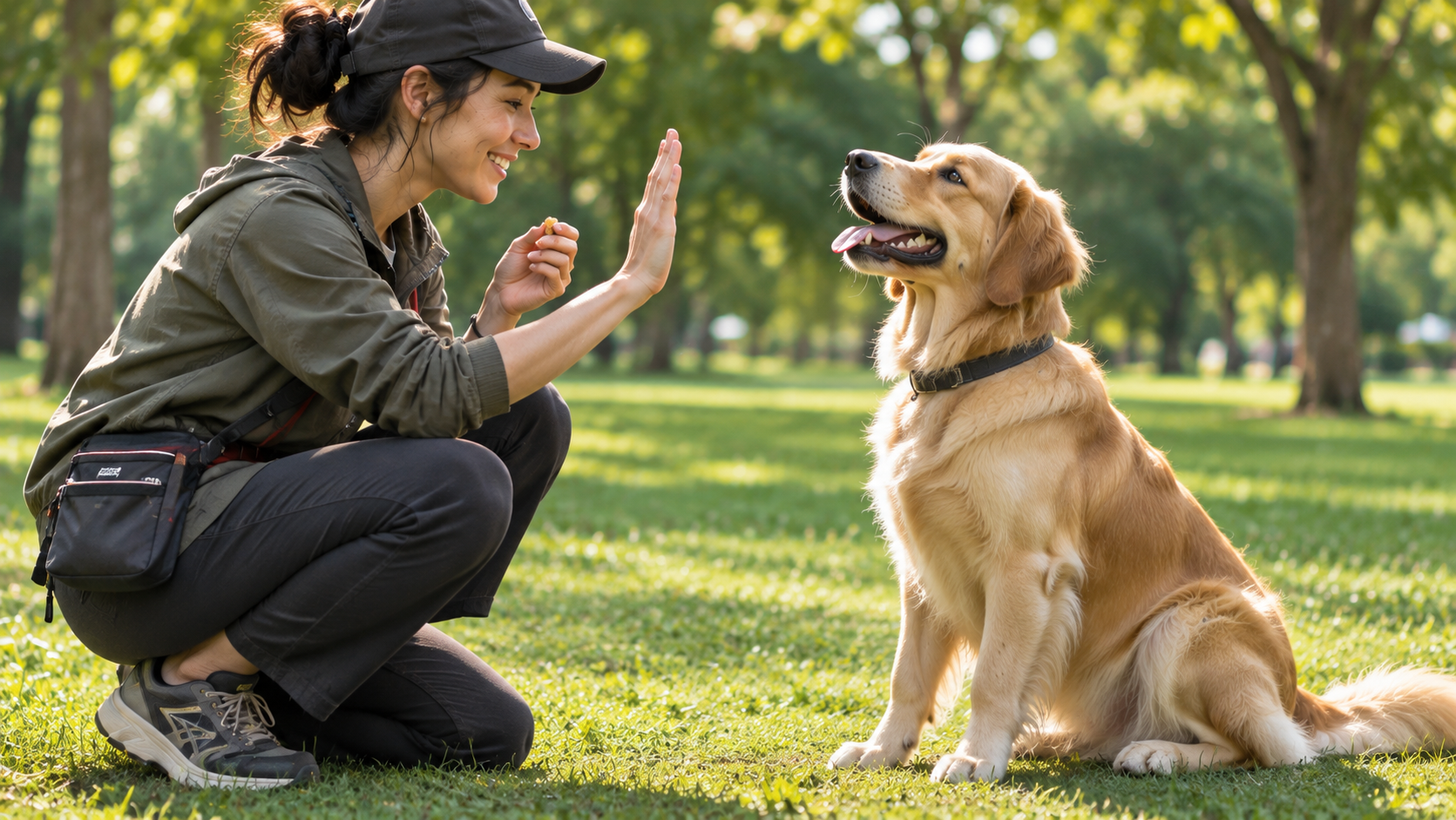
Basic Obedience Training for Dogs lays the groundwork for a harmonious relationship between dogs and their owners, emphasizing the importance of teaching essential commands. This training not only fosters good behavior but also enhances communication and trust, paving the way for a well-behaved companion. Understanding the significance of these foundational skills can transform daily interactions and create a peaceful home environment.
As we delve into the various aspects of obedience training, we will explore effective methods, the importance of consistency, and how to incorporate training into everyday life. Overcoming challenges and tracking progress will also be essential components of this journey, ensuring that both dogs and their owners reap the benefits of a strong training foundation.
Understanding the Importance of Basic Obedience Training for Dogs
Basic obedience training is an essential aspect of dog ownership that fosters a healthy and harmonious relationship between pets and their humans. It not only teaches dogs fundamental commands but also establishes a foundation for communication and trust between the dog and its owner. This training is crucial, as it influences the dog’s behavior and overall well-being, ensuring a safe environment for both the dog and those around them.
The benefits of obedience training extend far beyond simple command-learning. When a dog understands basic commands like “sit,” “stay,” and “come,” it creates a controlled atmosphere that enhances the bond with its owner. This training can significantly reduce behavioral issues, leading to a more enjoyable experience for both the dog and its owner. A well-trained dog is often more relaxed, confident, and able to participate in various activities, from family outings to social gatherings, without causing stress or concern.
Benefits of Basic Obedience Training
Basic obedience training yields numerous advantages for both dogs and their owners. Understanding these benefits can motivate pet owners to engage in consistent training practices. Here are some key benefits:
- Improved Safety: A well-trained dog is less likely to engage in dangerous behaviors, such as running into traffic or jumping on strangers. Commands like “leave it” or “come” can prevent accidents.
- Strengthened Bond: Training sessions serve as quality time between dog and owner, enhancing their relationship through positive reinforcement and mutual understanding.
- Enhanced Socialization: Dogs that undergo obedience training are often more adaptable in social situations, making them more comfortable around other pets and people.
- Reduced Behavioral Problems: Basic commands can help mitigate common issues such as barking, chewing, and jumping, leading to a calmer household.
- Greater Enjoyment: Training opens the door to various fun activities, such as agility courses or dog sports, enriching the dog’s life and the owner’s experience.
Risks of Neglecting Obedience Training
Failing to invest time in basic obedience training can lead to a myriad of issues that can affect the dog’s quality of life and the owner’s peace of mind. Understanding these risks is vital for responsible pet ownership. Key risks include:
- Increased Aggression: Untrained dogs may exhibit aggressive behaviors due to fear or anxiety, posing risks to themselves and others.
- Difficulty in Public Spaces: A lack of training can make outings stressful, as untrained dogs may pull on leashes, bark excessively, or become unruly in social situations.
- Compromised Safety: Neglecting training can lead to dangerous situations, such as a dog running away during a walk or grabbing harmful objects.
- Frustrated Owners: Owners may experience frustration and stress when managing an untrained dog, leading to a breakdown in the human-animal bond.
- Decreased Quality of Life: Dogs that lack training may miss out on enjoyable experiences, such as playdates or trips to the park, which can lead to loneliness and boredom.
“A well-trained dog is not just a pet; it’s a valued companion that enhances our lives.”
Key Commands and Their Significance in Dog Training
In the realm of dog training, mastering key commands is essential for fostering a harmonious relationship between dogs and their owners. These commands not only help in guiding behavior but also ensure safety for both pets and their surroundings. By instilling these commands early on, dog owners can prevent potential issues and promote a well-socialized canine companion.
Every command plays a vital role in a dog’s behavior and overall safety. Teaching your dog essential commands can significantly enhance communication and establish a clear structure in your dog’s daily life. The following commands are fundamental for successful obedience training and are critical for ensuring both the dog’s well-being and the safety of those around them.
Essential Commands for Every Dog
The following essential commands are crucial for every dog to learn. Each command serves a specific purpose that contributes to better behavior and safety:
- Sit: This basic command helps establish control, making it easier to manage your dog in various situations. It can prevent jumping and other unwanted behaviors.
- Stay: This command keeps your dog in a designated position until released. It is particularly useful for ensuring safety in potentially hazardous situations, such as near traffic.
- Come: A vital command that can save your dog’s life in emergency situations. It encourages your dog to return to you, providing a sense of security and control.
- Leave It: This command teaches your dog to ignore objects or distractions that could be harmful. It prevents dogs from eating dangerous items or engaging in unwanted behaviors.
- Heel: This command promotes proper leash manners, ensuring your dog walks beside you without pulling. It is essential for enjoyable walks and maintaining control in crowded spaces.
Teaching these commands effectively requires patience and consistency. Here are some tips to help you train your dog successfully:
– Use positive reinforcement, such as treats or praise, to reward your dog when they perform the desired behavior. This encourages them to repeat the action.
– Keep training sessions short and engaging to maintain your dog’s interest. Aim for 5-10 minutes per session, several times a day, to reinforce learning.
– Be clear and consistent with your commands. Use the same word and tone for each command to prevent confusion.
– Practice in various environments to help your dog generalize the command, so they respond in different situations, whether at home or in public.
By focusing on these essential commands and employing effective training techniques, dog owners can significantly enhance their pet’s behavior and safety. This foundation will lead to a more enjoyable and fulfilling relationship.
Effective Training Methods for Basic Obedience
Training your dog is an essential part of building a strong relationship and ensuring a well-behaved companion. Effective obedience training not only helps your dog learn commands but also fosters mutual respect and understanding. There are various methods available, each with its own set of techniques to achieve the desired outcomes in behavior and obedience.
Positive reinforcement is one of the most widely recognized and effective training methods. This technique involves rewarding your dog with treats, praise, or playtime whenever they perform the desired behavior. The underlying principle is that behaviors followed by positive outcomes are more likely to be repeated. Training can also be approached using clicker training, which employs a sound to mark the desired behavior, allowing for clear communication between you and your dog.
Comparison of Training Methods
When evaluating different training methods, it’s important to consider their strengths and weaknesses to determine which might be best suited to you and your dog. Below is a comparison of some common methods, including positive reinforcement, negative reinforcement, and aversive training techniques.
- Positive Reinforcement:
This method encourages desired behaviors by pairing them with positive outcomes.
Strengths: Promotes a strong bond, builds trust, and encourages a happy learning environment.
Weaknesses: Requires consistency and immediate rewards; may take time to see results. - Negative Reinforcement:
This method involves removing an unpleasant stimulus when the desired behavior occurs.
Strengths: Can be effective in teaching certain commands quickly.
Weaknesses: Can lead to confusion or fear if not applied correctly; may harm the bond between dog and owner. - Aversive Training Techniques:
These methods utilize unpleasant stimuli to discourage unwanted behaviors.
Strengths: Can be effective for specific behavioral issues.
Weaknesses: Risk of creating fear or anxiety; can damage trust and long-term relationship.
Step-by-Step Plan for Implementing Training Methods
To effectively incorporate these training methods into your daily routine, following a structured plan can help you remain consistent and organized. Here’s a simple Artikel to get you started:
- Set Clear Goals: Define what commands or behaviors you want to teach your dog.
- Choose a Method: Select the training technique that aligns with your goals and your dog’s personality.
- Establish a Routine: Dedicate specific times each day for training sessions, keeping them short (5-10 minutes) and engaging.
- Begin with Basic Commands: Start with foundational commands like “sit,” “stay,” or “come,” using your chosen method consistently.
- Provide Consistent Rewards: Use treats, praise, or playtime to reinforce positive behavior immediately after your dog performs the command correctly.
- Gradually Increase Difficulty: Once your dog masters basic commands, introduce more complex behaviors or distractions to challenge them.
- Monitor Progress: Regularly assess your dog’s understanding and adapt your training techniques as necessary.
Common Challenges in Basic Obedience Training and How to Overcome Them
Training a dog to follow basic commands is a rewarding experience, but it does not come without its challenges. Pet owners often encounter various issues that can hinder their training efforts. By understanding these common challenges and implementing effective strategies, trainers can ensure a smoother training process and foster a better relationship with their furry companions.
One of the main challenges faced during basic obedience training is inconsistency in commands. This occurs when different family members use varying words or tones for the same command, causing confusion for the dog. To overcome this challenge, it’s crucial to establish a consistent training vocabulary. Everyone involved in the dog’s care should agree on specific commands for actions like “sit,” “stay,” and “come.” Reinforcement of these commands with positive rewards will help the dog learn more effectively.
Distractions During Training Sessions
Distractions can significantly hinder a dog’s ability to focus during training sessions. Common distractions include other pets, loud noises, or even the presence of strangers. To address this issue, trainers should select a quiet environment for initial training sessions and gradually introduce distractions.
– Begin training in a low-distraction setting, such as indoors or in a fenced yard.
– As the dog masters commands, slowly increase distractions, such as practicing outside in a park or near bustling areas.
– Utilize high-value treats that the dog finds irresistible to maintain focus amidst distractions.
Real-life examples illustrate the effectiveness of this strategy. For instance, a trainer working with a particularly excitable puppy found success by starting training in a quiet room. Once the puppy was comfortable with the commands, they slowly moved to the backyard, where sounds from the street could be heard. Gradually, the trainer introduced more challenging environments, and the puppy began responding well even amidst distractions.
Short Attention Spans
Dogs, especially young ones, often have short attention spans, which can make training sessions feel like a struggle. Keeping training sessions brief yet engaging is essential to accommodate a dog’s natural behavior.
– Limit training sessions to about 5-10 minutes for younger dogs, gradually increasing as they mature.
– Incorporate play and movement into training to keep the dog’s interest piqued.
– Use varied methods such as clicker training, which can keep sessions exciting and interactive.
A trainer with a 6-month-old Labrador puppy found success by keeping sessions vibrant and playful. They focused on short bursts of energy, followed by a quick game of fetch. This approach made the puppy more eager to participate in training, as it felt less like a chore and more like a fun activity.
Fear and Anxiety
Fear-based reactions can impede a dog’s learning process. Dogs that are fearful or anxious may refuse to respond to commands or exhibit undesirable behaviors. Identifying the sources of fear is crucial for addressing this challenge.
– Avoid punitive measures, as they can exacerbate anxiety and fear.
– Implement positive reinforcement techniques to build the dog’s confidence.
– Gradually desensitize the dog to the fear-inducing stimulus through controlled exposure and reward-based training.
For example, a fearful rescue dog struggled to engage in basic commands due to anxiety around strangers. The owner worked with a certified trainer who introduced the dog to new people slowly, rewarding it with treats for calm behavior. Over time, the dog increased its comfort level and began responding to commands in the presence of others.
The Role of Consistency in Successful Dog Training
Consistency is a cornerstone of effective dog training. It helps to establish clear expectations for your dog and reinforces their learning process. When commands, rewards, and routines are predictable, dogs are more likely to understand what is being asked of them, leading to faster and more reliable learning. Inconsistent training can create confusion, making it difficult for dogs to connect their actions with the desired outcomes.
One of the key aspects of maintaining consistency in dog training is to ensure that all family members are on the same page regarding commands and expectations. This collective approach eliminates mixed signals that might confuse your dog. Additionally, adhering to a structured schedule for training sessions promotes a sense of routine that dogs thrive on.
Techniques for Maintaining Consistency in Training Sessions
Establishing consistent training routines not only enhances your dog’s learning experience but also solidifies the bond between you and your pet. To achieve this, consider the following techniques:
- Use the Same Commands: Always use the same words or phrases for commands to avoid confusion. For instance, if you choose to use “sit,” avoid using variations like “sit down” during training.
- Implement Regular Training Sessions: Set aside specific times each day for training. Short, frequent sessions are often more effective than infrequent, lengthy ones.
- Involve All Family Members: Ensure that everyone in the household uses the same training commands and techniques. This prevents your dog from receiving mixed signals.
- Reinforce Positive Behavior: Always reward your dog consistently for correct responses with treats, praise, or playtime. This reinforcement solidifies the learning.
- Be Patient and Persistent: If your dog struggles with a command, remain patient and avoid changing your approach frequently, as this can lead to confusion.
Inconsistency in training can lead to significant confusion for your dog. For instance, if a dog is rewarded for sitting one day but ignored the next, it may become uncertain about the behavior that is being encouraged. This unpredictability can hinder the dog’s progress and even lead to behavioral issues. Consistency, on the other hand, fosters trust and helps your dog feel secure in their environment, ultimately leading to a more obedient and well-behaved pet.
“Consistency in training is not just a method; it’s a promise to your dog that you will be a reliable leader.”
Timing and Repetition
Training your dog requires not only consistency but also a keen understanding of timing and repetition. These two elements are critical for reinforcing desired behaviors and ensuring that your canine companion learns effectively. Proper timing in giving commands and rewards helps your dog understand the immediate connection between their actions and the consequences that follow.
Timing plays a vital role in obedience training as it directly affects how your dog perceives commands and rewards. When a command is given, it is essential to follow up with praise or a reward immediately after the desired behavior is performed. This swift response reinforces the behavior, allowing your dog to make the connection between the action and the reward. A delay in reward can confuse the dog, leading to misunderstandings about what behavior is being rewarded.
Importance of Repetition in Reinforcing Learned Behaviors
Repetition is crucial in solidifying learned behaviors in dogs. Just like humans, dogs benefit from practicing commands regularly to enhance their retention. Repeated exposure to commands helps to establish strong neural pathways in your dog’s brain, making it easier for them to recall and perform these commands reliably.
To maximize training effectiveness, consider implementing a structured practice schedule. This schedule can include daily training sessions, varying the commands and environments to keep your dog engaged.
- Daily Short Sessions: Aim for 5-10 minute training sessions, 2-3 times a day, to avoid overwhelming your dog and to keep their attention focused.
- Varied Environments: Practice commands in different locations — indoors, in the backyard, or during walks — to promote adaptability to distractions.
- Consistent Command Use: Always use the same verbal command for a specific behavior to ensure clarity for your dog.
- Incremental Difficulty: Start with basic commands and gradually introduce more complex behaviors as your dog becomes more confident.
- Regular Rewards: Incorporate treats, praise, or playtime as rewards, consistently given immediately after your dog follows a command.
Incorporating this structured approach to timing and repetition will not only enhance your dog’s obedience training but also strengthen the bond you share with your furry friend. Remember, consistency paired with thoughtful timing and ample practice makes all the difference in effective training outcomes.
“Proper timing in rewards and consistent repetition are the keys to successful obedience training for your dog.”
Incorporating Basic Obedience Training into Daily Life
Integrating basic obedience training into your dog’s daily routine is essential for reinforcing positive behaviors and ensuring that training becomes a natural part of their life. The goal is to create a seamless blend of training with everyday activities, making obedience feel less like a chore and more like a lifestyle for both you and your furry friend.
One effective way to incorporate training into daily life is to seize opportunities during routine activities. By doing this, you can create a consistent training environment that promotes learning and strengthens your dog’s skills. Here are some practical situations where you can apply obedience training:
Daily Activities for Obedience Training
Utilizing everyday situations for training allows you to reinforce your dog’s obedience in a variety of contexts. Consider the following scenarios:
- Feeding Time: Use meal times to practice commands such as “sit” and “stay” before allowing your dog to eat. This teaches patience and reinforces your leadership.
- Door Etiquette: Before opening the door to go outside, ask your dog to “sit” or “down.” This helps manage excitement and improves impulse control.
- Walking on a Leash: Incorporate commands like “heel” during walks. Reward your dog for staying close to you and not pulling on the leash. This makes walks more enjoyable for both of you.
- Playtime: Use fetch or tug-of-war as an opportunity to practice commands like “drop it” and “leave it.” This encourages your dog to listen even when they’re excited.
- Vet Visits: Prepare your dog for handling by practicing commands in a calm environment at home, such as “sit” and “stay,” to ease their anxiety during appointments.
Establishing a plan for integrating training into daily walks and playtime can significantly enhance your dog’s learning experience. Here’s how you can structure these activities:
Integrating Training into Walks and Playtime
Developing a structured approach to walking and playtime ensures that training sessions are effective and engaging. Here’s a simple framework:
- Pre-Walk Routine: Before heading out, have your dog perform a series of commands like “sit,” “stay,” and “come.” This serves as a warm-up and establishes focus.
- During the Walk: Implement short training sessions by occasionally stopping to practice commands. Use rewards to reinforce good behavior when your dog responds correctly.
- Post-Walk Review: Once back home, ask your dog to perform a few commands to reinforce what they learned during the walk. This helps solidify their training.
- Playtime Integration: Allocate specific intervals during playtime to practice commands. For example, after a game of fetch, have your dog “sit” before throwing the ball again.
By actively incorporating obedience training into daily activities, you create a positive and engaging environment for your dog. This not only enhances their obedience skills but also strengthens the bond between you and your canine companion.
Evaluating Progress in Dog Training
Assessing a dog’s progress is a crucial aspect of effective obedience training. By regularly evaluating performance, you can determine how well your dog is grasping commands and adjusting your training methods appropriately. This process not only helps in enhancing your dog’s skills but also strengthens the bond between you and your furry friend.
To assess a dog’s progress, it’s essential to observe their reactions to commands and behaviors during training sessions. This can be done through various methods, including practical assessments, consistency checks, and maintaining training logs.
Methods to Assess a Dog’s Progress
Evaluating your dog’s understanding of commands involves several practical methods. The following techniques can provide valuable insights into your dog’s learning journey:
- Performance Tracking: Keep a record of how your dog responds to commands over time. Note down successful completions, hesitations, and errors. This helps identify areas of strength and where more focus is needed.
- Consistency Checks: Consistently test your dog on previously learned commands in varying environments. This can reveal how well your dog generalizes the training to different settings and situations.
- Video Analysis: Record training sessions to analyze your dog’s body language and responses objectively. Watching the footage can uncover subtle cues and behaviors that may not be noticeable in real-time.
Adjusting Training Methods Based on Performance
Adapting your training approach is essential if your dog struggles with certain commands or shows inconsistent behavior. Different dogs have unique learning styles, so flexibility in methods can lead to better outcomes.
Begin by identifying specific areas where your dog is excelling or lagging. For instance, if a dog consistently responds to a command at home but falters in public, consider practicing in new environments to increase their comfort level.
“Adapting your training methods based on performance ensures that the learning process remains effective and engaging for your dog.”
Here are some strategies to adjust your training:
- Increase Motivation: Use higher-value rewards or adjust the reward frequency to keep your dog motivated and engaged.
- Change the Environment: Shift training to less distracting environments if your dog struggles to focus. Gradually introduce distractions as they improve.
- Modify Commands: Simplify commands if your dog shows confusion. Gradually reintroduce more complex commands as they gain confidence.
Celebrating Milestones in a Dog’s Training Journey
Recognizing and celebrating your dog’s achievements fosters a positive training experience. Celebrating milestones can reinforce desired behaviors and motivate your dog to continue learning.
Consider the following ways to celebrate:
- Mini Celebrations: After a successful training session, engage in a short playtime or use favorite toys as rewards. This creates a positive association with training.
- Special Treats: Introduce a special treat or meal for significant milestones, like mastering a challenging command or achieving a training goal.
- Training Certificates: Create a fun “certificate” for your dog to mark their accomplishments. This can be a playful way to share their progress with family and friends.
Outcome Summary
In conclusion, Basic Obedience Training for Dogs is more than just a series of commands; it’s about building a lifelong bond based on trust, respect, and understanding. By applying consistent training methods and integrating these practices into daily routines, you can ensure a happier, healthier relationship with your furry friend. Remember, every moment spent training is an investment in a better future together.
FAQ Explained
How long does it take to train a dog?
The time it takes to train a dog varies by breed and individual temperament, but basic obedience can typically be established within a few weeks to a couple of months with consistent practice.
Can I train my dog myself?
Yes, many dog owners successfully train their pets at home using resources like books, videos, and online tutorials, but professional trainers can provide guidance if needed.
What if my dog doesn’t respond to commands?
If your dog isn’t responding, it may be due to distractions, lack of motivation, or inconsistent training. Revisiting training methods and ensuring a positive environment can help improve response.
Is it ever too late to start training a dog?
It’s never too late to start training a dog, regardless of age. Adult dogs can learn commands just as well as puppies, although patience may be required.
What should I do if my dog misbehaves?
Address misbehavior calmly and consistently. Redirect the dog’s focus to a positive behavior and reinforce good actions with rewards.