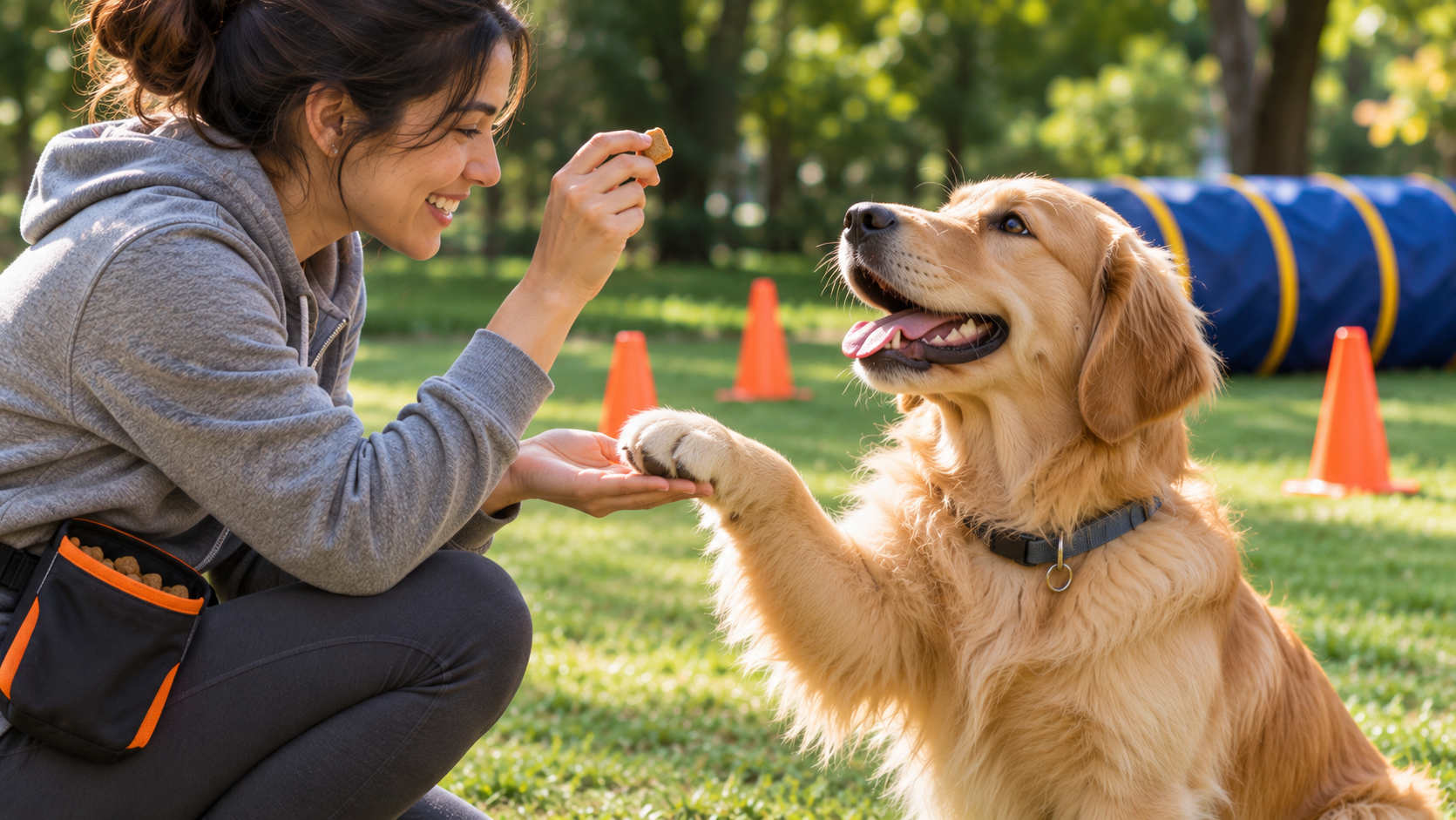
Positive Reinforcement Dog Training is all about building a strong and trusting relationship between you and your furry friend. Instead of focusing on punishment, this method encourages desirable behaviors through rewards like treats, praise, and play. By understanding how this technique works, dog owners can create a nurturing environment that fosters learning and strengthens the bond between them and their pets.
This training approach is grounded in psychological principles, emphasizing the importance of reinforcing good behavior while minimizing stress for the dog. By incorporating a variety of rewards tailored to a dog’s preferences, trainers can effectively modify behaviors and create a more enjoyable training experience. Ultimately, the journey of positive reinforcement training not only enhances obedience but also contributes to a well-adjusted and happy canine companion.
Positive reinforcement training techniques are vital for building a trusting relationship with dogs.
Positive reinforcement training techniques are essential in fostering a strong bond between dogs and their trainers. Unlike traditional training methods that often rely on punishment, positive reinforcement emphasizes rewarding desirable behaviors, which enhances trust and communication. This approach not only encourages dogs to learn but also makes them feel more secure and valued in their environment. When dogs associate training with positive experiences, they are more likely to engage willingly and joyfully, leading to a harmonious relationship.
The essence of positive reinforcement lies in its ability to create an environment where dogs feel safe and understood. This method encourages trainers to observe and respond to their dogs’ behaviors in a constructive manner, strengthening their emotional connection. As the dog begins to comprehend that specific actions lead to rewards, their confidence grows, establishing a mutual respect between the dog and the trainer. This bond is crucial, as it paves the way for more effective learning and a more fulfilling companionship. For instance, when a dog sits on command and receives a treat, not only does it learn the command, but it also learns that its efforts are appreciated, leading to a deeper trust in the trainer.
Examples of Positive Reinforcement Techniques
To effectively utilize positive reinforcement, trainers can employ various techniques that incorporate treats, praise, and play as rewards. These methods can remarkably modify undesirable behaviors and promote good ones. Here are several key techniques:
- Treat Rewards: Offering small, healthy treats immediately after the desired behavior reinforces that action. For example, if a dog lies down on command, presenting a treat right away helps it make the connection between the command and the reward.
- Praise and Affection: Verbal praise, like saying “good boy” in an enthusiastic tone, combined with petting or scratching, reinforces positive behaviors. This method is particularly effective during social interactions and can boost a dog’s confidence.
- Play as a Reward: Incorporating playtime into training sessions can make learning more enjoyable. For instance, if a dog successfully fetches a ball, allowing it to play with the ball as a reward can strengthen its motivation to perform the task again.
These techniques not only promote positive interactions but also help to address and modify undesirable behaviors effectively. For example, if a dog is jumping up on guests when they arrive, training it to sit and rewarding that behavior can shift its focus from jumping to sitting calmly. Over time, the dog learns that sitting leads to attention and affection, while jumping does not yield the desired results.
“Positive reinforcement fosters an environment where dogs feel secure, ultimately enhancing their willingness to learn and connect.”
By consistently applying these techniques, trainers can cultivate a trusting relationship that encourages dogs to thrive both mentally and emotionally, making the training process a rewarding experience for both parties.
Understanding the psychology behind positive reinforcement in dog training is essential for success.
The psychological principles of positive reinforcement are fundamental to achieving lasting behavioral changes in dogs. By harnessing the innate desire for rewards, trainers can effectively shape and modify a dog’s behavior. This method relies on operant conditioning, a learning process where behaviors are modified through rewards or consequences. Positive reinforcement encourages desired behaviors by pairing them with enjoyable outcomes, thus fostering a motivational environment for learning.
The key psychological principle underlying positive reinforcement is the behavior-reward relationship. When a dog successfully performs a desired action, such as sitting on command, and is rewarded promptly with treats, praise, or playtime, it reinforces that behavior. Over time, the dog learns to associate the command with the reward, making them more likely to repeat the behavior in the future. This creates a positive feedback loop that enhances the dog’s motivation to learn and obey commands.
Impact of Reinforcement Schedules on Learning
Reinforcement schedules play a crucial role in shaping how a dog learns new behaviors. These schedules determine how often and when a reward is given following a desired behavior. Understanding the impact of these schedules can significantly enhance the efficiency of training sessions.
There are various types of reinforcement schedules:
- Continuous Reinforcement: This schedule rewards a dog every time it performs the desired behavior, which is particularly effective during the initial stages of training. It helps establish a clear connection between the behavior and the reward.
- Partial Reinforcement: Unlike continuous reinforcement, this method rewards the dog only some of the time after the desired behavior. There are several variations, such as fixed-ratio, variable-ratio, fixed-interval, and variable-interval schedules. For instance, using a variable-ratio schedule, like randomly rewarding a dog after a few successful commands, often leads to stronger and more persistent behavior because the dog keeps guessing when the next reward will come.
The timing of the reinforcement is also critical. Immediate rewards help solidify the connection between the behavior and the consequence, while delayed rewards may confuse the dog and weaken the association, potentially leading to inconsistent behavior.
Differences Between Positive Reinforcement and Punishment-Based Training Methods
The contrast between positive reinforcement and punishment-based training methods is significant. While positive reinforcement focuses on encouraging desired behaviors through rewards, punishment-based methods involve applying aversive stimuli to discourage unwanted behaviors.
The psychological implications of these methods can be profound:
- Emotional Impact: Dogs trained using positive reinforcement often exhibit higher levels of enthusiasm and willingness to learn, creating a trusting bond with their trainers. In contrast, punishment-based training can result in fear and anxiety, damaging the relationship between the dog and trainer.
- Behavioral Outcomes: Positive reinforcement tends to yield long-lasting behavioral changes, as it promotes a positive attitude toward learning. Punishment may suppress unwanted behaviors temporarily but does not teach alternative behaviors, and can lead to aggression or avoidance.
Incorporating positive reinforcement into dog training promotes a healthy learning environment, grounded in understanding canine psychology, leading to successful and rewarding training experiences for both dogs and their owners.
Identifying the right rewards for effective positive reinforcement is crucial for training success.
Choosing the right rewards is a pivotal aspect of effective positive reinforcement in dog training. When rewards align with a dog’s preferences, training becomes more engaging and successful. This section explores various types of rewards, methods to assess a dog’s preferences, and the critical importance of timing in delivering those rewards.
Types of Rewards for Positive Reinforcement
Understanding the different types of rewards available helps trainers select the most effective ones for their dogs. The main categories include treats, toys, and social interactions, each serving unique purposes in training.
- Treats: Treats are often the most powerful reward for dogs. High-value treats, such as pieces of chicken, cheese, or specially formulated training treats, can be particularly effective for motivating dogs. It’s essential to select treats that are small and easy to chew, allowing for quick delivery and minimizing the time between the desired behavior and reward.
- Toys: Some dogs respond exceptionally well to toys as rewards. A favorite ball, tug toy, or squeaky toy can motivate a dog during training sessions. Using toys as rewards can also encourage play and physical engagement, which is beneficial for active breeds.
- Social Interactions: Many dogs thrive on social interactions as their primary form of reward. Praise, petting, and playtime with their owners can be incredibly reinforcing. For some dogs, the approval of their owner is the most significant motivator, making it essential to incorporate positive verbal feedback and affection into training sessions.
Assessing a Dog’s Preferences
To ensure that training is effective, it is crucial to assess a dog’s preferences regarding rewards. Every dog is unique, and what excites one dog may not have the same effect on another. Observing a dog’s reactions can provide insights into their preferences.
- Observation: Watch how your dog reacts to various types of rewards during playtime or when offered treats. Take note of what excites your dog the most and use these observations to tailor your training rewards.
- Experimentation: Test different types of treats, toys, and social interactions to determine which ones elicit the best response. Try varying the intensity and timing of these rewards to see how your dog responds.
- Feedback: Pay attention to your dog’s body language and enthusiasm. A wagging tail, excited barking, or a focused gaze indicates a positive reaction. Use this feedback to refine reward choices continuously.
Timing of Rewards
The timing of delivering rewards is critical in reinforcing desired behaviors. Immediate rewards help dogs make connections between their actions and the response they receive.
- Immediate Reinforcement: Deliver the reward immediately after the dog performs the desired behavior. This clarity helps the dog understand which action earned the reward, solidifying the behavior in their memory.
- Consistency: Be consistent with the timing of rewards. If a dog receives a reward sometimes and not others for the same behavior, it can create confusion and reduce the effectiveness of the training.
- Gradual Fading: As the dog becomes more proficient in a behavior, gradually increase the time between the behavior and the reward. This process helps the dog learn to perform the behavior without relying solely on immediate rewards.
Creating a structured training plan that incorporates positive reinforcement is key to consistent results.
A well-structured training plan is essential for effective dog training, particularly when incorporating positive reinforcement techniques. It helps in achieving consistent results by providing clear milestones and ensuring that both the trainer and the dog are on the same page. This approach fosters a productive learning environment where the dog can thrive.
To create a structured training plan, it is important to Artikel specific behaviors you want your dog to learn and establish a timeline to facilitate gradual learning. By breaking down tasks into manageable parts, you can utilize positive reinforcement techniques effectively, enhancing the dog’s motivation and engagement.
Step-by-step training schedule and task complexity
Designing a training schedule involves setting clear objectives, allocating time for practice, and utilizing positive reinforcement to reward progress. Here’s an example of a structured plan focusing on basic commands:
1. Week 1: Sit Command
– Objective: Teach the dog to sit on command.
– Schedule: Practice for 5-10 minutes, 3 times a day.
– Positive Reinforcement: Use treats or praise when the dog sits promptly.
2. Week 2: Stay Command
– Objective: Build on the sit command to teach the dog to stay.
– Schedule: Start with short durations (1-2 seconds) and gradually increase.
– Positive Reinforcement: Reward with treats for remaining in place.
3. Week 3: Come Command
– Objective: Teach the dog to come when called.
– Schedule: Practice in a controlled environment, gradually increasing distance.
– Positive Reinforcement: Use a favorite toy or treat for successful returns.
4. Week 4: Heel Command
– Objective: Encourage walking beside the handler without pulling.
– Schedule: Short walks (10-15 minutes) focused on maintaining the heel position.
– Positive Reinforcement: Praise and rewards for staying close.
As the dog becomes more proficient, you can gradually increase the complexity of tasks. For instance, while teaching the ‘stay’ command, you can introduce distractions, such as toys or other dogs, to challenge your pet further. This not only enhances focus but also solidifies the behavior in various environments.
The importance of consistency in training and rewards cannot be overstated. Consistent commands, signals, and reward timing help the dog understand what is expected. Utilizing the same phrases and gestures reinforces learning and builds a strong bond between the dog and trainer.
“A consistent approach leads to a more reliable and responsive dog.”
By maintaining this structure and consistency throughout the training process, you set the foundation for effective learning and long-lasting behavioral changes in your dog.
Evaluating the effectiveness of positive reinforcement training can provide insights for future sessions.
Monitoring a dog’s progress during positive reinforcement training is essential for adapting strategies and maximizing effectiveness. By evaluating how well a dog responds to specific cues and rewards, trainers can refine their methods, ensuring a more productive training experience. This ongoing assessment not only enhances the learning process but also strengthens the bond between trainer and dog.
Recognizing the signs of stress or confusion in a dog during training sessions is crucial for both the dog’s well-being and the success of the training. Typically, a dog may display stress through body language—such as cowering, tail tucking, or excessive yawning—indicating the need for a shift in the training approach. Being attuned to these signs allows trainers to adjust their methods proactively.
Monitoring Dog’s Progress and Adjusting Training Strategies
To effectively monitor a dog’s progress, trainers can employ various methods to evaluate behavior changes and learning advancements. Regular assessments help in identifying areas of strength and those needing improvement. The following strategies can be useful for monitoring:
- Keep a training journal that documents each session’s activities, behaviors observed, and responses to commands. This record helps track progress over time.
- Utilize video recordings of training sessions to review the dog’s performance and behavior. This visual feedback can highlight subtle changes and interactions that may be missed in real-time.
- Set measurable goals for each training session, such as mastering a new command or improving response time, making it easier to assess progress.
- Engage in ‘check-in’ sessions where specific skills are tested to evaluate retention and comprehension, allowing adjustments as necessary.
Recognizing the signs of stress or confusion in a dog can significantly improve the effectiveness of training. Understanding how to interpret a dog’s body language is key. Signs of stress may include:
- Whining or barking excessively, indicating discomfort or anxiety.
- Flattened ears, a lowered head, or a tense body posture, which may suggest fear or confusion.
- Avoidance behaviors, such as turning away or trying to escape the training area.
- Excessive licking of lips or yawning, which are common stress signals among dogs.
Trainers should also be flexible with their reward systems as the dog develops and becomes more responsive. Adjusting rewards based on the dog’s progress is essential for maintaining motivation and engagement. Consider the following tips for modifying reward systems:
- Gradually reduce the frequency of treats as the dog learns commands, transitioning to verbal praise or physical affection to maintain enthusiasm.
- Introduce varied rewards to keep the dog interested, such as toys or playtime, especially for more advanced skills.
- Implement a tiered reward system where the value of the reward corresponds to the difficulty of the command or trick being learned.
- Monitor the dog’s reactions to rewards; if a particular reward seems to lose its effectiveness, switch it up to regain the dog’s focus.
By closely observing a dog’s behavior, adapting training techniques, and altering reward systems, trainers can create a more effective and enjoyable training experience that fosters positive learning outcomes.
Common challenges faced during positive reinforcement training and how to overcome them should be addressed.
Positive reinforcement training is a highly effective method for shaping a dog’s behavior, but it does come with its own set of challenges. Understanding these hurdles can help trainers implement strategies to facilitate smoother training sessions. Common issues such as distractions, inconsistent behavior, and maintaining a dog’s interest can hinder progress. By addressing these challenges, trainers can enhance the effectiveness of their training.
Identifying prevalent issues and strategies to tackle them
Training in environments full of distractions can significantly impede a dog’s learning process. Common distractions include other animals, loud noises, and even enticing smells. To combat this, trainers should consider the following strategies:
- Start training in a quiet, controlled environment before gradually introducing distractions. This helps the dog focus on learning.
- Use high-value rewards that are more appealing than the distractions present. For example, use special treats that your dog only receives during training sessions.
- Practice ‘leave it’ and ‘focus’ commands to redirect the dog’s attention away from distractions.
Inconsistent behavior can also be a major challenge. Dogs may not respond the same way every time due to varying factors such as their mood or energy levels. To ensure consistency, trainers can adopt the following practices:
- Establish a routine that includes regular training sessions, as predictability can enhance a dog’s learning.
- Utilize clear and consistent cues for commands to avoid confusion.
- Involve all family members in training to ensure the dog receives uniform responses to commands.
Maintaining a dog’s interest during training sessions
Keeping a dog engaged during training is crucial to prevent boredom, which can lead to disinterest and decreased effectiveness. Here are some techniques to sustain a dog’s enthusiasm:
- Vary the training exercises to prevent monotony. Introducing new tricks or commands can keep sessions fresh and exciting.
- Incorporate play breaks within sessions to provide a mental and physical outlet, fostering a positive association with training.
- Limit training sessions to 5-15 minutes, as shorter, focused sessions are often more effective and enjoyable.
The role of patience and persistence in overcoming training obstacles
Patience and persistence are essential qualities for anyone engaging in positive reinforcement training. Training a dog is not always a linear process; setbacks are common. Recognizing that progress may be slow can help trainers remain calm and focused.
“Consistency and patience will ultimately yield the best results in dog training.”
Staying committed to a training plan, even when results are not immediate, is vital. Celebrating small victories along the way can also boost morale for both the trainer and the dog, reinforcing the bond between them while advancing their training journey. Adopting a mindset of understanding and dedication can make the training process more enjoyable and effective for all involved.
The long-term benefits of positive reinforcement training extend beyond immediate obedience.
Positive reinforcement training is more than just a method for teaching commands; it lays the foundation for a well-adjusted canine companion. This approach not only teaches dogs to follow commands but also fosters a trusting and loving relationship between pet and owner. Research has shown that dogs trained with positive reinforcement are generally happier and more content, making them better companions.
The benefits of positive reinforcement training manifest in various environments, influencing a dog’s behavior in significant ways. For instance, at home, a dog trained with this method is less likely to engage in destructive behaviors, as they learn to associate good behavior with rewards. When visiting a park, these dogs exhibit more sociable traits, greeting other pets and people calmly rather than reacting with anxiety or aggression. In the veterinary clinic, a dog accustomed to positive reinforcement is more cooperative during examinations, as they trust their owner and the caregivers, reducing stress for both the animal and the owner.
Examples of Behavioral Improvements in Different Settings
Understanding how positive reinforcement impacts behavior across different settings is crucial for dog owners. The following points illustrate the diverse benefits of this training method:
- At Home: Dogs are less likely to bark excessively or chew on furniture when they are rewarded for quiet and calm behavior.
- In the Park: Socialization skills improve, allowing the dog to play well with others and develop healthy interactions.
- At the Vet: Dogs experience less fear or anxiety, leading to a smoother visit, making health check-ups less traumatic.
The owner’s experience also improves significantly through positive reinforcement training. Observing their dog’s growth in confidence and social skills leads to increased satisfaction and a deeper bond. Owners often report feeling more in control and connected with their pets, knowing they can encourage good behavior effectively through rewards. This method transforms training into a positive experience rather than a chore, enhancing the overall relationship between dog and owner and contributing to a more harmonious home environment.
Conclusive Thoughts
In conclusion, Positive Reinforcement Dog Training offers a humane and effective approach to teaching dogs while nurturing the human-animal bond. By employing this method, you can help your dog learn in a stress-free environment, leading to long-term behavioral benefits and a happier life for both of you. Embrace the journey, celebrate progress, and watch your canine companion flourish as you navigate the world of training together.
Answers to Common Questions
What is positive reinforcement in dog training?
Positive reinforcement in dog training involves rewarding desired behaviors with treats, praise, or play to encourage those behaviors to be repeated.
How long does it take to see results with positive reinforcement?
The time it takes to see results can vary, but consistent practice can lead to noticeable improvements within a few weeks.
Can positive reinforcement training be used with older dogs?
Absolutely! Positive reinforcement can be effective for dogs of all ages, helping older dogs learn new behaviors or reinforce existing ones.
What should I do if my dog is not responding to rewards?
If your dog isn’t responding, try varying the rewards to find what truly motivates them or reassess your training approach for clarity and consistency.
Is positive reinforcement training suitable for aggressive dogs?
Positive reinforcement can be beneficial for aggressive dogs when used thoughtfully, focusing on rewarding calm behaviors and gradually desensitizing them to triggers.