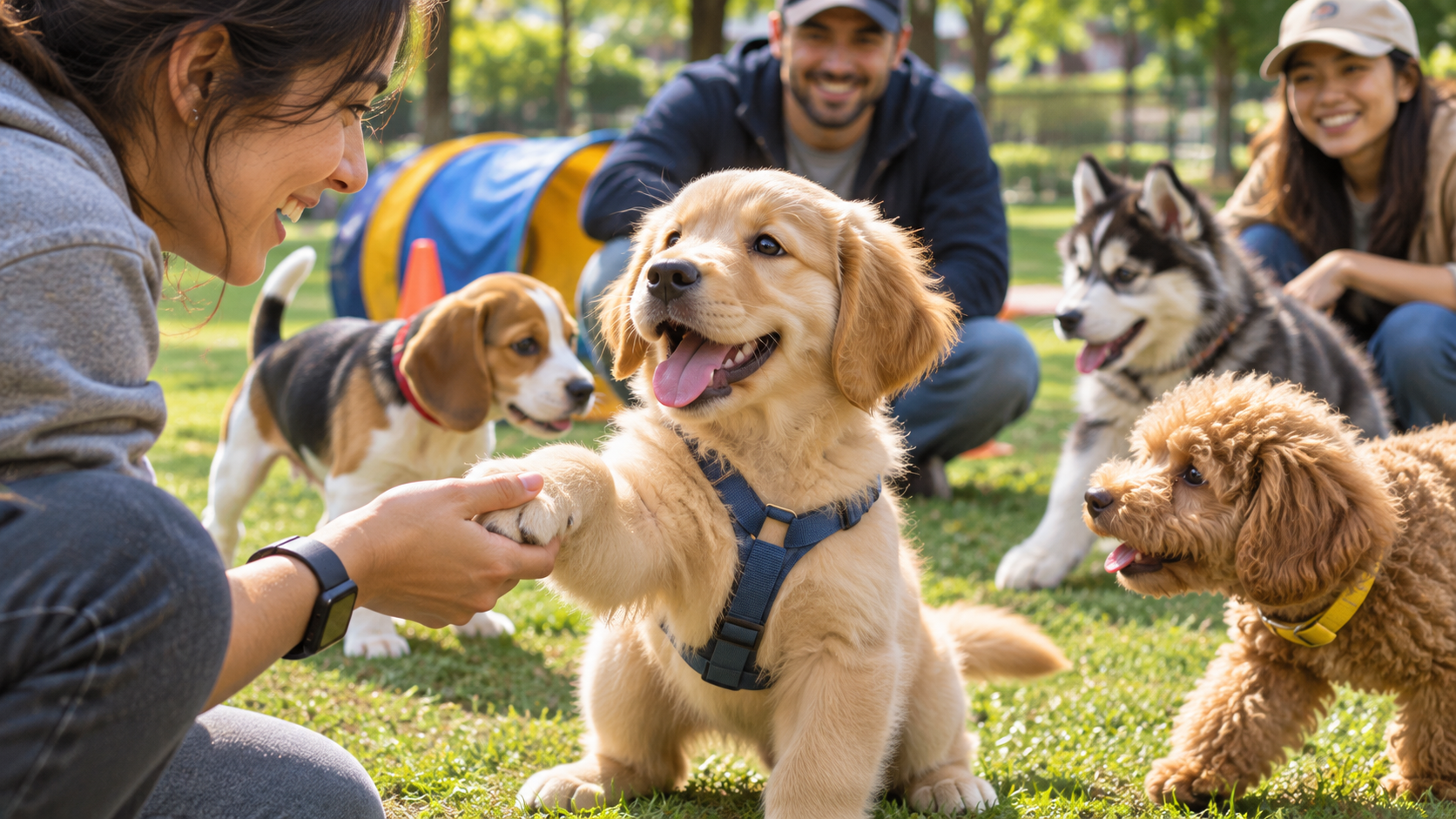
Puppy Socialization Techniques sets the stage for this enthralling narrative, offering readers a glimpse into a story that is rich in detail and brimming with originality from the outset. Early socialization is crucial in shaping a puppy’s behavior and ensuring they grow into well-adjusted adult dogs. By exploring various environments, techniques, and the importance of play, owners can foster a confident and sociable pup, making their journey together enjoyable and fulfilling.
The Importance of Puppy Socialization Techniques
Early socialization is a critical phase in a puppy’s development that lays the foundation for a well-adjusted, confident adult dog. Puppies are especially receptive to new experiences during their first three to four months of life. During this time, exposure to various people, environments, and other animals is essential for shaping their behavior and temperament.
Socialization can significantly reduce the likelihood of behavioral problems in adulthood. Puppies that are properly socialized are less prone to issues such as aggression, fearfulness, and anxiety. According to a study published in the Journal of Veterinary Behavior, dogs that experienced proper socialization are 75% less likely to develop anxiety-related behaviors later in life. This early exposure teaches them how to navigate the world, making them more adaptable and resilient.
Benefits of Proper Socialization
Understanding the benefits of socialization is crucial for dog owners. Having a well-socialized puppy not only improves their quality of life but also enhances the relationship between the dog and their owner. The impact of socialization can be categorized into several key areas:
- Behavioral Confidence: Puppies that regularly interact with different stimuli become more confident adults, reducing the risk of fear-based reactions.
- Reduced Aggression: Early interactions with various dogs and people help prevent aggressive behavior, fostering better social skills.
- Adaptability: A well-socialized puppy adapts easily to new situations, which is essential when encountering unfamiliar environments or changes in routine.
- Enhanced Communication Skills: Socialization teaches puppies how to communicate effectively with other dogs, which is crucial for their social development.
Research consistently shows that the benefits of effective socialization far outweigh the risks. A well-rounded socialization plan should include exposure to different surfaces, sounds, people of various ages and appearances, and other animals. For instance, a puppy that plays with calm, well-mannered dogs learns essential social cues that will serve them throughout their life.
“Proper socialization is the best preventive measure against behavioral issues in dogs.” – American Veterinary Society of Animal Behavior
In conclusion, early socialization is a vital part of a puppy’s development. It sets the stage for a lifetime of good behavior, making it a priority for all dog owners to ensure their puppies experience a variety of positive interactions during their formative months.
Different Types of Socialization Environments for Puppies
Socialization is a vital aspect of a puppy’s development, allowing them to learn how to interact with other dogs, people, and various situations. The right socialization environments can significantly influence their confidence and overall behavior. Understanding the various settings where puppies can be exposed to new experiences and stimuli is essential for pet owners looking to raise well-adjusted dogs.
Different environments provide unique experiences that contribute to a puppy’s social skills. Each environment has its own advantages and disadvantages, impacting how effectively a puppy learns to navigate social interactions. Here’s a breakdown of some common environments used for socializing puppies.
Comparison of Socialization Environments
Each socialization environment has distinct pros and cons that can affect a puppy’s development. Below is a table that summarizes these aspects.
| Socialization Environment | Pros | Cons |
|---|---|---|
| Parks |
|
|
| Homes |
|
|
| Training Classes |
|
|
Each of these environments plays a significant role in shaping a puppy’s social skills. Parks provide exposure to a variety of situations that help puppies learn to adapt to new experiences, which can enhance their confidence in public settings. Homes offer a safe space where puppies can engage with family members and familiar pets, allowing for gradual socialization without the stress of overwhelming stimuli. Meanwhile, training classes are designed to facilitate socialization in a structured setting, providing valuable lessons in obedience and interaction under the guidance of experienced trainers.
As puppies encounter different scenarios in these environments, they develop crucial social competencies such as appropriate play behavior, bite inhibition, and communication skills with both dogs and humans.
Key Socialization Techniques for Puppies
Socializing a puppy is one of the most crucial aspects of their development. It sets the foundation for their behavior and temperament as they grow. Through proper socialization techniques, puppies learn to interact with people, other animals, and their environment, which can prevent behavioral issues later in life.
Positive reinforcement and gradual exposure are two essential techniques that help create a well-adjusted and confident dog. By rewarding desired behaviors and slowly introducing new experiences, you can ensure that your puppy feels safe and secure as they navigate the world around them.
Positive Reinforcement
Positive reinforcement involves rewarding your puppy for desired behaviors to encourage them to repeat those actions. This technique can be highly effective during the socialization process, as it helps puppies associate new experiences with positive outcomes. Here’s how to implement this technique:
1. Identify Reward: Choose a reward that your puppy finds highly motivating, such as treats, praise, or playtime.
2. Pair Reward with Experience: When introducing your puppy to a new person, animal, or environment, immediately reward them when they show calm and positive behavior.
3. Increase Complexity Gradually: As your puppy becomes more comfortable, gradually increase the difficulty of the socialization tasks while continuing to offer rewards for positive behavior.
4. Be Consistent: Use the same commands and rewards consistently to help your puppy learn faster and understand what is expected of them.
Gradual Exposure
Gradual exposure helps puppies acclimate to new experiences without overwhelming them. This technique allows puppies to explore their environment at their own pace, reducing the likelihood of fear or anxiety. Here’s a step-by-step method for effective gradual exposure:
1. Start with Familiar Settings: Begin socialization in a familiar environment, such as your home or backyard. Introduce new sounds or objects slowly, so your puppy can investigate without stress.
2. Introduce New Experiences Slowly: Progress to introducing your puppy to different environments, such as a park or pet store, one at a time. Keep the initial visits short and positive.
3. Monitor Stress Levels: Pay attention to your puppy’s body language. If they show signs of fear or anxiety, take a step back and allow them to acclimate before reintroducing the experience.
4. Increase Duration and Complexity: As your puppy becomes more comfortable, gradually extend the time spent in new environments and introduce more complex situations, like meeting other dogs or people.
Regular socialization helps prevent behavior problems and fosters a confident, well-mannered dog.
Adjusting Techniques Based on Temperament
Understanding your puppy’s individual temperament is vital in applying these socialization techniques effectively. Each puppy is unique and may respond differently to various stimuli. Here are some considerations for tailoring your approach:
– Shy or Anxious Puppies: For pups that are more timid, it’s essential to take extra care with gradual exposure. Start with low-stress situations and increase complexity slowly, using positive reinforcement liberally.
– Energetic or Overly Excited Puppies: These puppies may benefit from structured activities. Incorporate play and controlled introductions to new experiences, ensuring they learn to focus on you amidst distractions.
– Curious and Confident Puppies: If your puppy is bold and eager to explore, provide them with a variety of safe experiences, allowing them to investigate while keeping safety in mind.
In all cases, maintaining a positive and encouraging atmosphere will foster trust and promote healthy social behaviors. Remember, the goal is to create positive associations with the world around them, ensuring they grow into well-balanced adult dogs.
Handling Fear and Anxiety During Puppy Socialization
Puppy socialization is a critical phase in a young dog’s development, where they learn to navigate the world around them. However, fear and anxiety are common experiences for many puppies as they encounter new environments, sounds, and people. Understanding how to manage these feelings is essential for fostering a confident and well-adjusted adult dog.
Puppies can display fear in various situations, from the first encounter with a stranger to the sound of loud machinery. Common fears include fear of unfamiliar objects, new experiences, and anxiety around new people or other animals. It’s important to recognize these fears early and address them appropriately to prevent them from developing into lasting behavioral issues.
Identifying and Addressing Common Fears
Recognizing the specific fears your puppy may have is the first step in addressing them effectively. Here are some common fears and ways to help your puppy overcome them:
- Fear of Loud Noises: Fireworks, thunder, and loud machinery can be frightening. To help, gradually expose your puppy to these sounds at a low volume while providing treats and reassurance to create a positive association.
- Fear of Strangers: If your puppy shows anxiety around new people, encourage friends to offer treats. This helps your puppy associate new faces with positive experiences, reducing fear over time.
- Fear of Other Dogs: Introduce your puppy to other dogs in controlled environments where they can observe interactions from a distance. Slowly decrease the distance as your puppy becomes more comfortable.
Each of these fears can lead to anxiety, which may manifest as growling, hiding, or even aggressive behavior. A crucial element in helping puppies overcome these fears is patience. Creating a series of positive experiences in a safe and controlled manner will gradually build their confidence.
“Socialization is less about exposing your puppy to every possible scenario and more about building a sense of security in new experiences.”
Methods for Helping Puppies Overcome Anxiety
There are numerous methods to assist puppies in handling anxiety during socialization. These techniques focus on creating positive experiences and ensuring your puppy feels secure.
- Desensitization: This involves gradually exposing your puppy to the source of their fear in a controlled way, starting at a distance and gradually decreasing it as they become less fearful.
- Counter-Conditioning: Pairing the fear-inducing situation with something your puppy loves, like treats or playtime, can help them develop a more positive association with the scenario.
- Safe Space: Establishing a safe area in your home where your puppy can retreat when feeling anxious can help them feel secure. Use familiar blankets and toys to comfort them.
Personal experiences can highlight the effectiveness of these methods. For instance, one puppy owner recounts how their timid rescue puppy, Molly, was terrified of other dogs. After using counter-conditioning by bringing along her favorite treats, Molly began to approach other dogs in the park, associating them with the joy of tasty rewards. With time and careful exposure, she transformed from a scared little pup to a playful and confident companion who enjoys her interactions with other dogs.
“Through consistent socialization and positive reinforcement, even the most fearful puppies can become confident and sociable dogs.”
Incorporating these strategies into your socialization efforts will not only ease your puppy’s fear but also strengthen the bond between you and your furry friend, setting the stage for a lifetime of happy adventures together.
The Role of Play in Puppy Socialization
Playtime serves as a vital avenue for puppy socialization, allowing young dogs to learn essential social skills in a natural and enjoyable environment. Engaging in playful interactions with other dogs and people provides puppies with a platform to explore boundaries, communicate effectively, and build confidence. Through play, puppies can learn how to navigate various social situations, which is crucial for their overall development and well-being.
Playtime with other dogs and people enhances socialization by providing opportunities for puppies to practice essential skills such as bite inhibition, body language interpretation, and conflict resolution. Interactions during play allow puppies to understand the nuances of canine communication, which can significantly influence their behavior as adults. Observing and participating in play helps puppies to become more adaptable and resilient, making them better companions in various settings.
Games and Activities that Promote Social Skills
Incorporating specific games and activities into playtime can greatly enhance a puppy’s social skills. These activities foster interaction with both humans and other dogs, which is essential for holistic socialization. Here are some engaging activities that can be beneficial:
- Fetch: This classic game encourages puppies to chase after a toy, promoting physical activity while also teaching them to return and drop items. It helps in reinforcing recall commands.
- Hide and Seek: This game fosters problem-solving skills as puppies learn to find their owners or hidden treats. It also promotes bonding and trust between the puppy and its owner.
- Obstacle Courses: Setting up a small agility course with tunnels, jumps, and weave poles encourages puppies to explore and interact with their environment, building confidence in their physical abilities.
- Playdates: Arranging playdates with other vaccinated puppies allows for safe, supervised interaction. This helps puppies learn appropriate play behavior and body language through real-time experiences.
- Tug-of-War: A supervised game of tug can teach puppies about controlled play and impulse control, especially if rules are established (e.g., dropping the toy on command).
Supervised play is crucial to ensure the safety and well-being of all puppies involved. Owners should closely monitor interactions, looking for signs of stress or discomfort. Recognizing these signs can help prevent negative experiences that could lead to behavioral issues in the future. Some common signs of discomfort in puppies include:
- Frozen or stiff body posture
- Excessive panting or yawning
- Seeking to move away from the situation
- Growling or snapping in response to others’ advances
- Loss of interest in play or hiding behind the owner
By ensuring that playtime remains a positive experience, owners can help their puppies develop into well-adjusted adult dogs capable of interacting positively with others.
Creating a Socialization Plan for Your Puppy
Establishing a socialization plan for your puppy is a vital step in ensuring they grow into a well-adjusted adult dog. A comprehensive plan helps you set clear goals for your puppy’s social interactions and provides a framework to monitor their progress. Being proactive in socialization can prevent behavioral issues later on, making it essential to implement a structured approach from a young age.
Creating a socialization plan involves setting specific goals, establishing timelines, and outlining activities that will expose your puppy to various environments, people, and other animals. This structured approach not only enhances your puppy’s social skills but also allows you to track their development and adapt the plan as needed. The plan should be flexible to accommodate your puppy’s changing needs as they grow.
Setting Goals and Timelines
Establishing clear goals for your puppy’s socialization is crucial for effective training. Begin by identifying what you want your puppy to achieve, such as comfort around other dogs, exposure to different environments, and interaction with various people. Here are some important elements to include in your plan:
- Short-Term Goals: Focus on basic exposure, such as meeting new people and other dogs within the first few weeks.
- Medium-Term Goals: Aim for more varied experiences, such as visiting pet-friendly stores, parks, or participating in puppy classes by the end of three months.
- Long-Term Goals: Target lifelong skills, such as calm behavior in busy environments and appropriate responses to novel situations within the first year.
Establish realistic timelines for each goal, considering your puppy’s age and temperament. Keeping a diary or using a digital tracker can help document progress and adjust timelines as necessary.
Tracking Progress and Adapting the Plan
Monitoring your puppy’s progress is key to understanding how well they are adapting to their socialization plan. Regularly assess their comfort level in new situations and note any changes in behavior. Consider the following methods for tracking progress:
- Behavior Logs: Keep a daily log of your puppy’s experiences, noting any positive or negative reactions.
- Photo Documentation: Take photographs of key milestones, such as their first trip to the dog park or meeting new friends.
- Regular Assessments: Every few weeks, evaluate your puppy’s ability to interact with new people and environments, adjusting goals as necessary.
Be open to changing your approach if your puppy shows signs of fear or anxiety. A gradual increase in exposure to new experiences can help build confidence over time.
Involving Family Members and Friends
Engaging family members and friends in your puppy’s socialization is a great way to create a supportive environment for your pet. Their involvement can also contribute to a more enriched social experience. Here are some effective strategies:
- Designate Responsibilities: Assign specific socialization tasks to family members based on their schedules, such as taking the puppy for walks or inviting friends over.
- Host Puppy Playdates: Organize gatherings with friends who have friendly dogs, ensuring controlled interactions in a safe environment.
- Involve Neighbors: Introduce your puppy to neighbors and their pets, creating a familiar community environment.
By including family and friends in the socialization process, you create a diverse network of positive interactions that will benefit your puppy’s development.
Common Mistakes to Avoid During Puppy Socialization
Socializing a puppy is a critical aspect of their development, yet many pet owners make mistakes that can hinder their progress. Understanding these common errors can help foster a well-adjusted and confident adult dog. By recognizing these pitfalls, owners can take proactive steps to ensure their puppies grow up with the social skills they need to thrive in various environments.
One frequent error made by pet owners is not exposing their puppies to a variety of people, environments, and situations. This lack of exposure can result in fearfulness or anxiety in unfamiliar circumstances later in life. Another common mistake is overwhelming the puppy during socialization sessions, which can lead to negative associations and stress. It’s also typical for owners to neglect the importance of positive reinforcement; failing to reward good behavior during interactions can diminish the effectiveness of the socialization process.
Checklist for Successful Puppy Socialization
To help pet owners avoid these common pitfalls, here’s a checklist that highlights essential practices for effective puppy socialization. Following these guidelines can greatly enhance your puppy’s experience and development.
- Start socializing early: Begin introducing your puppy to new experiences as soon as you bring them home, ideally between 3 to 14 weeks of age.
- Introduce a variety of people: Ensure your puppy meets different individuals, including children, seniors, and people wearing hats or sunglasses.
- Expose to various environments: Take your puppy to different places, such as parks, stores, and busy streets, to acclimate them to various sights and sounds.
- Monitor interactions: Pay attention to your puppy’s body language and comfort level during introductions to prevent overwhelming them.
- Use positive reinforcement: Reward your puppy with treats and praise for calm behavior during socialization to encourage positive associations.
- Avoid negative experiences: Ensure that all interactions are positive and avoid putting your puppy in situations where they might feel threatened or scared.
- Gradually increase difficulty: Start with less challenging social experiences and gradually introduce more complex situations as your puppy becomes more confident.
- Engage in puppy classes: Consider enrolling your puppy in socialization classes where they can interact with other dogs and people in a safe environment.
“Proper socialization during the critical developmental period sets the foundation for a balanced and confident adult dog.”
By adhering to this checklist, pet owners can avoid common mistakes and facilitate a more effective socialization process that will lead to a happier, well-adjusted dog. The attention and care put into these early experiences are vital for shaping a puppy’s future behavior and temperament.
Long-term Benefits of Effective Puppy Socialization Techniques
Effective puppy socialization techniques lay the groundwork for a harmonious relationship between dogs and their owners, as well as for the dog’s overall behavior throughout its life. Socialization is not merely a phase; it is a crucial component that influences a dog’s personality and adaptability in various environments. By exposing puppies to different experiences, situations, and individuals, we equip them with the necessary skills to navigate the world confidently and comfortably.
Influence on Lifelong Behavior
One of the most significant long-term impacts of effective puppy socialization is the shaping of their behavior as adults. Well-socialized dogs tend to exhibit fewer behavioral issues, such as aggression or excessive fear. They are more relaxed in unfamiliar situations and adaptable to change. The following points highlight how thorough socialization influences a dog’s lifelong behavior:
- Puppies who interact positively with other dogs and people are less likely to develop anxiety or aggression later in life.
- Early socialization experiences can lead to a well-adjusted adult dog, making interactions with strangers and other animals smoother.
- Dogs that are exposed to various sounds, environments, and experiences as puppies are generally more resilient to stressors in adulthood.
“A dog that has been properly socialized as a puppy is a dog that is set up for success in life.”
Impact on the Bond with Owners
The bond between a pet owner and their dog can be significantly strengthened through effective socialization. When dogs are well-socialized, they are more comfortable engaging with their owners, which fosters trust and companionship. Socialization promotes positive interactions, leading to a more fulfilling relationship. The following aspects illustrate how socialization enhances this bond:
- Dogs that are confident and well-adjusted are more likely to engage in play and training, creating a deeper connection with their owners.
- Socialized dogs often exhibit better obedience and responsiveness to commands, facilitating smoother communication.
- The shared experiences of socialization can lead to a stronger emotional attachment, enhancing both the dog’s and owner’s enjoyment of their time together.
Testimonials from Trainers and Behaviorists
Many trainers and behaviorists have observed the tangible benefits of effective puppy socialization in their practice. Their testimonials underscore the transformative impact that proper socialization techniques can have on dogs. Here are a few notable insights:
- Maria Jensen, Dog Trainer: “I’ve seen countless dogs transform from timid pups into confident companions through structured socialization. The difference it makes is astounding.”
- Dr. Alex Harmon, Canine Behaviorist: “Socialization at a young age prevents many behavioral issues that can arise later. I always recommend early exposure to diverse environments for optimal results.”
- Lisa Caldwell, Pet Owner: “My dog was once fearful of other animals. After a few months of socialization classes, he’s now the life of the party!”
Final Thoughts
In summary, effective puppy socialization techniques lay the groundwork for a positive relationship between pet and owner. By avoiding common mistakes and developing a tailored socialization plan, you can ensure your puppy thrives in various social settings. Ultimately, the benefits of proper socialization extend beyond the early years, fostering lifelong companionship and behavioral stability.
FAQ Section
Why is socialization important for puppies?
Socialization is vital as it helps puppies develop essential social skills, reducing the likelihood of behavioral problems in adulthood.
How can I tell if my puppy is well-socialized?
A well-socialized puppy is usually confident, playful, and comfortable around different people and environments.
What age is best to start socializing my puppy?
The best time to start socializing is between 3 to 14 weeks, as this is a critical period for their development.
Can I socialize my puppy too much?
Yes, over-socialization can lead to stress and anxiety; it’s important to monitor your puppy’s comfort levels.
How do I handle my puppy’s fear of new experiences?
Gradual exposure, positive reinforcement, and patience are key to helping your puppy overcome fears.